Picture this: You’re standing in a garage that feels like it’s been shrunk by a magic spell. The walls seem too close, the ceiling too low, and everything feels cramped. But what if I told you that every inch of that space could be transformed? That’s exactly what creative design can do for those small garage spaces.
Every garage has a story, whether it’s a small two-car space or one that barely fits a bicycle. For many of us, garages are the forgotten rooms of our homes. They’re often used for storage, sometimes for parking, and occasionally for projects that never quite get finished. But what happens when you have limited space and want to make it work better? It’s time to think outside the box, literally. The truth is, even the tiniest garage can become a powerhouse of organization and functionality with the right approach. This isn’t about buying more stuff or trying to fit everything in one spot. It’s about reimagining how you use every single inch.
Understanding Your Garage’s Potential
Before diving into solutions, it’s important to assess what you’re working with. Every garage has its own quirks and challenges. Some might have low ceilings, others might have awkward corners, and some might just feel too small overall. Start by taking a careful look at your garage. Notice the height, width, and depth. Are there any structural elements that can’t be moved? What’s the layout of the doors? These details matter because they’ll guide your design choices.
Consider what you actually need from your garage space. Is it storage, work area, or both? Do you have a lot of seasonal items, or do you mostly need room for your car and a few tools? Understanding your needs helps you prioritize what to focus on first.
The key insight here is that limitations often spark creativity. When you have less space, you’re forced to think more carefully about each item and each solution. It’s almost like having a design challenge that pushes you to find clever answers.
Vertical Thinking: Maximizing Height
One of the most powerful strategies for small garage spaces is thinking vertically. Instead of just focusing on floor space, consider how much you can utilize above your head.
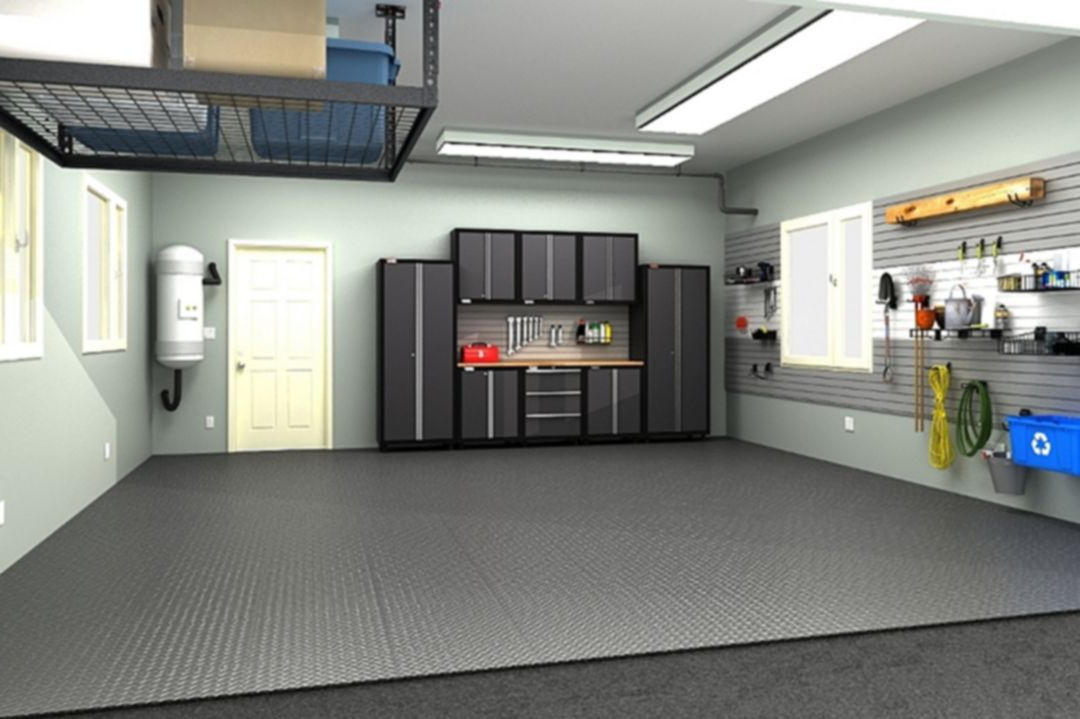
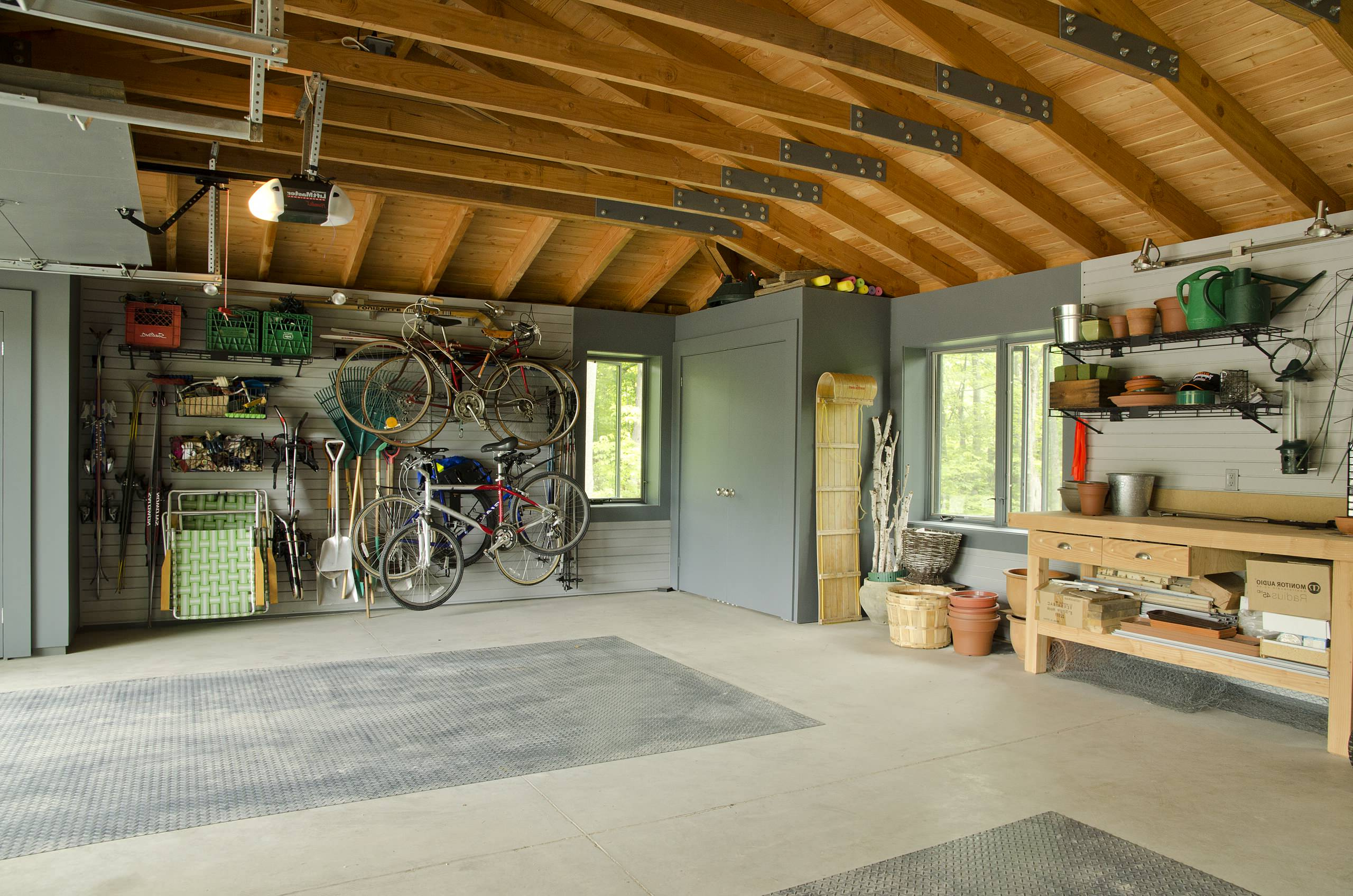
Wall-mounted storage systems are game-changers. These can hold everything from gardening supplies to sports equipment. They’re easy to install and can dramatically increase your storage capacity. Think about using pegboards or shelving units that go all the way to the ceiling.
Overhead storage can be particularly effective for seasonal items. If you store things like holiday decorations, camping gear, or winter tires, consider installing racks or bins above your cars. Just make sure you can safely reach them.
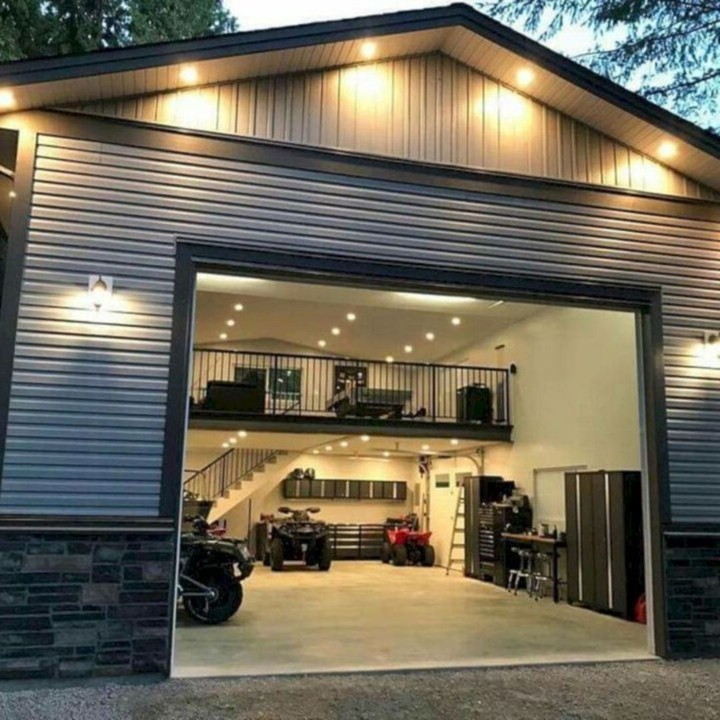
Some garages have high ceilings that go unused. A good way to utilize this space is by installing loft-style storage areas or even converting part of the ceiling into a workspace.
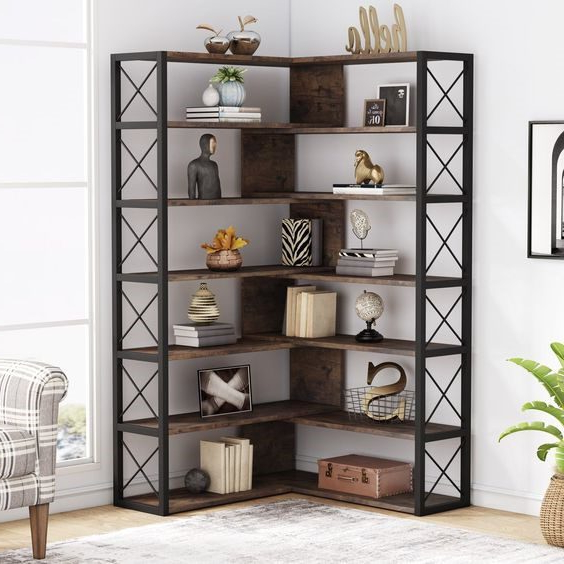
Another creative vertical idea is using tall, narrow storage units. These can fit in corners and make the most of otherwise wasted space. They’re especially useful when you need to store items that aren’t frequently accessed but still need to be organized.
Smart Storage Solutions
When space is tight, smart storage becomes essential. Here are some approaches that really work:
• Multi-functional furniture: Look for storage solutions that serve more than one purpose. A storage bench can double as seating while holding your shoes and accessories.
• Undercar storage: Many garages have space under the cars that goes largely unused. Install hooks or storage containers there to hold items like bike tires or garden hoses.
• Baskets and bins: These simple tools can organize everything from tools to toys. They’re also great for hiding clutter and keeping things separated.
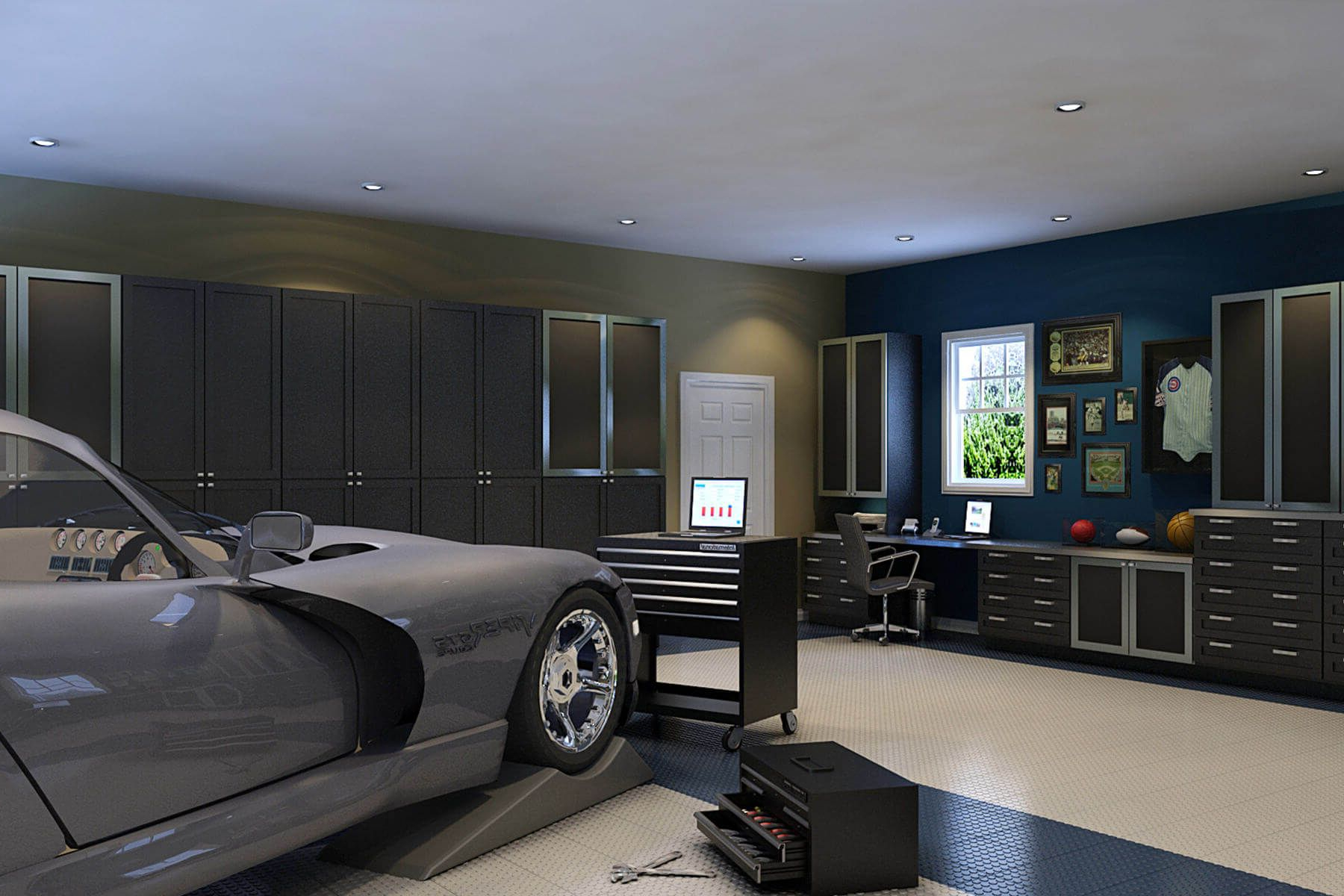
• Cabinet solutions: Even small cabinets can provide lots of storage. Consider wall-mounted cabinets or corner cabinets that maximize every available space.
The secret is to think in terms of zones. Create distinct areas for different types of items. One section for tools, another for seasonal items, maybe a third for cleaning supplies. This makes finding things easier and keeps the whole space feeling organized.
Corner and Nook Strategies
Let’s talk about those hard-to-reach places. Corners and nooks are often forgotten but they can be incredibly useful when designed properly.
Corner shelves are excellent for maximizing these tricky spots. They come in various shapes and sizes, from L-shaped to curved designs. These can hold books, tools, or decorative items depending on your needs.
Nook organizers are specifically designed to take advantage of awkward spaces. These might be custom-built units or modular systems that fit perfectly into the shape of your garage.
Another popular option is to install wall-mounted brackets that can hold items along the edges of your garage. These can support bikes, tools, or even small plants.
The key is to measure everything before you buy. Make sure you know exactly how much space you have and what will fit. Sometimes, the most creative solutions come from turning those awkward spaces into assets rather than problems.
Lighting and Visual Tricks
Good lighting can make a huge difference in how a garage feels and functions. Poor lighting can make even a spacious garage feel cramped and uninviting.
Proper illumination means you can see what you’re doing, which prevents accidents and makes organizing easier. Consider LED strips along the ceiling or walls for ambient lighting. Task lighting over work areas can help with detailed projects.
Mirrors are surprisingly effective for making spaces feel larger. A large mirror on one wall can reflect light and give the illusion of more space. Just be mindful of where you place it so it doesn’t create glare or safety issues.
Color choices also play a role. Light colors reflect light better and can make a small space feel bigger. White, cream, or light gray walls are usually good choices.
Sometimes, a few well-placed lights can transform how you experience your garage. It’s amazing how much better a space feels when it’s bright and welcoming rather than dark and intimidating.
Functional Layout Planning
Creating a functional layout is like creating a roadmap for your garage. It ensures that everything has its place and that you can move around easily.
Start by mapping out your garage. Note where your car sits, where the door opens, and where you’ll need to walk. Then think about how you want to arrange your items.
Traffic flow is crucial. Make sure there’s enough room to open your garage door and move around comfortably. Don’t block pathways with storage units or tools.
Zoning is another important concept. Create distinct areas for different purposes. A work zone, a storage zone, a vehicle maintenance area, and perhaps a play area for kids.
Think about accessibility. Frequently used items should be easy to reach. Seasonal items can go higher or in harder-to-reach places. This planning step saves time later and makes your garage much more usable.
Remember, the best layouts often involve trial and error. Don’t be afraid to rearrange things until you find what works for you. Sometimes the perfect solution comes after several attempts.
Creative Projects and DIY Ideas
If you’re feeling adventurous, there are countless DIY projects that can transform a small garage.
Custom shelving is one of the most satisfying projects. Building your own shelves gives you complete control over size, placement, and style. You can use materials like wood, metal, or even repurposed items.
Repurposing old items is another fun approach. An old ladder can become a tool rack. A wooden crate can be turned into a storage bin. Old doors can become cabinet doors.
Modular systems offer flexibility. These are pre-made storage units that can be combined in different ways. They’re great for people who want something that can adapt as their needs change.
Painting and finishing touches can also make a big impact. A fresh coat of paint or some simple decorative elements can completely change the feel of a garage. Don’t underestimate how much visual appeal matters.
These projects don’t have to be expensive. Often, the most creative solutions come from using what you already have or finding deals on materials. The satisfaction of completing a project yourself is also worth the effort.
Maintenance and Long-term Organization
Once you’ve created your ideal garage setup, maintaining it is key to keeping it functional.
Regular decluttering prevents the space from filling up again. Set aside time each month to go through items and decide what stays and what goes.
Label everything. This simple step makes it much easier to find things later. Labels on bins, shelves, and cabinets save time and reduce frustration.
Create systems for how you handle new items. When something new enters your garage, decide where it belongs immediately.
Seasonal reviews are helpful. Every season, reassess what you’re storing and how you’re using the space. What worked last year might need adjustment this year.
The goal is to create a system that works for you long-term. A garage that looks good and functions well requires ongoing attention, but it’s worth it for the peace of mind and efficiency it brings.
Transforming a small garage into a functional space is less about having more room and more about making better use of what you have. The key is to start with understanding your space, then apply creative solutions that work with its unique characteristics. Whether you choose to maximize vertical space, implement smart storage systems, or simply improve lighting and layout, the end result is a garage that serves you well.
Remember, there’s no one-size-fits-all solution. What works for one person might not work for another. The important thing is to experiment, learn from what doesn’t work, and keep refining your approach.
The beauty of garage design lies in its ability to turn limitations into opportunities. A small space can become a masterpiece of organization and functionality. All it takes is some thoughtful planning, creative thinking, and a willingness to try new things. The garage that once felt cramped and frustrating can become a space you actually enjoy using. After all, every square foot counts, and every idea matters when you’re working with limited space.