Every great kitchen tells a story, and lighting plays a starring role in that narrative. Whether you’re preparing a family dinner or enjoying a quiet coffee in the morning, the right light can transform your space from merely functional to truly magical. In modern kitchens, where form meets function, understanding how to layer and balance different types of illumination isn’t just helpful—it’s essential.
Think about the last time you spent quality time in your kitchen. Did you feel energized and inspired? Or did it feel cramped and uninviting? The answer often lies in one simple element: lighting. In today’s design landscape, kitchens are no longer just workspaces—they’re social hubs, creative spaces, and personal sanctuaries. That’s why getting your lighting right matters more than ever. The perfect kitchen ambiance isn’t about having the brightest lights or the flashiest fixtures. It’s about creating layers of illumination that adapt to every moment of your day. From the gentle glow of task lighting during meal prep to the warm ambiance of accent lighting during evening gatherings, thoughtful lighting design can completely change how you experience your kitchen space. This guide will walk you through the secrets that professional designers use to craft kitchens that look stunning and feel welcoming all day long.
Understanding the Three Layers of Kitchen Lighting
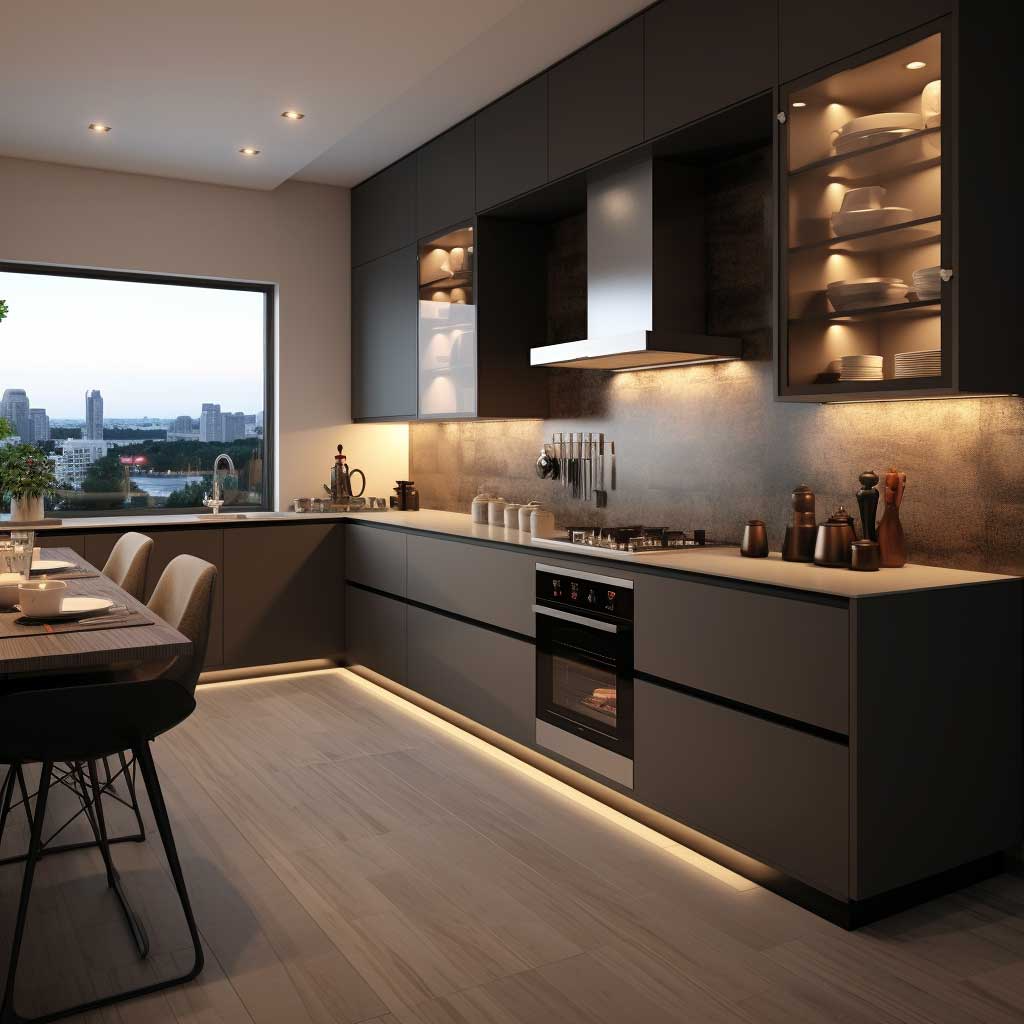
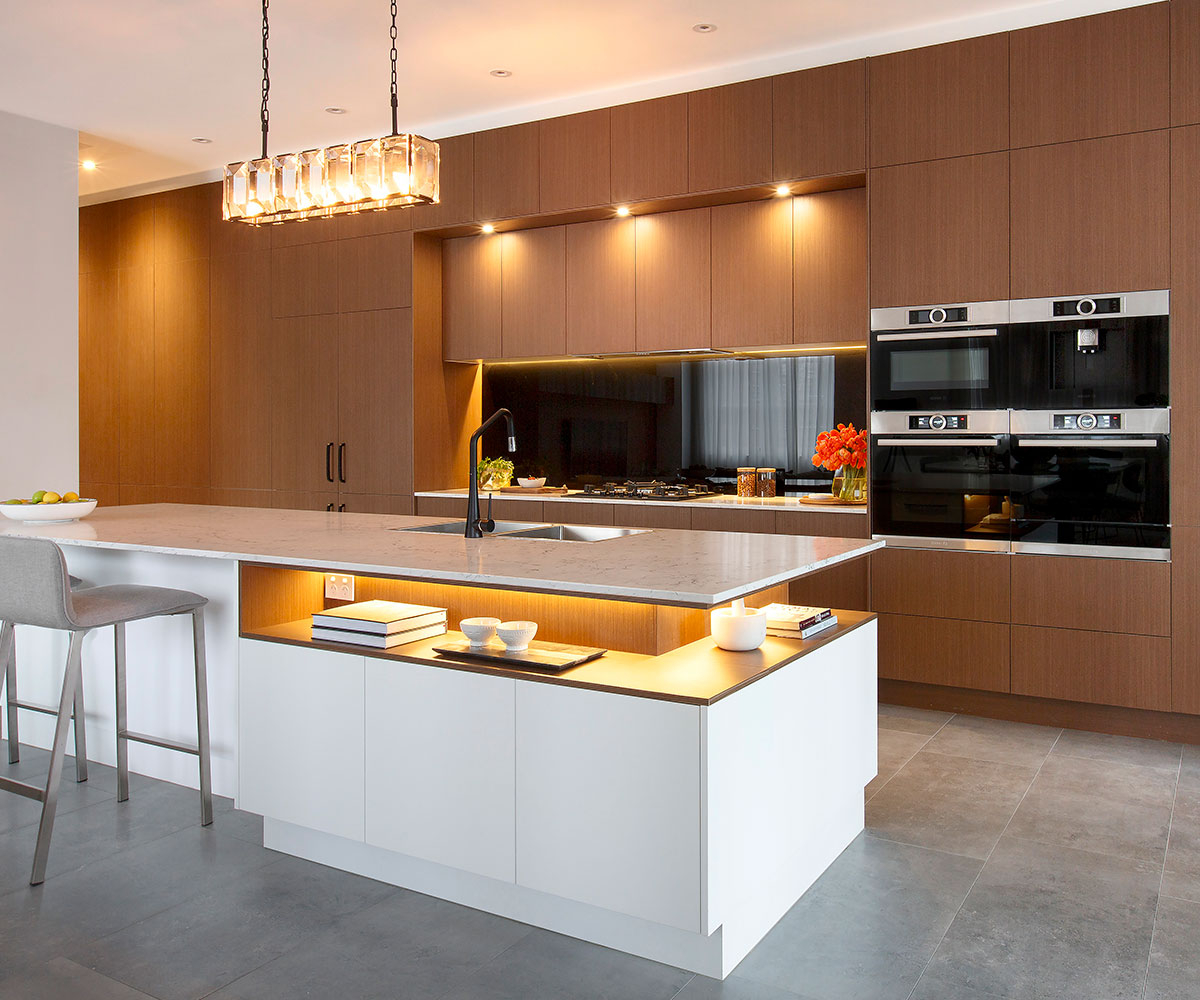
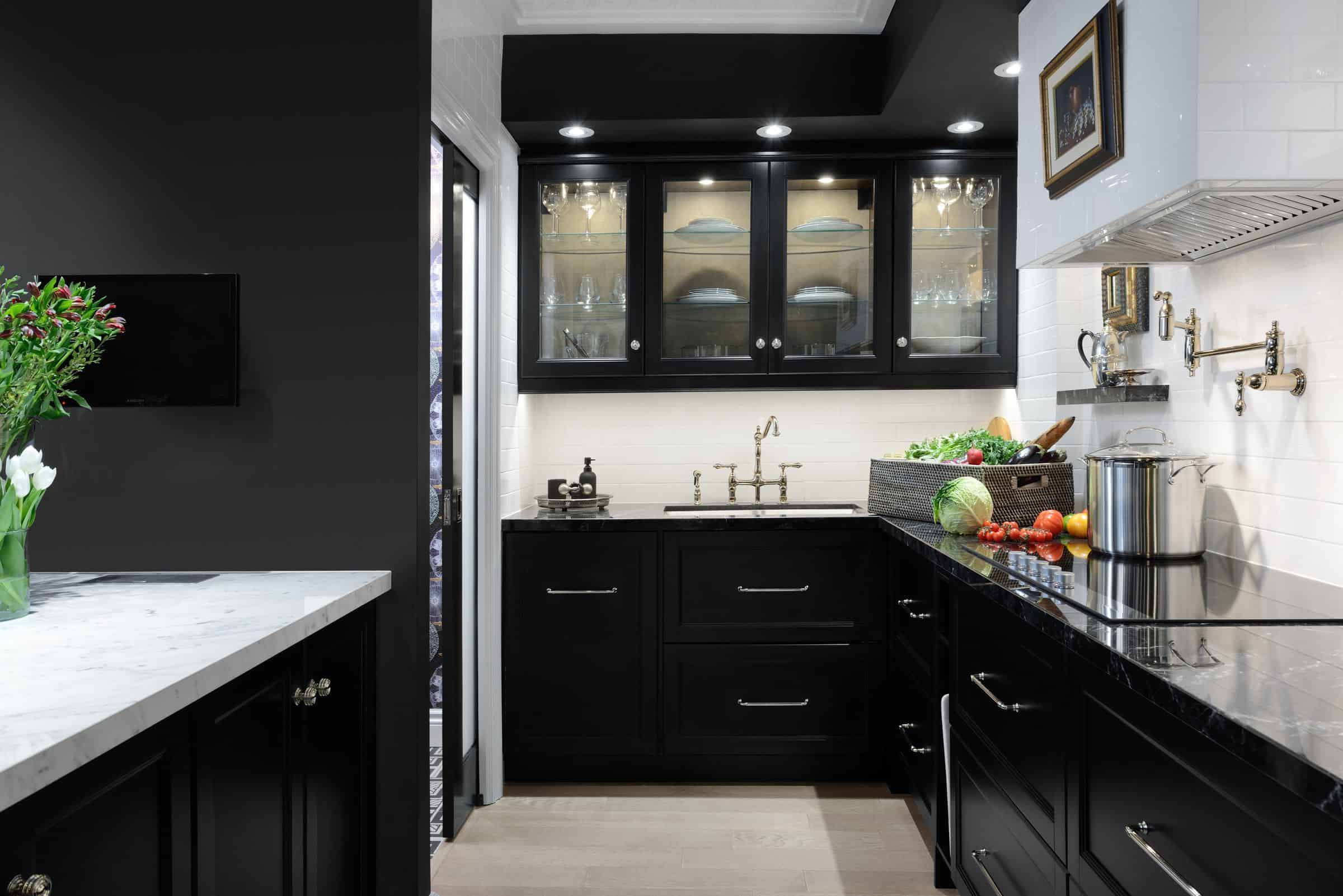
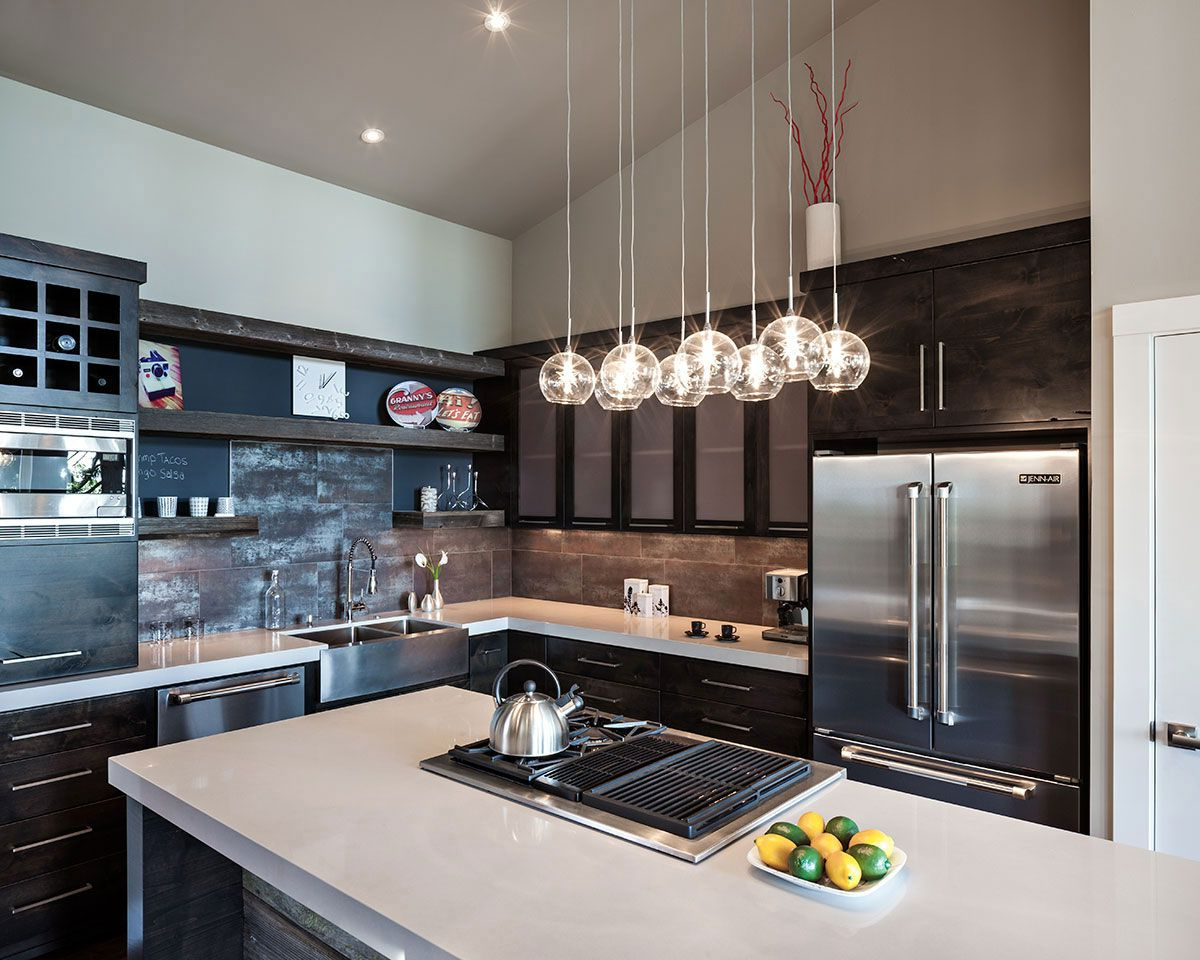
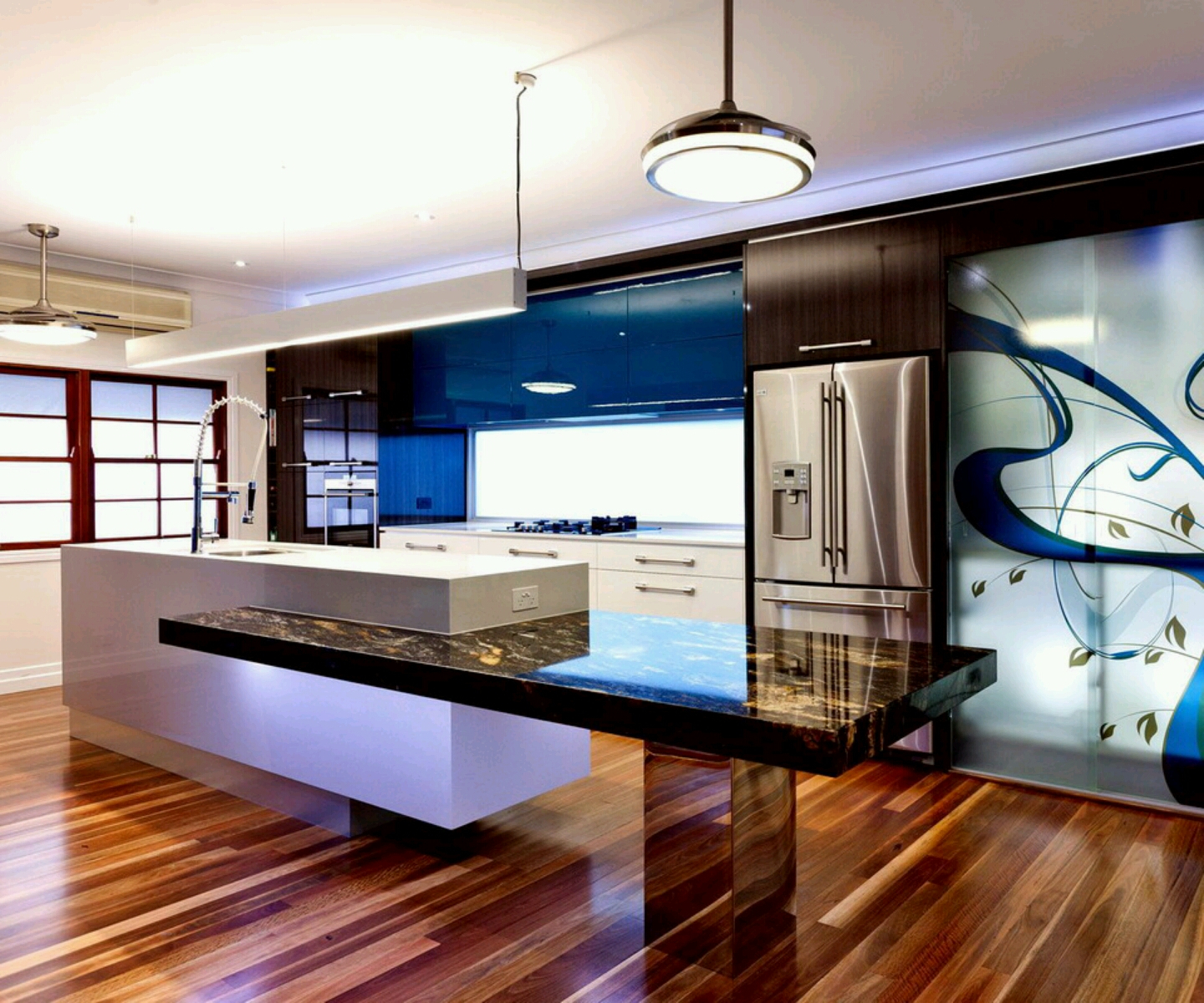
When it comes to kitchen lighting, think of it like a three-layer cake. Each layer serves a different purpose and together they create the perfect harmony. The first layer is general or ambient lighting. This provides overall illumination for the entire kitchen space. It’s the kind of light that allows you to see clearly while moving around the room. Think of it as the foundation. Without this base layer, everything else feels incomplete. The second layer is task lighting. This is focused illumination designed specifically for work areas like countertops, sinks, and cooking zones. You’ll want bright, even light here to avoid shadows and ensure safety. The third layer is accent or decorative lighting. This adds personality and visual interest to your kitchen. It might highlight architectural features, showcase cookware, or create a cozy atmosphere for evening meals. The magic happens when you combine these three elements seamlessly. Consider a kitchen with recessed ceiling lights providing general illumination, under-cabinet LED strips offering task lighting, and pendant lights above the island creating accent lighting. This layered approach ensures you have the right amount of light for every situation, whether you’re chopping vegetables or hosting friends for dinner.
Choosing the Right Light Temperature
The color temperature of your lights can dramatically affect how your kitchen feels. Measured in Kelvin (K), this refers to how warm or cool the light appears. For kitchens, the most common ranges are 2700K to 6500K. Lower temperatures (2700K-3000K) produce warm, yellowish light similar to traditional incandescent bulbs. These create a cozy, inviting atmosphere perfect for dining and relaxing. Higher temperatures (4000K-6500K) offer bright, white light that’s excellent for work areas. But here’s something many people miss: there’s actually a sweet spot for kitchens. Many designers recommend using 3000K to 4000K for most kitchen applications. This range offers enough brightness for tasks while maintaining warmth for comfort. Imagine working in a kitchen where the overhead lights are too harsh and make everything look stark and clinical. Now picture the same space with warm, soft lighting that makes everything feel friendly and approachable. The difference is night and day. When selecting fixtures, look for options that allow you to adjust color temperature if possible. This flexibility means you can shift from bright, functional lighting during the day to softer, more relaxing light in the evening.
Task Lighting: The Workhorse of Kitchen Illumination
Let’s talk about the unsung hero of kitchen lighting: task lighting. This is where most people go wrong. They either skimp on it or overdo it. The key is finding the right balance. Start with your primary work areas—your sink, stove, and prep countertops. These spots need 300-500 lumens per square foot of coverage. That’s roughly 1000-1500 lumens for a standard 12×12-foot kitchen. But here’s where it gets interesting: the placement matters almost as much as the brightness. Under-cabinet lights are the most popular choice because they eliminate shadows directly on your work surfaces. They’re particularly useful for reading recipes or cutting ingredients. However, don’t forget about the backsplash area. This is where you’ll often find yourself working, especially if you have a narrow workspace. A good rule of thumb is to install task lights within 12-18 inches of the work surface. Also consider the height of your cabinets. If they’re low, you might want to add some wall-mounted task lighting. Think about how you move through your kitchen. Where do you naturally gather when cooking? That’s probably where you’ll want to add extra lighting. The goal is to eliminate dark spots and create even, comfortable illumination for whatever you’re doing in that space.
Ambient Lighting: Setting the Stage for Everything Else
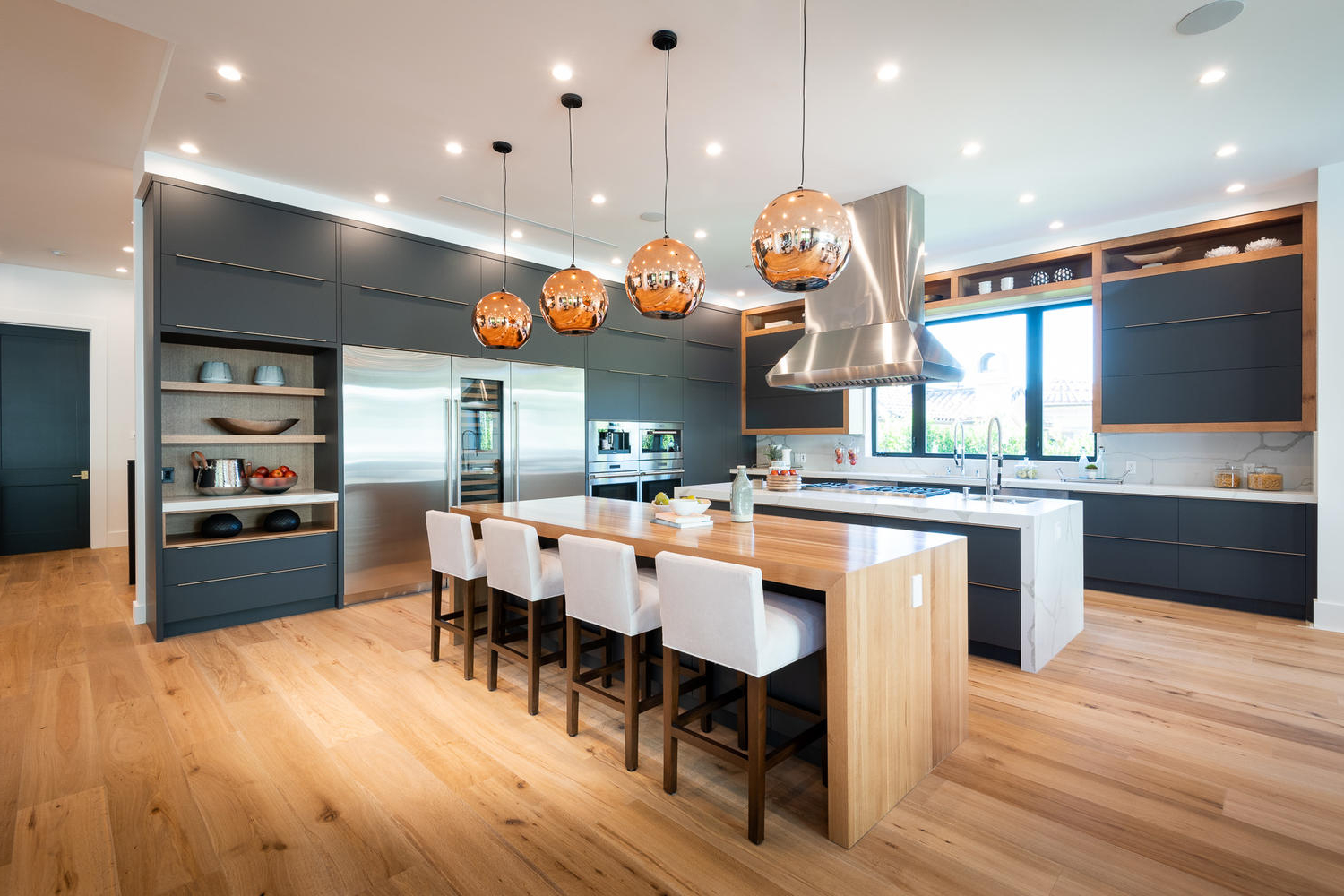
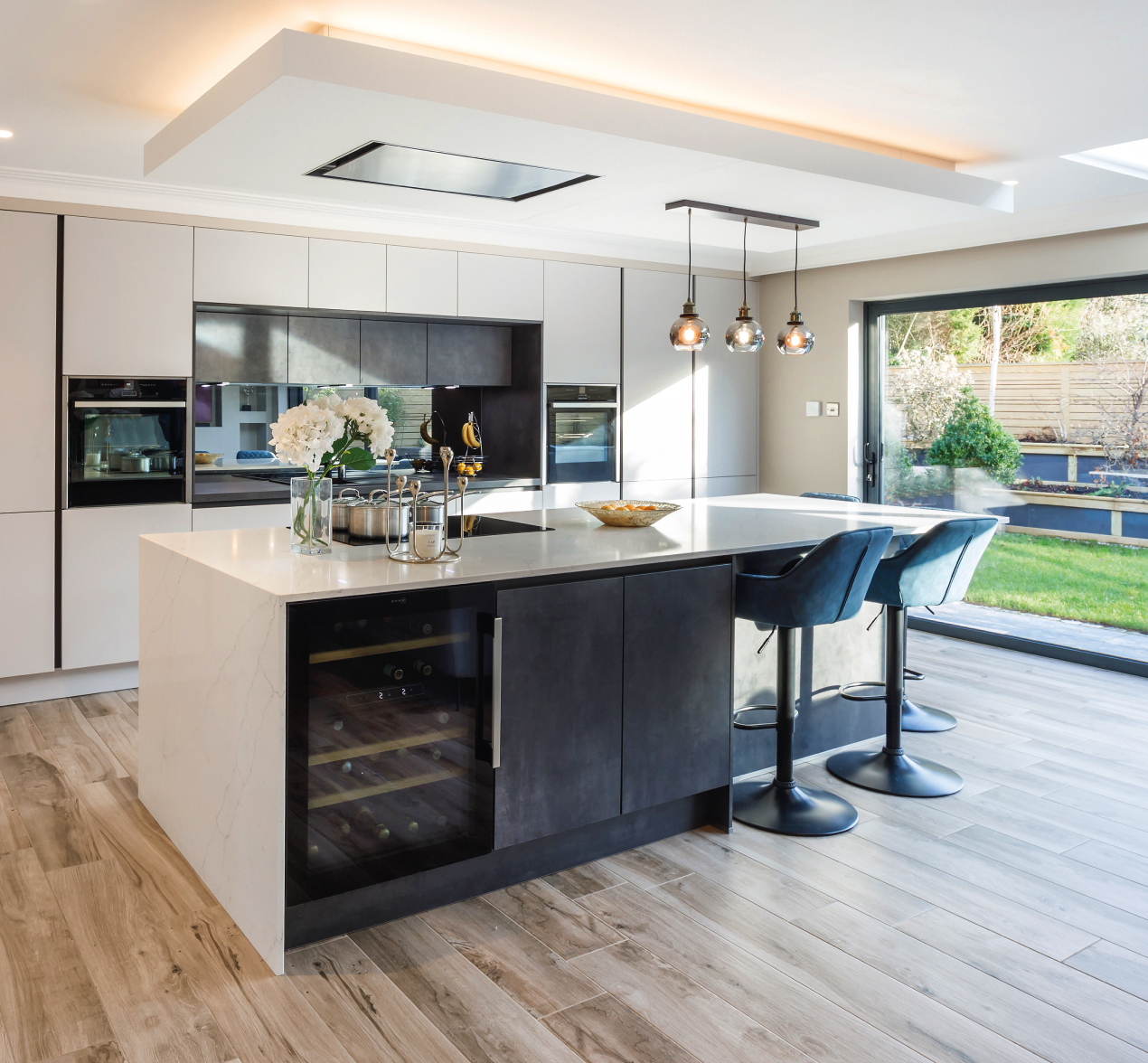
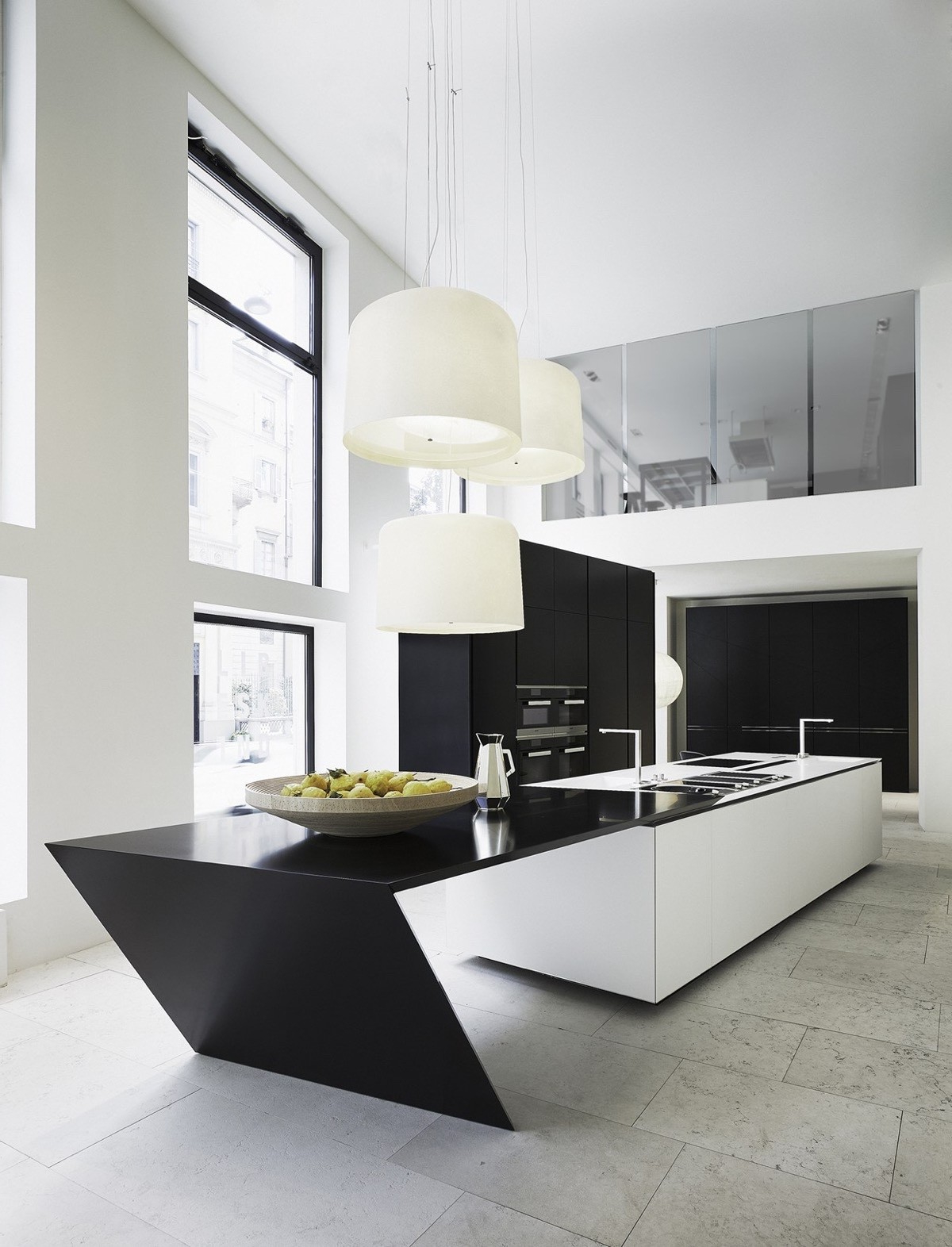
Ambient lighting is the backbone of your kitchen’s overall atmosphere. It’s the light that makes your entire space feel complete and cohesive. This type of lighting should be evenly distributed and provide sufficient illumination for safe movement throughout the kitchen. Many homeowners overlook this crucial element, thinking they can get away with just task lighting. But without proper ambient lighting, your kitchen will feel like it’s missing a fundamental piece of the puzzle. Consider the different areas of your kitchen and how you want them to feel. The dining area needs different ambient lighting than the cooking zone. For example, if you have a breakfast nook, you might want softer, more diffused lighting that creates a relaxed environment. On the other hand, your cooking area might benefit from brighter, more direct ambient lighting to keep things feeling clean and efficient. Recessed ceiling lights are a popular choice for ambient lighting because they’re unobtrusive and provide uniform distribution. But don’t limit yourself to just ceiling fixtures. Pendant lights, chandeliers, or even floor lamps can contribute to the ambient lighting scheme. The key is choosing options that complement your kitchen’s style and function.
Accent Lighting: Adding Personality and Visual Interest
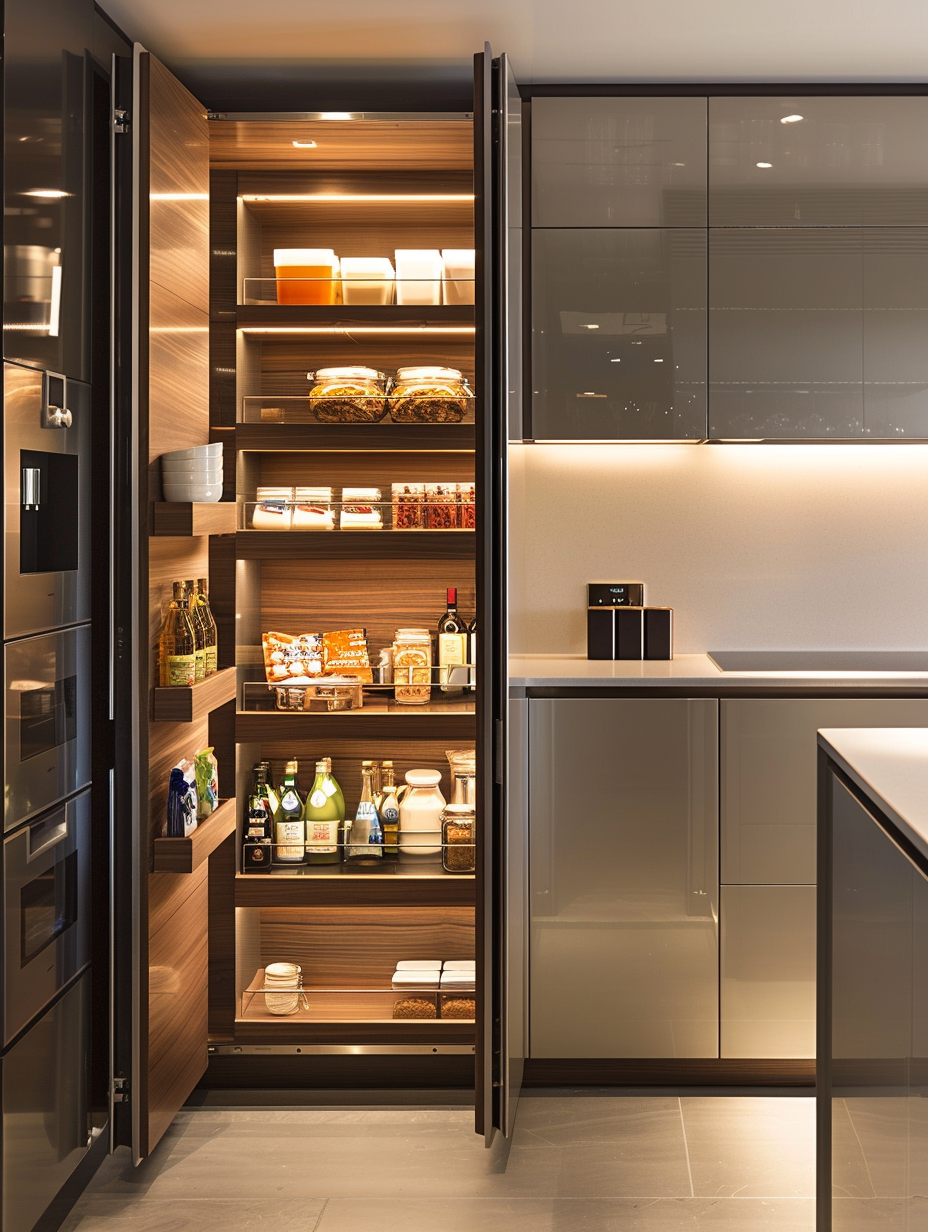
Accent lighting is where your kitchen really starts to sing. This isn’t about functionality—it’s about creating visual impact and drawing attention to specific elements. Think of it as the finishing touch that makes your kitchen feel intentional and thoughtfully designed. Common accent lighting applications include highlighting architectural features, showcasing decorative items, or creating focal points. One popular technique is using LED strip lighting behind cabinets or under shelves. This creates a subtle glow that makes your kitchen feel more modern and sophisticated. Another approach involves installing spotlights or track lighting to highlight artwork, plants, or unique fixtures. You might also consider using dimmer switches for accent lighting, allowing you to adjust the mood from bright and energetic to soft and romantic. The key to successful accent lighting is subtlety. It should enhance rather than compete with your main lighting. Too much accent lighting can overwhelm and make a space feel chaotic. Start small and build up gradually. Maybe begin with a few strategically placed LED strips or a single statement fixture. Notice how it changes the feel of the room and then expand from there. The goal is to create depth and dimension that makes your kitchen feel special.
Smart Lighting Solutions for Modern Kitchens
Technology has revolutionized how we think about kitchen lighting. Smart lighting systems now offer unprecedented control and customization. These systems allow you to adjust brightness, color temperature, and even scheduling automatically. For instance, you might program your lights to gradually brighten in the morning to help wake up naturally, or dim in the evening to create a relaxing atmosphere. Smart bulbs can be controlled via smartphone apps or voice assistants, making them incredibly convenient. Some systems even integrate with home automation platforms, allowing you to set scenes for different activities. Picture having a "meal prep" scene that turns on all your task lights and adjusts the ambient lighting to a bright, focused setting. Or a "dinner party" scene that dims everything except your accent lighting and creates a warm, inviting glow. The possibilities are endless. However, it’s worth noting that smart lighting requires a bit more upfront planning. You’ll need to consider compatibility with existing electrical systems and potentially invest in additional wiring or smart switches. But for those who value convenience and flexibility, the investment often pays off quickly. The key is starting with basic smart features and gradually adding more complexity as needed. Remember, the best smart lighting system is one that enhances your daily routine rather than complicating it.
Creating the perfect kitchen ambiance through lighting is both an art and a science. It requires understanding the different layers of illumination and how they work together to support your lifestyle. Remember that lighting isn’t just about seeing clearly—it’s about feeling comfortable, inspired, and connected to your space. Start by evaluating your current lighting setup and identifying gaps in your three-layer approach. Then, consider what changes would best serve your daily routine and aesthetic preferences. Whether you’re designing a new kitchen or updating an existing one, investing time in thoughtful lighting planning will pay dividends for years to come. The right combination of ambient, task, and accent lighting creates a space that feels both functional and beautiful. It transforms your kitchen from a mere room into a place where life happens. So take a moment to step back and assess your kitchen’s lighting. Ask yourself: does it make me feel good? Does it support my activities? Does it reflect my personality? If the answer is yes to all three, then you’ve created a truly perfect kitchen ambiance. The secret isn’t in the expensive fixtures or the latest trends—it’s in understanding how light shapes our experiences and using that knowledge to create spaces that truly work for us.
[sps_html tag=”img” src=”https://roofdrivein.com/wp-content/uploads/2026/01/how-to-design-a-modern-l-shape-modular-kitchen-333-images-with-regard-to-modern-kitchen-ideas.png” alt=”How To Design A Modern L Shape Modular Kitchen • 333+ Images … with regard to Modern Kitchen Ideas” style=”width: 100%; height: auto;”]
[sps_html tag=”img” src=”https://roofdrivein.com/wp-content/uploads/2026/01/new-home-designs-latest-ultra-modern-kitchen-designs-ideas-regarding-modern-kitchen-ideas.jpg” alt=”New Home Designs Latest.: Ultra Modern Kitchen Designs Ideas. regarding Modern Kitchen Ideas” style=”width: 100%; height: auto;”]
[sps_html tag=”img” src=”https://roofdrivein.com/wp-content/uploads/2026/01/contemporary-kitchen-ideas-within-modern-kitchen-ideas.jpg” alt=”Contemporary Kitchen Ideas within Modern Kitchen Ideas” style=”width: 100%; height: auto;”]
[sps_html tag=”img” src=”https://roofdrivein.com/wp-content/uploads/2026/01/16-innovative-modern-kitchen-design-ideas-that-create-your-dream-kitchen-intended-for-lighting-secrets-creating-the-perfect-ambiance-in-contemporary-kitchens.jpg” alt=”16 Innovative Modern Kitchen Design Ideas That Create Your Dream Kitchen. intended for Lighting Secrets: Creating the Perfect Ambiance in Contemporary Kitchens” style=”width: 100%; height: auto;”]
[sps_html tag=”img” src=”https://roofdrivein.com/wp-content/uploads/2026/01/modern-beautiful-kitchen-design-ideas-for-lighting-secrets-creating-the-perfect-ambiance-in-contemporary-kitchens.jpg” alt=”Modern & Beautiful Kitchen Design Ideas for Lighting Secrets: Creating the Perfect Ambiance in Contemporary Kitchens” style=”width: 100%; height: auto;”]