Tiny homes are more than just a trend—they’re a lifestyle choice that’s growing rapidly. But when space is limited, how do you create a home that feels both spacious and stylish? The answer lies in smart lighting and thoughtful color choices. These two elements work together to transform small spaces into cozy, functional sanctuaries that don’t compromise on aesthetics.
Imagine walking into a tiny home that instantly makes you feel like you’re in a boutique hotel rather than a cramped apartment. That’s the magic of strategic lighting and color planning. Every element in a small space needs to serve multiple purposes, and lighting and color are no exception. They’re not just about making things look pretty—they’re about creating illusions, setting moods, and making every inch count. Whether you’re designing your first tiny home or looking to refresh your existing one, understanding how to work with light and color can completely change your living experience.
Understanding the Power of Light in Small Spaces
Natural light is the most powerful tool in your tiny home arsenal. It can make a room feel twice its size and instantly brighten your mood. But let’s be honest—most tiny homes don’t have floor-to-ceiling windows or expansive skylights. So what do you do? Start by maximizing every ray of sunlight that enters your space.
Consider installing mirrors strategically. A large mirror placed opposite a window can reflect natural light deeper into your room, creating an illusion of space. Try positioning a mirror near a light source to bounce light around the room.
But what happens when the sun goes down? This is where artificial lighting becomes crucial. The key isn’t just having lots of lights—it’s having the right kinds of lights. Layered lighting is essential. Think about three levels: ambient (overall room light), task (specific activities), and accent (highlighting features). For instance, a pendant light over your kitchen prep area provides task lighting, while wall sconces create ambiance, and perhaps a dimmable ceiling fixture handles general illumination.
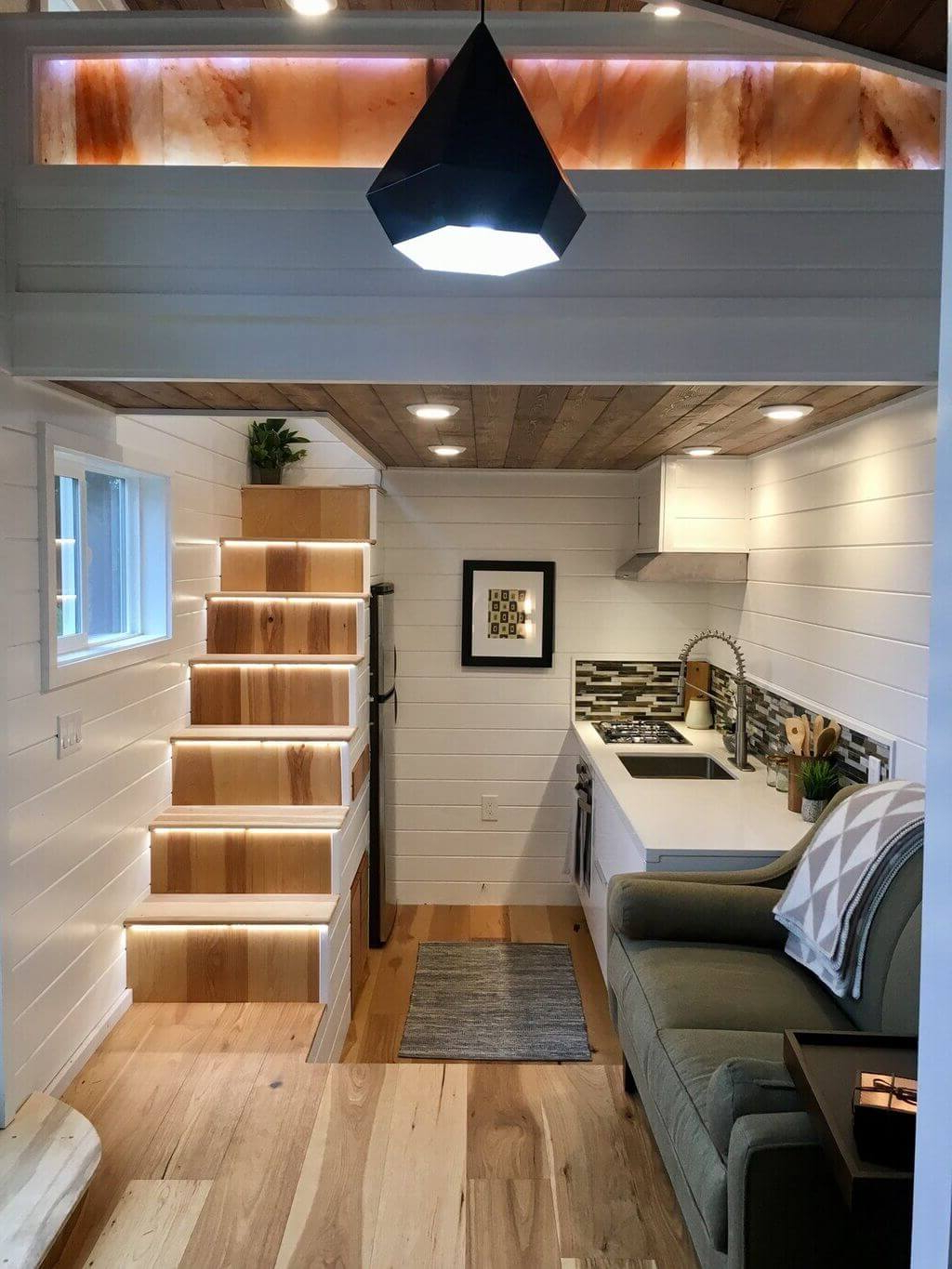
A common mistake people make is using too many bright overhead lights. Instead, opt for softer, warmer lighting options. LED strip lights along cabinetry or under shelves can provide gentle task lighting while adding visual depth to your space.
The Psychology Behind Color Choices
Colors don’t just decorate your walls—they influence how you feel and even how you move through a space. In tiny homes, choosing the right palette can make all the difference between feeling cramped and feeling open.
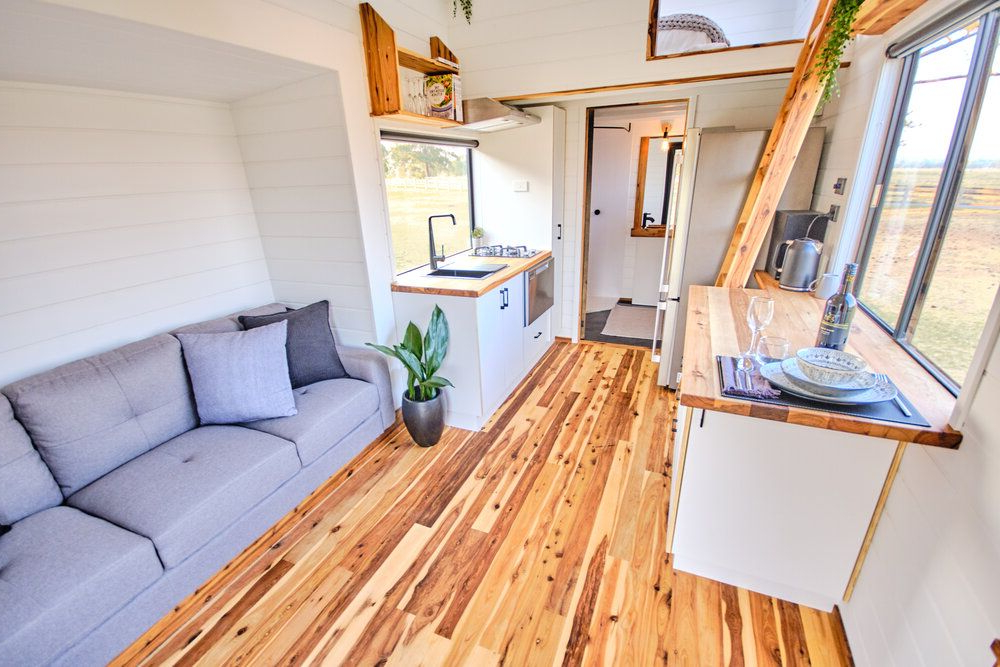
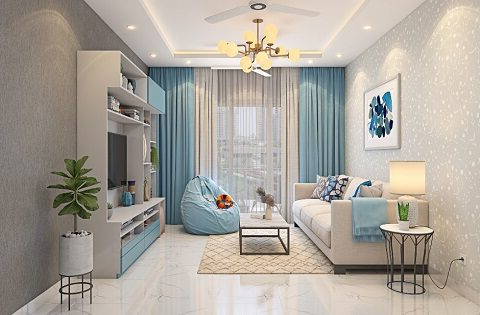
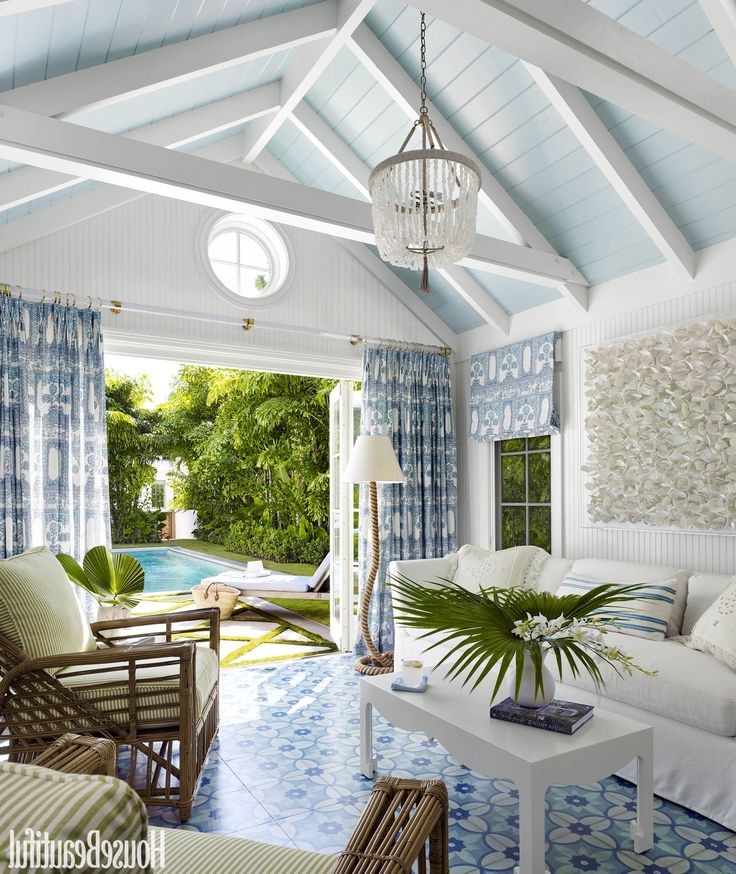
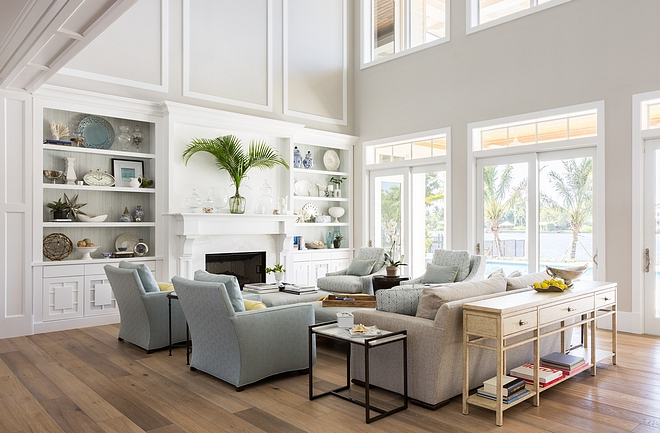
Light colors naturally make spaces appear larger. White, cream, and pale pastels reflect light instead of absorbing it, which creates an airy, expansive feeling. But don’t think you have to go completely white. Soft blues, light grays, and warm beiges can achieve the same effect while adding personality.
Dark colors, often seen as ‘shrinking’ spaces, can actually be used strategically. If you want to define a specific area or create a cozy corner, consider using a darker shade on one wall or in a designated seating area. Just remember to balance it with lighter tones elsewhere.
Think about your daily routine. Do you want to wake up feeling energized? Bright yellows or oranges might be perfect. Are you looking for relaxation? Cool blues and greens can help you unwind. Understanding how colors affect your mood is the first step to creating a home that truly works for you.
Creating Visual Depth Through Strategic Placement
One of the biggest challenges in tiny homes is avoiding that flat, boxy feeling. You want your space to feel three-dimensional, like it has layers and depth. Here’s how lighting and color can help:
Use vertical lines in your color scheme. Paint one wall a different color or add vertical stripes to create the illusion of height. This is particularly effective when combined with tall, narrow furniture pieces.
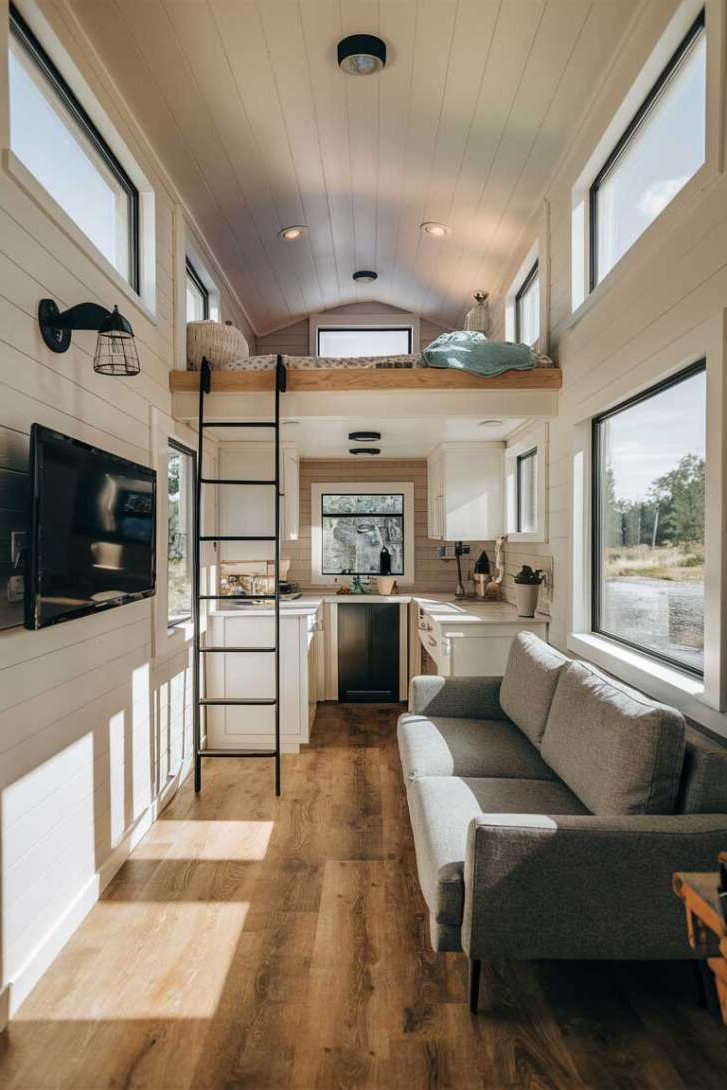
Consider how you arrange your lighting fixtures. A single overhead light can make a ceiling look low. Instead, try multiple smaller lights arranged in a line or cluster. This distributes light more evenly and gives the impression of higher ceilings.
Color gradients can also add dimension. Start with a light base color and gradually shift to a slightly darker shade as you move up the wall. Or use a subtle transition from one color to another across different sections of the room.
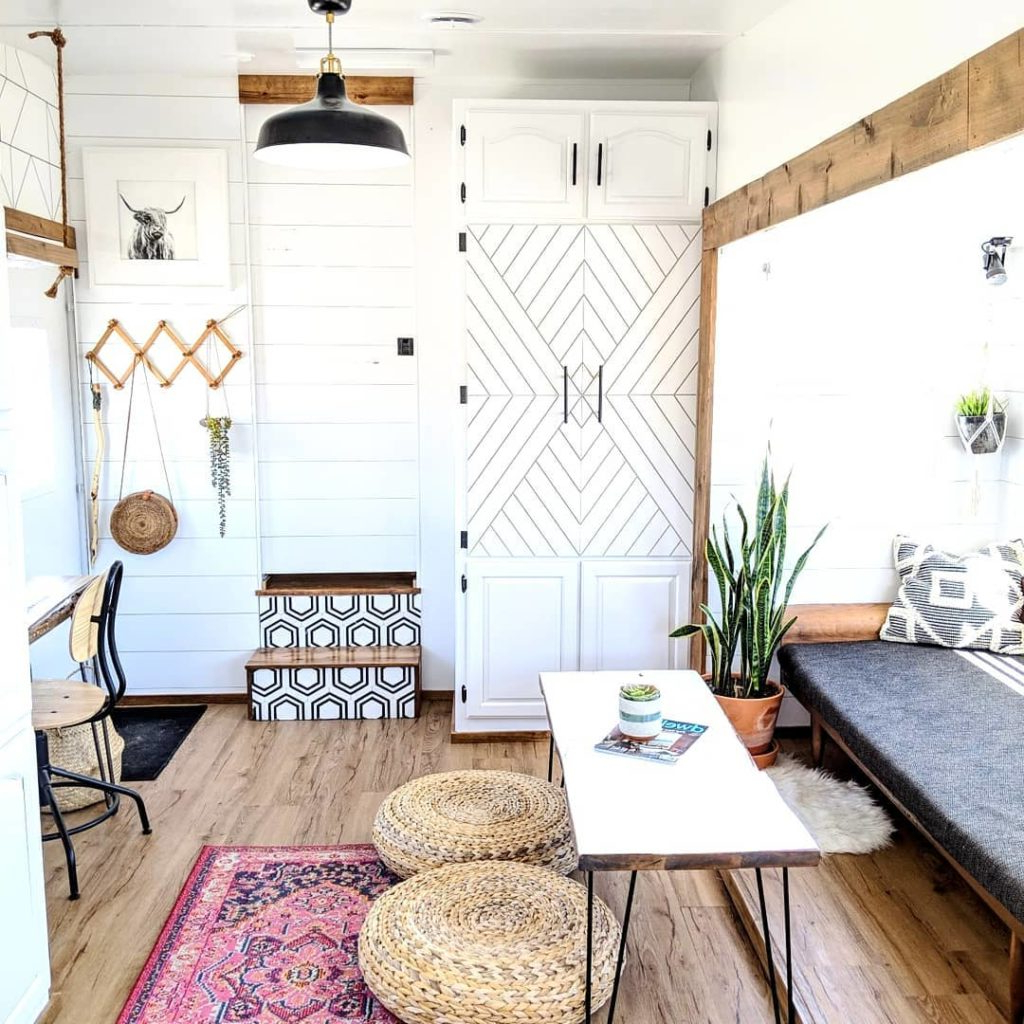
Don’t forget about texture! Combining smooth surfaces with textured elements like woven rugs or wood accents can create visual interest without taking up physical space.
Practical Tips for Different Room Types
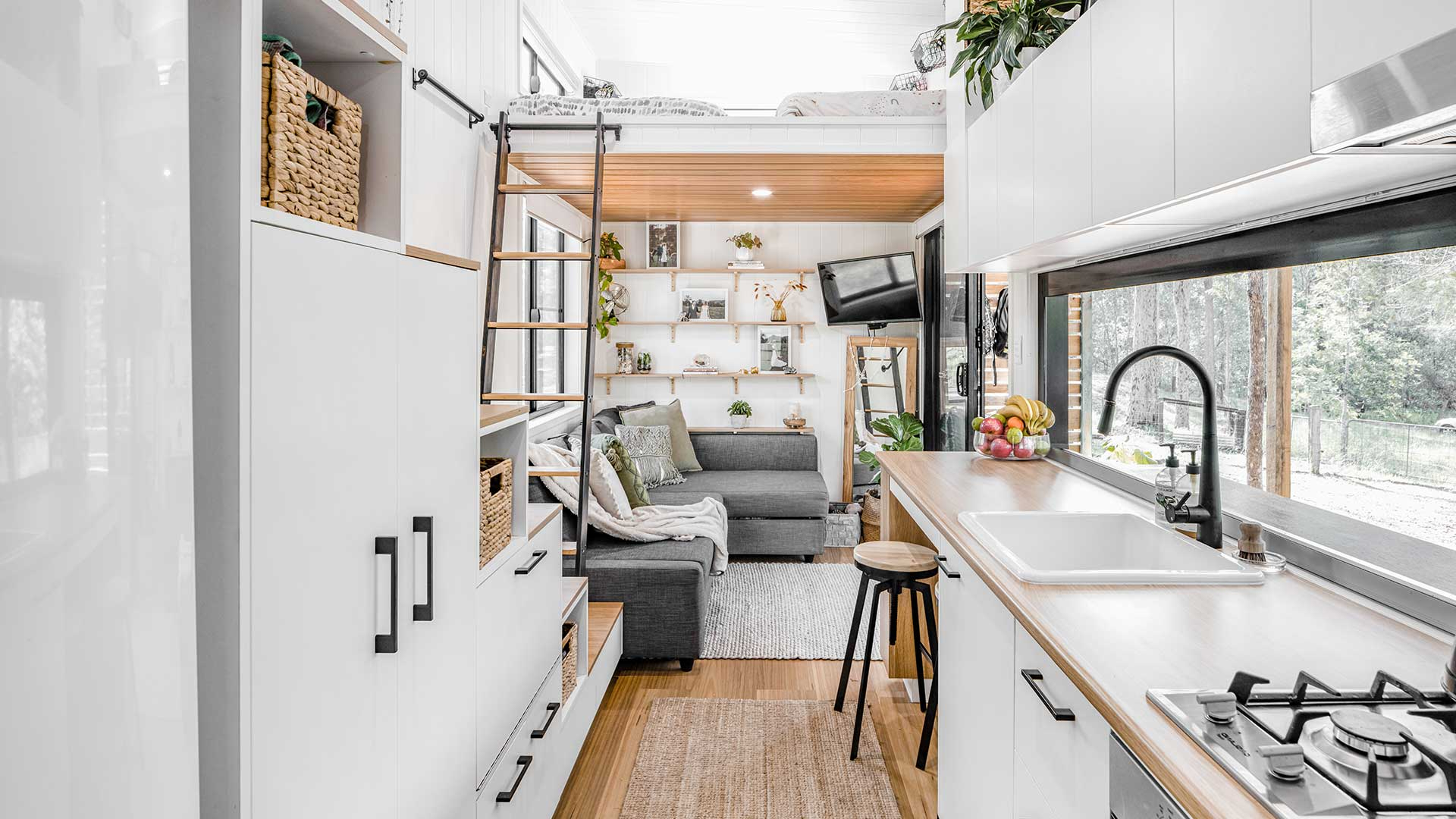
Each room in your tiny home has unique lighting and color requirements. Kitchen areas benefit from bright, even lighting to prevent shadows during cooking tasks. Consider installing under-cabinet lighting that eliminates dark spots and makes food preparation safer and more efficient.
Bedrooms need to feel calming and restful. Warm, soft lighting with dimmer switches allows you to adjust the atmosphere throughout the day. Light colors on bedroom walls can help create a peaceful environment.
Living areas are where you want to create both functionality and comfort. Use layered lighting to accommodate different activities—from reading to entertaining. Choose a color palette that supports conversation and relaxation.
Bathrooms, though small, deserve special attention. Light colors make the space feel bigger and cleaner. Install adequate lighting above mirrors for grooming tasks, and consider adding some ambient lighting for a spa-like feel.
Workspaces require focused lighting to reduce eye strain. Position your desk so it gets good natural light, and supplement with adjustable task lighting. Keep the surrounding walls light-colored to avoid visual fatigue.
Balancing Functionality with Aesthetic Appeal
In tiny homes, everything must serve a purpose. This means your lighting and color choices shouldn’t just look good—they must also perform well. Consider how each element contributes to your daily life.
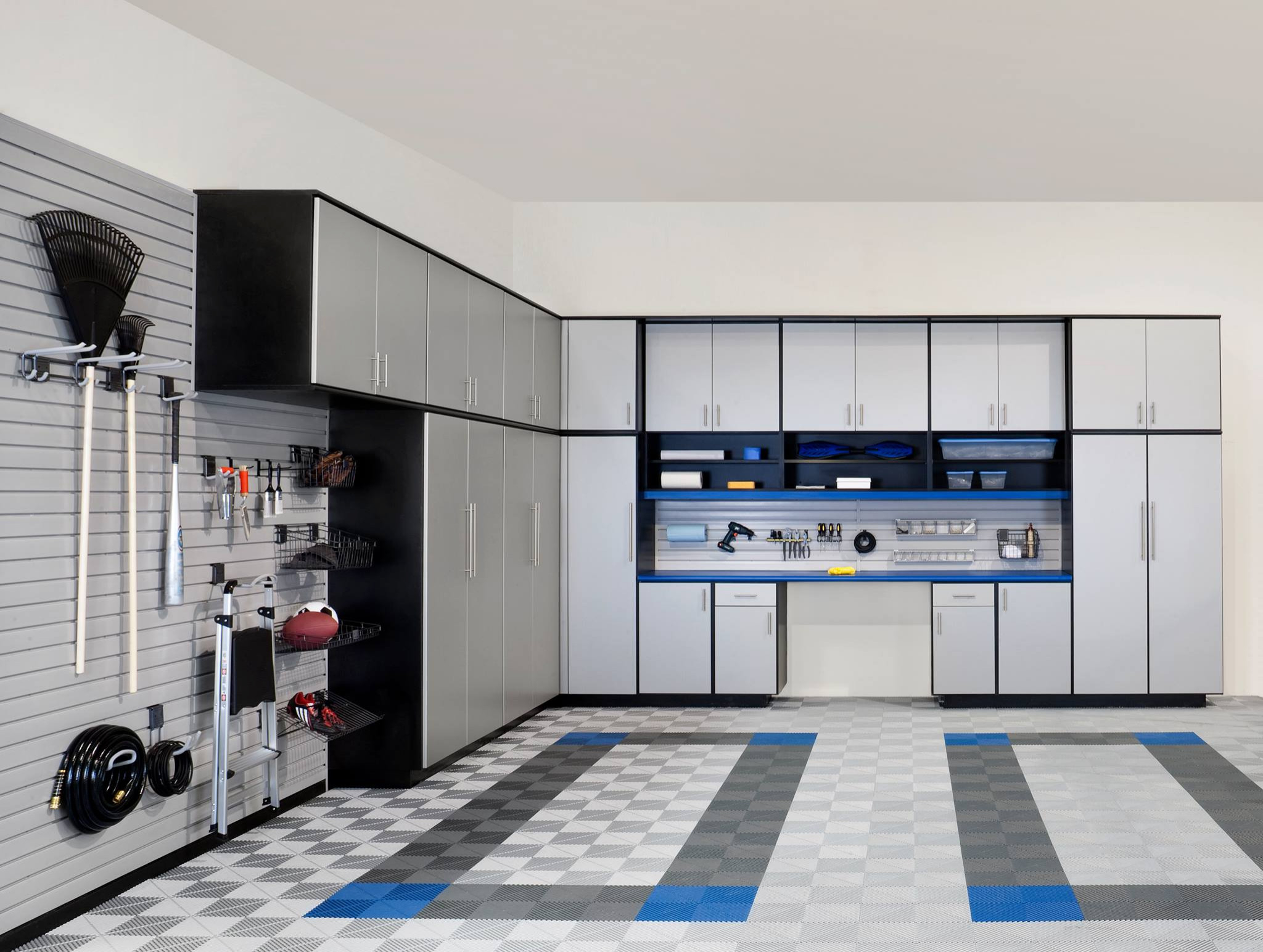
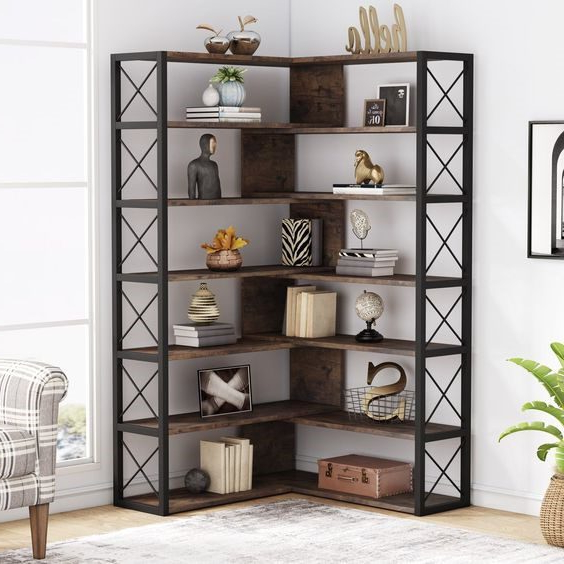
Smart storage solutions can double as decorative elements. A painted shelving unit can become a focal point while providing organization. Choose colors that complement your overall scheme but also add visual interest.
Layered lighting systems allow you to control the mood and function of each space. A simple dimmer switch can transform a dining area from a casual spot to an elegant setting for dinner guests.
Don’t overlook the impact of seasonal changes. Your color choices should allow for easy updates throughout the year. Light, fresh colors can help you feel energized during winter months, while deeper tones can provide warmth during spring and summer.
Remember that small changes can make big differences. Adding a few accent pillows in a complementary color or switching out a lampshade can refresh your entire space without major renovations.
Avoiding Common Mistakes in Tiny Home Design
Even with the best intentions, tiny home owners often fall into certain traps when working with lighting and color. One of the most frequent errors is using too many contrasting colors. This can make a space feel chaotic and disjointed. Stick to 2-3 main colors maximum for a cohesive look.
Another mistake is ignoring the impact of lighting on color perception. Colors can look completely different under various lighting conditions. Always test your chosen colors in the actual space at different times of day.
Many people overlook the importance of considering the ceiling height. Low ceilings can make a room feel even smaller if you use dark colors or heavy fixtures. Keep ceiling treatments simple and light.
Using too much pattern can overwhelm a small space. If you do use patterns, keep them subtle and consistent. Solid colors provide stability, while patterns add interest.
Finally, don’t forget that personal comfort matters. Your tiny home should feel like a sanctuary. Choose lighting and colors that make you happy and support your lifestyle. Sometimes that means going against conventional wisdom if it works better for your specific situation.
Transforming your tiny home into a beautiful, functional space is all about understanding how light and color interact with your environment. These elements aren’t just decorative—they’re fundamental to creating a home that feels spacious, comfortable, and uniquely yours. By thoughtfully layering lighting, choosing colors that enhance rather than diminish your space, and learning to work within the constraints of small rooms, you can create something extraordinary. Remember, the goal isn’t to make your tiny home look like a larger space—it’s to make it feel perfect for your life. With the right approach, your small space can be your most cherished room in the house. The key is to start small, experiment with different combinations, and trust your instincts about what makes you feel good in your home.