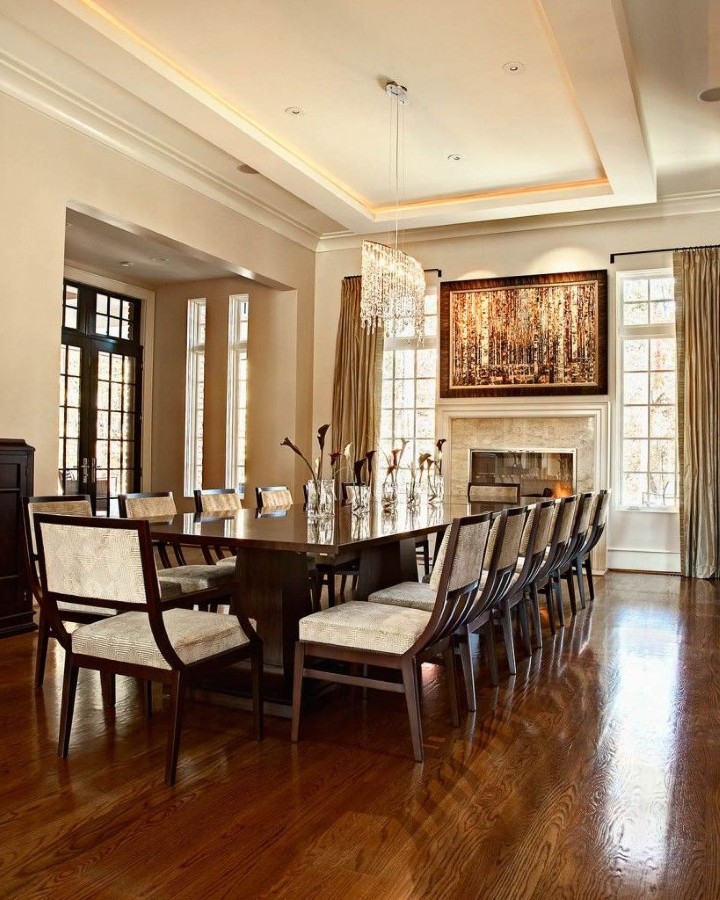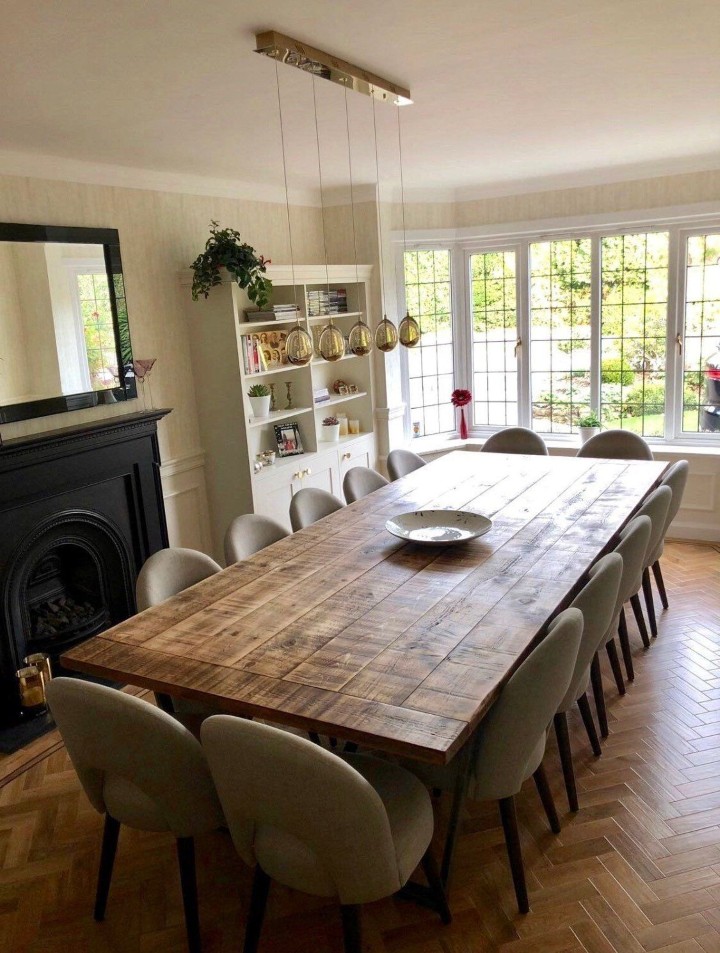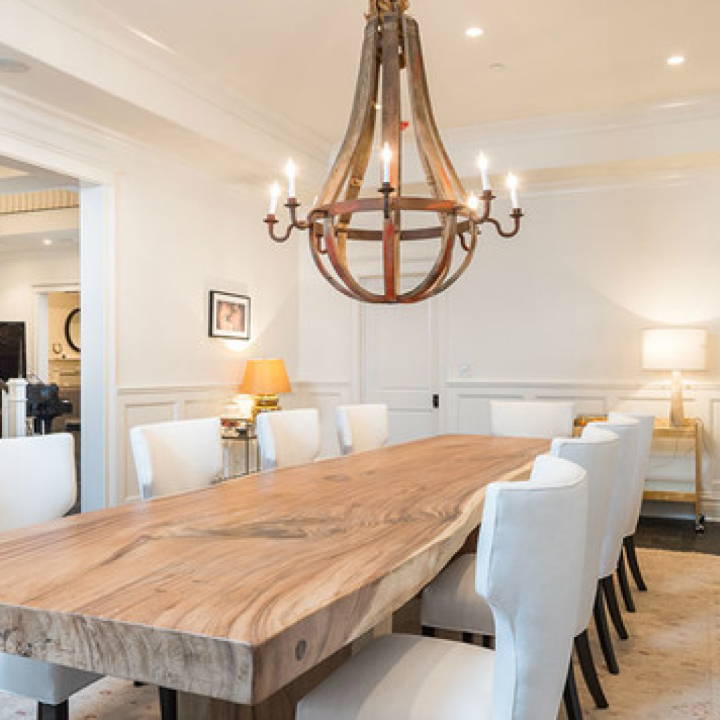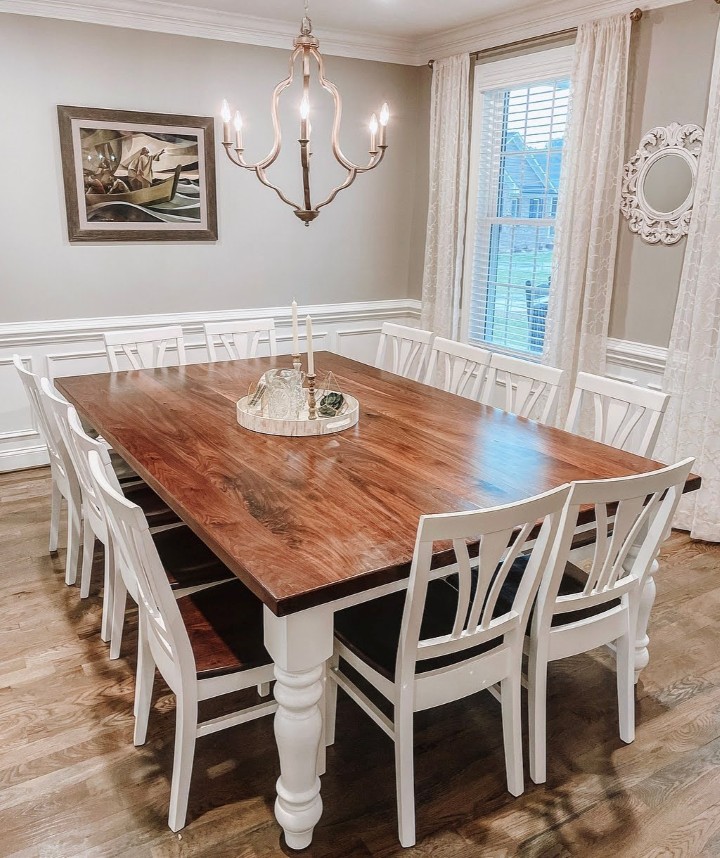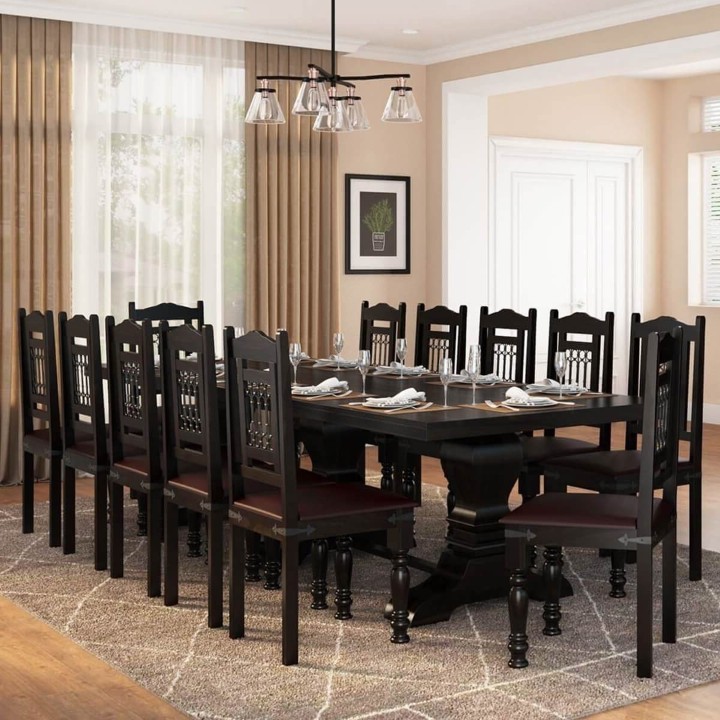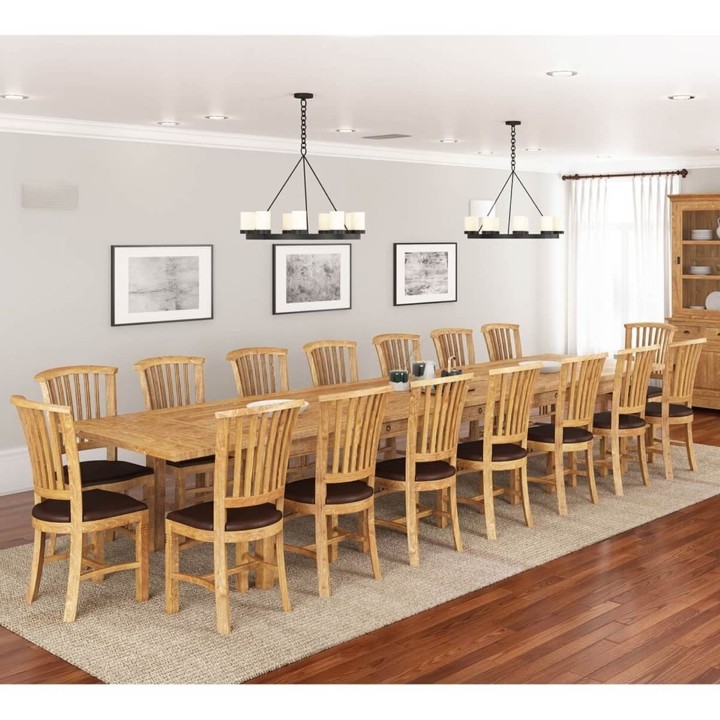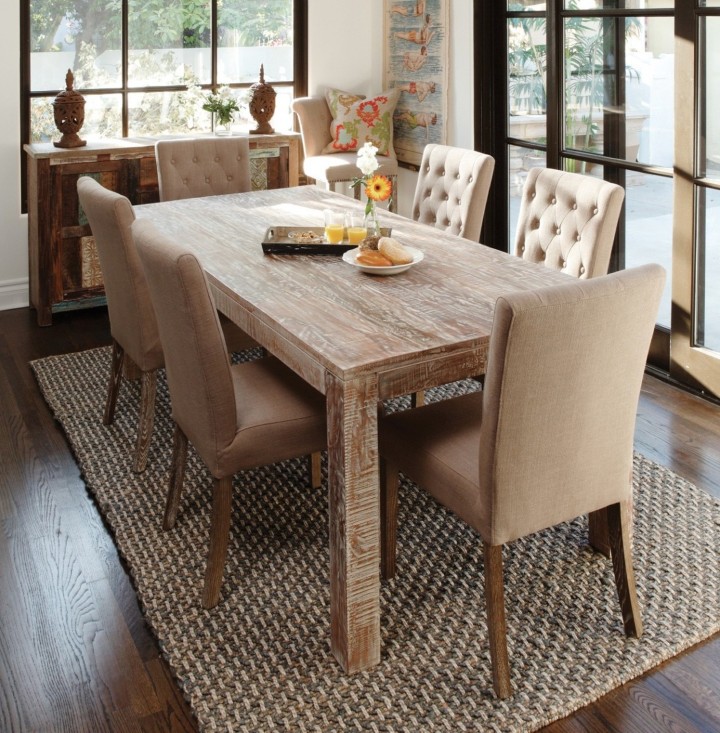
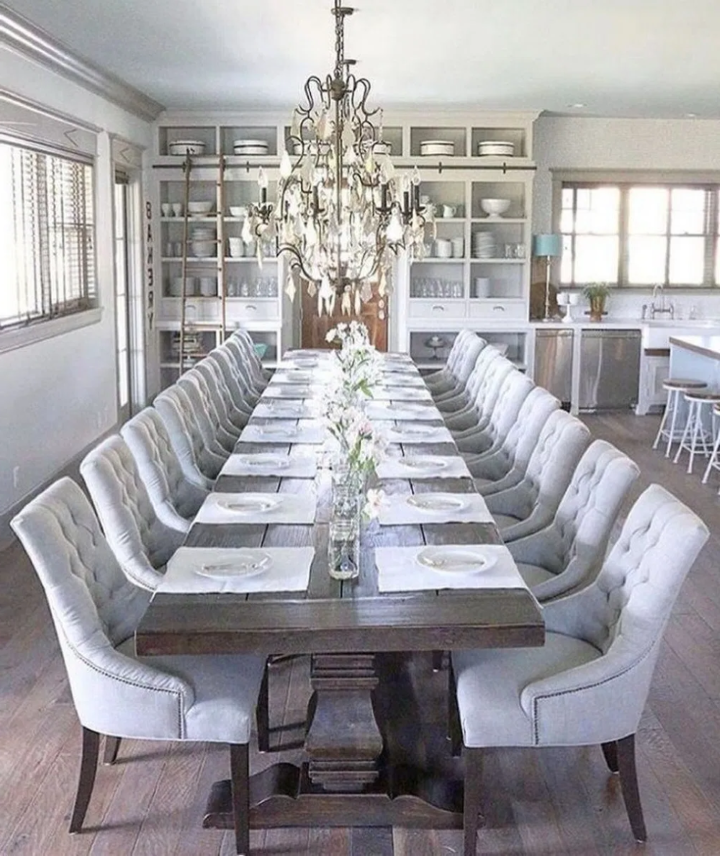
Picture this: You’ve finally found the dining table of your dreams, but when you bring it home, it feels like it’s taking over your entire kitchen. Sound familiar? Choosing the right size for a large dining room table isn’t just about aesthetics—it’s about creating a space where meals feel comfortable, conversations flow naturally, and everyone can enjoy their food without feeling cramped.
When you’re shopping for a large dining room table, the temptation is strong to go big and bold. After all, bigger seems better, right? But there’s more to it than just the visual impact. The right size can make or break your daily dining experience. Too small, and you’ll find yourself elbowing neighbors during dinner. Too large, and your kitchen might as well be a warehouse. Finding that sweet spot requires understanding your space, your family’s needs, and the practical realities of daily life. This guide will walk you through everything you need to know to choose the perfect table size that works with your kitchen rather than against it.
Understanding Your Kitchen Dimensions
Before you even think about table shapes or finishes, you need to measure your kitchen thoroughly. Start with the actual usable space where you plan to place the table. Measure from wall to wall, noting any obstacles like windows, doors, or built-in features. Remember to account for the clearance needed around the table for chairs to pull out easily. A general rule of thumb is to allow at least 36 inches of clearance around each side of the table. For a large dining table, this becomes even more critical. Consider the traffic flow too. How many people will be moving around the table during meals? Will you have guests regularly? These factors influence not just the table size, but also the shape and style you choose.
Calculating Table Capacity
The number of people who will regularly dine at your table is crucial. A standard dinner plate takes up about 18 inches of table space per person. So, for four people, you’d need roughly 72 inches of table length. But that’s just the beginning. Factor in additional space for serving dishes, drinks, and conversation. A good rule of thumb is to add about 6 inches per person for these extra items. For larger gatherings, consider if you’ll need to accommodate guests beyond your regular dining party. Some families use their dining table as a work area or for activities beyond just meals. Planning ahead helps avoid the frustration of having to move furniture later.
Optimizing Your Kitchen With Smart Space Planning
Designing the perfect kitchen dining area requires more than choosing a table that looks stylish—it demands thoughtful planning about how the furniture will actually function within the room. Every kitchen is unique, and understanding its spatial limitations and movement patterns is essential before committing to a particular table size. This is where practical space planning becomes the foundation of a comfortable and efficient kitchen layout.
Begin by assessing the overall shape and flow of your kitchen. In long and narrow kitchens, a slim rectangular table often works beautifully because it mirrors the room’s proportions. However, even in this case, the width of the table should be carefully considered. A table that is too wide can disrupt movement and create tight walkways. In kitchens on the wider side, homeowners often assume they can accommodate any large table, but bigger isn’t always better. Oversized surfaces can sometimes make the room feel empty or visually unbalanced, especially if the rest of the furniture or cabinetry feels compact.
Another crucial factor is how the table interacts with your kitchen’s working zones. Think about your prep areas, the kitchen island, the cooking triangle, and access to the stove, sink, or refrigerator. A table placed too close to these zones can interrupt the natural workflow, making meal preparation feel cramped or chaotic. Many people discover that a beautiful dining table becomes a hindrance when cooking simply because it blocks movement or encourages clutter. The ultimate goal is to strike a balance between a generous dining experience and a functional cooking space.
Also consider how often you move around the kitchen while entertaining. If you enjoy hosting gatherings, a poorly positioned table can make it difficult to serve guests comfortably. Good space planning ensures that both cooking and dining can coexist harmoniously without either activity feeling compromised.
Choosing the Right Table Shape for an Effortless Flow
While size plays an important role in kitchen planning, the shape of your dining table may have an even greater impact on how naturally the space functions. Each table shape—rectangular, round, or square—comes with its own strengths and considerations, and selecting the right one can completely transform how your kitchen feels and operates.
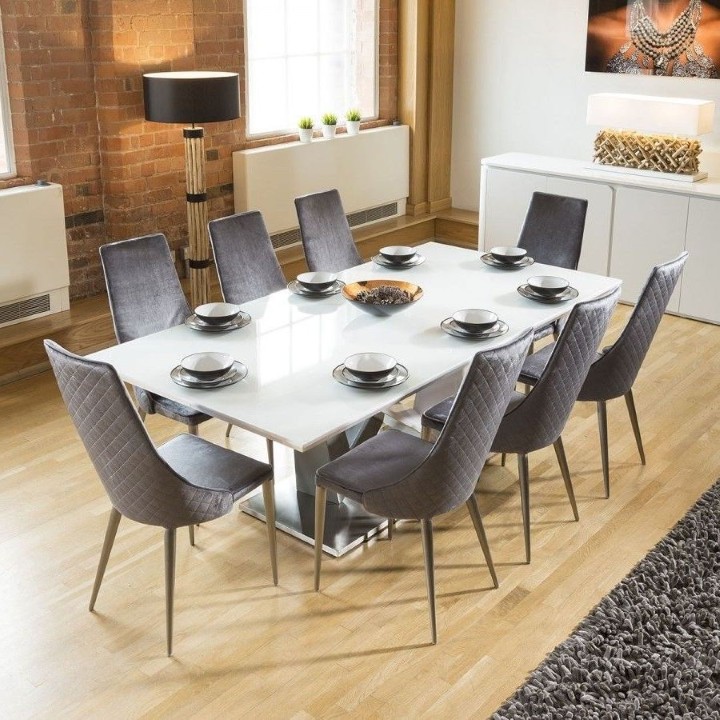
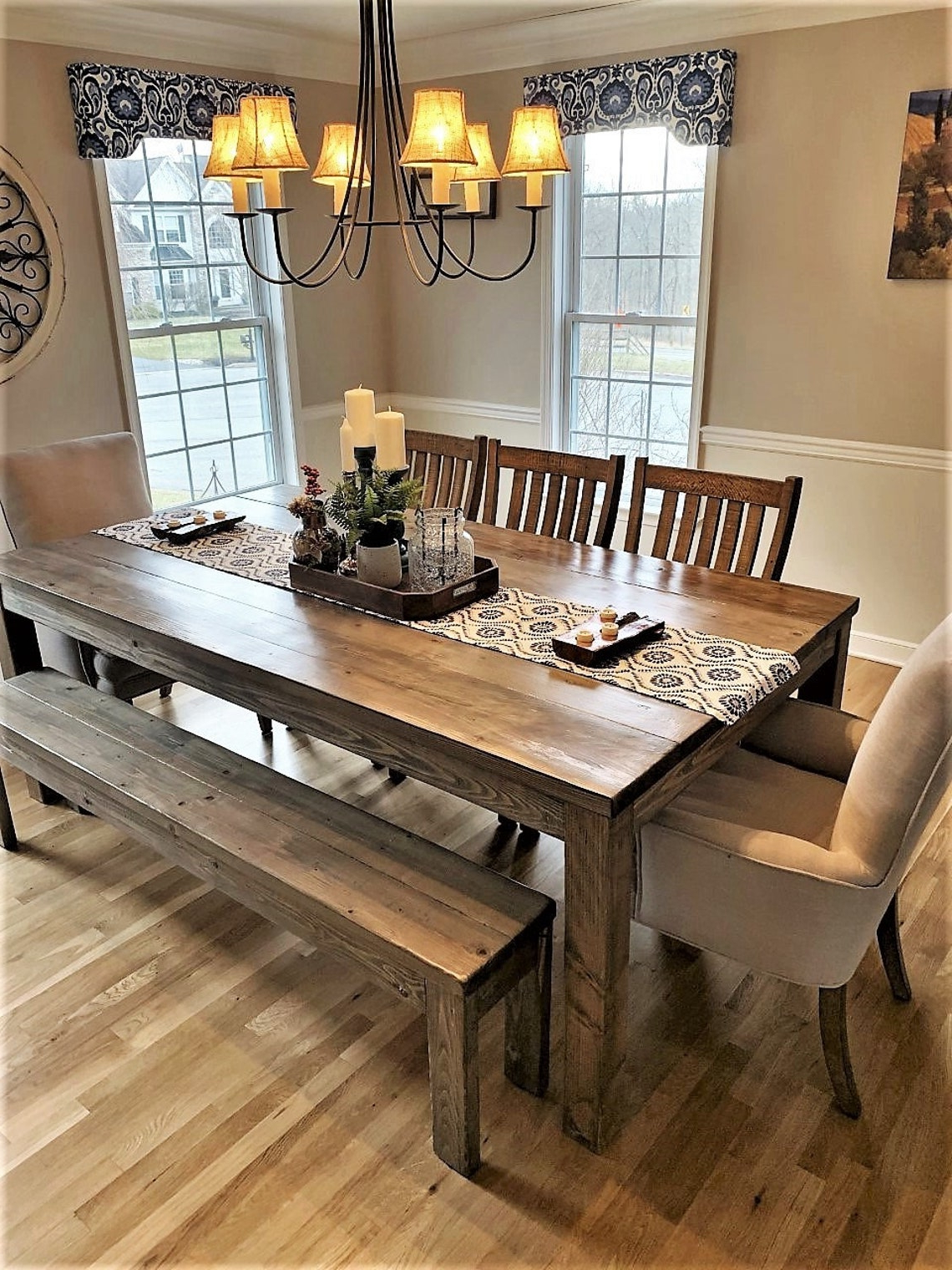
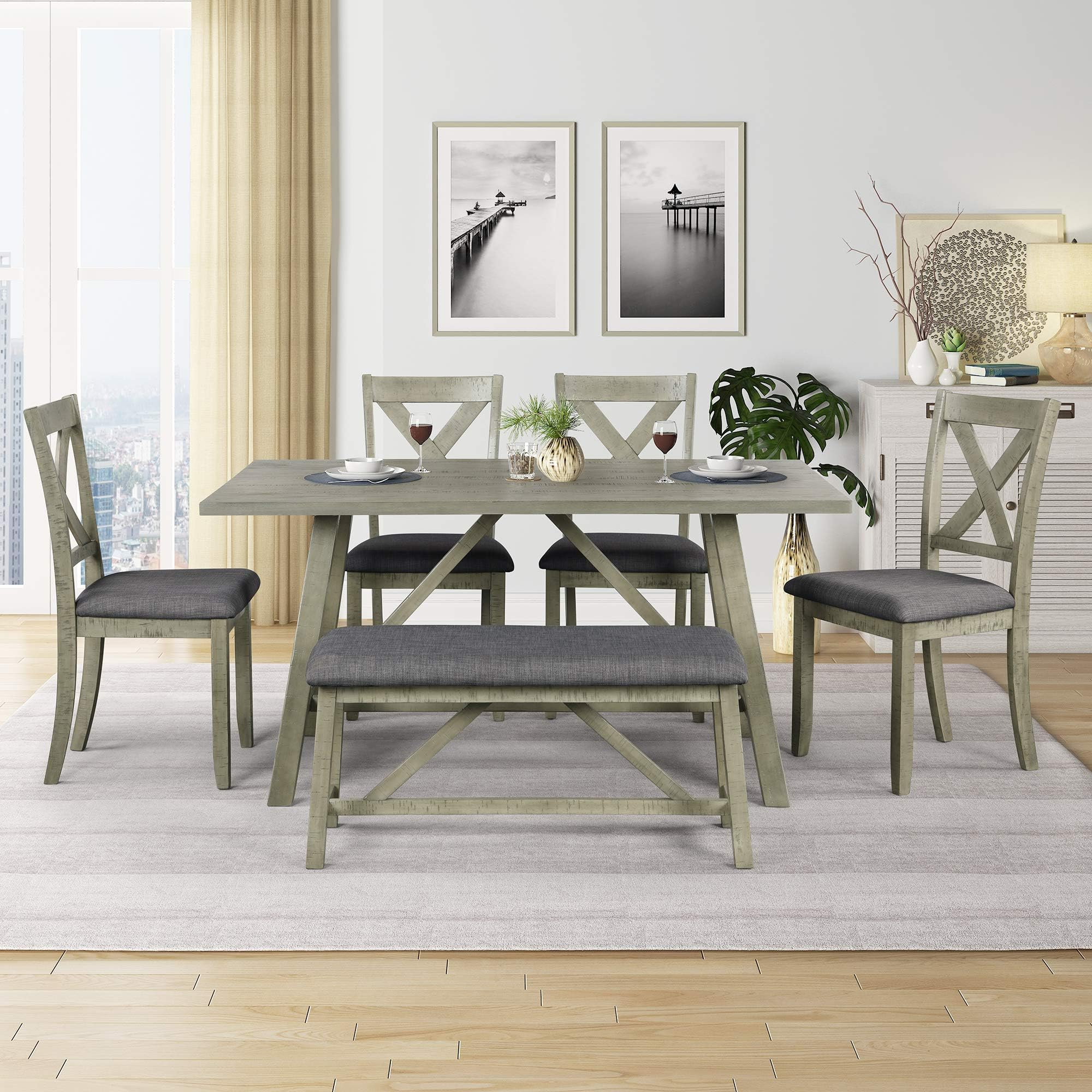
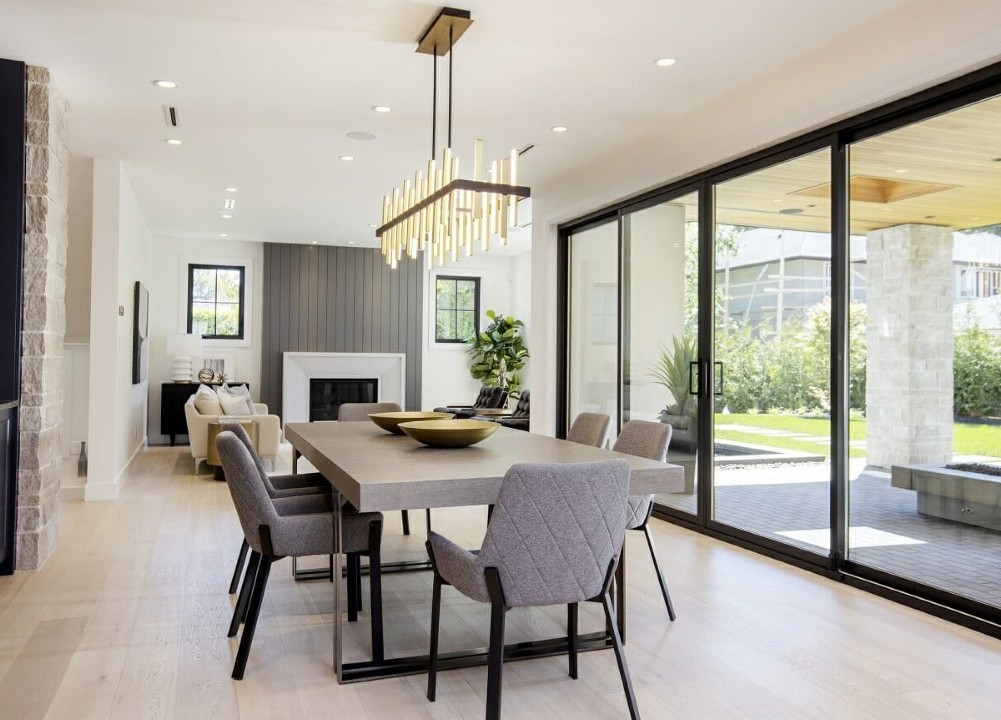
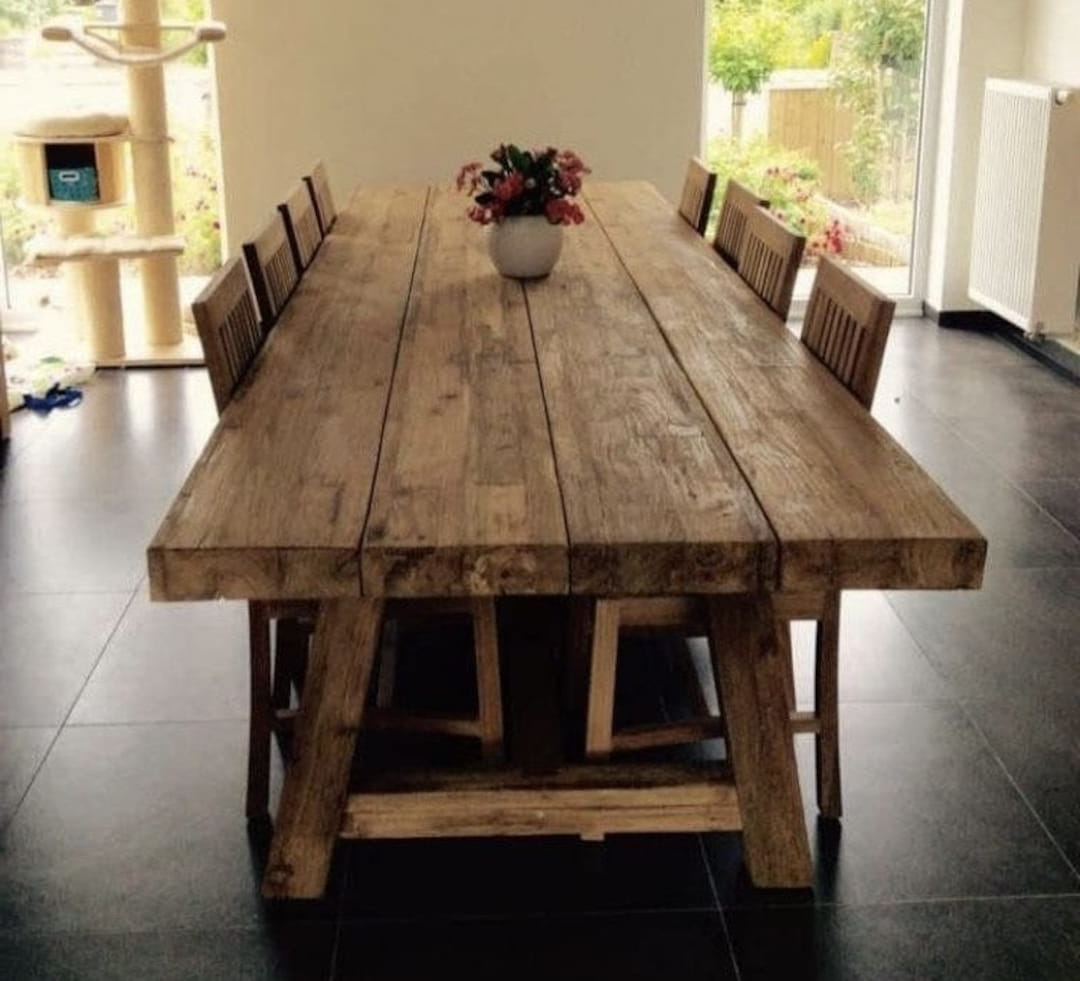
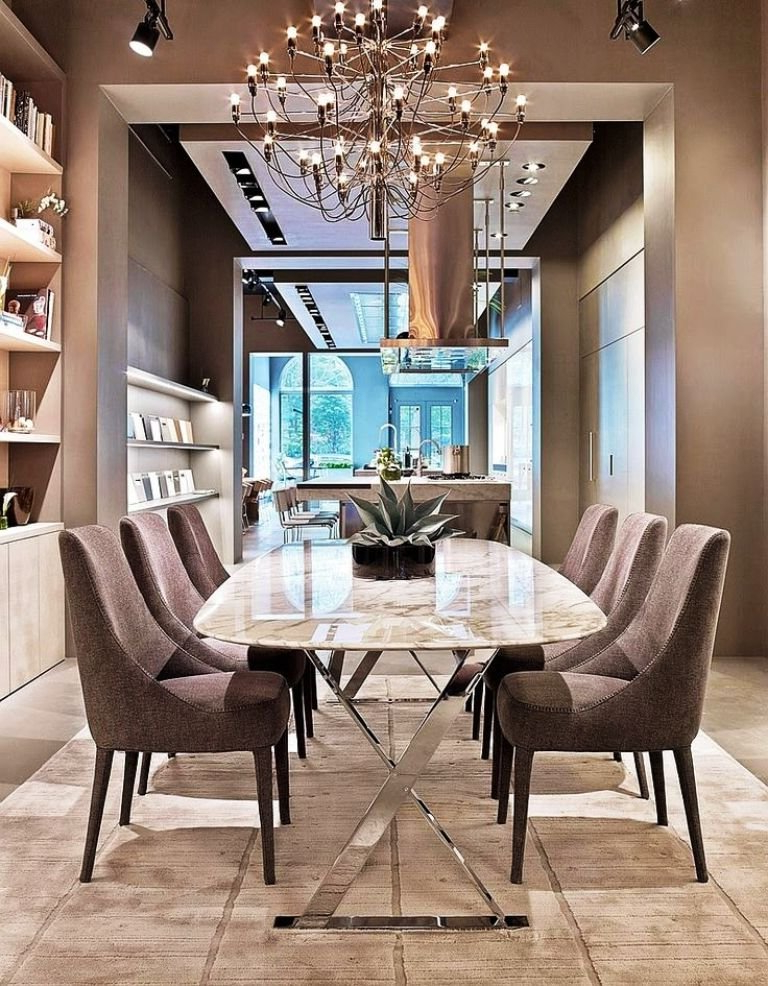
Rectangular tables remain the most popular choice for spacious kitchens or open-plan layouts. They offer generous seating, provide a structured look, and work well in areas with plenty of floor space. They’re great for large families or those who frequently host big meals. However, they do demand more room, especially at the ends, to prevent the space from feeling like a narrow corridor.
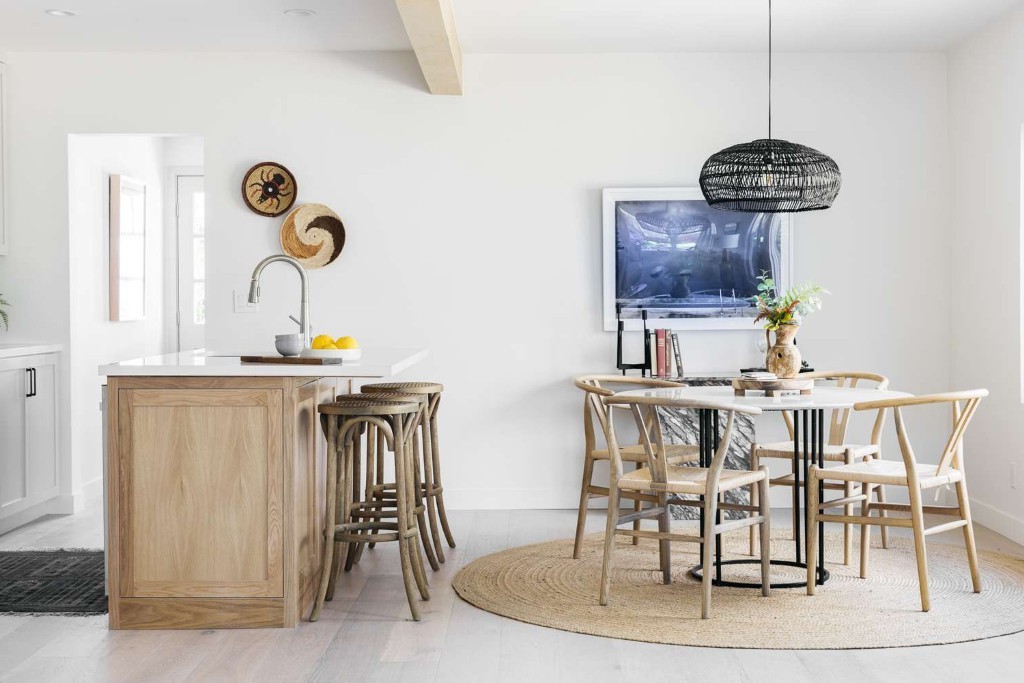
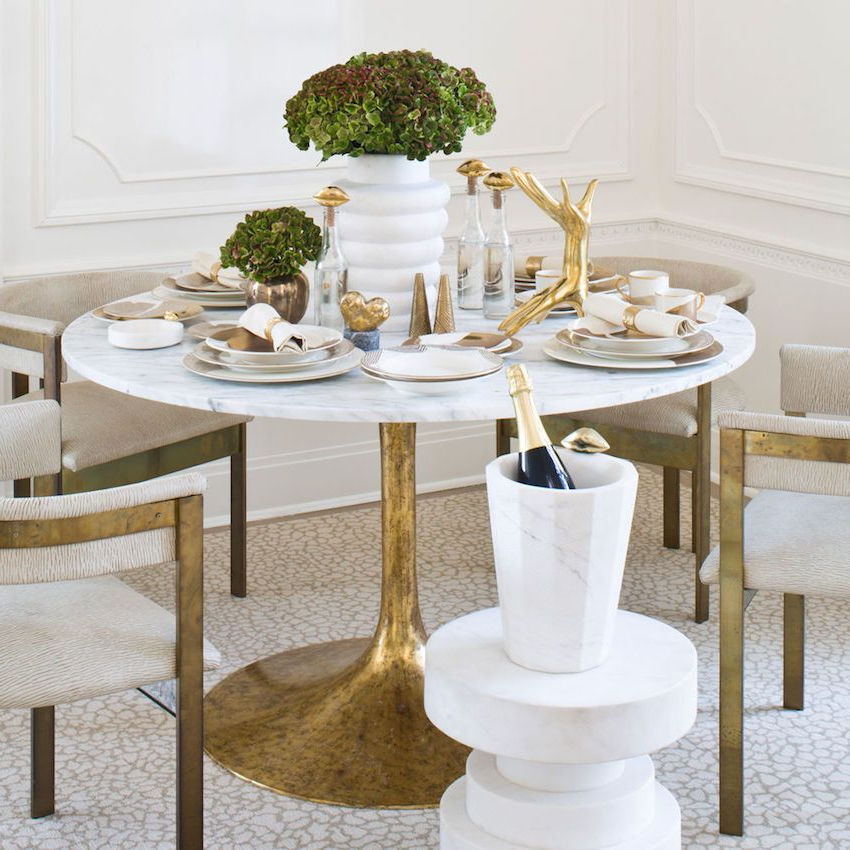
Round tables, on the other hand, bring a sense of intimacy and softness to a kitchen. They require less space, eliminate sharp corners, and allow for smooth movement around the room—making them ideal for smaller kitchens or tighter floor plans. Another advantage is their social nature; conversation flows naturally when everyone sits facing the center without long distances between guests.
Square tables offer a comfortable alternative when you want something neither too elongated nor too circular. They work well in kitchens with more symmetrical layouts and can bring visual harmony. Smaller square tables are excellent for couples or compact homes, while larger square ones can make a stylish statement—though they require careful placement to avoid dominating the space.
The right table shape ultimately depends on how you use your kitchen daily. A table that’s too long may turn the central walkway into a narrow passage, while one that’s too wide can leave the space feeling cramped or crowded. The ideal shape is the one that lets you move freely, supports your lifestyle, and enhances the overall flow of your home. With thoughtful planning and consideration, your kitchen can become a seamless blend of functionality, comfort, and beauty.
Practical Considerations for Daily Life
Real life happens around dining tables. Kids might spill juice, dogs might knock things over, and family members might need to use the table for homework or crafts. Think about durability and ease of cleaning. Hardwood and stone surfaces are popular choices because they’re easy to clean and can handle daily wear. Also consider how often you’ll need to move the table. If you’re constantly rearranging your kitchen, a table that’s too heavy or too large might become a chore rather than a joy. Storage solutions matter too—do you have space for tablecloths, placemats, or covers? These considerations can influence both size and material choices.
Making the Final Decision
Once you’ve considered all these factors, it’s time to make your choice. Don’t let the first table you see convince you. Visit several stores and try sitting at different sizes. Pay attention to how you feel when seated. Is there enough legroom? Can you reach the center of the table easily? Are the chairs comfortable? Test the waters before committing. Remember, you’re not just buying furniture—you’re investing in family memories and daily routines. The right table size will make your kitchen feel welcoming, functional, and just right.
Choosing the right size for your large dining room table is less about impressing guests and more about creating a space where you and your family can truly enjoy meals together. It’s about finding that balance between grandeur and practicality, between beauty and function. Take your time with the process. Measure twice, think thrice, and remember that the perfect table isn’t necessarily the biggest one—it’s the one that fits your life perfectly. Whether you’re planning for intimate dinners or large family gatherings, the right size will make all the difference in how your kitchen feels and functions. The goal is to create a dining space that brings people together, not separates them.