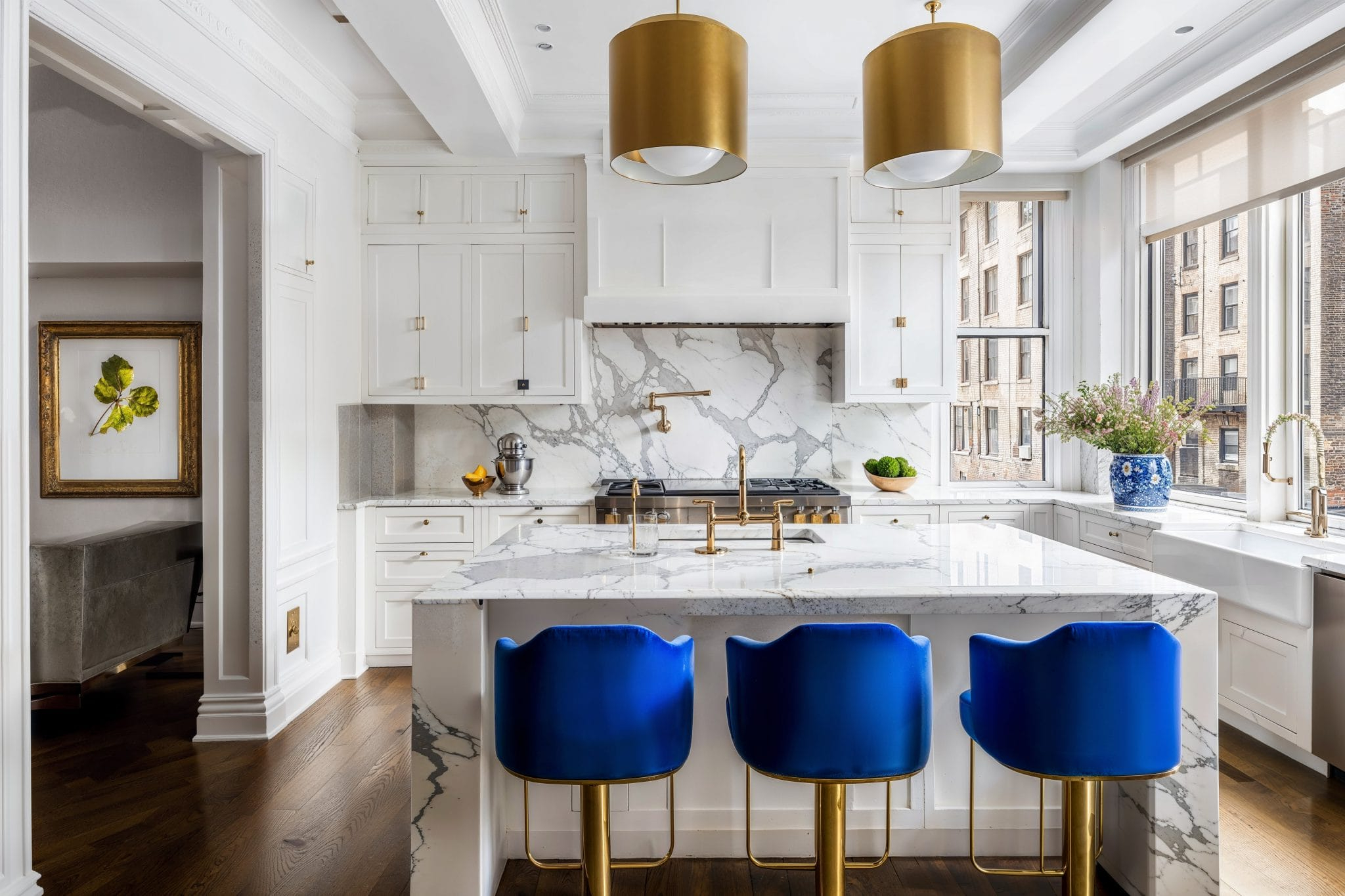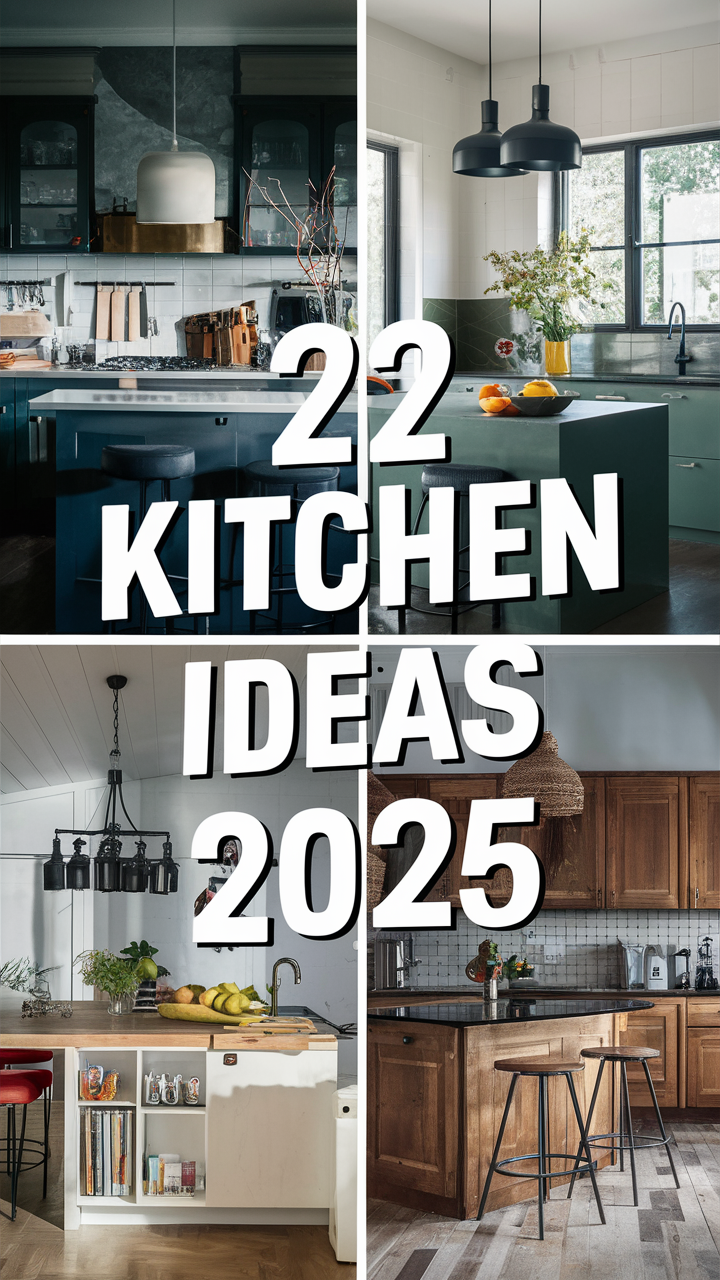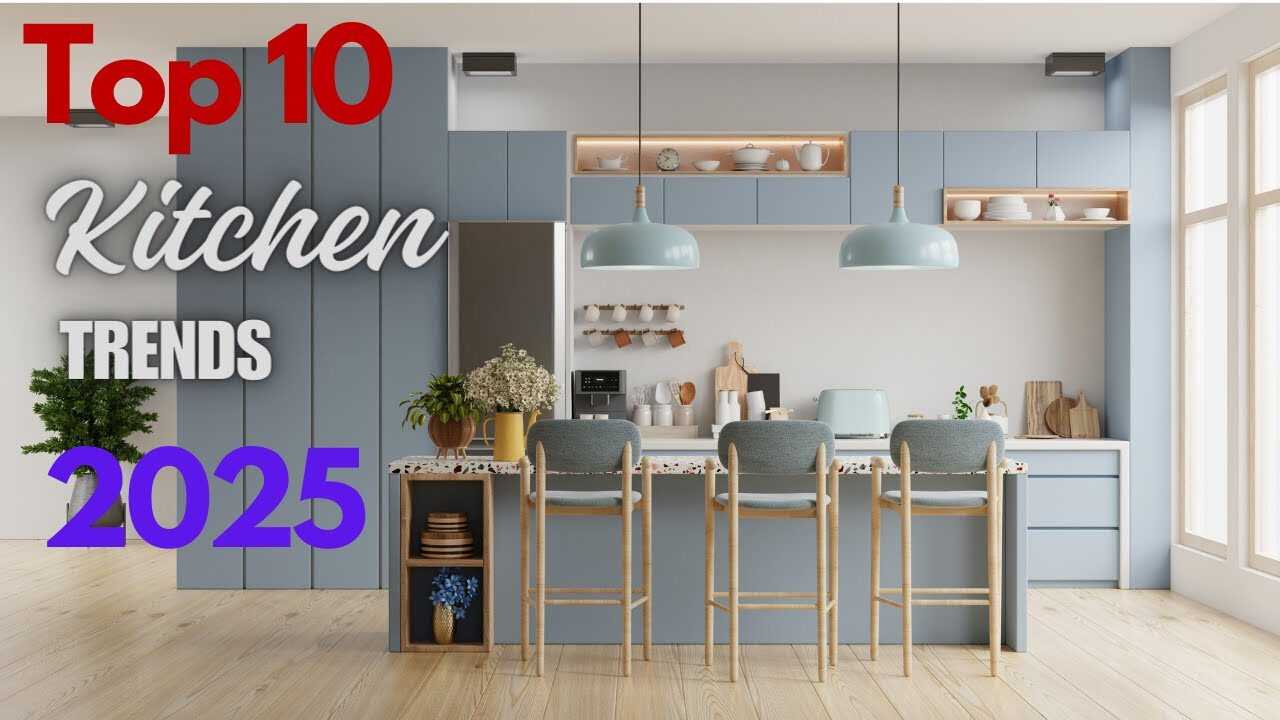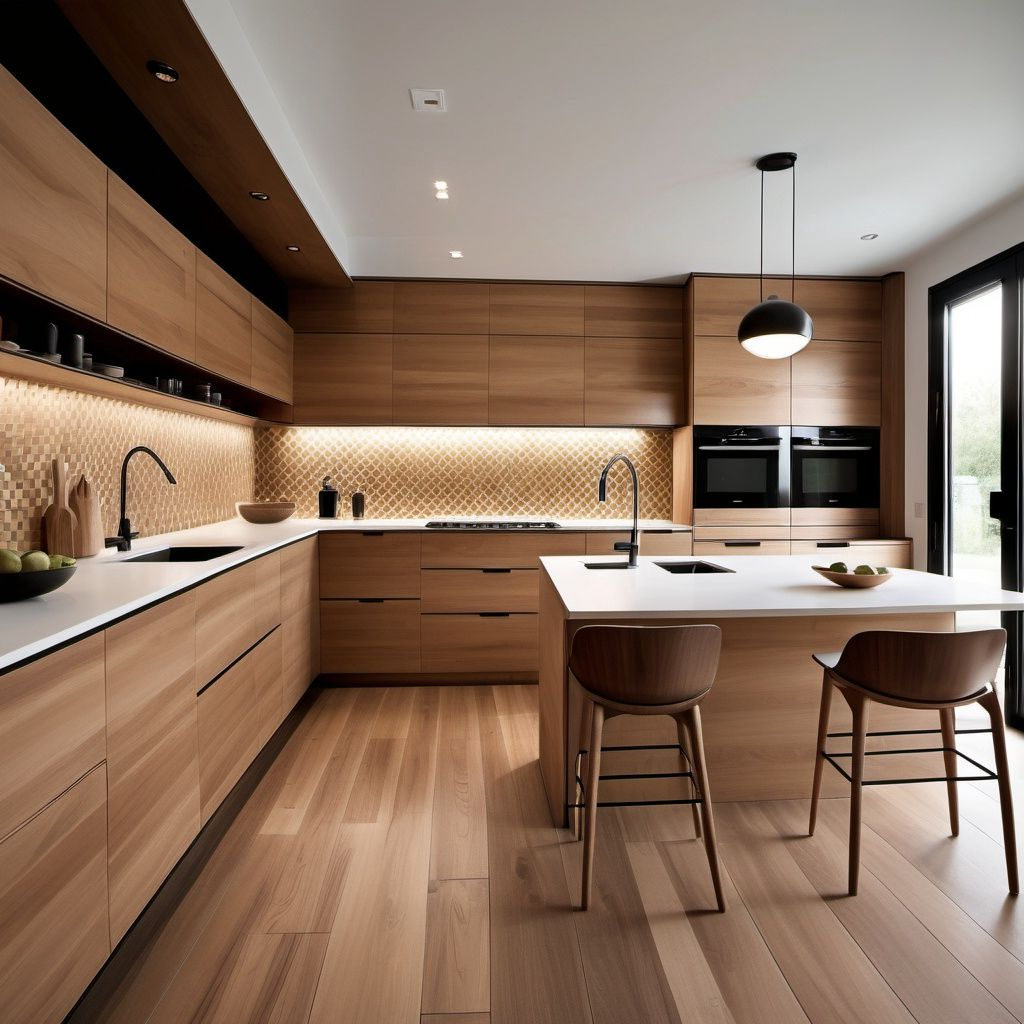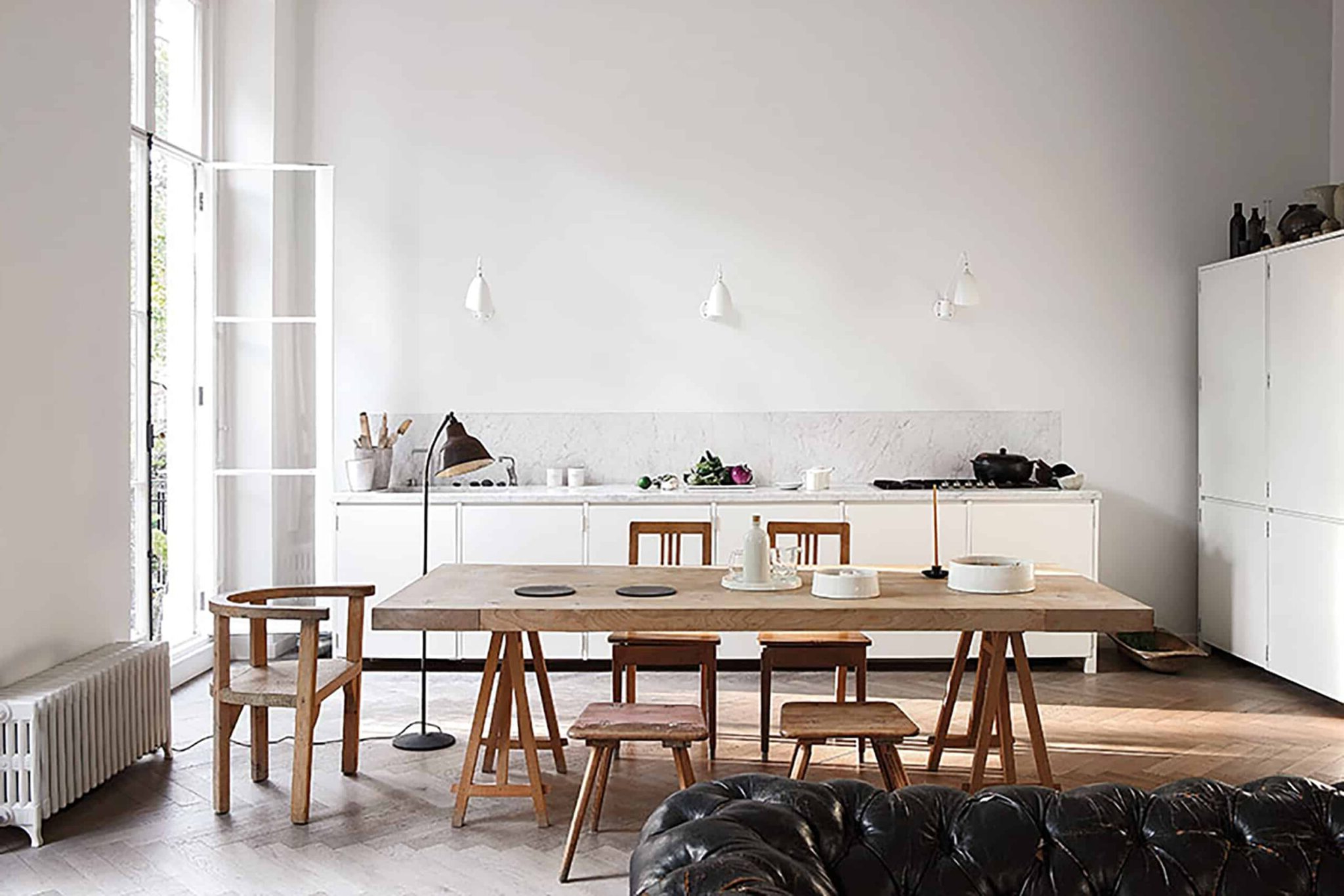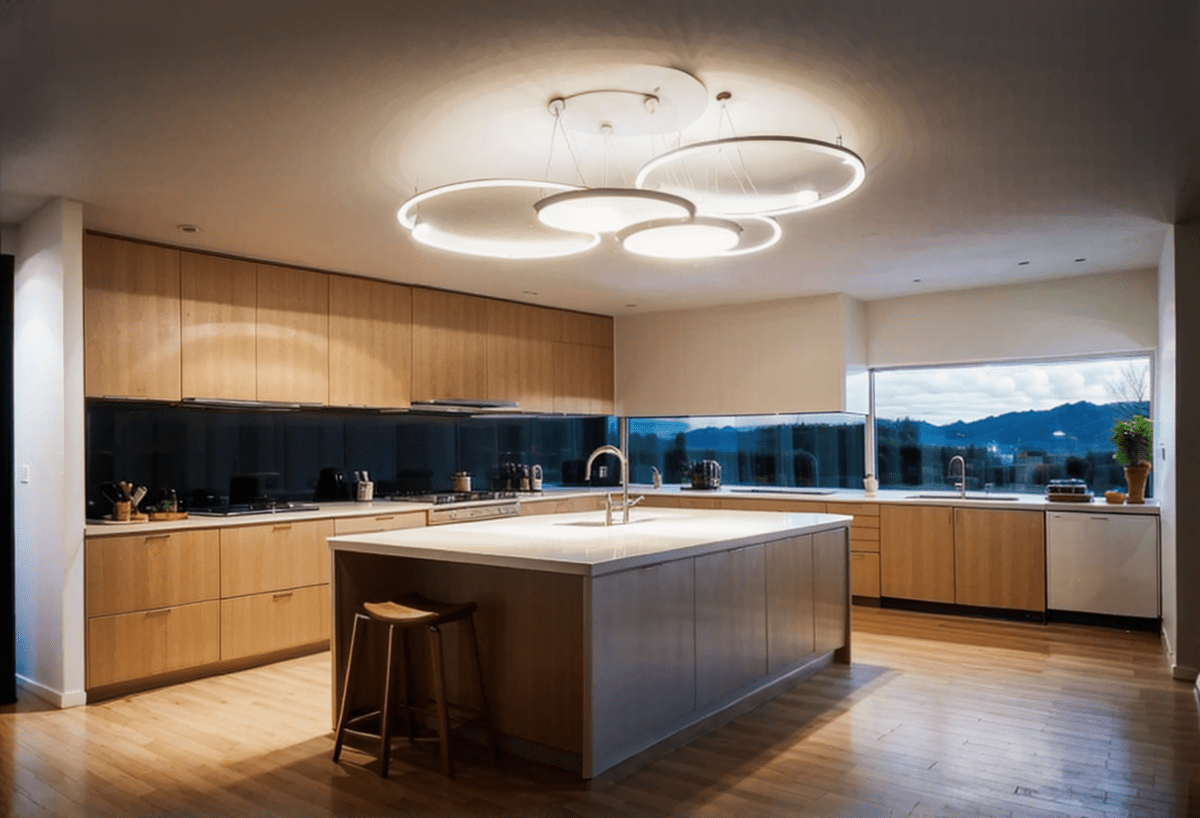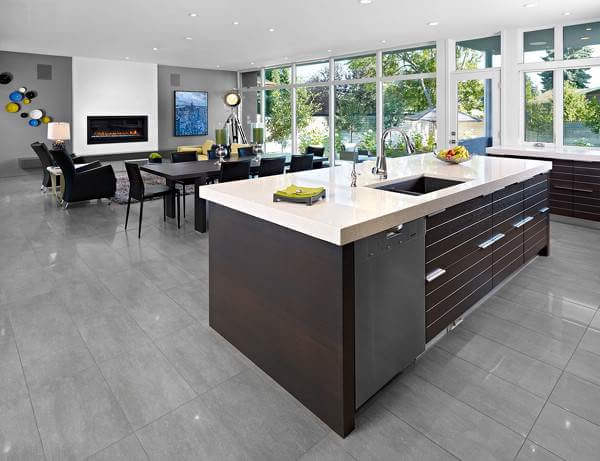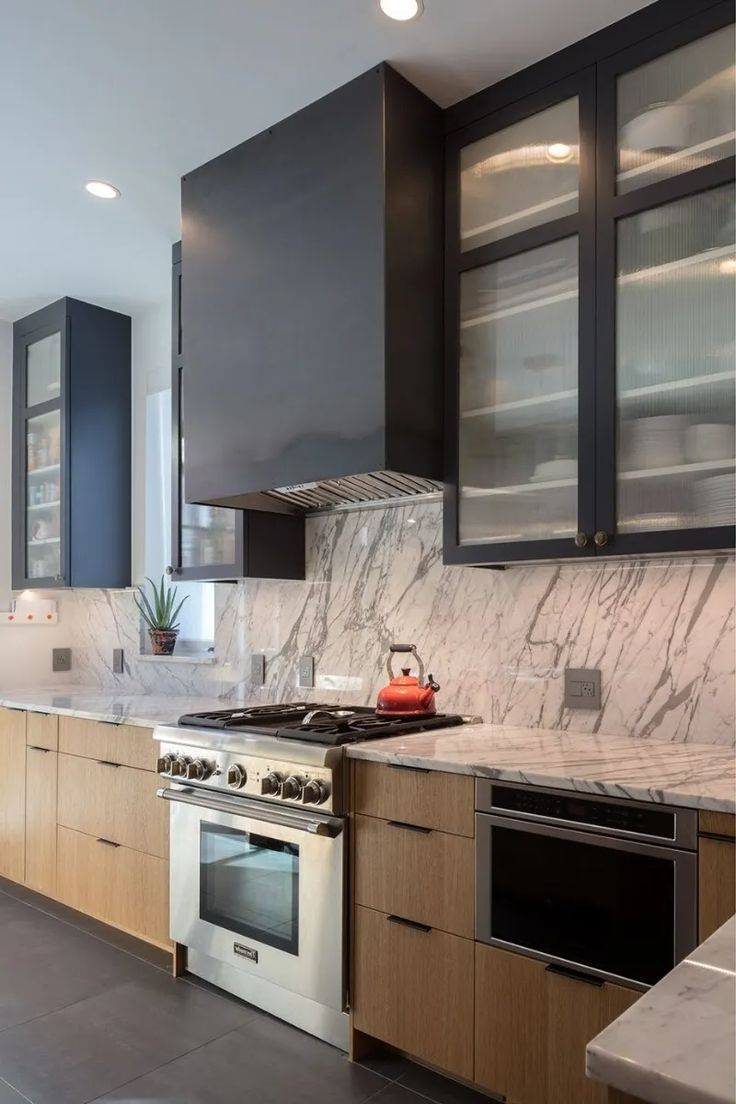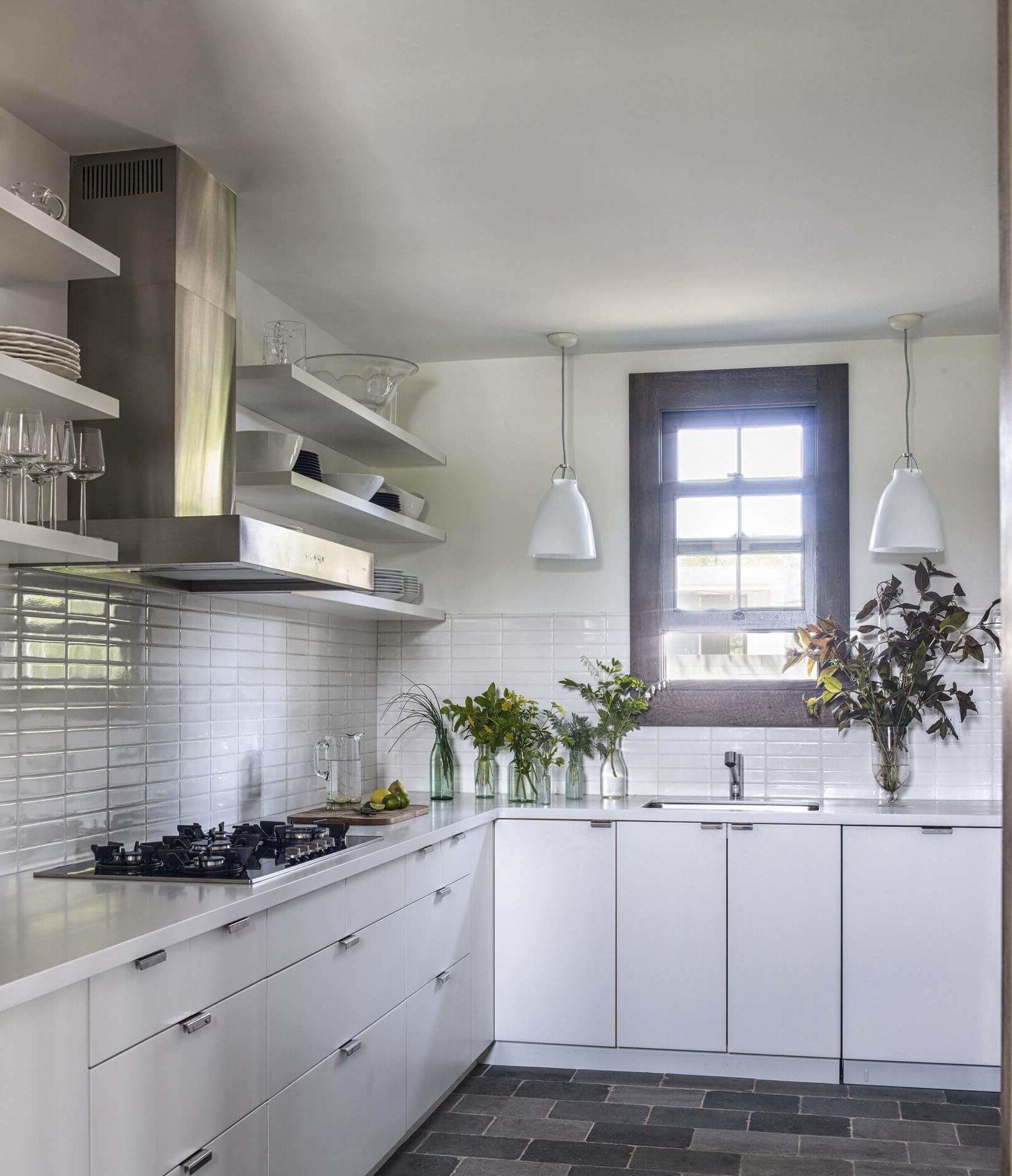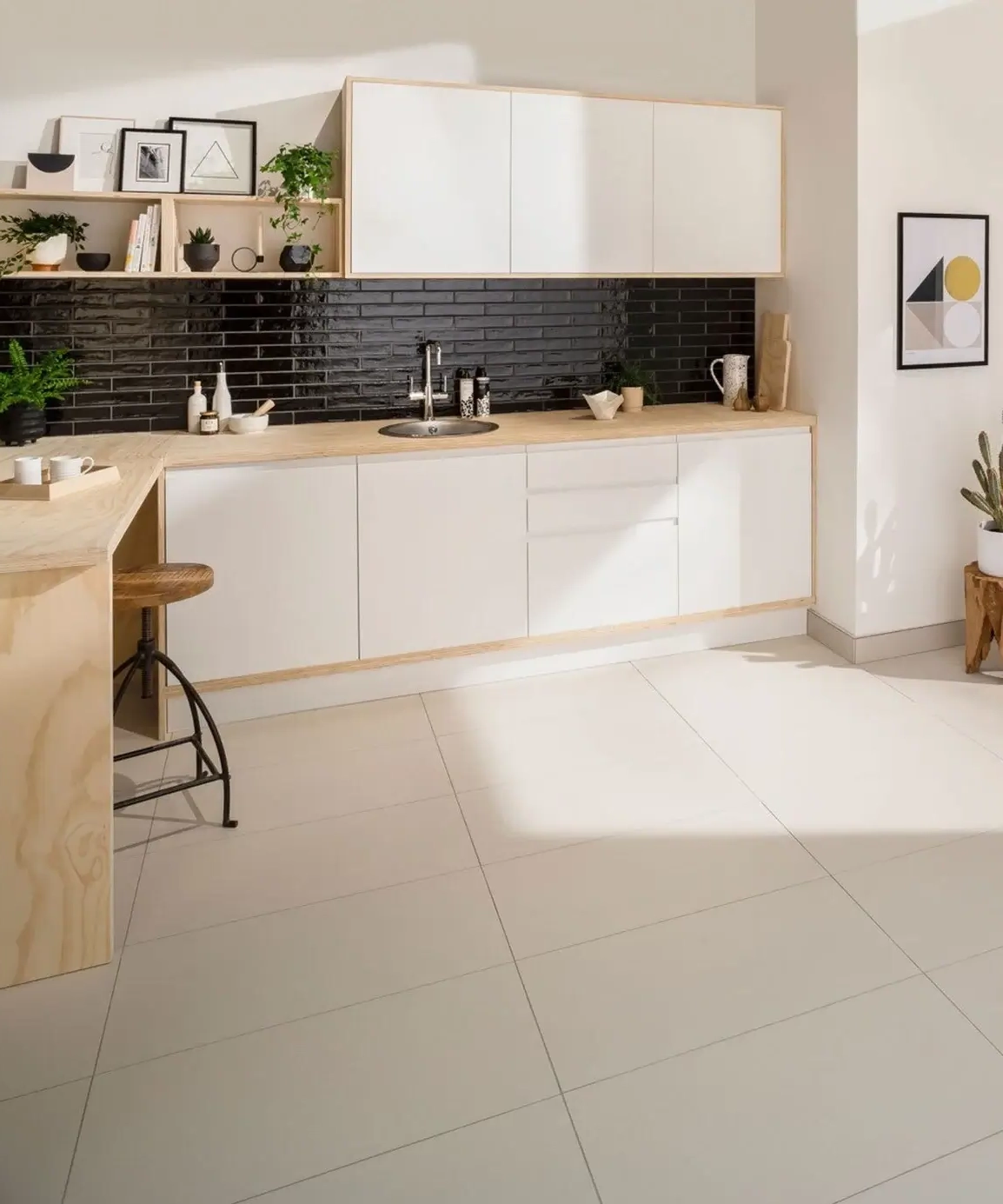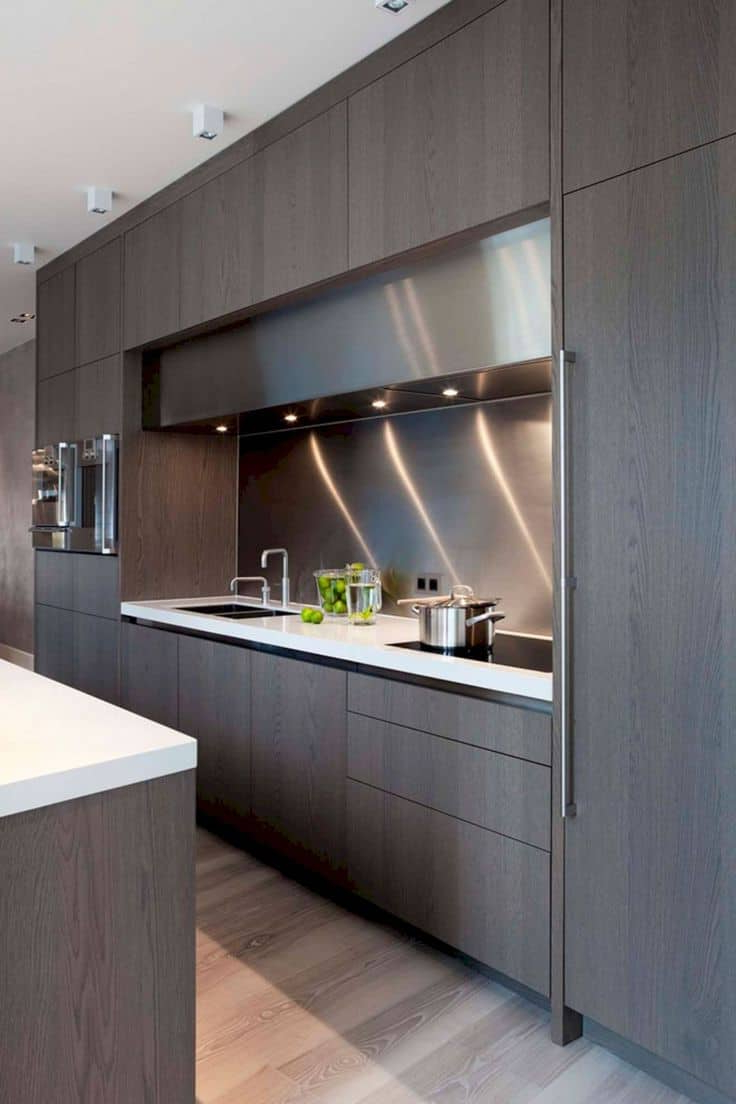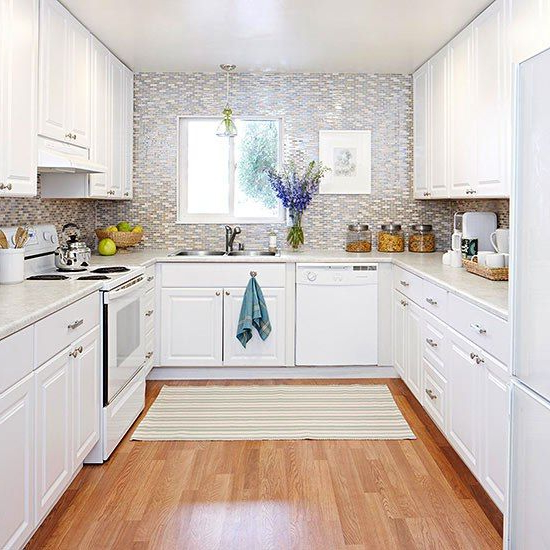
The kitchen isn’t just a place to cook anymore. It’s become the heart of the home, the center of family life, and increasingly, a reflection of our values and lifestyle. As we move deeper into 2025, kitchens are undergoing dramatic changes that go beyond simple aesthetics. These transformations aren’t just about looks—they’re about functionality, sustainability, and how we actually live and interact in these spaces.
If you’ve been paying attention to kitchen trends over the past few years, you might have noticed something interesting happening. The traditional idea of a kitchen as a purely functional room is rapidly evolving. We’re seeing a complete reimagining of what these spaces can be. In 2025, kitchens are becoming more social, more sustainable, and more personalized than ever before. This isn’t just about new appliances or trendy colors—it’s about how we think about space, time, and community in our homes. Whether you’re planning a kitchen renovation or simply curious about the future of cooking spaces, understanding these shifts is crucial.
The Rise of Multi-Functional Kitchen Zones
One of the most significant changes in 2025 is how we’re thinking about different areas within a kitchen. Gone are the days when everything happened at the stove. Today’s kitchens are designed with multiple distinct zones, each serving a different purpose. There’s the cooking zone, the prep area, the dining space, and even a quiet spot for reading or working. This approach makes the kitchen feel less cramped and more versatile. For instance, a breakfast bar might double as a homework station during school mornings, while the island can serve as both a cooking surface and a casual dining area. The key is creating clear boundaries between these zones without making the space feel segmented. This evolution allows families to have more simultaneous activities happening in their kitchen while maintaining efficiency.
Smart Technology Integration That Actually Works
Smart kitchen technology has been around for years, but 2025 brings a new level of practicality. We’re no longer talking about flashy gadgets that require complicated setups or expensive subscriptions. Instead, we’re seeing smart features that seamlessly integrate into daily routines. Voice-activated lighting that turns on when you enter the kitchen, refrigerators that track expiration dates and suggest recipes, and ovens that can be controlled remotely from your phone are all becoming standard features. What’s particularly exciting is how these technologies are being designed with user experience in mind. They’re intuitive enough that even older adults can use them easily. The focus has shifted from ‘smart’ for the sake of being smart to ‘smart’ because it solves real problems in our daily lives.
Sustainable Materials and Circular Design Principles
Environmental consciousness is now at the forefront of kitchen design decisions. In 2025, homeowners are choosing materials that have minimal impact on the planet. Reclaimed wood, recycled glass countertops, and bamboo flooring are no longer niche choices—they’re mainstream. But it’s not just about using eco-friendly materials. There’s also a growing emphasis on circular design principles. This means designing kitchens that can be easily adapted or repurposed as needs change. Modular cabinetry that can be reconfigured, appliances that can be upgraded rather than replaced entirely, and storage solutions that can evolve with family size changes are all part of this movement. The goal isn’t to create permanent structures but flexible spaces that grow with us.
Natural Light and Biophilic Design Elements
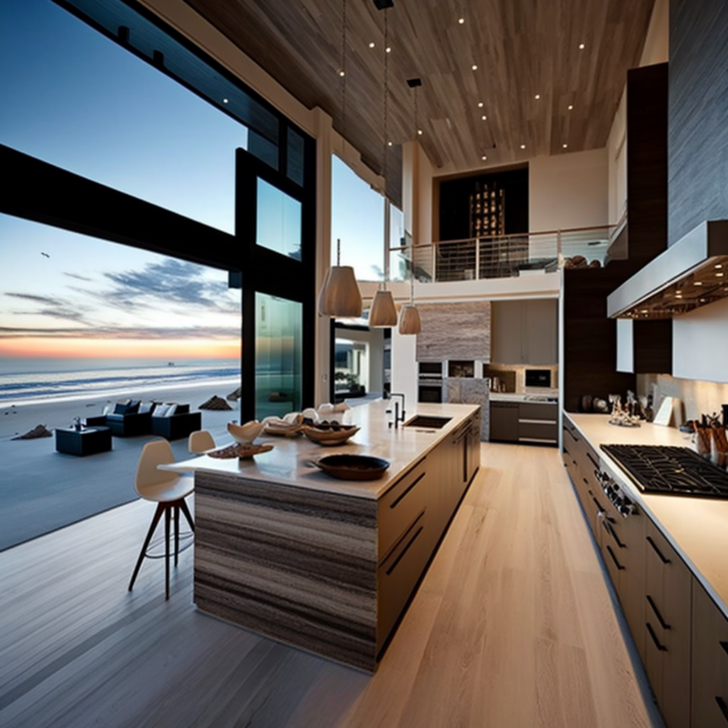
There’s something deeply satisfying about cooking with natural light streaming through large windows. In 2025, designers are prioritizing maximum natural light exposure in kitchen layouts. This involves strategic window placement, lighter color palettes, and the incorporation of biophilic elements like living walls or indoor plants. These green touches aren’t just decorative—they improve air quality and create a calming environment. Some innovative designs even feature built-in herb gardens right above the sink, allowing fresh ingredients to be harvested while cooking. The connection to nature extends beyond visual appeal. People report feeling more relaxed and creative when surrounded by natural elements, which directly impacts their cooking experience.
Flexible Seating and Social Spaces
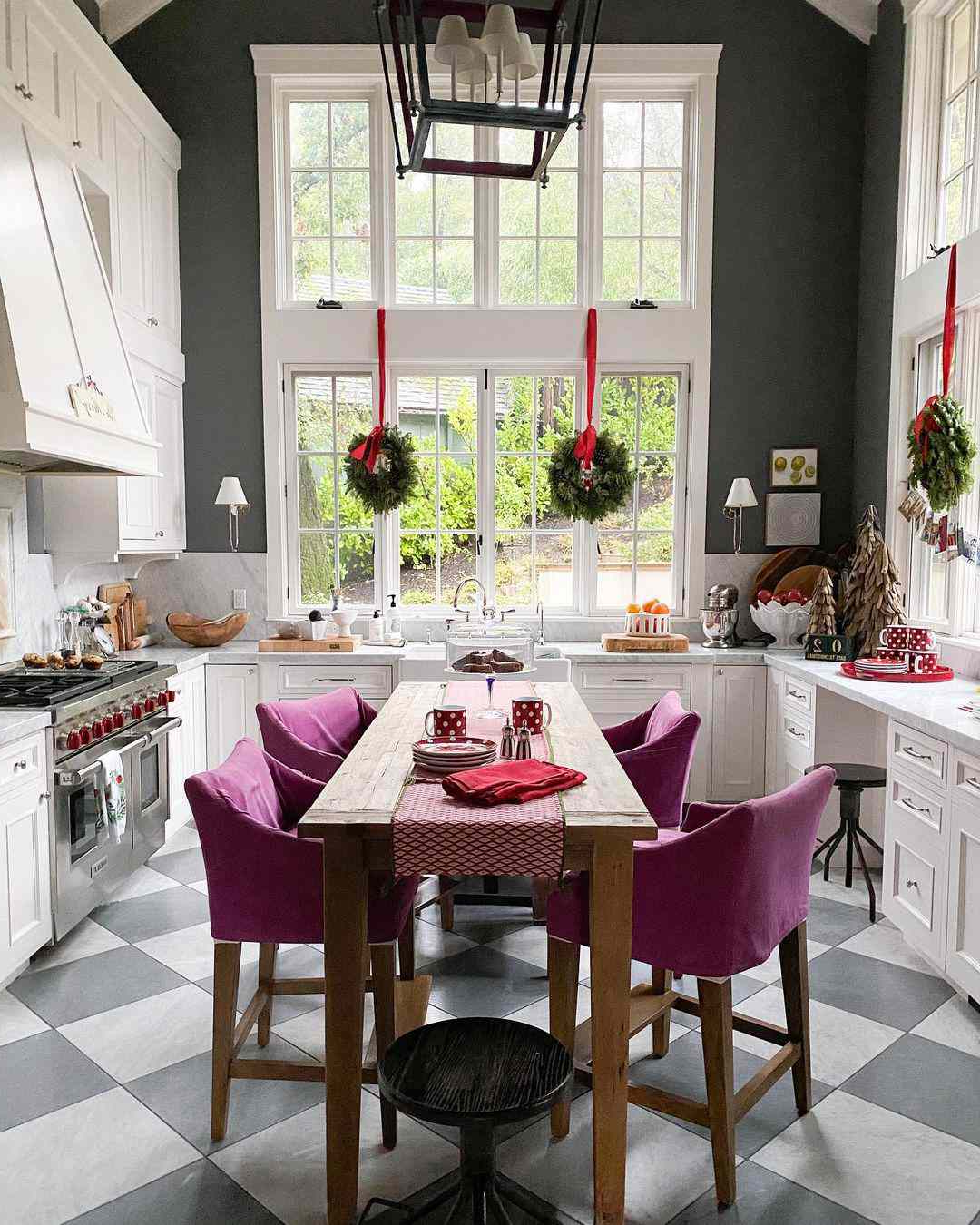
Kitchens are no longer isolated workspaces. They’re becoming gathering places where families and guests can interact while meals are prepared. This shift means that seating arrangements are getting more attention than ever before. Breakfast nooks that accommodate three people, bar-style seating that allows for conversation while cooking, and even dedicated spots for children to play or do crafts are now common features. The idea is to create spaces where people want to spend time, not just pass through. This evolution reflects changing family dynamics and the desire for more interaction in domestic settings. Having a comfortable spot to sit while preparing food creates opportunities for conversation and connection.
Personalization Through Customizable Features
In 2025, kitchens are becoming more individualized than ever. Homeowners are looking for ways to make their spaces truly reflect their personalities and lifestyles. This includes customizable lighting that can change based on mood or activity, adjustable shelving that can accommodate different storage needs, and even personalized recipe boards that can be updated regularly. The rise of modular design allows people to swap out components as their preferences change. Someone who loves baking might want extra counter space and specialized storage, while another family might prioritize entertainment areas. The flexibility to adapt the kitchen to specific needs rather than fitting into predetermined molds is becoming increasingly important.
The kitchen landscape in 2025 represents more than just aesthetic changes—it’s a fundamental shift in how we approach domestic spaces. These transformations reflect our evolving understanding of what makes a home truly livable and enjoyable. The emphasis on functionality, sustainability, and personal expression shows that kitchens are no longer just about cooking but about living. Whether you’re planning a major renovation or simply looking to update your current space, these trends offer valuable insights into what’s likely to matter most in the coming years. The future of kitchen design is about creating spaces that support the way people actually live today, not just how they might have lived in the past.
[sps_html tag=”img” src=”https://roofdrivein.com/wp-content/uploads/2026/01/top-10-kitchen-trends-2025-must-see-designs-colors-innovations-for-inside-modern-kitchen-trends-2025.jpg” alt=”Top 10 Kitchen Trends 2025 | Must-See Designs, Colors & Innovations For … inside Modern Kitchen Trends 2025″ style=”width: 100%; height: auto;”]
[sps_html tag=”img” src=”https://roofdrivein.com/wp-content/uploads/2026/01/kitchen-trends-2025-18-must-have-ideas-for-a-dream-kitchen-decorilla-with-kitchen-design-evolution-2025-what039s-really-changing-in-modern-cooking-spaces.jpeg” alt=”Kitchen Trends 2025: 18 Must-Have Ideas For A Dream Kitchen - Decorilla … with Kitchen Design Evolution 2025 What's Really Changing in Modern Cooking Spaces” style=”width: 100%; height: auto;”]
[sps_html tag=”img” src=”https://roofdrivein.com/wp-content/uploads/2026/01/kitchen-ideas-2025-modern-trends-small-spaces-and-luxury-designs-for-intended-for-kitchen-design-evolution-2025-what039s-really-changing-in-modern-cooking-spaces.png” alt=”Kitchen Ideas 2025 Modern Trends Small Spaces And Luxury Designs For … intended for Kitchen Design Evolution 2025 What's Really Changing in Modern Cooking Spaces” style=”width: 100%; height: auto;”]
[sps_html tag=”img” src=”https://roofdrivein.com/wp-content/uploads/2026/01/top-10-kitchen-design-trends-2025-modern-and-stylish-ideas-for-your-for-kitchen-design-evolution-2025-what039s-really-changing-in-modern-cooking-spaces.jpg” alt=”Top 10 Kitchen Design Trends 2025 Modern And Stylish Ideas For Your … for Kitchen Design Evolution 2025 What's Really Changing in Modern Cooking Spaces” style=”width: 100%; height: auto;”]
[sps_html tag=”img” src=”https://roofdrivein.com/wp-content/uploads/2026/01/2025-modern-kitchen-trends-abcremo-llc-in-kitchen-design-evolution-2025-what039s-really-changing-in-modern-cooking-spaces.jpeg” alt=”2025 Modern Kitchen Trends – Abcremo Llc in Kitchen Design Evolution 2025 What's Really Changing in Modern Cooking Spaces” style=”width: 100%; height: auto;”]