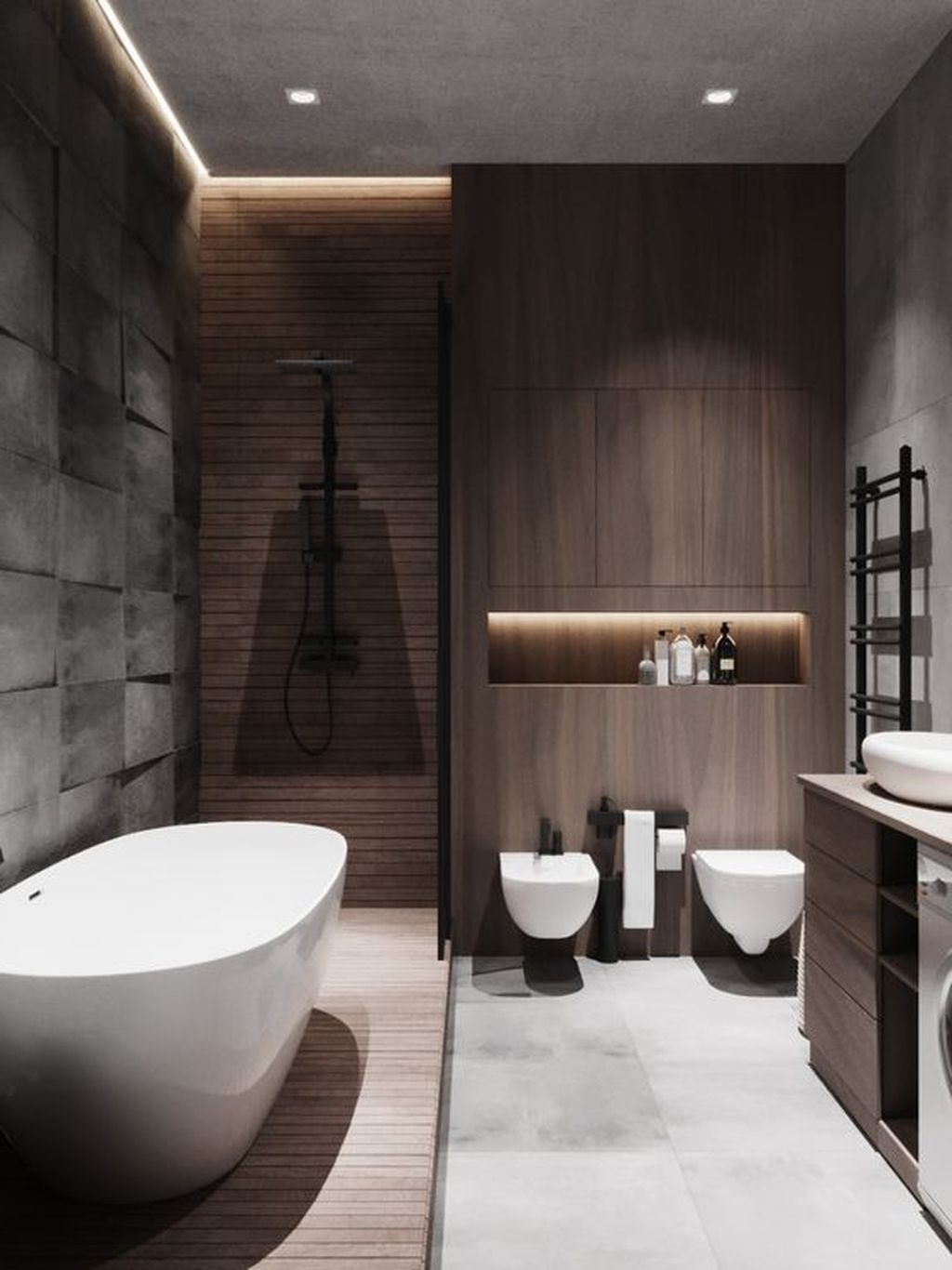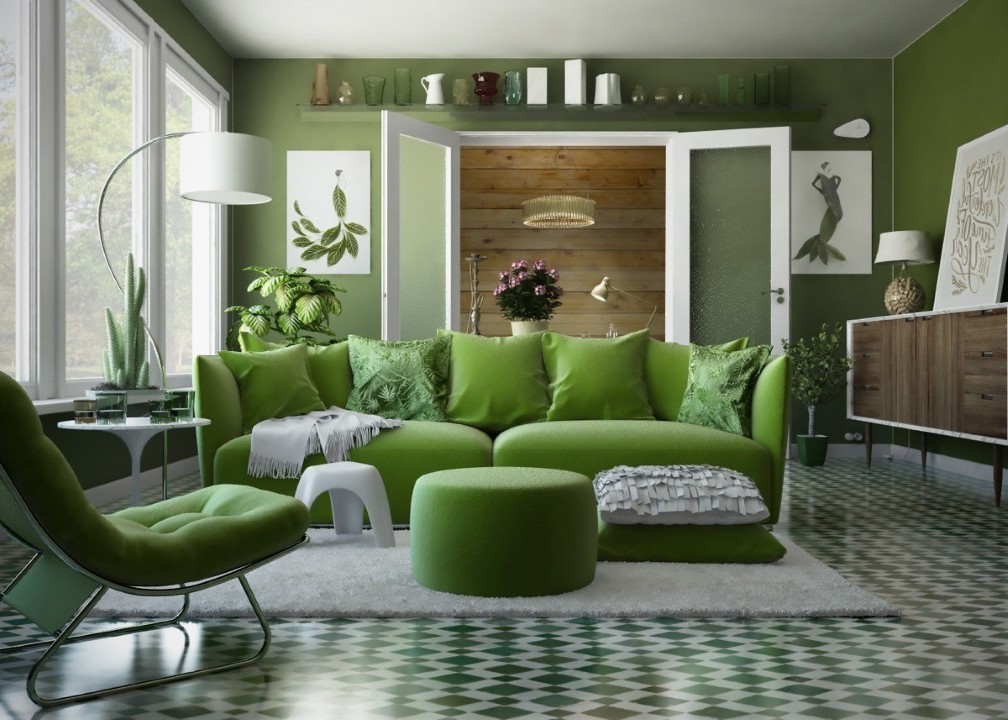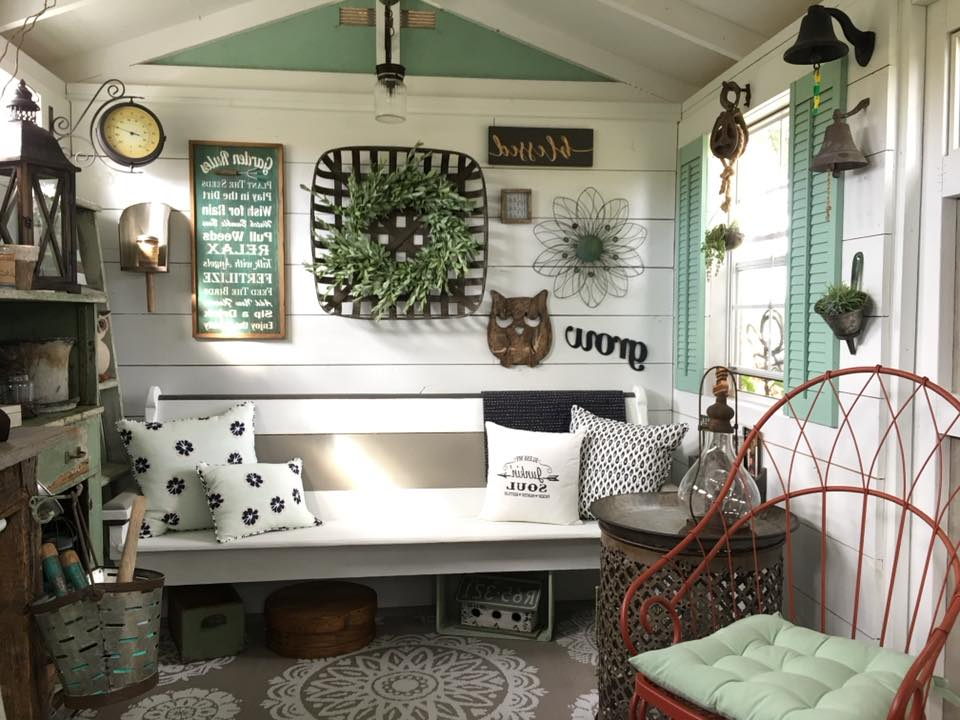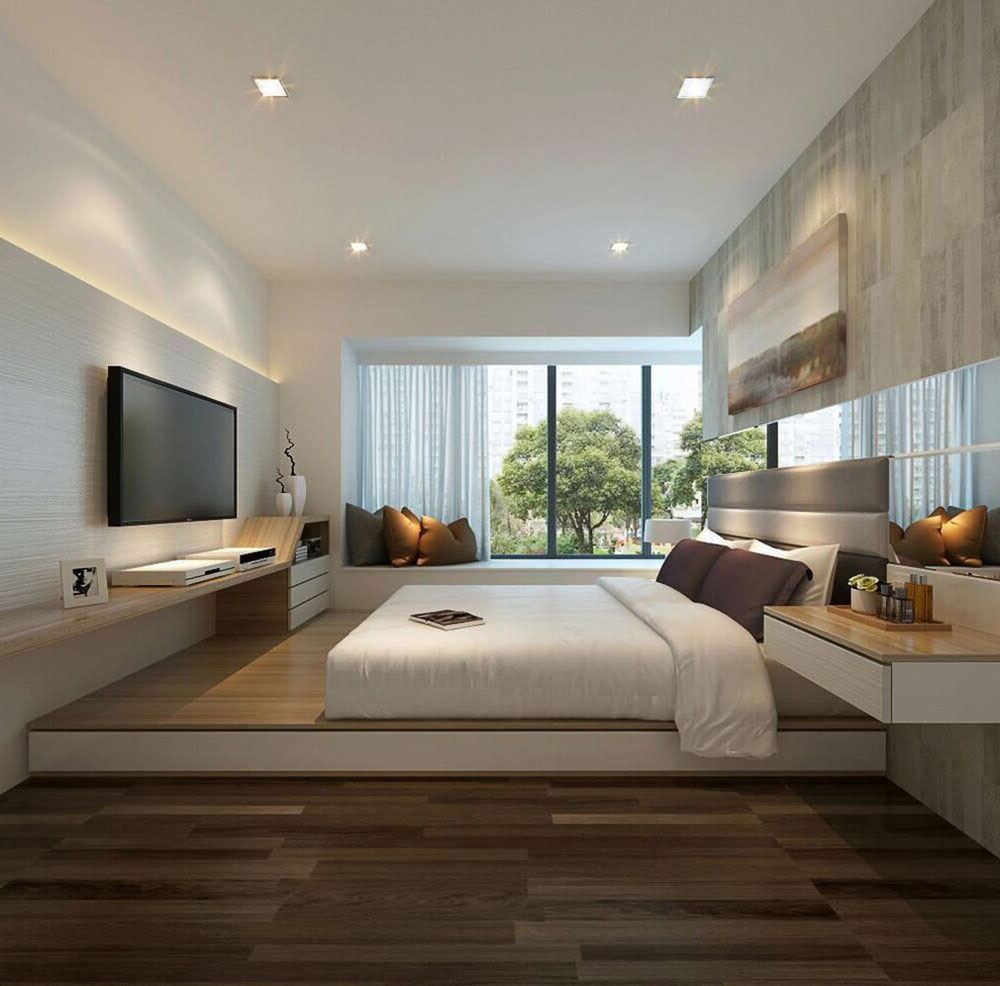
Every home tells a story, and the walls are often the first chapter. Whether you’re looking to refresh a single room or completely transform your entire space, the way you approach wall painting can make all the difference. This isn’t just about covering up old paint or adding a fresh coat. It’s about creating an environment that feels both personal and timeless. From classic techniques passed down through generations to modern applications that work beautifully in today’s homes, there’s a wealth of wisdom waiting to be discovered.
When it comes to transforming interiors, few elements have the power to completely change a space quite like well-executed wall painting. It’s one of those rare design choices that can feel both immediately impactful and subtly enduring. We’ve seen countless homes where a single color decision has shifted the entire mood of a room. But it’s not just about choosing the right hue – it’s about understanding how to apply it skillfully. Traditional methods offer proven reliability, while contemporary approaches bring fresh energy to familiar spaces. This journey through wall painting techniques will reveal how ancient wisdom meets modern needs, creating solutions that work for every type of home and lifestyle.
The Foundation of Great Wall Painting
Before you even think about color, you need to understand the basics that make or break any painting project. Proper surface preparation is absolutely critical. Think of it as laying the groundwork for a building – if the foundation is weak, everything else will eventually crumble. Start with cleaning the walls thoroughly. Remove any loose paint, dirt, or grease. Fill in any cracks or holes with appropriate filler and sand smooth. For new drywall or previously unpainted surfaces, applying a quality primer is non-negotiable. It creates a uniform base that helps paint adhere better and ensures even coverage. Don’t underestimate the importance of using good-quality brushes and rollers. Cheap tools might save money upfront, but they’ll cost you in time and results. Invest in synthetic brushes for latex paints and natural bristle brushes for oil-based paints. The right tools make the whole process feel more enjoyable and produce cleaner lines.
Classic Techniques That Never Go Out of Style
Some methods have stood the test of time because they simply work. One such technique is the two-coat application method. This means applying a thin first coat, allowing it to dry completely, then applying a second coat. Why? Because it ensures better coverage, especially when changing colors dramatically or covering dark stains. Another tried-and-true approach is the wet-on-wet technique, where you apply the second coat while the first is still slightly tacky. This helps eliminate visible brush marks and creates a smoother finish. The corner cutting method deserves special mention too. Always cut in along the edges first before rolling the main area. This prevents paint from bleeding onto trim and creates clean, professional-looking lines. You’ll notice that many of the most beautiful homes, whether Victorian or modern, incorporate these fundamental practices. They’re not trendy – they’re essential.
Color Psychology in Interior Design
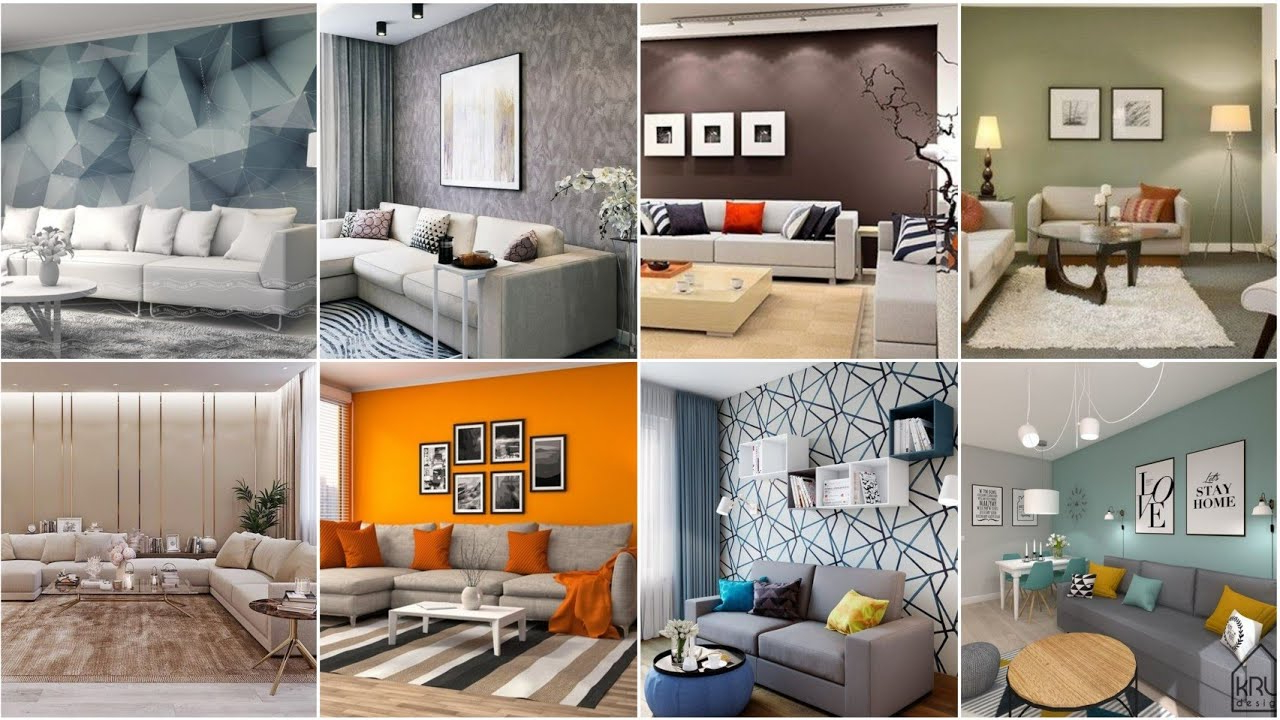
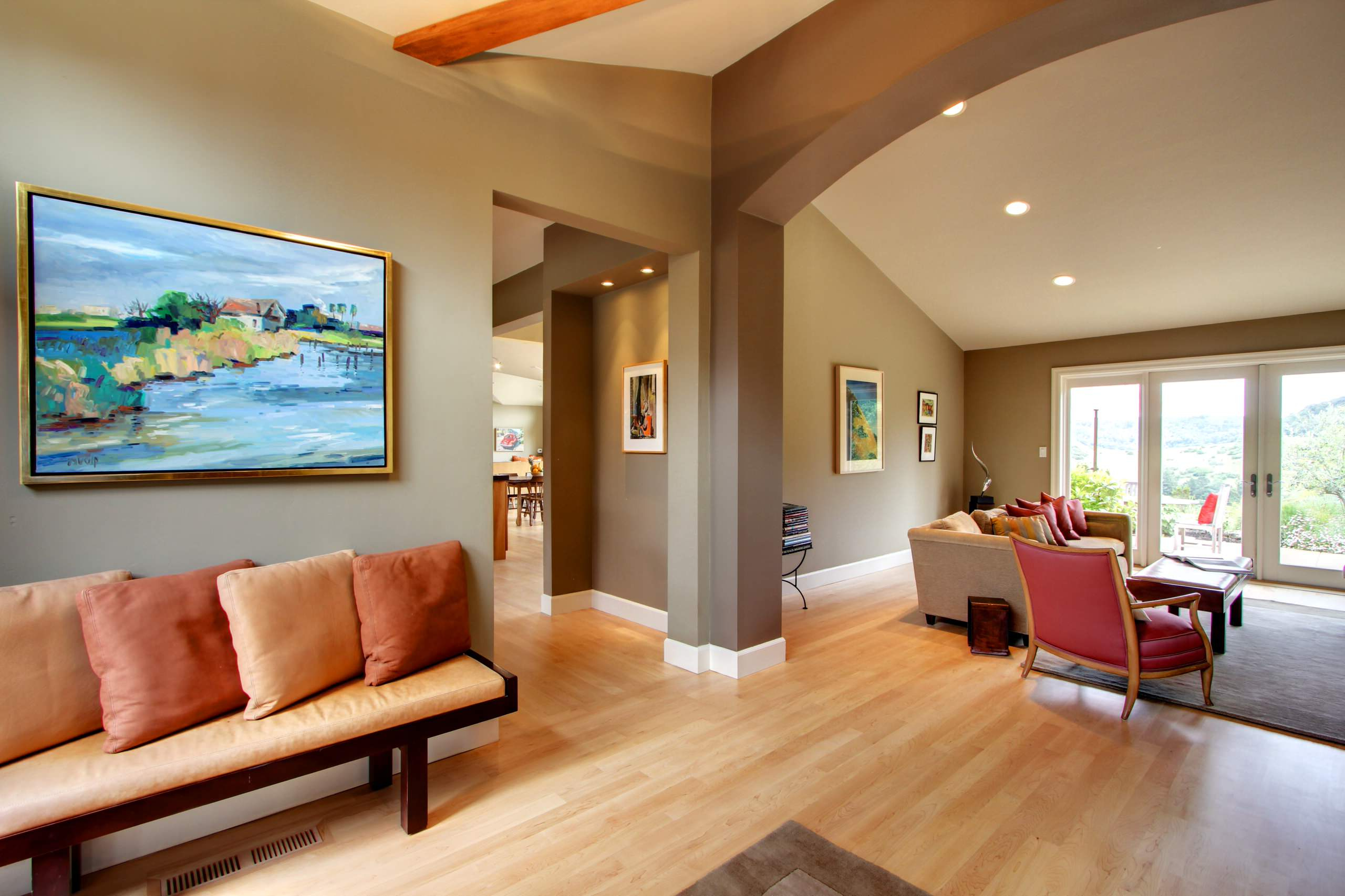
What color you choose for your walls affects more than just aesthetics. Colors influence our moods, perceptions, and even our behavior. Warm tones like reds, oranges, and yellows tend to make spaces feel cozy and inviting. They’re excellent for living rooms and dining areas where you want to encourage conversation and warmth. Cool colors such as blues and greens create a sense of calm and spaciousness. These are ideal for bedrooms and bathrooms where relaxation is key. Neutral shades like beige, gray, and white serve as versatile backdrops that let other elements shine. They’re particularly popular in modern interiors because they provide flexibility for changing decor. Understanding these psychological effects allows you to make intentional choices that align with your lifestyle and the function of each room.
Modern Applications of Traditional Methods
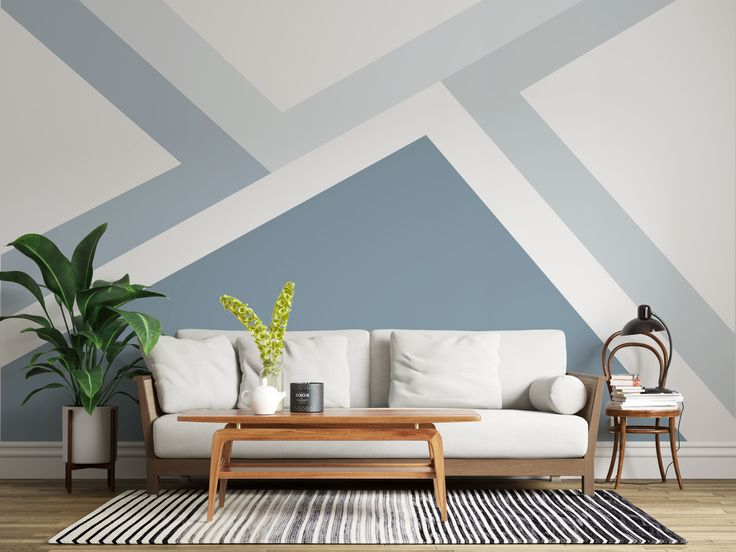
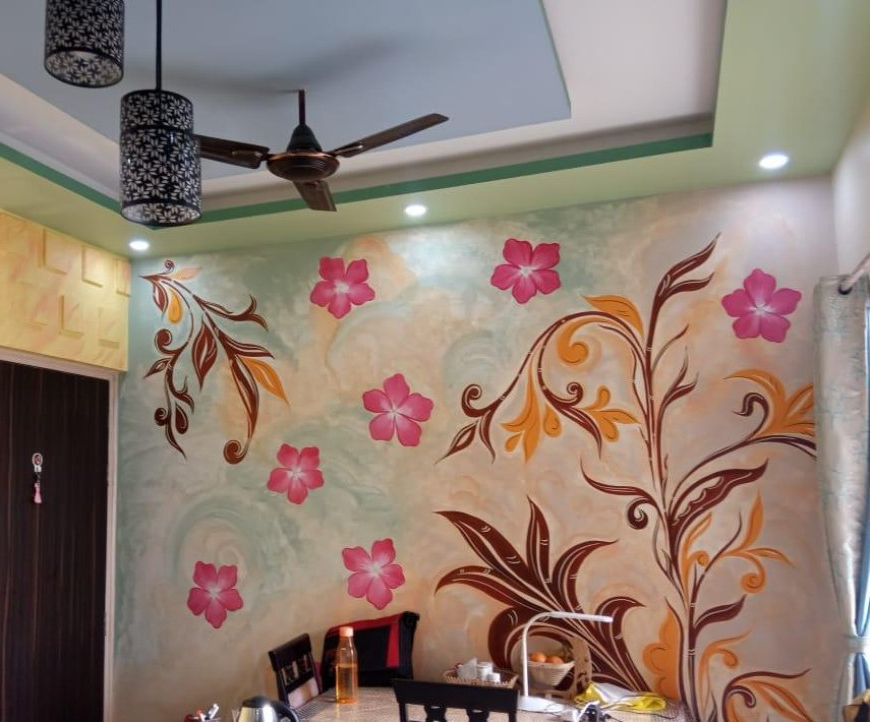
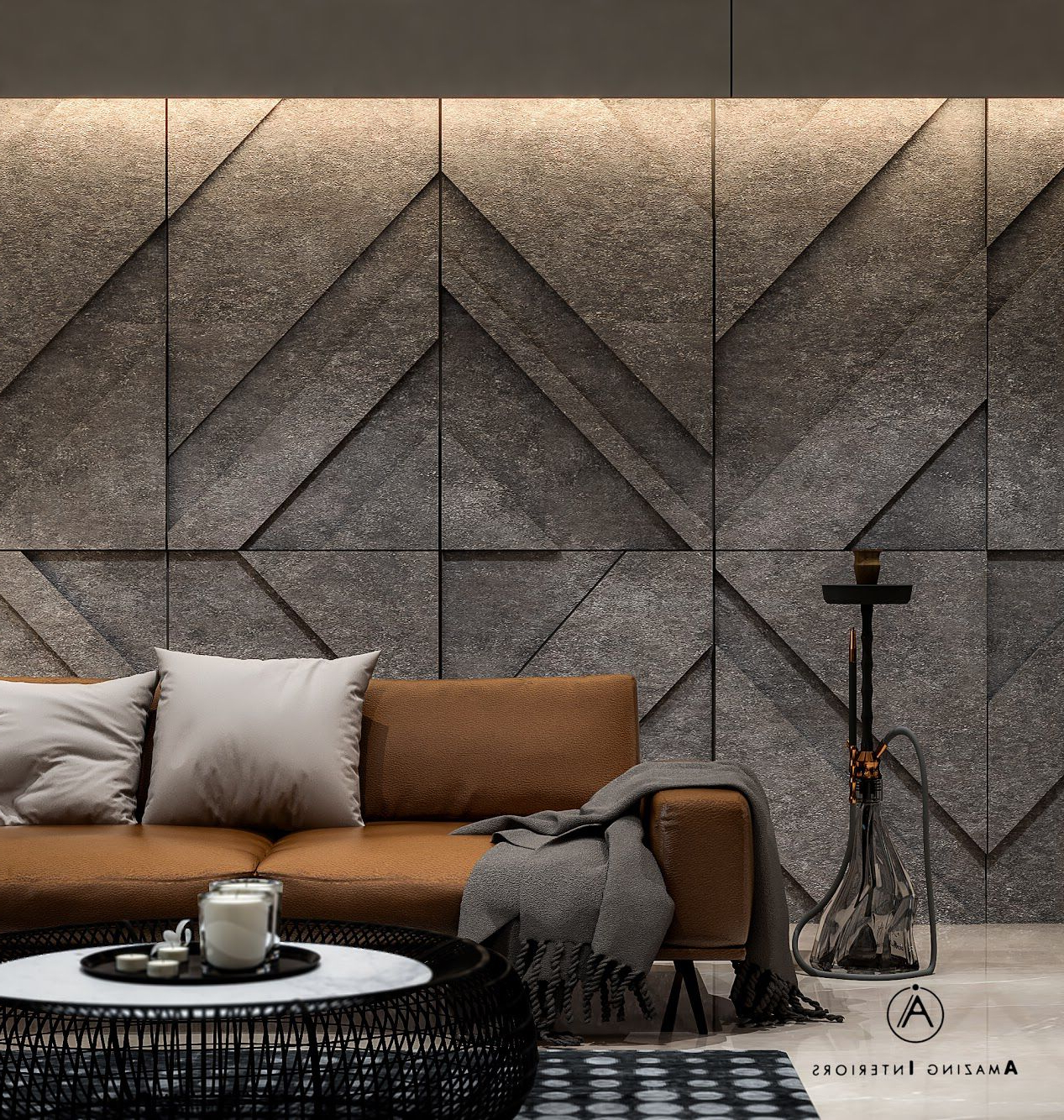
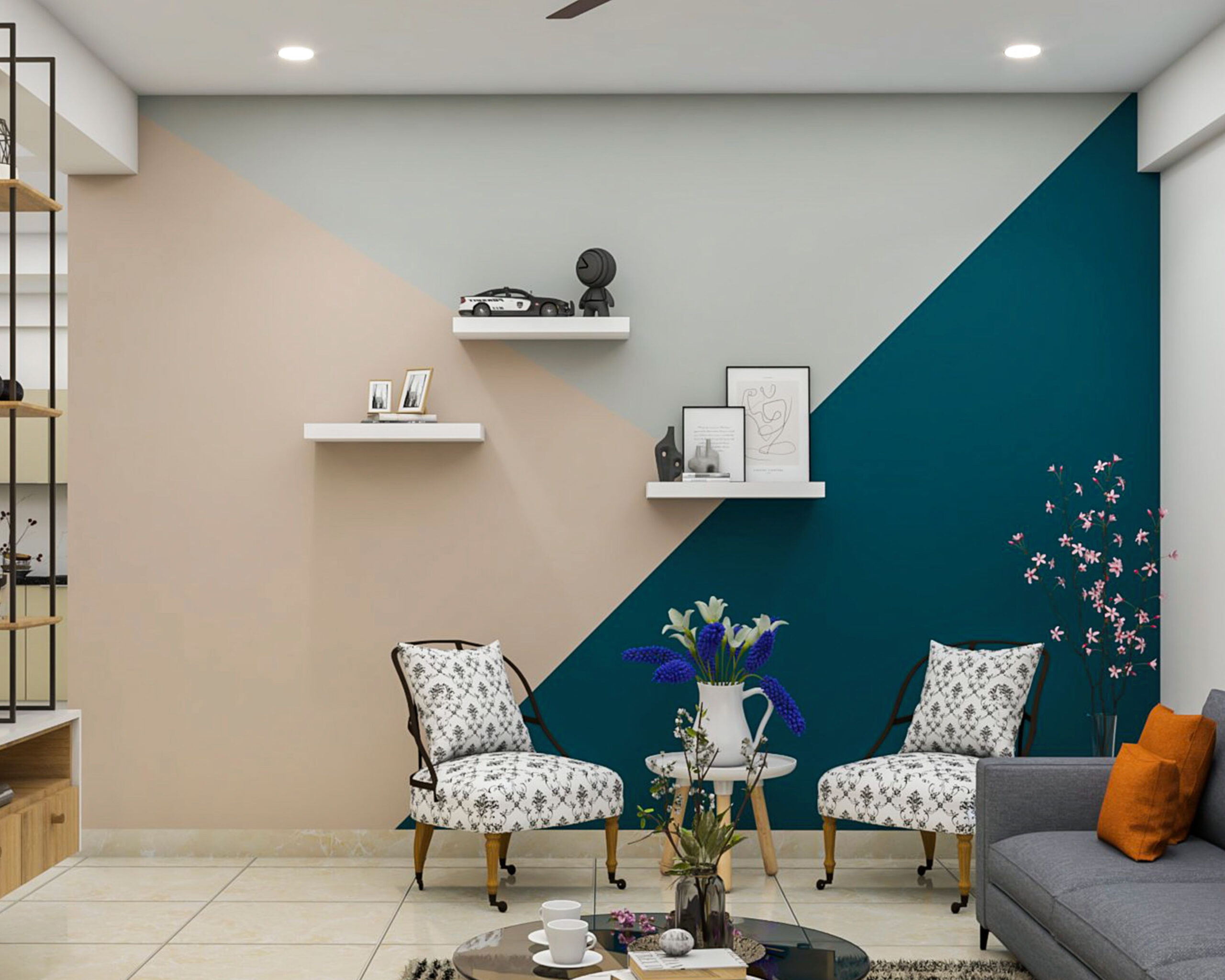
The beauty of traditional painting techniques lies in their adaptability. Today’s designers often combine classic approaches with contemporary trends. For instance, the classic checkerboard pattern can be updated with bold geometric shapes or modern color combinations. Textured finishes, once reserved for luxury homes, are now accessible to everyone thanks to innovative products. These add visual interest without overwhelming the space. Stenciling has evolved beyond simple floral patterns – it now includes abstract designs and minimalist typography that fits perfectly in modern settings. The key is knowing when to stick with tradition and when to push boundaries. Many successful modern interiors achieve balance by using traditional methods for foundational elements while incorporating contemporary touches for visual excitement.
Practical Tips for Professional Results
Achieving that polished look professionals deliver takes attention to detail and patience. Start by working in small sections rather than trying to tackle an entire wall at once. This prevents paint from drying too quickly and makes touch-ups easier. Always use a high-quality roller with the correct nap length for your wall texture. Too short a nap and you’ll miss imperfections; too long and you’ll create unnecessary texture. Work from top to bottom and left to right to maintain consistent pressure. Clean your tools immediately after use to prevent paint from hardening and to ensure they’re ready for next time. Finally, don’t rush the drying process. Rushed jobs often lead to smudges, streaks, and uneven finishes. Give yourself time – it’s always better to wait a little longer for a perfect result.
Maintaining and Refreshing Your Painted Spaces
Once you’ve invested time and effort into your painted walls, proper maintenance keeps them looking fresh for years. Regular dusting with a soft cloth or vacuum attachment removes surface debris that can dull the appearance over time. Address small touch-ups promptly to prevent larger problems. A small brush and matching paint can fix minor scuffs or stains within minutes. Consider the longevity of your paint choice – higher-quality paints generally last longer and require fewer refreshes. For major updates, don’t forget about the room’s lighting. As light changes throughout the day, colors may appear different. Plan accordingly when selecting your final palette. Remember that even the most beautiful painted walls will eventually need some attention. But with good care, they’ll continue to be a source of pride and comfort for many years to come.
Wall painting isn’t just about covering up old walls or adding a new color. It’s about crafting experiences and emotions through carefully chosen hues and skilled execution. The techniques discussed here represent a bridge between past wisdom and present needs. They offer reliable foundations that can be adapted to any style or budget. Whether you’re a seasoned DIYer or someone who’s never picked up a brush, these principles provide a roadmap to success. The most important thing is to approach each project with patience, respect for the craft, and an appreciation for how a well-painted wall can transform not just a room, but a home. Every brushstroke matters, and every color choice tells part of your story. So take your time, enjoy the process, and remember that great interiors start with great walls.