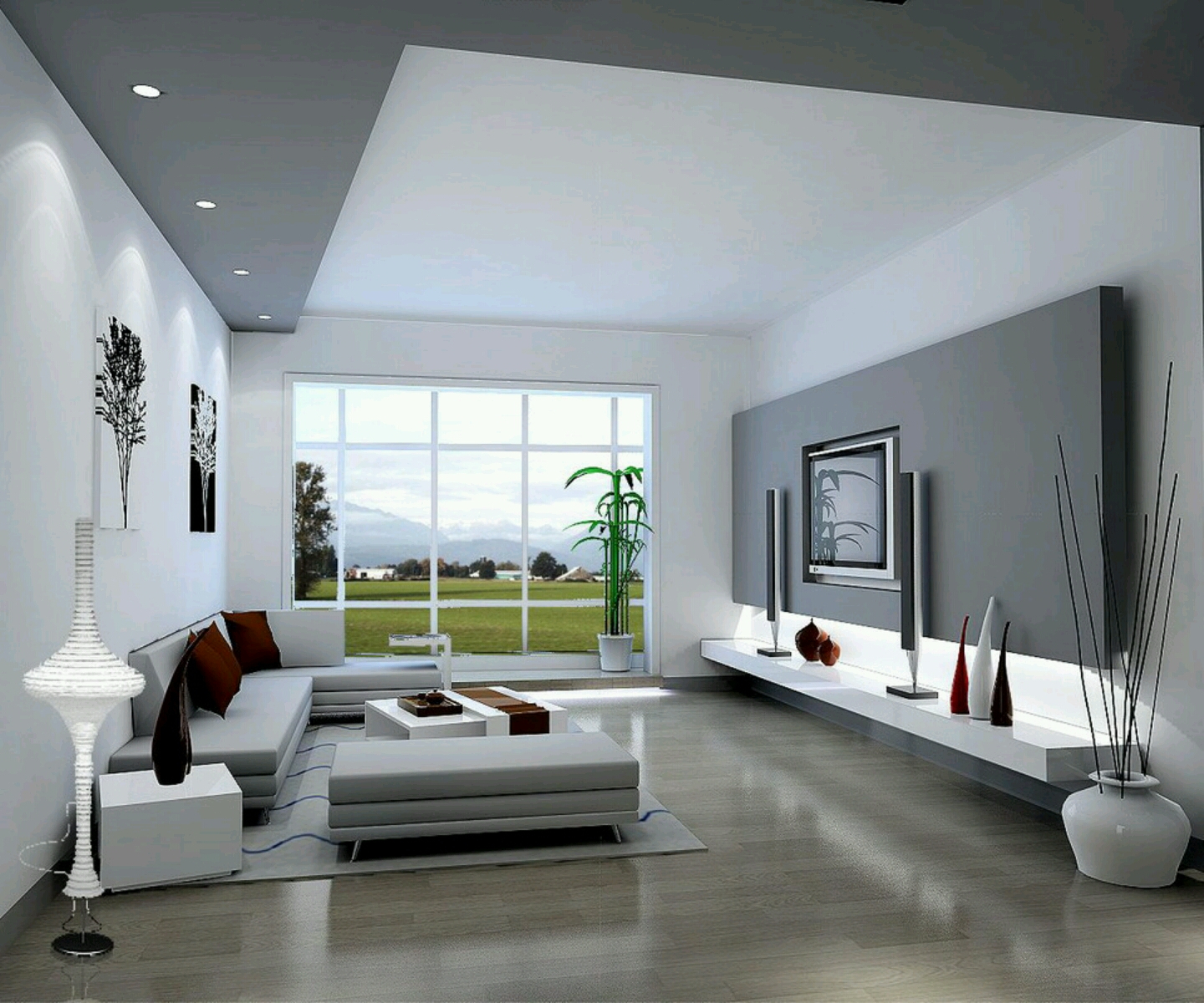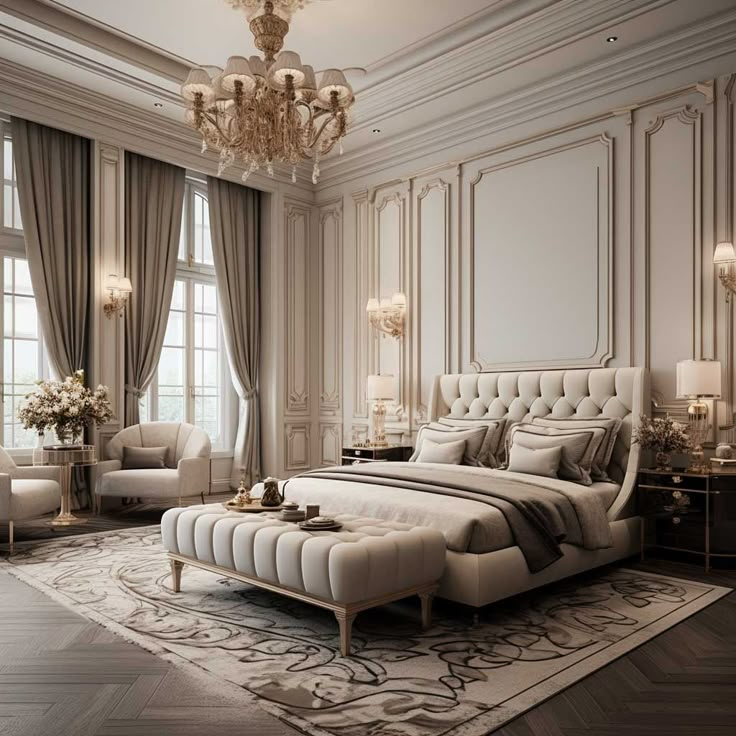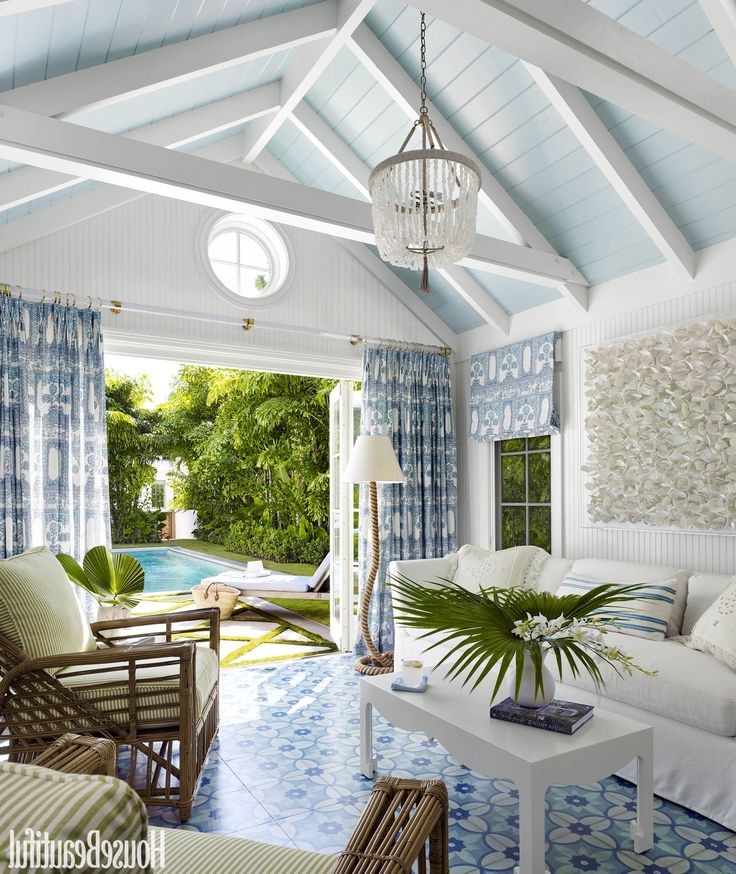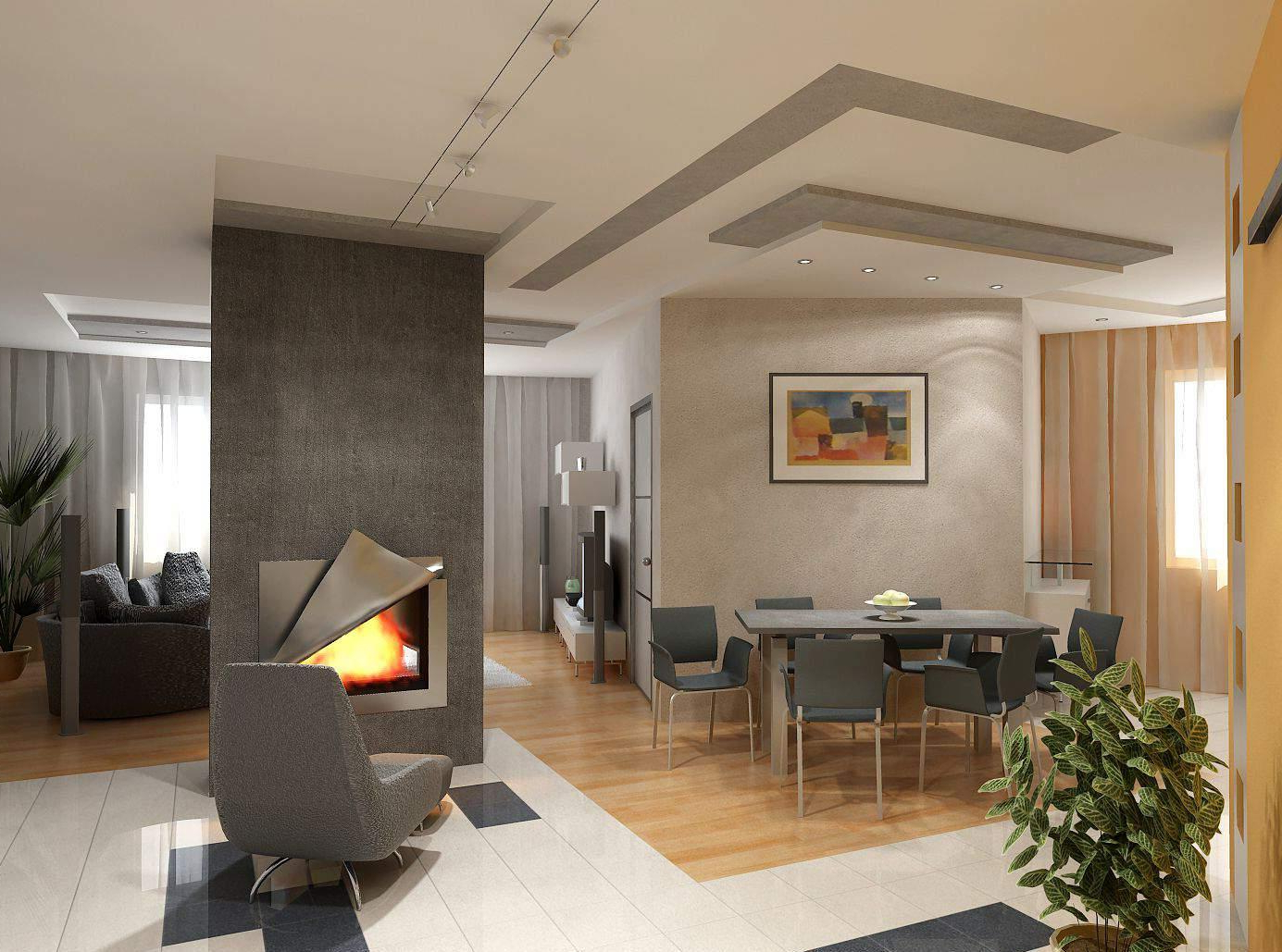
Have you ever walked into a room and instantly felt like you were in a different world? That’s the power of interior wall treatment done right. It’s not just about paint or wallpaper – it’s about creating layers of visual interest that make your space breathe and feel alive.
When we think about interior design, we often focus on the big stuff – furniture, lighting, color schemes. But there’s something magical happening right at eye level that can completely change how a room feels. Walls aren’t just boundaries; they’re canvases waiting to tell stories. The way we treat them, how we arrange elements on them, and even their overall layout can either make a space feel flat and lifeless or rich and inviting. Think about it – every time you enter a room, your eyes naturally scan the walls first. What if those walls could guide your attention, create comfort, or even make you feel taller or smaller?
Understanding Visual Weight
Every element on a wall has weight. A large mirror carries more visual weight than a small picture frame. Thick wainscoting creates more bulk than a simple trim line. Understanding this concept helps us create balance in our spaces.
Consider how your eye moves around a room. If you place a heavy piece of art on one wall, you might want to counterbalance it with lighter elements on the opposite wall. This creates what designers call ‘visual equilibrium.’
Here are some key ways to manage visual weight:
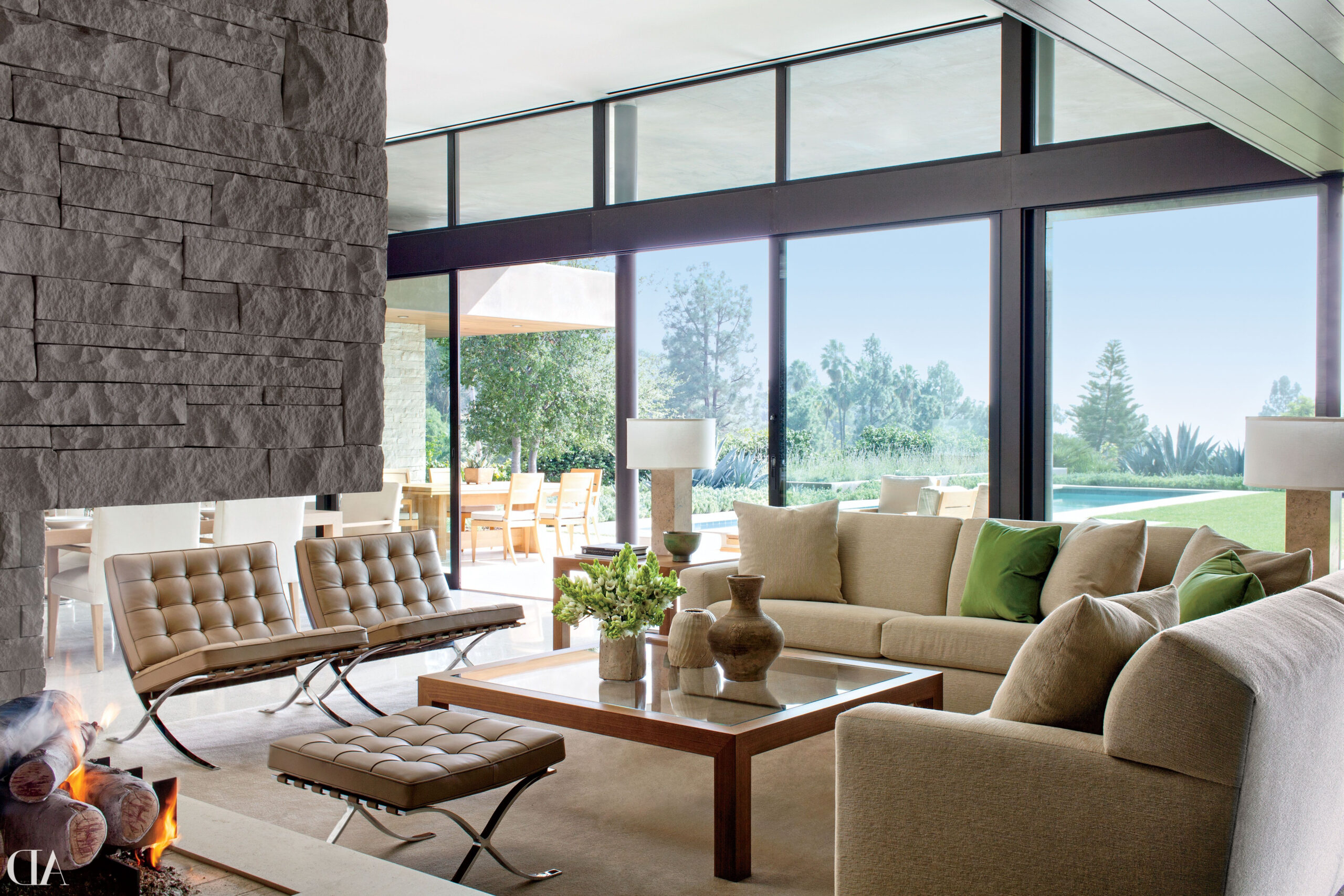
• Heavy textures like brick or stone pull the eye and create a sense of permanence
• Light colors and smooth surfaces tend to recede
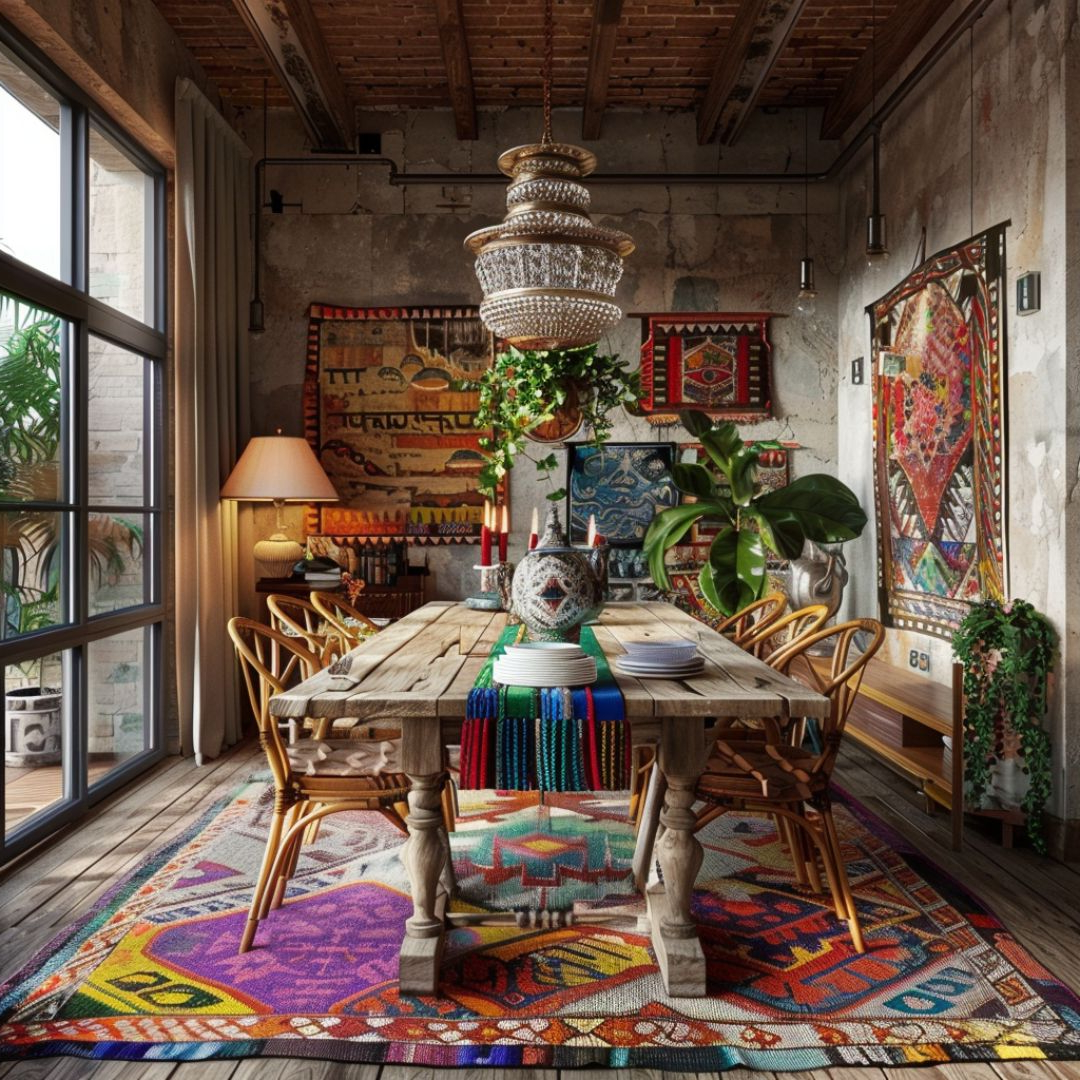
• Darker tones and bold patterns draw attention forward
• Vertical lines make spaces feel taller
• Horizontal lines can make walls appear wider
The Psychology of Wall Heights
Not all walls are created equal when it comes to how they affect our mood and perception. The height of your walls plays a surprisingly important role in how comfortable and spacious a room feels.
High ceilings naturally make rooms feel grander and more open. They give our brains permission to imagine more space above us. But what happens when you have low ceilings? You can still create the illusion of height using several techniques.
Vertical stripes on walls can make ceilings appear higher. So can mirrors placed strategically near the top of walls. Another trick is to avoid placing heavy furniture or bulky decor at eye level. Instead, let your eye travel upward to the ceiling.
Low ceilings can actually be charming when used thoughtfully. They create intimacy and can make a space feel cozy and protected. The key is in how you treat the upper portion of the wall.
Creating Flow Through Wall Placement
Think of walls as the backbone of your room’s story. Where you place things matters more than you might think. A well-planned layout guides visitors naturally through the space.
In living rooms, consider where people will sit and move. Place your main focal point at eye level – typically between 48 and 60 inches from the floor. This ensures it’s easily seen without straining.
But here’s something many people miss: the relationship between walls. If you have two walls facing each other, you might want to treat them differently. One might be bold and dramatic, while the other is softer and more neutral. This contrast creates movement and keeps the eye engaged.
Consider these placement principles:
• Keep the most important piece at eye level
• Leave enough space around objects to let them breathe
• Consider traffic flow when deciding where to put things
• Don’t overcrowd one wall with too many items
• Balance large and small elements across multiple walls
Texture and Material Play
Sometimes the most powerful design decisions happen in the details. Texture isn’t just about how things feel – it’s about how they look and how they interact with light.
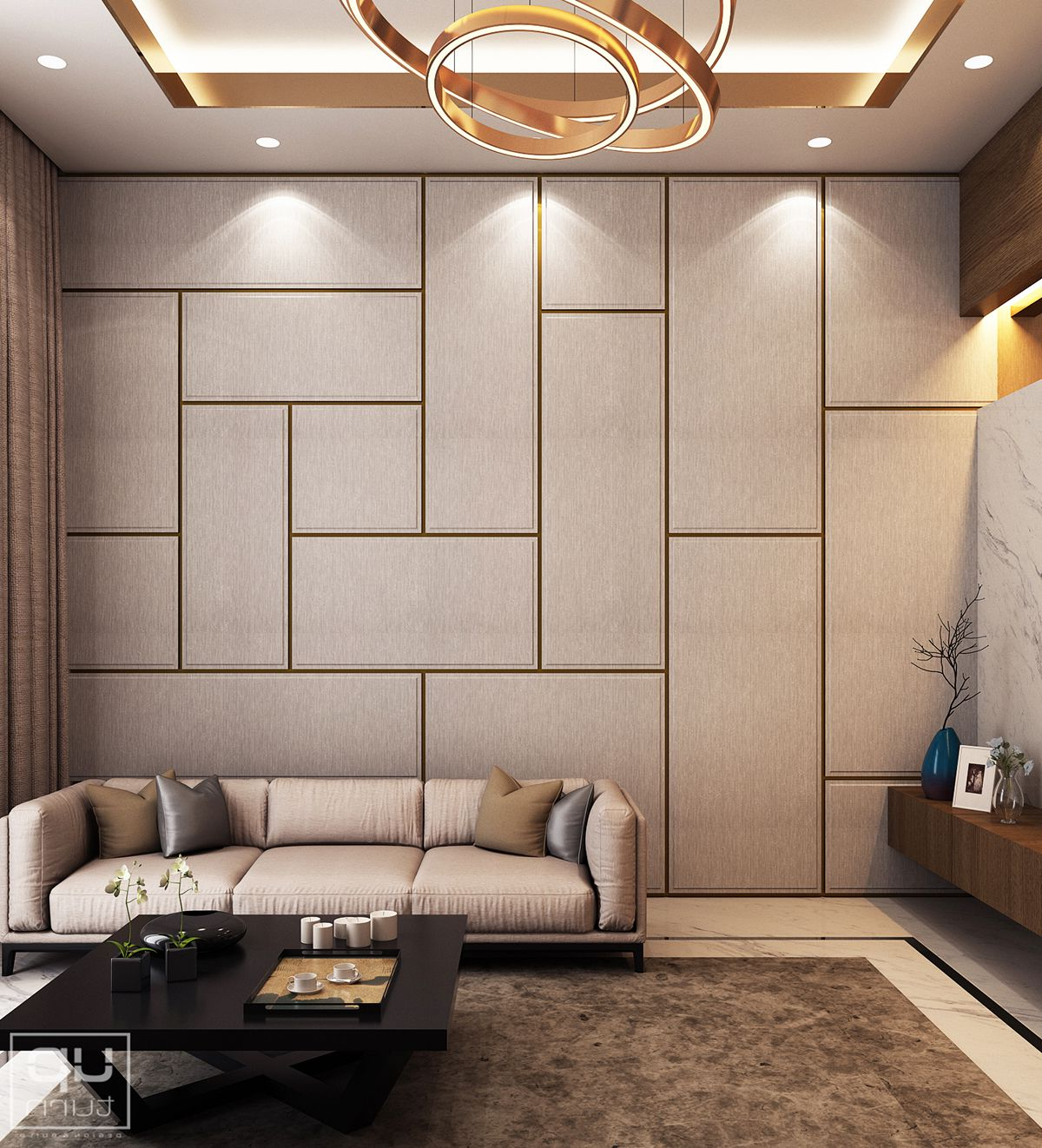
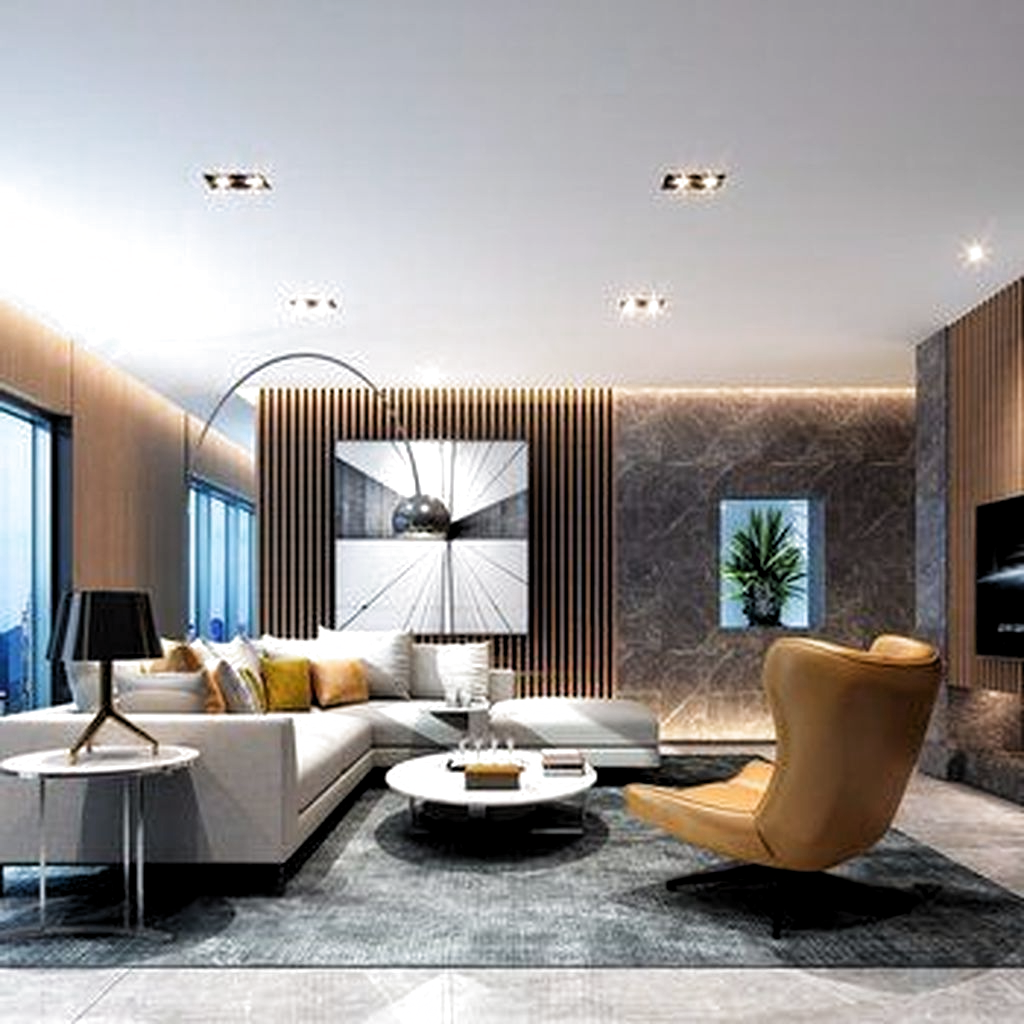
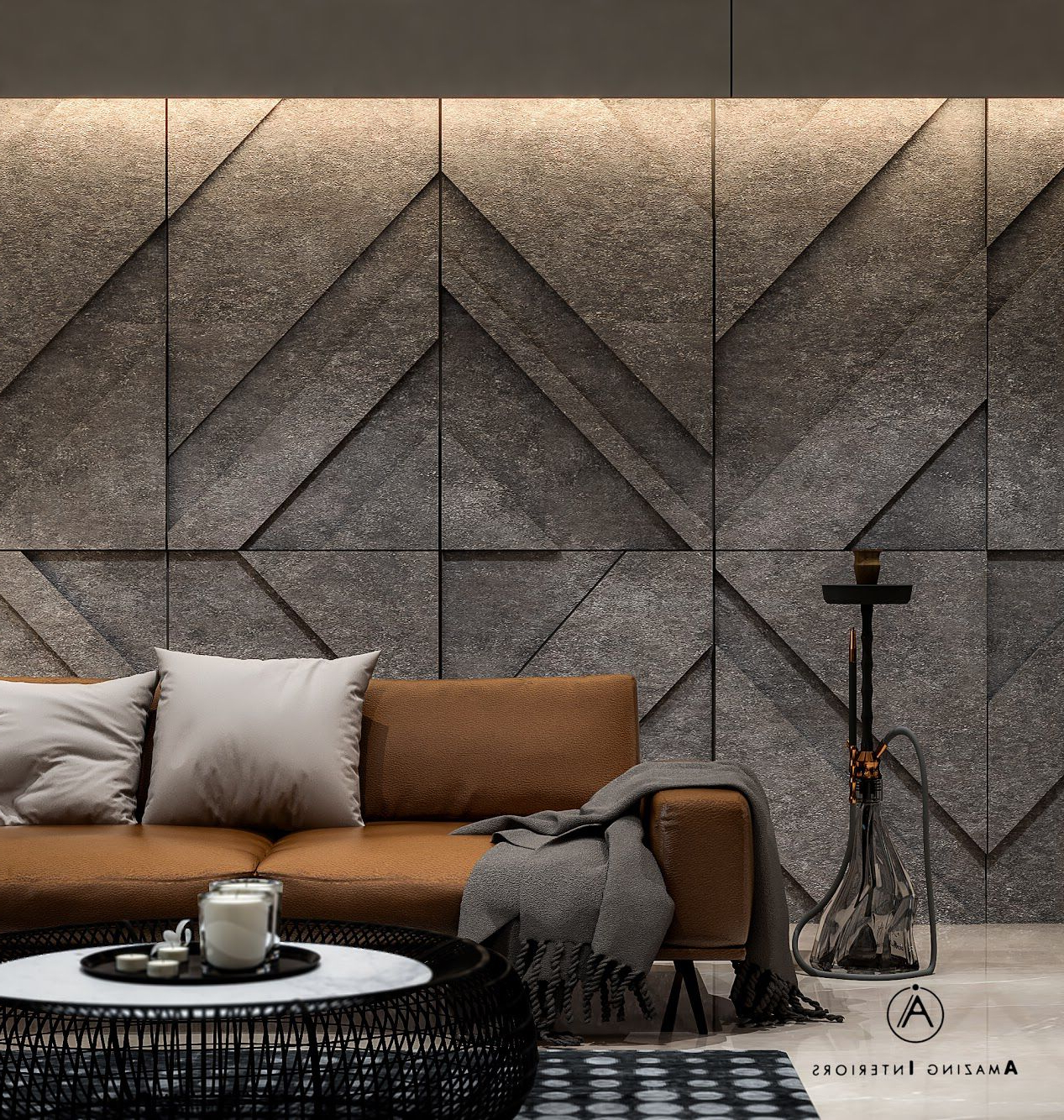
A smooth painted surface reflects light differently than a rough wood panel. A textured wallpaper catches the light in interesting ways, creating shadows and highlights that add dimension. Even the type of paint you choose affects how your walls look and feel.
Try mixing materials to create depth:
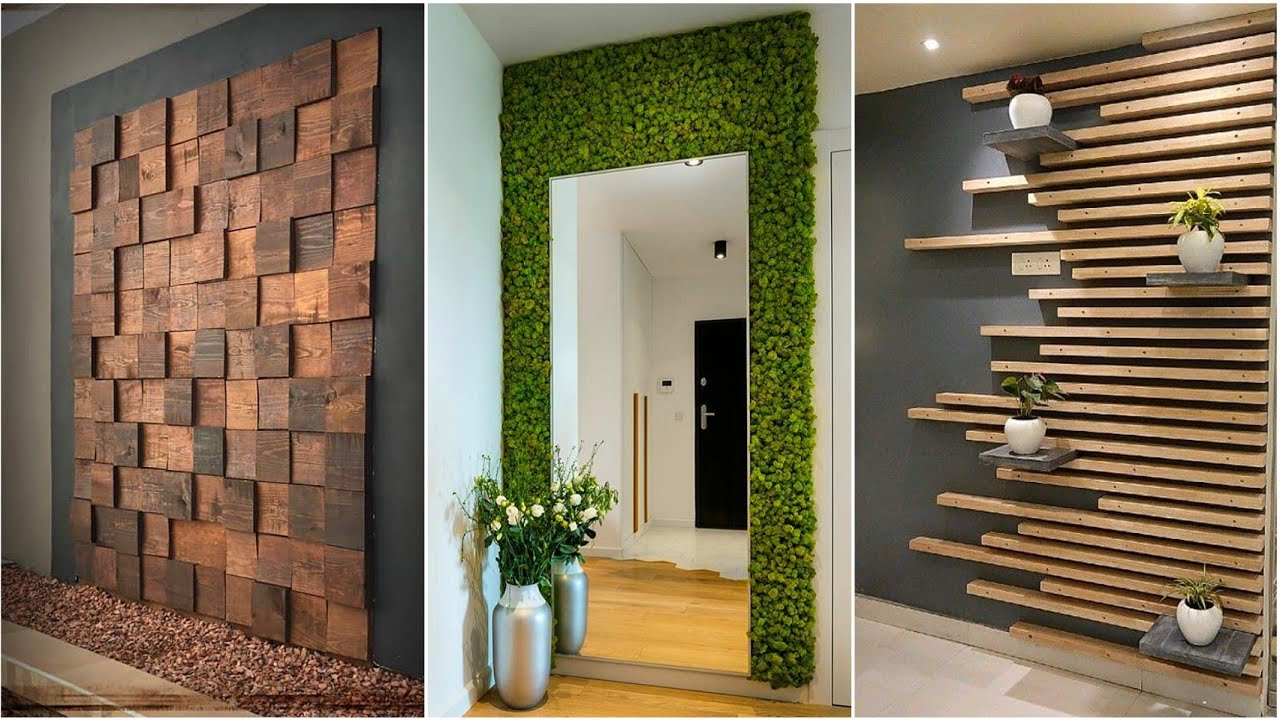
• Combine wood panels with smooth painted walls
• Use different textures in adjacent rooms to create transitions
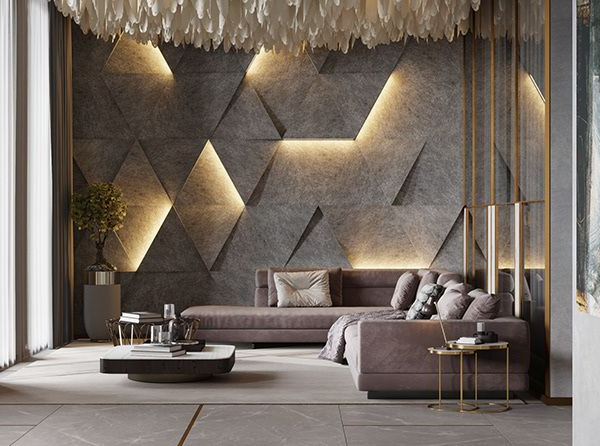
• Add metallic accents like brushed brass or copper
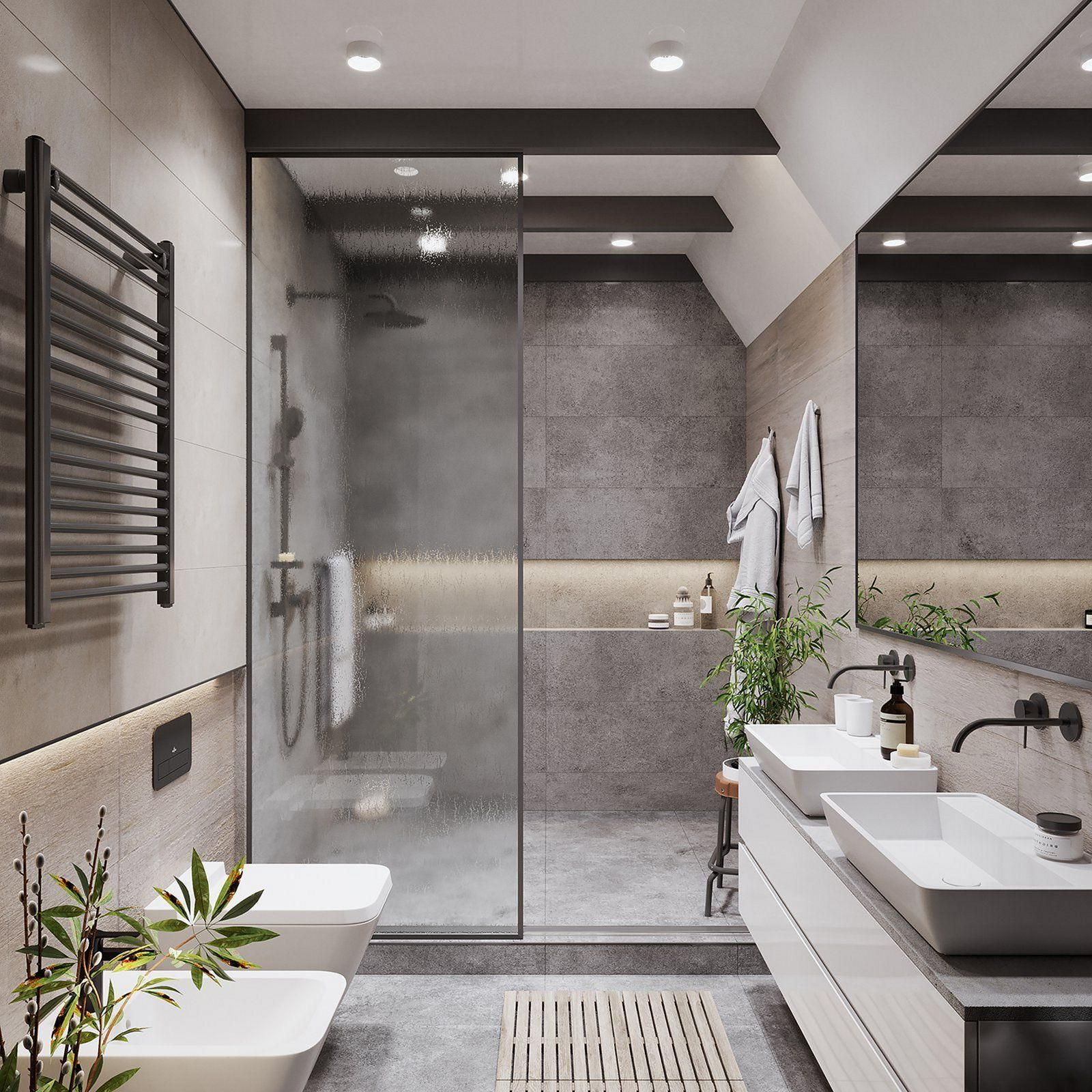
• Incorporate natural materials like stone or rattan
• Experiment with different finishes – matte, satin, or gloss
One common mistake people make is using too much texture. Too many different materials can overwhelm. Stick to three or four maximum for a cohesive look.
Lighting as a Wall Treatment Tool
Lighting is perhaps the most dynamic element in wall treatment. It changes everything depending on the time of day, season, or even the mood you want to set.
Natural light makes walls appear more vibrant and true to color. But artificial lighting can dramatically alter how a space feels. A warm light can make a room feel cozy, while cool lighting can make it feel more energizing.
When designing with lighting, think about:
• How light hits your walls throughout the day
• What areas you want to highlight or soften
• Creating layered lighting – ambient, task, and accent
• Using dimmers to adjust the atmosphere
• Installing lights at different heights to create visual interest
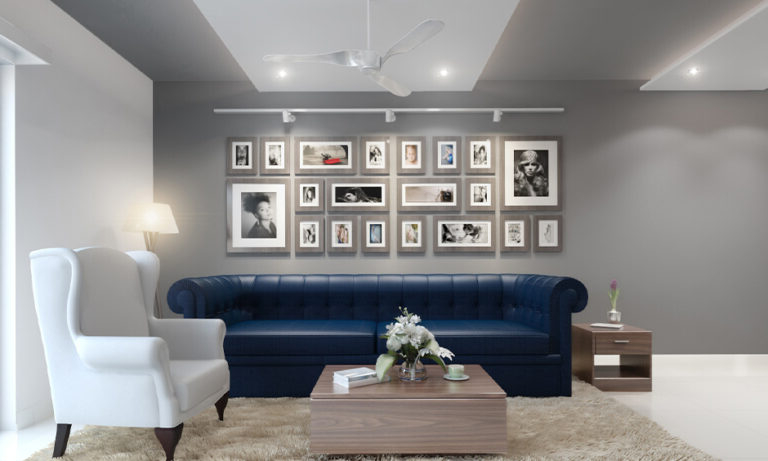
One of the most effective techniques is to use picture lights or track lighting to highlight artwork. These focused beams can make a simple wall come alive with drama.
Color Psychology and Wall Choices
Colors aren’t just pretty – they’re powerful tools that influence how we feel and behave. Every shade you choose sends a message, whether intentional or not.
Warm colors like reds, oranges, and yellows make spaces feel intimate and energetic. Cool colors like blues and greens create a sense of calm and spaciousness. Neutral colors serve as the perfect canvas for other design elements.
But here’s where it gets interesting: how you use color on walls can change everything. A single wall painted in a bold color becomes a focal point. Multiple walls in varying shades create a sense of movement and energy.
Consider these color strategies:
• Use darker colors on the wall behind your bed to create a sense of security
• Paint one wall a bolder color to create a conversation piece
• Choose colors that complement your existing furniture and décor
• Test paint samples on actual walls before committing
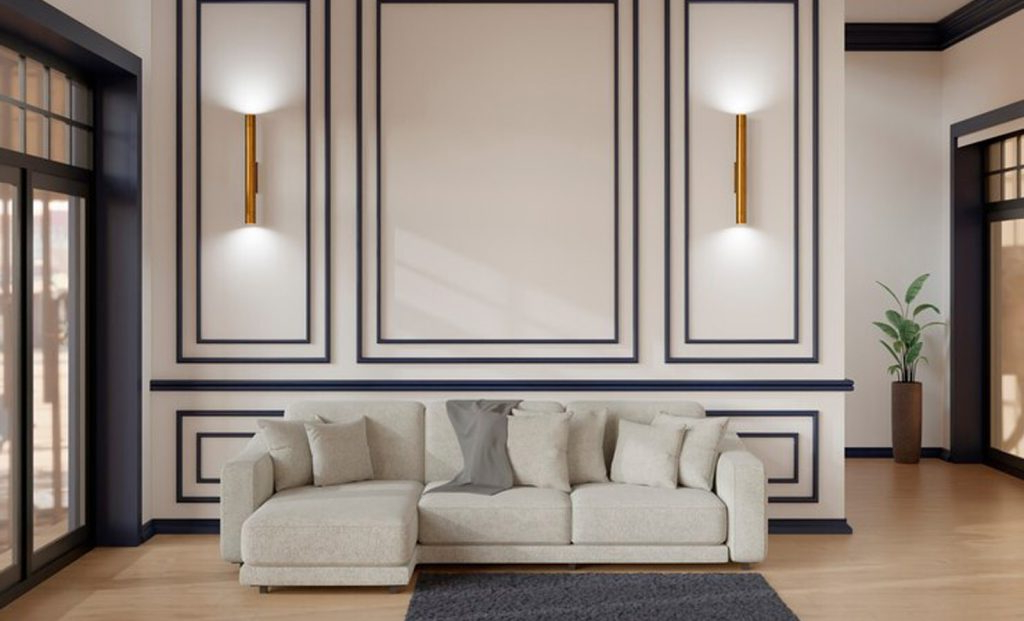
• Remember that white walls don’t always mean boring – they can be incredibly sophisticated
Designing with depth through wall treatment and layout isn’t just about making things look good – it’s about creating experiences. When you thoughtfully plan how walls will look and function, you’re essentially designing how people will feel in your space. Every decision, from the height of your shelves to the texture of your paint, contributes to that feeling.
The best part? You don’t need expensive materials or professional help to start. Begin with small changes – maybe a new piece of art, a different lighting fixture, or even just rearranging what’s already there. Notice how those subtle shifts affect your daily life. Soon enough, you’ll find yourself thinking less about the walls themselves and more about how they support the beautiful stories you’re creating in your home.