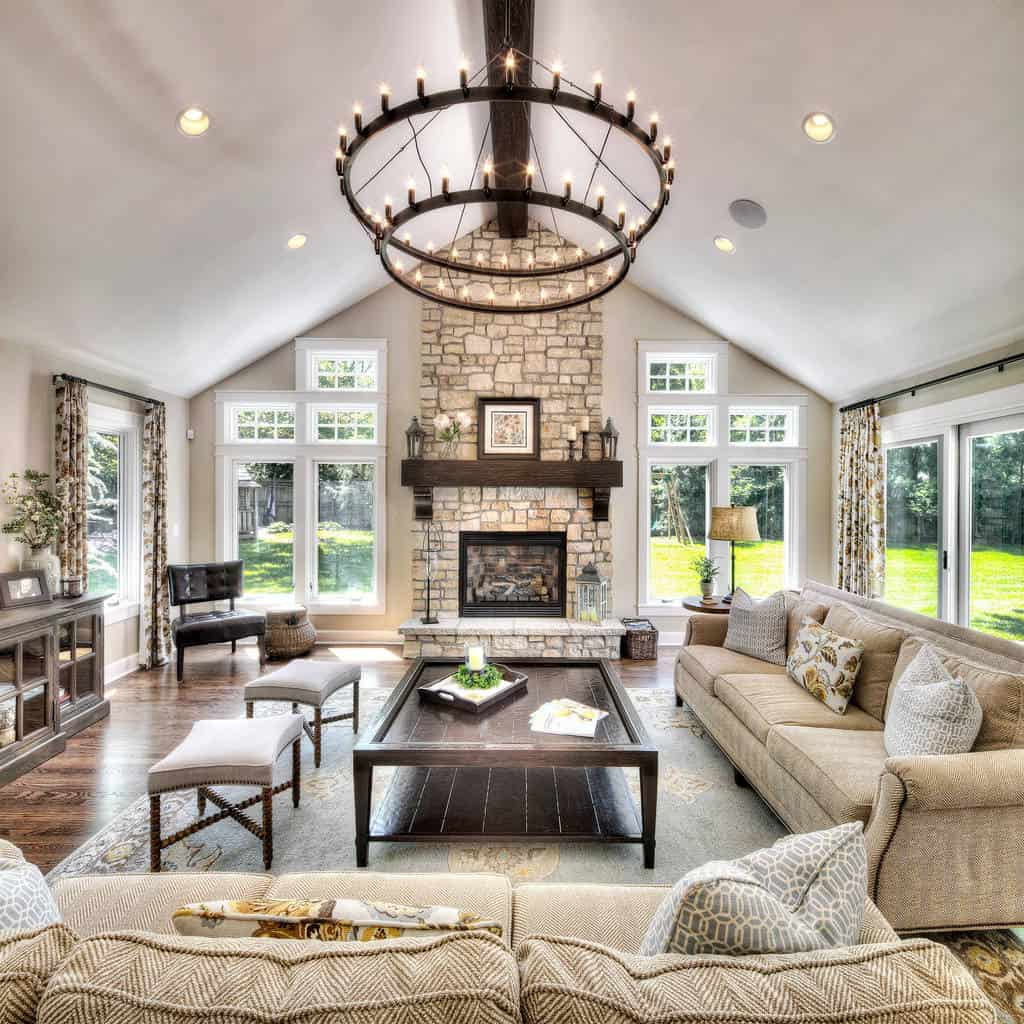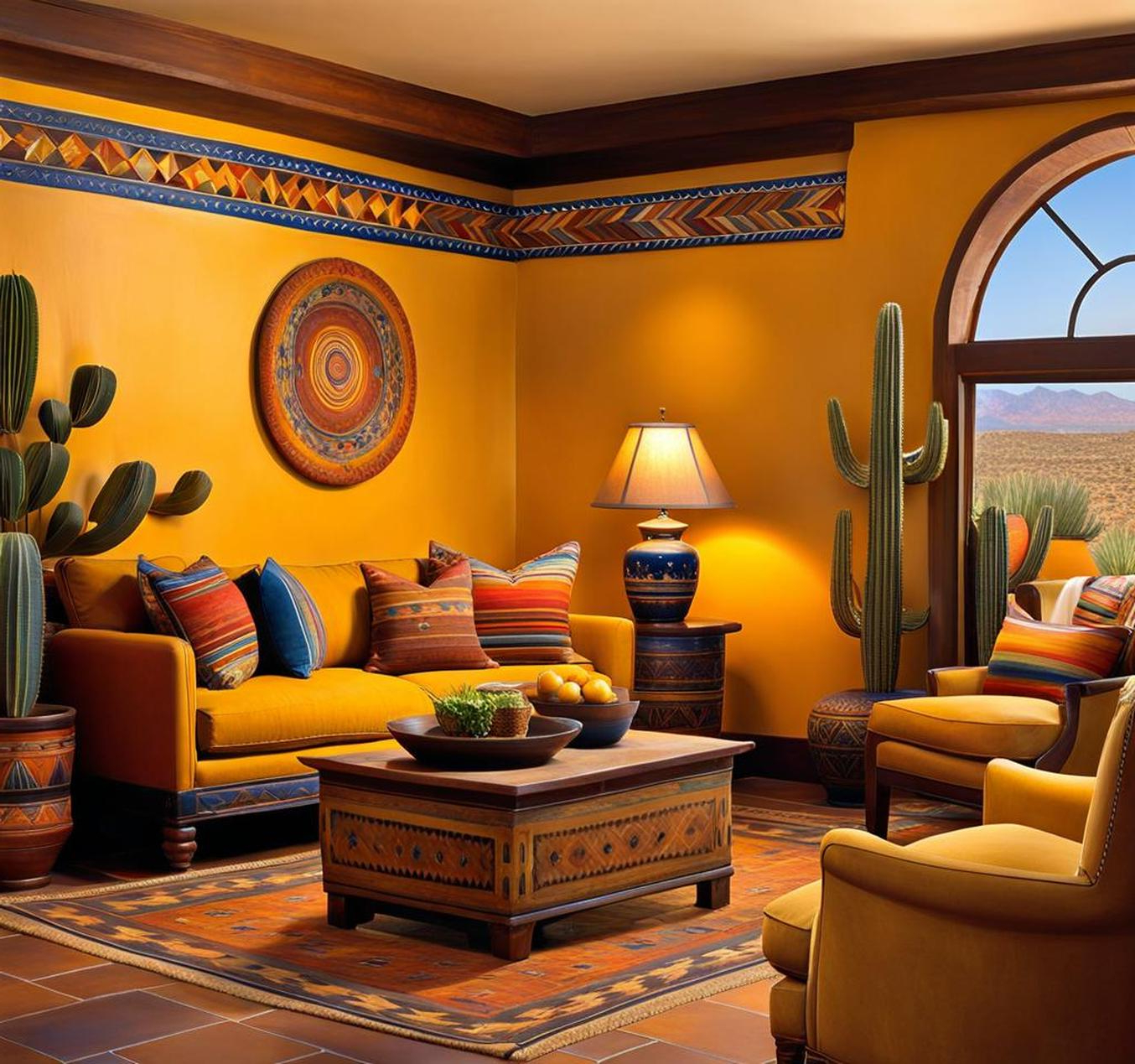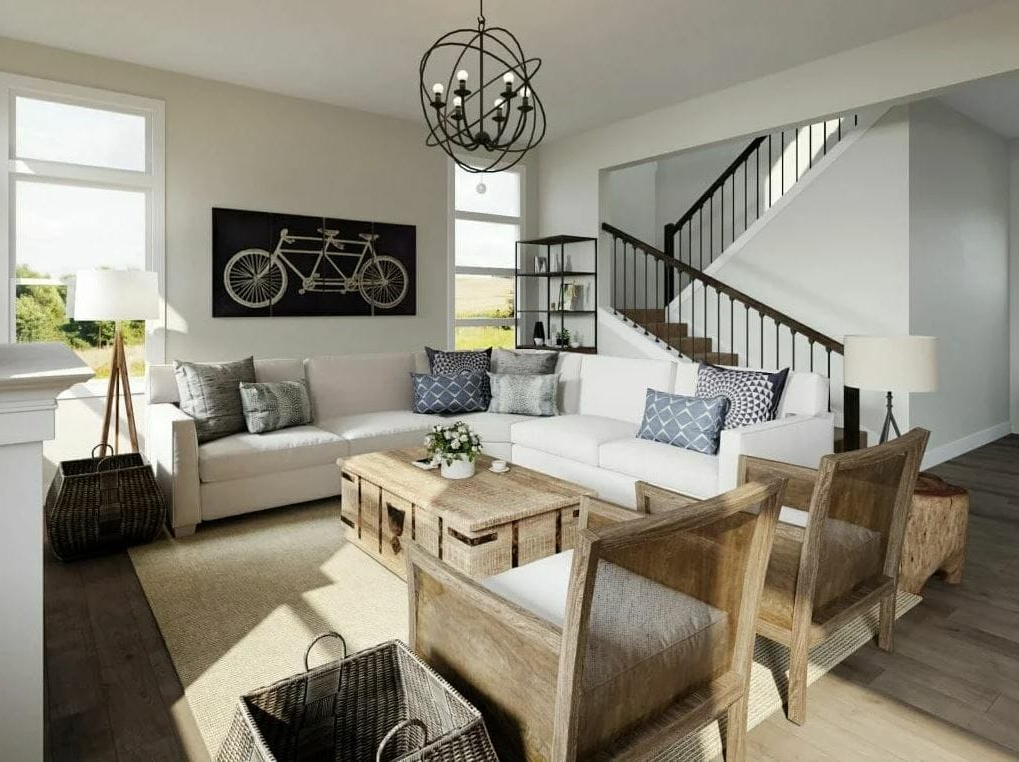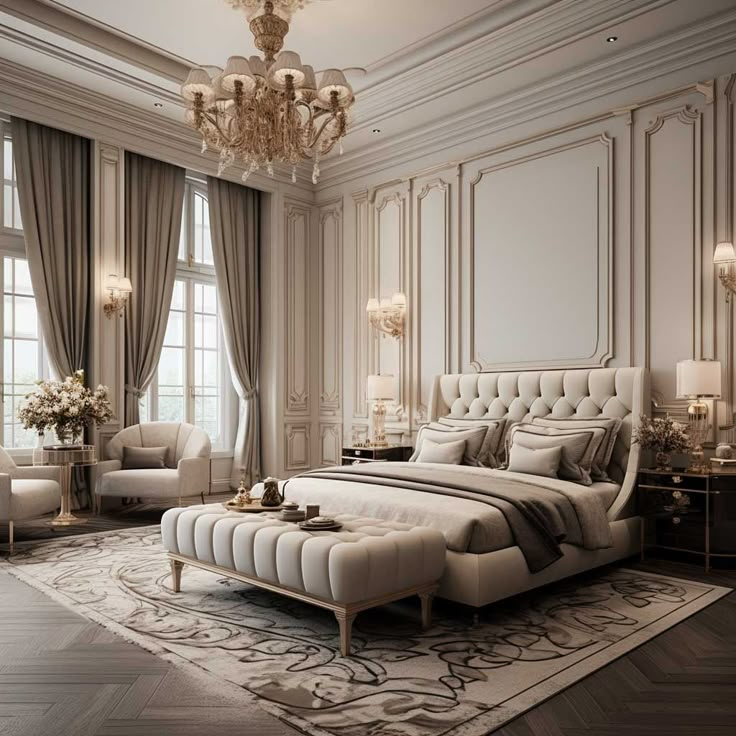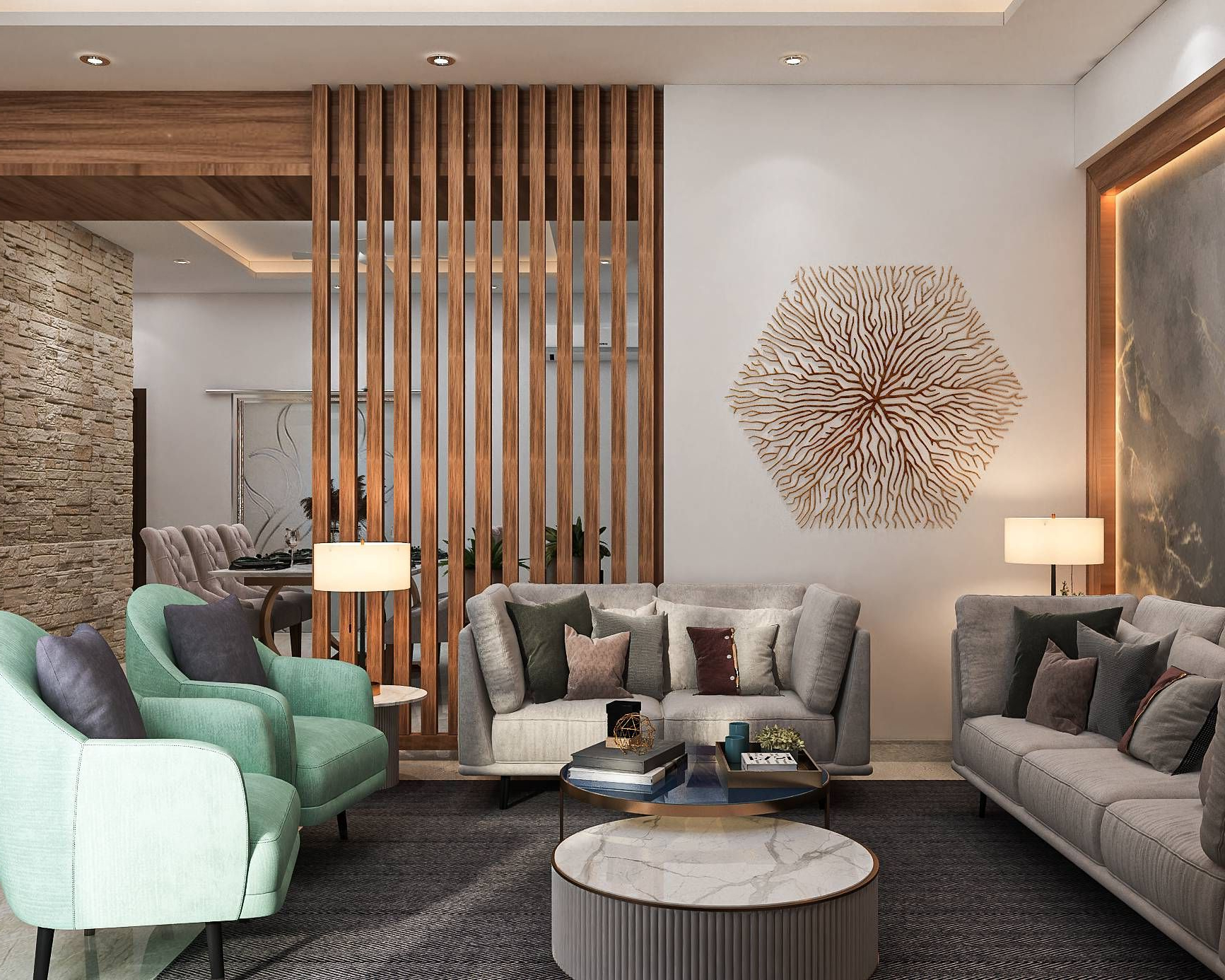
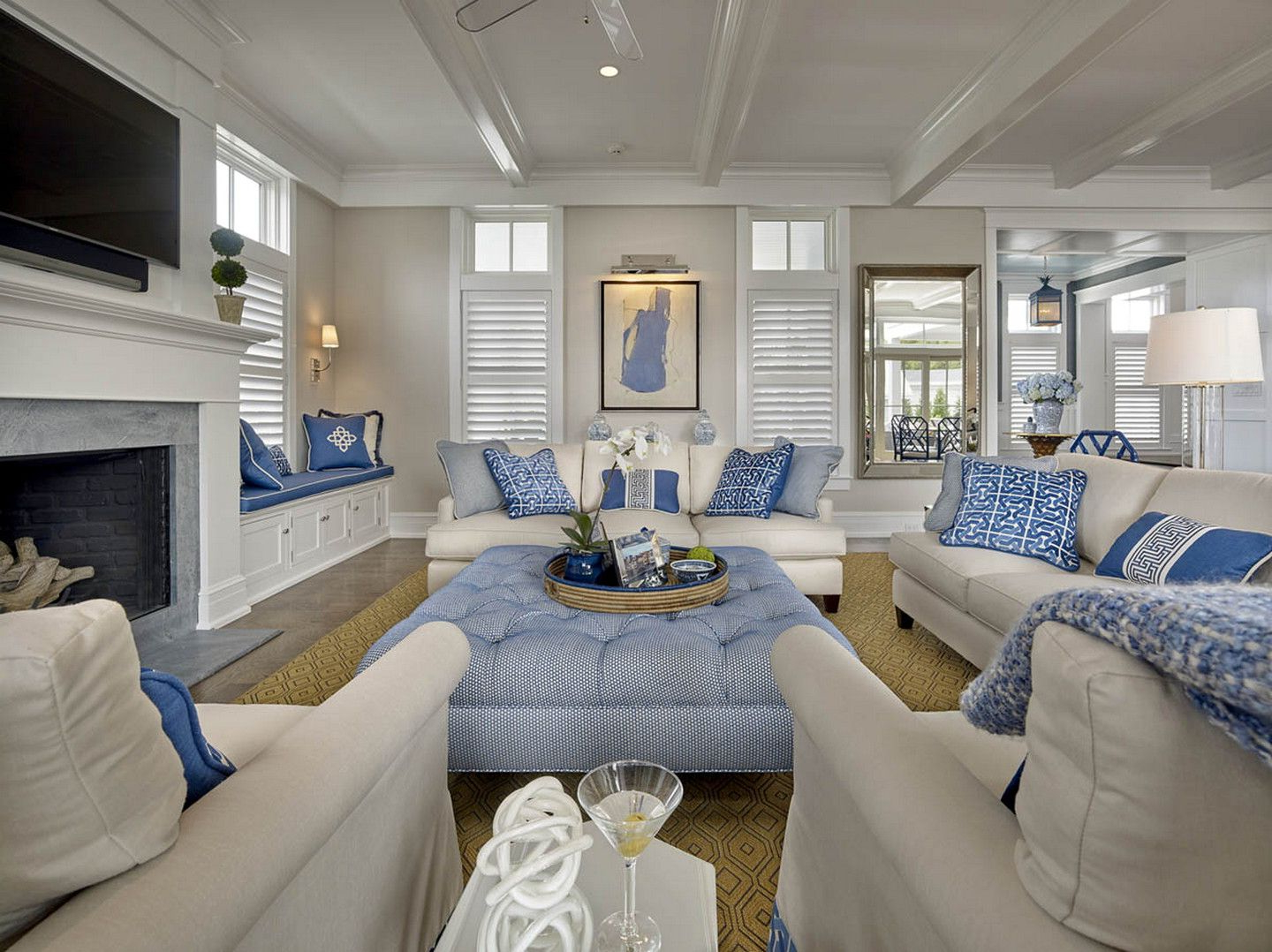
Imagine waking up to the sound of waves, feeling the cool ocean breeze through your windows, and stepping into a space that feels like a gentle hug from the sea itself. That’s what coastal comfort is all about – designing homes that capture the essence of seaside living while maintaining lasting beauty and functionality.
There’s something magical about a well-designed beach house. It’s not just about having ocean views or sand-colored walls. It’s about creating a sanctuary that brings the calming spirit of the coast right into your home. Whether you’re building a new beachfront property or renovating an existing one, understanding the core principles of coastal design can transform your space from ordinary to extraordinary. These timeless elements work together to create that feeling of being refreshed by the ocean breeze, no matter where you are in the house.
The Foundation of Coastal Comfort
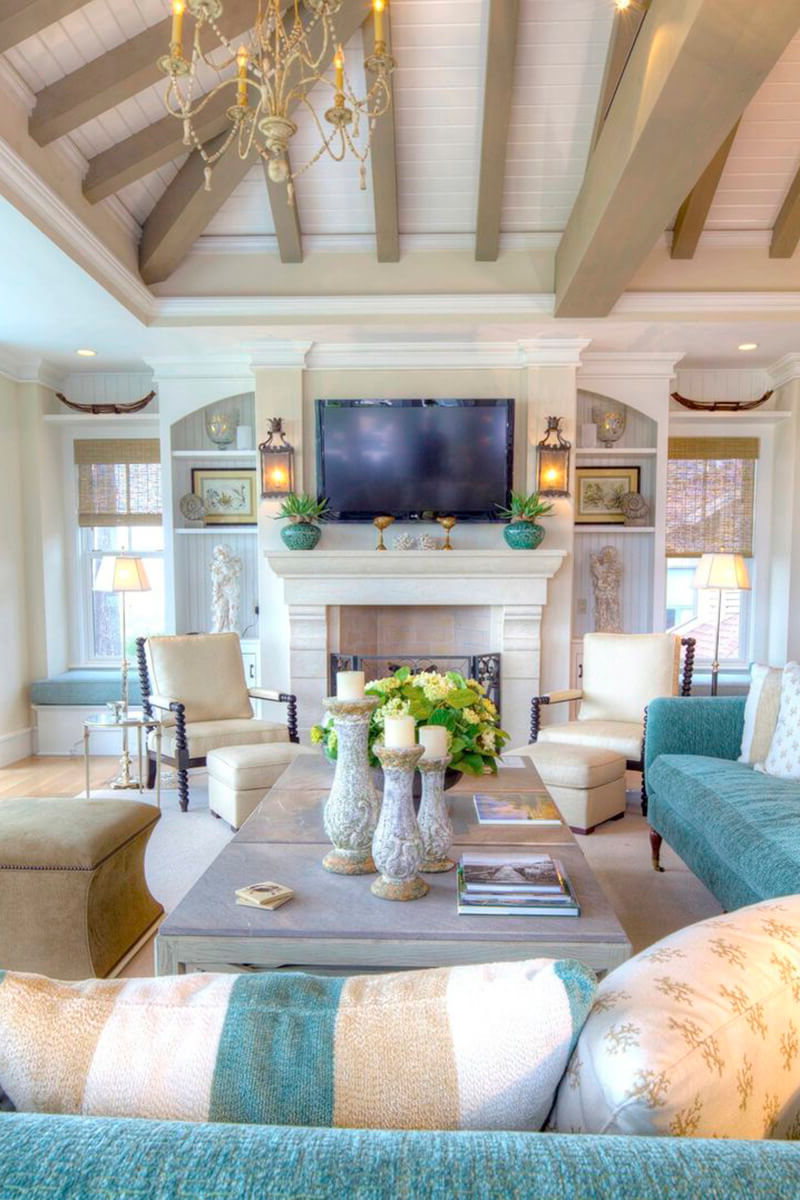
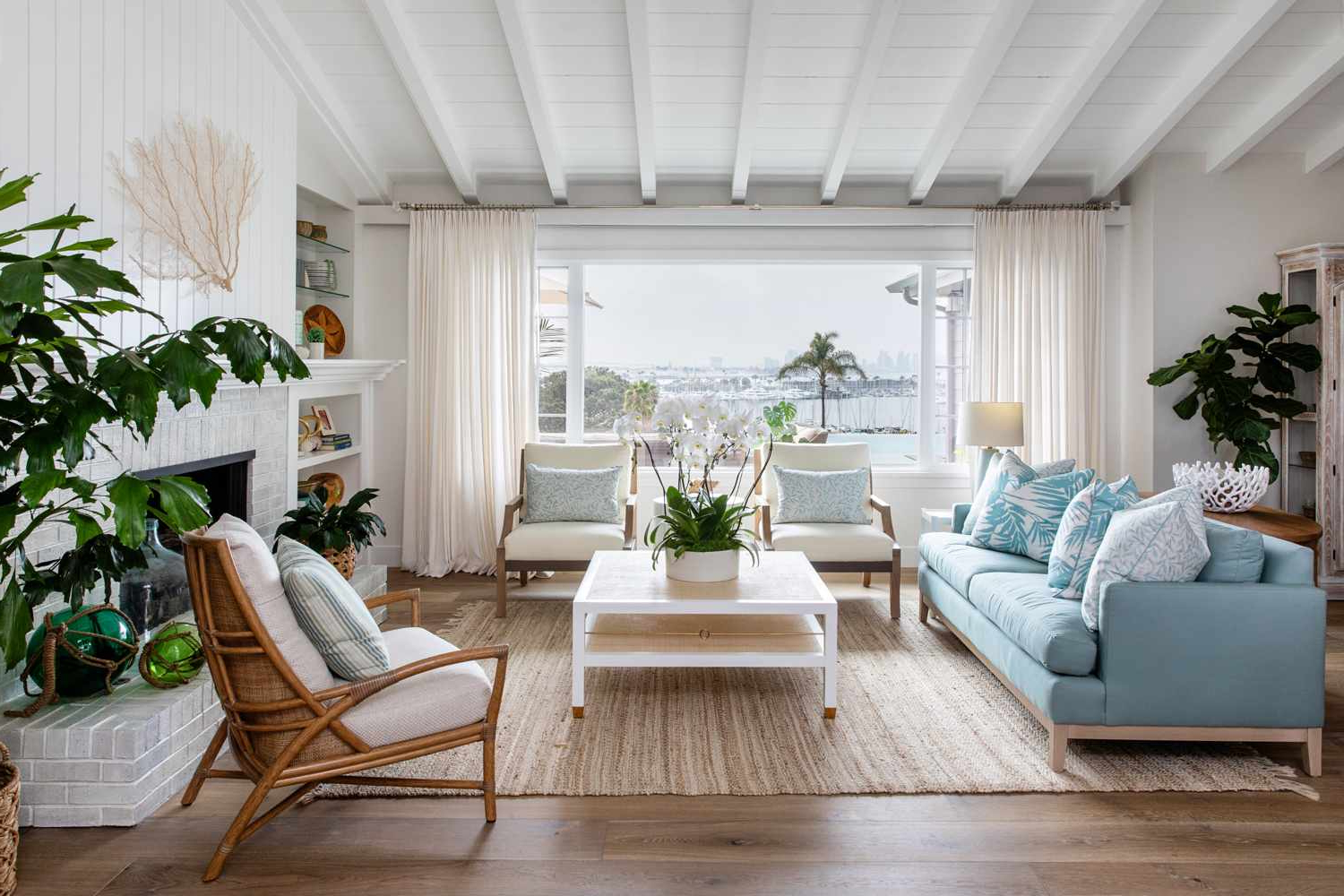
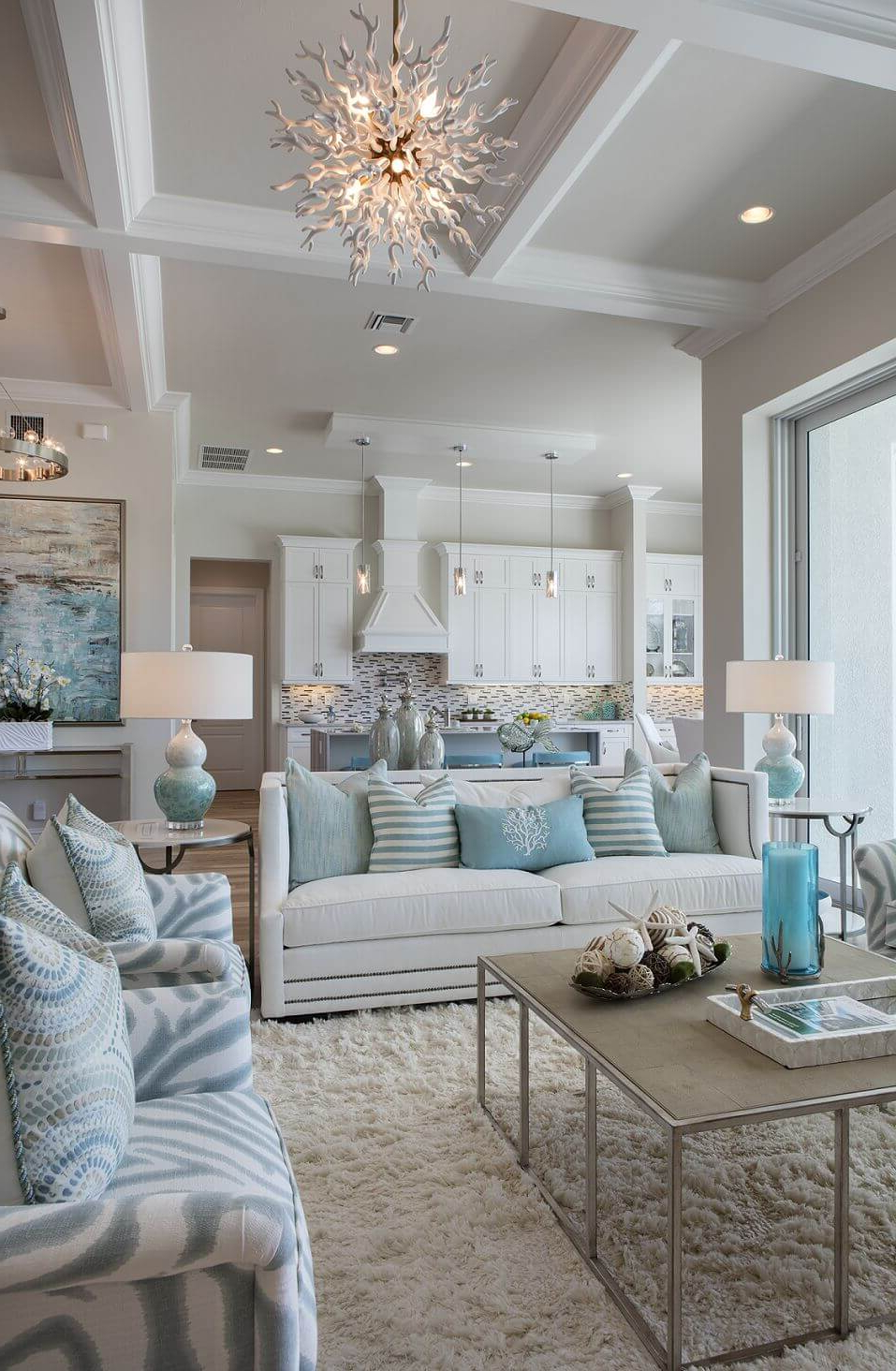
Coastal design starts with understanding the fundamental elements that make seaside spaces feel so special. The colors play a huge role, but they’re not just about what you see – they’re about how you feel. Think of the natural palette that surrounds you when you’re at the beach: soft blues that mirror the sky and ocean, whites that reflect sunlight, and warm sandy tones that ground everything. These aren’t just pretty colors – they’re psychological comfort zones that instantly relax us. When you’re choosing paint colors, consider using a base coat of pale blue or soft gray, then add touches of white and cream throughout. This creates that sense of openness and airiness that makes you want to breathe deeper. You might think you need expensive materials to achieve this look, but often it’s about layering simple textures and colors in the right combination.
Natural Materials That Tell Stories
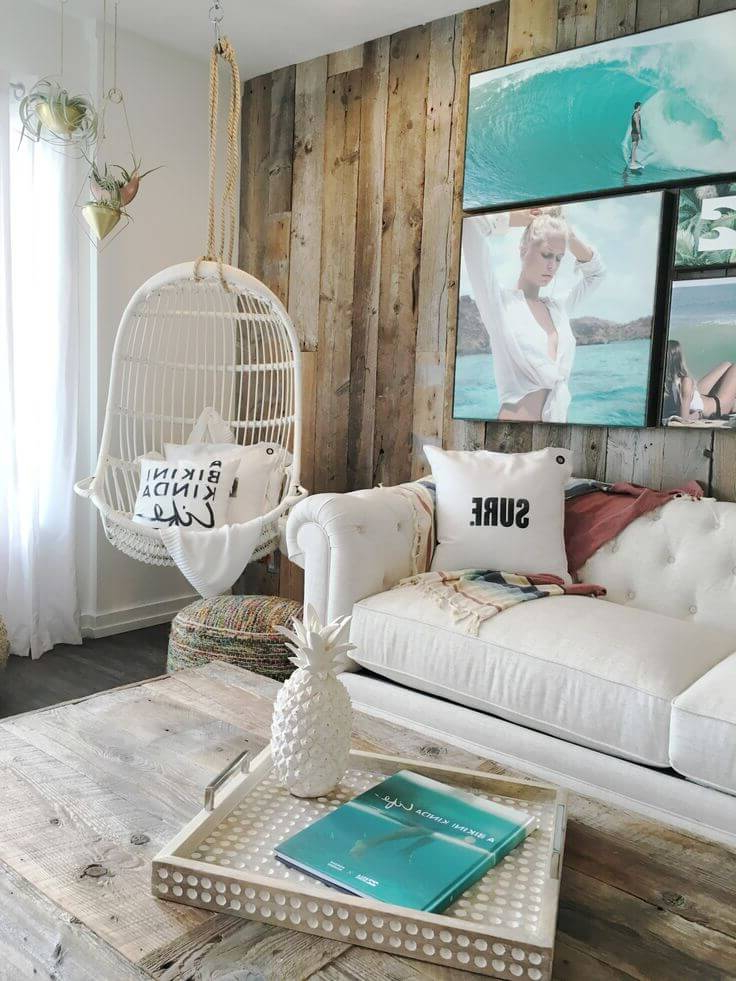
One of the most important aspects of coastal design is incorporating natural materials that have a connection to the ocean. Wood, particularly weathered or reclaimed wood, adds warmth and character that perfectly complements the casual elegance of beach living. Think about using driftwood accents, bamboo furniture, or even stone features. These materials don’t just look good – they bring the feeling of the beach directly into your home. The texture matters too. A woven jute rug feels different than a synthetic one, and that difference shows in how the space feels to live in. Natural fibers like cotton, linen, and sisal create visual and tactile interest that makes the space feel lived-in and loved. Consider adding a few pieces of authentic beach art or shells arranged thoughtfully on shelves. These small details create layers of meaning and connection to the seaside environment.
Lighting That Captures the Ocean’s Glow
Lighting in coastal homes should mimic the way natural light behaves near water. This means using lots of natural light during the day, and warm, ambient lighting in the evening. Large windows are essential, but they need to be complemented with layered lighting that changes throughout the day. Picture windows that frame the ocean view, skylights that let in natural brightness, and carefully placed table lamps that create cozy reading nooks. During the evening, soft lighting helps create that peaceful atmosphere we associate with coastal evenings. Try using dimmer switches so you can adjust the mood quickly. A string of fairy lights draped across a wall or hung over a dining table can create a magical effect that makes guests feel like they’re on vacation. The key is avoiding harsh overhead lighting that can make the space feel clinical.
Comfort Through Functional Design
A coastal home needs to be comfortable enough for both summer guests and year-round living. This means thinking about how people actually move through and use the space. Furniture should be comfortable and easy to clean – after all, you’re dealing with salt air and occasional sand. Choose pieces that are practical but still stylish. For instance, a dining table made from weathered wood that can handle spills and scratches, or seating that’s both inviting and easy to wipe down. Storage solutions should be clever and unobtrusive. Built-in shelving that hides away dishes and linens keeps the space looking clean and open. Consider adding a mudroom area near the entrance where guests can easily put on beach gear and remove wet shoes without tracking sand everywhere. Every element should serve a purpose and contribute to that feeling of ease and comfort.
Seasonal Flow and Flexibility
Coastal homes experience different seasons differently than inland properties. The design should accommodate these changes gracefully. In winter months, you might want to add layers of warmth through textiles – thick throws, soft rugs, and candles that create a cocooning feeling. Summer calls for lighter fabrics, breezy curtains, and outdoor spaces that extend into the home. Think about how the space flows between indoor and outdoor areas. Sliding doors that open onto decks or patios create that seamless transition that makes the house feel larger and more connected to the environment. Seasonal changes should be managed through adaptable elements rather than completely changing the entire look of the room. A few well-placed seasonal accessories can refresh the space without major renovations.
Personal Touches That Make It Yours
The best coastal homes aren’t just about following rules – they’re about expressing who you are while honoring the coastal aesthetic. This means incorporating personal items that tell your story. Family photos displayed in weatherproof frames, books collected over years of beach visits, or artwork created by local artists. These elements give the space personality and make it truly yours. Don’t forget about plants – they’re essential for bringing life and color to the space. Choose varieties that thrive in coastal conditions, like succulents or palms that can handle salt spray. Indoor plants also help purify the air, which is especially important in homes near the ocean where the salt can affect air quality. Your personal touches don’t have to be expensive – sometimes the most meaningful items are those you’ve collected over time.
Creating coastal comfort isn’t about achieving perfection – it’s about capturing the feeling of peace and relaxation that comes from spending time near the ocean. The key is in the thoughtful combination of natural elements, practical design choices, and personal touches that make every corner of your beach house feel welcoming and true to its surroundings. Whether you’re designing a brand-new home or updating an existing space, remember that the most successful coastal designs are those that honor both the environment and the people who live there. The result is a place that feels like a retreat, a home that brings joy to everyone who enters, and a space that stands the test of time. After all, the best beach houses are those that make you want to stay longer, not just visit.