Your kitchen deserves flooring that can handle daily spills, foot traffic, and the occasional dropped pot. But finding tiles that look good AND stand the test of time isn’t always easy. Let’s walk through what matters most when choosing those all-important floor tiles.
Kitchen floors face more abuse than almost any other part of your home. From hot pots to running water, from kids’ squeaky shoes to pet paws, they take it all. So how do you pick tiles that won’t just look great but also last? It’s not just about pretty pictures in magazines or trendy colors. You need to think about function, quality, and how the tiles will actually work in your space. The right choice can transform your kitchen and save you money on repairs down the road. Let’s dive into what really makes a difference.
Understanding Tile Materials
Not all tiles are created equal. The material you choose affects everything from cost to maintenance to longevity. Ceramic tiles are affordable and come in endless designs. They’re great for light traffic areas but might not handle heavy use well. Porcelain tiles are denser and more durable, making them excellent for kitchens. They resist moisture better and can handle heavier loads. Natural stone like granite or slate adds luxury but requires regular sealing and careful maintenance. Glass tiles offer a modern look but may show scratches more easily. Consider how much time and effort you want to put into upkeep when making your selection.
Size and Shape Considerations
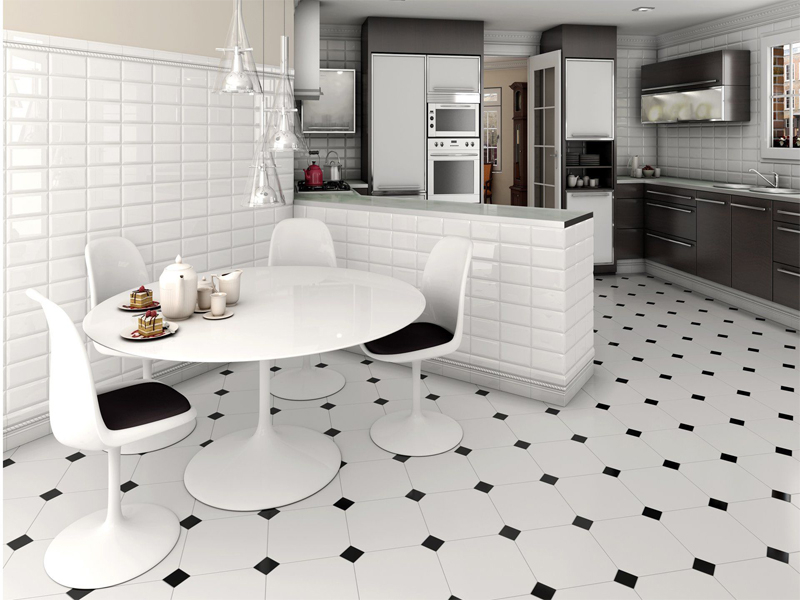
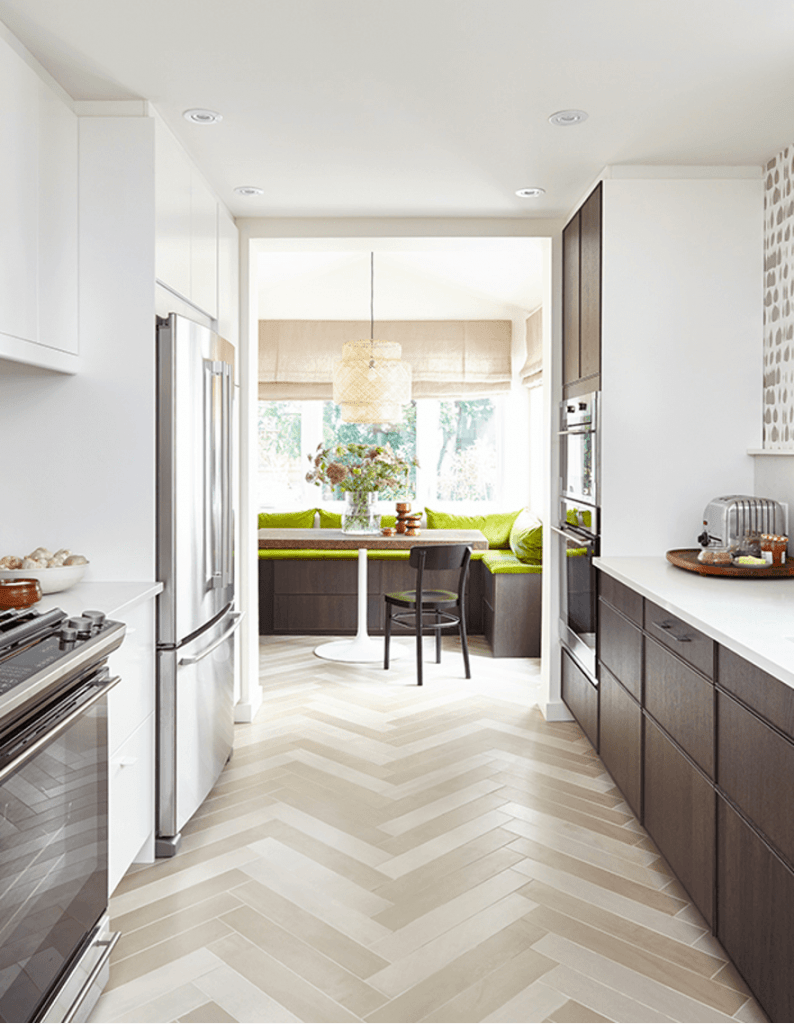
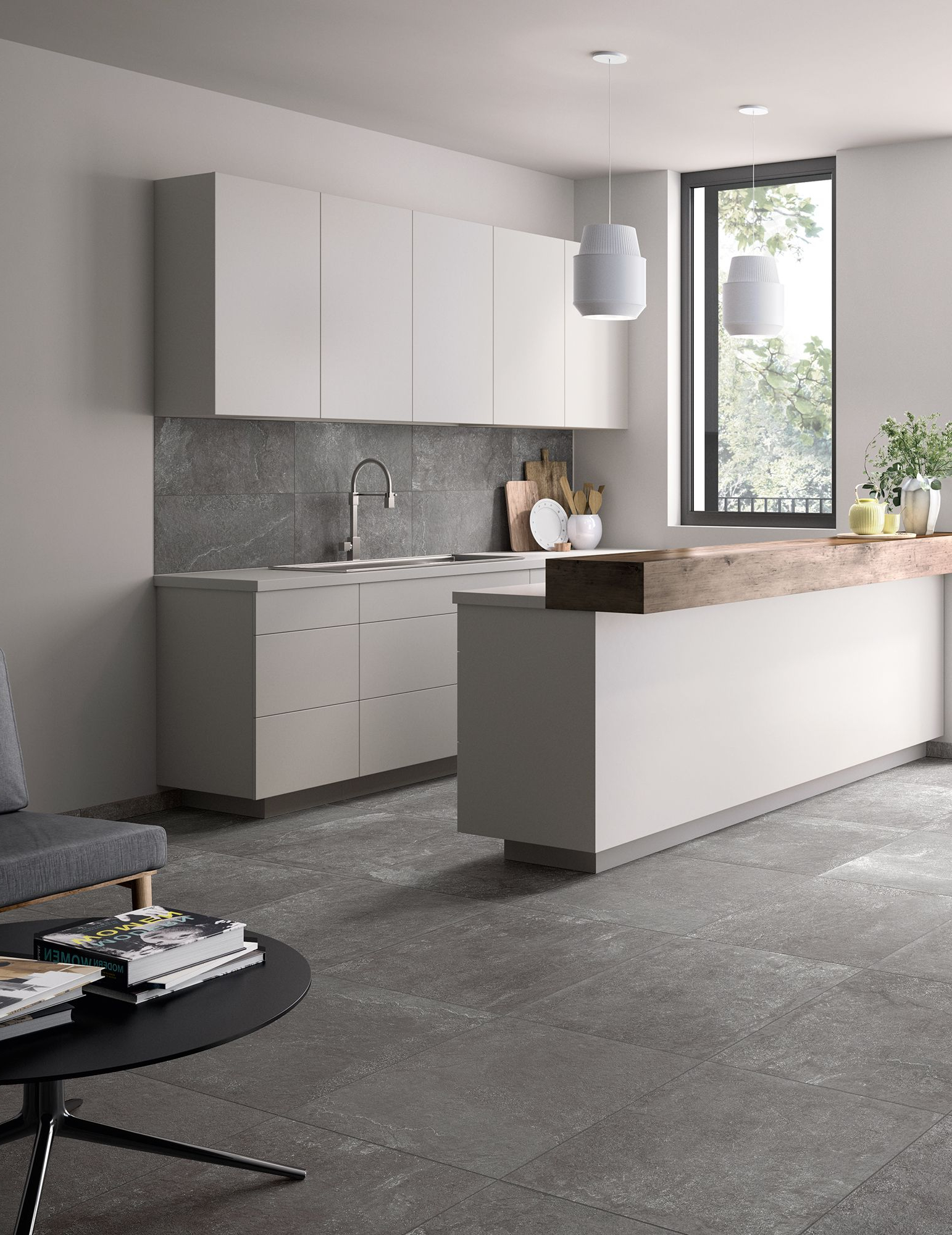
Tile dimensions play a big role in both appearance and practicality. Larger tiles often look more elegant and can make small kitchens appear bigger. However, they’re trickier to cut and install properly. Smaller tiles can hide imperfections in the subfloor but may create more grout lines that need cleaning. Rectangular tiles can make spaces feel longer while square tiles give a classic look. Think about your kitchen’s layout and how the tile size will affect the overall visual impact. A 12×12 inch tile might be perfect for a spacious kitchen, but a 6×6 inch tile could work better in a cozy area. What looks stunning on paper might not work as well in your actual space.
Texture and Slip Resistance
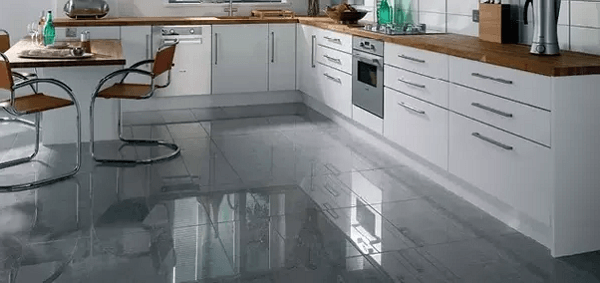
Safety should never be overlooked when selecting kitchen floor tiles. Wet conditions make surfaces slippery, and accidents happen fast. Look for tiles with a textured surface or a matte finish for better grip. Some manufacturers specifically label their products as slip-resistant, which can be helpful. Check the coefficient of friction rating if available. A higher number means better traction. For families with young children or elderly members, this becomes even more important. You don’t want to sacrifice beauty for safety, but sometimes a slightly less glossy finish is worth the peace of mind. Think about where you’ll place the tiles – near sinks, dishwashers, or high-traffic zones.
Color and Pattern Selection
The color scheme sets the tone for your entire kitchen. Light colors make spaces feel airy and open, while dark tones add sophistication and hide dirt well. Neutral shades like beige, gray, or white tend to work with most design styles. Bold patterns can make a statement but might date quickly or clash with existing elements. Consider how the tiles will look in different lighting throughout the day. Natural light can make colors appear different than they do under artificial lights. Test samples in your kitchen before committing. Sometimes a subtle pattern works better than a dramatic one, especially in smaller spaces. What looks great in a showroom might look completely different in your real kitchen.
Budget and Installation Factors
Cost varies widely based on material, size, and complexity. High-end materials like natural stone or custom glass tiles can be expensive, while ceramic tiles offer more affordable options. Factor in installation costs too – some tiles require special techniques or professional installation. Measure carefully before purchasing to avoid waste. Consider whether you’ll install the tiles yourself or hire professionals. Professional installation ensures proper placement and reduces the risk of costly mistakes. Budget for extra tiles in case of breakage during installation. Don’t forget about ongoing maintenance costs too – some materials need periodic sealing or special cleaners. Quality often pays off in the long run, even if the upfront cost seems higher.
Maintenance and Longevity
Think about how much upkeep you’re willing to do. Some tiles require regular sealing, especially natural stone varieties. Others can handle daily wear with minimal care. Porcelain tiles are generally low maintenance and resistant to stains. Ceramic tiles may need occasional resealing depending on usage. Consider how often you’ll clean the floor and what methods you prefer. Grout lines can collect dirt and bacteria, so choose appropriate sealers. Some tiles age gracefully, while others may fade over time. Read reviews from people who’ve used the same tiles in similar situations. A tile that looks perfect today might not hold up as well in your specific conditions.
Choosing the right kitchen floor tiles is both an art and a science. It combines practical needs with personal style, requiring you to balance durability with beauty. Start by understanding your kitchen’s unique demands and lifestyle. Consider the material, size, texture, and appearance carefully. Don’t rush the decision – take time to see samples in your space. Remember that the best tiles are those that meet your daily needs while enhancing your home’s character. A thoughtful choice today can bring joy for years to come. Your kitchen floor should be both functional and inspiring. The right tiles can make that happen.
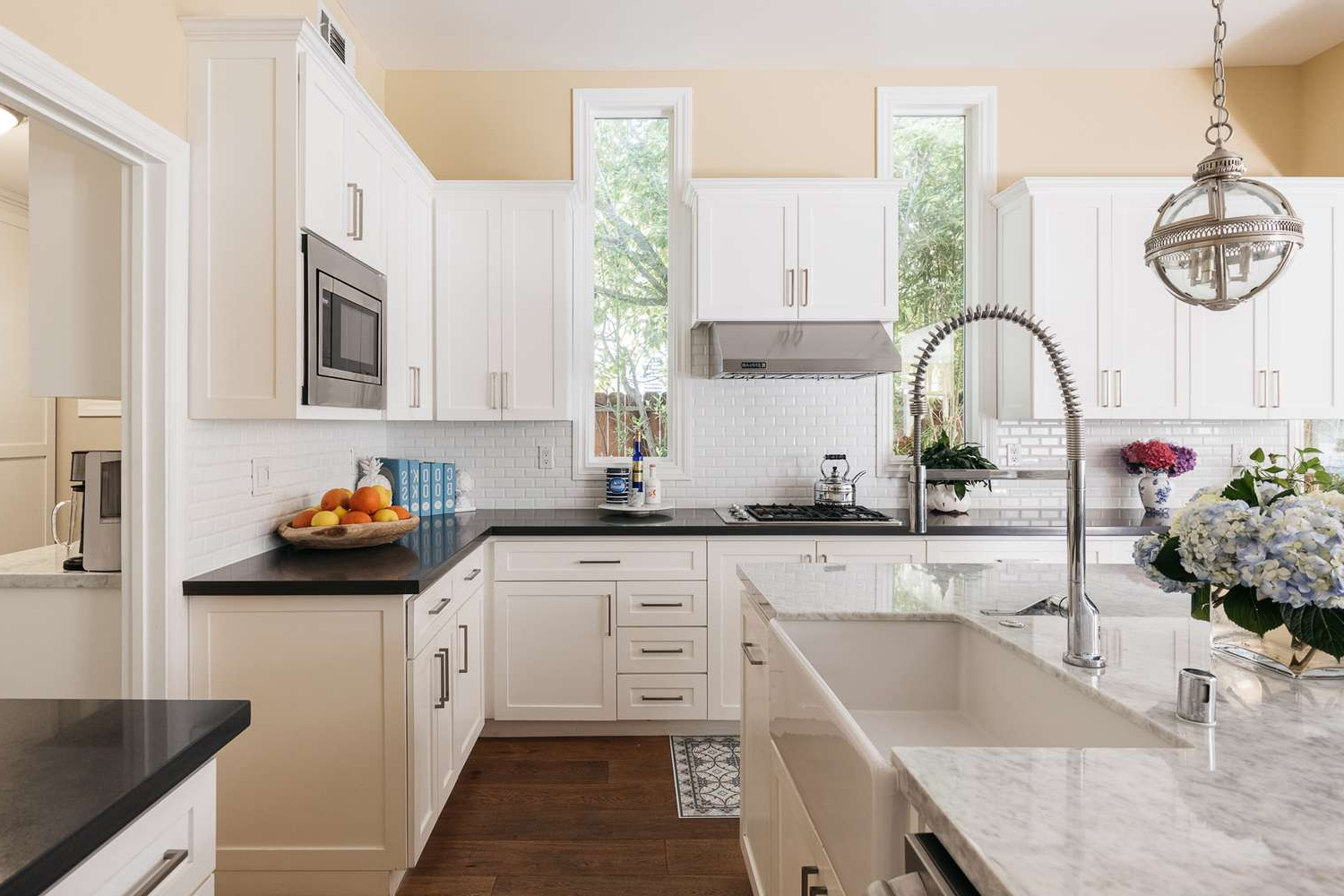
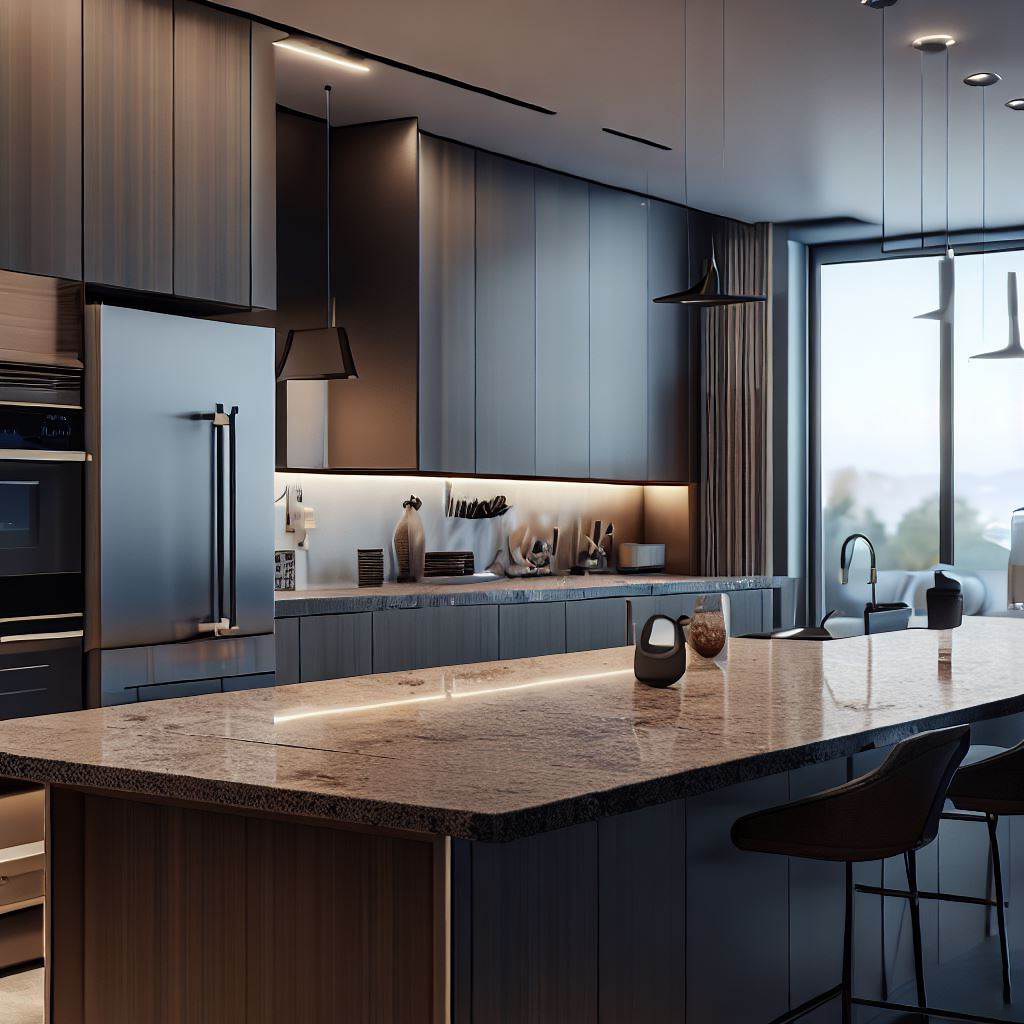
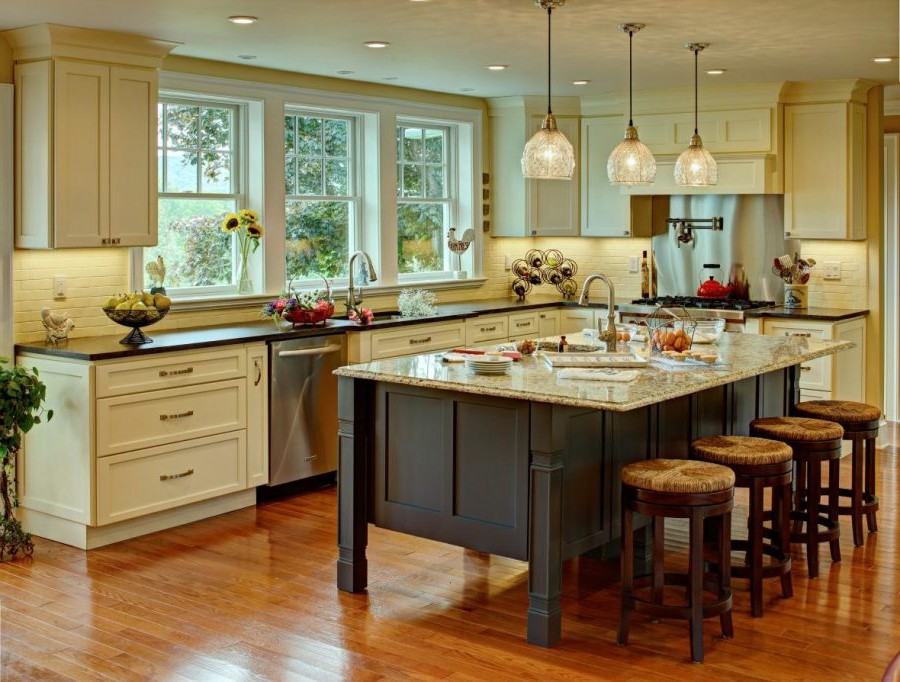
[sps_html tag=”img” src=”https://roofdrivein.com/wp-content/uploads/2026/01/6-exquisite-modern-tile-kitchen-floor-ideas-inside-how-to-select-durable-and-beautiful-kitchen-floor-tiles.jpg” alt=”6 Exquisite Modern Tile Kitchen Floor Ideas inside How to select durable and beautiful kitchen floor tiles” style=”width: 100%; height: auto;”]
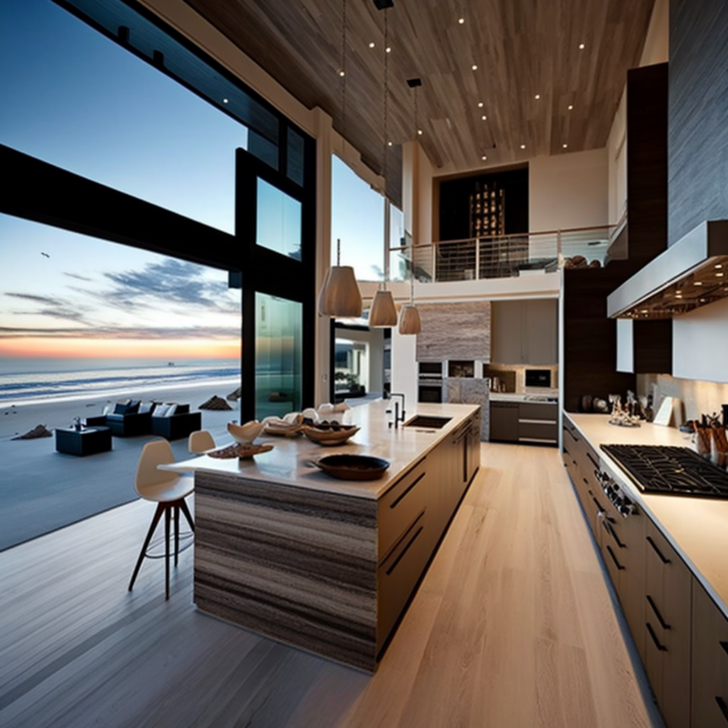
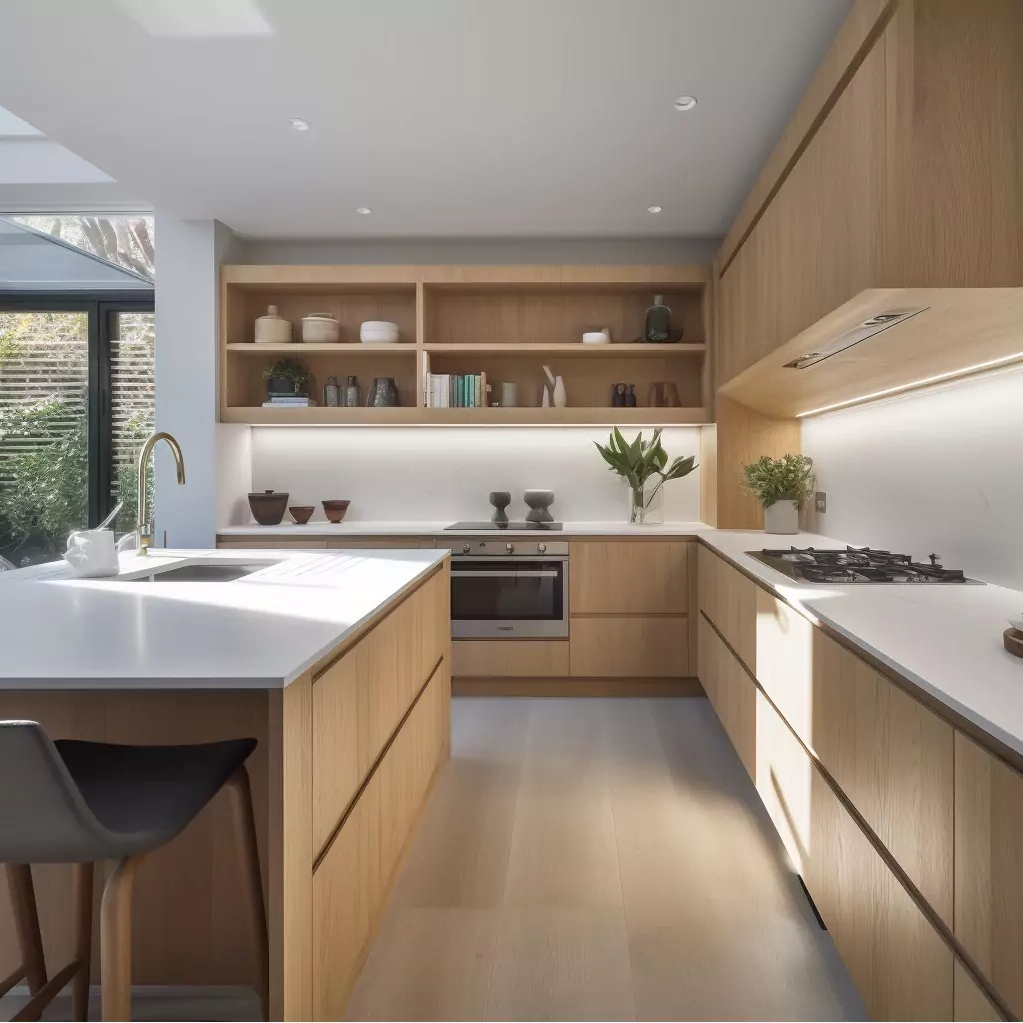
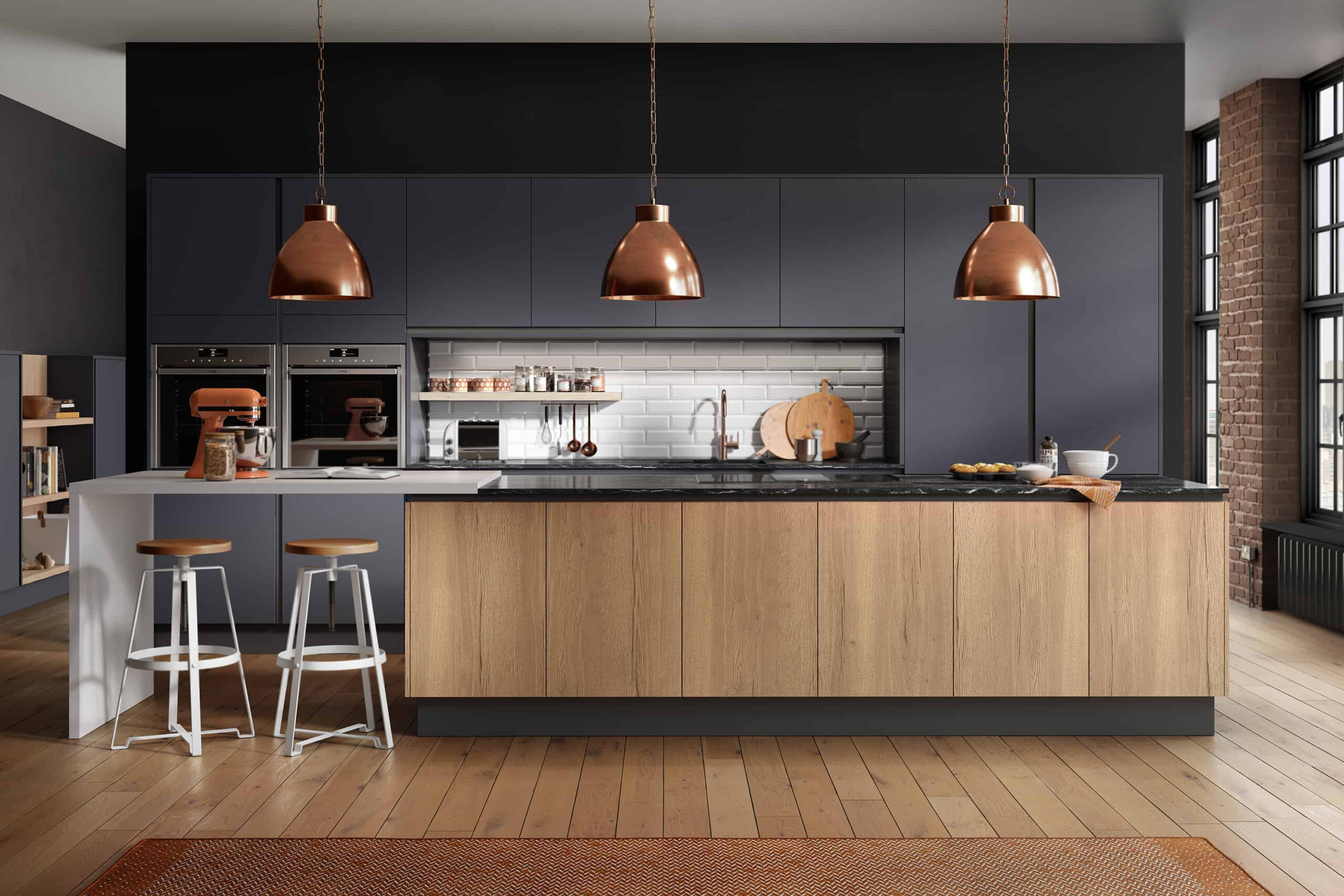
[sps_html tag=”img” src=”https://roofdrivein.com/wp-content/uploads/2026/01/30-beautiful-examples-of-kitchen-floor-tile-inside-modern-kitchen-floor-tile-ideas.jpg” alt=”30 Beautiful Examples Of Kitchen Floor Tile inside Modern Kitchen Floor Tile Ideas” style=”width: 100%; height: auto;”]
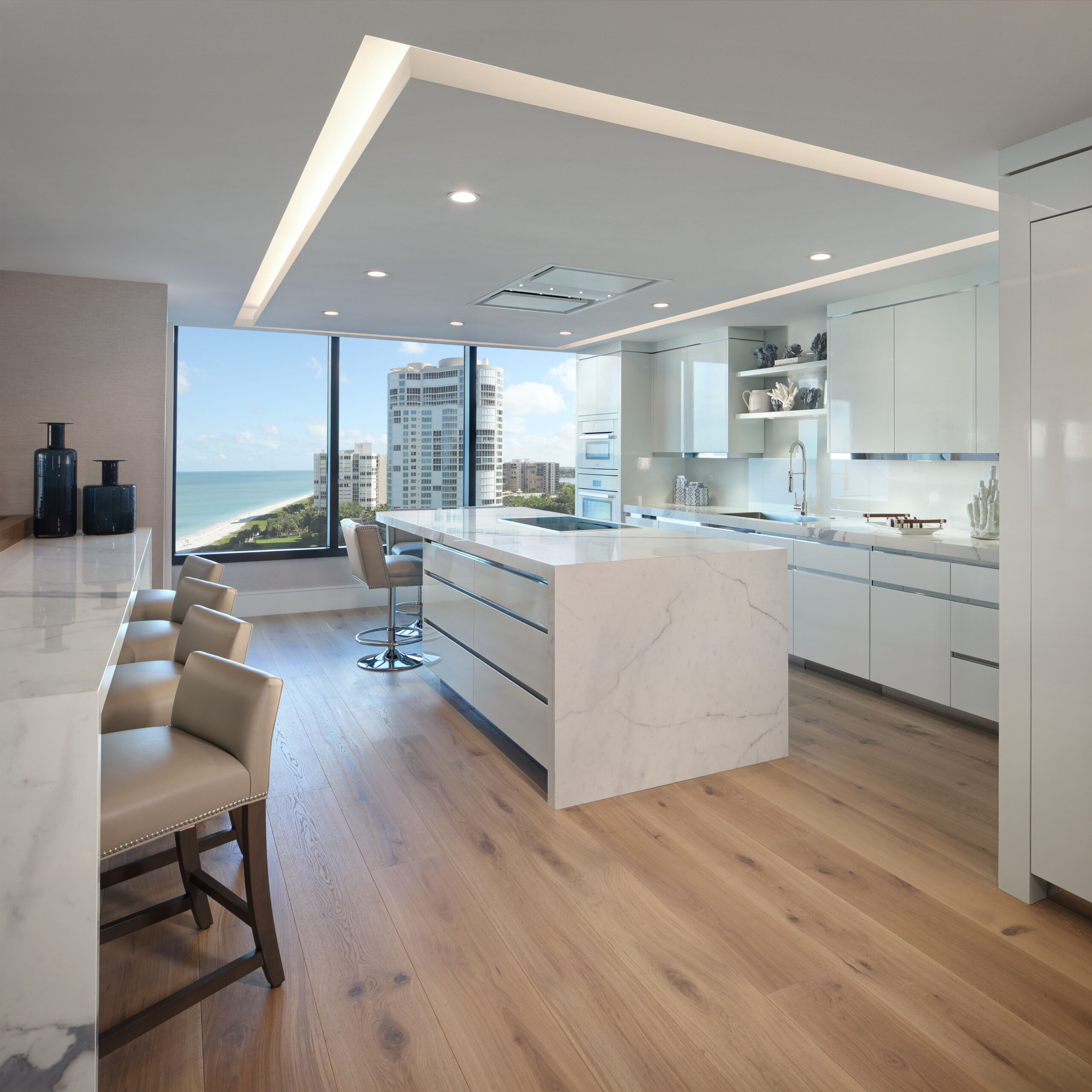
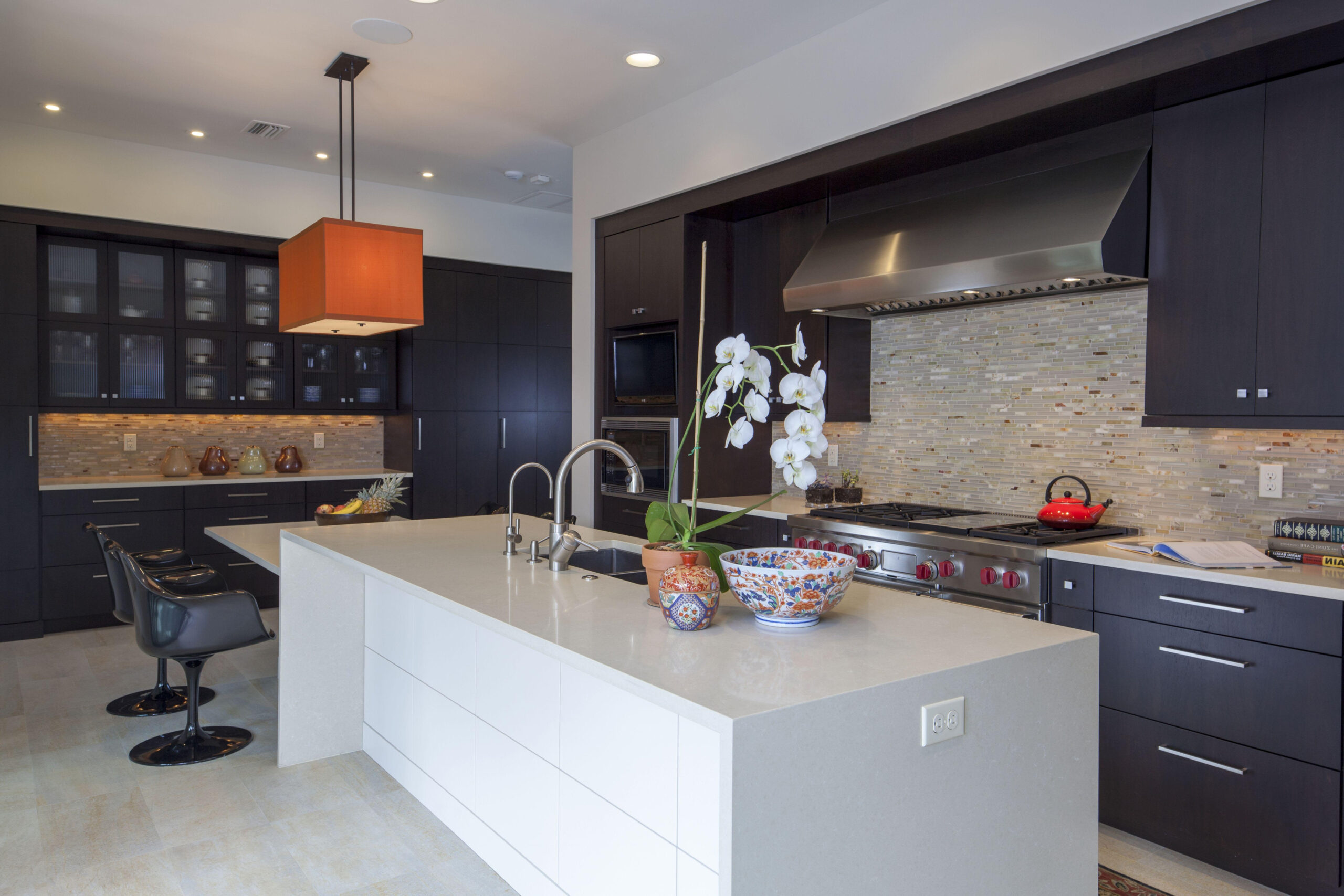
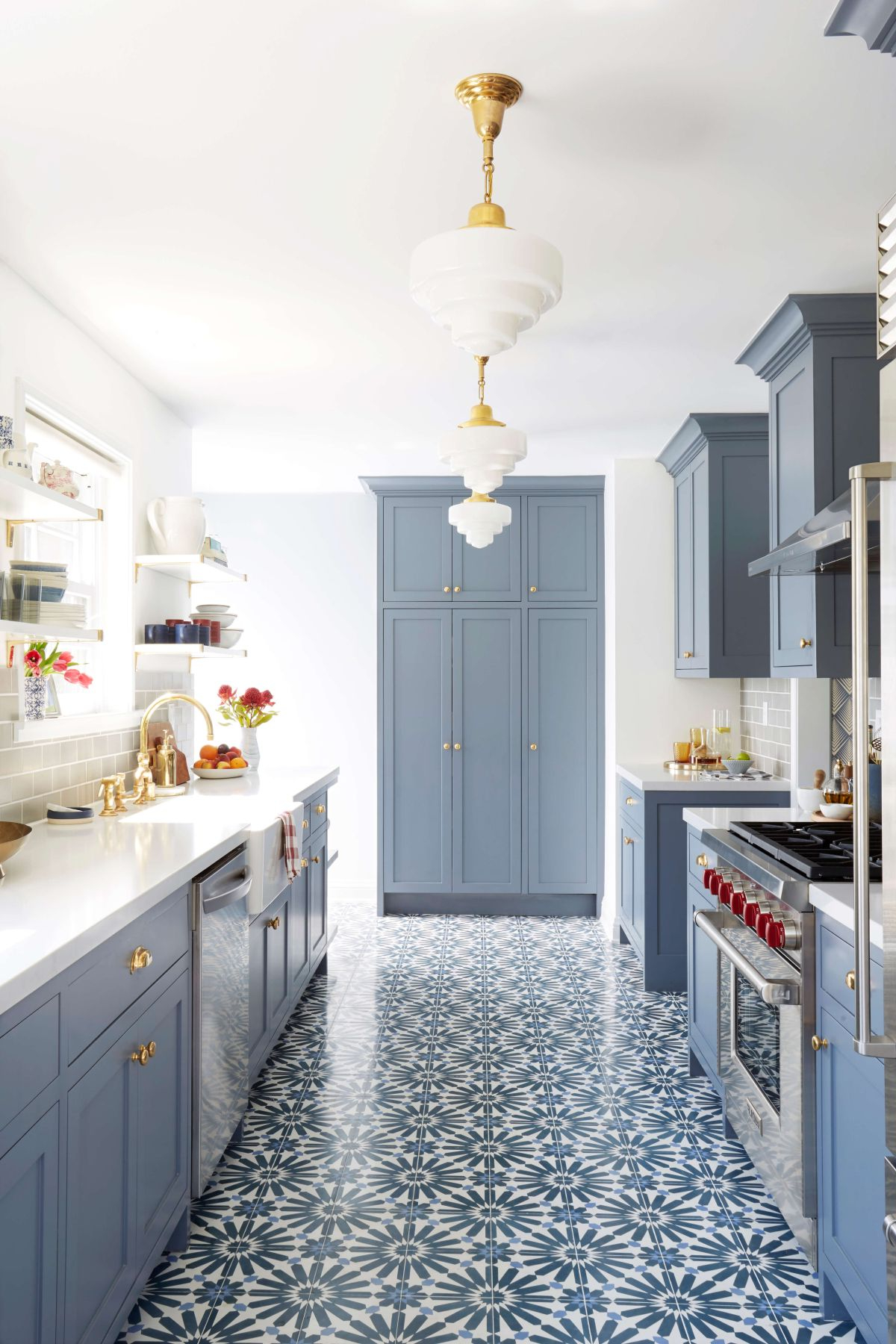
[sps_html tag=”img” src=”https://roofdrivein.com/wp-content/uploads/2026/01/contemporary-kitchen-floor-tile-ideas-the-creative-kitchen-co-in-modern-kitchen-floor-tile-ideas.png” alt=”Contemporary Kitchen Floor Tile Ideas - The Creative Kitchen Co. in Modern Kitchen Floor Tile Ideas” style=”width: 100%; height: auto;”]
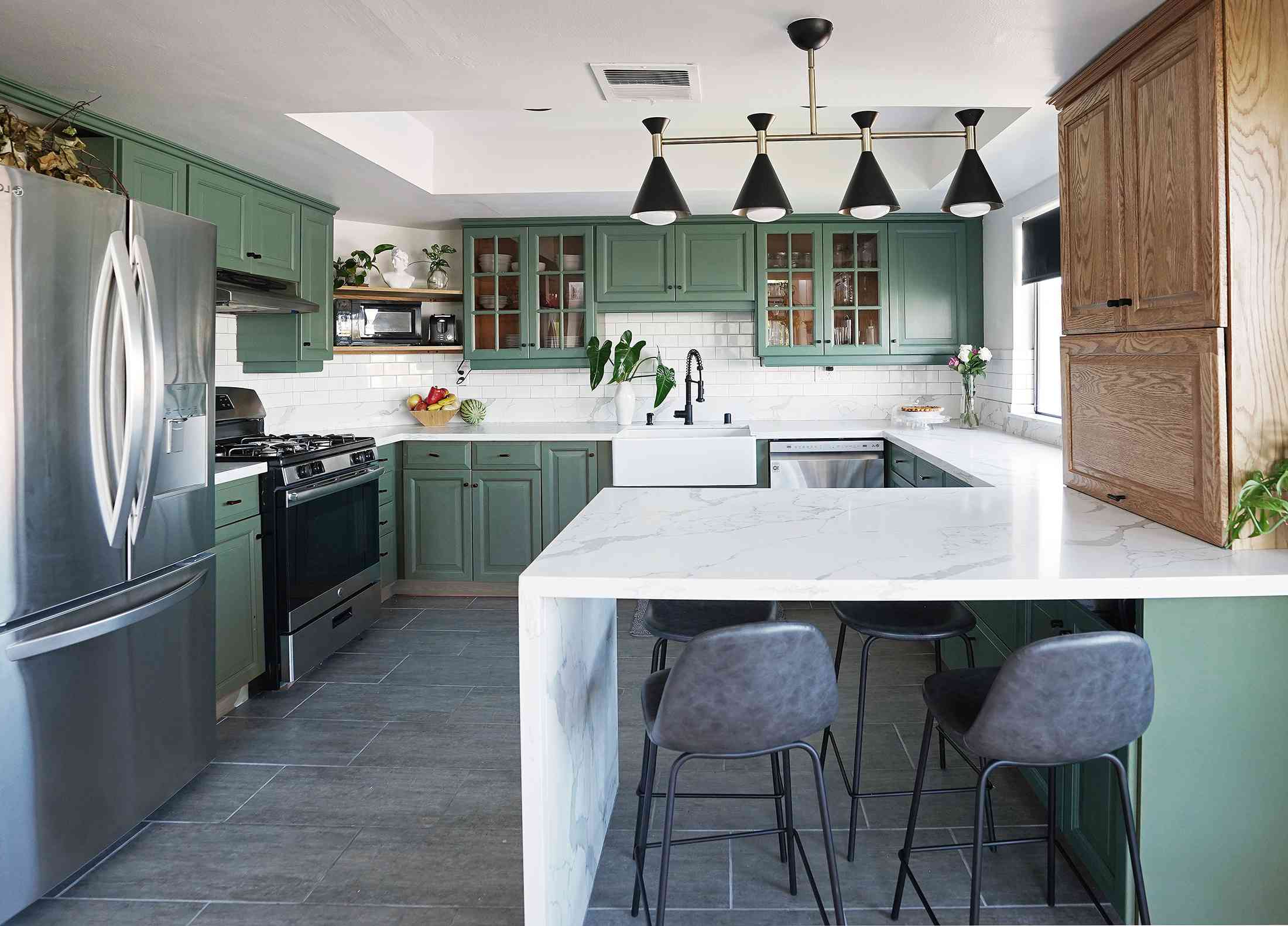
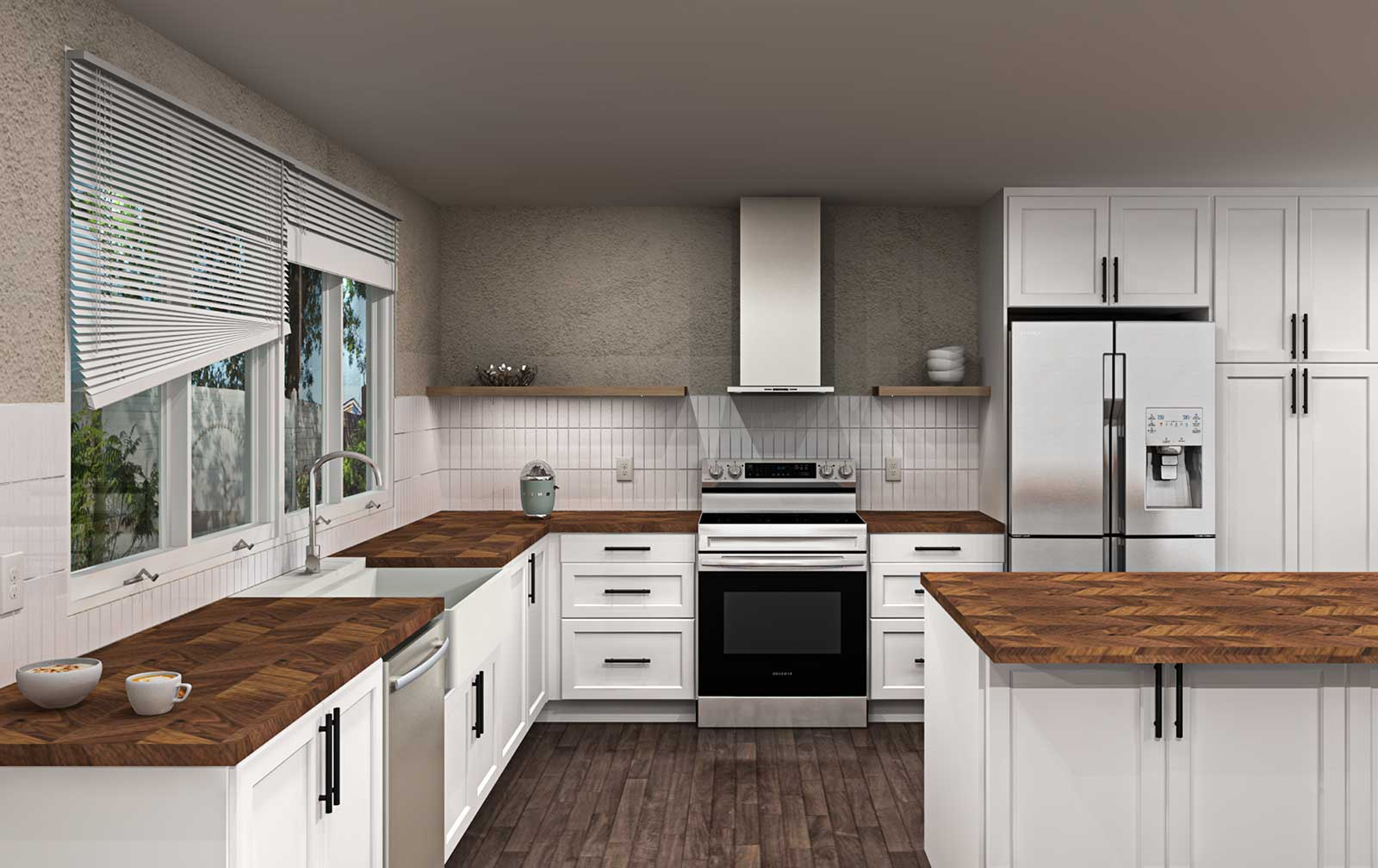
[sps_html tag=”img” src=”https://roofdrivein.com/wp-content/uploads/2026/01/12-modern-kitchen-floor-tile-ideas-for-a-pretty-space-intended-for-modern-kitchen-floor-tile-ideas.png” alt=”12 Modern Kitchen Floor Tile Ideas For A Pretty Space intended for Modern Kitchen Floor Tile Ideas” style=”width: 100%; height: auto;”]
[sps_html tag=”img” src=”https://roofdrivein.com/wp-content/uploads/2026/01/15-modern-kitchen-floor-tiles-designs-with-pictures-in-2023-for-how-to-select-durable-and-beautiful-kitchen-floor-tiles.jpg” alt=”15 Modern Kitchen Floor Tiles Designs With Pictures In 2023 for How to select durable and beautiful kitchen floor tiles” style=”width: 100%; height: auto;”]