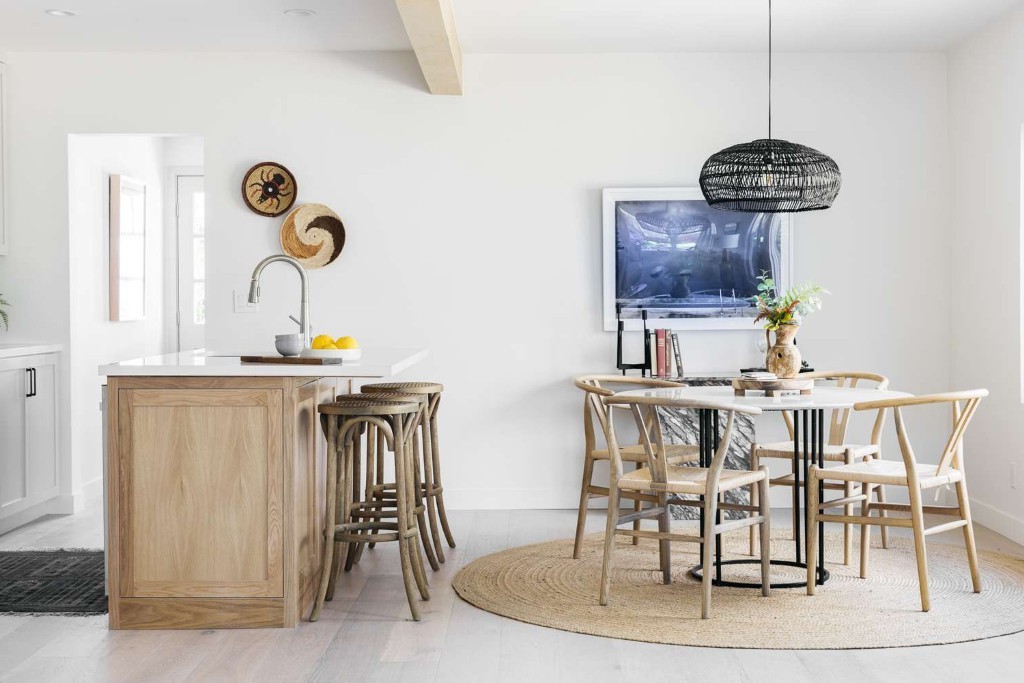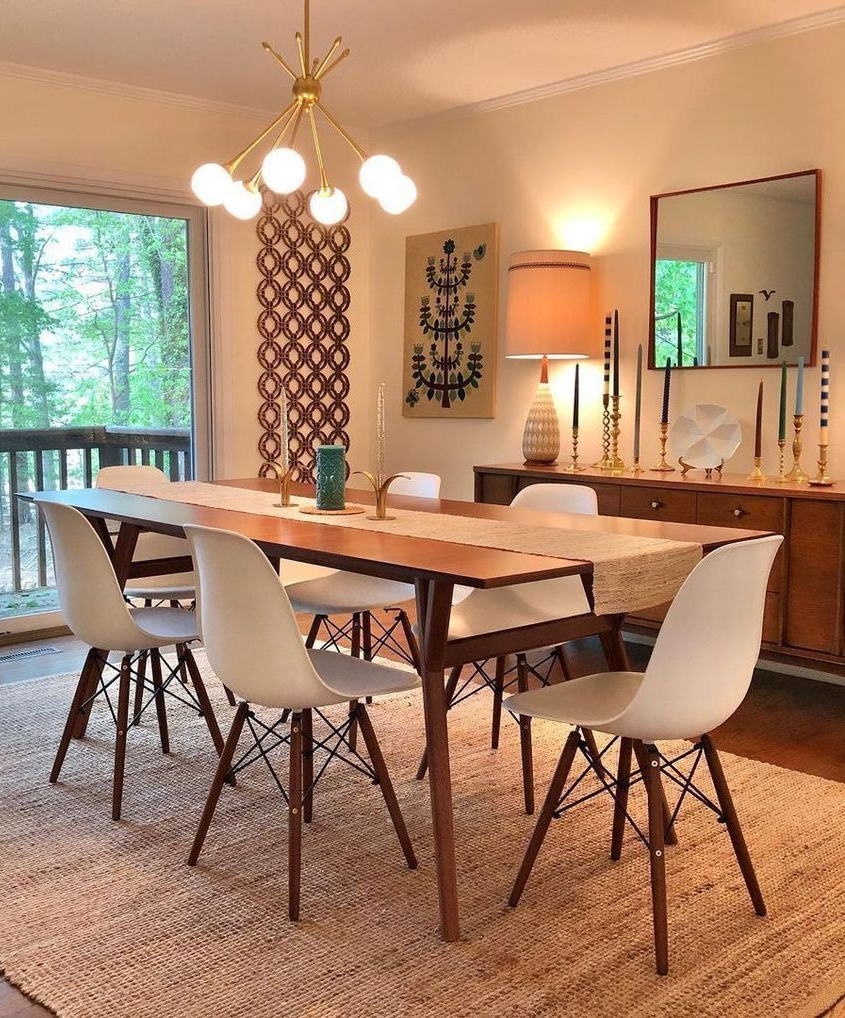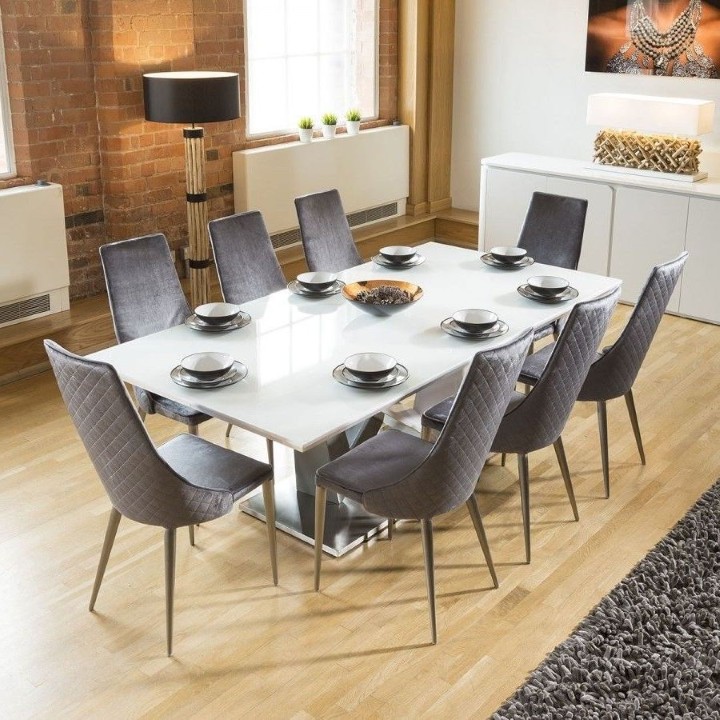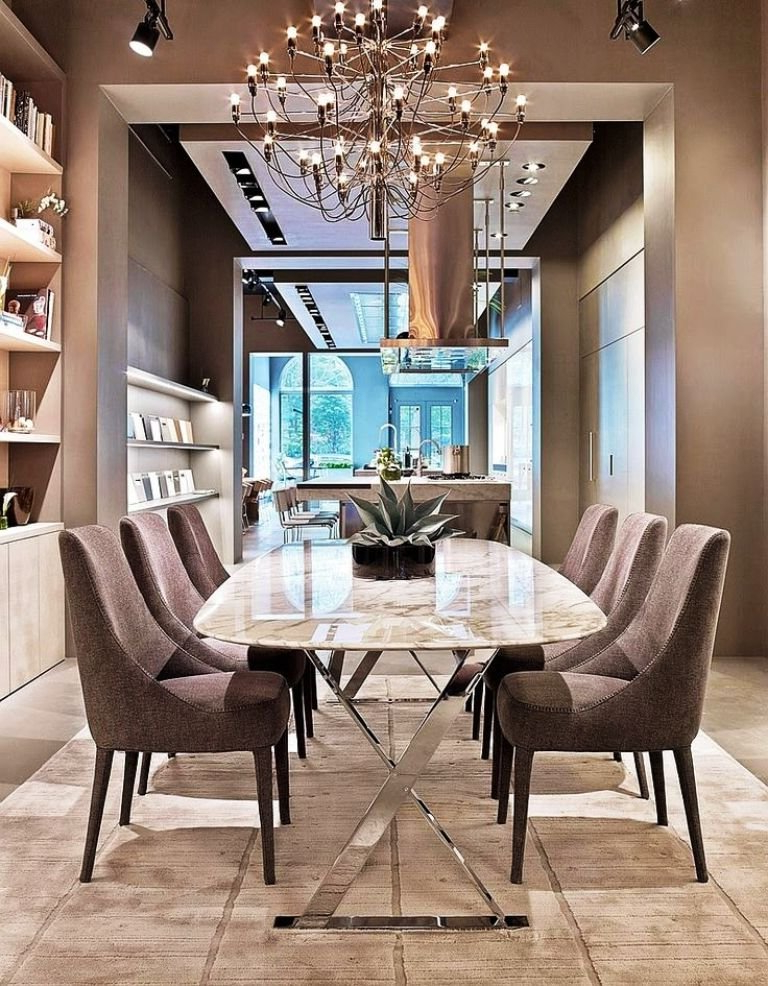
There’s something magical about watching spring transform your space. When those first tender shoots appear outside your window, it’s time to give your dining room table a fresh look that matches the season’s optimism. The right seasonal decorations can completely change how your space feels, making meals feel more special and bringing a sense of renewal to your daily routine.
As winter’s grip loosens and warmer days return, many of us naturally want to update our living spaces to match the season’s energy. Your dining room table often becomes the heart of your home during meals and gatherings, so giving it a seasonal refresh makes perfect sense. Whether you’re planning a simple family dinner or hosting friends for Sunday brunch, the right table decorations can elevate the entire experience. The beauty of spring table settings lies in their simplicity and ability to incorporate natural elements that speak to our connection with the changing seasons.
Understanding Spring Table Design Principles
Creating a successful spring table setting isn’t just about adding pretty flowers. It’s about balancing colors, textures, and natural elements that reflect the season’s gentle awakening. Think of your table as a canvas where you can layer different elements that tell a story about spring’s arrival. The key is to keep things light and airy rather than heavy or dark like winter arrangements might be.
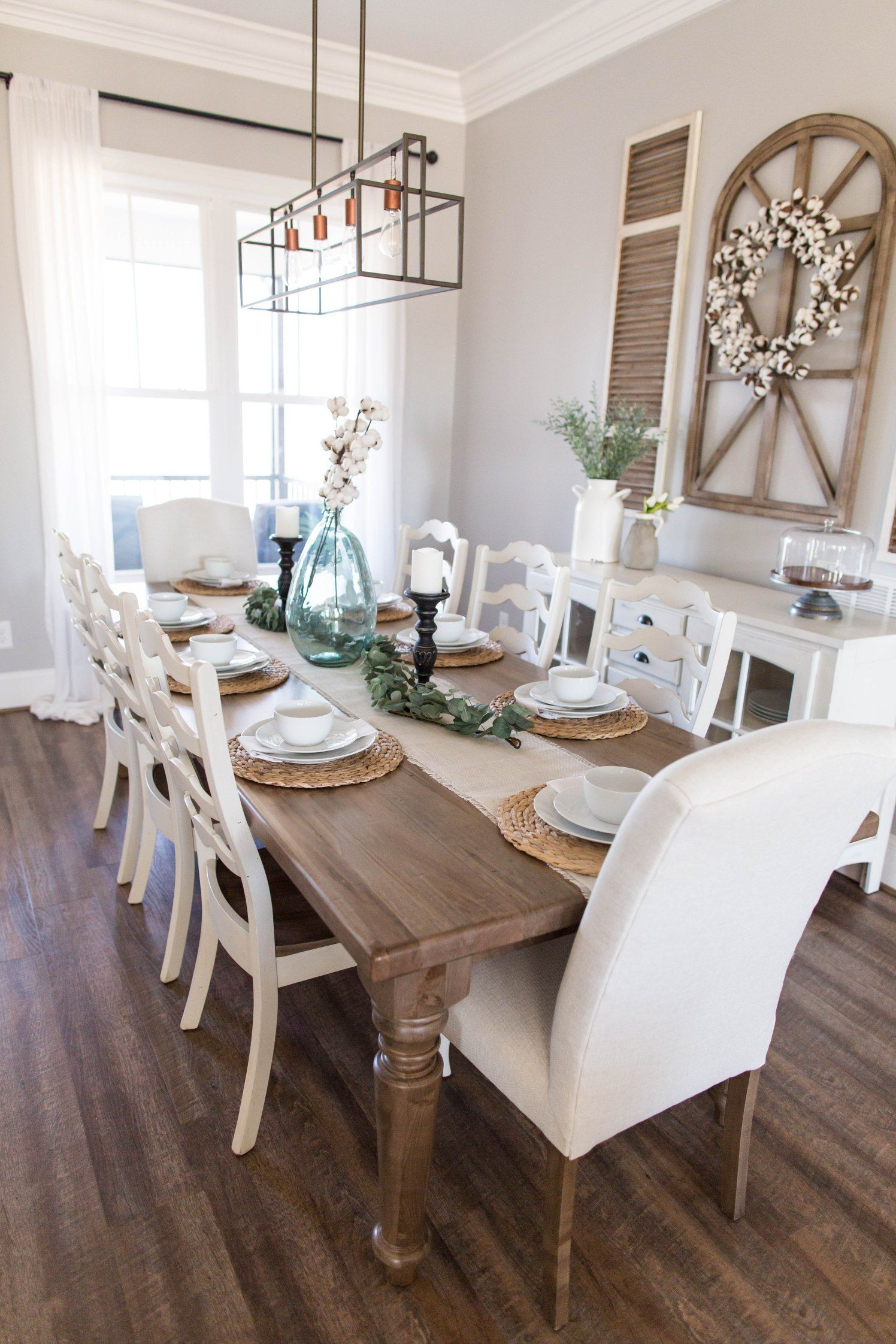
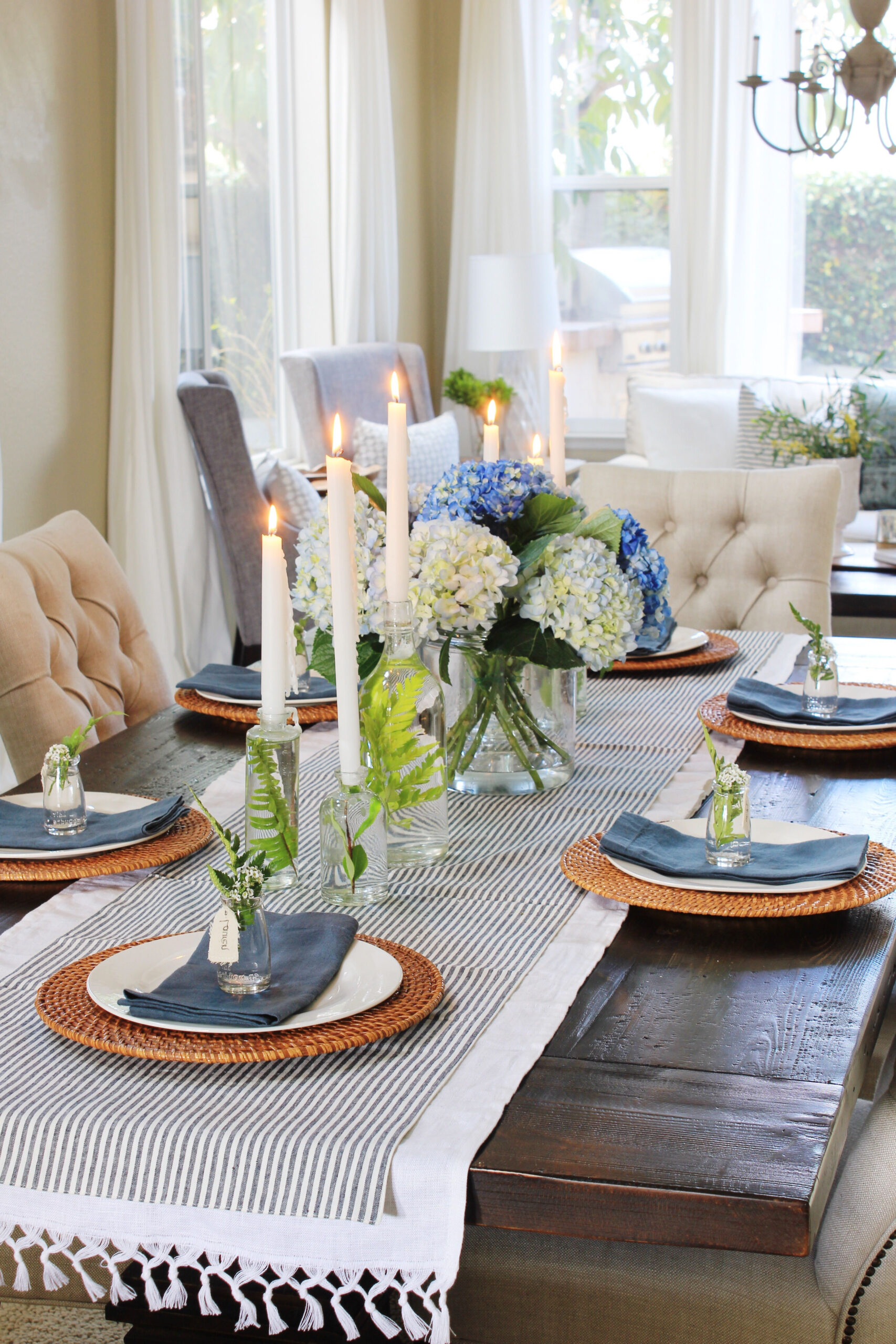
Consider using a palette that mirrors nature itself – soft greens, pastel pinks, fresh whites, and gentle yellows. These colors work together to create a feeling of renewal and hope. Don’t overlook the importance of varying heights and textures when arranging your table. A low centerpiece with scattered greenery and candles creates a more relaxed, inviting atmosphere than a tall, formal arrangement.
The best spring tables often feature items that connect us to the outdoors, whether through actual plants, natural materials, or colors that remind us of blooming gardens. This approach makes the table feel alive and connected to the world beyond your home walls.
Choosing the Right Color Scheme
Selecting a color scheme for your spring table sets the foundation for everything else you’ll add. Start with one dominant color and build around it with complementary tones. For instance, if you choose soft sage green as your main hue, you might add touches of pale yellow or blush pink to create visual interest.
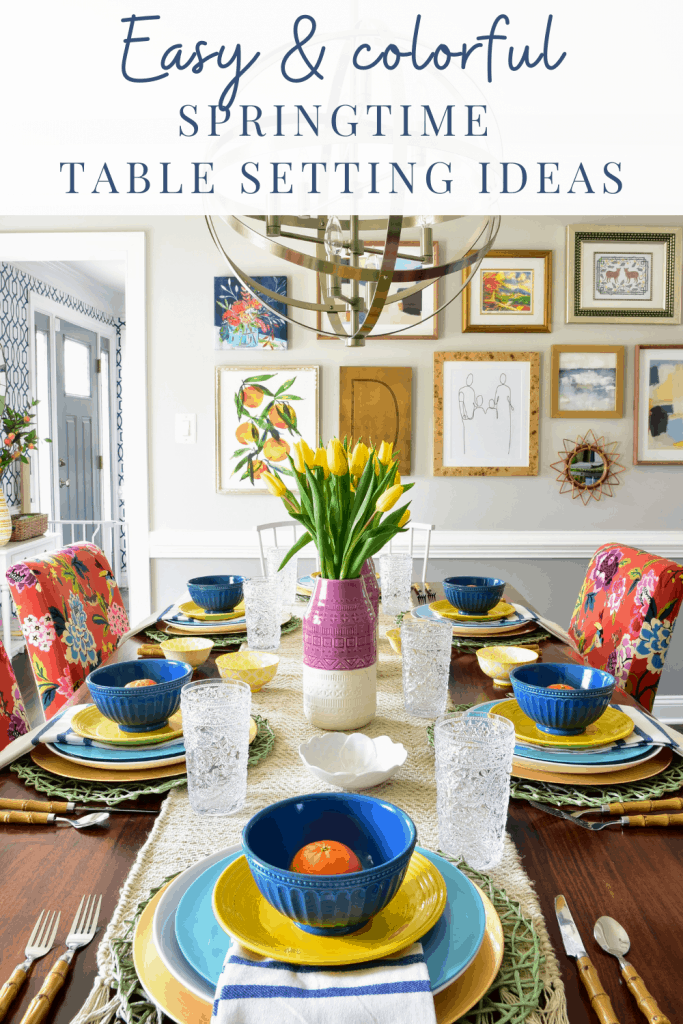
Pastels have a special place in spring decor because they reflect the season’s gentleness. Think about using colors like lavender, mint, butter yellow, or soft coral. These hues are cheerful without being overwhelming, creating a space that feels both fresh and welcoming.
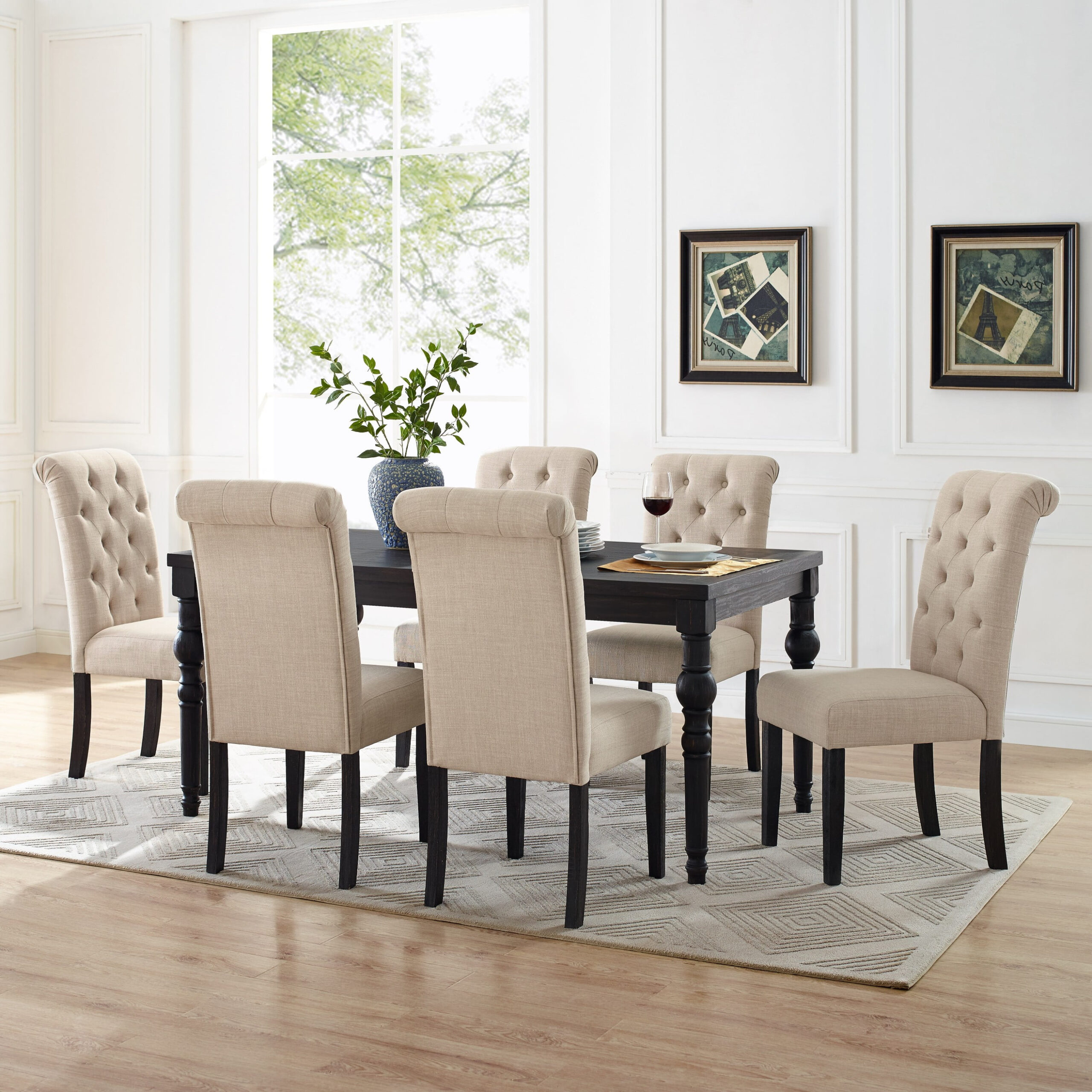
Consider the existing colors in your dining room when choosing your table colors. If your chairs are deep burgundy or your walls are forest green, you might want to choose lighter spring tones to create contrast and balance. Conversely, if your space is mostly white and neutral, you can experiment with bolder spring colors.
Remember that your color choices should also consider the season’s lighting. As daylight hours increase, your table will benefit from colors that complement natural light rather than compete with it.
Natural Elements That Define Spring
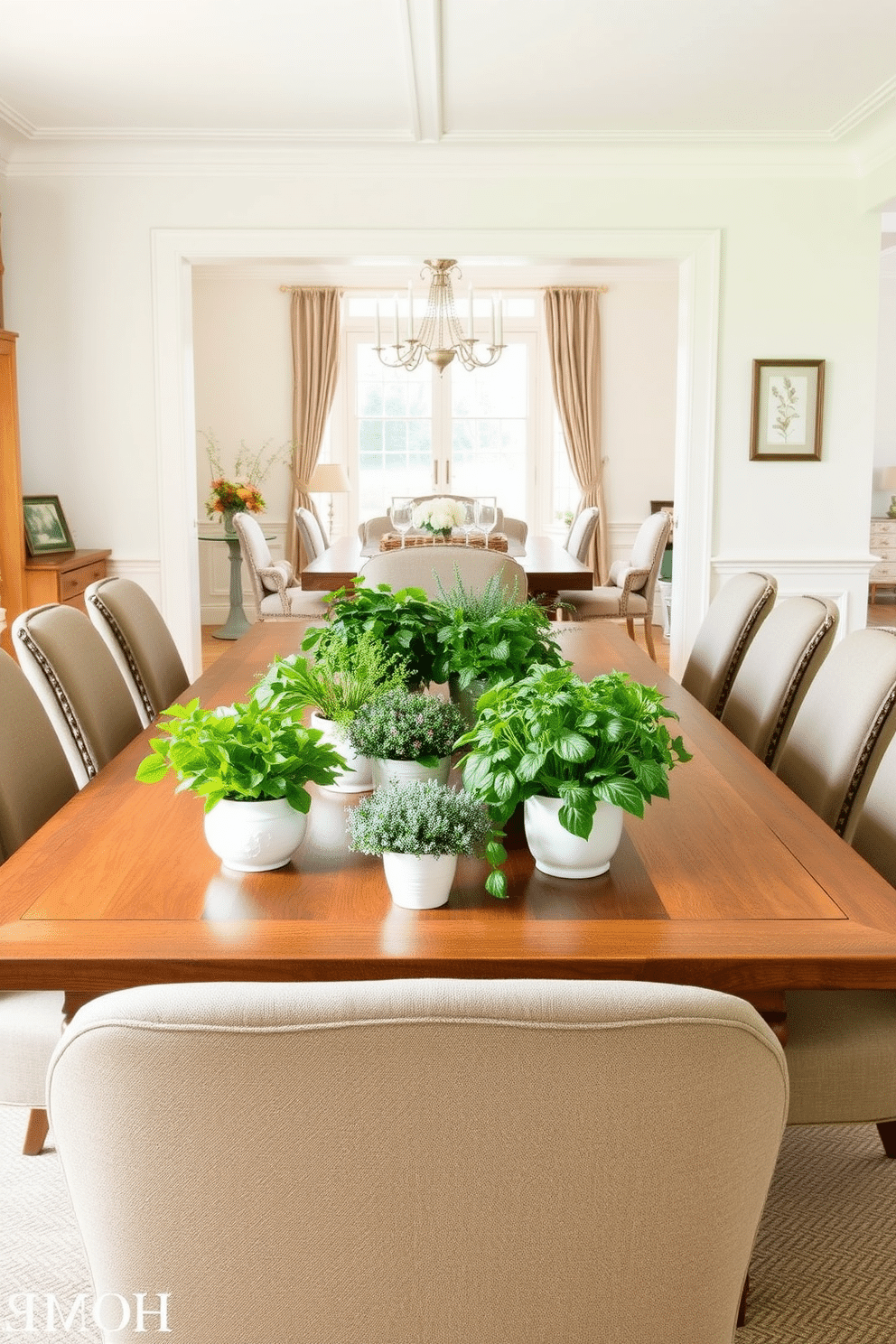
Incorporating natural elements is perhaps the most important aspect of spring table decoration. These organic touches instantly connect your indoor space to the outdoor world and create a sense of freshness that defines the season. Fresh flowers are always a good starting point, but don’t limit yourself to traditional blooms.
Consider using branches with early spring growth, such as willow or dogwood, which offer beautiful texture and shape. These can be used as standalone centerpieces or combined with other elements. Small potted plants, like miniature succulents or small ferns, add life and movement to the table.
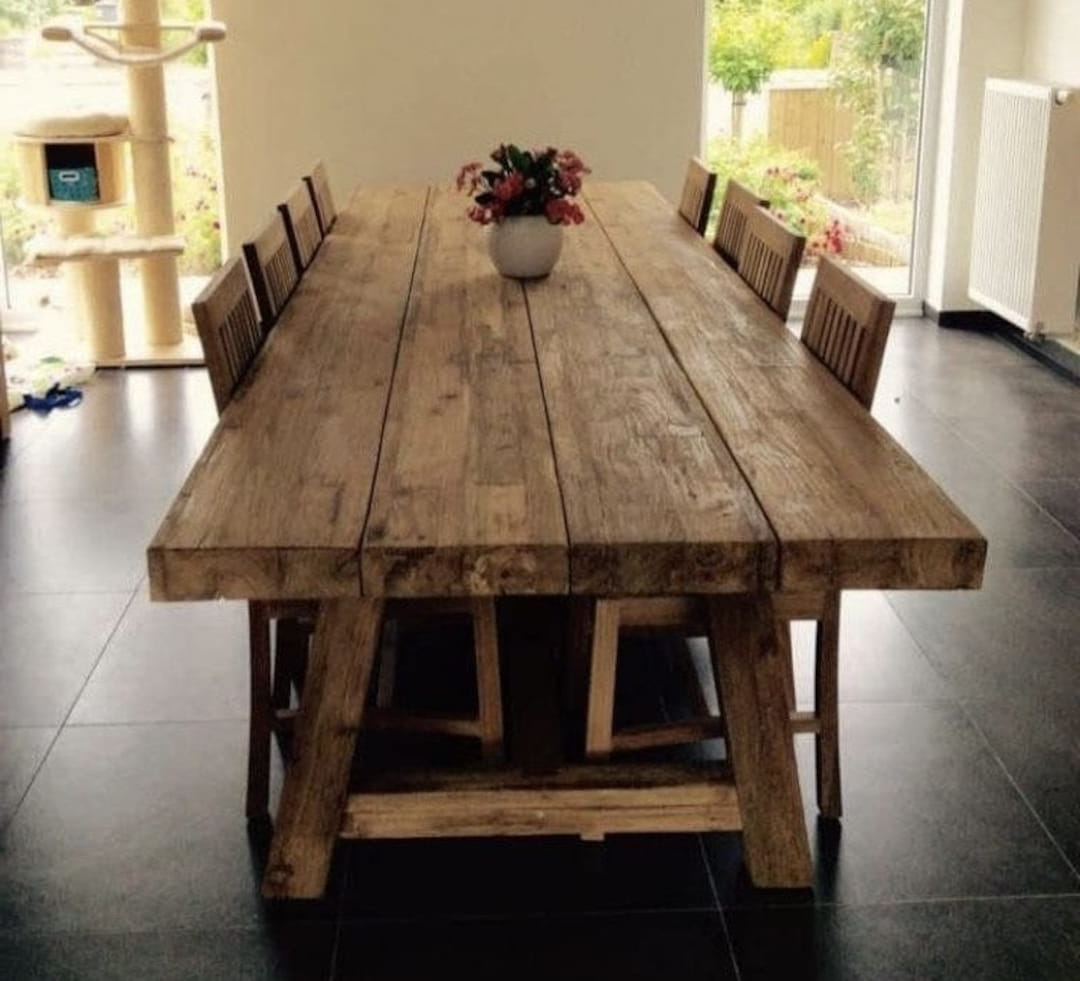
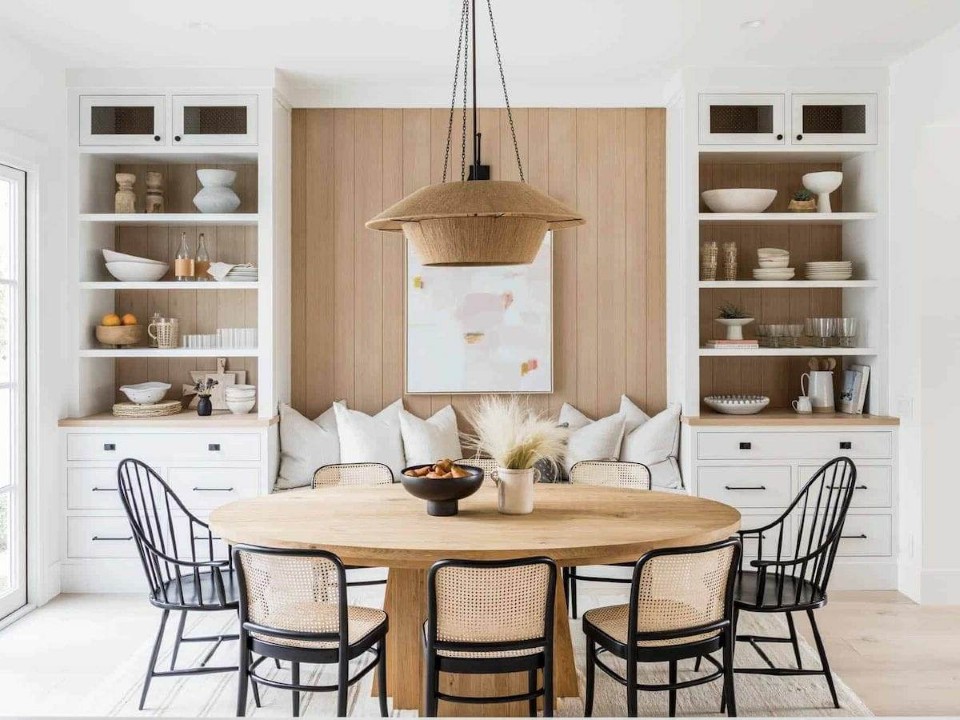
Natural materials like wood, stone, or woven baskets can ground your spring setting while adding tactile interest. A wooden serving tray or a stone bowl can serve as a focal point while maintaining the organic feel. Even simple elements like dried grasses or pinecones can add subtle texture and seasonal character.
The key is to select natural elements that aren’t too dramatic or overwhelming. Spring calls for delicate beauty rather than bold statements, so choose items that enhance rather than compete with your overall design.
Creative Centerpiece Ideas
Centerpieces don’t have to be elaborate to be effective. Sometimes the simplest arrangements work best, especially for spring tables where you want to maintain an airy, open feel. One of the most popular spring centerpiece styles involves using a single large element with minimal supporting pieces.
A tall vase filled with mixed spring flowers creates a lovely focal point. Choose blooms like tulips, daffodils, or hyacinths, which are associated with spring’s arrival. Keep the arrangement simple and let each flower shine individually rather than overcrowding it with too many stems.
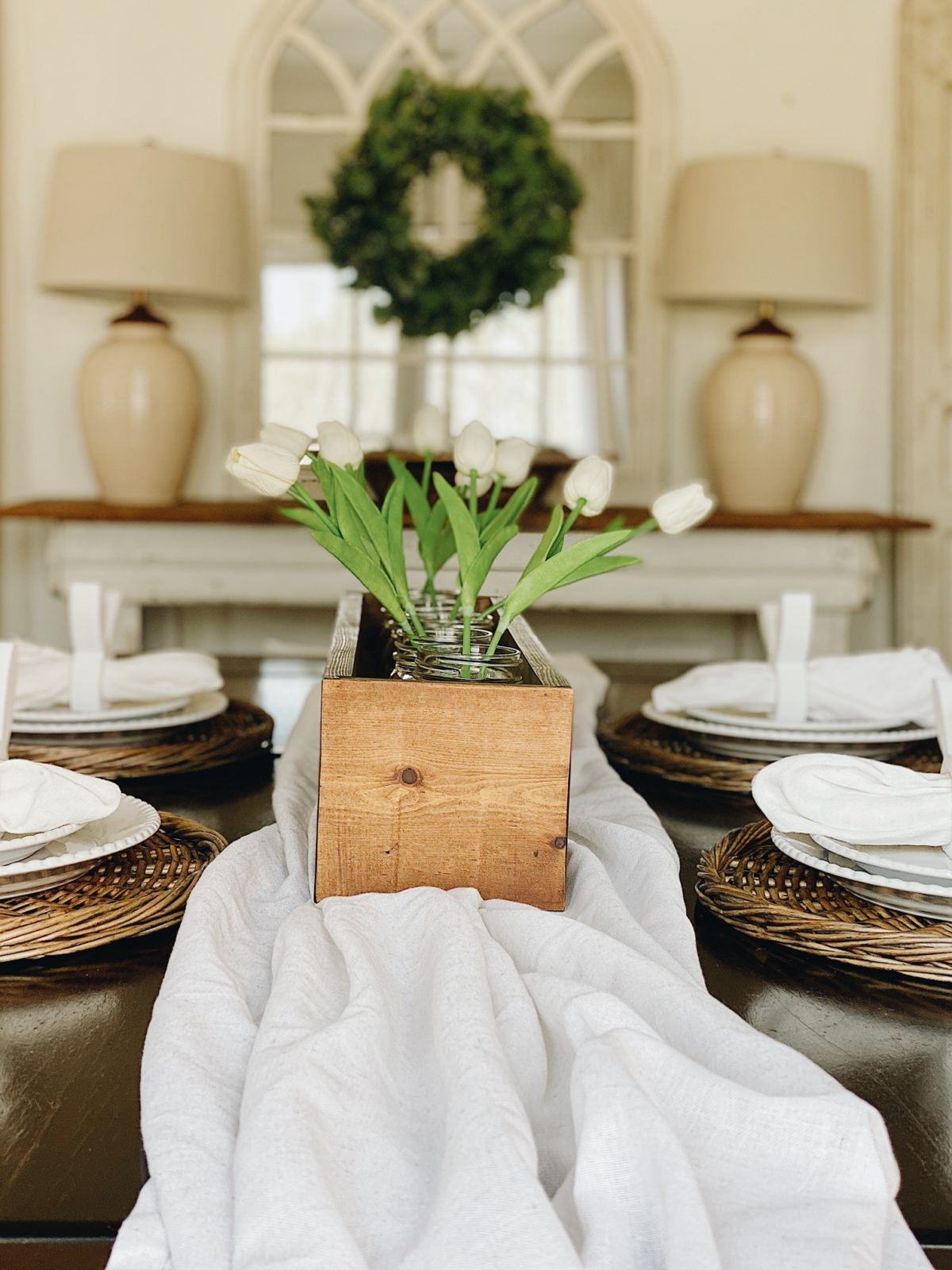
Another approach uses a collection of small containers or vases arranged on a wooden board or tray. Each container holds a different element – perhaps a single flower, some greenery, or even a small candle. This scattered approach works particularly well for casual dining settings.
For those who prefer a more structured look, try using a tiered serving platter as a centerpiece. Fill the tiers with seasonal fruits like strawberries or apricots, along with small decorative items like fresh herbs or small flowers. This type of centerpiece is both beautiful and functional, allowing guests to enjoy the seasonal offerings.
Don’t forget about height variations in your centerpiece design. Using elements of different sizes and shapes creates visual interest while keeping the arrangement balanced and not too heavy.
Table Linen and Textile Choices
The choice of linens and textiles can make or break your spring table setting. Lighter fabrics and textures work best, as they reflect the season’s airy quality. White tablecloths remain a classic choice, offering a clean base that lets other elements pop. However, don’t shy away from light-colored fabrics in pastel shades like pale blue or soft pink.
Linen napkins are particularly well-suited for spring tables because they have a natural texture that complements the season’s organic feel. Consider using napkins with simple patterns or even plain linen for a more refined look. The texture of linen adds sophistication without overwhelming the space.
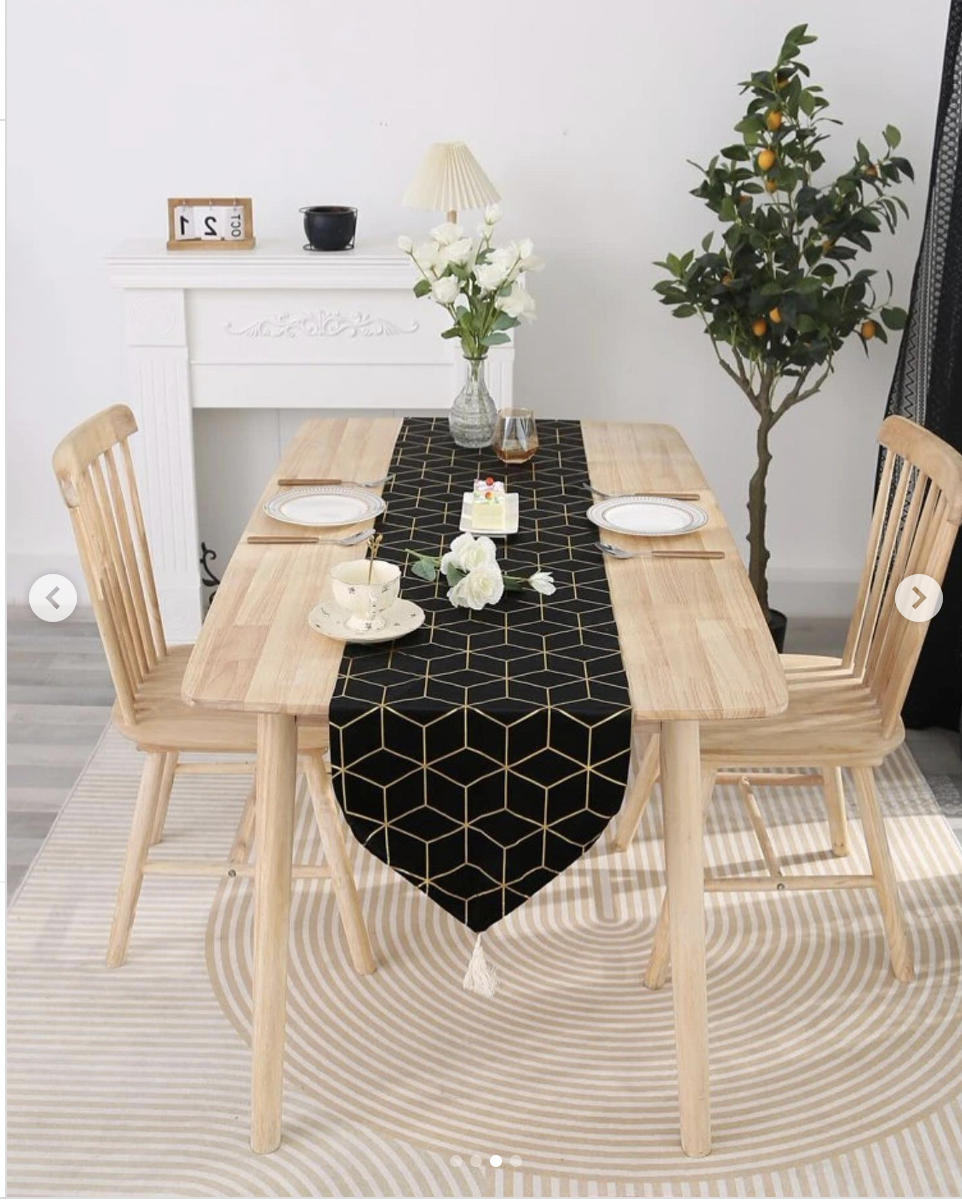
Table runners can be a great way to add color and pattern without committing to full tablecloths. Choose a runner in a spring color or pattern that complements your overall scheme. They’re also easy to change seasonally and won’t require a complete overhaul of your table setup.
When selecting textiles, consider both appearance and function. The materials should be appropriate for your typical use – if you’re planning to use the table frequently, choose fabrics that are easy to clean and maintain. Lighter materials also tend to be more comfortable in spring’s warmer weather.
Practical Tips for Easy Spring Table Setup
Setting up a beautiful spring table shouldn’t feel overwhelming or time-consuming. Here are some strategies that make the process manageable and enjoyable:
Start with a few essential elements and build from there. You don’t need to decorate every inch of your table immediately. Begin with your centerpiece, then add plates and utensils, followed by smaller details like candles or napkin rings.
Keep a variety of small decorative items on hand for quick additions. Having a selection of small vases, candles, or seasonal objects allows you to adapt your table quickly if you want to make changes. This approach also prevents the need to purchase new items for every seasonal update.
Consider your dining habits when planning your setup. If you have children or pets who might interact with the table, choose elements that are safe and won’t easily be knocked over or damaged. This means avoiding very tall centerpieces or fragile items that could be broken during meals.
Planning ahead helps reduce stress and ensures everything looks coordinated. Take a few minutes before your meal to step back and assess the overall look. Sometimes a simple adjustment like moving a candle or rearranging a napkin can make all the difference in achieving the desired effect.
Finally, remember that perfection isn’t necessary. The most beautiful spring tables often have slight imperfections that make them feel lived-in and genuine. Embrace the natural variations that come with using real flowers and organic materials.
Maintaining Your Spring Table Throughout the Season
Once you’ve created your beautiful spring table, you’ll want to maintain its appeal throughout the season. This means paying attention to how different elements behave over time and making adjustments as needed.
Flowers typically last only a few days, so plan to refresh them regularly. Check your arrangements daily and remove wilted blooms promptly. Clean the vases and change the water weekly to extend their life. Some spring flowers, like daffodils or tulips, may last longer than others, so group similar flowers together to manage their care better.
Candles should be monitored carefully, especially if you’re using them with fresh flowers. Make sure the wax doesn’t drip onto tablecloths or napkins, and trim wicks regularly to prevent excessive burning. Also, consider using tealight candles instead of larger candles if you’re concerned about safety or longevity.
Check that your tablecloths and napkins remain clean and wrinkle-free. Spring brings more activity to homes, so having a few extra napkins on hand can be helpful for unexpected spills or accidents. Keep a small cleaning kit near your dining area for quick touch-ups.
Consider rotating your seasonal elements based on your calendar. As spring progresses and certain flowers begin to fade, you can gradually replace them with others that are in season. This keeps your table looking fresh and gives you the opportunity to celebrate the changing seasons throughout the spring months.
Refreshing your dining room table for spring is more than just a seasonal chore – it’s an opportunity to create a space that feels alive and connected to the natural rhythms of the year. By focusing on light colors, natural elements, and simple arrangements, you can transform your dining experience without spending hours on elaborate preparations. The key is to embrace the season’s gentle energy and let it guide your choices.
Remember that the best spring table settings often feel effortless and natural. They reflect the way we want to feel during this time of year – renewed, hopeful, and ready to embrace new possibilities. Whether you’re entertaining guests or simply enjoying quiet family dinners, a thoughtfully decorated table can make every meal feel special.
The beauty of seasonal decorating lies in its temporary nature. There’s something wonderful about knowing that these arrangements are meant to change with the seasons, keeping your space fresh and exciting throughout the year. So take a moment to appreciate how the simple act of refreshing your dining table can brighten not just your space, but your entire outlook on the season ahead.