Whether you’re shopping for a new sofa bed or trying to fit one into an existing room, getting the measurements right is absolutely crucial. It’s easy to make mistakes when measuring, but with the right approach, you’ll avoid costly errors and find the perfect fit every time.
When it comes to furniture, especially something as versatile as a queen sofa bed, accuracy in measurement can make all the difference between a seamless purchase and a frustrating experience. You might think it’s simple enough to measure a piece of furniture, but there’s actually quite a bit more to it than meets the eye. The dimensions you need to capture aren’t just about length and width. There are several critical measurements that can affect everything from whether it fits through doorways to how much space it will actually occupy in your room. Let’s walk through exactly what you need to know to get it right.
Understanding Queen Sofa Bed Dimensions
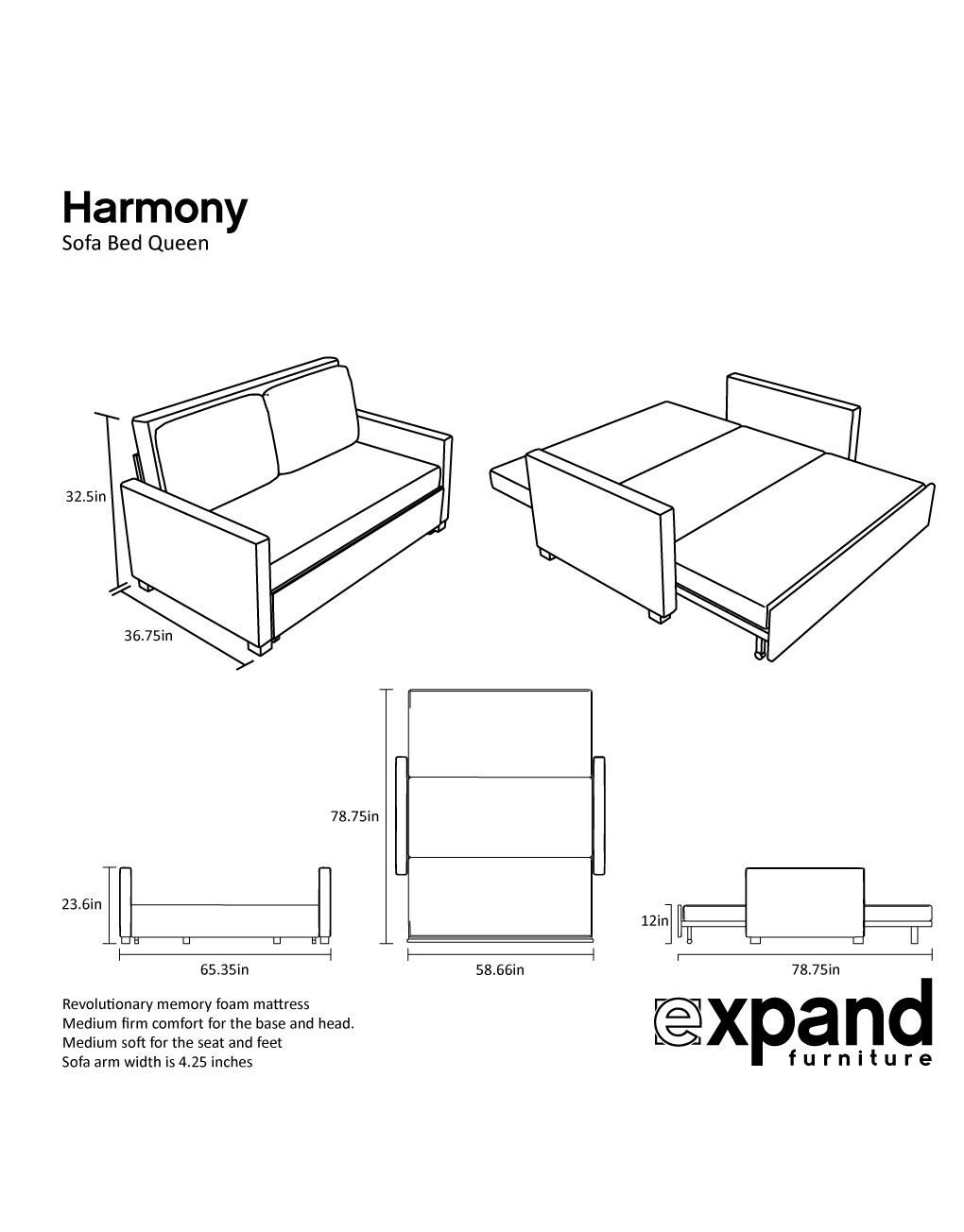
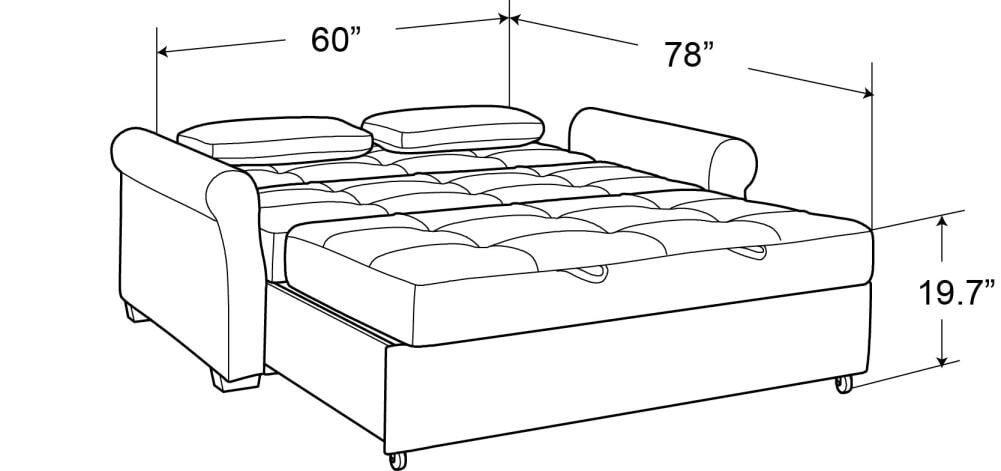
A queen sofa bed isn’t just a regular sofa that converts into a bed. It’s a special type of furniture that combines comfort with functionality. The standard queen mattress size is 60 inches wide by 80 inches long. But when you’re dealing with a sofa bed, things get a bit more complex. The actual dimensions of the sofa portion can vary significantly depending on the design, padding, and construction. Some sofa beds have a more traditional sofa shape, while others are designed to look more like a loveseat or even a full-size bed when unfolded. This is why understanding what you’re measuring and why matters so much.
Essential Measurements to Take
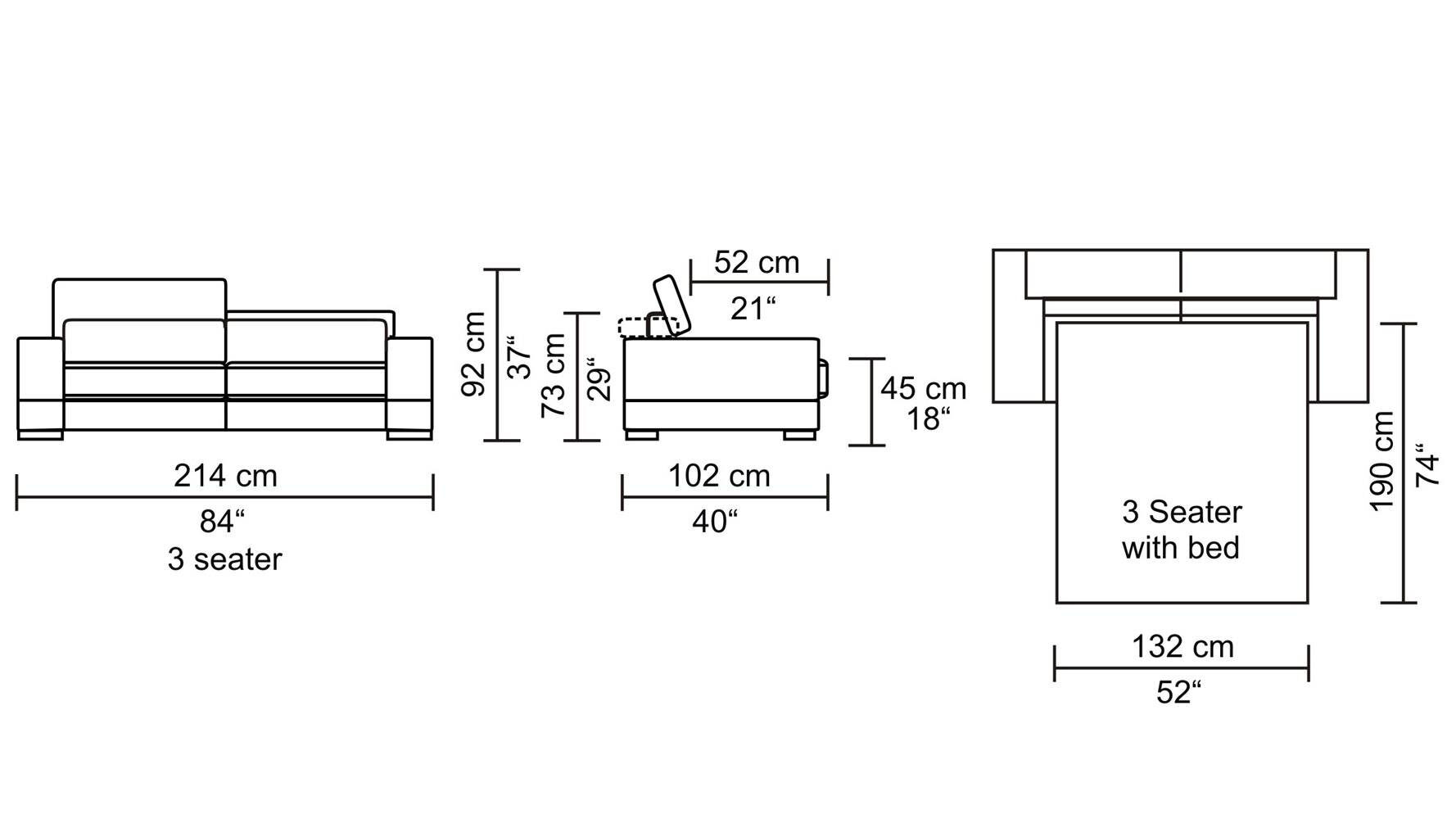
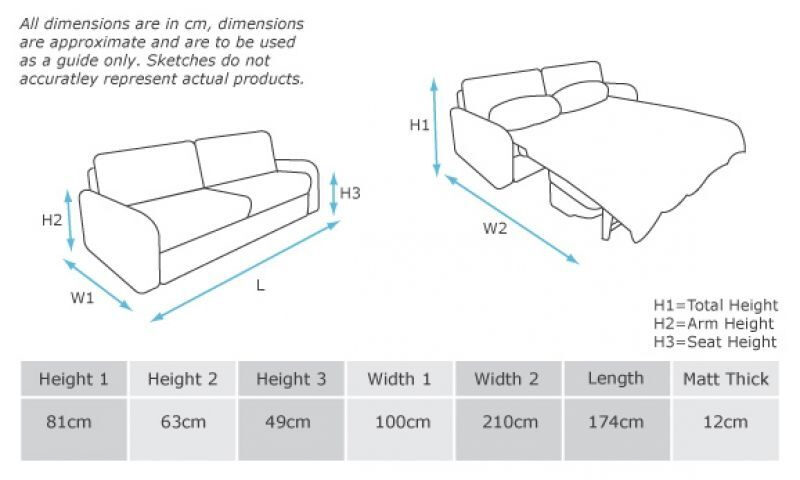
There are several key measurements you’ll want to take when assessing a queen sofa bed:
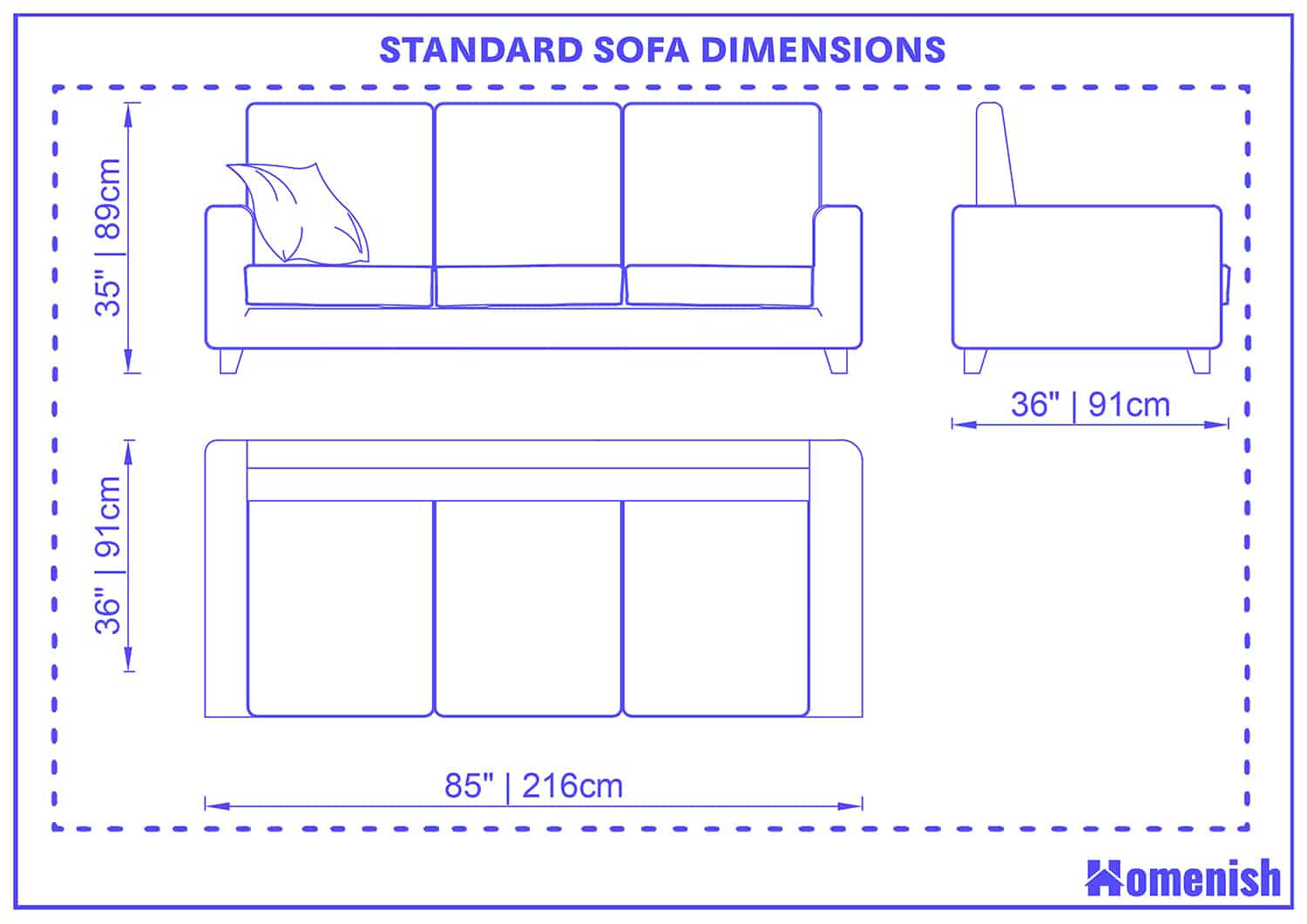
• Overall Length: Measure from the front edge to the back edge of the sofa bed, including any arms or decorative elements
• Width: Measure the widest part of the sofa bed, typically across the seating area
• Height: Measure from the floor to the top of the sofa bed frame
• Arm Height: If applicable, measure the height of the armrests
• Seat Depth: Measure from the front edge of the seat to the back of the seating area
These numbers might seem straightforward, but they become critical when you’re planning placement or comparing different models.
Measuring the Sofa Bed Frame
The frame is often where people get confused. Many assume that the measurements of the mattress are the same as the overall dimensions of the sofa bed. They’re not always the same. The frame itself can add extra inches to each dimension. Think about it – a queen mattress is 60×80, but if you have a thick cushioned frame with ornate details, those extra inches matter. You’ll want to measure from the outer edges of the frame, not just the mattress surface. This is particularly important when you’re trying to fit the piece through doorways or narrow hallways.
Checking Doorway and Hallway Clearance
One of the most common mistakes people make is assuming their sofa bed will fit through their doorway. This is where the real challenge begins. Even if you’ve measured the sofa bed correctly, you still need to consider:
• Door Width: Most standard doors are around 32 inches wide, but some older homes or custom doors can be narrower
• Clearance Around the Frame: Account for any decorative trim, handles, or unusual design elements that might extend beyond the main body
• Turning Space: When moving furniture, you often need to turn it 90 degrees to navigate tight spaces
If your sofa bed is 70 inches wide, you’ll definitely need to plan carefully for moving it through a standard doorway. Sometimes, a piece that looks like it will fit might not actually make it through the door.
Room Layout Considerations
Beyond the physical measurements, you also need to think about how the sofa bed will fit into your room layout. Consider:
• Traffic Flow: Where do people typically walk? Will the sofa bed block a path?
• Furniture Arrangement: How does it work with other pieces in the room?
• Wall Proximity: Do you need to leave space between the sofa bed and the wall for cleaning or aesthetics?
• Lighting and Windows: Are there windows or light sources that could affect placement?
These factors are often overlooked but can make or break your furniture arrangement. A sofa bed that’s perfectly sized for a hallway might be too large for a cozy living room.
Common Measurement Mistakes to Avoid
Here are some pitfalls to watch out for:
• Not Measuring from the Right Angles: Always measure straight across from corner to corner, not diagonally
• Ignoring the Cushion Thickness: Soft cushions can add several inches to the overall measurement
• Overlooking the Folded State: Don’t forget to measure both when folded and unfolded
• Assuming Standard Sizes: Not all manufacturers use the same dimensions
• Missing the Door Threshold: The bottom of the sofa bed might be slightly higher than expected due to base or legs
These small oversights can lead to big problems later on, so take your time and double-check everything.
Tools and Techniques for Accurate Measurement
Having the right tools makes all the difference:
• Measuring Tape: A flexible tape measure is essential. Make sure it’s long enough for your largest dimension
• Sticky Notes: Mark your measurements directly on the furniture or walls for reference
• Camera Phone: Take photos of measurements for future reference
• Helper: Having someone assist can prevent misreadings and errors
• Multiple Measurements: Take measurements in several spots to account for variations in the furniture
Pro tip: Always measure twice and write it down. It’s better to be safe than sorry.
Planning for Installation and Setup
Once you’ve taken your measurements, the next step is planning how to install the sofa bed. This includes considering:
• Assembly Requirements: Some sofa beds require assembly, while others are ready to go
• Special Mounting Needs: Do you need to secure it to the wall?
• Flooring Considerations: Will the weight of the sofa bed affect your flooring?
• Accessories: Do you need additional items like pillows or blankets?
This final planning stage ensures that your measurements translate into a successful installation rather than a frustrating experience.
Real-Life Scenarios and Examples
Let’s look at some practical situations:
• Scenario One: Sarah bought a queen sofa bed online but didn’t check the door clearance. She found out too late that her 32-inch doorway couldn’t accommodate the 36-inch wide sofa bed. She had to return it.
• Scenario Two: Mike measured his living room incorrectly and thought he had space for a sofa bed, but the actual dimensions meant it wouldn’t fit in the designated spot. He ended up buying a smaller model instead.
• Scenario Three: Lisa took multiple measurements and included extra space for movement. Her new sofa bed fits perfectly and looks great in her room.
These stories show how important accurate measurement is to avoiding costly mistakes.
Final Tips for Success
To wrap up, here are some final pointers for successful measurement:
• Measure Everything: Don’t just focus on the sofa bed itself. Consider the entire area where it will go
• Account for Furniture: Factor in any existing furniture that might interfere with placement
• Plan Ahead: Give yourself plenty of time to measure and compare options
• Take Photos: Document your measurements for future reference
• Ask Questions: If you’re unsure about anything, ask the seller or manufacturer for clarification
Remember, a few extra minutes spent on measurement can save you hours of frustration later.
Measuring your queen sofa bed correctly is more than just taking a few quick readings. It’s about understanding the nuances of furniture dimensions and how they interact with your space. From checking doorways to considering room layouts, every detail matters. When you take the time to measure properly, you’re setting yourself up for success. You’ll avoid the disappointment of a piece that doesn’t fit, the expense of returns, and the stress of last-minute changes. The investment of time in accurate measurement pays off in peace of mind and a perfectly fitted piece of furniture. So take your time, use the right tools, and remember that precision in measurement leads to satisfaction in your home.
[sps_html tag=”img” src=”https://roofdrivein.com/wp-content/uploads/2026/01/queen-size-sofa-bed-dimensions-cabinets-matttroy-with-sofa-bed-dimensions-queen.jpg” alt=”Queen Size Sofa Bed Dimensions | Cabinets Matttroy with Sofa Bed Dimensions Queen” style=”width: 100%; height: auto;”]
[sps_html tag=”img” src=”https://roofdrivein.com/wp-content/uploads/2026/01/30-best-maximizing-space-your-guide-to-pull-out-queen-size-bed-sofas-intended-for-how-to-measure-your-queen-sofa-bed-correctly.jpg” alt=”30 Best Maximizing Space: Your Guide To Pull Out Queen Size Bed Sofas intended for How to Measure Your Queen Sofa Bed Correctly” style=”width: 100%; height: auto;”]
[sps_html tag=”img” src=”https://roofdrivein.com/wp-content/uploads/2026/01/the-harmony-queen-sofa-is-a-redefined-sofa-bed-system-with-a-sleeping-intended-for-how-to-measure-your-queen-sofa-bed-correctly.jpg” alt=”The Harmony Queen Sofa Is A Redefined Sofa Bed System With A Sleeping … intended for How to Measure Your Queen Sofa Bed Correctly” style=”width: 100%; height: auto;”]
[sps_html tag=”img” src=”https://roofdrivein.com/wp-content/uploads/2026/01/dimensions-of-a-queen-sofa-bed-couch-at-justin-finn-blog-within-how-to-measure-your-queen-sofa-bed-correctly.jpg” alt=”Dimensions Of A Queen Sofa Bed Couch At Justin Finn Blog within How to Measure Your Queen Sofa Bed Correctly” style=”width: 100%; height: auto;”]
[sps_html tag=”img” src=”https://roofdrivein.com/wp-content/uploads/2026/01/queen-size-sofa-bed-dimensions-hanaposy-in-how-to-measure-your-queen-sofa-bed-correctly.jpg” alt=”Queen Size Sofa Bed Dimensions – Hanaposy in How to Measure Your Queen Sofa Bed Correctly” style=”width: 100%; height: auto;”]