Every great kitchen starts with thoughtful material selection. The right choices can transform your cooking space from ordinary to extraordinary. Whether you’re planning a full renovation or just updating a few elements, understanding how different materials work together creates lasting impact. What makes one kitchen feel modern while another seems outdated? It’s often the subtle interplay between surfaces, textures, and finishes.
Contemporary kitchen design isn’t just about aesthetics anymore. Today’s kitchens need to balance beauty with durability, style with function. When you think about it, your kitchen is more than just a place to cook – it’s a hub of daily life, a social center, and a reflection of your personal taste. The materials you choose become the foundation of this experience. They determine how your space ages, how easy it is to maintain, and whether it continues to delight you year after year. Making these decisions can feel overwhelming, especially when you’re faced with countless options. But understanding the fundamentals helps you make choices that stand the test of time and trends.
Understanding Contemporary Kitchen Trends
Current design movements emphasize clean lines, minimalism, and seamless integration of technology and nature. Modern kitchens often feature open floor plans, abundant natural light, and materials that create a sense of spaciousness. Think about how your chosen materials will age and evolve with your lifestyle. For instance, a sleek granite countertop might look stunning today, but it could show wear faster in a busy household than a more durable option like quartz. The key is finding materials that align with both current tastes and your long-term needs. What matters most isn’t just following the latest trend, but choosing materials that will serve you well over many years.
Countertop Considerations
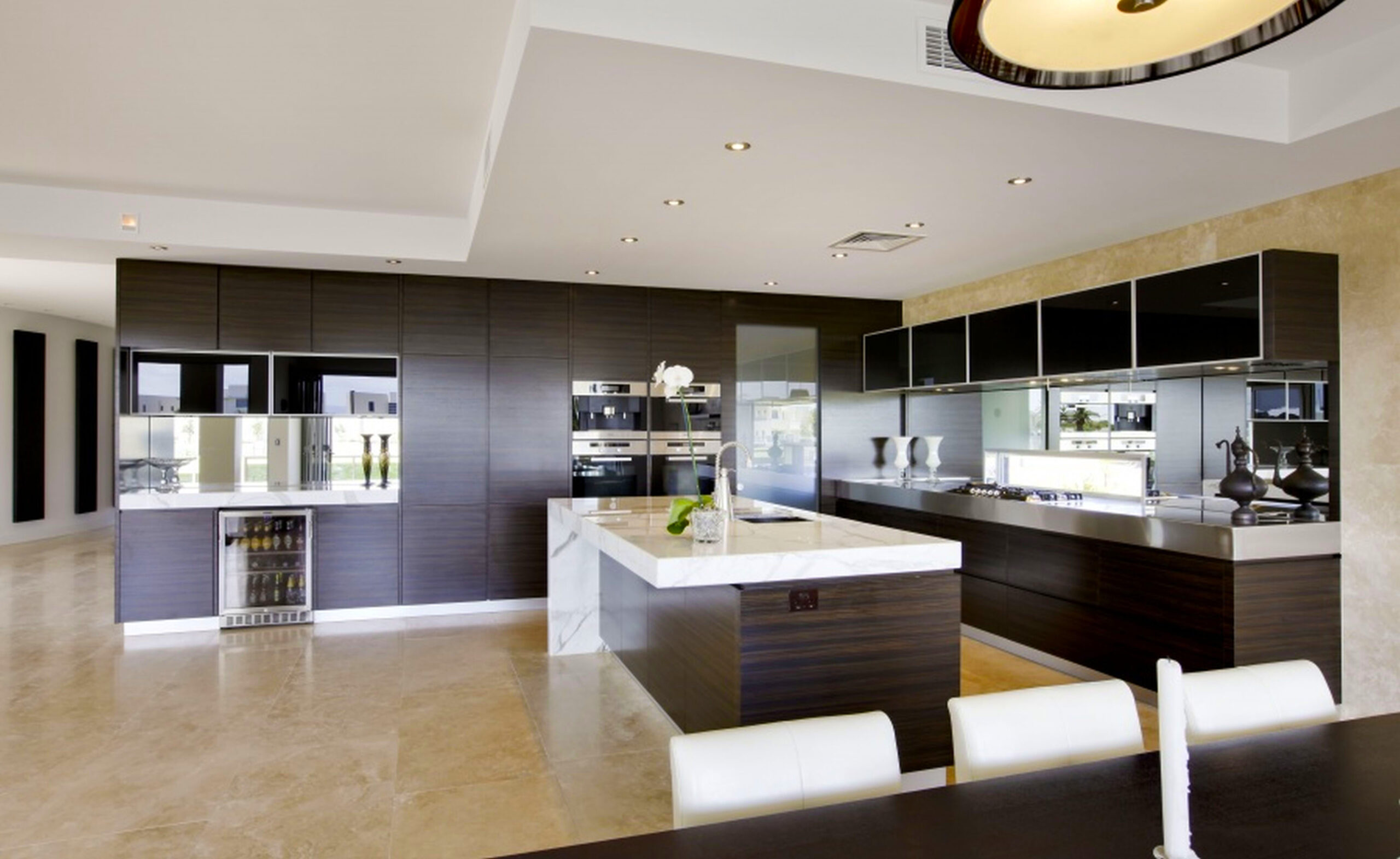
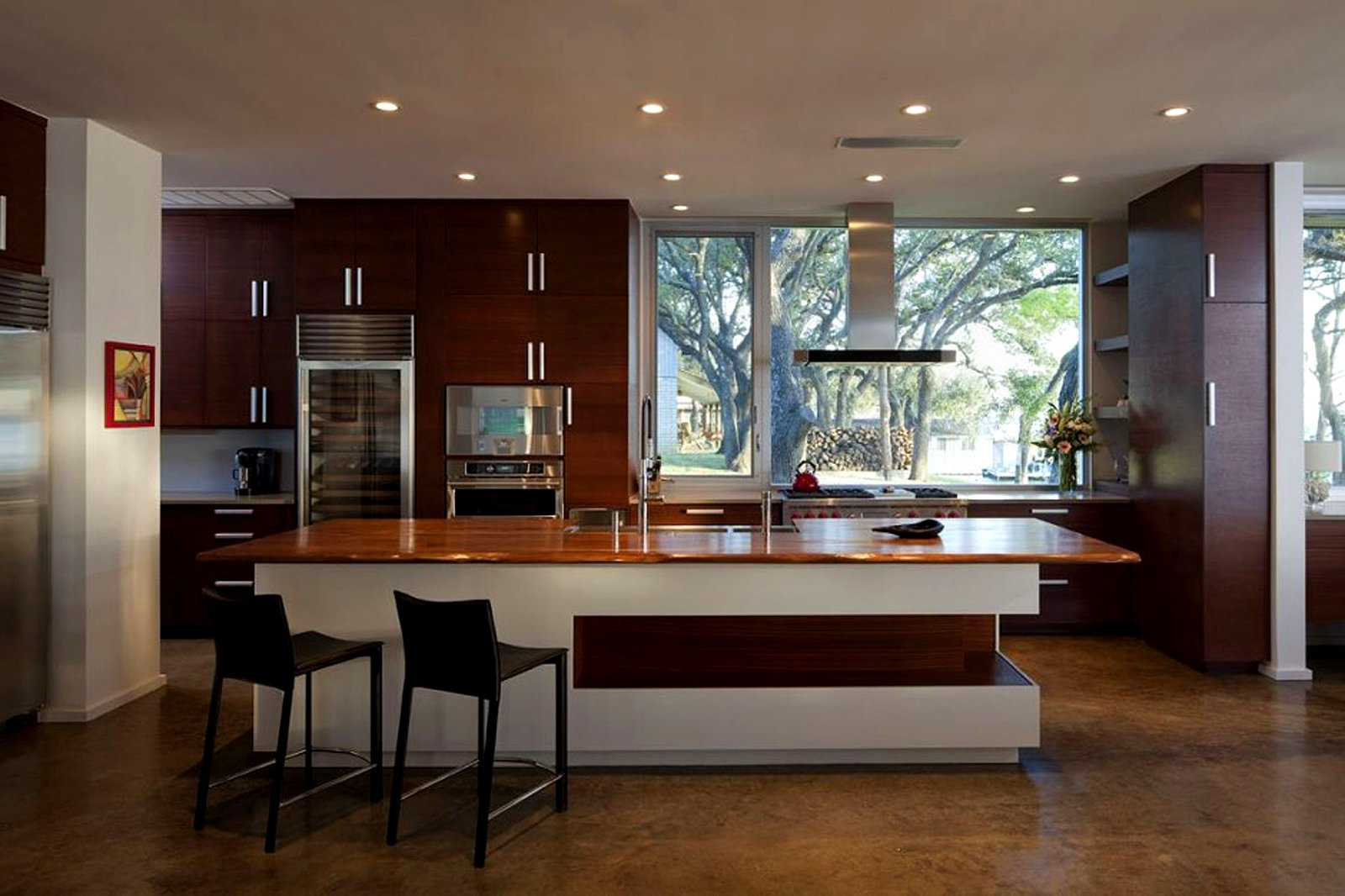
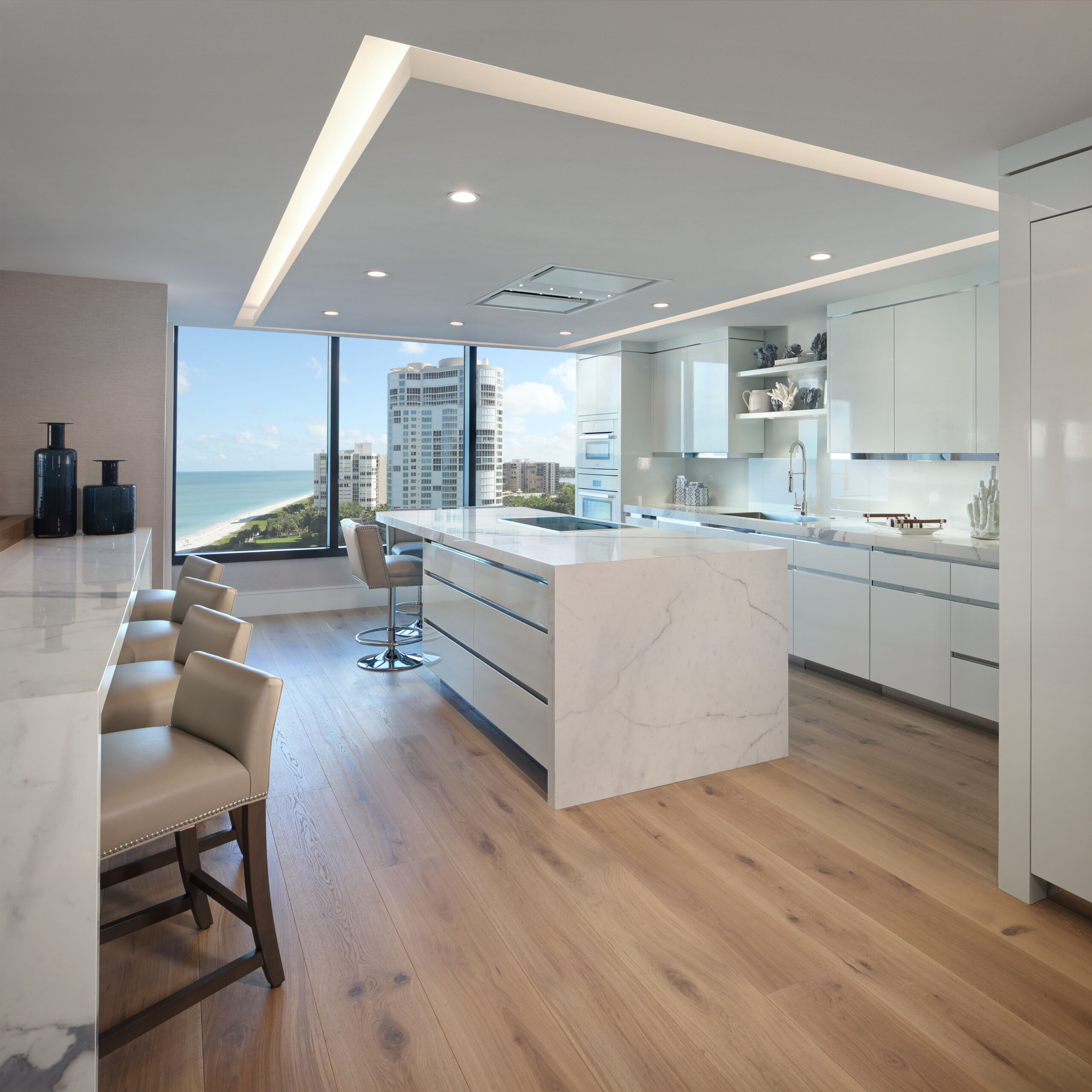
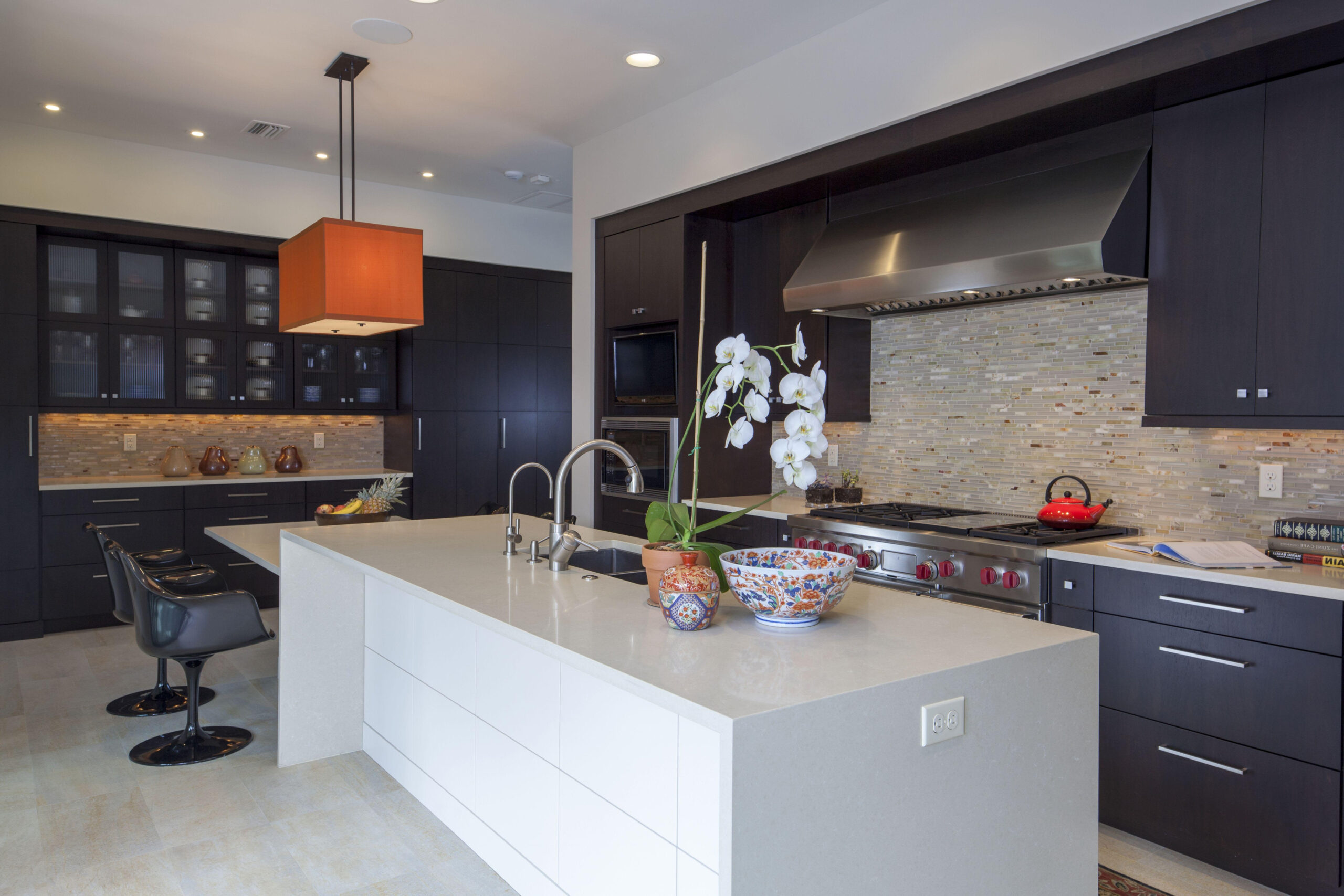
Countertops are often the star of the kitchen, taking on heavy use throughout the day. Natural stones like granite and marble offer unique beauty but require regular sealing and maintenance. Quartz provides consistent appearance with low upkeep, while solid surface materials offer seamless edges and repairability. When selecting countertops, consider your cooking habits, budget, and lifestyle. A busy family might prefer quartz for its durability, whereas someone who entertains frequently might lean toward granite for its classic appeal. The material should complement your overall aesthetic while standing up to daily use. Remember that some materials age better than others – what looks fresh today might look dated in a few years.
Cabinetry and Wood Finishes
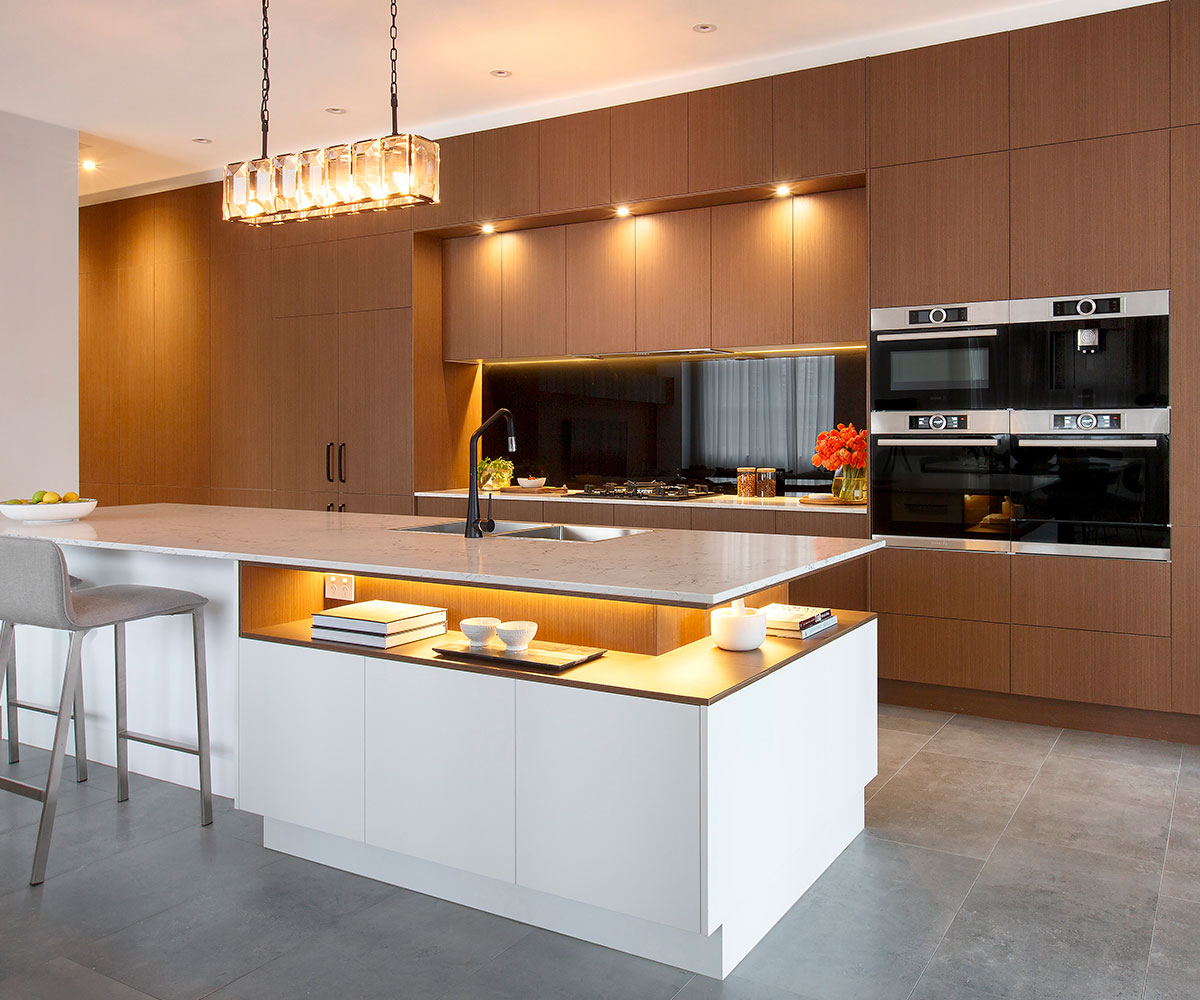
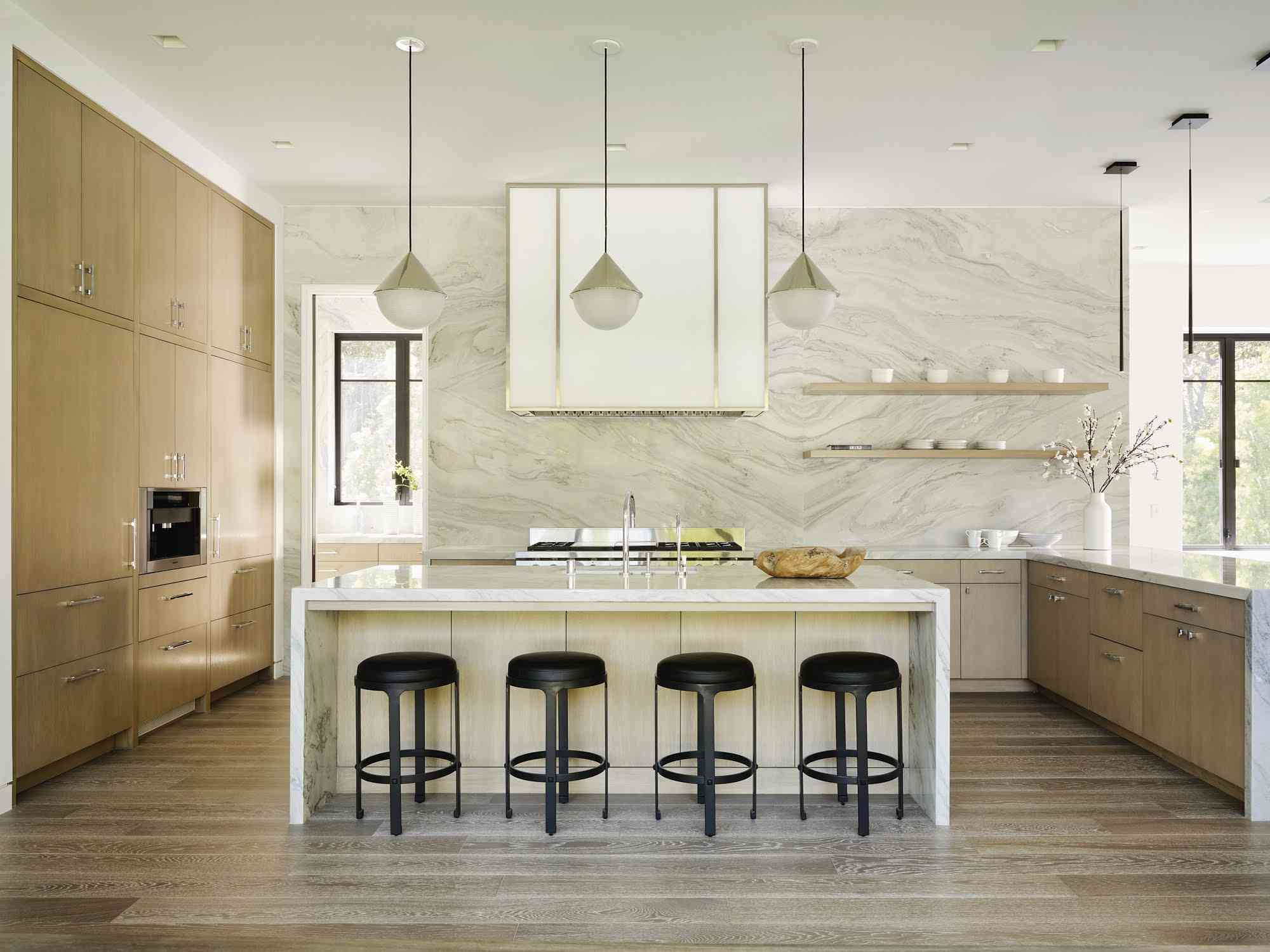
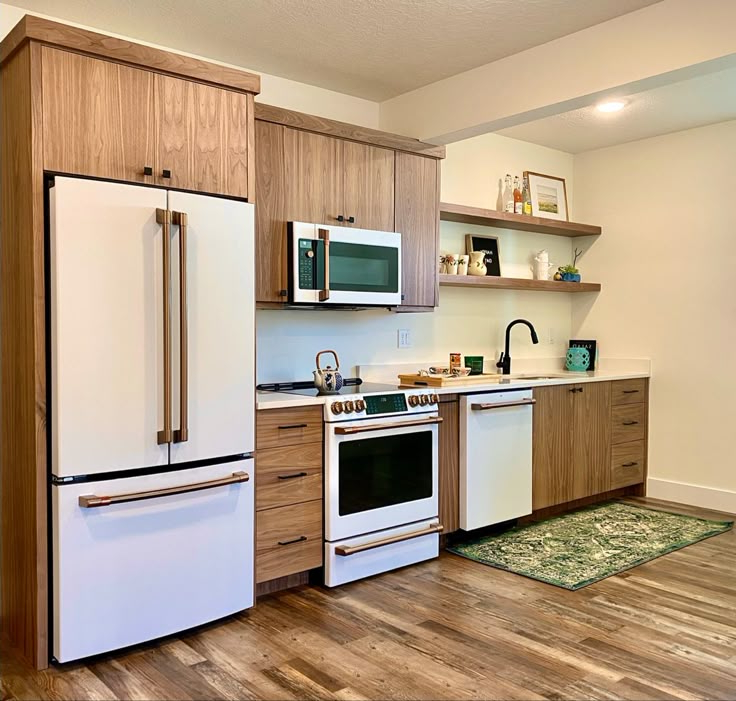
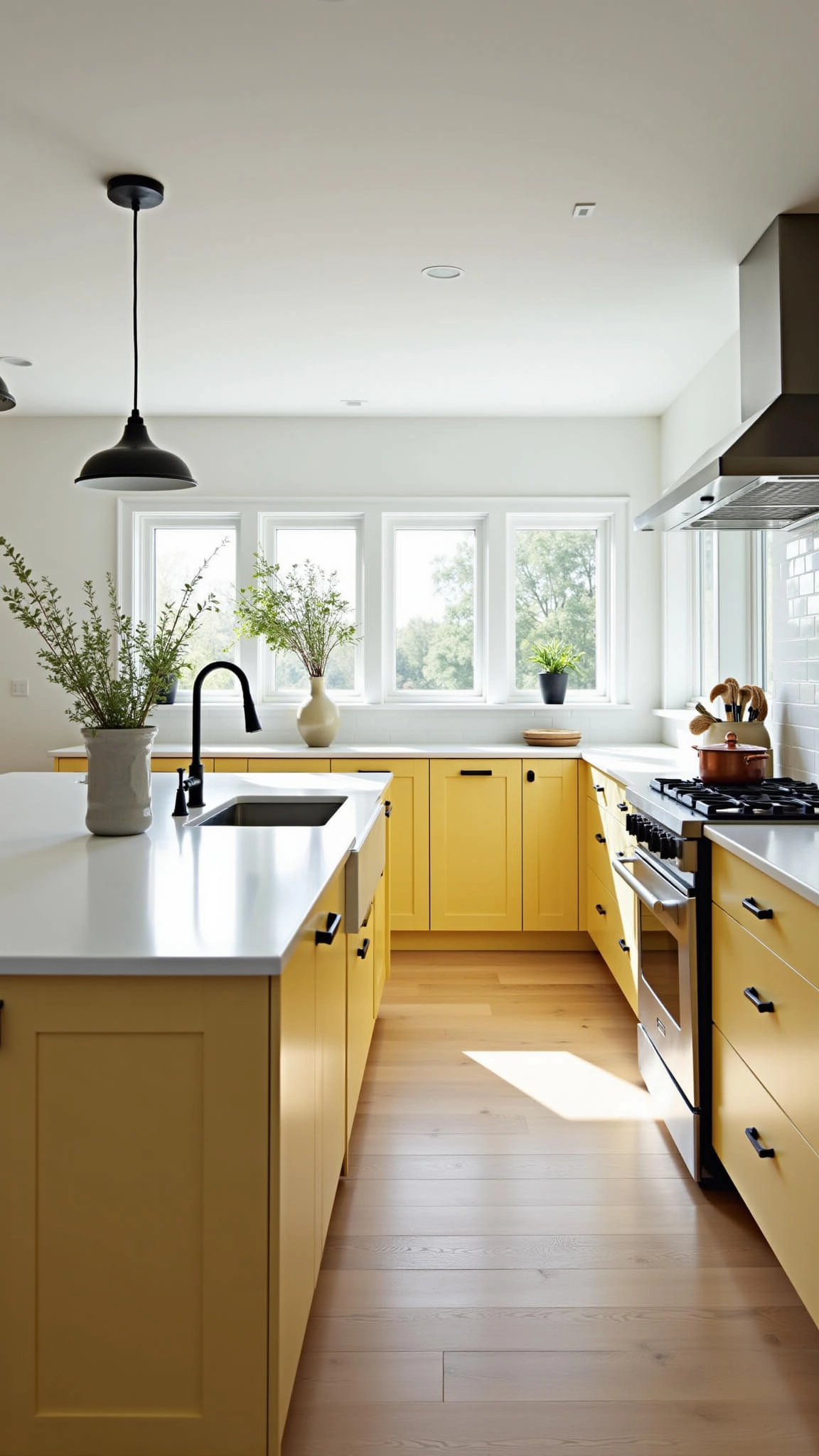
Cabinets form the backbone of kitchen organization and visual appeal. Modern designs often favor clean, simple profiles with minimal hardware. Wood species vary greatly in durability, grain patterns, and cost. Oak offers strength and timeless appeal, while maple provides even coloring and resistance to dents. For those seeking something different, engineered wood alternatives like MDF or plywood can offer consistency at lower costs. The finish matters just as much as the wood itself. Matte finishes hide fingerprints better than glossy ones, though they may require more careful cleaning. Consider how the cabinet color and texture will interact with your flooring, walls, and appliances. Sometimes a dark cabinet can make a small kitchen feel cozy, while lighter tones create openness in larger spaces.
Flooring Options for Modern Kitchens
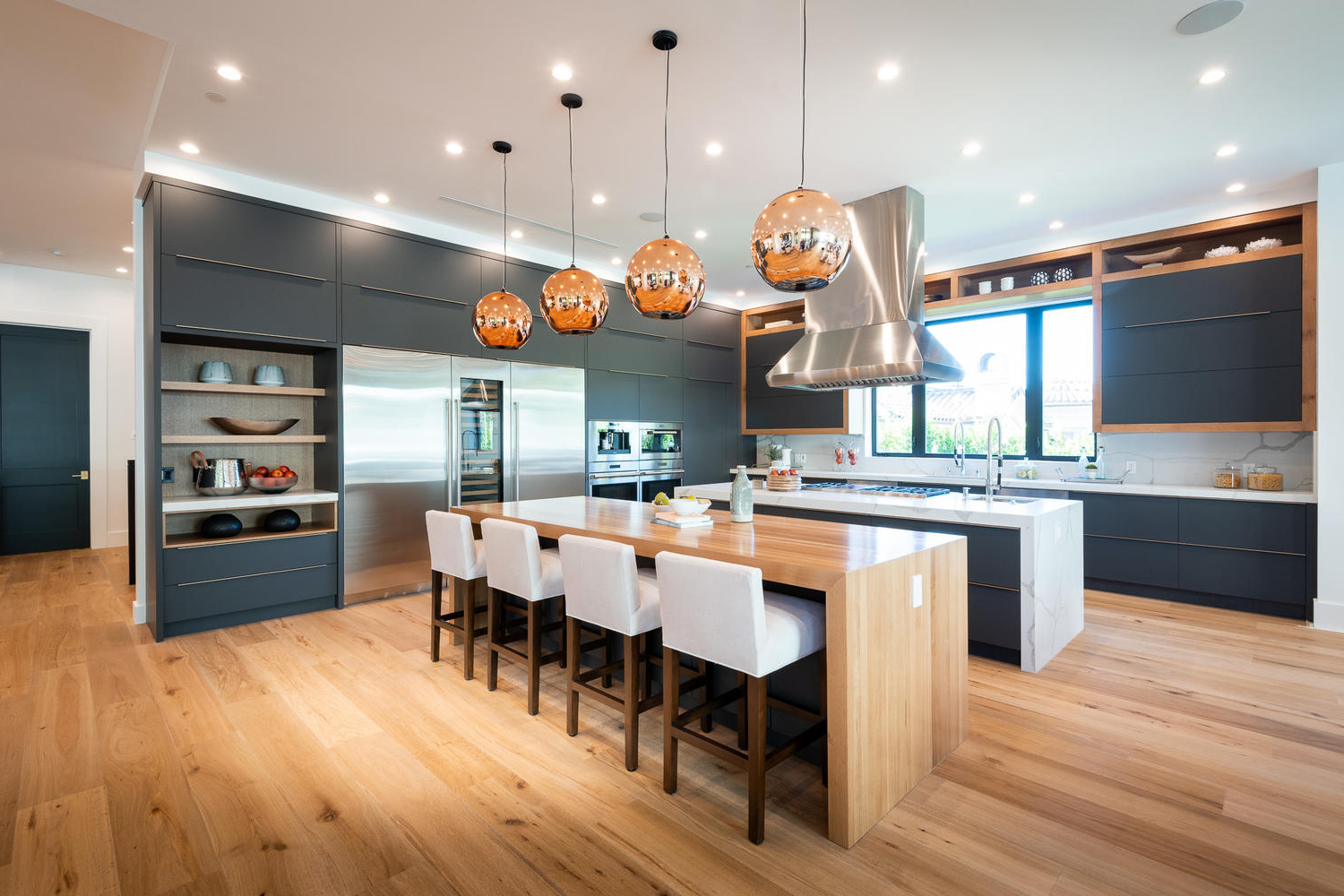
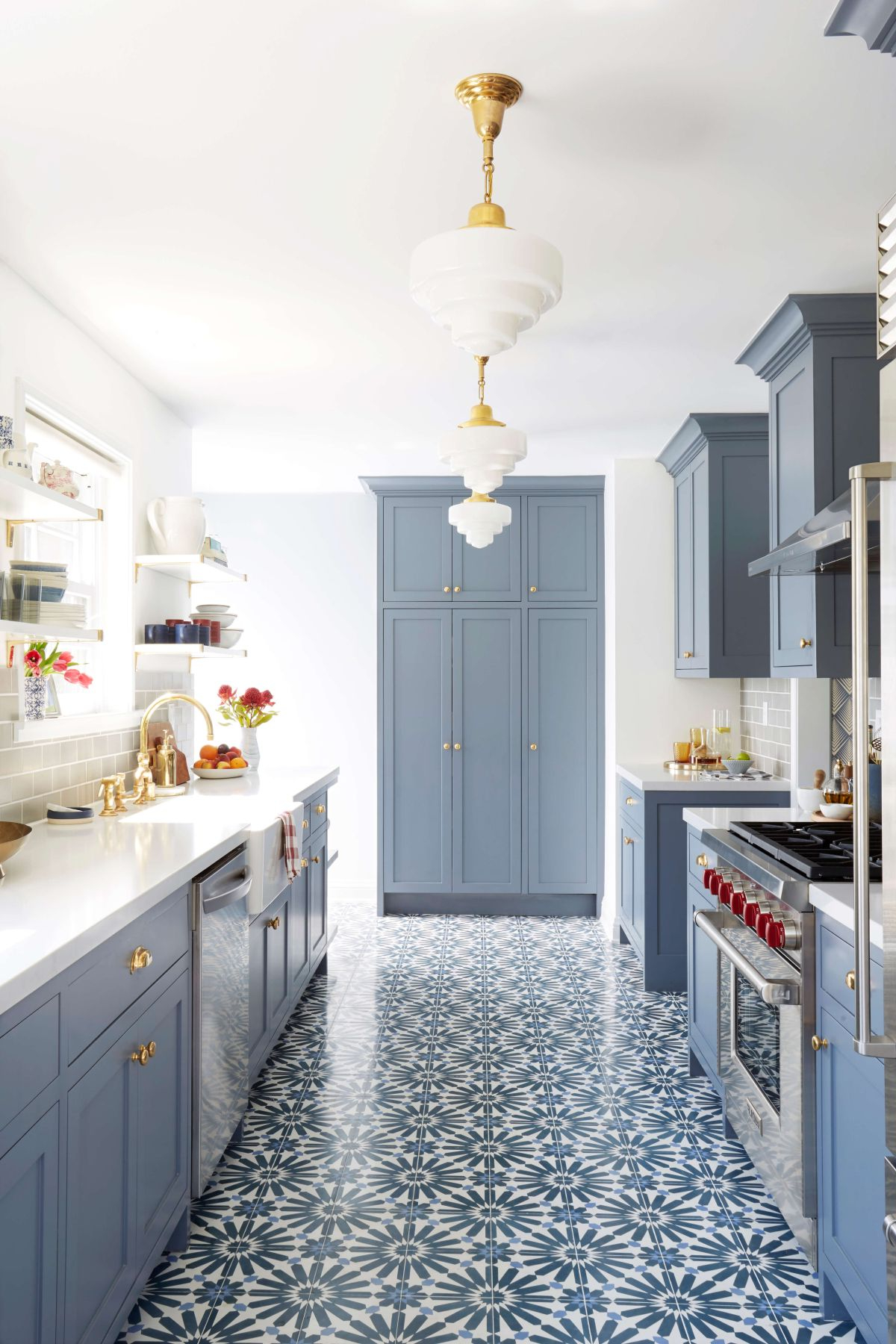
Flooring choices affect everything from comfort to maintenance requirements. Tile remains popular for its durability and wide variety of styles. Ceramic and porcelain tiles offer excellent water resistance and can mimic natural stone or wood. Laminate provides affordable, realistic wood looks with easy installation. Engineered hardwood brings warmth and character, though it requires more care around moisture. Vinyl and linoleum offer soft underfoot comfort and are increasingly sophisticated in appearance. The key is matching your flooring to your daily activities. High-traffic areas benefit from harder surfaces, while zones where you spend more time standing might appreciate softer materials. Consider how each floor choice will hold up against spills, heavy foot traffic, and temperature changes.
Backsplash and Wall Materials
The backsplash area often gets overlooked, but it’s crucial for visual interest and practical protection. Glass tiles create a clean, modern look while being easy to clean. Natural stone adds organic texture and warmth. Metal accents bring industrial appeal, while ceramic tiles offer endless pattern possibilities. Wall materials range from painted surfaces to textured panels. Some homeowners choose to mix materials, such as combining wood paneling with tile or using contrasting colors to define different zones. The wall material should support your overall design story while being practical for splatters and stains. Don’t forget about lighting – certain materials reflect or absorb light differently, affecting the entire room’s ambiance.
Hardware and Fixture Selection
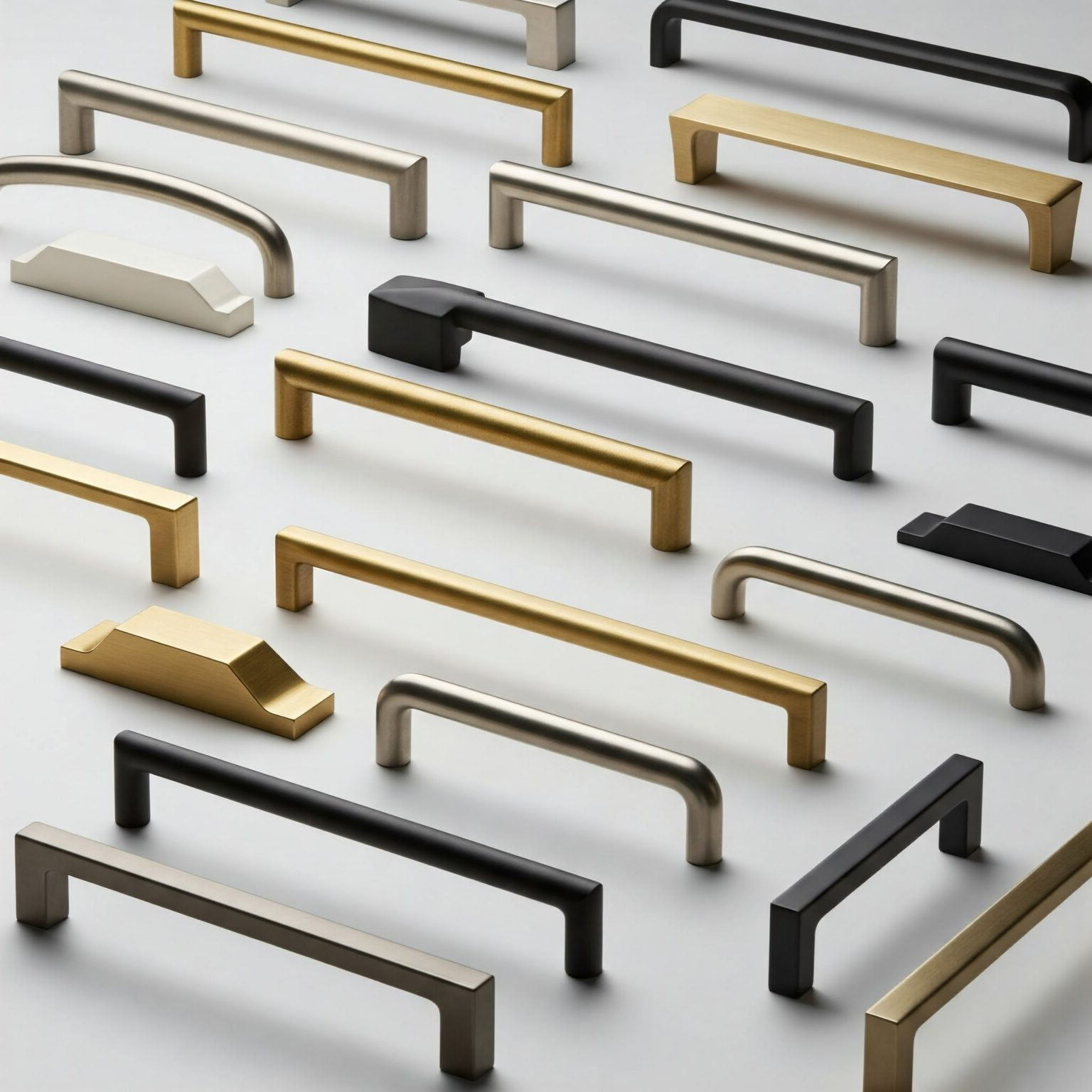
Small details often make the biggest difference in contemporary kitchens. Hardware choices include drawer pulls, cabinet handles, and faucet fixtures. Modern preferences lean toward brushed brass, matte black, or stainless steel finishes. These should complement your overall palette rather than compete with it. Consider how hardware ages over time – some finishes fade or tarnish more quickly than others. Smart fixtures like touchless faucets or LED lighting can enhance functionality while maintaining sleek appearances. The right hardware can tie together various materials and create cohesive visual flow. It’s worth investing in quality pieces that will last longer and look better over time. Sometimes, a single well-chosen handle can elevate an entire kitchen design.
Budget Planning and Value Considerations
Material choices directly impact your total project cost, so budget planning is essential. Start by identifying must-haves versus nice-to-haves. Prioritize high-use areas like countertops and flooring, where durability matters most. Consider the long-term costs of maintenance and replacement when evaluating upfront prices. Some premium materials pay for themselves through reduced future repairs or increased home value. Others offer immediate satisfaction but may require more frequent updates. Don’t overlook hidden costs like installation fees, special cutting requirements, or compatibility issues with existing systems. It’s also helpful to research local suppliers and compare pricing across different retailers. Sometimes the best deal comes from unexpected sources.
Maintenance and Longevity Factors
Every material has its own care requirements and lifespan expectations. Some materials, like stainless steel, resist corrosion well and maintain their appearance with basic cleaning. Others, such as natural stone, need periodic sealing and careful handling. Consider how much time you want to invest in upkeep versus how much you want to enjoy your space. High-traffic areas demand materials that can withstand daily wear without showing damage. Ask yourself if you prefer low-maintenance options or if you enjoy caring for special materials. Climate and humidity levels in your area also influence material performance. A material that works perfectly in a dry climate might deteriorate faster in a humid environment. Planning for maintenance helps ensure your kitchen stays beautiful for years to come.
Choosing materials for contemporary kitchen design is both an art and science. It requires balancing personal taste with practical considerations, current trends with timeless appeal. The best approach combines thorough research with honest self-reflection about your lifestyle and priorities. Take time to explore samples, consider real-world applications, and think about how each material will perform in your specific situation. Remember that the right materials create more than just visual impact – they shape your daily experience and contribute to your home’s overall value. Rather than rushing through decisions, invest time in understanding how different materials interact and support your vision. This thoughtful process leads to a kitchen that truly serves you, looks great, and stands the test of time. You don’t have to be a designer to make smart choices – just pay attention to how materials work together and what matters most to you in your daily kitchen life.
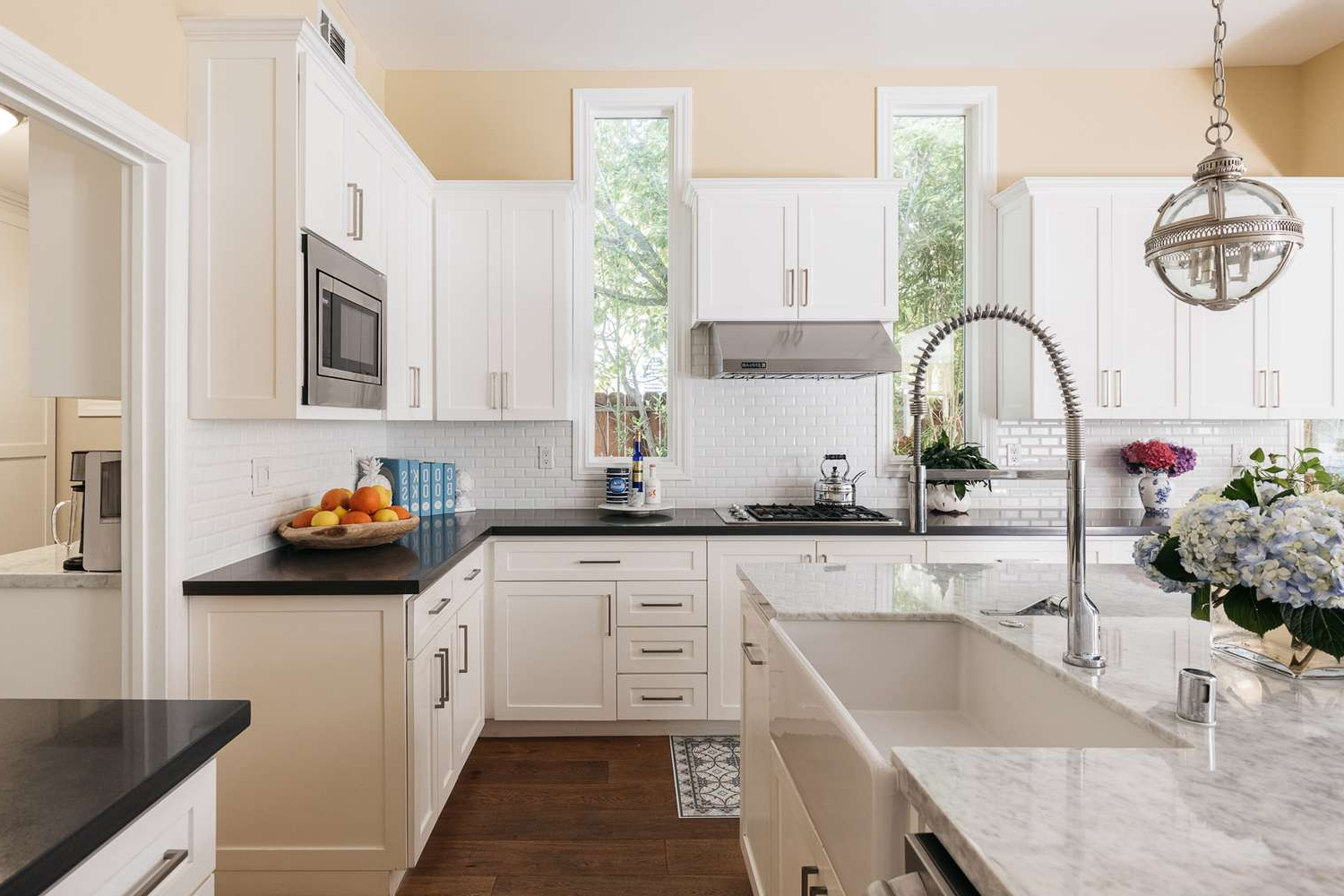
[sps_html tag=”img” src=”https://roofdrivein.com/wp-content/uploads/2026/01/styles-101-modern-contemporary-kitchens-for-how-to-choose-the-right-materials-for-contemporary-kitchen-design-scaled.jpg” alt=”Styles 101: Modern & Contemporary Kitchens for How to choose the right materials for contemporary kitchen design” style=”width: 100%; height: auto;”]
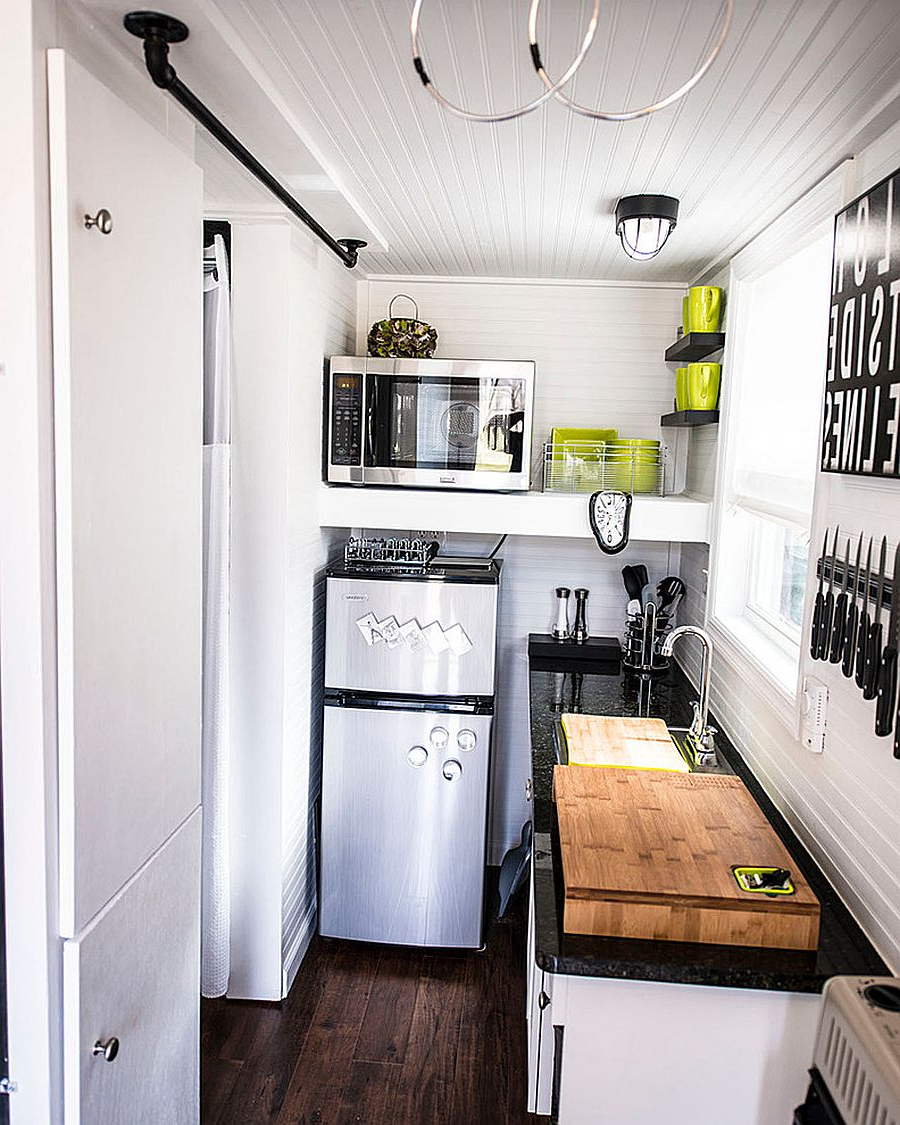
[sps_html tag=”img” src=”https://roofdrivein.com/wp-content/uploads/2026/01/modern-beautiful-kitchen-design-ideas-intended-for-modern-kitchen-decor.jpg” alt=”Modern & Beautiful Kitchen Design Ideas intended for Modern Kitchen Decor” style=”width: 100%; height: auto;”]
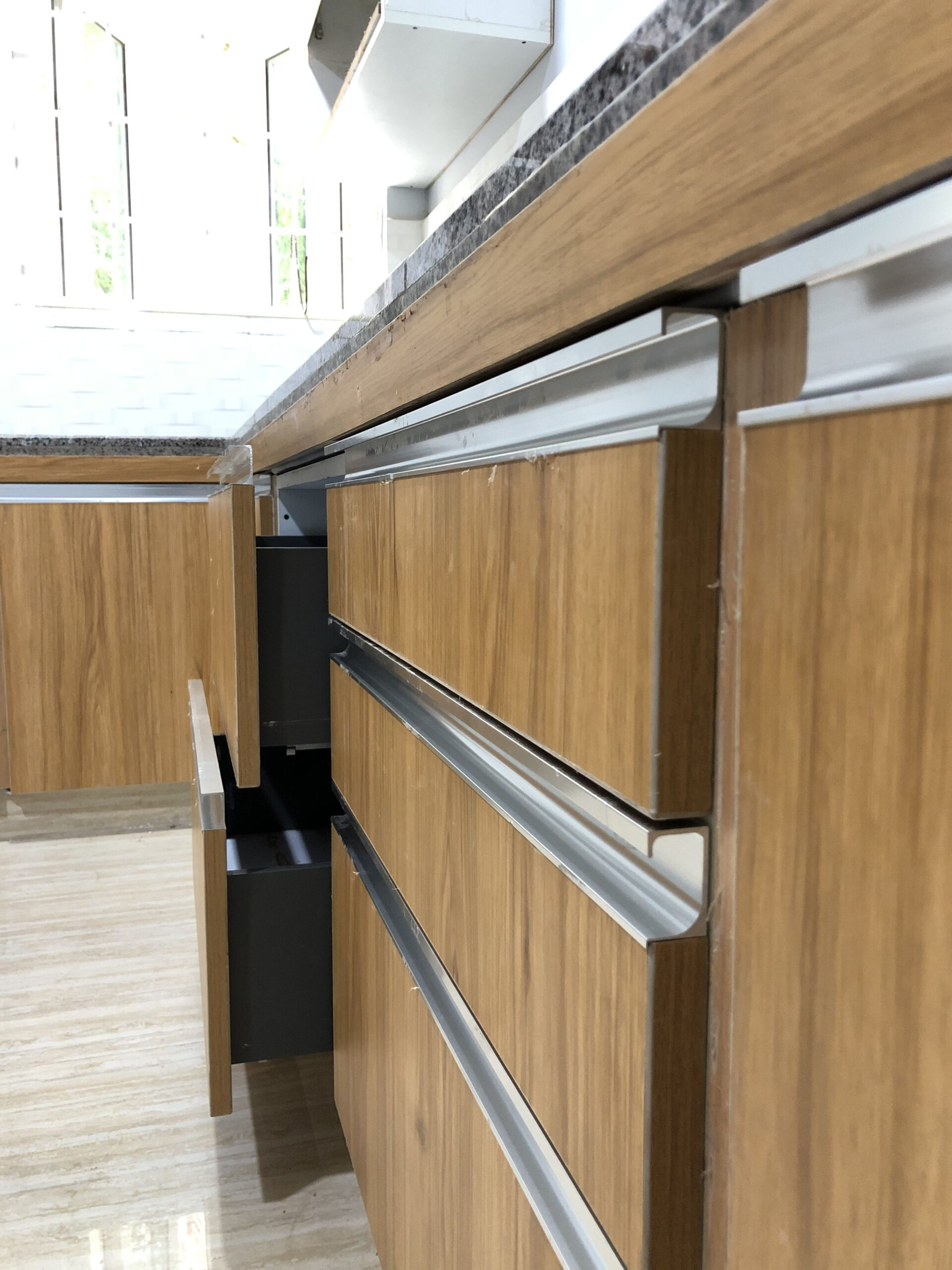
[sps_html tag=”img” src=”https://roofdrivein.com/wp-content/uploads/2026/01/how-to-remodel-a-contemporary-kitchen-designs-throughout-modern-kitchen-decor-scaled.jpg” alt=”How To Remodel A Contemporary Kitchen Designs throughout Modern Kitchen Decor” style=”width: 100%; height: auto;”]
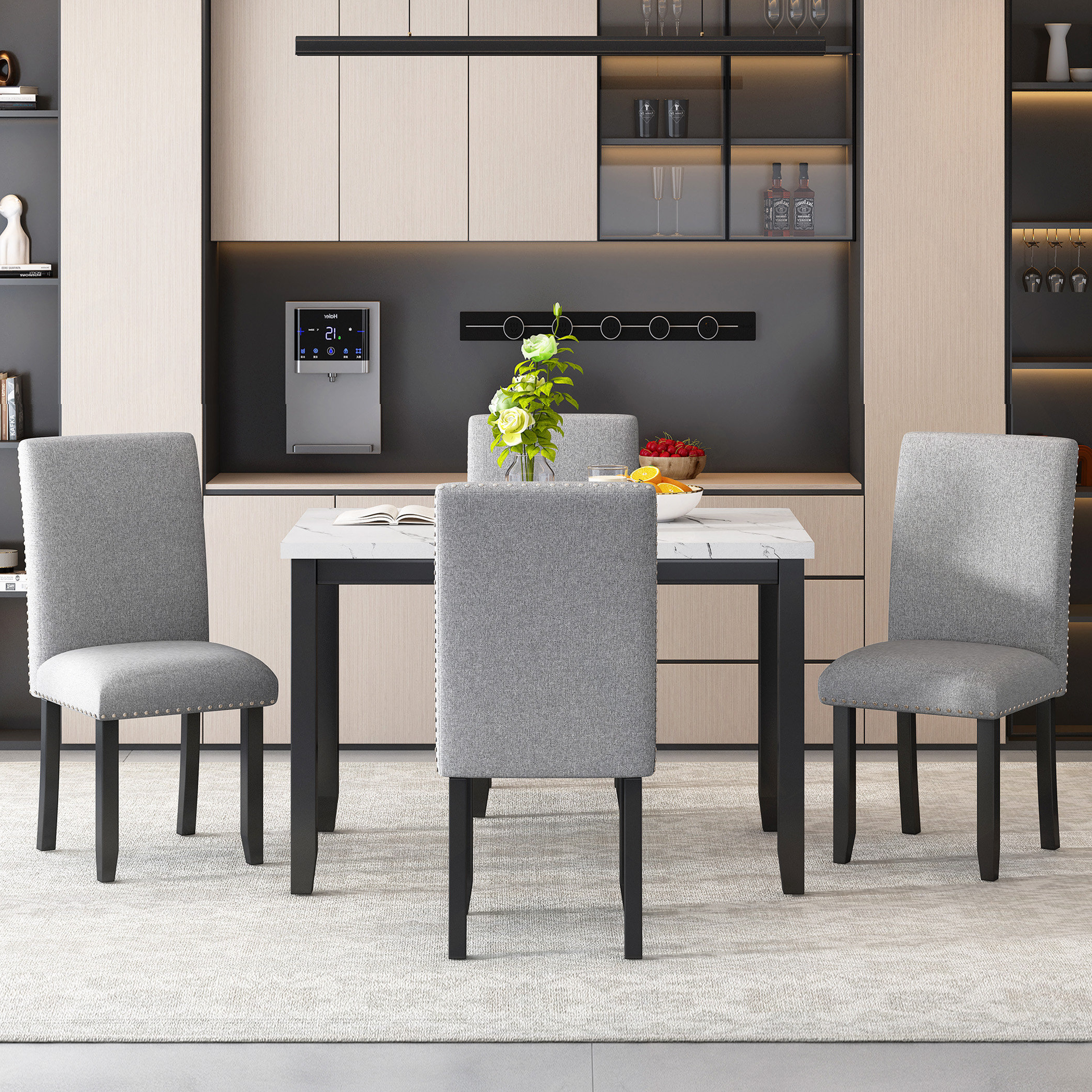
[sps_html tag=”img” src=”https://roofdrivein.com/wp-content/uploads/2026/01/30-modern-kitchen-design-ideas-with-modern-kitchen-decor.jpg” alt=”30 Modern Kitchen Design Ideas with Modern Kitchen Decor” style=”width: 100%; height: auto;”]
[sps_html tag=”img” src=”https://roofdrivein.com/wp-content/uploads/2026/01/16-innovative-modern-kitchen-design-ideas-that-create-your-dream-kitchen-regarding-modern-kitchen-decor.jpg” alt=”16 Innovative Modern Kitchen Design Ideas That Create Your Dream Kitchen. regarding Modern Kitchen Decor” style=”width: 100%; height: auto;”]