Your kitchen is more than just a place to cook – it’s the heart of your home. The right paint colors can completely change how you feel about this vital space. Whether you want to make it feel cozy, bright, or sophisticated, choosing the perfect color is key. But with so many options out there, how do you know which one will work best? Let’s explore the art and science of selecting kitchen paint colors that truly make your dream space come alive.
Walking into a kitchen can be a sensory experience. It’s where aromas fill the air, where laughter echoes, and where memories are made. The colors you choose for your kitchen walls play a huge role in setting the tone for all of that. You might think it’s simple enough to pick something that looks nice, but there’s actually quite a bit more to consider when choosing paint colors for your kitchen. The right palette can make your space feel larger, more inviting, or even more functional. It’s not just about personal preference – it’s about understanding how colors interact with light, your existing décor, and your daily routine. So let’s dive into what makes a great kitchen paint color choice.
Understanding Color Psychology in the Kitchen
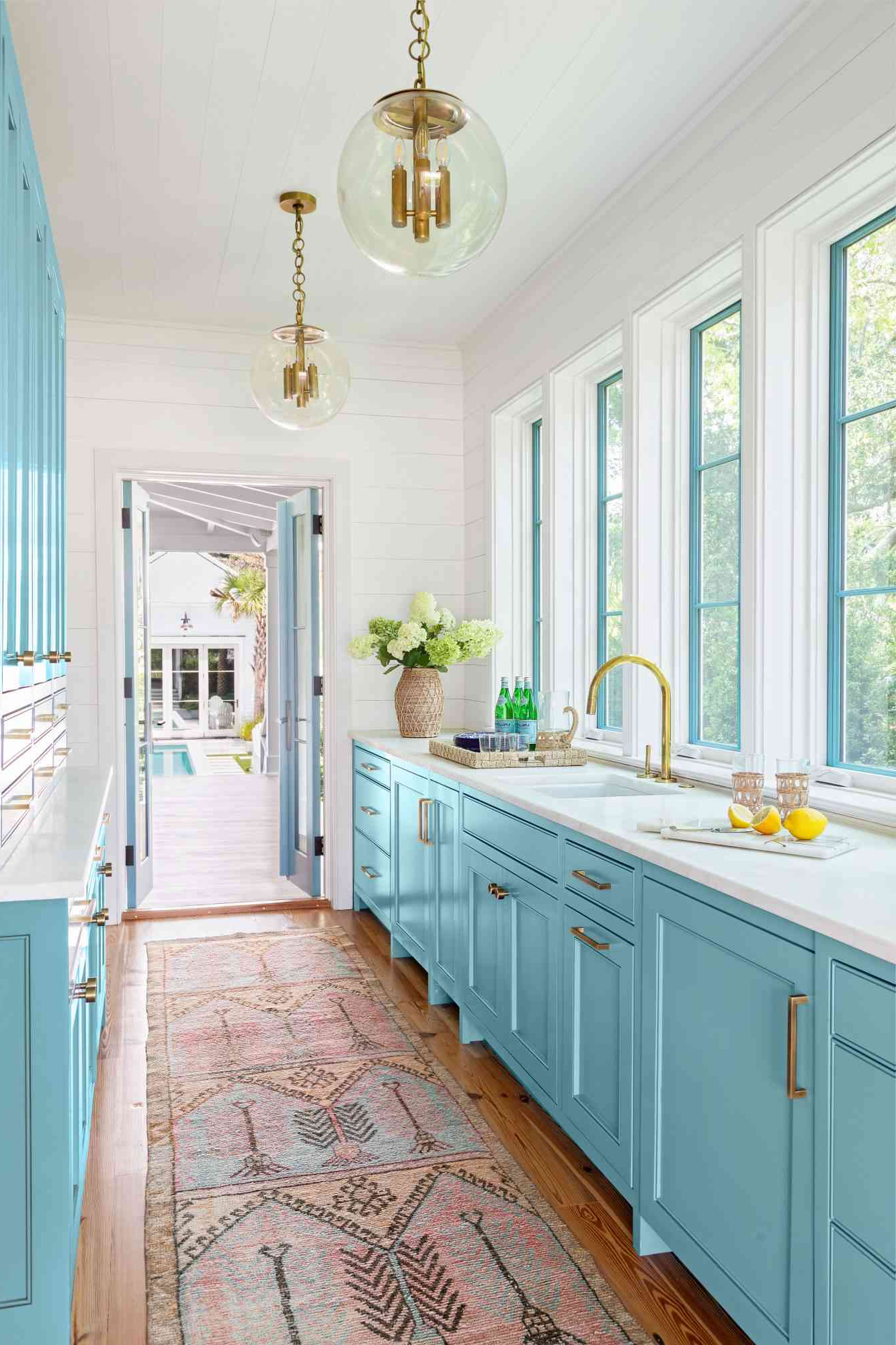
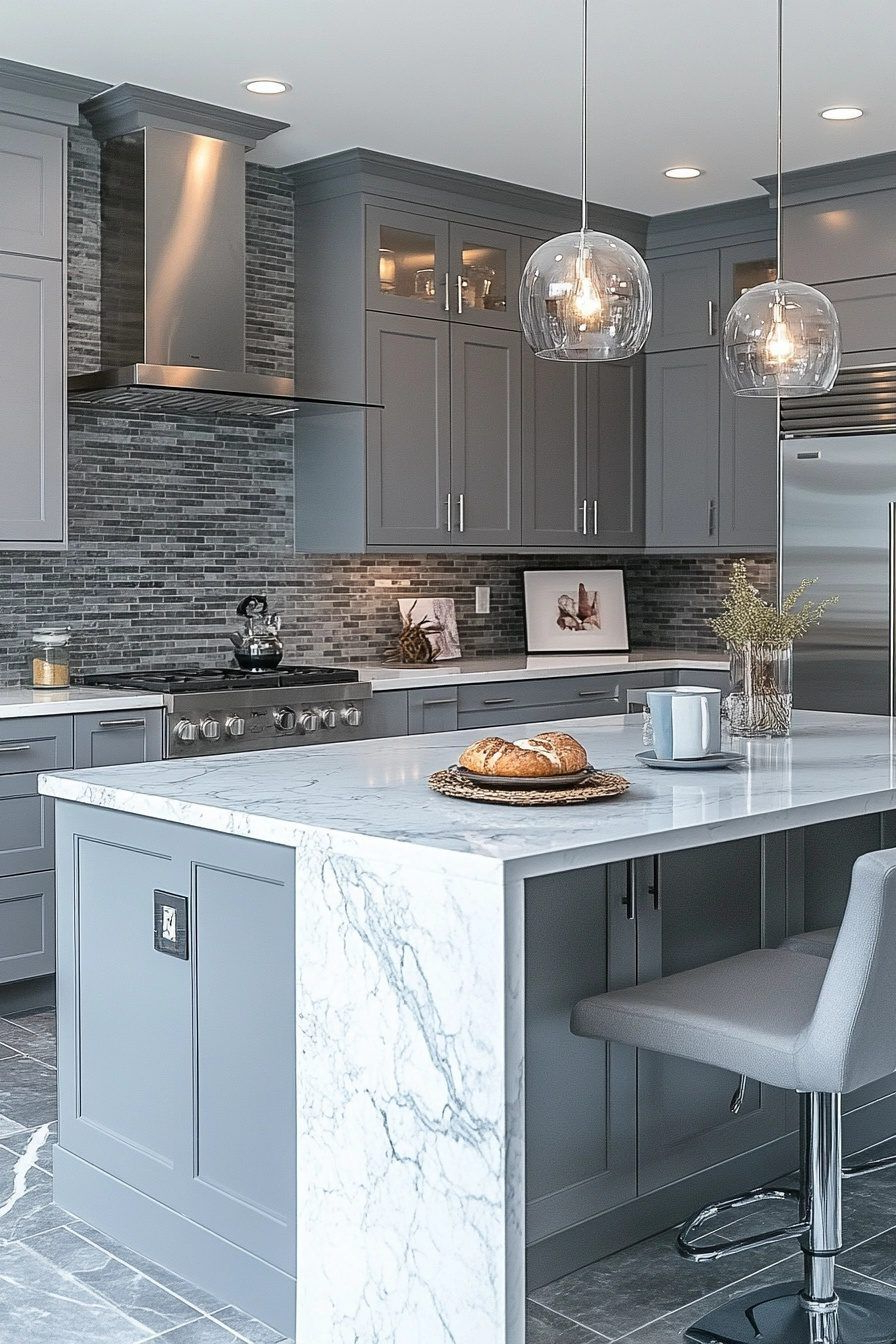
Colors have the power to influence our moods and behaviors. In a kitchen, this is especially important because you spend a lot of time there. Warm tones like reds and oranges can stimulate appetite and create a welcoming atmosphere. They’re perfect if you love to cook and entertain. Cool blues and greens, on the other hand, can promote calmness and clarity. These are great choices if you want a more serene cooking environment. Neutral shades such as beige, gray, and soft whites offer versatility and timeless appeal. They work well with most kitchen styles and allow you to easily change accents without worrying about the walls. Consider what kind of energy you want to bring into your kitchen. Do you want it to feel lively and energetic, or peaceful and relaxing? That’s often a good starting point for narrowing down your choices.
Lighting Considerations for Kitchen Painting
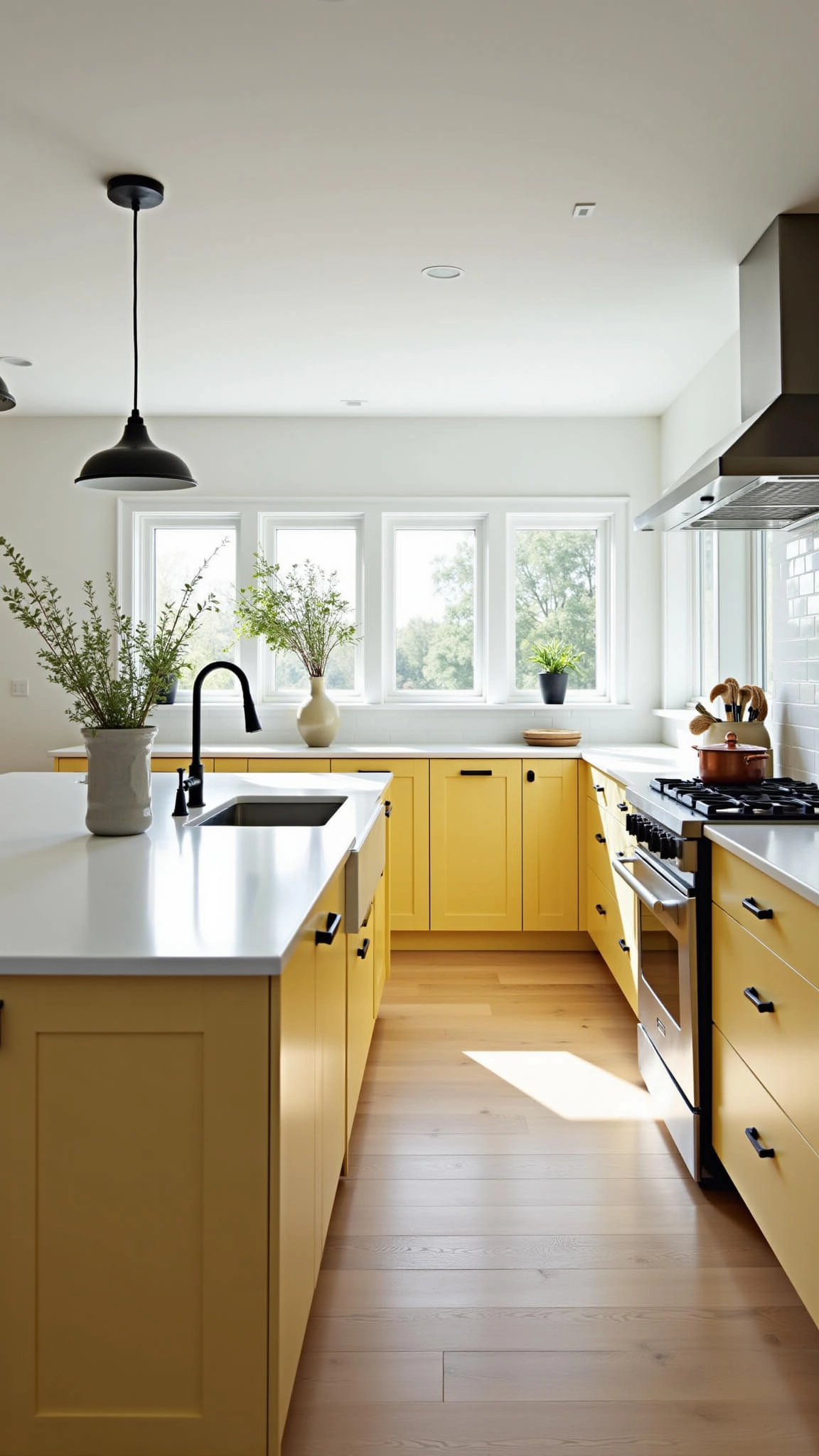
One of the most crucial factors affecting how paint colors appear in your kitchen is lighting. Natural light changes throughout the day, and artificial lighting can dramatically alter the way a color looks. A color that appears perfect during daylight might look completely different under evening lights. Before you commit to a shade, test it in different lighting conditions. Look at how it appears in the morning sun, midday light, and evening glow. Some colors look amazing in bright sunlight but appear flat or muddy in dimmer lighting. For kitchens with limited natural light, lighter colors tend to work better. They reflect light and make spaces feel more open. If you have abundant natural light, you can experiment with deeper, richer hues. Consider the type of bulbs you use too. LED lights can make colors appear cooler, while incandescent bulbs give off warmer tones. Testing samples in your actual kitchen space helps avoid surprises later.
Matching Colors with Your Existing Kitchen Elements
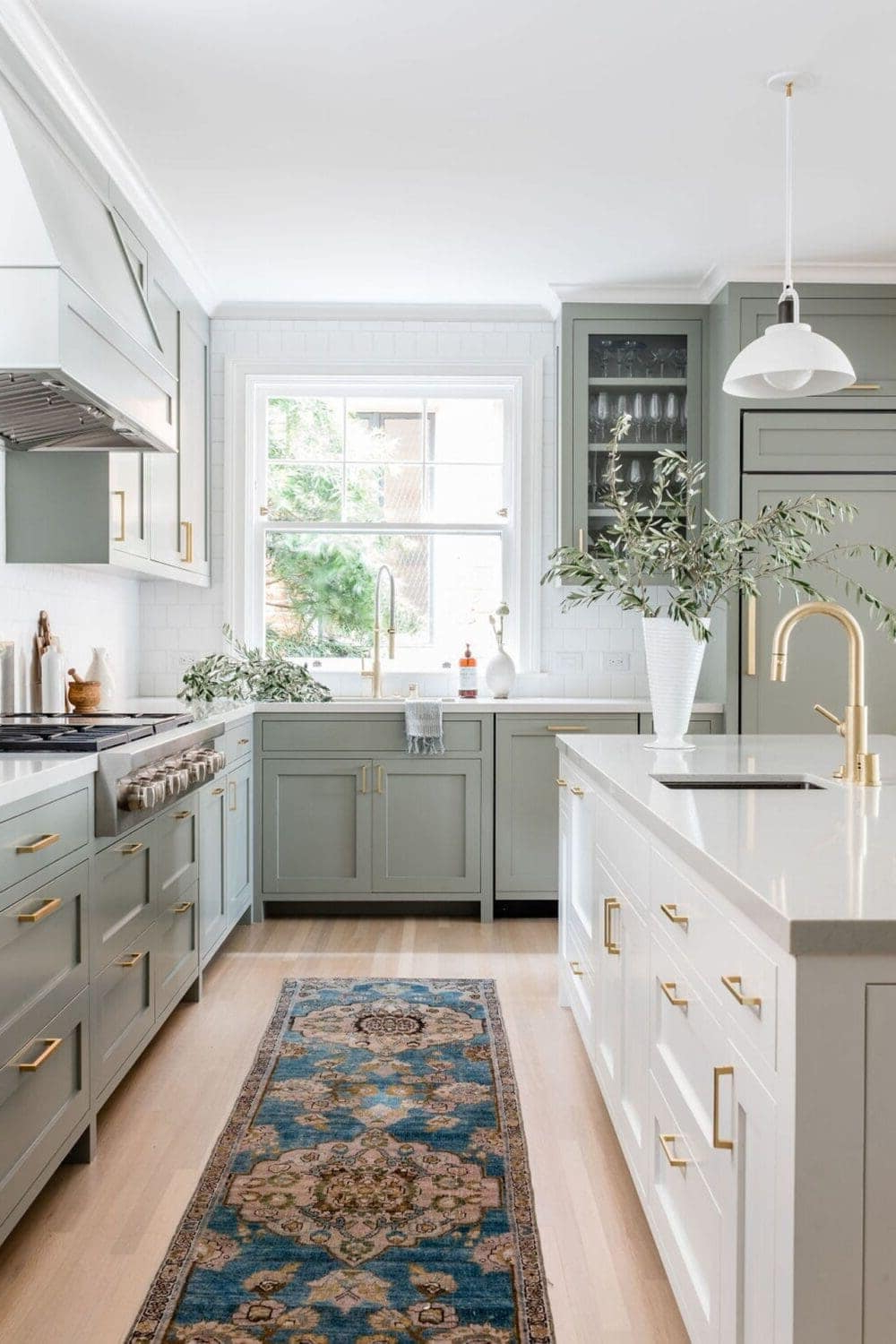
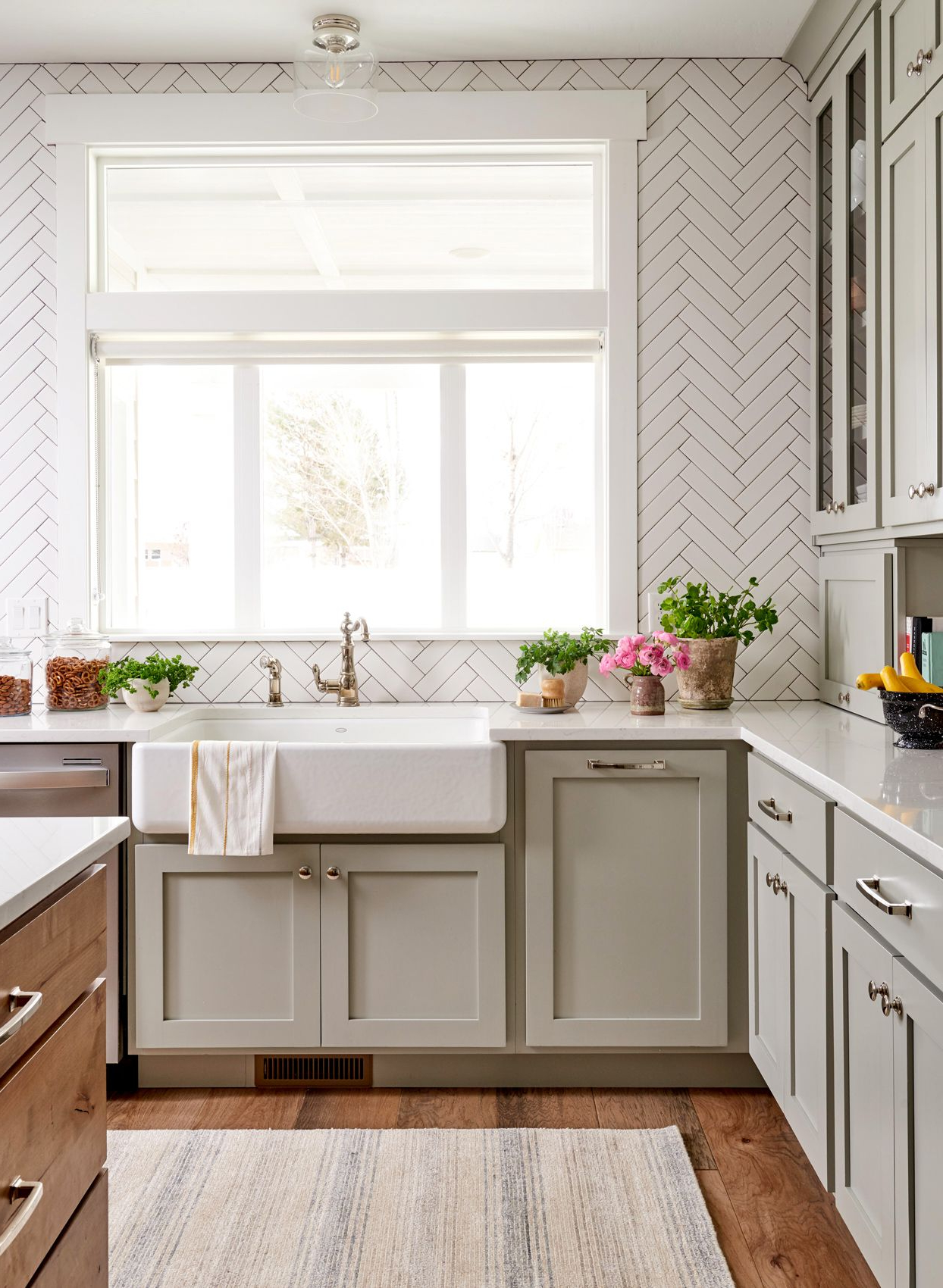
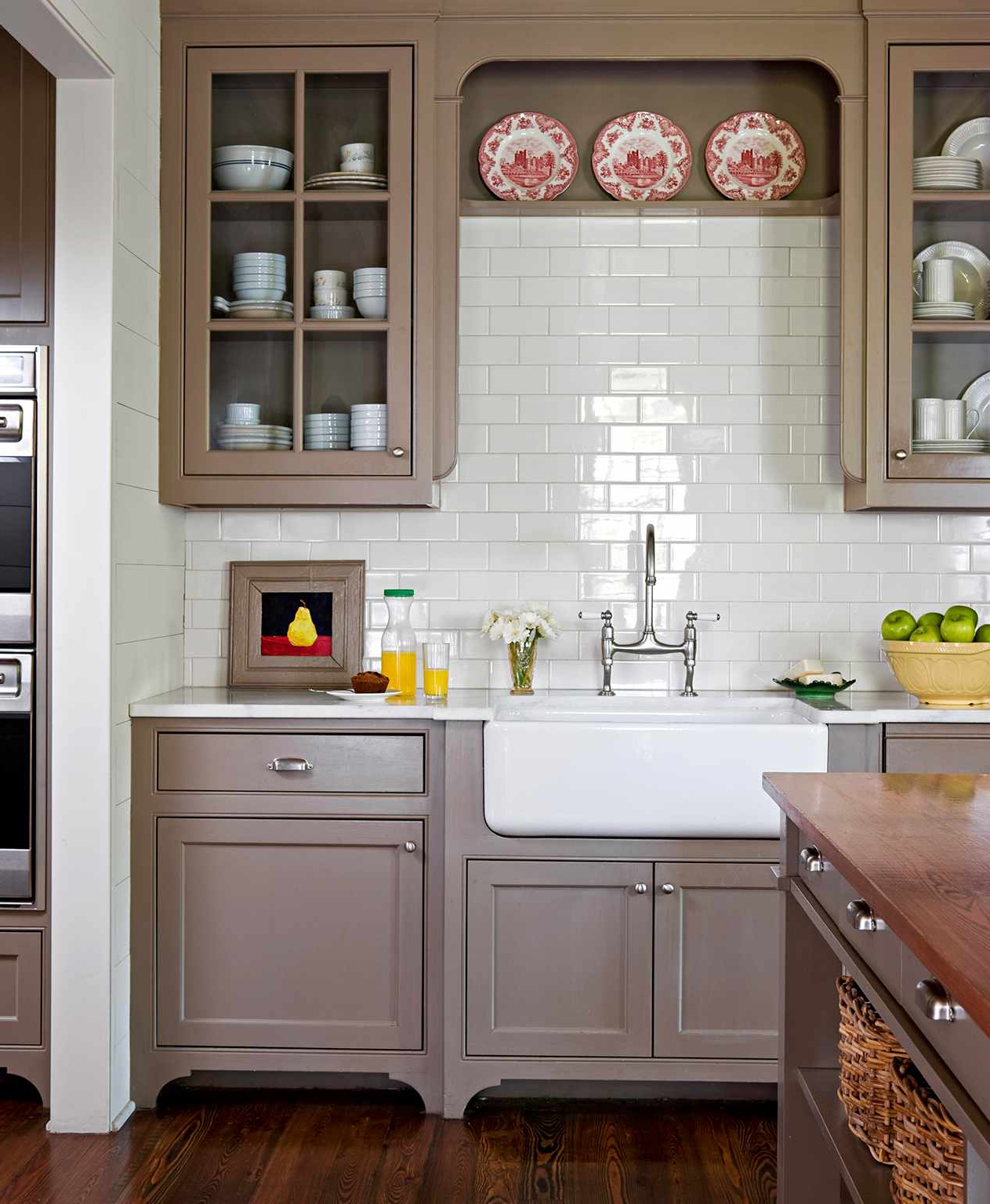
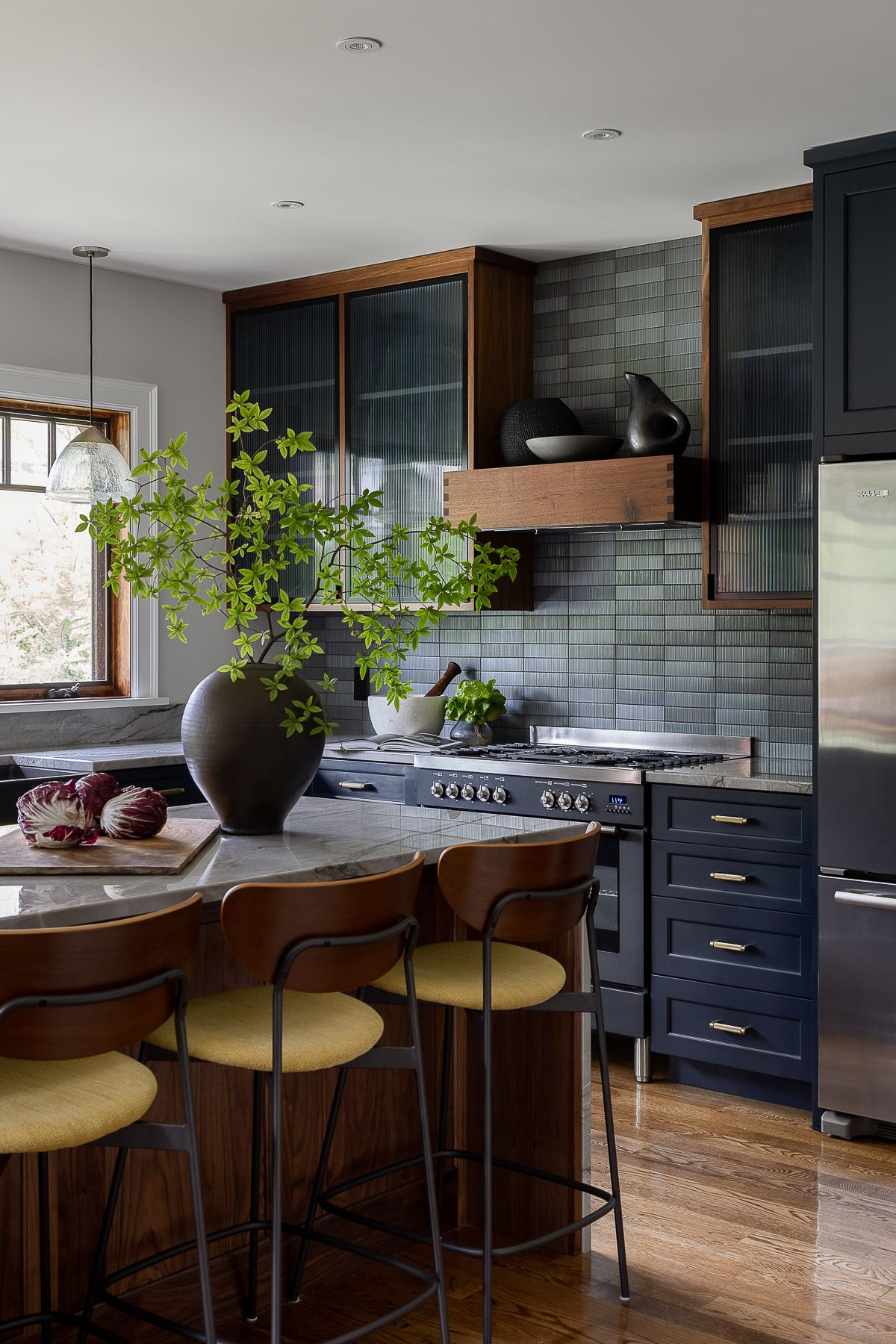
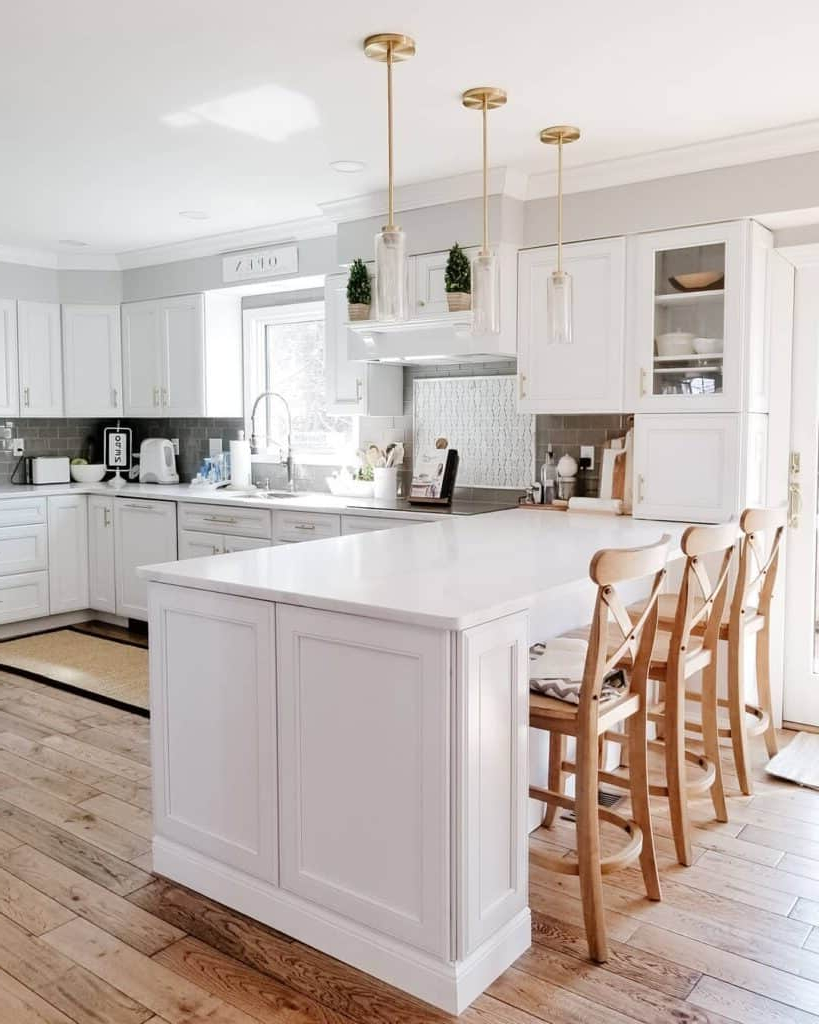
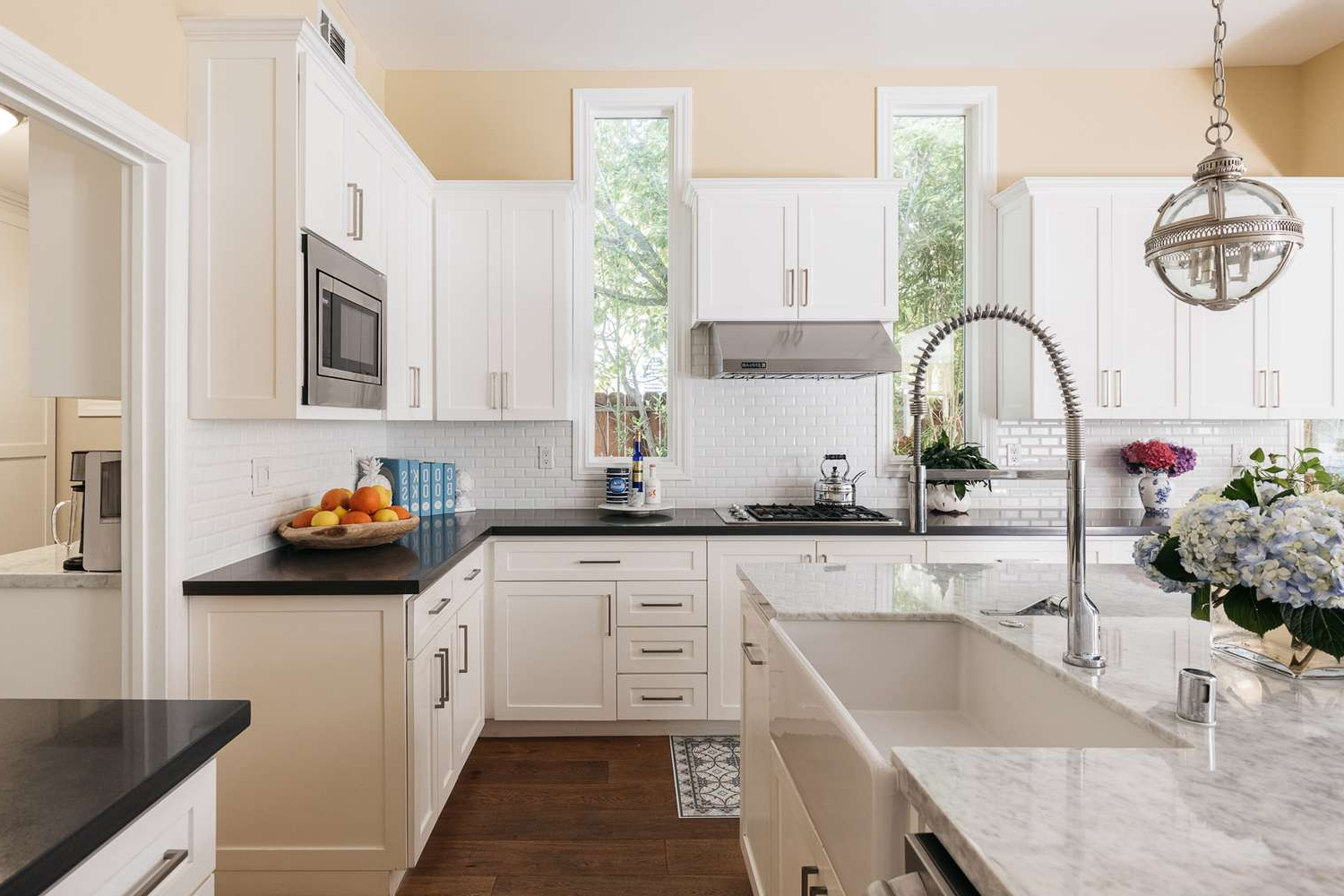
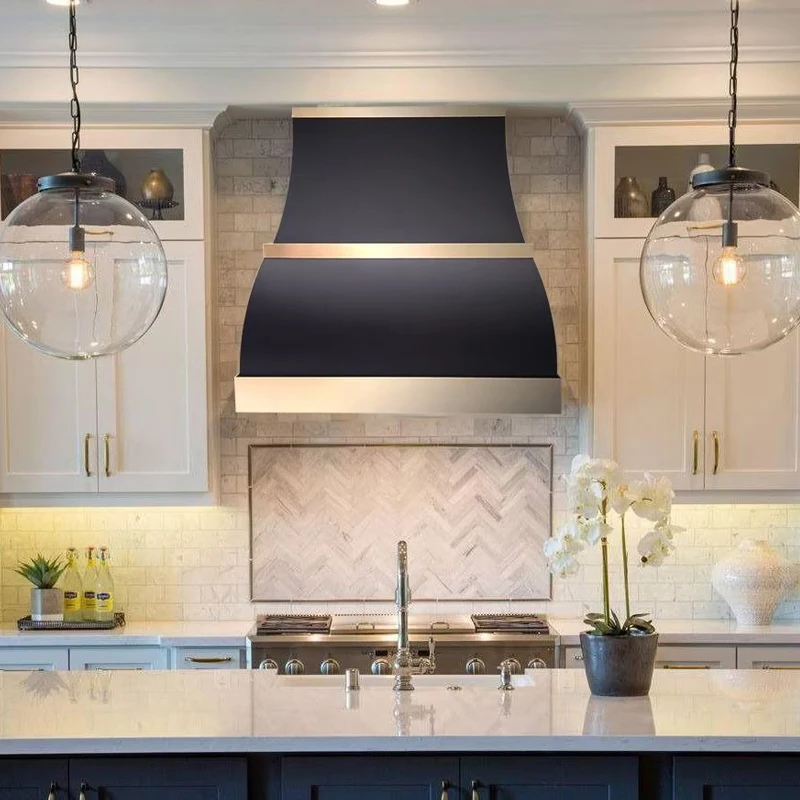
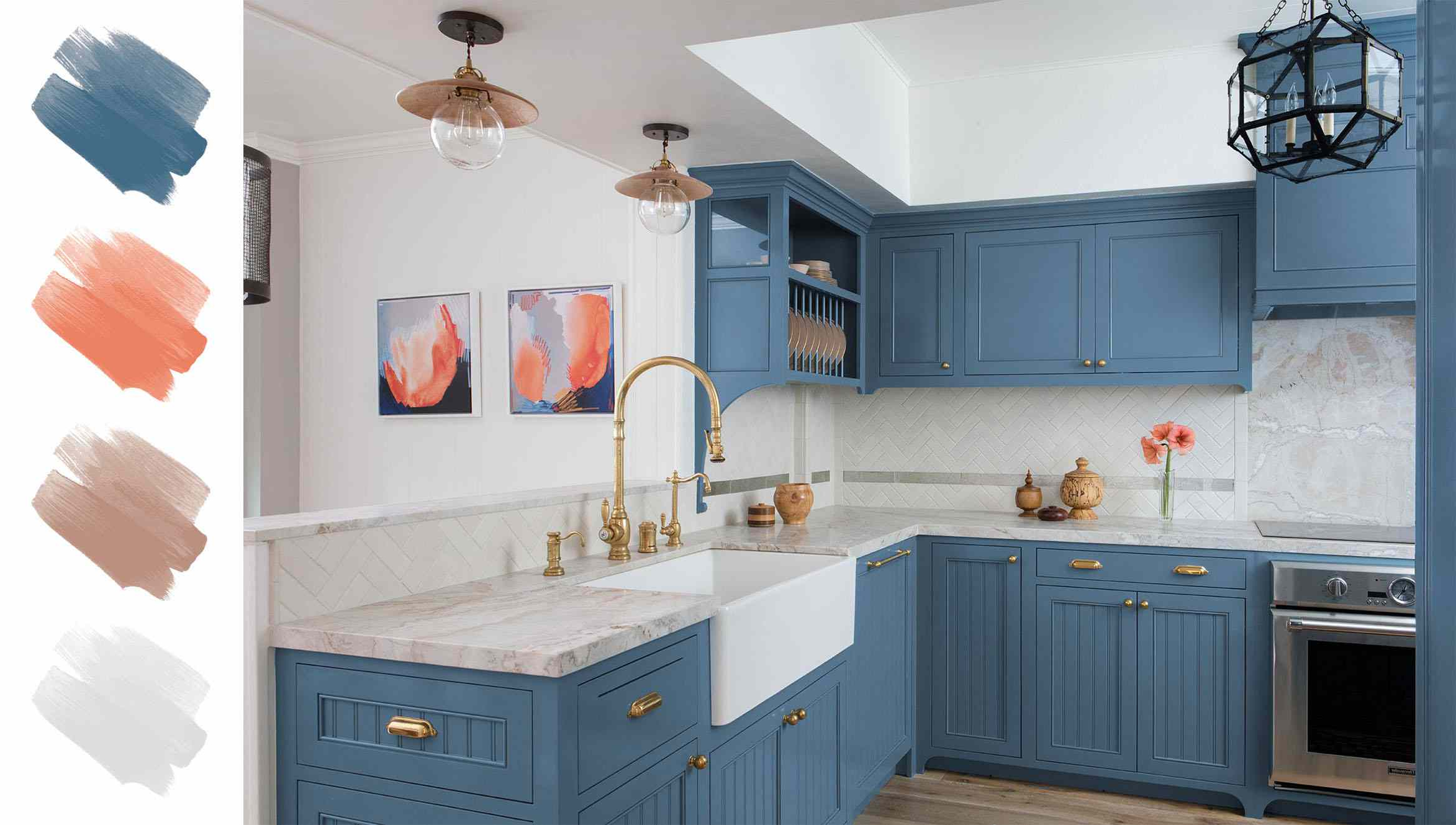
Your kitchen’s current features play a major role in determining which paint colors will work best. Take a close look at your cabinets, countertops, flooring, and appliances. These elements often set the foundation for your color scheme. If you have classic white cabinets, you might want to consider a soft blue or green wall color to add interest. Dark wood cabinets could benefit from a light, neutral wall color to balance the richness. Stainless steel appliances pair beautifully with both warm and cool tones. But if you have black appliances, you’ll want to choose paint colors that complement rather than compete with them. Think about your backsplash too – if it’s patterned, you might want a solid wall color to provide contrast. The key is creating harmony between all these elements. Sometimes a little color coordination goes a long way in making your kitchen feel intentional and put together.
Room Size and Ceiling Height Impact
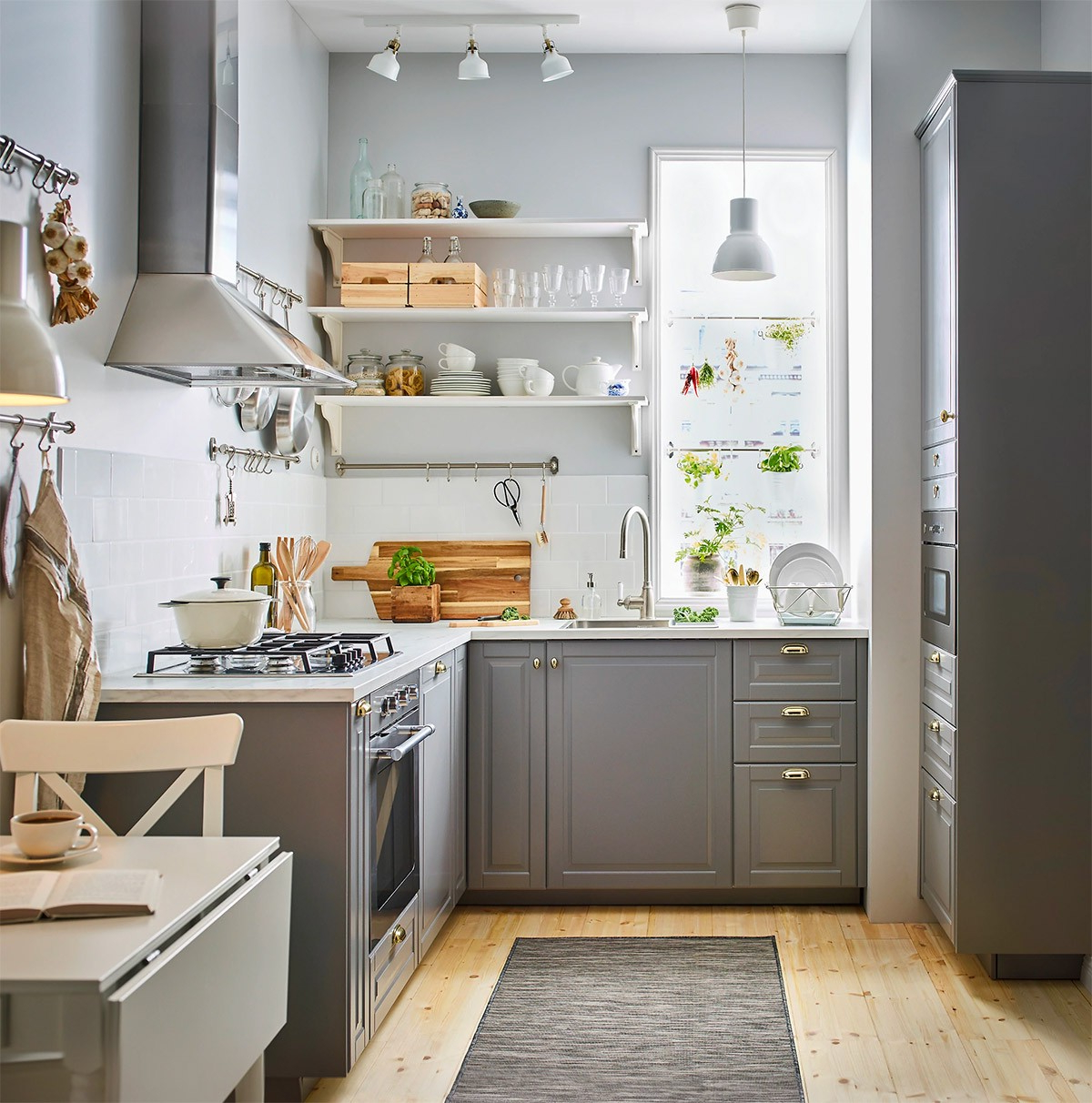
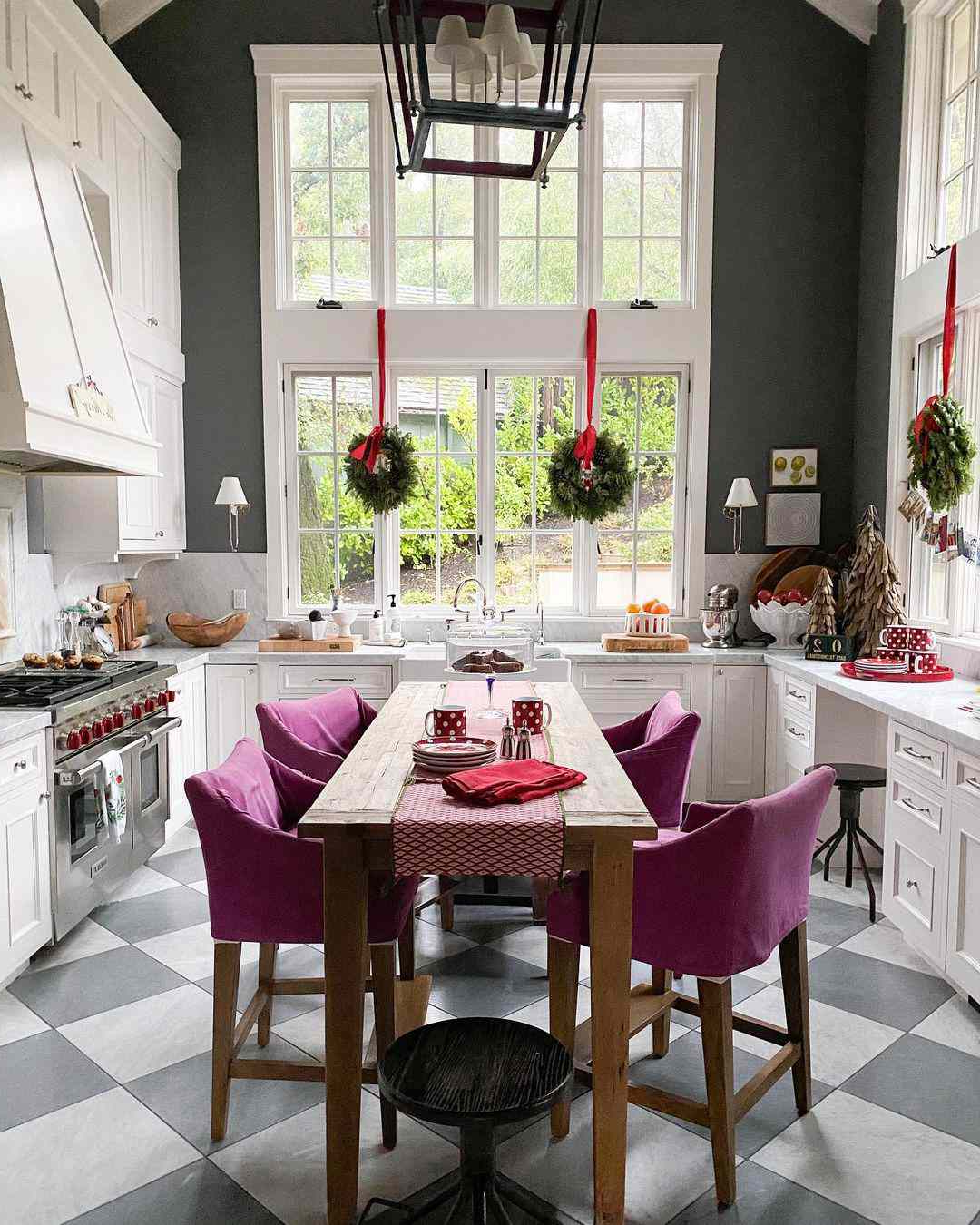
The physical dimensions of your kitchen significantly affect how paint colors will look and feel. In smaller kitchens, lighter colors can make the space feel more spacious and airy. Darker colors, while beautiful, can make a small room feel cramped and claustrophobic. If you have high ceilings, you have more flexibility with color choices. You can use darker shades on lower walls without making the room feel smaller. Low ceilings, however, benefit from light, bright colors that draw the eye upward. Consider the proportions of your space when making decisions. A kitchen with vaulted ceilings might handle deep forest green or navy blue walls. But a compact kitchen with standard 8-foot ceilings might be better served by a crisp white or soft gray. Don’t forget about the ceiling itself – painting it a slightly lighter shade than the walls can help make the room feel taller and more open.
Popular Trends vs. Timeless Choices
Kitchen color trends come and go, but some colors stand the test of time. Classic neutrals like white, cream, and warm gray never go out of style. They provide a solid base that allows you to update your kitchen with new accessories and appliances over time. Current trends might include bold accent walls in deep teal or warm terracotta, but these can quickly become outdated. However, that doesn’t mean you should avoid trendy colors entirely. Instead, think about incorporating them strategically. For example, you might choose a trending color for one accent wall while keeping the rest of the kitchen in a timeless neutral. This approach gives you the opportunity to enjoy current trends without committing fully to something that might not suit you in a few years. The key is balancing personal taste with longevity. You want your kitchen to feel fresh and exciting, but also to remain functional and appealing for years to come.
Practical Tips for Testing and Finalizing Your Choice
Before you buy gallons of paint, take time to properly test your options. Start by purchasing small sample pots of your top contenders. Apply them to large poster boards or small sections of your kitchen walls. Leave them for several days to see how they look in different lighting conditions. Pay attention to how they appear at various times of day. Some people prefer to test colors in their kitchen using small paint samples on actual walls. You can also ask friends or family to view your choices and provide honest feedback. Remember that you’ll live with your decision for years, so trust your instincts but also consider others’ perspectives. Don’t forget to factor in the cost of paint and supplies. Buying samples first can save you from costly mistakes. Also, consider the texture and finish of the paint. Flat finishes hide imperfections well but aren’t easy to clean. Eggshell or satin finishes offer a good balance of durability and appearance for kitchen walls. Finally, make sure to account for any color variations between paint batches. Always purchase enough paint at once to ensure consistency across your entire project.
Choosing the right kitchen paint colors is both an art and a science. It requires understanding how colors behave, how they interact with your space’s unique characteristics, and how they’ll serve you long-term. Whether you’re drawn to the warmth of earth tones, the freshness of whites, or the sophistication of modern grays, remember that the best color is one that makes you happy every time you enter your kitchen. Don’t rush the process – take time to consider all the factors we’ve discussed. Test your choices thoroughly, think about how they’ll look in different lighting, and make sure they complement your existing elements. Most importantly, choose colors that reflect your personality and lifestyle. Your dream kitchen isn’t just about aesthetics – it’s about creating a space where you want to spend time. With thoughtful consideration and careful execution, you’ll find that the right paint colors can transform your kitchen from merely functional to truly magical.
[sps_html tag=”img” src=”https://roofdrivein.com/wp-content/uploads/2026/01/32-kitchen-color-ideas-to-brighten-your-home-pertaining-to-kitchen-ideas-color-schemes.jpg” alt=”32 Kitchen Color Ideas To Brighten Your Home pertaining to Kitchen Ideas Color Schemes” style=”width: 100%; height: auto;”]
[sps_html tag=”img” src=”https://roofdrivein.com/wp-content/uploads/2026/01/41-kitchen-color-ideas-for-a-look-youll-love-for-how-to-choose-the-right-kitchen-paint-colors-for-your-dream-space.jpg” alt=”41 Kitchen Color Ideas For A Look You’ll Love for How to choose the right kitchen paint colors for your dream space” style=”width: 100%; height: auto;”]
[sps_html tag=”img” src=”https://roofdrivein.com/wp-content/uploads/2026/01/kitchen-cabinet-and-wall-color-combinations-things-in-the-kitchen-in-kitchen-ideas-color-schemes.jpeg” alt=”Kitchen Cabinet And Wall Color Combinations – Things In The Kitchen in Kitchen Ideas Color Schemes” style=”width: 100%; height: auto;”]
[sps_html tag=”img” src=”https://roofdrivein.com/wp-content/uploads/2026/01/6-beautiful-kitchen-color-schemes-for-every-style-per-designers-throughout-kitchen-ideas-color-schemes.jpg” alt=”6 Beautiful Kitchen Color Schemes For Every Style, Per Designers throughout Kitchen Ideas Color Schemes” style=”width: 100%; height: auto;”]
[sps_html tag=”img” src=”https://roofdrivein.com/wp-content/uploads/2026/01/25-winning-kitchen-color-schemes-for-a-look-youll-love-forever-with-regard-to-kitchen-ideas-color-schemes.jpg” alt=”25 Winning Kitchen Color Schemes For A Look You'll Love Forever with regard to Kitchen Ideas Color Schemes” style=”width: 100%; height: auto;”]