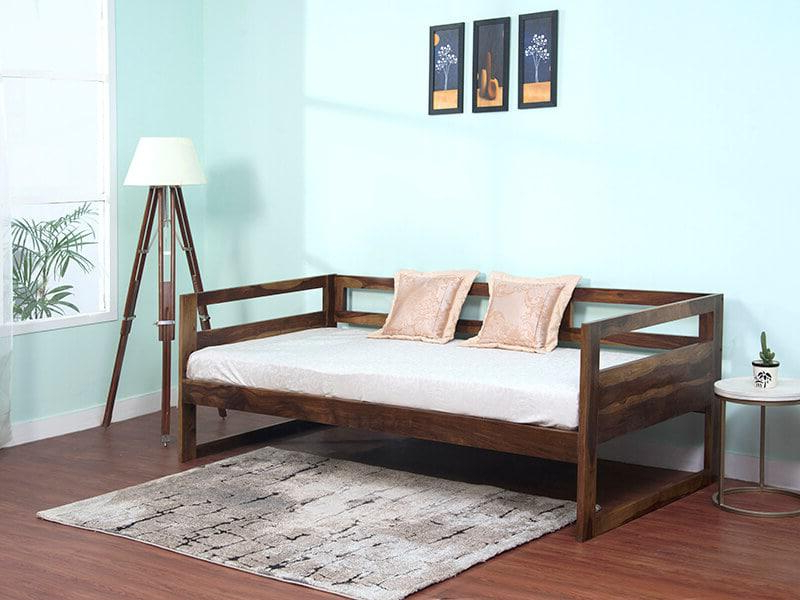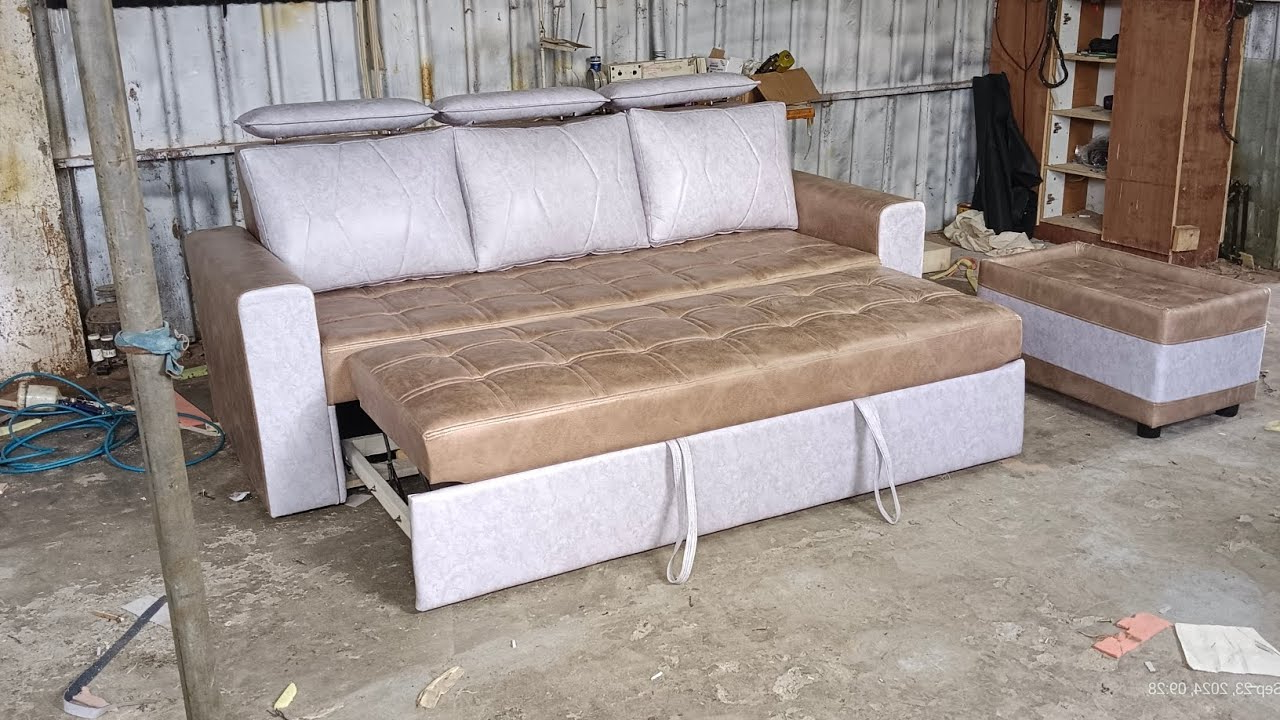
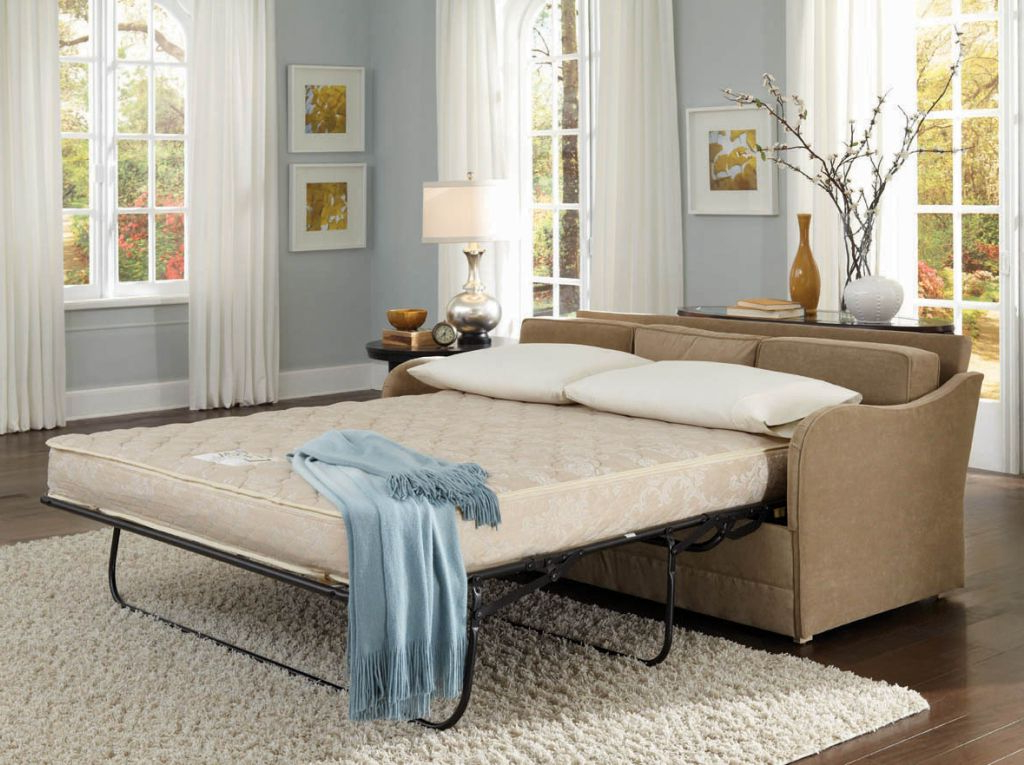
Living in a tiny apartment or compact bedroom can feel like a constant battle against limited square footage. But what if we told you there’s a way to solve two problems at once? Enter the sofa bed – that magical piece of furniture that transforms from a comfortable seating area during the day into a cozy sleeping spot at night. It’s not just about saving space; it’s about smart design that adapts to your lifestyle. For those of us who live in smaller spaces, finding the perfect sofa bed isn’t just about looking good – it’s about making every inch count.
When you’re working with limited bedroom space, every piece of furniture needs to earn its keep. A sofa bed isn’t just a couch that folds up – it’s a strategic investment in your daily routine. Think about it: you’re spending roughly one-third of your life sleeping, and you want that time to be comfortable. Meanwhile, you still need a place to relax, entertain guests, and maybe even work from home. That’s where the magic happens. The right sofa bed becomes your secret weapon for maximizing functionality without sacrificing aesthetics. It’s not about choosing between comfort and space – it’s about finding the perfect balance between both.
Size Matters: Measuring Your Compact Space
Before you even think about style or color, you must start with measurements. This might sound basic, but it’s the foundation of everything else. Take precise measurements of your bedroom floor space, including any awkward corners or unusual shapes. Consider the doorways too – will your chosen sofa bed fit through them? Don’t forget to account for clearance around the piece. What happens when you unfold it? You’ll want enough room to walk around comfortably. A standard sofa bed measures about 75 inches wide and 30 inches deep when folded, but some models can be larger or smaller. Some ultra-compact options measure just 60 inches wide. The key is to find that sweet spot where the sofa bed fits perfectly without feeling cramped or making your room feel smaller than it already is. Also consider how much storage space you have available. If you’re going for a traditional sleeper sofa, you might need to store bedding elsewhere when it’s folded up.
The Anatomy of a Good Sofa Bed
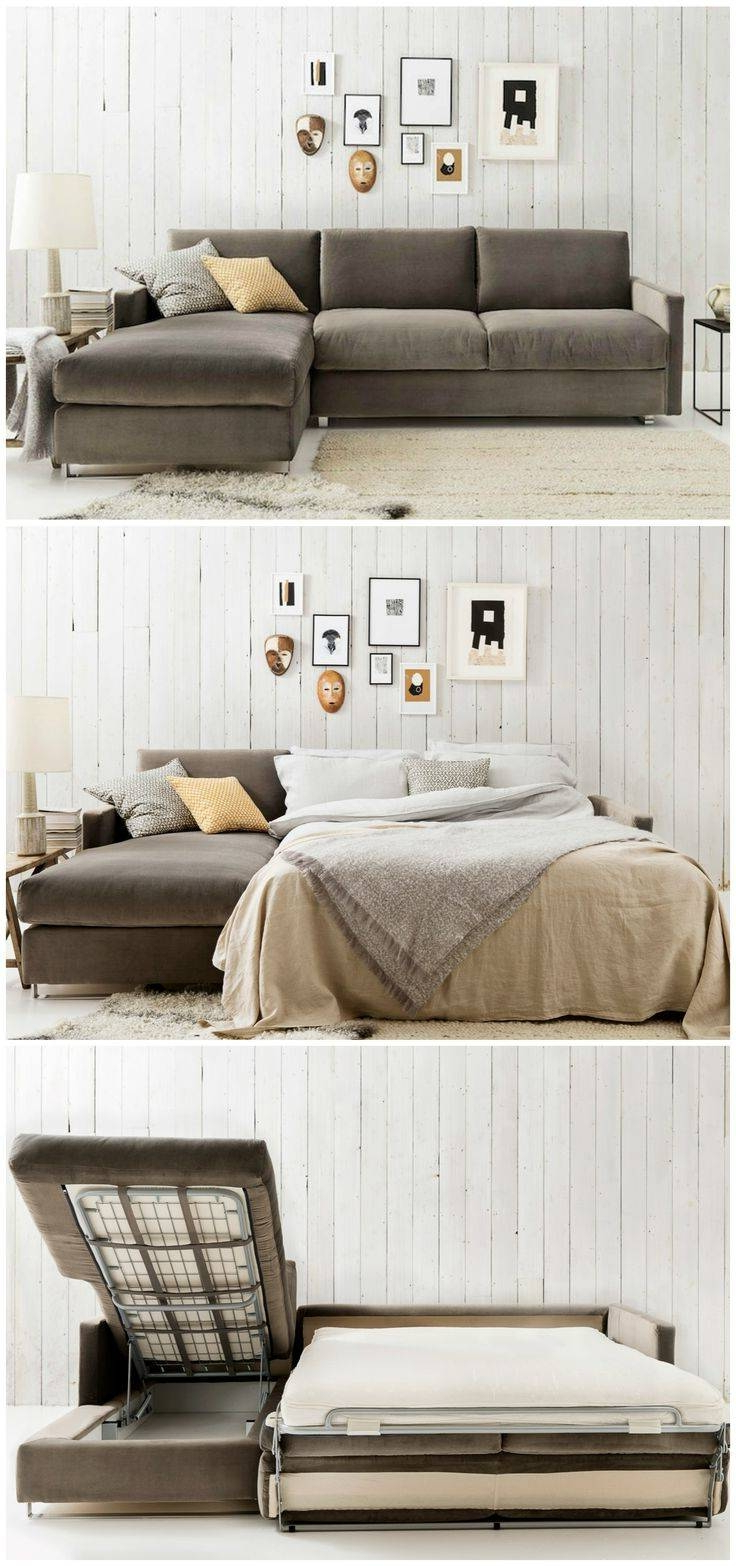
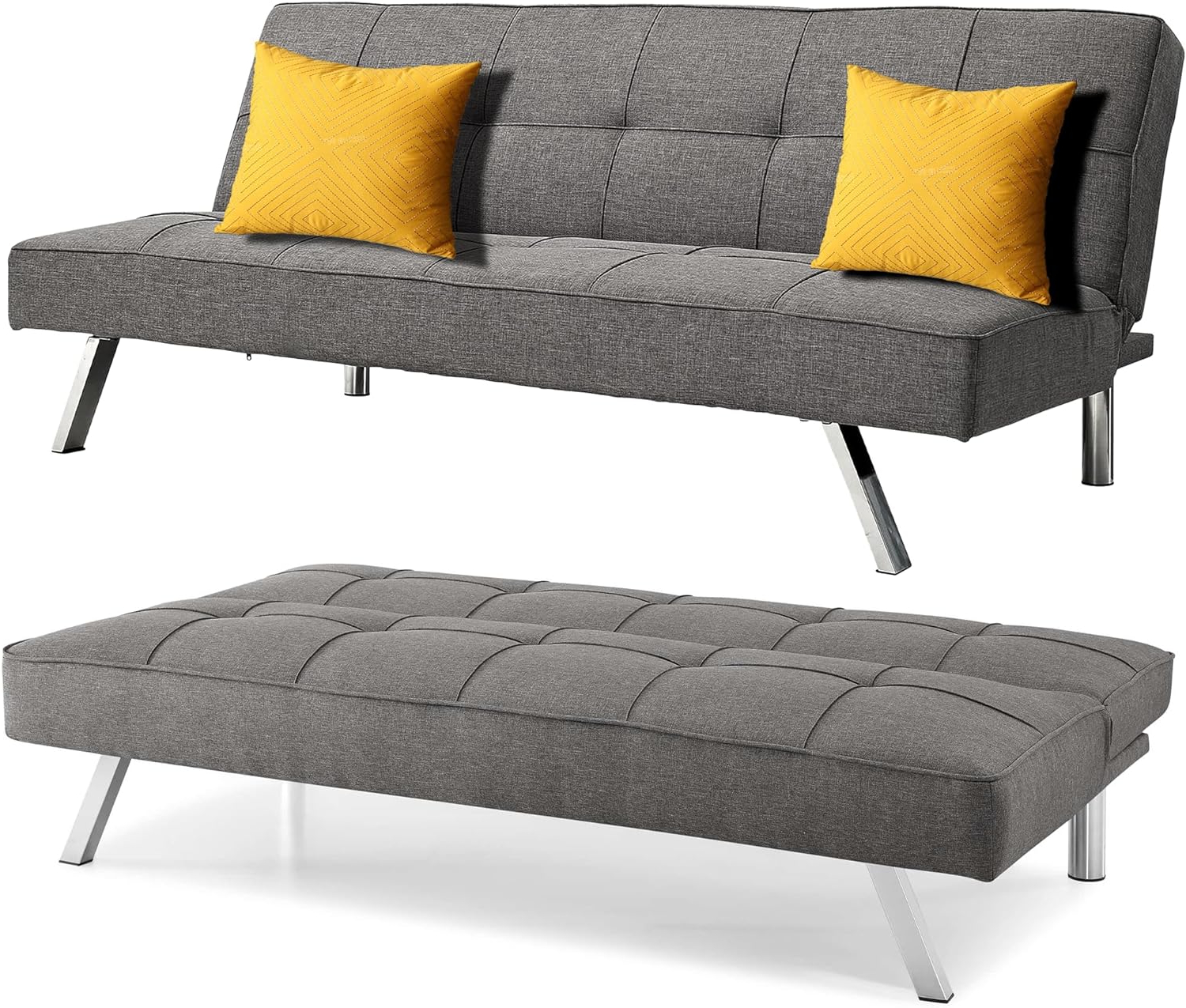
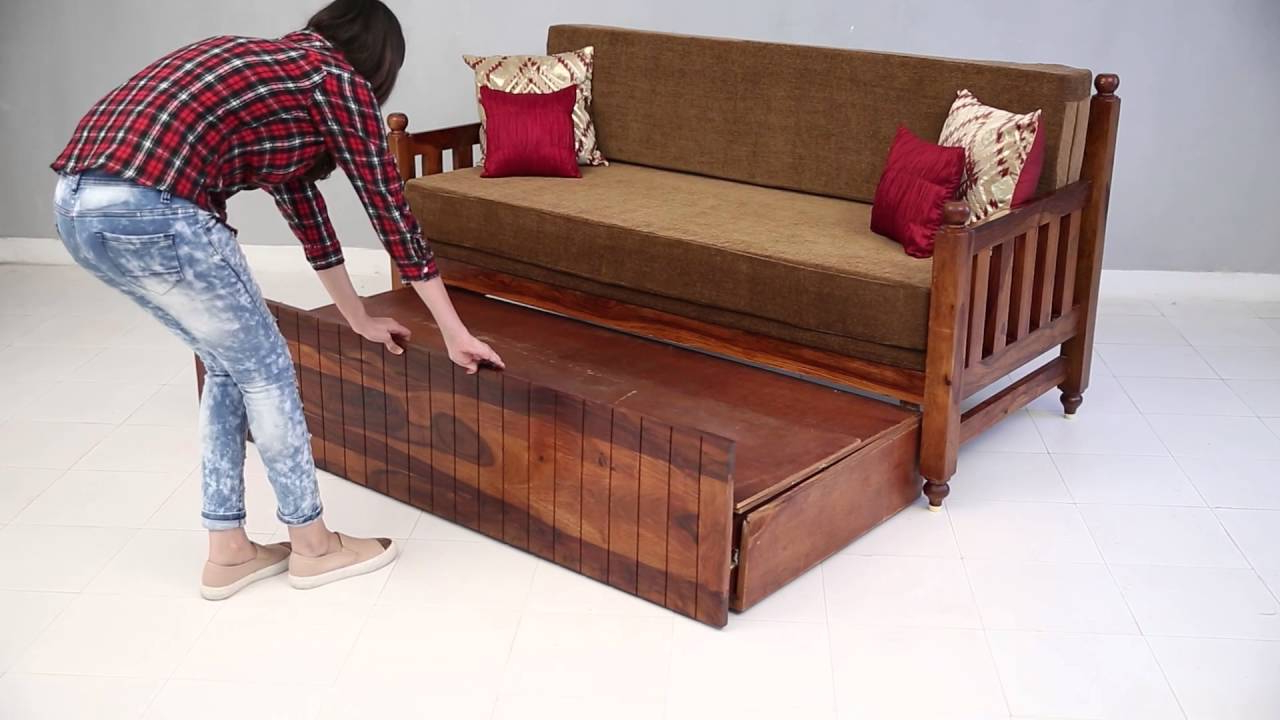
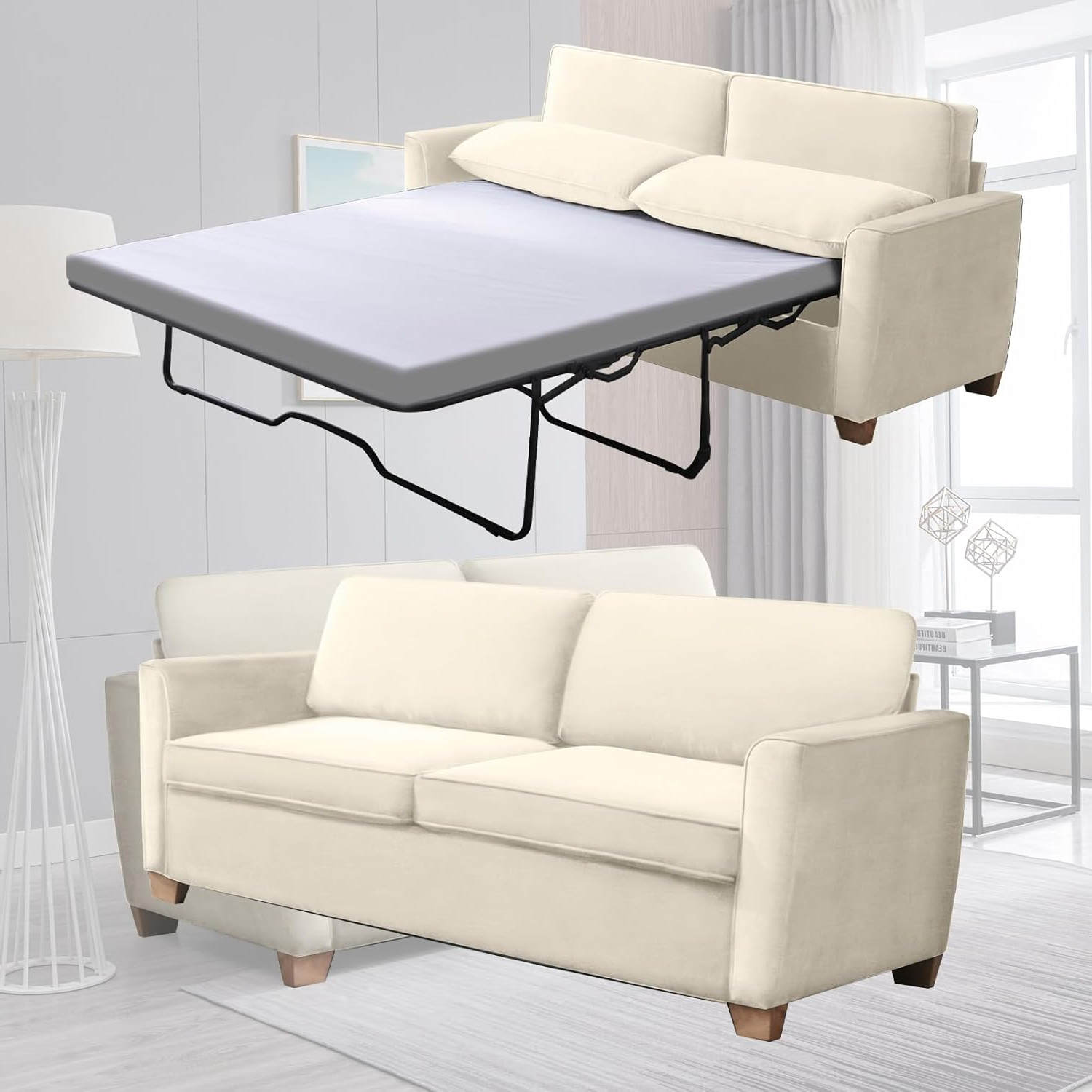
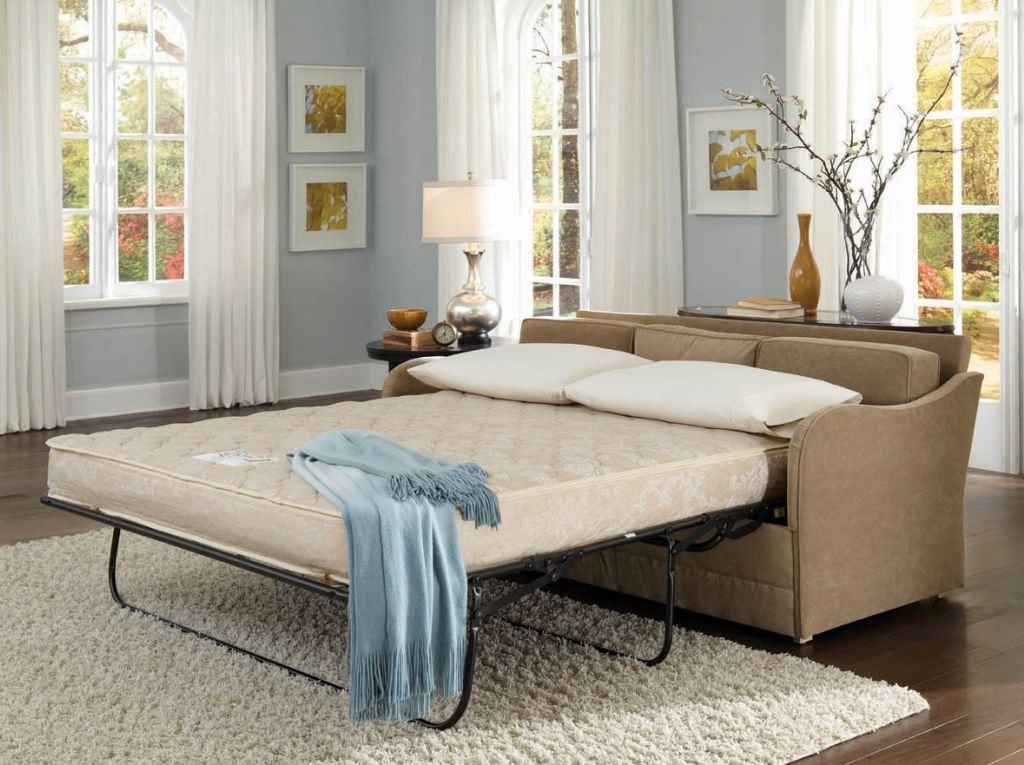
Not all sofa beds are created equal. Understanding the different types helps you choose the right one for your needs. There are several main categories to consider. The most common type is the traditional sleeper sofa, which usually has a spring mechanism that allows it to convert into a bed. These often come with a built-in mattress that’s typically 8 inches thick. Another popular option is the pull-out sofa bed, which unfolds from a compact frame. These tend to be more budget-friendly and easier to move around. Then there are the futon-style options, which are more flexible and often feature a simpler folding mechanism. Each type comes with its own set of pros and cons. For example, traditional sleeper sofas offer better comfort but may take up more space when unfolded. Pull-out versions save space but sometimes compromise on sleep quality. Futons are versatile but may not provide the same level of support as traditional options. Pay attention to the materials used too – a good sofa bed should be made from durable fabrics that can handle daily use.
Material Selection: Fabric and Frame Choices
The material choices for your sofa bed affect both comfort and longevity. Fabric selection is crucial because it determines how well the piece ages and holds up to wear. Look for fabrics that are easy to clean and resistant to stains. Microfiber is a popular choice because it’s soft, durable, and relatively easy to maintain. Leather offers a luxurious look and feel, though it requires more care. Cotton blends provide breathability and comfort. For the frame, hardwoods like oak or maple are sturdier than particle board. Metal frames can be lighter but might not offer the same durability. Some modern sofa beds use composite materials that combine strength with lightweight properties. Consider your lifestyle when choosing materials. If you have kids or pets, you might prefer more robust fabrics that can handle accidents or scratches. If you’re sensitive to allergens, look for hypoallergenic options or materials that resist dust mites. The frame should also be sturdy enough to support the weight of the mattress and regular use over time.
Comfort and Support: Sleeping Quality Matters
Let’s talk about the most important part – how well you sleep. Many people make the mistake of focusing on appearance rather than comfort. When choosing a sofa bed, consider the mattress thickness and firmness. A good sofa bed mattress should be at least 8 inches thick to provide adequate support. Too thin and you’ll end up with a hard, uncomfortable surface. Too thick and it might not fold properly or could be difficult to store. The firmness level depends on personal preference, but generally speaking, medium-firm mattresses work best for most people. Some sofa beds come with memory foam layers that conform to your body shape. Others feature pocket springs for better airflow and support. Pay attention to the edge support too – you don’t want to roll off the side when you’re lying down. Also consider the mattress cover. Some are removable and washable, which makes maintenance much easier. The overall construction affects how the mattress behaves over time. A poorly constructed mattress may sag or lose its shape after extended use. Remember, you’ll be using this piece regularly, so investing in quality sleep surfaces pays off in the long run.
Storage Solutions and Hidden Features
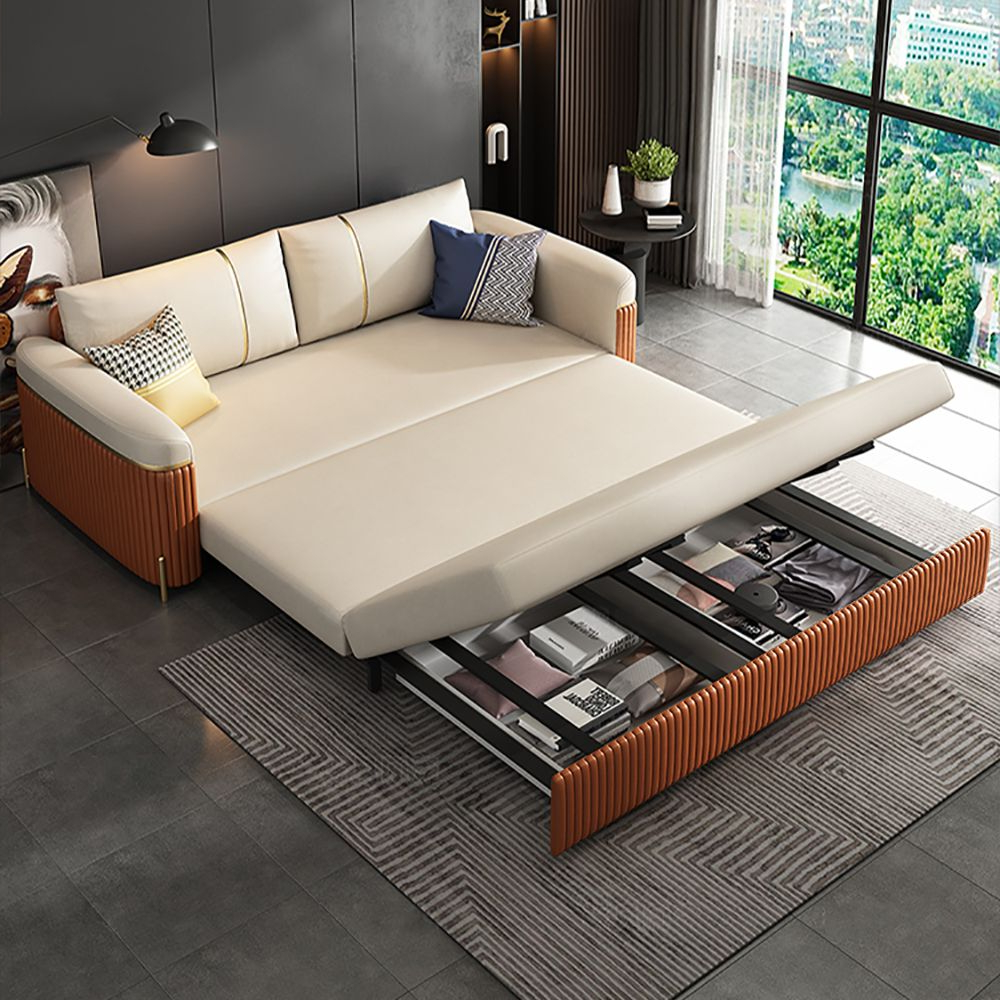
One of the biggest advantages of a sofa bed in a small space is the potential for hidden storage. Many modern designs incorporate storage compartments within the frame. These can be perfect for storing extra blankets, pillows, or seasonal items. Some sofa beds have drawers built into the base, while others feature storage boxes that slide out. Consider whether you want to keep bedding in the storage compartment or if you prefer separate storage solutions. The placement of storage is also important – you want easy access without having to move the entire piece. Some models offer additional features like built-in side tables or cup holders. Others include USB ports for charging devices. These little touches can make a big difference in daily convenience. However, be careful not to get carried away with too many features. Sometimes simplicity wins out, especially if you’re working with very limited space. The key is finding the right balance between functionality and minimalism. Remember that storage should enhance rather than complicate your space.
Budget Considerations and Long-Term Value
Sofa beds range widely in price, from under $200 to over $2000. Before you start shopping, determine what you can afford and what you’re willing to invest in. Higher-end models typically offer better materials, construction, and warranty coverage. However, you don’t necessarily need to spend a fortune to find a decent option. Look for sales, clearance items, or seasonal discounts. Quality furniture should last for years, so it’s worth considering the long-term value. Check reviews from people who’ve used the product regularly. Pay attention to complaints about durability or comfort issues. Some brands offer extended warranties that can give you peace of mind. Consider how often you’ll use the sofa bed. If you’re using it frequently, you might want to invest more in quality. If it’s primarily for guests, a mid-range option might suffice. Remember that a good sofa bed is an investment in your daily comfort and living space efficiency. Factor in the cost of replacement if you buy something cheap and it breaks down quickly. Sometimes spending a bit more upfront saves money in the long run.
Choosing the perfect sofa bed for your compact bedroom setup isn’t just about finding something that looks good. It’s about making smart decisions that enhance your daily life while respecting the limitations of your space. From measuring carefully to understanding the different types of construction, each step matters. The right sofa bed should feel comfortable, function well, and blend seamlessly with your existing decor. Don’t rush the process – take time to research and consider your specific needs. Whether you’re entertaining guests regularly or just trying to maximize your living space, the perfect sofa bed can transform your compact bedroom into a functional, stylish retreat. The key is matching the right features to your lifestyle and space constraints. Remember that this piece will become part of your daily routine, so prioritize comfort and durability over flashy appearances. With thoughtful consideration, you can find a sofa bed that serves you well for years to come, making the most of every square inch of your compact space.
[sps_html tag=”img” src=”https://roofdrivein.com/wp-content/uploads/2026/01/10-small-bedroom-layout-ideas-to-maximize-your-space-my-home-my-globe-with-sofa-bed-small-room-ideas.jpeg” alt=”10 Small Bedroom Layout Ideas To Maximize Your Space - My Home My Globe with Sofa Bed Small Room Ideas” style=”width: 100%; height: auto;”]
[sps_html tag=”img” src=”https://roofdrivein.com/wp-content/uploads/2026/01/top-15-of-finding-the-perfect-sofa-for-your-small-bedroom-oasis-with-regard-to-how-to-choose-the-perfect-sofa-bed-for-your-compact-bedroom-setup.jpg” alt=”Top 15 Of Finding The Perfect Sofa For Your Small Bedroom Oasis with regard to How to Choose the Perfect Sofa Bed for Your Compact Bedroom Setup” style=”width: 100%; height: auto;”]
[sps_html tag=”img” src=”https://roofdrivein.com/wp-content/uploads/2026/01/25-best-ideas-small-sectional-sofas-for-small-spaces-intended-for-how-to-choose-the-perfect-sofa-bed-for-your-compact-bedroom-setup-scaled.jpg” alt=”25 Best Ideas Small Sectional Sofas For Small Spaces intended for How to Choose the Perfect Sofa Bed for Your Compact Bedroom Setup” style=”width: 100%; height: auto;”]
[sps_html tag=”img” src=”https://roofdrivein.com/wp-content/uploads/2026/01/20-stylish-small-sofa-bed-designs-for-small-rooms-pertaining-to-how-to-choose-the-perfect-sofa-bed-for-your-compact-bedroom-setup.jpg” alt=”20 Stylish Small Sofa Bed Designs For Small Rooms pertaining to How to Choose the Perfect Sofa Bed for Your Compact Bedroom Setup” style=”width: 100%; height: auto;”]
[sps_html tag=”img” src=”https://roofdrivein.com/wp-content/uploads/2026/01/20-stylish-small-sofa-bed-designs-for-small-rooms-throughout-how-to-choose-the-perfect-sofa-bed-for-your-compact-bedroom-setup.jpg” alt=”20 Stylish Small Sofa Bed Designs For Small Rooms throughout How to Choose the Perfect Sofa Bed for Your Compact Bedroom Setup” style=”width: 100%; height: auto;”]