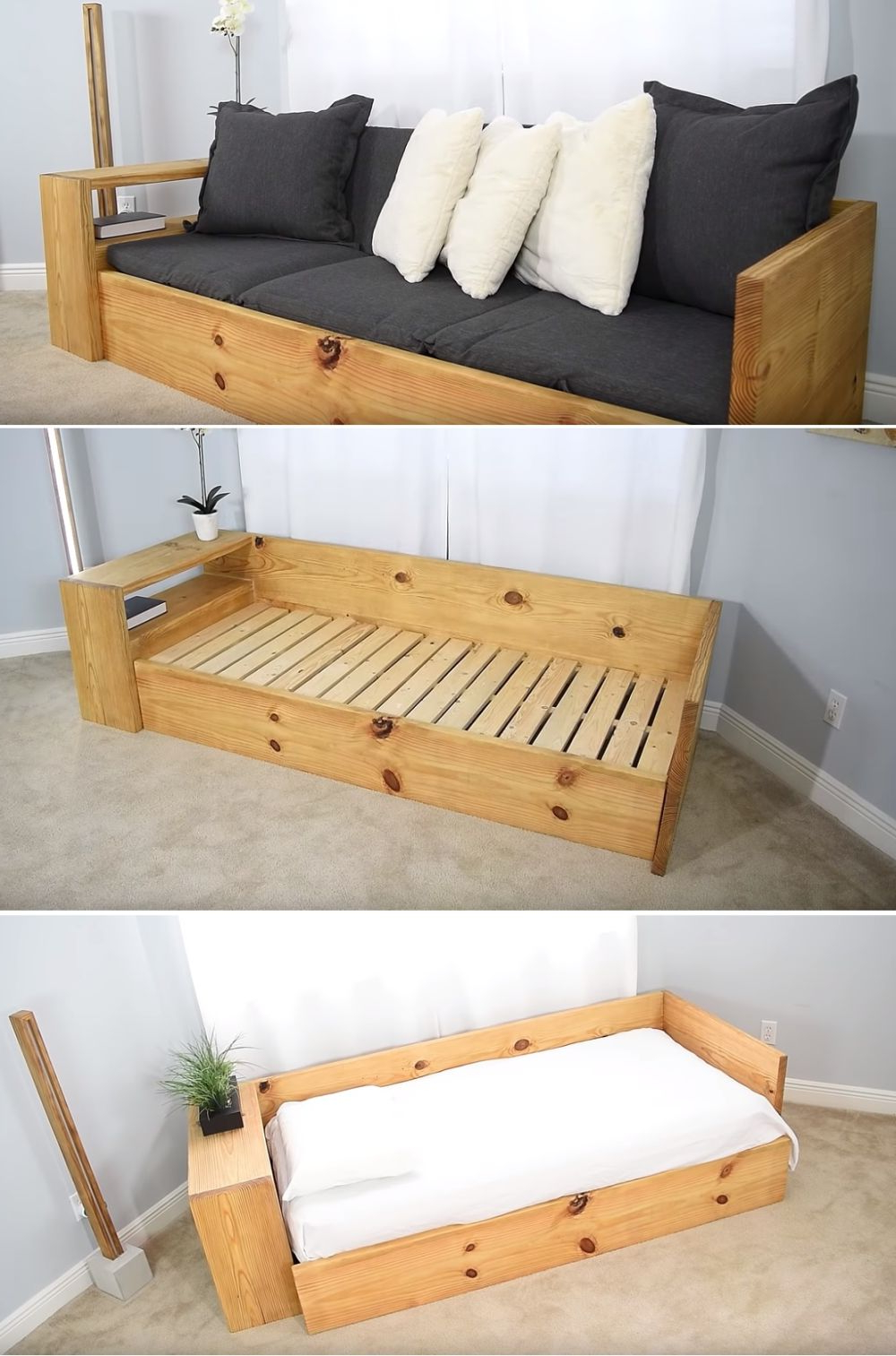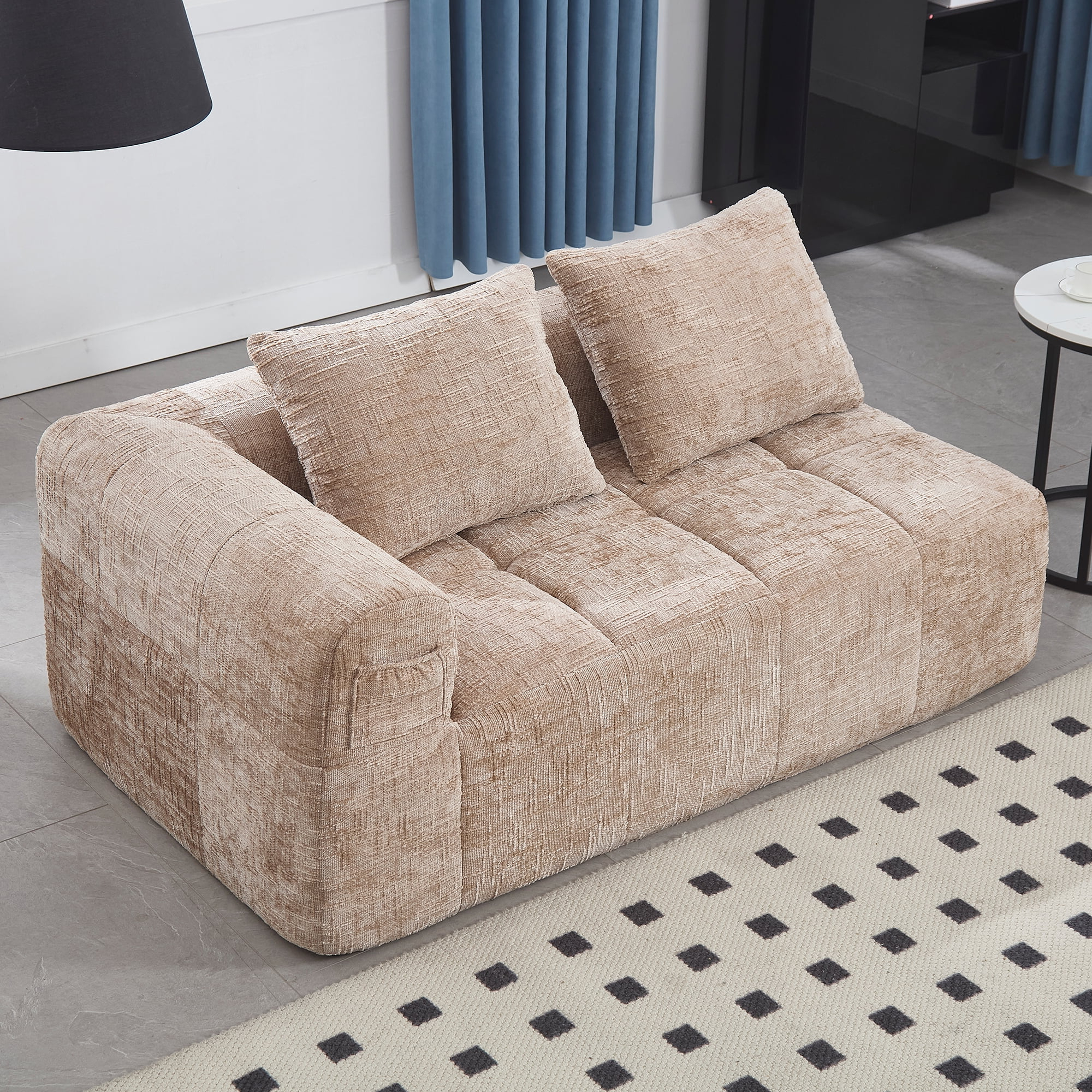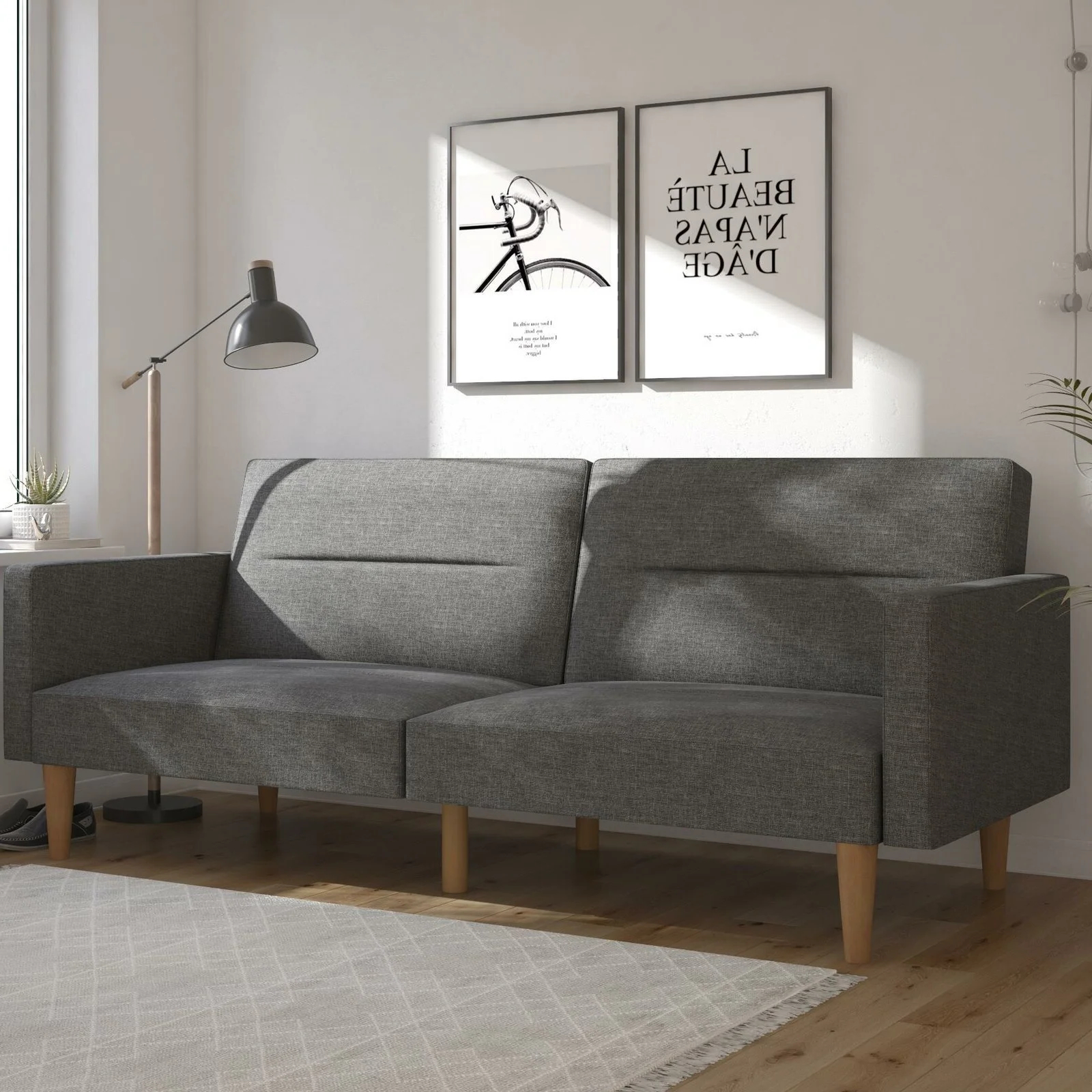
Imagine walking into a room where every piece of furniture feels just right. Not too big, not too small, but perfectly balanced. That’s the magic of choosing seating that complements rather than competes with your space. It’s not just about comfort or style – it’s about creating harmony.
Seating isn’t just about finding something comfortable to sit on. It’s about crafting a space that feels welcoming and well-designed. When you get it wrong, your seating can make even the most beautiful rooms feel chaotic. But when you get it right, that same seating becomes the heart of your home. It draws people in, creates conversation areas, and makes guests feel at ease. The secret lies in understanding how to choose seating that works with your room’s personality and size.
Understanding Room Proportions
Before you even think about fabric choices or design details, you need to understand your space. Start by measuring everything – walls, doorways, and especially the area where you plan to place your seating. A large sectional might look amazing in a spacious living room, but it could make a cozy bedroom feel cramped. Consider the room’s function too. Is it a place for entertaining? Quiet reading? Family gatherings? Each purpose calls for different seating considerations. A dining room needs chairs that work together, while a family room might benefit from a mix of seating options that allow for both intimate conversations and group activities.
The Rule of Three and Other Proportion Tips
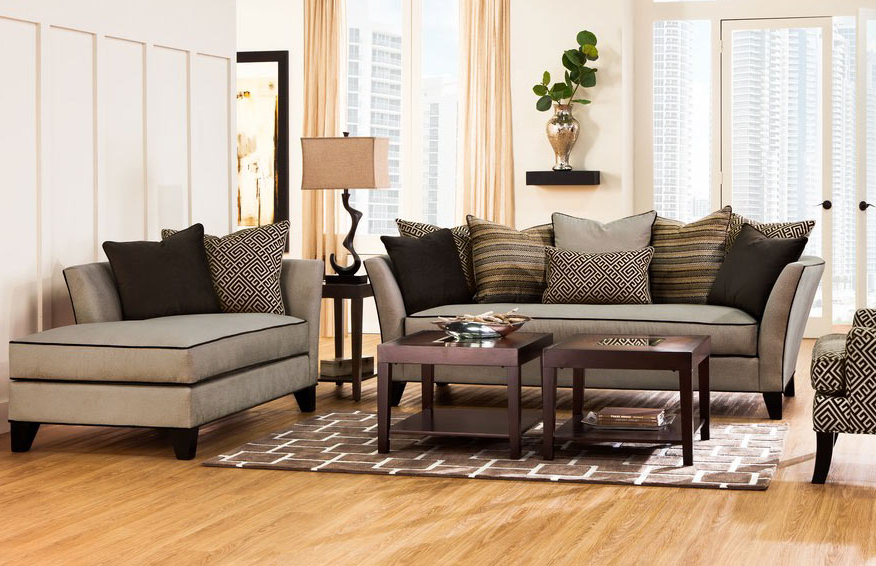
There’s a simple trick that many designers use – the rule of three. When arranging seating, try to keep groups of three pieces. This naturally creates balance and visual interest. Think about the relationship between your seating and other elements in the room. Your chair should be roughly one-third the size of your sofa, or vice versa. The height matters too. If you have a high ceiling, you might want taller seating to maintain visual balance. And don’t forget about scale – a large armchair in a small space will dominate the room like a giant in a dollhouse. It’s all about creating that perfect relationship between your furniture and your space.
Color and Pattern Considerations
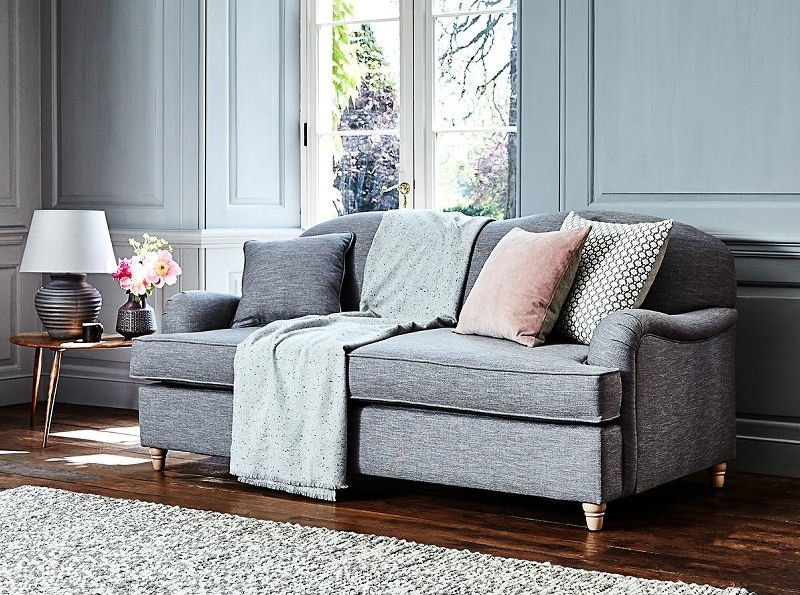
Colors and patterns can make or break your seating selection. Neutral tones like beige, gray, or cream offer versatility and make smaller spaces feel larger. They’re also easier to match with other decor elements. Bold colors can be stunning, but they need to work with your existing palette. If your walls are already vibrant, maybe save the bright colors for accent pieces. Patterns add texture and interest, but too much pattern can overwhelm. A striped chair in a room with busy wallpaper might create visual chaos. Sometimes, simple solids work better than complex designs in smaller spaces. The key is matching your seating to your room’s overall aesthetic rather than fighting against it.
Material Matters for Different Spaces
Different materials suit different environments. In a high-traffic area like a family room, durable fabrics like microfiber or performance textiles hold up better than delicate silk or fine linen. For bedrooms, softer materials like velvet or cotton can create a cozy atmosphere. Kitchen seating might benefit from easy-to-clean synthetic materials or waterproof options. Consider the climate too – if you live in a humid area, avoid materials that absorb moisture. Leather seats might need extra care in hot weather, while fabric can handle temperature changes better. The material should support your lifestyle and daily routine, not complicate it.
Functionality Over Form
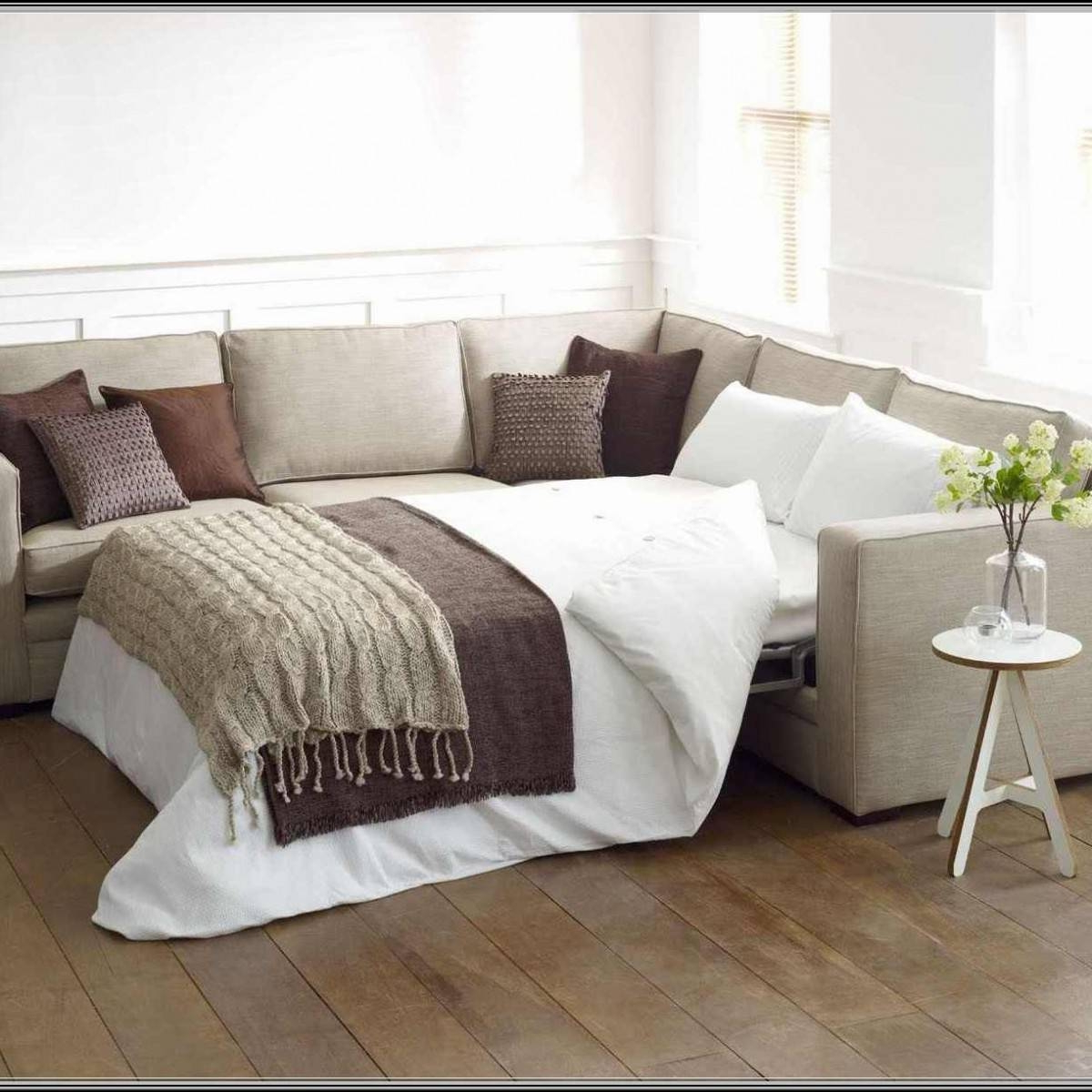
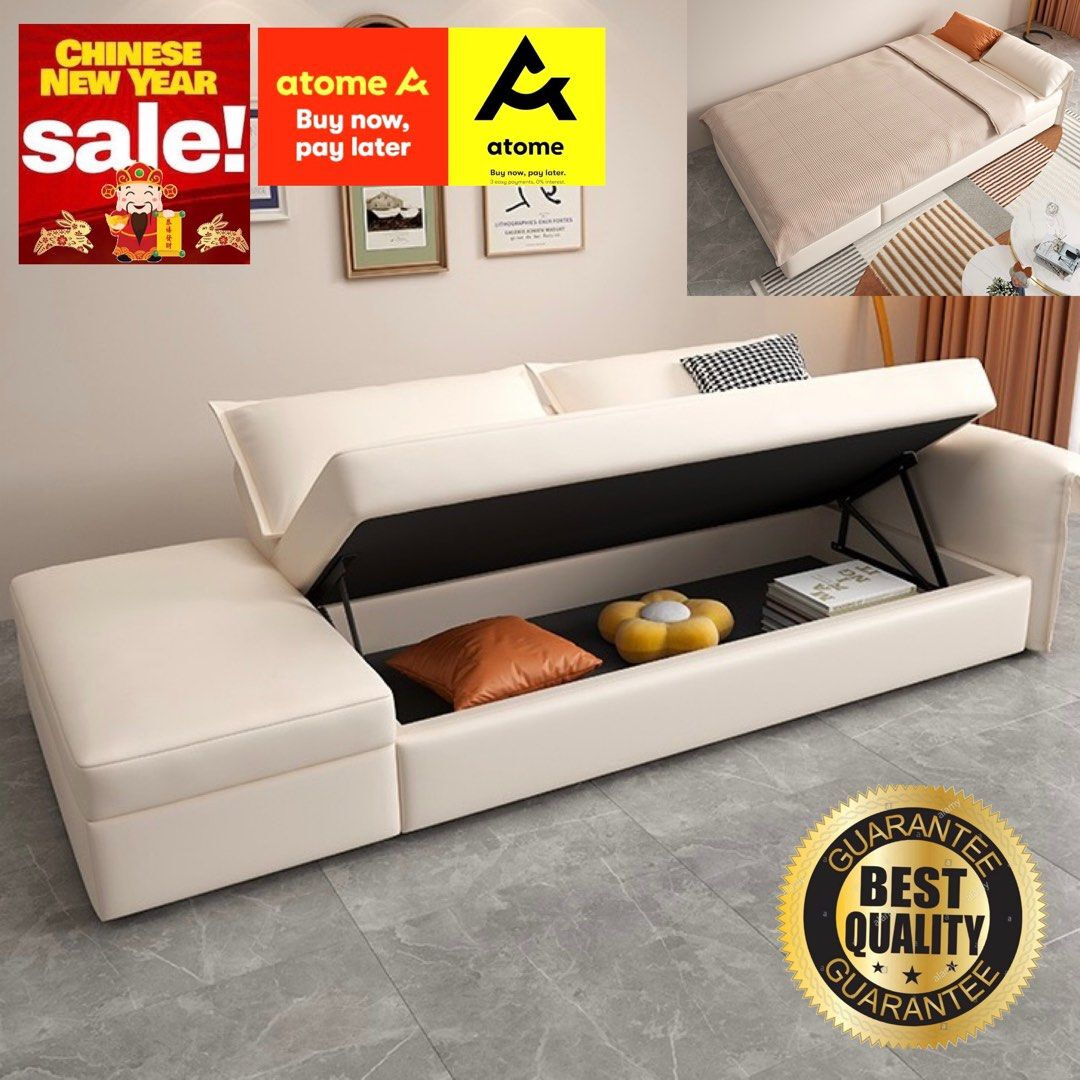
What do you actually use your seating for? This question often gets overlooked in favor of aesthetics. Do you need storage in your seating? Maybe a coffee table with hidden compartments underneath. Are you looking for something that folds away for guests? Or perhaps you need a chair that’s easy to move around? Functionality shouldn’t be an afterthought. A beautiful chair that’s impossible to clean or uncomfortable to sit in for extended periods defeats the whole purpose. Consider how often you’ll use each piece and what features matter most to you. A recliner might seem luxurious, but if you never recline, it’s just a fancy chair taking up space.
Creating Visual Flow and Balance
Think of your seating arrangement as a conversation starter. You want to create spaces where people naturally gather and interact. Arrange your seating to encourage eye contact and easy communication. Leave enough space between pieces for people to move around comfortably. Too little space makes the room feel cramped, too much space makes it feel empty and disconnected. Consider the traffic flow too – make sure people can walk through the room easily without bumping into furniture. The goal is to create visual pathways that guide people naturally through your space. Sometimes, a single statement piece can anchor an entire room, while other times, a collection of smaller pieces creates a more dynamic environment.
Practical Tips for Making Your Choice
Here are some concrete ways to approach your seating decisions:
• Always bring a tape measure to the store
• Take photos of your room before shopping
• Consider the room’s lighting – it affects how colors appear
• Test comfort in person, not just visually
• Think about maintenance and cleaning requirements
• Look for pieces that can serve multiple purposes
• Remember that less is often more in small spaces
• Plan for future needs, not just current wants
• Don’t be afraid to mix textures and materials thoughtfully
• Consider the long-term investment value of pieces
Avoiding Common Mistakes
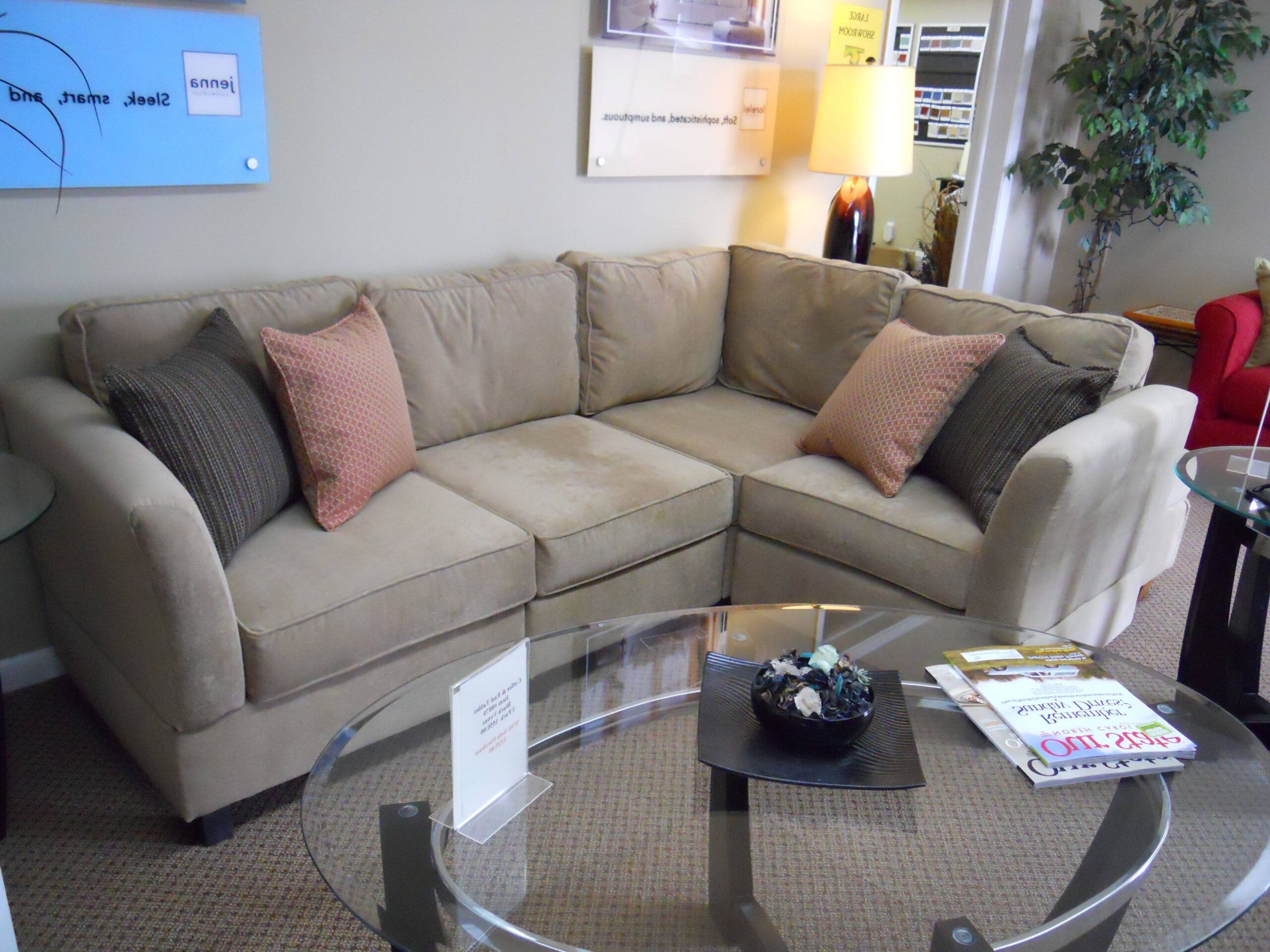
Many people fall into the trap of buying seating based on what looks good in the showroom rather than what works in their space. Here are some frequent pitfalls:
• Choosing furniture that’s too large for the room
• Ignoring the room’s proportions and scale
• Not considering how the seating will fit into existing patterns
• Overlooking practical concerns like durability and maintenance
• Buying pieces that don’t coordinate with other elements
• Focusing solely on appearance instead of function
• Neglecting to consider traffic flow and accessibility
• Choosing materials that don’t match the room’s environment
• Making impulse purchases without planning
• Not leaving room for future additions or changes
The Psychology of Seating Choices
Seating choices say a lot about us and our personalities. The way we arrange our furniture reveals our lifestyle preferences. A traditional sofa might indicate someone who values classic comfort and stability. An eclectic mix of seating might show someone who enjoys variety and creativity. The psychological impact of seating extends beyond personal preference. Research shows that people spend more time in spaces where they feel comfortable and relaxed. Choosing seating that supports positive interactions and reduces stress helps create a better environment for everyone. Think about how your seating makes you and your guests feel when you’re sitting in it.
Making It Work for Every Room Type
Different rooms require different approaches to seating. In a living room, focus on creating conversation areas with balanced arrangements. Bedrooms need comfort and privacy-focused seating options. Dining rooms should prioritize functionality and ease of movement. Home offices benefit from ergonomic seating that supports productivity. Even bathrooms can have seating – think about a small bench near the sink. Each space has unique challenges and opportunities. The key is understanding how to adapt seating choices to meet each room’s specific needs while maintaining overall design coherence.
Choosing the perfect seating isn’t about following rigid rules – it’s about developing a sense of what works for you and your space. It’s about creating an environment where you and your guests feel comfortable, welcome, and at ease. When you understand how to balance proportion, color, function, and style, you’re well on your way to designing a space that truly feels like home. Remember, great seating isn’t just about what looks good – it’s about what works for your life. So take your time, measure carefully, and trust your instincts. The right seating will transform not just your room, but how you experience it every day. It’s a small investment that can make a big difference in your daily happiness.
[sps_html tag=”img” src=”https://roofdrivein.com/wp-content/uploads/2026/01/25-the-best-sectional-sofas-in-small-spaces-with-how-to-choose-the-perfect-seating-without-overwhelming-your-room.jpg” alt=”25 The Best Sectional Sofas In Small Spaces with How to choose the perfect seating without overwhelming your room” style=”width: 100%; height: auto;”]
[sps_html tag=”img” src=”https://roofdrivein.com/wp-content/uploads/2026/01/sofa-set-designs-for-small-living-room-maximizing-space-and-comfort-for-how-to-choose-the-perfect-seating-without-overwhelming-your-room.jpg” alt=”Sofa Set Designs For Small Living Room: Maximizing Space And Comfort … for How to choose the perfect seating without overwhelming your room” style=”width: 100%; height: auto;”]
[sps_html tag=”img” src=”https://roofdrivein.com/wp-content/uploads/2026/01/30-best-ideas-sectional-sofas-for-small-spaces-with-recliners-with-regard-to-sofa-ideas-for-small-spaces.jpg” alt=”30 Best Ideas Sectional Sofas For Small Spaces With Recliners with regard to Sofa Ideas For Small Spaces” style=”width: 100%; height: auto;”]
[sps_html tag=”img” src=”https://roofdrivein.com/wp-content/uploads/2026/01/25-best-ideas-small-sectional-sofas-for-small-spaces-in-how-to-choose-the-perfect-seating-without-overwhelming-your-room-scaled.jpg” alt=”25 Best Ideas Small Sectional Sofas For Small Spaces in How to choose the perfect seating without overwhelming your room” style=”width: 100%; height: auto;”]
[sps_html tag=”img” src=”https://roofdrivein.com/wp-content/uploads/2026/01/top-10-best-contemporary-sofas-for-small-spaces-colourful-beautiful-for-how-to-choose-the-perfect-seating-without-overwhelming-your-room.jpg” alt=”Top 10: Best Contemporary Sofas For Small Spaces • Colourful Beautiful … for How to choose the perfect seating without overwhelming your room” style=”width: 100%; height: auto;”]