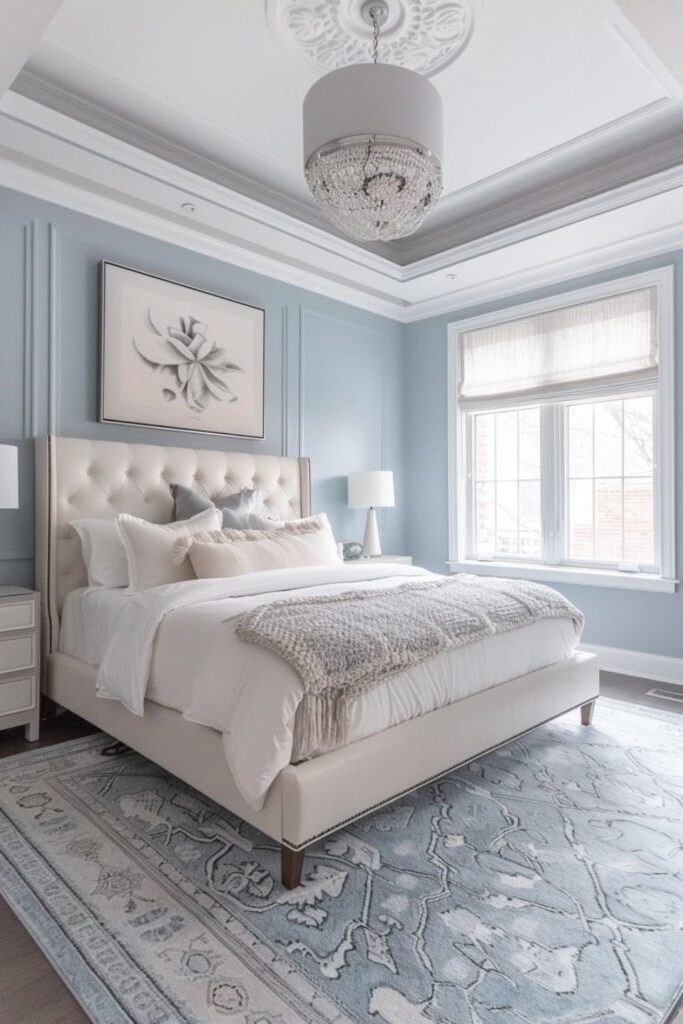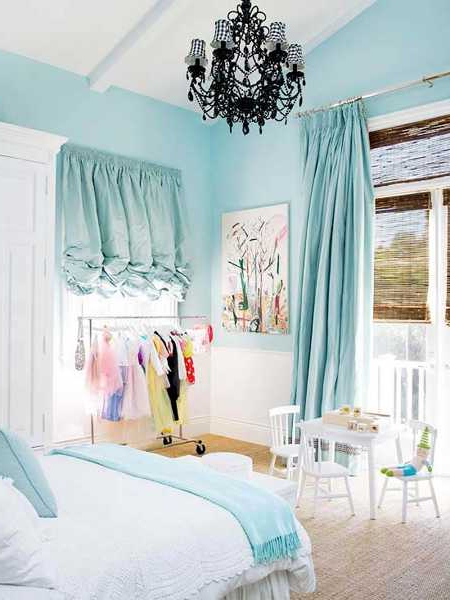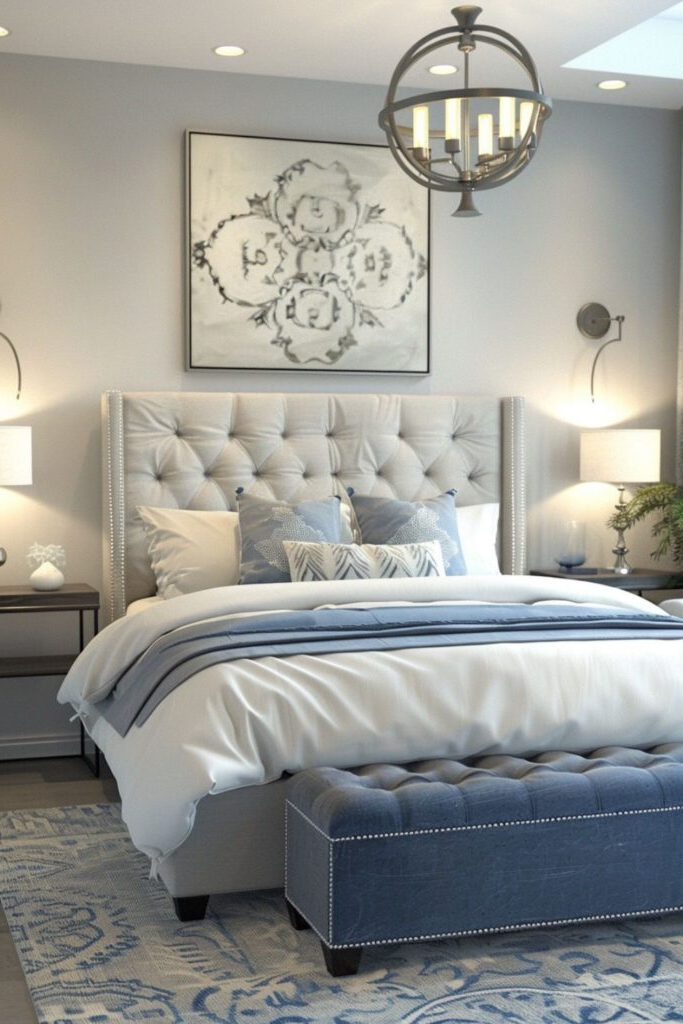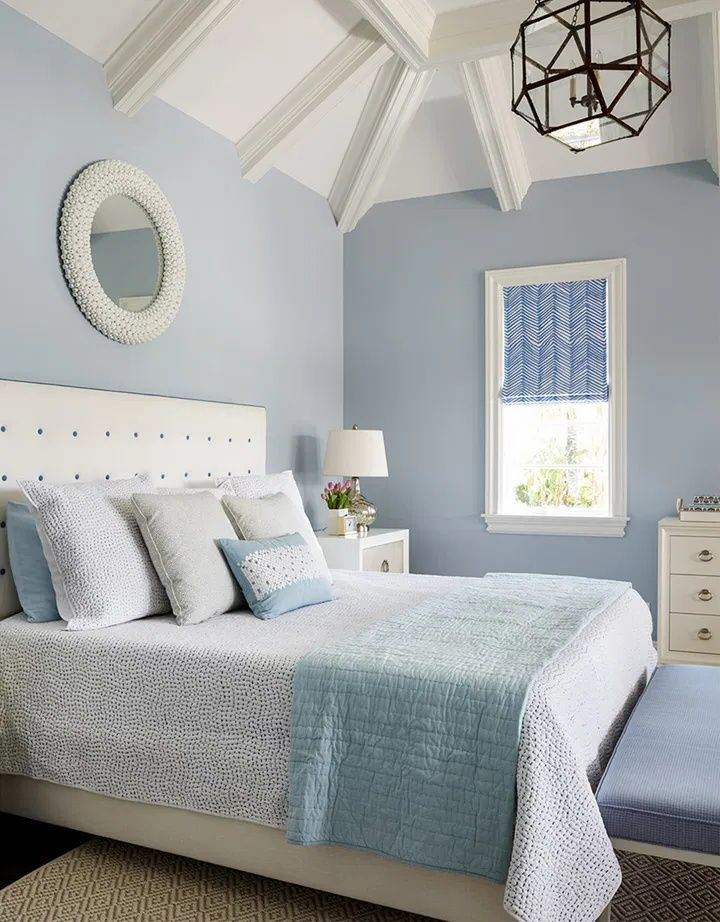
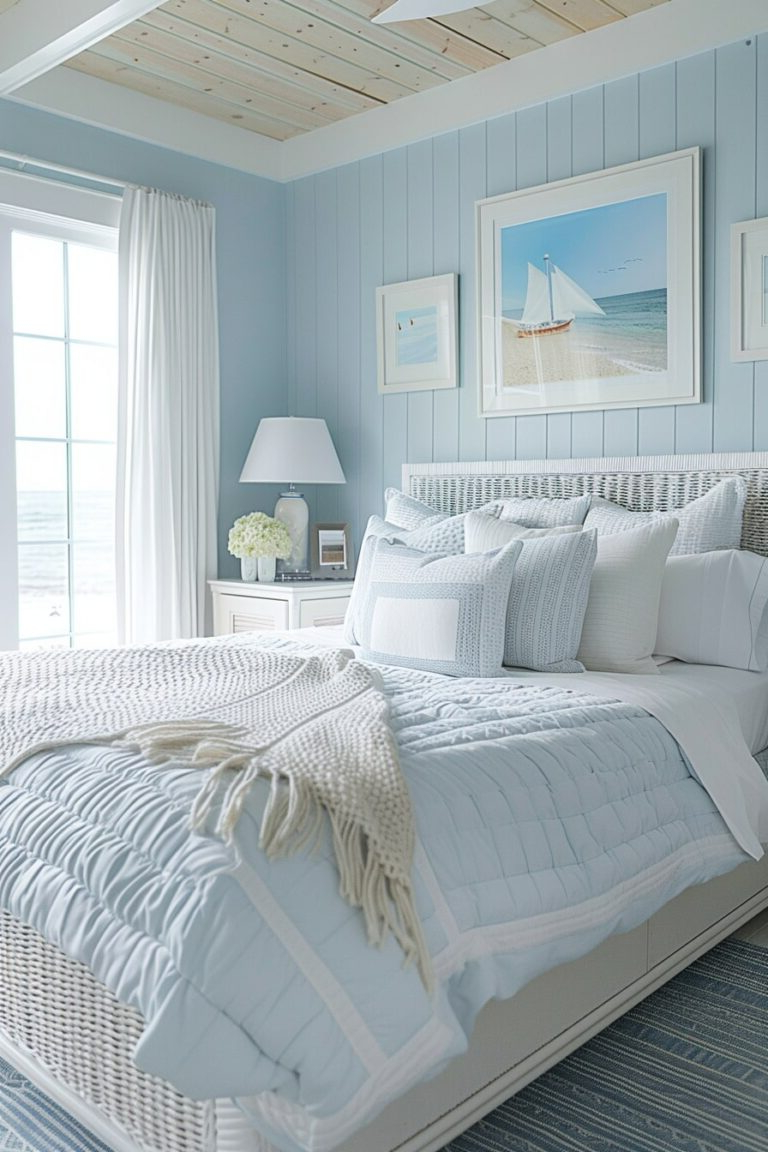
Light blue is more than just a color—it’s a mood, a feeling, a gentle whisper of calm. But when it comes to choosing the perfect shade for your bedroom, things get a bit trickier. Not all blues are created equal, and finding that one hue that speaks to your soul while harmonizing with your space requires a bit of understanding. Let’s dive into the world of light blue and discover how to make it work for you.
Picture this: you’re lying in bed, eyes closed, listening to the soft sounds of the world outside. The room around you feels peaceful, serene, and just right. What color might be filling your peripheral vision? Likely, it’s a light blue. That’s the magic of choosing the right light blue for your bedroom. It’s not just about picking a pretty shade—it’s about creating a sanctuary that nurtures your mind and body. The right light blue can transform your sleeping space from ordinary to extraordinary. But how do you know which shade will work best for you? Let’s explore the nuances that make this color so special and how to navigate the choices ahead.
Understanding Light Blue Psychology
Before we even think about paint colors or fabric selections, it’s important to understand why light blue works so well in bedrooms. This hue has been scientifically linked to feelings of tranquility and relaxation. The psychology behind light blue suggests it can lower blood pressure and reduce stress levels. Think about it—when you look up at a clear sky or a calm ocean, what emotions does that evoke? Peacefulness, serenity, and sometimes even a sense of freedom. These feelings translate directly into our sleeping environments. A bedroom painted in the right light blue can help signal to your brain that it’s time to wind down. But not all blues are calming. Some might feel cold or clinical, while others could seem too bright or overwhelming. Understanding the emotional impact helps us make better choices.
The Spectrum of Light Blue Shades
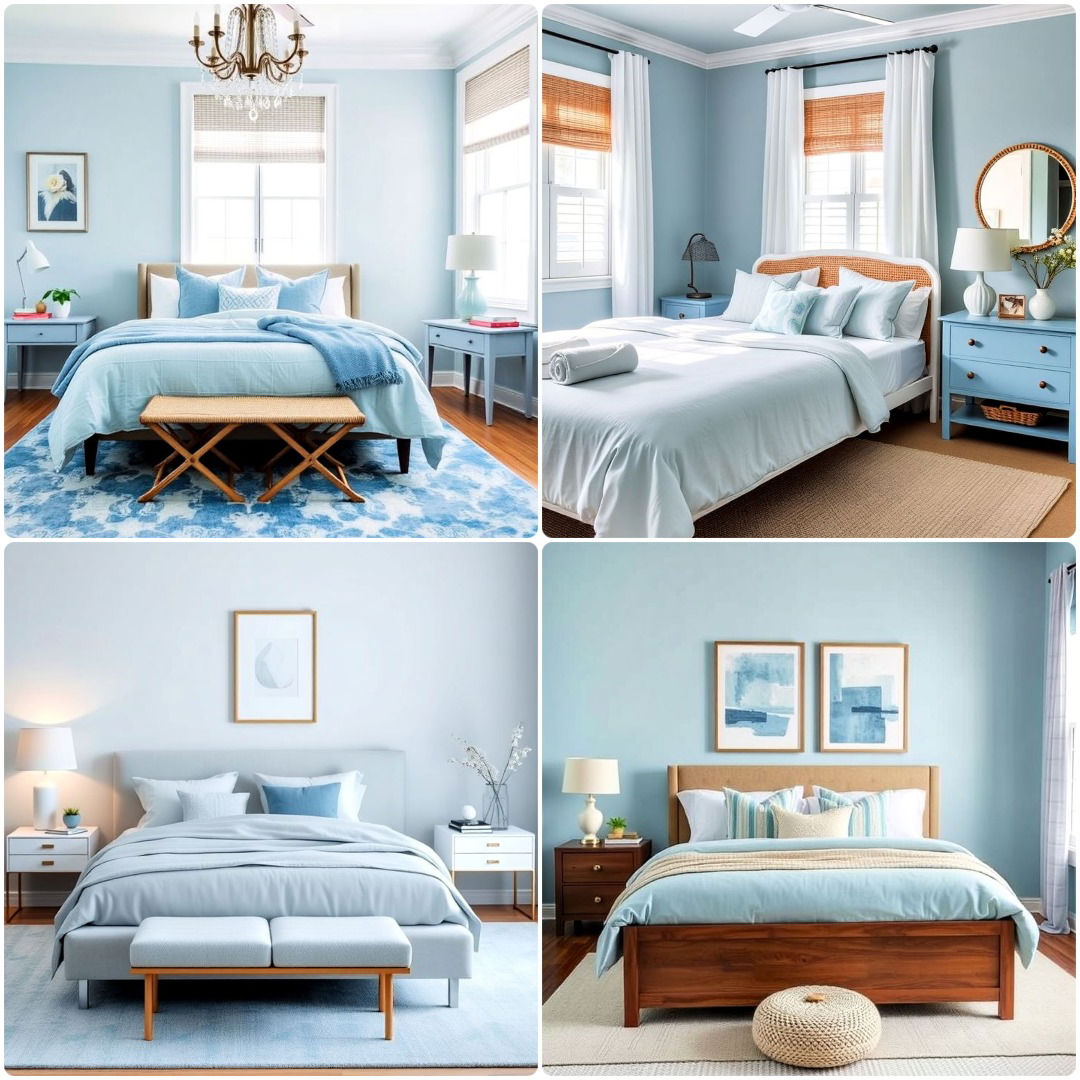
Light blue isn’t just one color—it’s a whole spectrum of possibilities. From the palest baby blue to deeper, more saturated tones, there are many options to consider. The key is knowing which ones will work with your existing decor and personal preferences. Here are some common categories:
• Baby blue: Soft and delicate, often used in nurseries and romantic spaces
• Powder blue: Light and airy, perfect for creating a fresh, clean feeling
• Sky blue: Brighter and more vibrant, great for adding energy to a room
• Navy blue: While darker, it can still provide a light blue effect when used in smaller amounts
Each of these has its own personality and can be used strategically depending on what you want to achieve in your bedroom. Consider how much natural light your space gets and how you want the room to feel during different times of day.
Consider Your Existing Decor Elements
One of the most important factors in choosing light blue is thinking about what’s already in your room. Do you have wood furniture? Maybe some metal accents? Are there any textiles like throw pillows or curtains already in place? These elements influence how your chosen blue will look and feel. For instance, if your bedroom has warm wood tones, a cooler light blue might create a nice contrast. On the other hand, if you have cool-toned furnishings, a slightly warmer blue might feel more balanced. You don’t want to pick a blue that makes everything look mismatched or disconnected. Instead, aim for harmony between the new blue and your existing palette. Sometimes it’s helpful to take a photo of your current setup and play around with digital color swatches to see how they interact.
Natural Light and Time of Day Effects
This aspect often gets overlooked but is crucial for selecting the right light blue. Natural light changes throughout the day and affects how colors appear. A blue that looks perfect in morning sunlight might appear completely different in evening light. During the day, your bedroom might receive direct sunlight that makes colors appear brighter and more vivid. In the evening, artificial lighting can shift the entire atmosphere. Consider how your space looks at different times of day. If you have windows facing east, you might want a lighter blue that won’t feel too stark against the morning sun. West-facing windows might benefit from a slightly deeper blue that won’t appear washed out. Testing samples on your walls at different times can help you make the right choice.
Room Size and Proportions Matter
The size of your bedroom plays a significant role in how light blue affects the space. Lighter blues tend to make small rooms feel larger and more open. They reflect light and create an illusion of spaciousness. In a large room, however, a very pale blue might make the space feel empty or cold. You’ll want to consider how the blue interacts with your furniture placement and overall room layout. If you’re working with a compact bedroom, a soft light blue can be incredibly effective. But if you have plenty of space, a slightly deeper blue might add richness and dimension to the room. Think about how the blue interacts with your floor, walls, and ceiling to create a cohesive visual experience.
Practical Tips for Testing and Choosing
Choosing the perfect light blue isn’t just about intuition—it’s about taking practical steps to ensure success. Here are some helpful approaches:
• Start with small samples: Purchase small paint samples or fabric swatches and place them in different areas of your bedroom throughout the day.
• Test multiple shades: Don’t limit yourself to just one option. Try at least three different blues to compare.
• Consider the undertones: Light blues can have green, gray, or purple undertones that affect how they appear.
• Take photos: Document how each shade looks in various lighting conditions.
• Ask for opinions: Sometimes another person’s perspective can reveal something you missed.
Remember, the final decision should feel right to you. Trust your instincts, but back them up with careful observation and testing.
Matching Light Blue with Other Colors
Creating a cohesive bedroom design means considering how your chosen light blue works with other colors in the room. Here are some classic pairings that tend to work well:
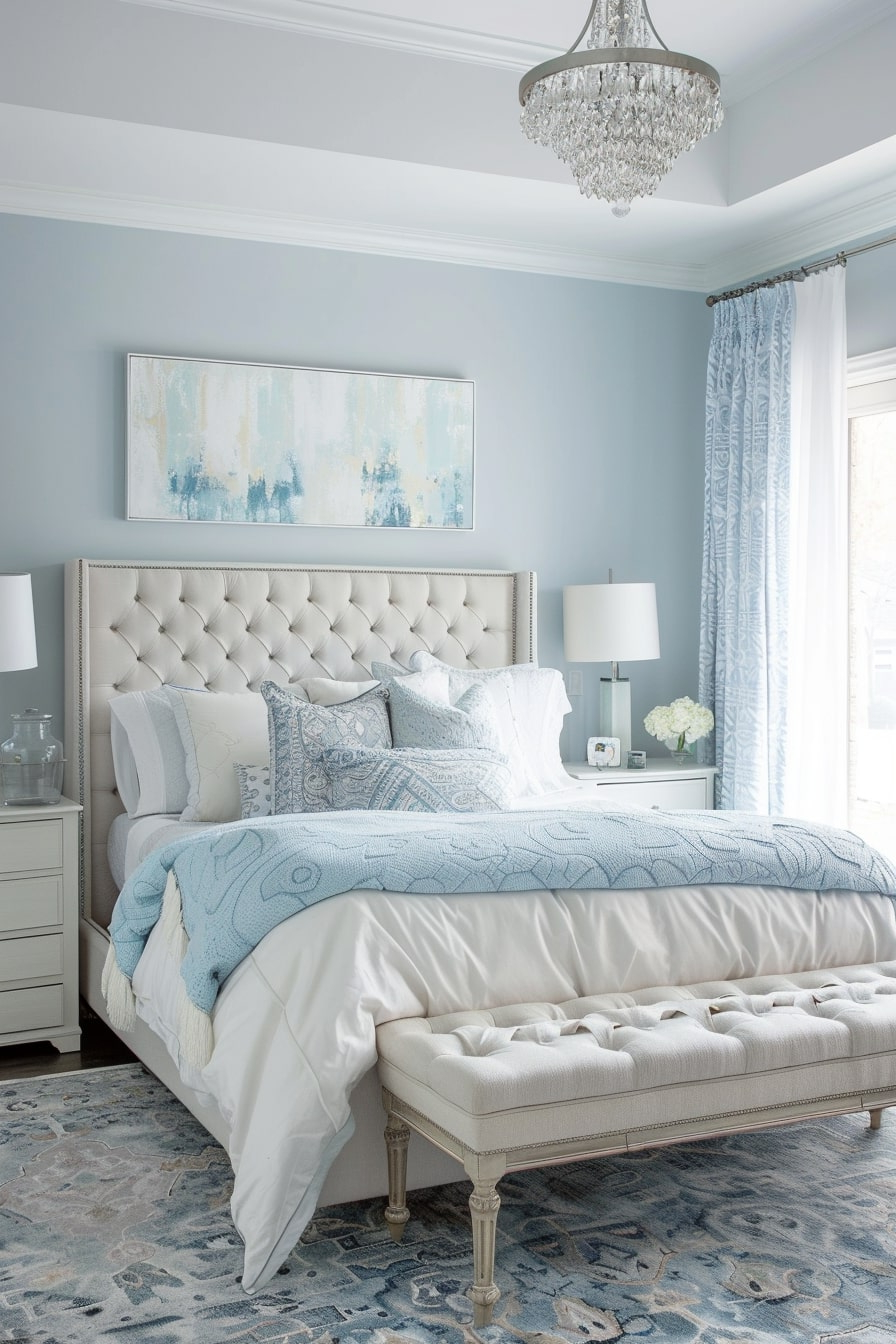
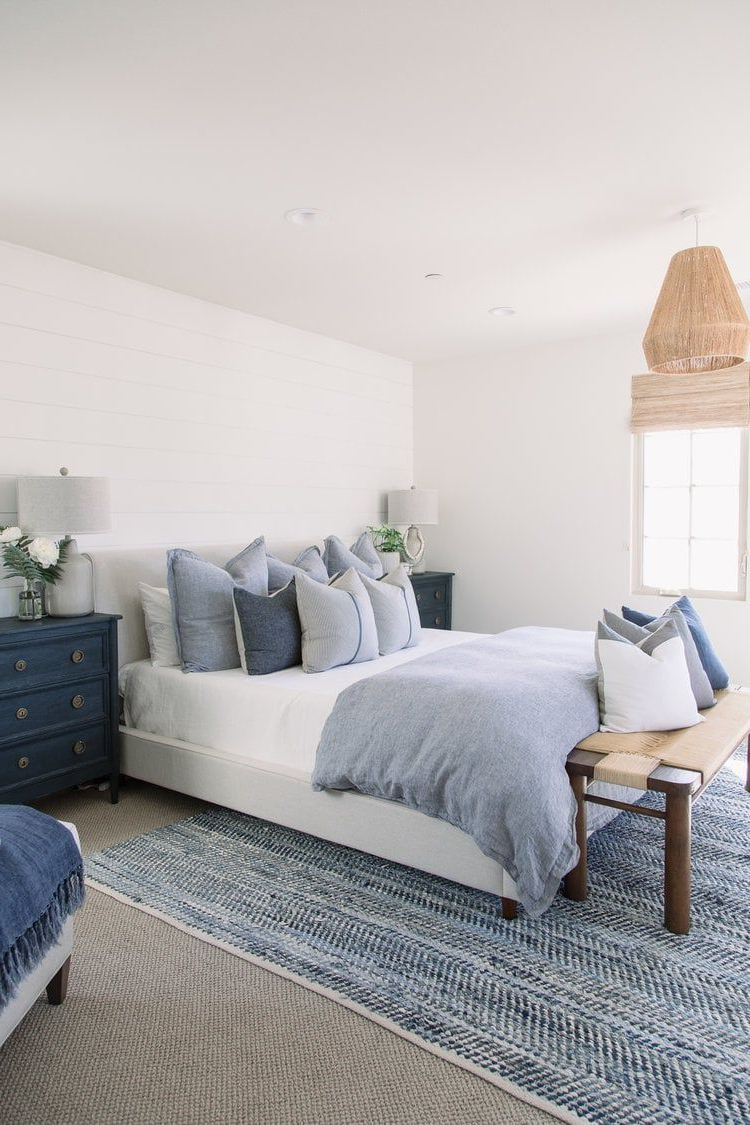
• White: Clean and fresh together, perfect for a minimalist approach
• Gray: Creates a sophisticated, modern look that’s both calming and stylish
• Beige or cream: Offers warmth and comfort, especially in cooler climates
• Wood tones: Adds natural texture and grounding to the space
• Accents of yellow or coral: Can create a cheerful, energetic contrast
These combinations allow the light blue to shine while providing enough contrast to keep the space interesting. Consider how these colors interact with each other and whether they support the overall mood you’re trying to create.
Final Thoughts on Light Blue Success
Choosing the perfect light blue for your bedroom is less about following rigid rules and more about trusting your personal taste while being mindful of practical considerations. The right shade will make you feel relaxed and refreshed when you wake up. It should complement your existing furnishings and enhance the natural qualities of your space. Whether you go with a soft baby blue for a gentle vibe or a more vibrant powder blue for a fresh feel, the key is finding that balance between aesthetics and functionality. Remember to test thoroughly, consider all lighting scenarios, and ultimately choose what feels right for your lifestyle and preferences.
Selecting the ideal light blue for your bedroom is both an art and a science. It involves understanding color psychology, considering your existing decor, and accounting for the way light changes throughout the day. The right shade can transform your sleeping environment from ordinary to extraordinary, creating a space that truly supports your well-being. By taking the time to explore different options, test samples, and consider how the color will interact with your unique space, you’ll find a light blue that not only looks beautiful but also feels perfectly right. Your bedroom deserves a color that makes you feel calm and energized, and with thoughtful consideration, you can find exactly that perfect shade.
[sps_html tag=”img” src=”https://roofdrivein.com/wp-content/uploads/2026/01/27-light-blue-bedroom-decor-ideas-perfect-for-a-dreamy-makeover-with-regard-to-how-to-choose-the-perfect-light-blue-shades-that-complement-your-bedroom-decor.jpg” alt=”27+ Light Blue Bedroom Decor Ideas Perfect For A Dreamy Makeover with regard to How to choose the perfect light blue shades that complement your bedroom decor” style=”width: 100%; height: auto;”]
[sps_html tag=”img” src=”https://roofdrivein.com/wp-content/uploads/2026/01/light-blue-bedroom-colors-22-calming-bedroom-decorating-ideas-for-light-blue-bedroom-design-ideas.jpg” alt=”Light Blue Bedroom Colors, 22 Calming Bedroom Decorating Ideas for Light Blue Bedroom Design Ideas” style=”width: 100%; height: auto;”]
[sps_html tag=”img” src=”https://roofdrivein.com/wp-content/uploads/2026/01/19-light-blue-bedroom-interior-ideas-you-will-fall-in-love-with-my-pertaining-to-how-to-choose-the-perfect-light-blue-shades-that-complement-your-bedroom-decor.jpg” alt=”19 Light Blue Bedroom Interior Ideas You Will Fall In Love With! - My … pertaining to How to choose the perfect light blue shades that complement your bedroom decor” style=”width: 100%; height: auto;”]
[sps_html tag=”img” src=”https://roofdrivein.com/wp-content/uploads/2026/01/19-light-blue-bedroom-interior-ideas-you-will-fall-in-love-with-my-with-regard-to-how-to-choose-the-perfect-light-blue-shades-that-complement-your-bedroom-decor.jpg” alt=”19 Light Blue Bedroom Interior Ideas You Will Fall In Love With! - My … with regard to How to choose the perfect light blue shades that complement your bedroom decor” style=”width: 100%; height: auto;”]
[sps_html tag=”img” src=”https://roofdrivein.com/wp-content/uploads/2026/01/27-light-blue-bedroom-decor-ideas-perfect-for-a-dreamy-makeover-within-how-to-choose-the-perfect-light-blue-shades-that-complement-your-bedroom-decor.jpg” alt=”27+ Light Blue Bedroom Decor Ideas Perfect For A Dreamy Makeover within How to choose the perfect light blue shades that complement your bedroom decor” style=”width: 100%; height: auto;”]