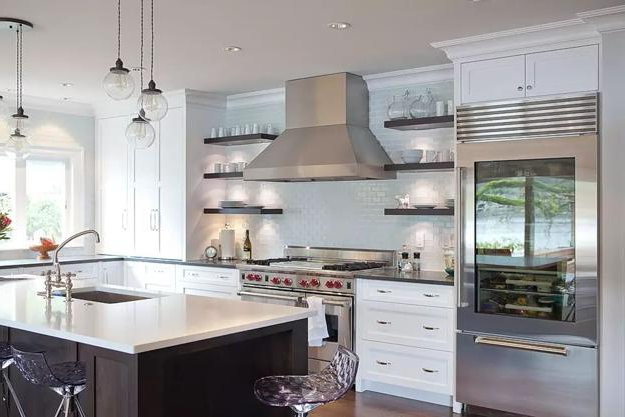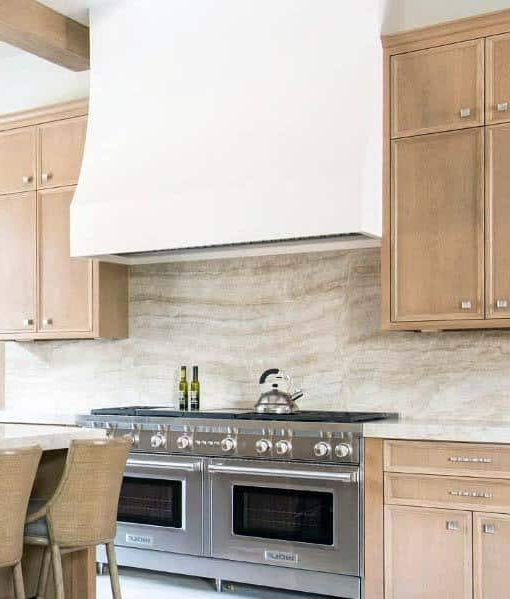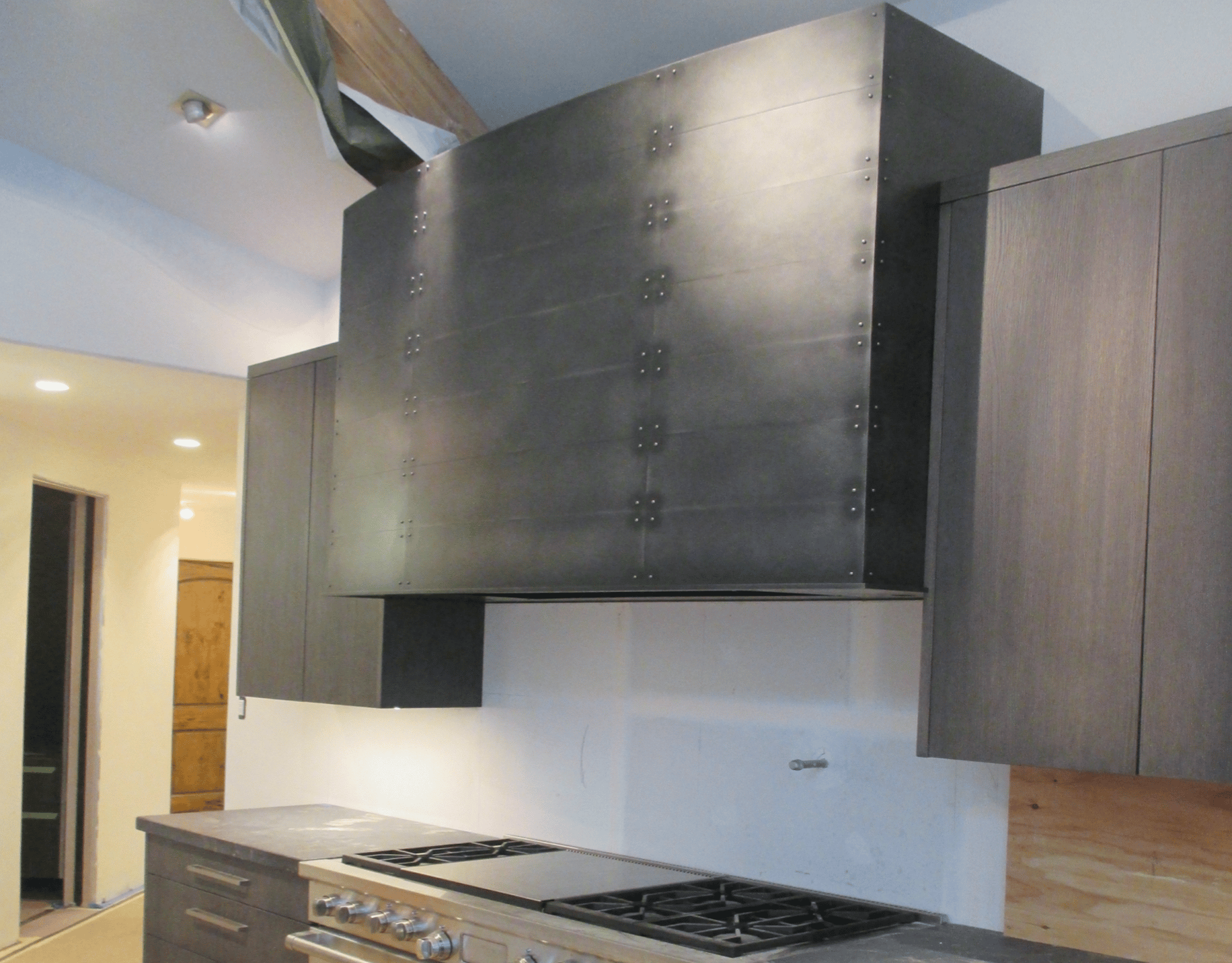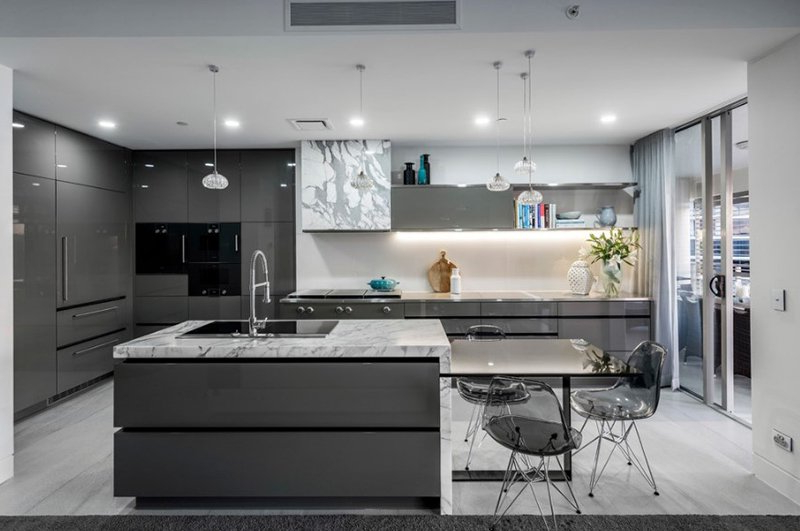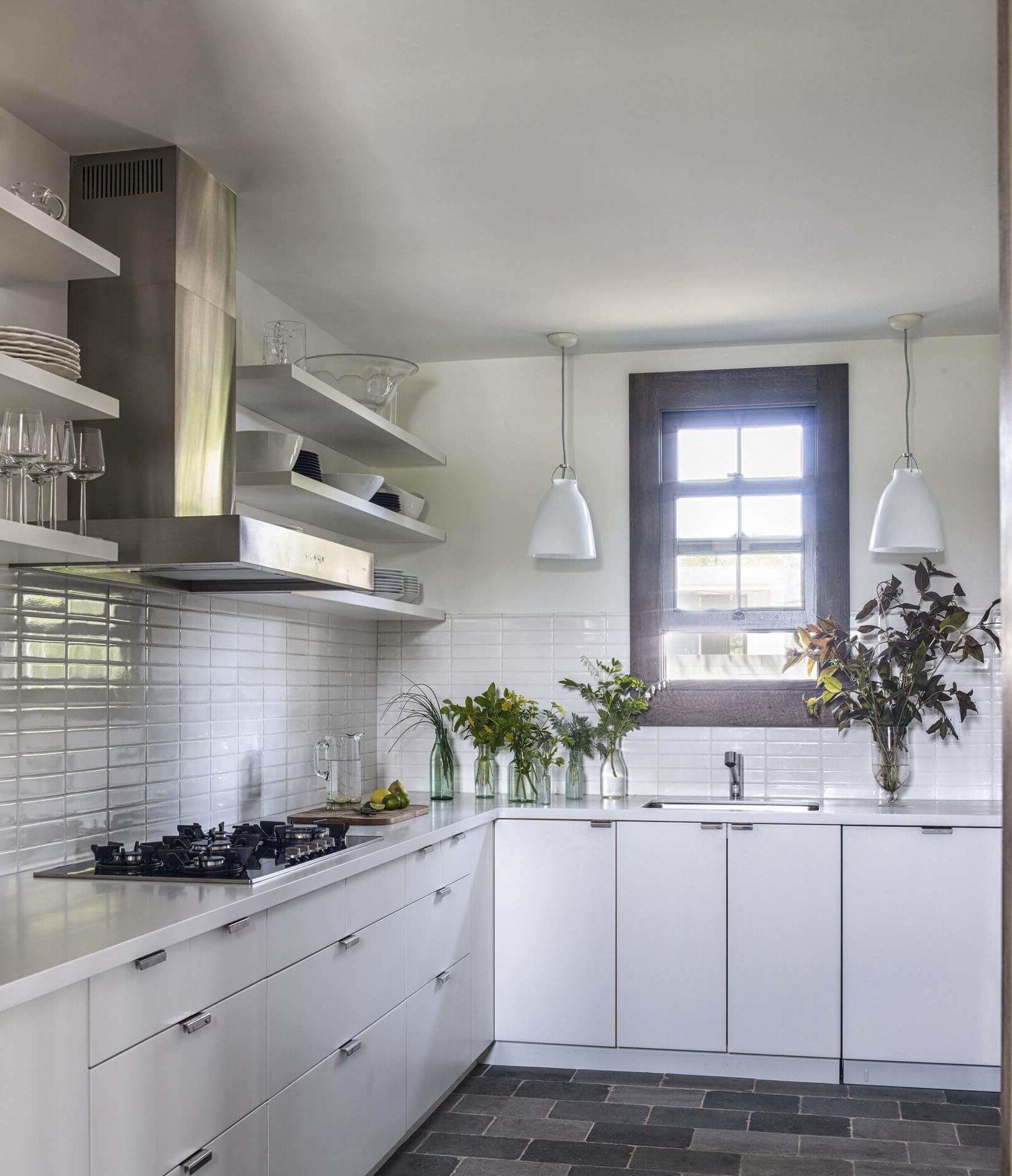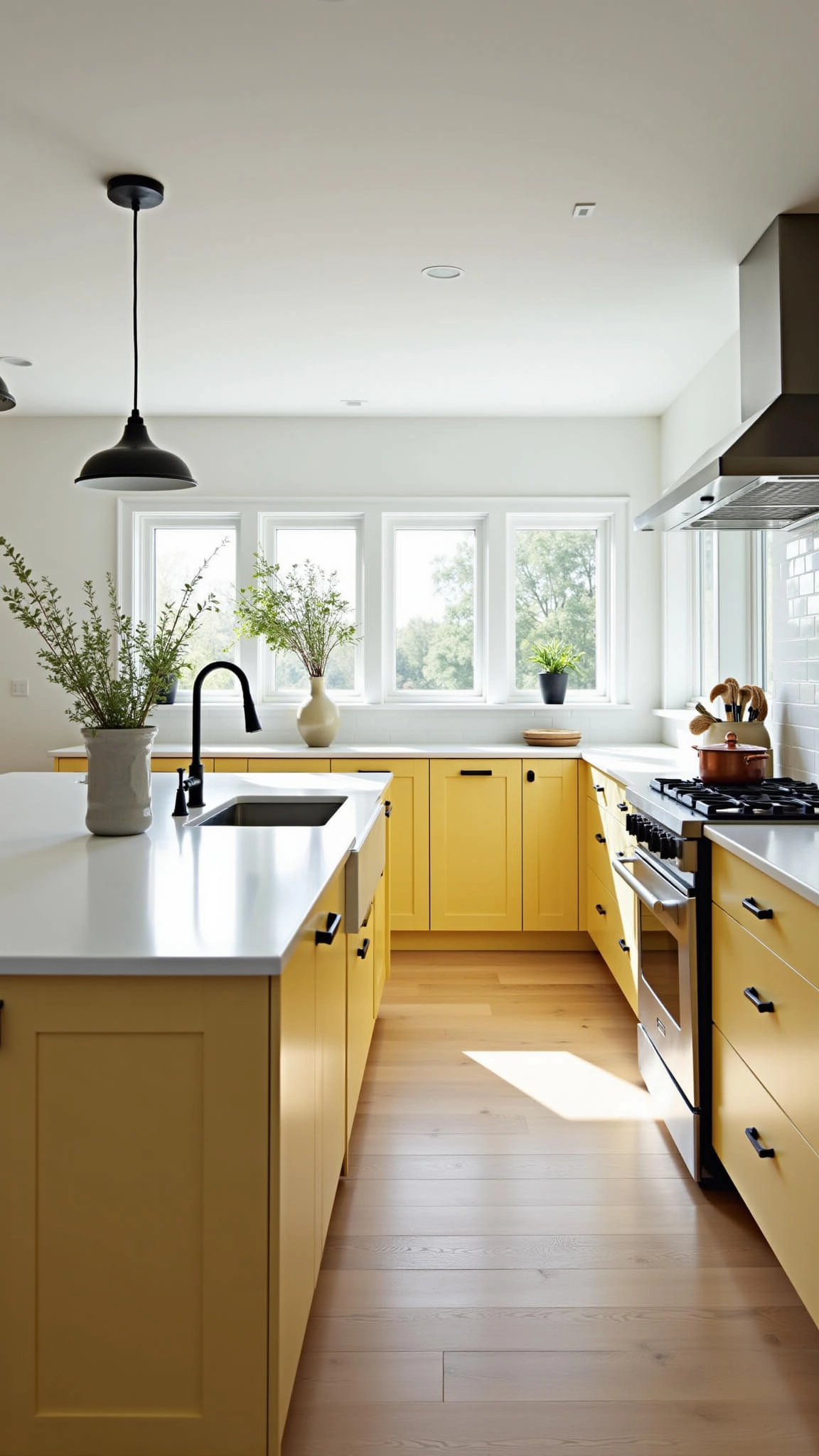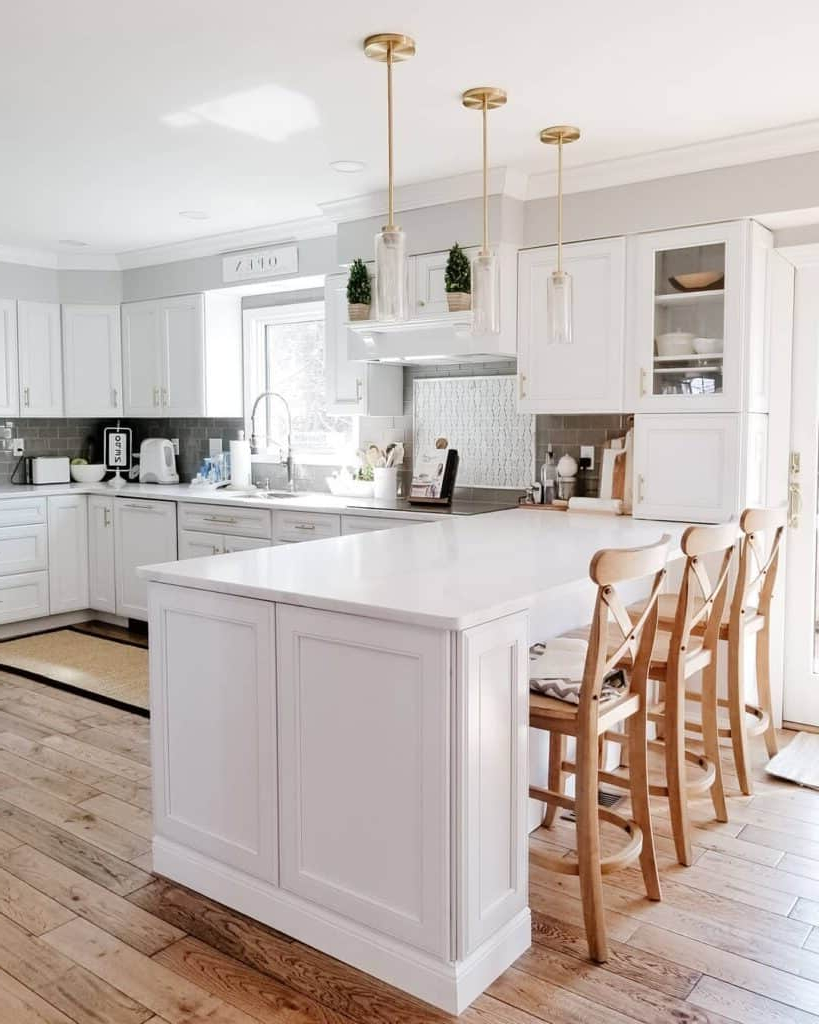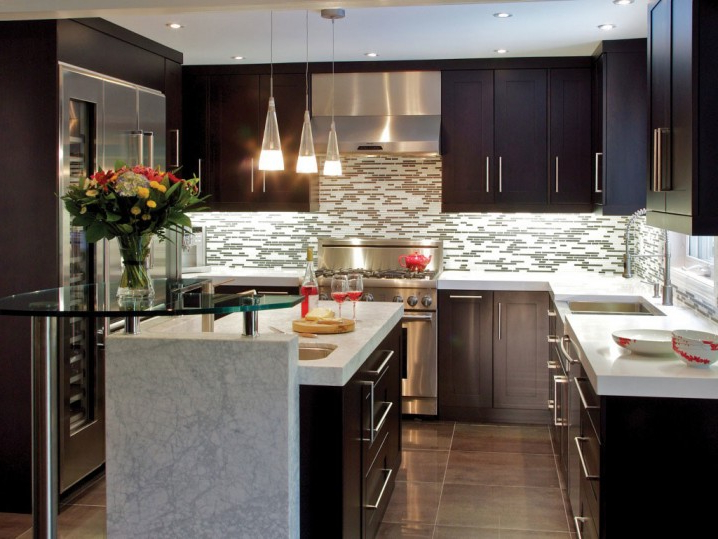
When you think about kitchen ventilation, you might picture something clunky and utilitarian. But modern kitchen hoods have evolved far beyond their basic function. They’ve become true design statements that solve real problems while enhancing your space. These aren’t just appliances anymore – they’re architectural elements that bridge the gap between practicality and aesthetics.
The humble kitchen hood has undergone quite the transformation over the past few decades. What used to be a purely functional appliance designed solely for removing smoke, steam, and odors has now become a sophisticated element that shapes the entire look and feel of your kitchen. Today’s homeowners want more than just effective ventilation – they want it to look good too. This balance between function and form isn’t always easy to achieve, but when done right, it creates kitchens that are both beautiful and practical. The secret lies in understanding how different elements work together to create that perfect harmony.
The Evolution of Kitchen Hood Design
Kitchen hoods have come a long way from their early days as simple metal boxes mounted above stoves. Back in the 1950s and 60s, these were typically boxy, chrome affairs that prioritized utility over appearance. You’d find them in stark white or chrome finishes, often with visible ductwork that made them look like industrial equipment. Fast forward to today, and we see a completely different story. Modern hoods blend seamlessly into kitchen design with sleek profiles, innovative materials, and smart technology. The shift happened gradually, driven by changing consumer expectations and advances in manufacturing capabilities. Now, you can find hoods that match your cabinetry perfectly, feature LED lighting that doubles as ambient lighting, and even incorporate smart sensors that automatically adjust based on cooking activity. It’s fascinating how much thought goes into making something that’s supposed to be hidden actually enhance the visual appeal of a room.
Functional Requirements That Drive Design
Before we get lost in aesthetics, let’s talk about what kitchen hoods actually need to do. First and foremost, they must effectively remove contaminants from the air. This means proper airflow, adequate CFM ratings, and strategic placement. The size of your hood matters enormously – it needs to cover your cooking area properly. A typical range hood should extend at least 3 inches beyond your cooktop on each side. Then there’s the matter of noise levels. Nobody wants to hear their kitchen hood screaming during dinner conversation. Modern hoods incorporate sound dampening technology, quieter motors, and variable speed controls. The ducting system also plays a crucial role – it needs to be properly sized and routed to maximize efficiency. When designers consider form, they must never compromise these fundamental requirements. Every aesthetic choice has to support the core functionality.
Materials and Construction Innovations
The materials used in contemporary kitchen hoods have changed dramatically. Stainless steel remains popular for its durability and clean look, but manufacturers now offer options like brushed aluminum, tempered glass, and even wood finishes that complement various design styles. Some hoods feature antimicrobial surfaces that resist bacteria growth, which is especially important in busy kitchens. The construction techniques have also improved significantly. Precision engineering allows for thinner profiles while maintaining structural integrity. You’ll find hoods with integrated lighting systems that provide both task lighting and ambient illumination. The backlit elements add depth and dimension to kitchen designs. Many models now include touch controls, digital displays, and even smartphone connectivity. These aren’t just bells and whistles – they’re practical features that make the user experience better. The marriage of traditional craftsmanship with modern technology results in products that are both strong and beautiful.
Integration with Kitchen Aesthetics
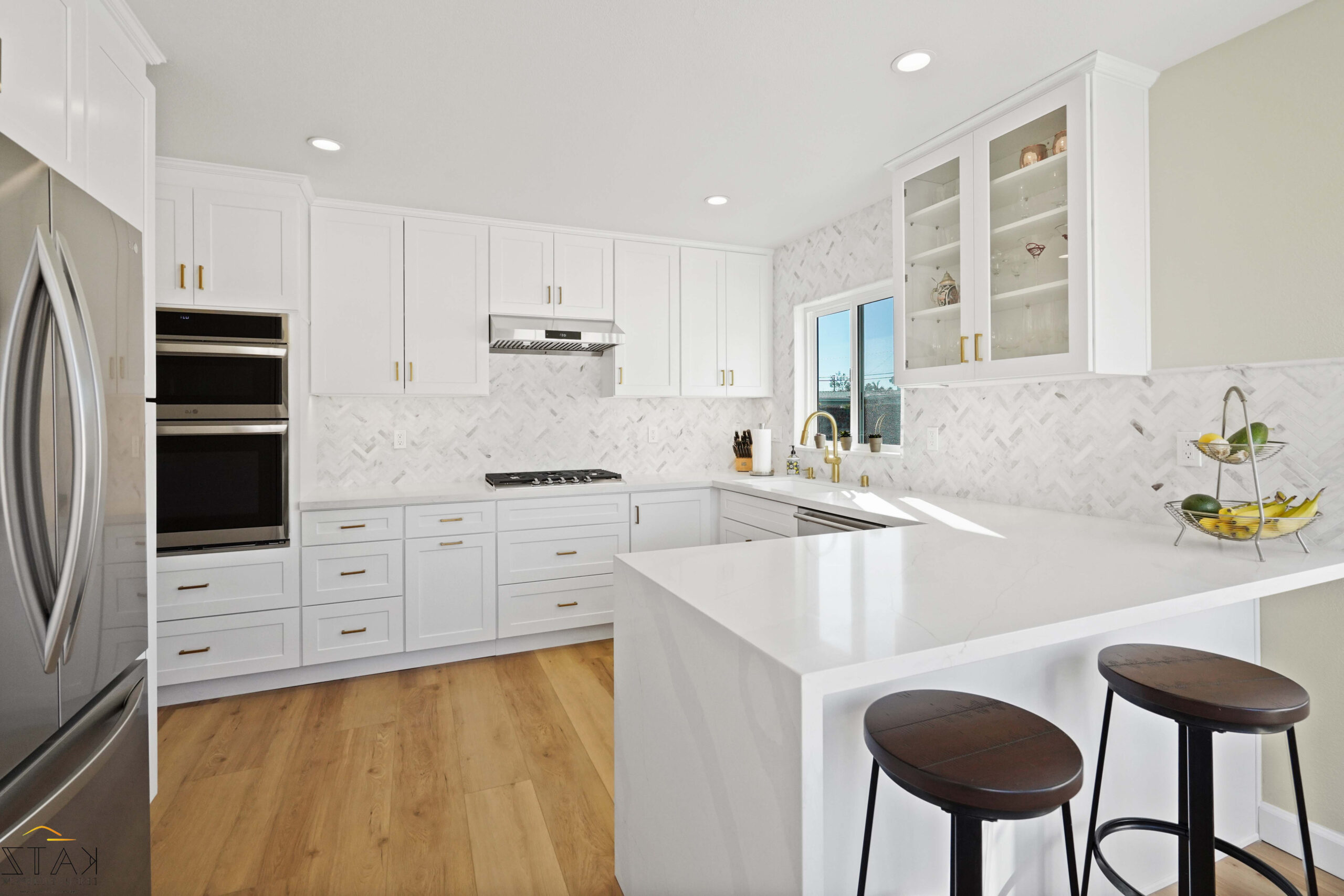
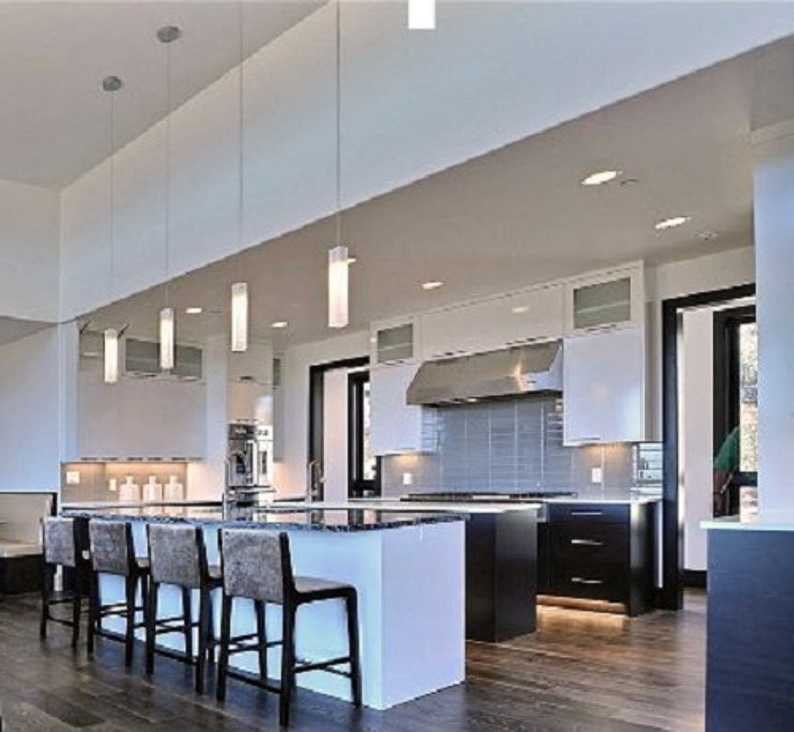
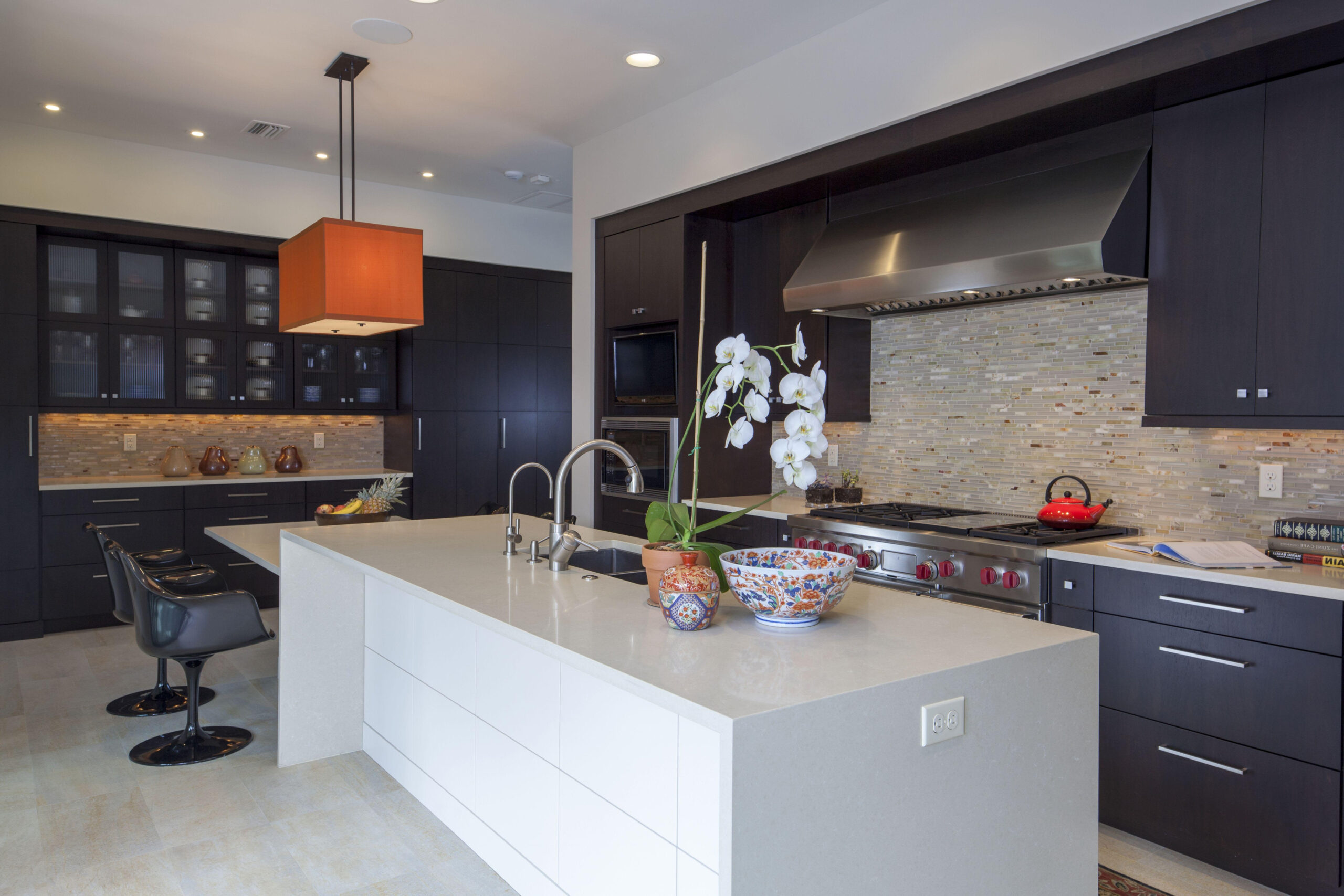
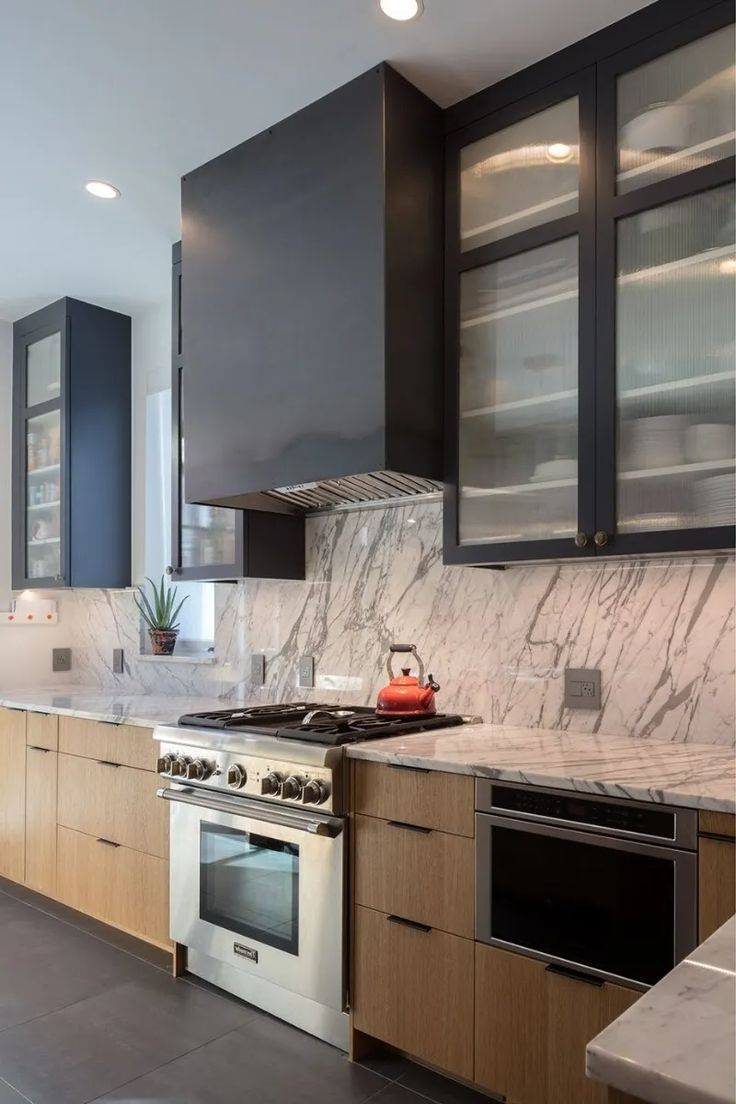
One of the most exciting aspects of modern kitchen hoods is how well they integrate with overall kitchen design. The concept of ‘hidden’ or ‘flushed’ installation has become increasingly popular. Hoods can now be built into cabinet panels, creating a seamless look that makes them appear like part of the cabinetry itself. This approach works particularly well in minimalist kitchens where everything needs to serve a purpose and contribute to the overall aesthetic. For those who prefer a more traditional look, there are still plenty of options that stand out beautifully. The key is matching the hood’s proportions and finish to the rest of the kitchen. A large, ornate hood might overwhelm a small kitchen, while a tiny hood could get lost in a spacious room. It’s all about scale and proportion. When the hood becomes a design element rather than just a functional necessity, it transforms the entire space.
Lighting and Smart Technology Features
Lighting has become one of the most important considerations in modern kitchen hood design. Beyond simply providing illumination for cooking, these fixtures often double as ambient lighting for the entire kitchen. LED technology has revolutionized this aspect, offering energy-efficient, long-lasting light sources that can be dimmed or color-adjusted. Many hoods now feature multiple lighting zones – bright task lighting for cooking areas and softer ambient lighting for dining spaces. Smart technology takes this even further. Some models include motion sensors that turn lights on when someone approaches the stove. Others can connect to home automation systems, allowing remote control via smartphone apps. There are even hoods that can detect cooking activity and automatically adjust lighting intensity and fan speed. The integration of technology makes these appliances more intuitive and user-friendly. It’s amazing how much convenience and functionality these seemingly simple additions bring to daily life.
Installation Considerations and Practical Tips
While the design aspects are fascinating, installation plays a huge role in whether a kitchen hood succeeds or fails. Proper mounting height is crucial – too low and it’s a safety hazard, too high and it won’t capture contaminants effectively. Most experts recommend a minimum of 24 inches and maximum of 30 inches above the cooktop. Ductwork routing can be tricky, especially in older homes where existing infrastructure doesn’t accommodate modern installations. Some homeowners opt for recirculating hoods instead of ducted models, though these require regular filter changes and may not be as effective at removing odors. Professional installation is often worth the investment, particularly for complex setups. Don’t forget about electrical requirements – many modern hoods need dedicated circuits to operate efficiently. Maintenance is another consideration – some designs are easier to clean than others. Choosing a hood with removable grease filters and accessible components makes ongoing care much simpler. The right choice depends on your specific kitchen layout and lifestyle needs.
Cost Considerations and Value Assessment
Kitchen hoods vary widely in price, from affordable options around $200 to premium models exceeding $2000. The cost reflects several factors including materials, features, brand reputation, and installation complexity. Higher-end models typically offer superior build quality, better finishes, and more advanced technology features. However, it’s important to remember that the most expensive option isn’t always the best choice for every situation. Consider your actual needs and usage patterns before making a purchase decision. A basic model might be sufficient if you cook infrequently and primarily use a gas range. On the other hand, frequent cooks who enjoy gourmet cooking might benefit from the extra features of a premium hood. Energy efficiency is another factor that affects long-term costs. Look for models with ENERGY STAR certification to save on electricity bills over time. Quality construction and reliable performance often justify higher upfront costs, especially if you plan to keep your kitchen for many years. Sometimes investing a bit more initially pays off in reduced maintenance and replacement costs later.
Maintenance and Longevity Factors
Even the most beautiful kitchen hood will lose its appeal if it’s not properly maintained. Regular cleaning is essential for both appearance and performance. Grease buildup can reduce airflow efficiency and create fire hazards. Most manufacturers recommend monthly cleaning of filters and quarterly deep cleaning of the hood interior. Some models feature self-cleaning functions or easy-to-remove components that make maintenance less tedious. The longevity of a hood depends largely on how well it’s cared for and how frequently it’s used. High-quality materials and construction tend to last longer, but even budget models can serve for years with proper attention. Replacement parts are generally available for most brands, though this varies significantly between manufacturers. Consider warranty coverage when making your selection – a good warranty indicates confidence in product quality. Understanding the maintenance requirements upfront helps ensure your investment continues to deliver both function and form for years to come.
Contemporary kitchen hoods represent a remarkable achievement in balancing two seemingly opposing forces: the need for effective ventilation and the desire for beautiful design. What started as simple utilitarian appliances has evolved into sophisticated pieces that enhance our living spaces while solving real problems. The key to success lies in understanding that function and form aren’t mutually exclusive – they actually reinforce each other when approached thoughtfully. Whether you’re renovating your entire kitchen or just replacing an old hood, taking time to consider how the new piece will fit into your overall design scheme pays dividends. The right hood doesn’t just improve your kitchen’s air quality – it elevates the entire experience of cooking and entertaining. It’s not just about removing smoke and odors anymore; it’s about creating spaces that feel good to live in. As technology continues advancing and design trends evolve, kitchen hoods will undoubtedly continue to surprise us with their ability to combine practicality with beauty in ways we never imagined possible.
[sps_html tag=”img” src=”https://roofdrivein.com/wp-content/uploads/2026/01/24-unique-modern-kitchen-hood-home-decoration-and-inspiration-ideas-regarding-how-contemporary-kitchen-hoods-balance-function-and-form.png” alt=”24 Unique Modern Kitchen Hood - Home Decoration And Inspiration Ideas regarding How Contemporary Kitchen Hoods Balance Function and Form” style=”width: 100%; height: auto;”]
[sps_html tag=”img” src=”https://roofdrivein.com/wp-content/uploads/2026/01/top-60-best-kitchen-hood-ideas-interior-ventilation-designs-for-how-contemporary-kitchen-hoods-balance-function-and-form.jpg” alt=”Top 60 Best Kitchen Hood Ideas - Interior Ventilation Designs for How Contemporary Kitchen Hoods Balance Function and Form” style=”width: 100%; height: auto;”]
[sps_html tag=”img” src=”https://roofdrivein.com/wp-content/uploads/2026/01/24-unique-modern-kitchen-hood-home-decoration-and-inspiration-ideas-for-modern-kitchen-hood-design.jpg” alt=”24 Unique Modern Kitchen Hood - Home Decoration And Inspiration Ideas for Modern Kitchen Hood Design” style=”width: 100%; height: auto;”]
[sps_html tag=”img” src=”https://roofdrivein.com/wp-content/uploads/2026/01/11-beautiful-kitchen-range-hood-ideas-for-your-next-renovation-modern-in-modern-kitchen-hood-design.jpg” alt=”11 Beautiful Kitchen Range Hood Ideas For Your Next Renovation | Modern … in Modern Kitchen Hood Design” style=”width: 100%; height: auto;”]
[sps_html tag=”img” src=”https://roofdrivein.com/wp-content/uploads/2026/01/modern-kitchen-hoods-latest-design-trends-for-how-contemporary-kitchen-hoods-balance-function-and-form.jpg” alt=”Modern Kitchen Hoods, Latest Design Trends for How Contemporary Kitchen Hoods Balance Function and Form” style=”width: 100%; height: auto;”]