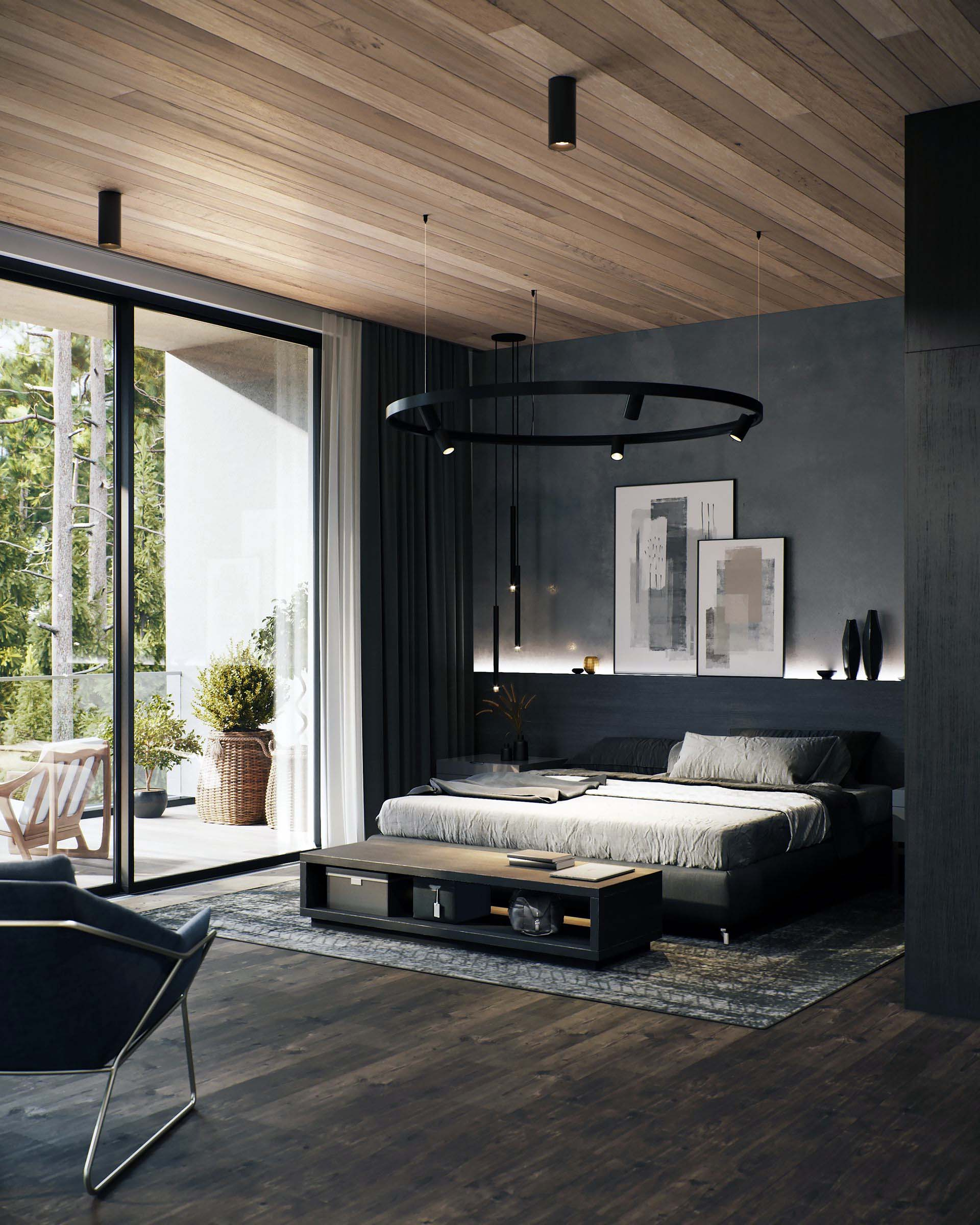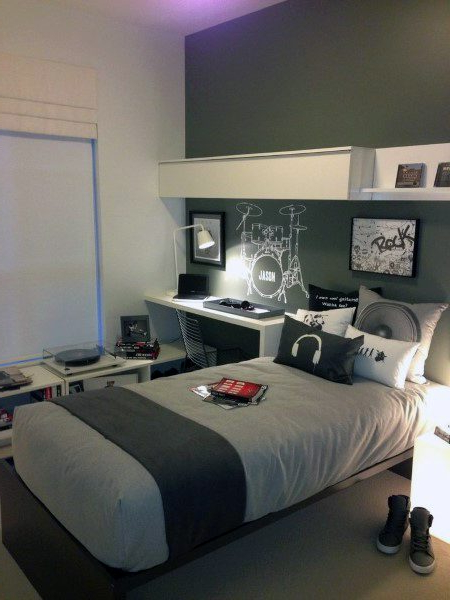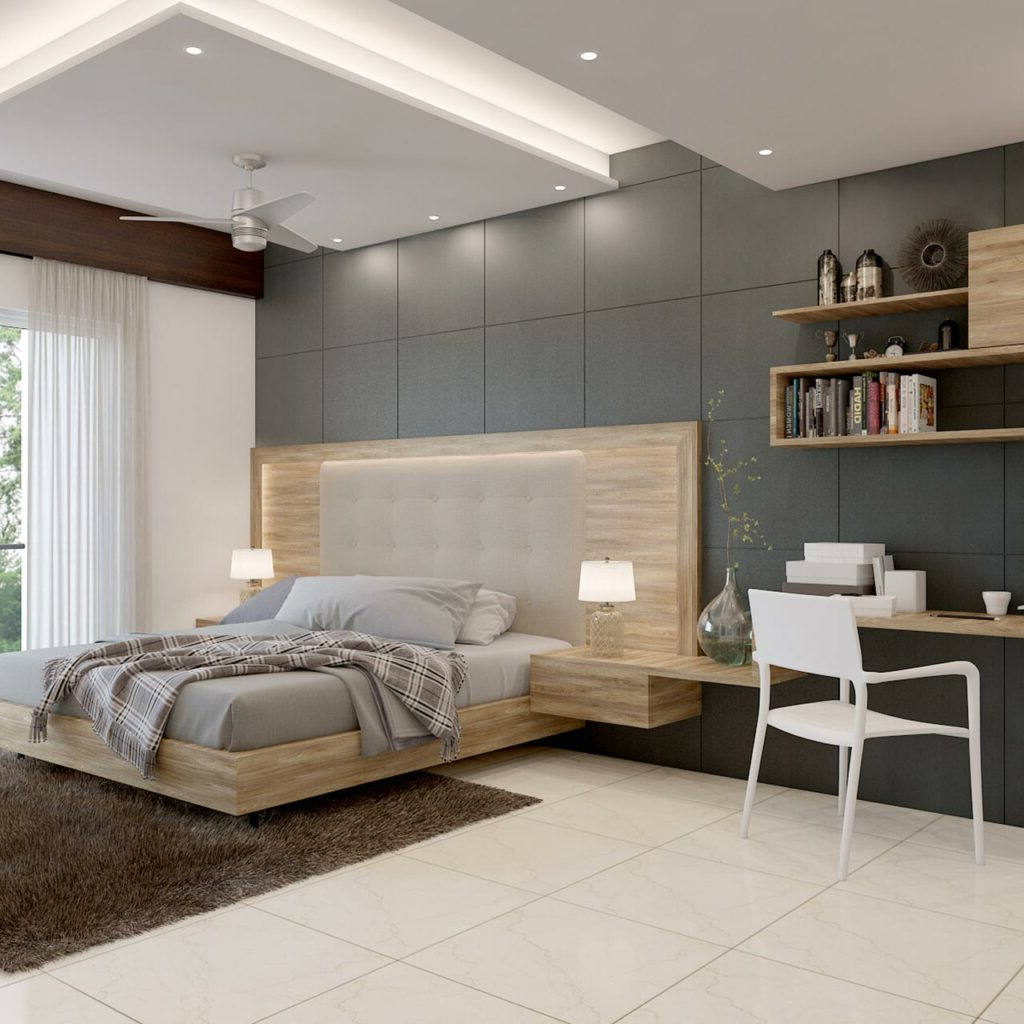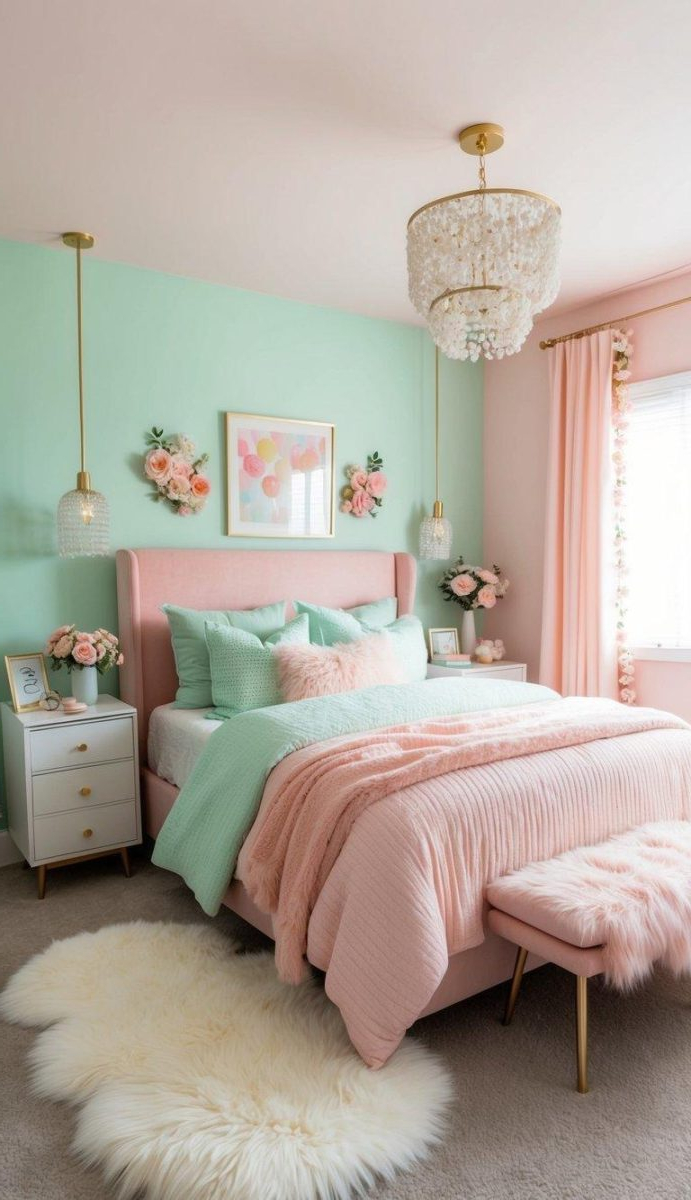
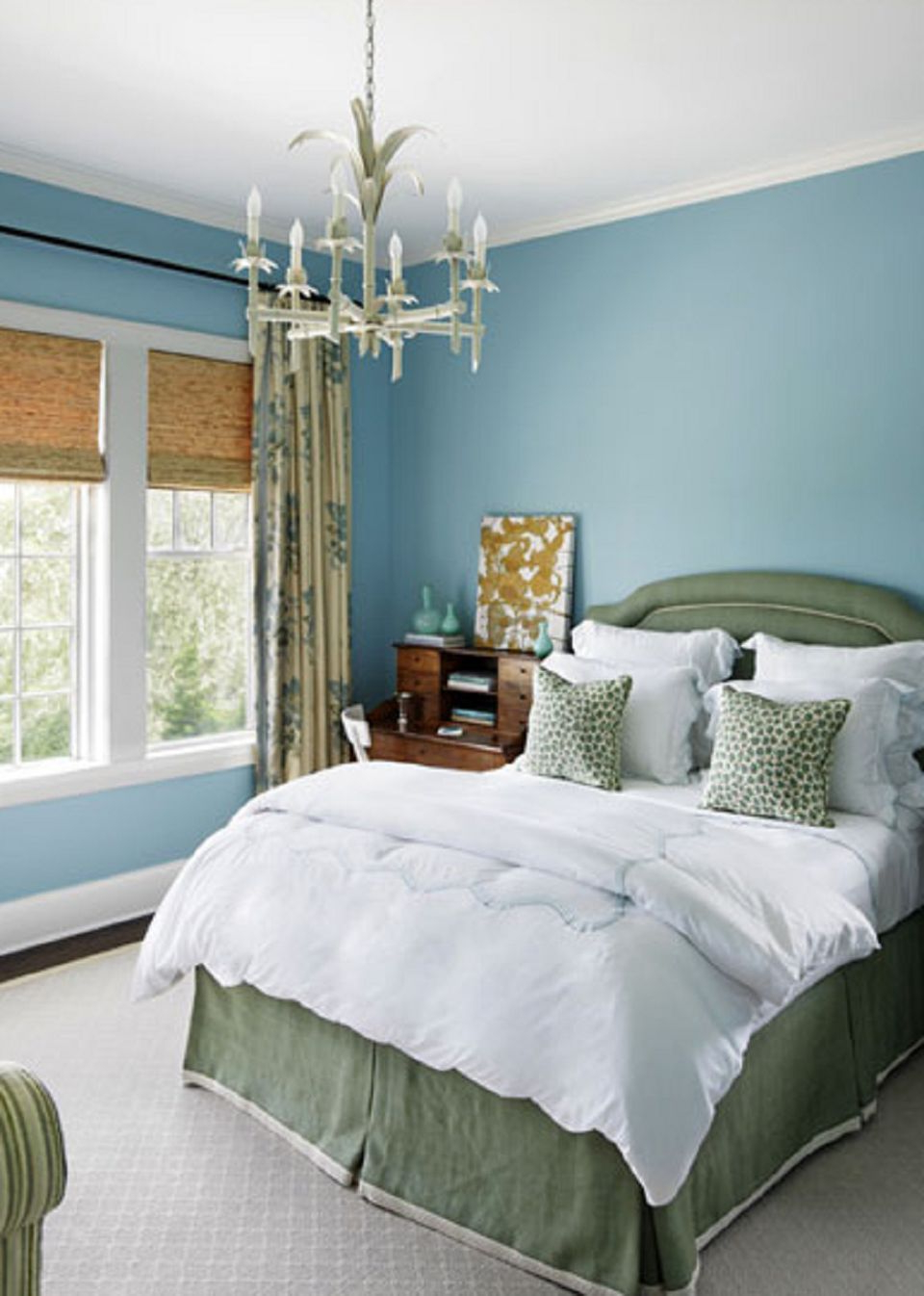
Have you ever walked into a room and instantly felt calmer? That’s the power of color working its magic. Blue bedrooms aren’t just pretty—they’re scientifically proven to influence our moods, sleep patterns, and even our stress levels. What if I told you that choosing the right shade of blue for your bedroom could be one of the simplest ways to boost your daily wellbeing? It’s not just about aesthetics. Blue has a profound impact on our nervous system, affecting everything from heart rate to hormone production. The right blue bedroom design might just be the missing piece in your wellness routine.
Let’s face it—we spend roughly a third of our lives sleeping. That means our bedrooms have an enormous impact on our health, mood, and productivity. While many people focus on comfort and cleanliness when designing their sleeping spaces, there’s another powerful factor that often gets overlooked: color. Blue stands out among all colors for its unique ability to create peaceful environments. But not all blues are created equal. The right shade, the proper application, and thoughtful design choices can make a world of difference in how you feel each day. From reducing anxiety to improving sleep quality, blue bedroom design ideas offer more than just visual appeal. They offer a pathway to better mental and physical health.
The Science Behind Blue and Sleep Quality
Blue isn’t just a pretty color—it’s a powerful tool for sleep regulation. Research shows that blue light exposure can help regulate our circadian rhythms, but the color itself also plays a role in how we feel physically and mentally. When we’re exposed to blue tones, our brains tend to produce less cortisol, the stress hormone. This naturally helps us relax and prepares our bodies for rest. Studies indicate that people who sleep in blue rooms experience deeper, more restorative sleep cycles. The color creates a sense of calm that makes it easier to fall asleep quickly and stay asleep longer. Think about it—when was the last time you felt completely relaxed in a space filled with harsh, bright colors? Blue offers something different: a gentle, soothing energy that whispers "rest" to our nervous systems.
Choosing the Right Blue Shades for Your Bedroom
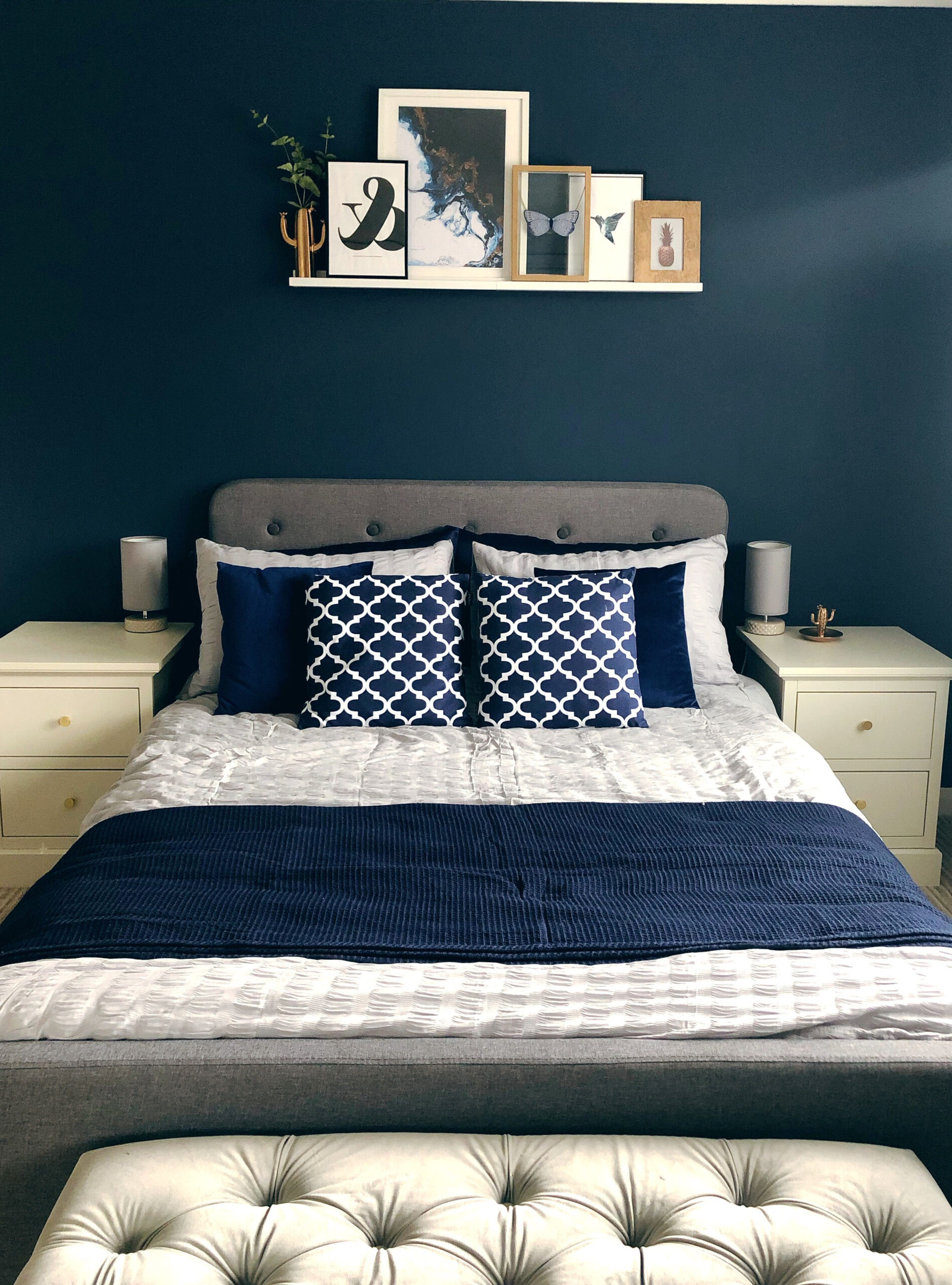
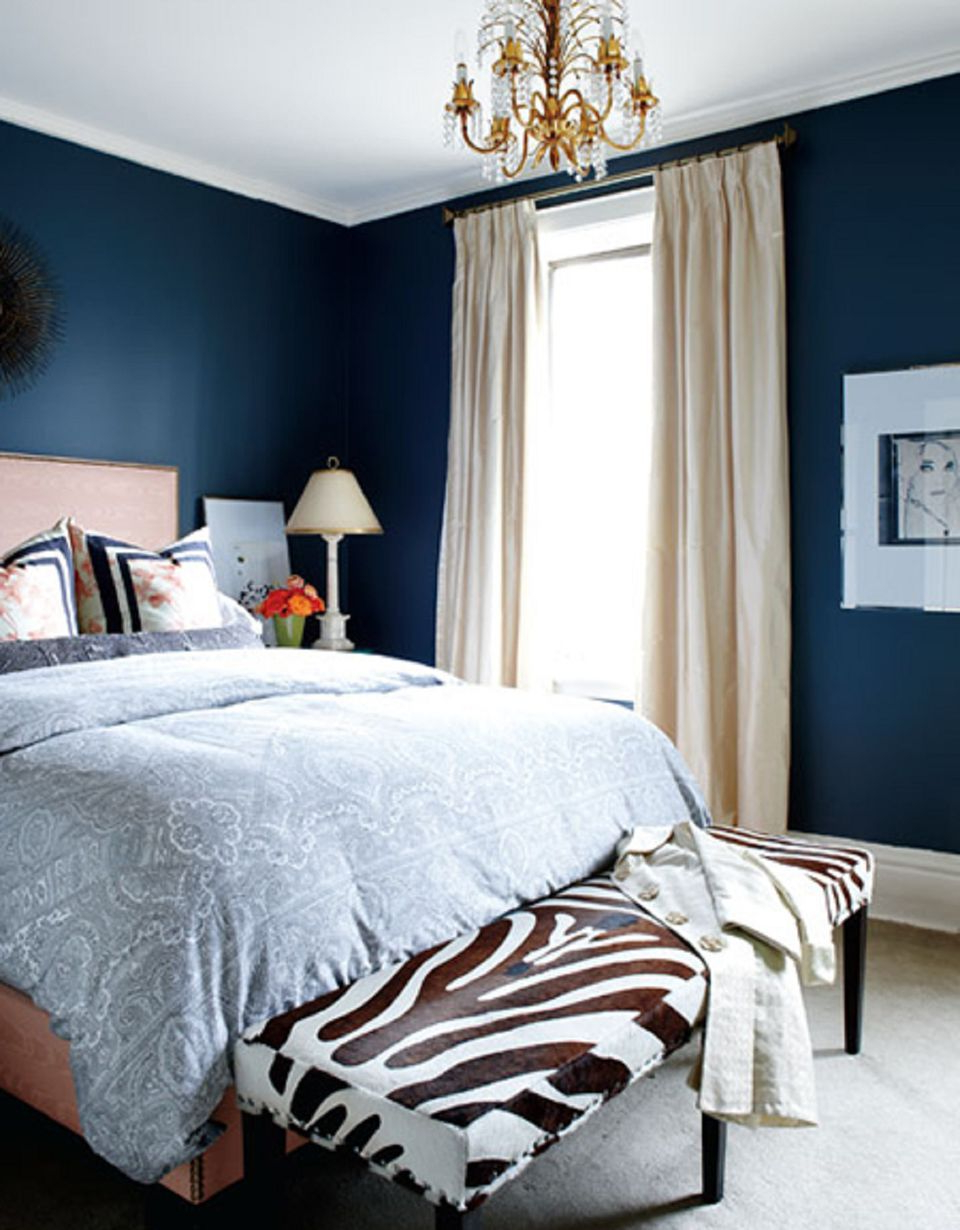
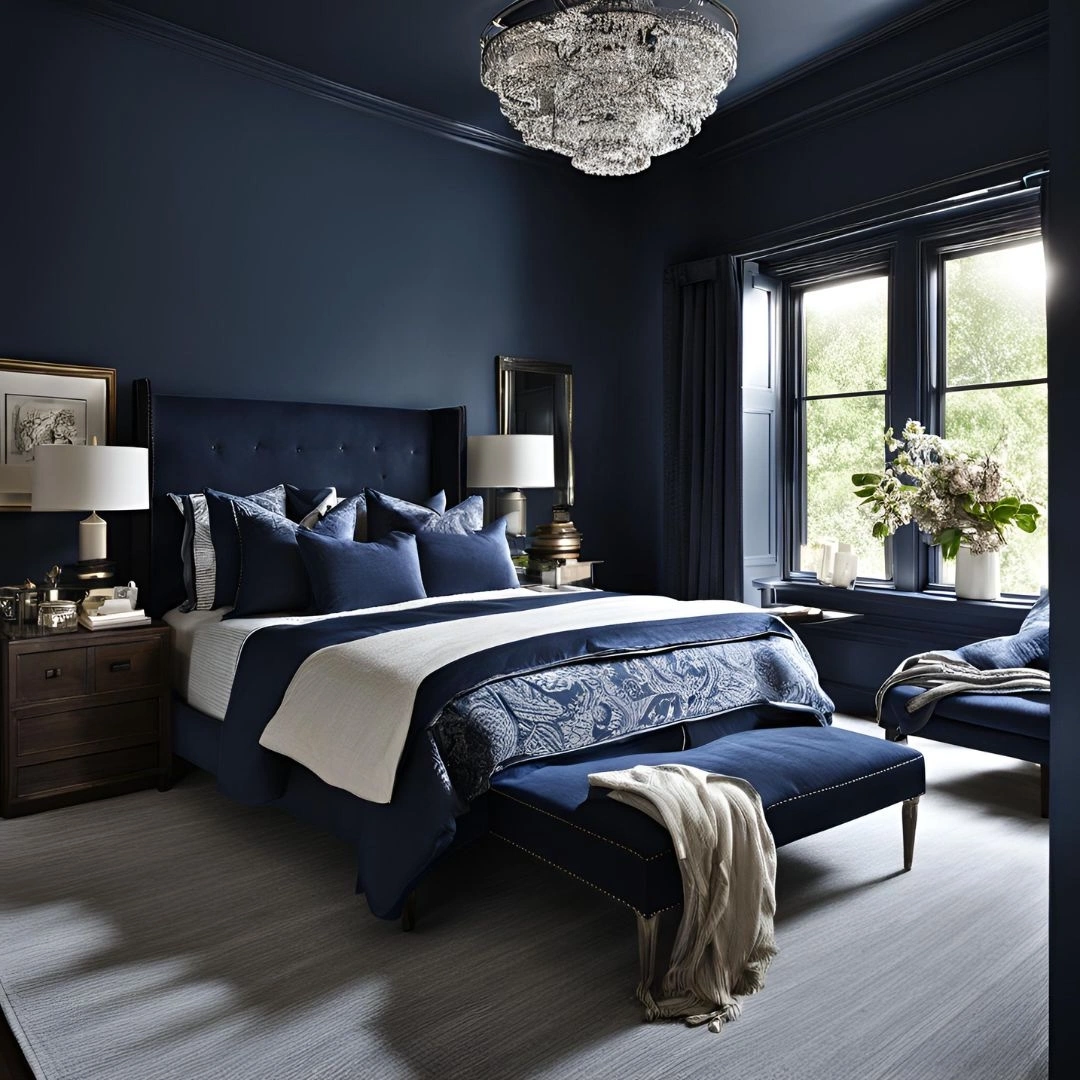
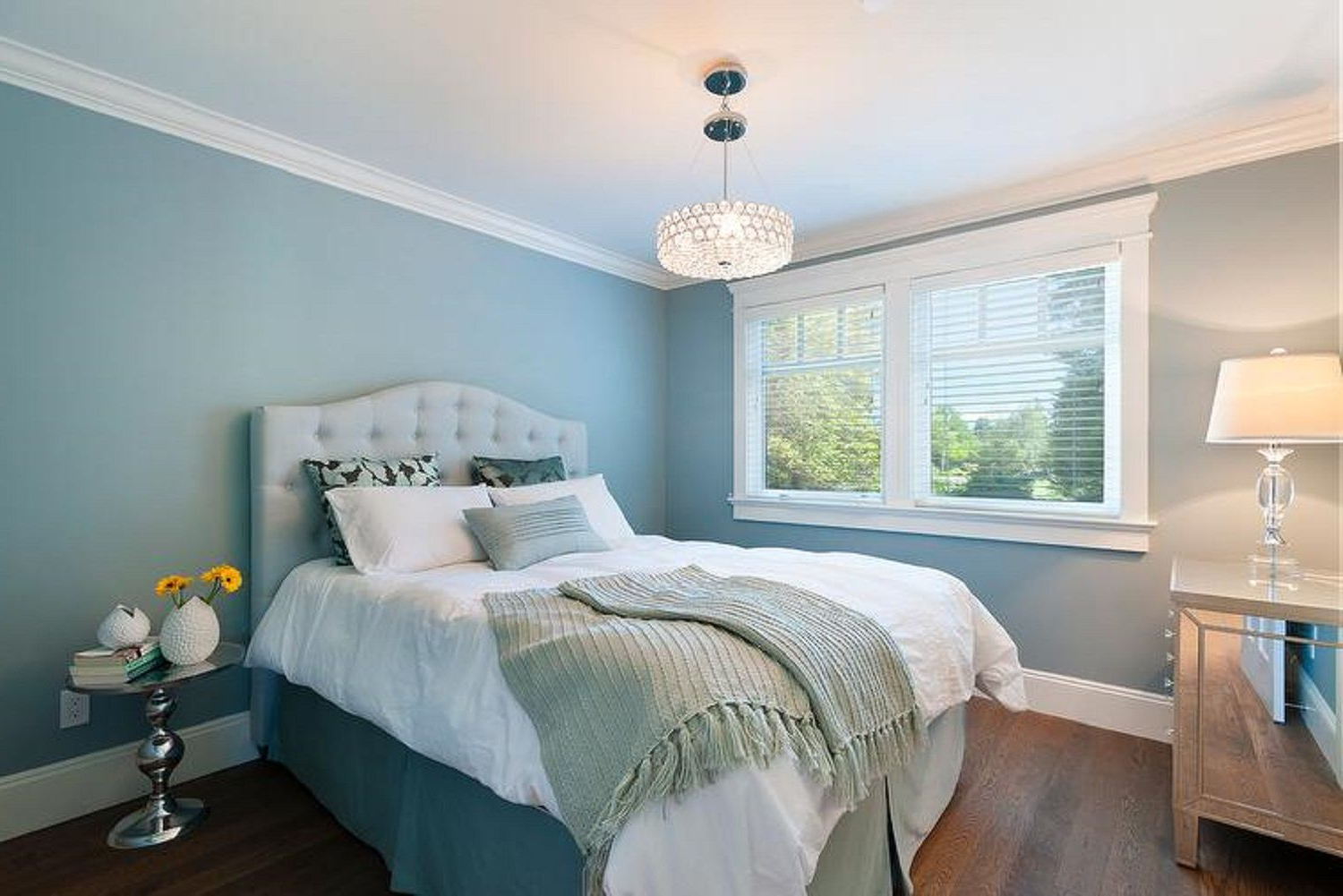
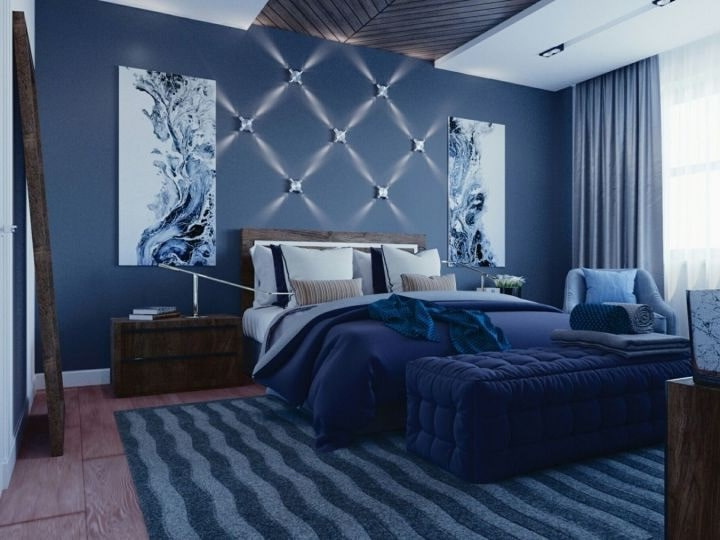
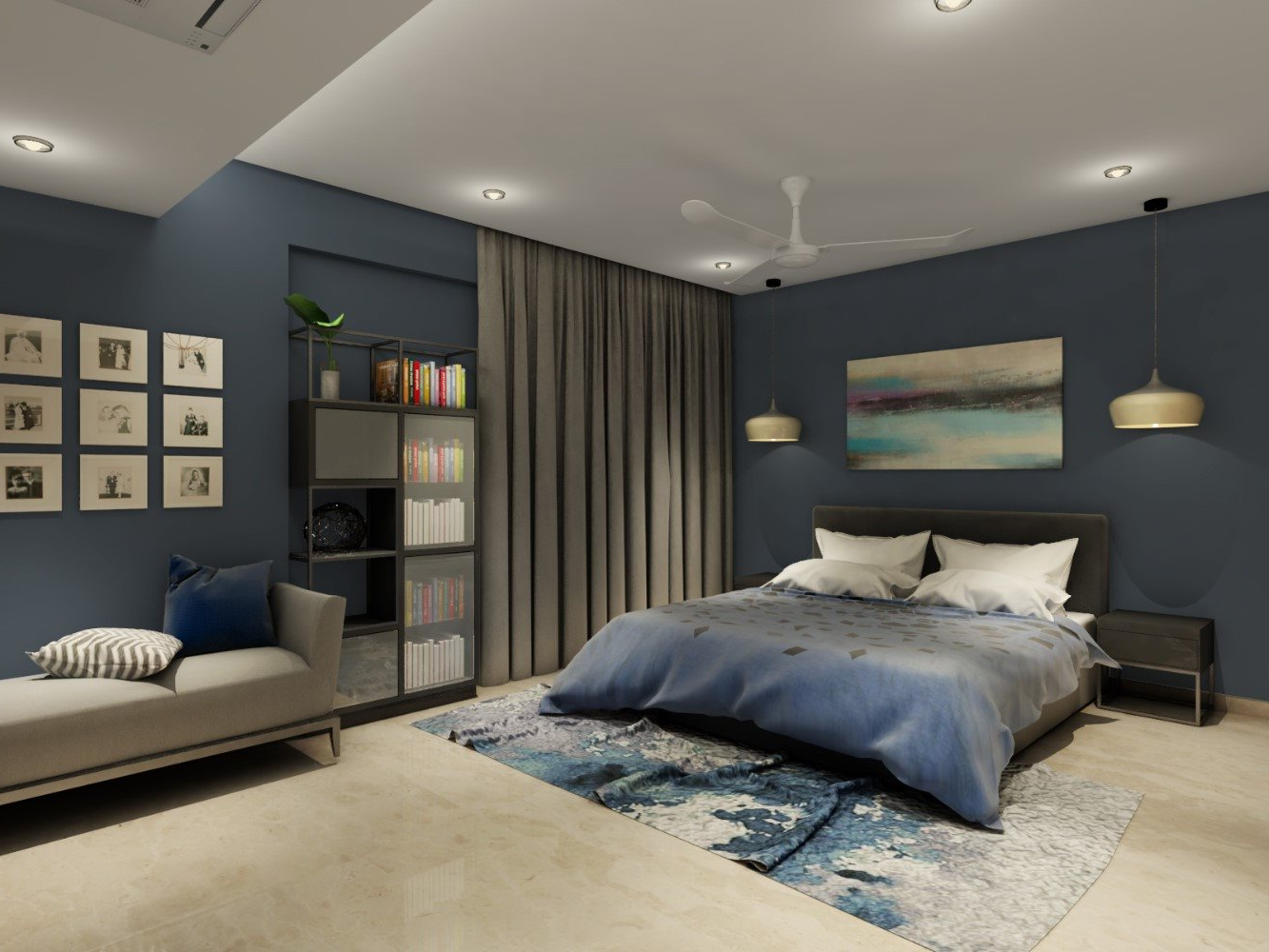
Not all blues are the same, and picking the right one for your space matters enormously. Lighter blues like baby blue or powder blue tend to be more calming and airy. These shades work especially well in smaller bedrooms where you want to create a sense of spaciousness while maintaining tranquility. Navy and deep blue tones, on the other hand, provide a more dramatic statement. They can feel grounding and sophisticated, but they might be too intense for some people’s sleep needs. Consider the room’s lighting as well. A north-facing bedroom might benefit from a slightly warmer blue to balance the coolness of the space. South-facing rooms might need a cooler blue to prevent overheating feelings. You can experiment with different blues through paint samples or fabric swatches before committing. Sometimes the perfect blue is the one that makes you feel most comfortable and relaxed when you step into your bedroom each night.
Blue Bedding and Textiles for Maximum Impact
Your bedding is probably the largest element in your bedroom that you interact with daily. Choosing blue bedding can amplify the calming effects of your room’s color scheme. Soft, natural fabrics like cotton or linen in blue tones create a gentle texture that feels good against your skin. Consider layering different blue tones for depth—maybe a navy duvet cover with lighter blue pillowcases. This approach adds visual interest while keeping the overall effect serene. Blue throws and blankets can serve as both functional items and decorative elements. They also allow you to adjust the intensity of blue in your space based on seasonal preferences. In winter, you might prefer deeper blues that feel cozy and warm. During summer months, lighter blues can keep the space feeling fresh and breezy. Don’t forget about the importance of quality sleep textiles. High-thread-count sheets in calming blue hues contribute significantly to your sleep environment and overall comfort.
Blue Wall Art and Decorative Elements
Art and decor can transform a plain blue wall into a focal point that enhances your wellbeing. Choose artwork that features blue tones in nature scenes—ocean views, sky silhouettes, or peaceful landscapes. These images reinforce the calming message of blue while adding visual interest. Abstract blue art can be equally effective, especially if it uses soft, flowing brushstrokes. The movement in abstract pieces can create a subtle hypnotic effect that aids relaxation. Consider incorporating blue ceramics, vases, or sculptures. These elements bring texture and dimension to your space. Small touches like blue candles, crystal glasses, or even blue plants can create a cohesive look. Remember, the goal isn’t to overwhelm with blue but to create a balanced environment where the color supports your peace of mind. A single striking piece of blue art can anchor an entire room while providing visual comfort.
Blue Lighting and Ambiance Considerations
Lighting plays a crucial role in how blue affects your space. Natural light can make blue walls appear more vibrant and energizing during the day. However, as evening approaches, you’ll want to shift toward softer, warmer lighting. Dimmable lights or soft LED bulbs in warm white or amber tones can complement blue walls beautifully. Blue light therapy lamps or devices designed for sleep support can enhance the natural benefits of blue. Some people find that using blue-tinted nightlights or ambient lighting helps them transition more smoothly into sleep mode. Smart lighting systems allow you to change colors throughout the day, creating different moods and atmospheres. For example, a gentle blue hue in the morning might help wake you gently, while a deeper blue in the evening promotes relaxation. The key is consistency in how you use lighting to support your natural rhythms.
Creating a Blue Haven for Better Daily Wellness
A well-designed blue bedroom becomes more than just a place to sleep—it transforms into a sanctuary for your daily wellbeing. When you wake up in a space that promotes calm, you’re setting a positive tone for the entire day. The reduced stress levels associated with blue environments can lead to better decision-making, improved concentration, and enhanced emotional stability. Your body begins to associate the blue space with rest and recovery, which can improve your overall stress management. Many people report feeling more grounded and peaceful after spending time in blue-dominated spaces. This translates into better performance at work, more patience with family members, and greater resilience during challenging times. Blue bedroom design ideas offer a simple, natural way to influence your daily experience without requiring expensive supplements or complicated routines. The investment in thoughtful blue design pays dividends in improved mood, better sleep, and enhanced life satisfaction.
Blue bedroom design ideas represent more than just a decorating trend—they’re a practical approach to enhancing your daily wellbeing. From the science behind how blue affects our physiology to the practical considerations of choosing the right shades and applications, there’s a lot to consider. But the payoff is substantial. A thoughtfully designed blue space can help you sleep better, feel calmer, and start each day with renewed energy. You don’t need to overhaul your entire bedroom to see benefits. Even small changes like adding blue bedding, selecting blue artwork, or adjusting your lighting can make a meaningful difference. The beauty of blue lies in its versatility and accessibility. Whether you choose a soft powder blue for a dreamy atmosphere or a rich navy for a bold statement, the key is creating an environment that supports your personal wellbeing. Start small, experiment with different approaches, and notice how your daily mood and energy levels change. Your bedroom deserves to be more than just a place to sleep—it can be a foundation for better living.
[sps_html tag=”img” src=”https://roofdrivein.com/wp-content/uploads/2026/01/40-beautiful-blue-bedroom-ideas-artofit-pertaining-to-how-blue-bedroom-design-ideas-can-enhance-your-daily-wellbeing-scaled.jpg” alt=”40 Beautiful Blue Bedroom Ideas – Artofit pertaining to How Blue Bedroom Design Ideas Can Enhance Your Daily Wellbeing” style=”width: 100%; height: auto;”]
[sps_html tag=”img” src=”https://roofdrivein.com/wp-content/uploads/2026/01/15-blue-bedroom-ideas-that-instill-a-sense-of-calmness-and-serenity-regarding-bedroom-design-ideas-blue.png” alt=”15 Blue Bedroom Ideas That Instill A Sense Of Calmness And Serenity regarding Bedroom Design Ideas Blue” style=”width: 100%; height: auto;”]
[sps_html tag=”img” src=”https://roofdrivein.com/wp-content/uploads/2026/01/25-stunning-blue-bedroom-ideas-with-how-blue-bedroom-design-ideas-can-enhance-your-daily-wellbeing.jpeg” alt=”25 Stunning Blue Bedroom Ideas with How Blue Bedroom Design Ideas Can Enhance Your Daily Wellbeing” style=”width: 100%; height: auto;”]
[sps_html tag=”img” src=”https://roofdrivein.com/wp-content/uploads/2026/01/300-blue-bedroom-design-ideas-regarding-how-blue-bedroom-design-ideas-can-enhance-your-daily-wellbeing.jpg” alt=”300 Blue Bedroom Design Ideas regarding How Blue Bedroom Design Ideas Can Enhance Your Daily Wellbeing” style=”width: 100%; height: auto;”]
[sps_html tag=”img” src=”https://roofdrivein.com/wp-content/uploads/2026/01/24-stunning-blue-bedroom-ideas-pertaining-to-how-blue-bedroom-design-ideas-can-enhance-your-daily-wellbeing.jpg” alt=”24 Stunning Blue Bedroom Ideas pertaining to How Blue Bedroom Design Ideas Can Enhance Your Daily Wellbeing” style=”width: 100%; height: auto;”]