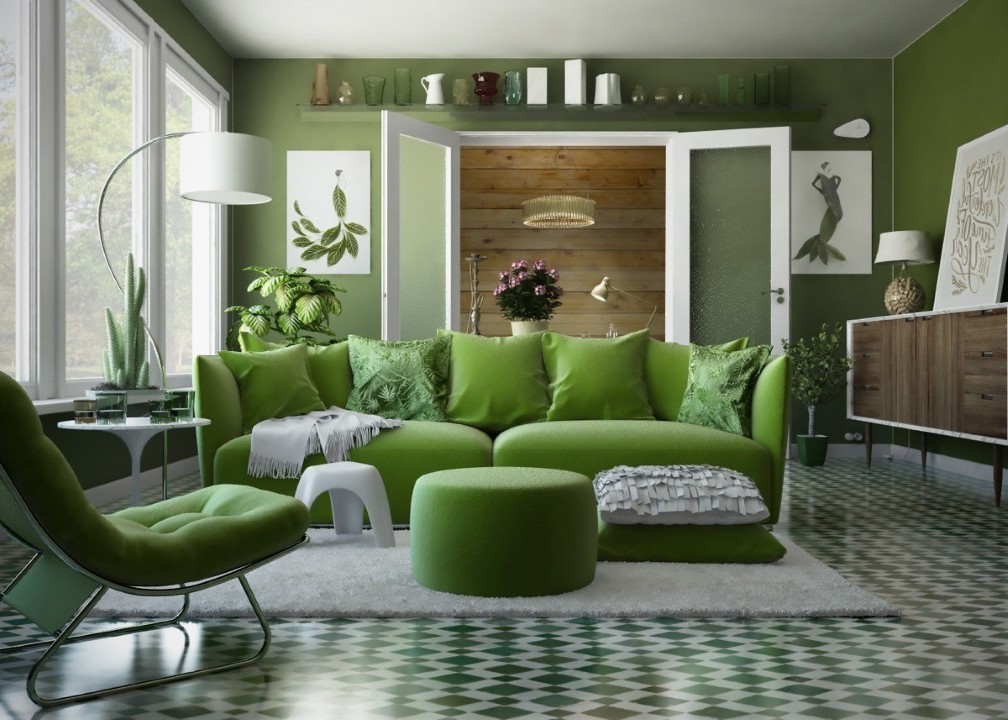
Your home should reflect your values, including your commitment to protecting the planet. Making your living space more eco-friendly doesn’t have to mean sacrificing style or spending a fortune. In fact, many sustainable decorating choices can actually save you money while creating a beautiful, healthy environment for you and your family. The key is knowing where to start and what options are truly effective.
Let’s face it – we all want our homes to feel cozy, inviting, and uniquely us. But increasingly, people are realizing that how we decorate our spaces has a real impact on the world around us. The good news? You don’t need to completely overhaul your entire home to make a difference. Small changes can add up to big results when it comes to sustainability. Whether you’re redecorating a room or just looking to refresh your current setup, there are plenty of simple ways to incorporate eco-conscious choices that will make your space feel fresh and responsible.
Choose Secondhand and Vintage Pieces
Decorating with sustainability in mind doesn’t mean sacrificing style or comfort. In fact, choosing secondhand and vintage items is often one of the most creative and rewarding ways to design a space. When you shop pre-owned, you’re not just saving money—you’re making an environmentally responsible choice that reduces waste and lowers the demand for new manufacturing. Every reused item represents fewer raw materials consumed and less energy spent, making secondhand décor a powerful step toward a greener home.
Thrift stores, estate sales, flea markets, and online resale platforms are full of hidden gems waiting to be discovered. Unlike big-box retailers, these places offer pieces with individuality. A solid wood dining table that has already stood the test of time, a well-crafted armchair with a unique silhouette, or a vintage mirror with a beautifully aged frame can instantly elevate a room. These items often feature craftsmanship and materials that are difficult to find in modern, mass-produced furniture.
One of the greatest advantages of secondhand shopping is flexibility. You’re free to think creatively rather than follow trends exactly as they appear in catalogs. An old dresser can become a bathroom vanity. A wooden ladder can be transformed into open shelving or a plant display. Even small accessories—like ceramic bowls, brass candlesticks, or framed artwork—can add personality and warmth to your space. These repurposed items don’t just fill a room; they tell a story.
Local consignment shops deserve special attention as well. They often curate higher-quality items, making it easier to find pieces that feel both timeless and functional. Shopping locally also supports small businesses and keeps resources circulating within your community, adding another layer of sustainability to your design choices.
It’s important to look past surface imperfections. Minor scratches, faded finishes, or worn fabric are often easy to repair or refresh with a bit of effort. A new coat of paint, updated hardware, or reupholstering can completely transform an older piece while still preserving its character. This process allows you to customize your décor in a way that feels personal and intentional.
Beyond aesthetics, vintage and secondhand pieces bring a sense of depth to your home. They reflect history, craftsmanship, and individuality—qualities that are hard to replicate with brand-new items. By choosing pre-loved décor, you create a space that feels layered and authentic rather than overly polished or generic.
Ultimately, decorating with secondhand and vintage pieces is about mindful consumption. It encourages you to slow down, choose thoughtfully, and value what already exists. The result is a home that feels unique, meaningful, and aligned with sustainable living—proof that style and environmental responsibility can go hand in hand.
Use Natural Materials and Textiles
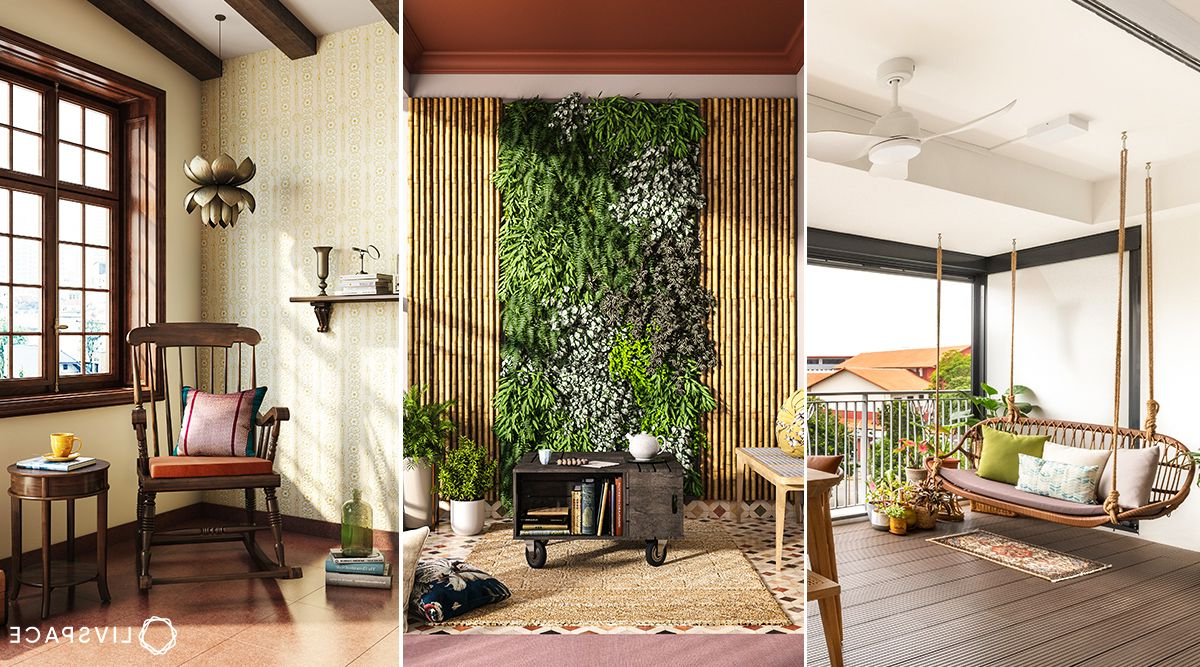
Natural materials breathe life into any room while being gentle on the environment. Consider incorporating items made from bamboo, cork, jute, or sisal. These materials are renewable, biodegradable, and often require less energy to process than synthetic alternatives. For example, a bamboo coffee table brings warmth to your living area, while jute rugs add texture and comfort without harmful chemicals. Natural fiber curtains not only filter light beautifully but also regulate humidity naturally. When selecting textiles, look for organic cotton, linen, or hemp options. These fabrics are grown without pesticides and processed using fewer chemicals. They’re also more durable and will last longer than synthetic alternatives. You’ll notice the difference in air quality and overall ambiance when your home is filled with these earth-friendly materials.
Repurpose and Upcycle Existing Items
Before buying anything new, take a good look at what you already have. Often, a simple change in arrangement or a quick paint job can give old furniture new purpose. A plain wooden crate can become a stylish side table, and an old door can transform into a unique wall hanging. Many DIY projects require minimal supplies and can completely change a room’s vibe. Consider painting an outdated dresser in a fresh color or adding new hardware to give it new life. Repurposing items not only saves money but also reduces demand for new products and their associated environmental costs. You might be surprised at what potential your existing pieces have. Sometimes the best design solutions come from thinking creatively about what you already own.
Select Energy-Efficient Lighting
Lighting plays a crucial role in setting the mood of any room, and choosing energy-efficient options makes sense both financially and environmentally. LED bulbs consume up to 80% less energy than traditional incandescent bulbs and last much longer. They’re available in various brightness levels and color temperatures, allowing you to create the perfect atmosphere. Consider installing dimmer switches to control light levels and reduce electricity usage even further. Smart lighting systems can automatically adjust based on time of day or occupancy. Even if you’re not ready to upgrade everything at once, replacing one bulb at a time is a practical first step. These small changes compound over time, reducing your carbon footprint and utility bills simultaneously.
Add Indoor Plants for Fresh Air
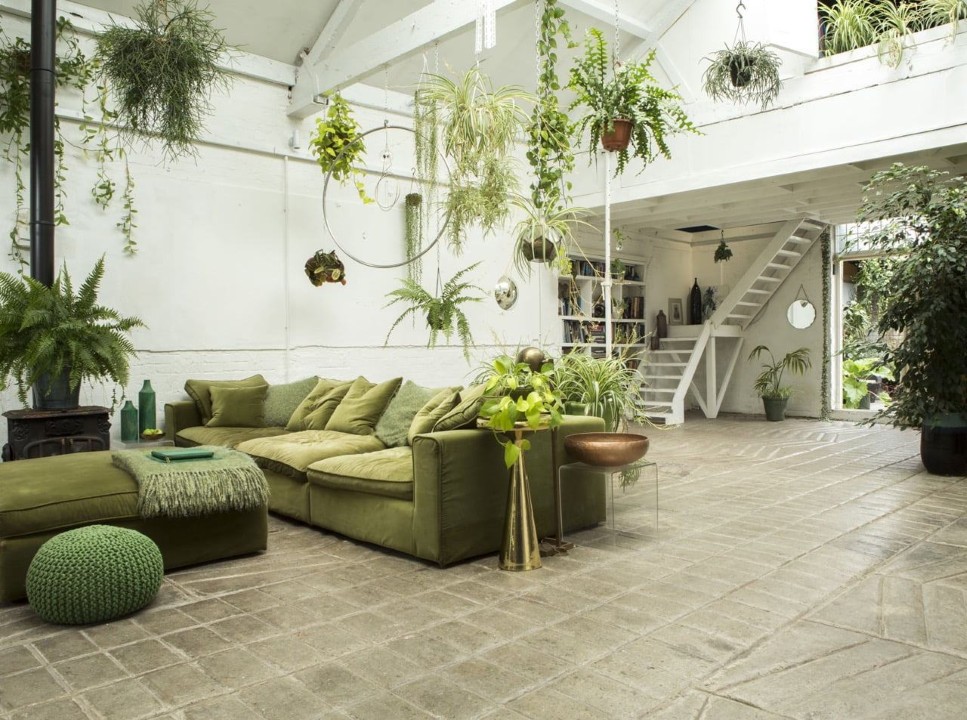
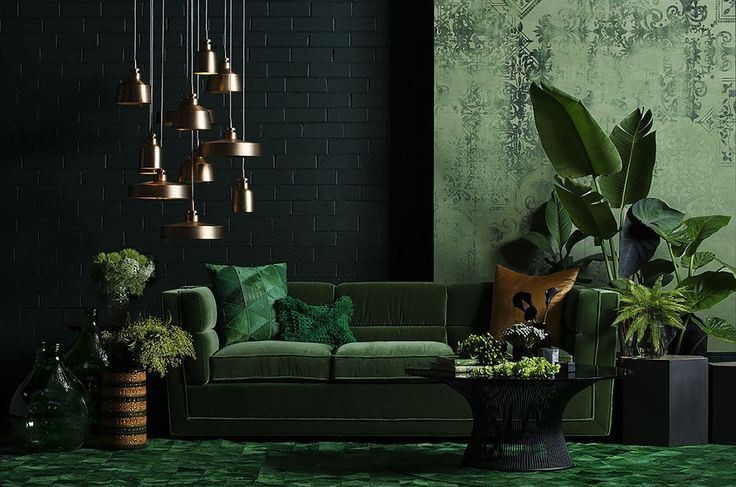
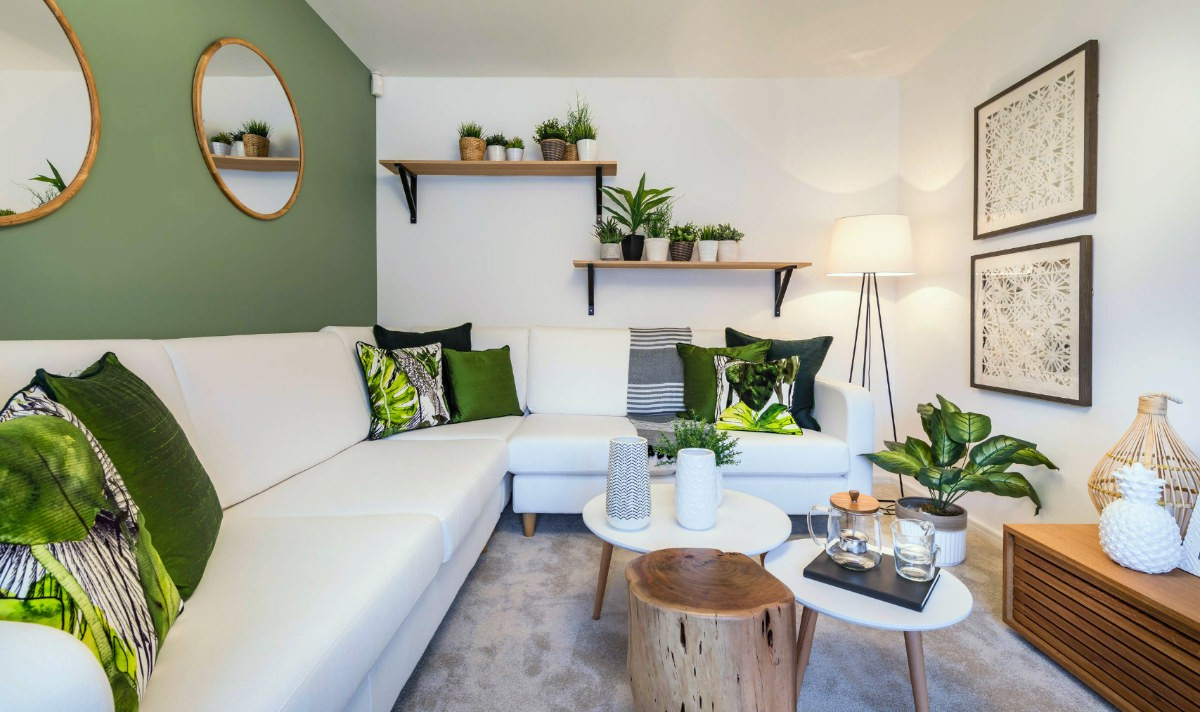
Plants do more than just look pretty in your home – they actively improve air quality and create a calming atmosphere. Certain plants like snake plants, pothos, and peace lilies are particularly effective at filtering toxins from indoor air. Not only do they purify the air, but they also add natural beauty and movement to your space. Choose low-maintenance varieties if you’re new to plant care, and consider hanging planters or vertical gardens to maximize space. Plants also provide psychological benefits, reducing stress and increasing feelings of well-being. Creating a small indoor garden doesn’t require a green thumb – many varieties thrive in typical indoor conditions. Plus, plants can serve as natural air fresheners, eliminating the need for chemical alternatives.
Opt for Non-Toxic Paints and Finishes
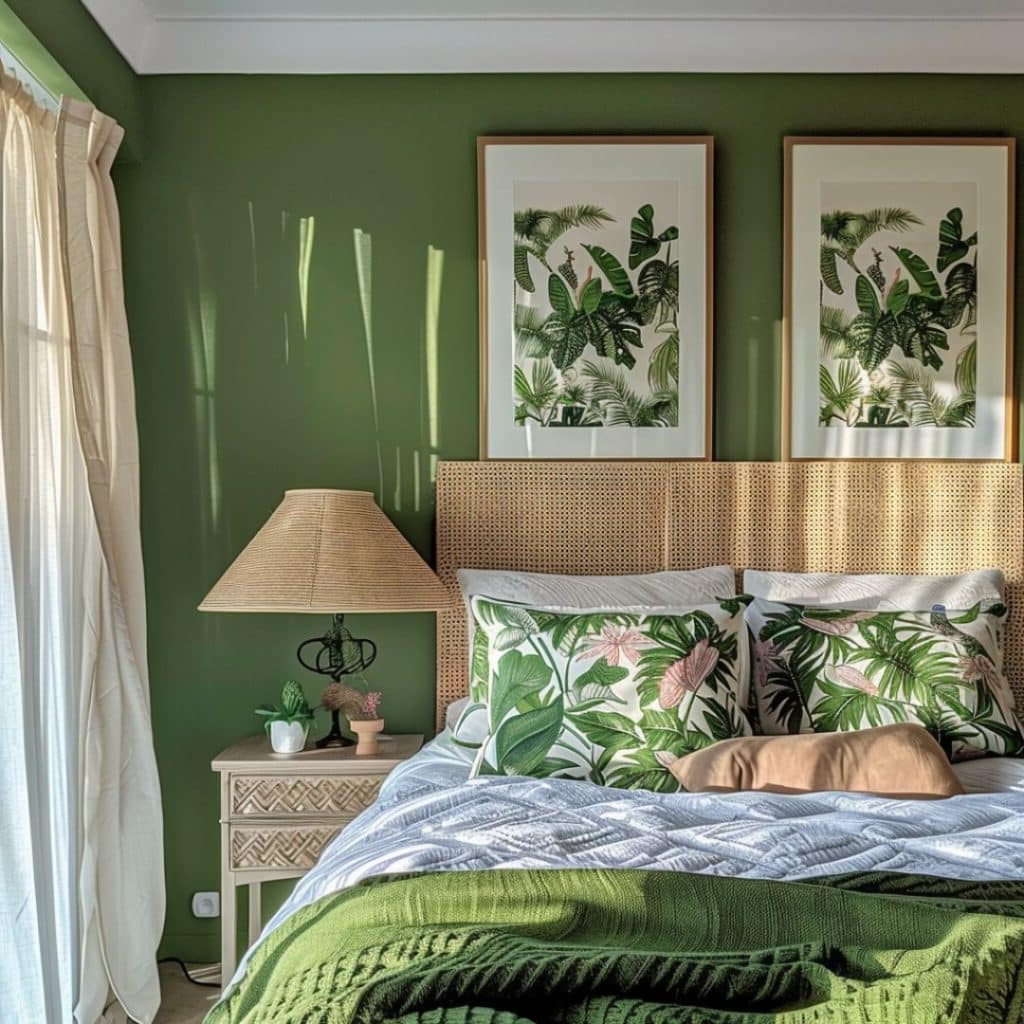
The paint you choose for your walls can significantly impact indoor air quality and your family’s health. Traditional paints often contain volatile organic compounds (VOCs) that can cause respiratory issues and headaches. Opt for low-VOC or zero-VOC paints instead. These options are just as vibrant and durable but much safer for your family and the environment. Many brands now offer eco-friendly paints that are made from natural ingredients and biodegradable components. When painting, ensure good ventilation and consider hiring professionals if you’re concerned about fumes. For trim and furniture, look for water-based finishes that are also non-toxic. Remember, a little investment in clean air pays dividends in comfort and health.
Making your home decor more sustainable doesn’t have to be overwhelming or expensive. By incorporating secondhand finds, natural materials, repurposed items, efficient lighting, indoor plants, and non-toxic products, you can create a beautiful, healthy living space that aligns with your environmental values. These changes work together to reduce waste, improve air quality, and create a more comfortable home environment. Start with one or two areas of your home and gradually expand your sustainable approach. Every small choice matters, and collectively, these decisions contribute to a healthier planet. Your home should be a reflection of who you are, and when you choose sustainable decor, you’re not just decorating – you’re making a statement about the kind of future you want to live in.