Whether you’re renovating your home or simply looking to update your dining space, choosing the right table style can transform your entire room. From time-honored traditional designs to cutting-edge contemporary aesthetics, each approach tells a story about your lifestyle and preferences. The right dining table isn’t just functional—it’s a statement piece that reflects who you are and how you live.
The dining room table sits at the heart of many homes, serving as both a practical gathering place and a visual centerpiece. But with so many styles available today, picking the perfect one can feel overwhelming. Some people gravitate toward the warmth and craftsmanship of traditional pieces, while others prefer the clean lines and minimalist appeal of modern designs. The truth is, there’s no one-size-fits-all solution. What matters most is finding a style that resonates with your personal taste and fits seamlessly into your lifestyle. Let’s explore the various dining table styles that define our homes today.
Traditional Dining Table Styles
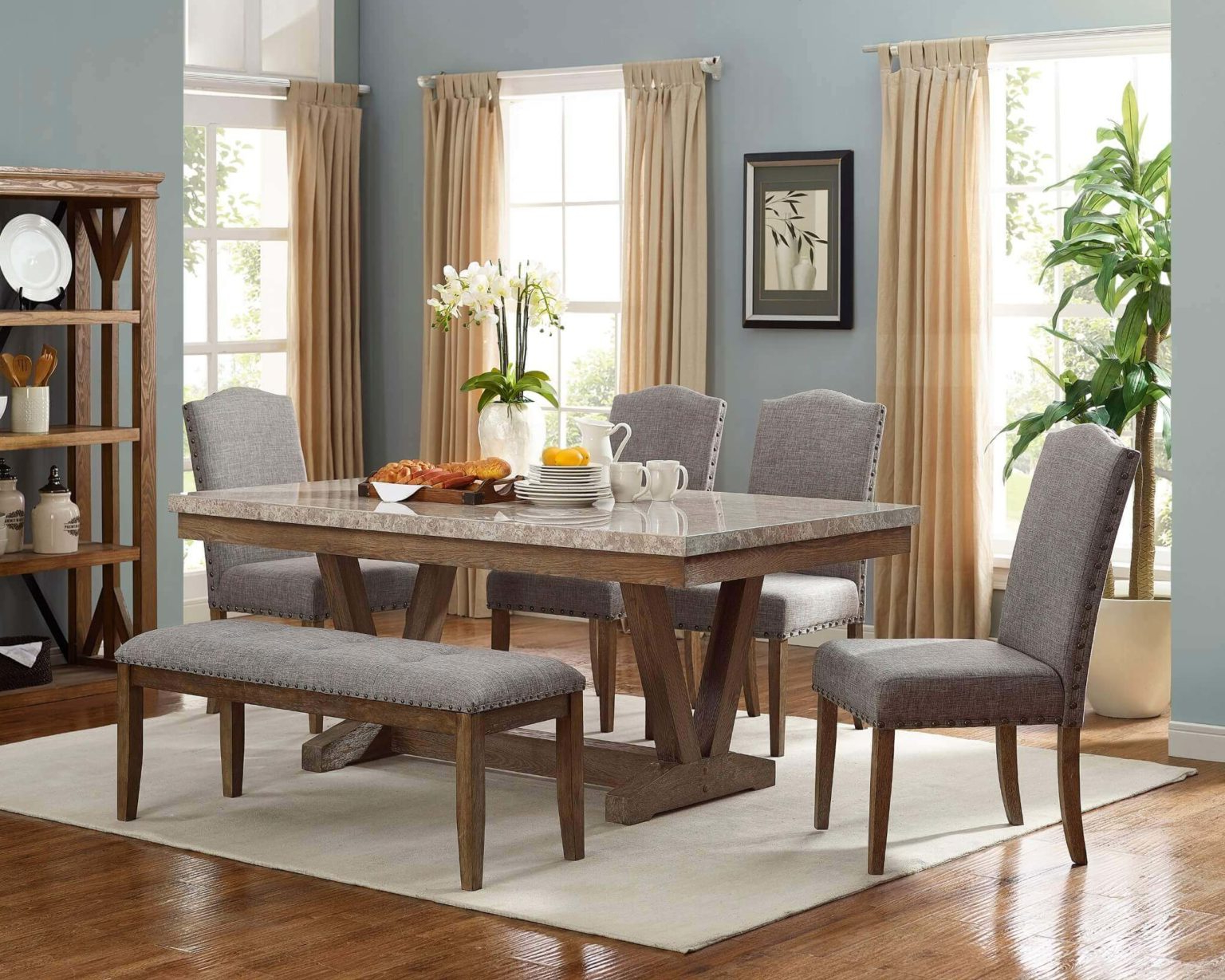
Traditional dining tables have stood the test of time, offering enduring elegance and timeless appeal. These designs often feature rich woods like oak, cherry, or mahogany, and showcase detailed craftsmanship that speaks to heritage and quality.
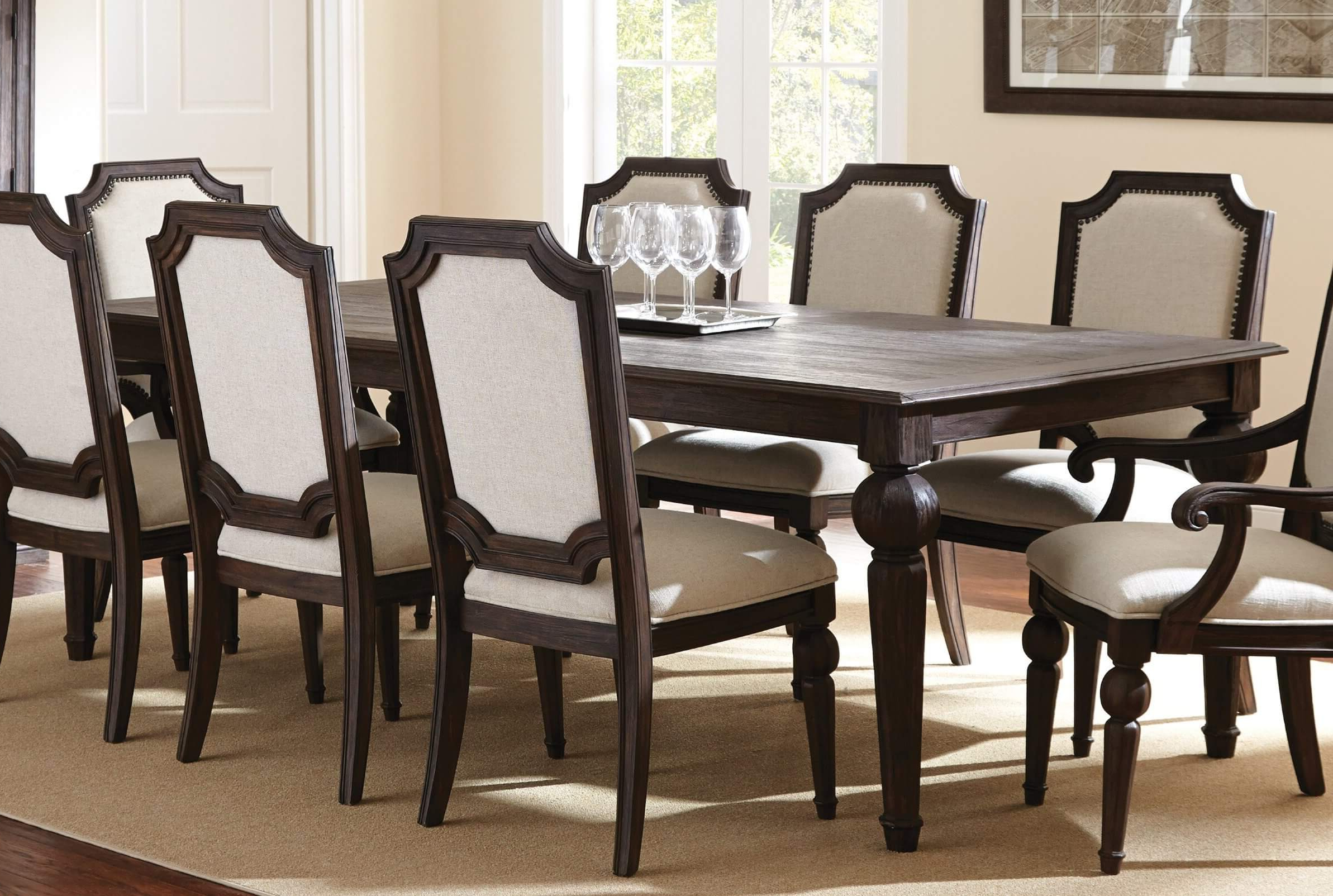
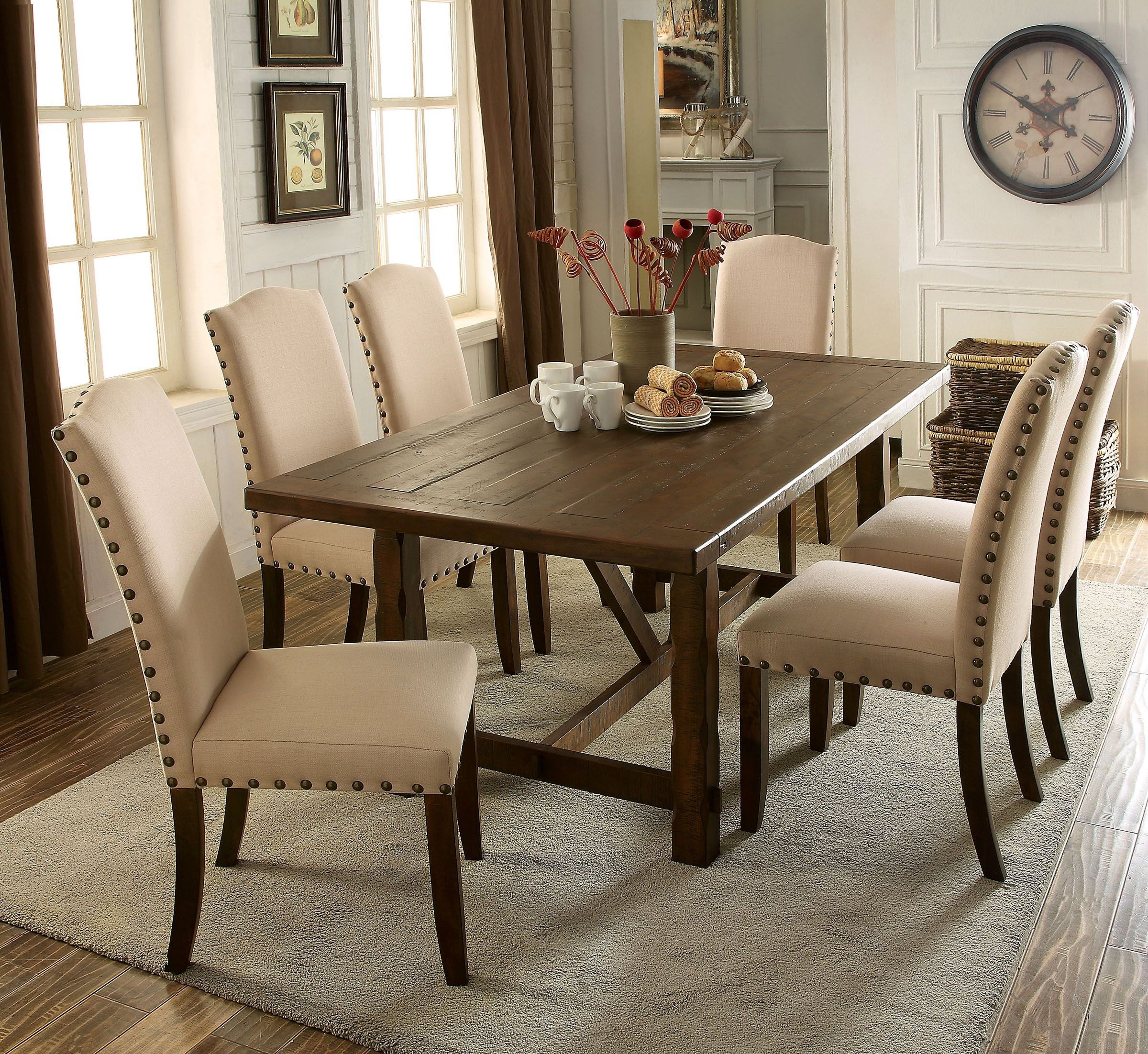
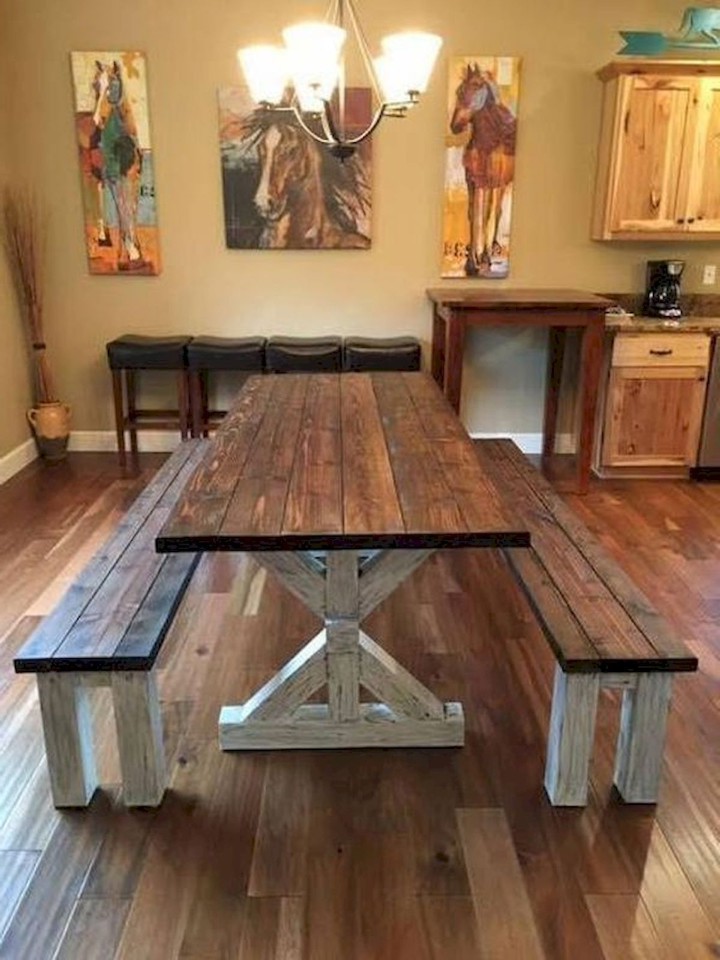
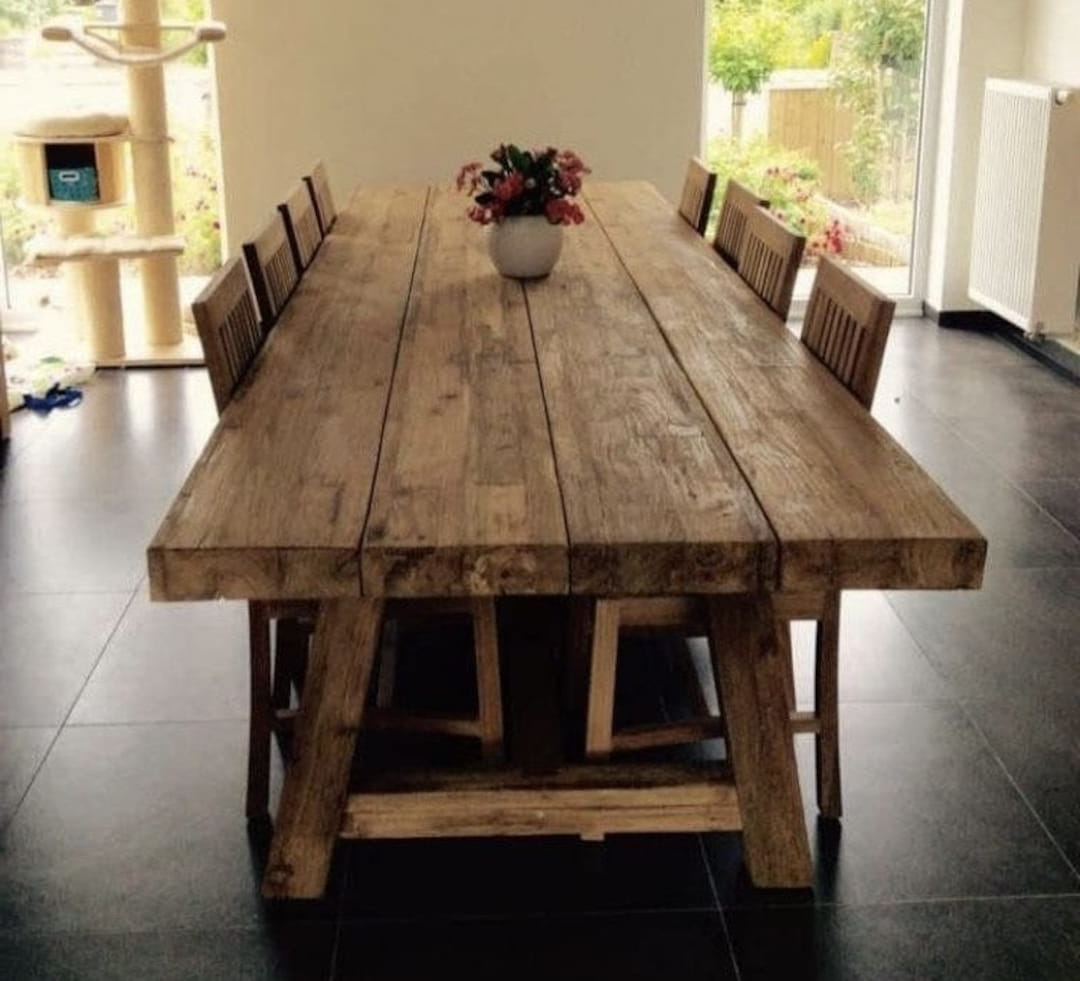
• Solid Wood Tables: These are the backbone of traditional dining rooms. They typically feature thick, sturdy legs and ornate details like carved edges or decorative brackets. You’ll find them in various wood species, each bringing its own character to the space.
• Formal Rectangular Tables: Often seen in classic settings, these tables are designed for larger gatherings. They usually come with a center pedestal or elaborate base that adds grandeur to formal dining experiences.
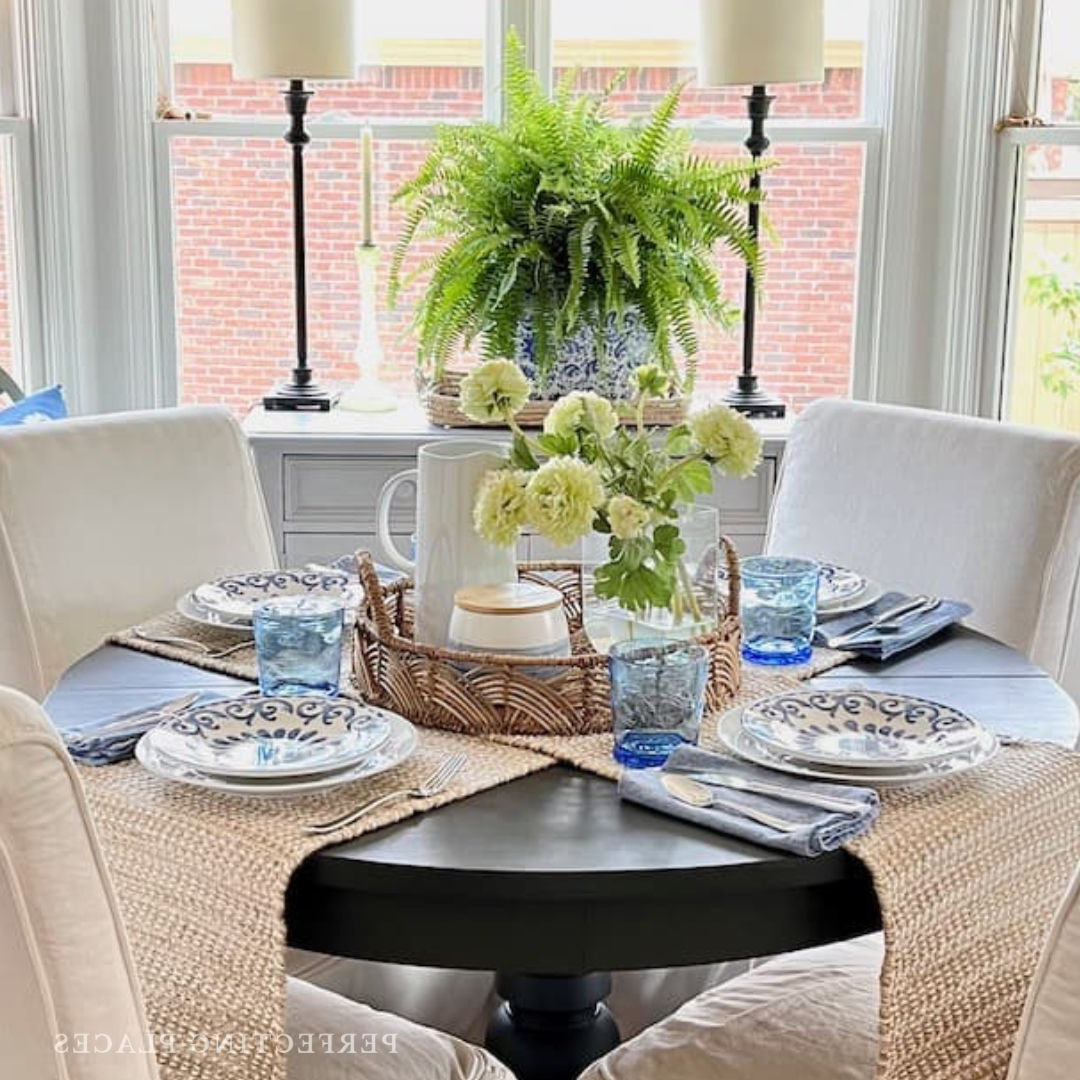
• Round Traditional Tables: These offer a more intimate dining experience. They’re excellent for smaller spaces and encourage conversation around the table. Many feature intricate woodwork or metal accents that enhance their traditional charm.
Traditional tables often have a sense of permanence and sophistication. They’re built to last decades, sometimes generations. If you appreciate the idea of heirloom furniture or want something that won’t go out of style, these are excellent choices.
Modern and Contemporary Designs
Contemporary dining tables reflect current design trends and emphasize simplicity, functionality, and clean aesthetics. These pieces often incorporate new materials and innovative forms that speak to today’s lifestyles.
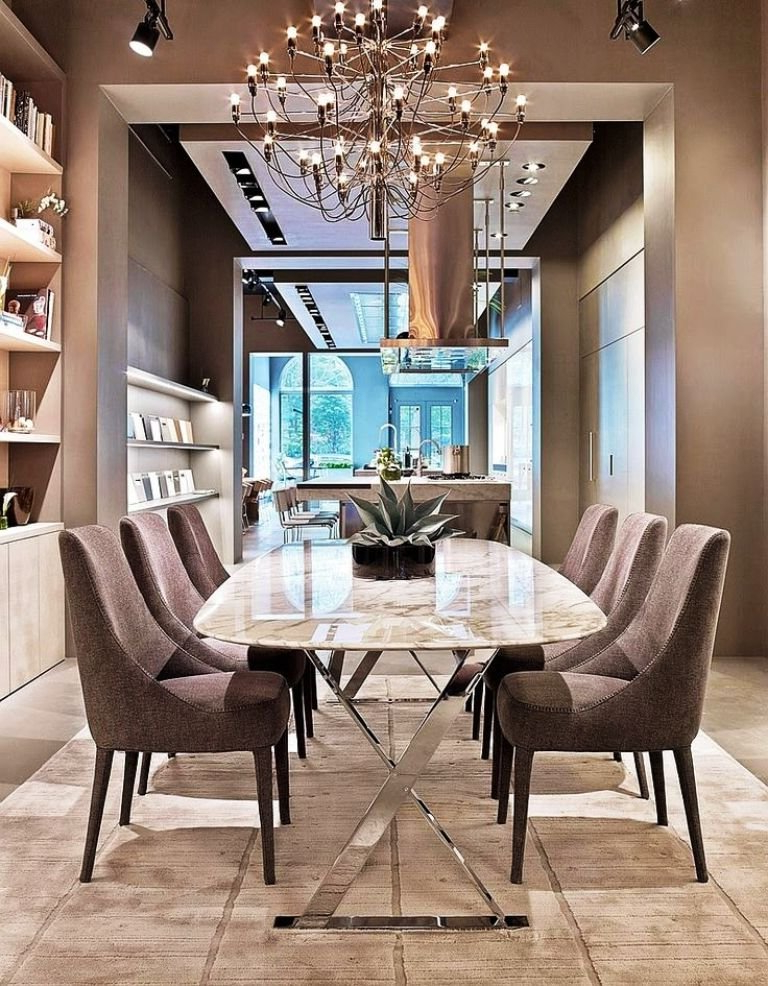
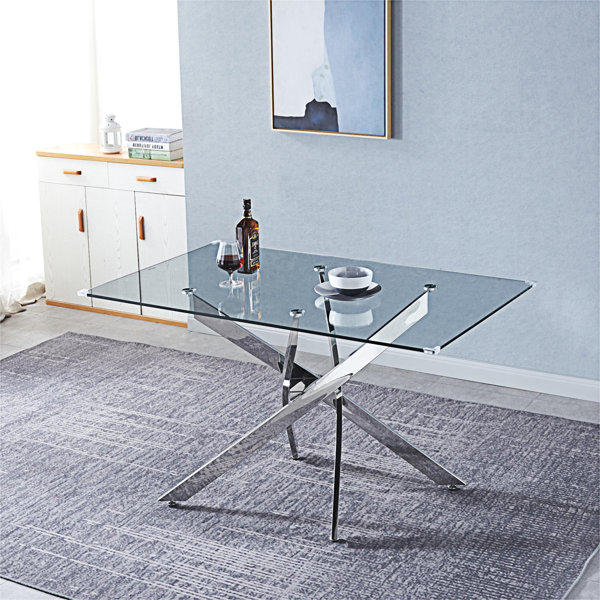
• Minimalist Tables: Clean lines, simple shapes, and neutral tones define minimalist styles. These tables often feature geometric forms and may use materials like glass, steel, or engineered wood.
• Industrial-Inspired Pieces: These tables combine raw materials like exposed metal, reclaimed wood, and concrete to create a bold, urban look. They’re perfect for those who love a rugged, unfinished aesthetic.
• Glass and Metal Combinations: These tables offer a light, airy feel while maintaining durability. The contrast between glass tops and metal frames creates a striking visual impact.
• Multi-functional Designs: Modern tables often serve multiple purposes. Some fold away when not in use, while others double as workspaces or storage solutions. This versatility makes them ideal for smaller living spaces.
Contemporary tables are all about making a statement with less. They’re perfect for people who want their dining area to feel fresh, updated, and in tune with current trends. The focus is on creating spaces that feel alive and adaptable.
Hybrid and Transitional Styles
Not everyone wants to choose between old and new. Hybrid and transitional dining tables blend elements from both worlds, offering the best of both styles. These pieces provide flexibility and versatility that can accommodate various tastes and needs.
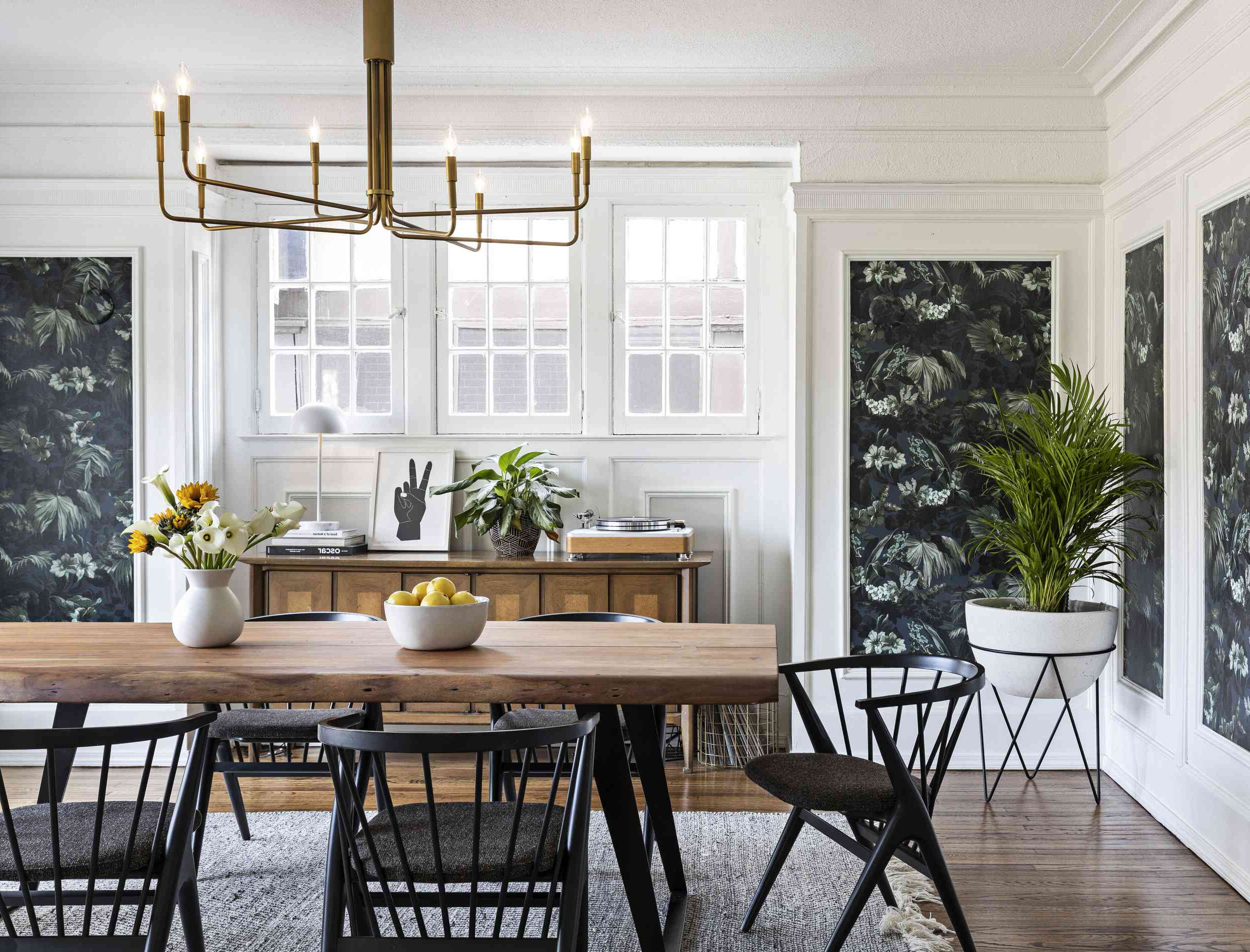
• Classic with Modern Touches: These tables maintain traditional silhouettes but incorporate contemporary materials or finishes. Think a wooden table with sleek metal legs or a marble top with brushed brass hardware.
• Rustic Modern: Combines the warmth of rustic elements with the clean lines of modern design. These tables often feature reclaimed wood with contemporary hardware or finishes.
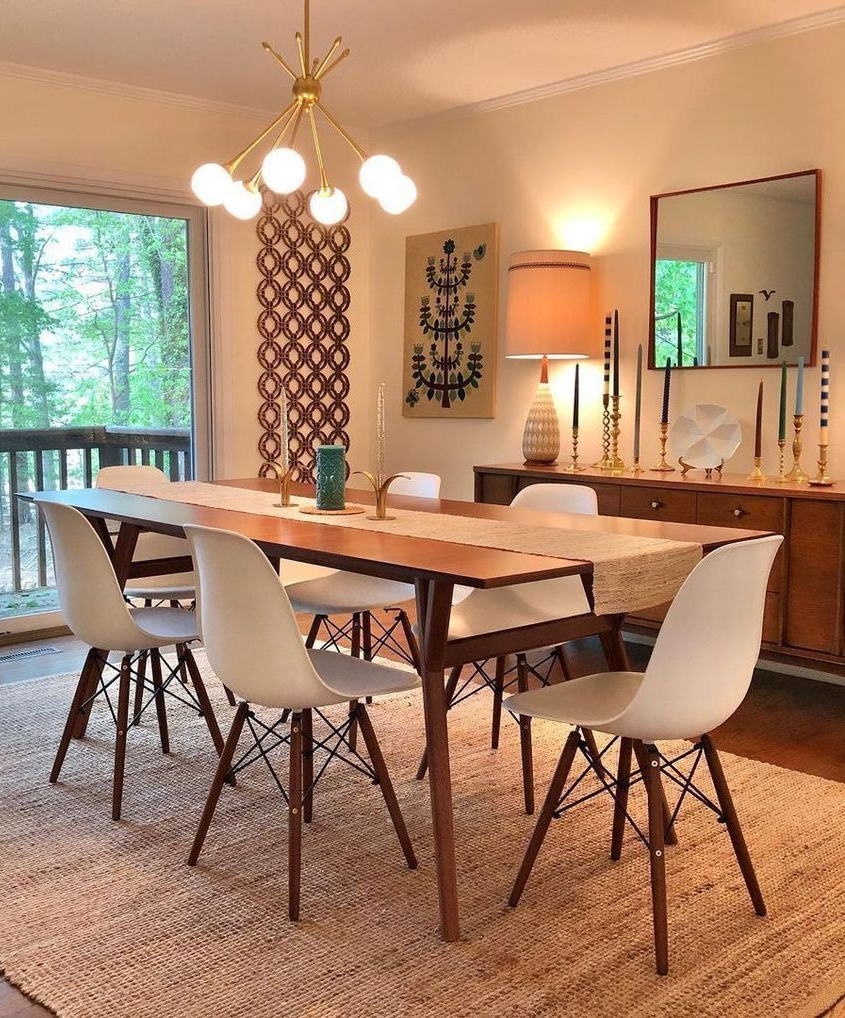
• Mid-century Modern Influences: These pieces take inspiration from the 1950s and 60s, featuring clean lines, organic shapes, and functional designs. They’re popular for their ability to bridge traditional and modern aesthetics.
• Scandinavian Blends: These tables incorporate light woods, minimal details, and cozy elements. They’re perfect for those who want a fresh, airy feel without sacrificing comfort or warmth.
Hybrid styles are particularly appealing because they offer a middle ground. They allow you to enjoy the comfort of traditional elements while embracing the innovation and simplicity of modern design. They’re great for homeowners who want something that feels both familiar and fresh.
Choosing the Right Size and Shape
Size and shape matter enormously when selecting a dining table. The wrong dimensions can make a space feel cramped or awkward. Consider your room’s layout, seating capacity, and daily usage before making your final decision.
• Room Dimensions: Measure your dining area carefully. Leave at least 36 inches of clearance around the table for comfortable movement. If you have a small dining room, consider a compact rectangular or round table that won’t overwhelm the space.
• Seating Needs: Think about how many people regularly dine together. A six-person table works well for most families, but if you frequently entertain guests, a larger table might be necessary. Don’t forget to account for additional seating like benches or side chairs.
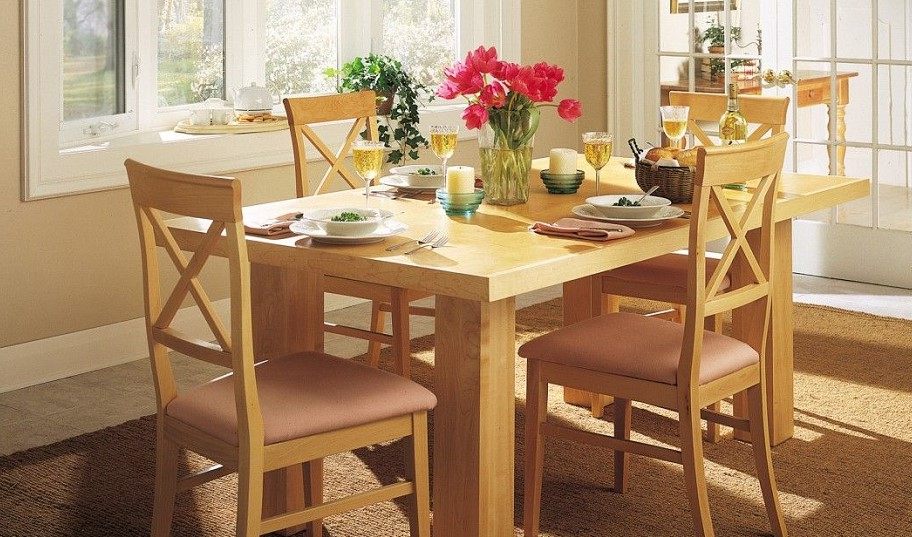
• Table Shapes: Rectangular tables are excellent for formal dinners and large groups. Round tables promote conversation and are better suited for intimate meals. Square tables offer a good balance between space efficiency and social interaction.
• Proportional Balance: The table should be proportional to your room. A large, heavy table in a small dining room can make the space feel claustrophobic, while a tiny table in a large room can look lost and insignificant.
Selecting the right size and shape isn’t just about fitting the table in the room—it’s about creating a harmonious relationship between furniture and space that enhances your daily life.
Material Considerations for Every Lifestyle
Different materials bring unique characteristics to your dining table, influencing everything from durability to maintenance requirements. Choosing the right material depends on your lifestyle, budget, and aesthetic preferences.
• Wood Varieties: Hardwoods like oak, maple, and cherry are durable and age beautifully. They require regular maintenance but offer exceptional longevity. Softwoods like pine are more budget-friendly but may need more care.
• Glass Tops: These provide a light, open feeling and are easy to clean. However, they can show fingerprints and scratches easily. They work best in modern settings.
• Metal Frames: Steel and aluminum are extremely durable and resistant to wear. They pair well with various top materials and are ideal for high-traffic areas.
• Marble and Stone: These offer luxurious looks and are very durable. They’re perfect for formal dining but may require sealing to prevent staining.
• Engineered Materials: Products like laminate and composite materials offer cost-effective alternatives with decent durability. They’re great for casual households or rental properties.
Consider your family’s habits, how often you entertain, and how much maintenance you’re willing to perform. The material choice affects not only the look of your table but also its lifespan and ease of care.
Personal Style and Design Integration
Your dining table should complement your overall home design and reflect your personal style. It’s not just about aesthetics—it’s about creating a cohesive environment that feels authentically yours.
• Color Coordination: Choose table colors that either match or contrast nicely with your existing dining room palette. Neutral tones offer flexibility, while bold colors can create focal points.
• Style Consistency: Ensure your table fits within your home’s broader design language. A Victorian table in a modern apartment might feel jarring, while a sleek contemporary piece in a traditional home can add character.
• Lighting Integration: Consider how lighting will interact with your table. Overhead lights, chandeliers, or table lamps should enhance rather than compete with the table’s appearance.
• Accessorizing: Think about how you’ll use the table beyond just meals. Will you display centerpieces? Store books or magazines? These considerations influence your choice of table height, surface texture, and overall design.
The dining table is more than furniture—it’s an extension of your personality and lifestyle. When you choose a table that aligns with your values and preferences, it becomes a source of joy and connection in your home.
Practical Tips for Selection
Making the final decision involves more than just picking a style. Here are some practical considerations that can guide your selection process:
• Budget Planning: Set a realistic budget and stick to it. Remember that quality tables often cost more upfront but save money over time due to durability.
• Test Before Buying: If possible, sit at the table before purchasing. Check if the height is comfortable and if there’s enough legroom for chairs.
• Durability Testing: Look for quality construction features like reinforced joints, stable bases, and appropriate weight capacity.
• Maintenance Requirements: Consider how much upkeep you’re willing to invest. Some materials need frequent polishing or special cleaning methods.
• Future Flexibility: Think about whether the table will still suit your needs in five or ten years. A versatile design can adapt to changing family dynamics or lifestyle changes.
• Resale Value: High-quality traditional pieces often hold their value better than trendy modern options. Consider this if you plan to move or upgrade in the future.
These practical steps ensure that your investment in a dining table brings lasting satisfaction and joy.
Choosing the perfect dining room table is ultimately about finding a piece that balances form and function with your personal lifestyle. Whether you lean toward the enduring beauty of traditional styles, the clean appeal of contemporary designs, or the flexibility of hybrid approaches, the right table will become the centerpiece of your home. Remember, there’s no single ‘best’ style—it’s about what makes you feel comfortable and happy every time you gather around the table. Take your time, consider your needs, and trust your instincts. After all, your dining table is where memories are made and relationships are nurtured. The style you choose should reflect not just your taste, but the way you want to live.