Think about your last meal prep session. What did you use to wipe down counters? Did you reach for a soft cotton towel or perhaps something more tech-savvy? The humble kitchen cloth has undergone quite the transformation over the past few decades. From simple cotton squares to high-tech microfibers, we’ve seen a revolution in how we clean and cook in our kitchens.
You know those moments when you’re chopping vegetables and suddenly realize your old cotton dish towel is just too thick and slow-drying? That’s exactly why kitchen textiles have evolved so dramatically. We’re talking about materials that can absorb ten times their weight in liquid, resist stains better than ever before, and even kill bacteria on contact. These aren’t just fancy new toys – they’re serious improvements that make daily kitchen tasks easier and more hygienic.
The Classic Cotton Foundation
Cotton has been the backbone of kitchen textiles for centuries. It’s soft, affordable, and familiar to everyone. But let’s be honest – cotton towels are heavy, they take forever to dry, and they don’t always handle spills well. Think about it: when you spill wine on a cotton towel, it just soaks right in, leaving behind stubborn stains. And those tiny fibers can even get trapped in your food preparation area.
The good news is that even cotton has gotten smarter. Modern cotton kitchen textiles often incorporate treatments that make them more stain-resistant and quicker-drying. Some manufacturers now blend cotton with other fibers to create hybrid fabrics that retain the comfort of cotton while adding performance features.
The Rise of Synthetic Materials
Here’s where things get interesting. Synthetic materials entered the kitchen scene in a big way during the 1980s and 1990s. These materials were designed specifically for performance rather than just looks. Polyester and nylon became popular because they could be engineered to do specific jobs – like absorbing liquids quickly or resisting odors.
What really made synthetic fibers special was their ability to be woven in different patterns. Some are incredibly fine, almost like silk, while others are coarser for scrubbing. The key innovation wasn’t just the material itself, but how manufacturers learned to manipulate the weave structure to create specific functions. For instance, some synthetic towels have a unique texture that makes them excellent for drying delicate items without causing damage.
Microfiber Revolution
Now we’re talking about true game-changers. Microfiber is essentially ultra-fine synthetic fibers, typically made from polyester and polyamide blends. These threads are so thin – sometimes less than one-tenth the diameter of a human hair – that they pack incredible surface area into small spaces.
The magic happens when you look at a microfiber cloth under magnification. Instead of smooth surfaces, you see countless tiny loops and filaments that act like millions of microscopic sponges. They’re so effective at trapping dirt and moisture that they can clean surfaces better than traditional cotton cloths. You might wonder why a microfiber cloth can pick up dust particles that are smaller than the fibers themselves – it’s all about the physics of adhesion and surface tension working together.
Performance Features Beyond Cleaning
Modern kitchen textiles go far beyond basic cleaning abilities. Many now include antimicrobial properties that prevent bacterial growth. This isn’t just marketing hype – studies show that certain treated microfibers can reduce bacterial counts by up to 99.9%.
There are also moisture-wicking fabrics designed specifically for kitchen environments where humidity can be an issue. These materials pull moisture away from surfaces and help keep your kitchen drier and cleaner. Some even feature built-in UV protection to prevent fading from sunlight exposure, which is especially important for kitchen towels that might sit on sunny windowsills.
Environmental Considerations
As consumers become more aware of environmental issues, kitchen textile manufacturers have had to adapt. Traditional cotton production uses enormous amounts of water and pesticides. In response, many companies now offer organic cotton options that are grown using sustainable practices.
Then there’s the recycling angle. Some manufacturers are creating textiles from recycled plastic bottles, turning waste into useful kitchen items. Others focus on longevity, designing products that last much longer than typical disposable paper towels. The goal is to reduce waste while maintaining the performance levels we expect from our kitchen tools.
Smart Textiles and Future Trends
We’re entering an exciting era where kitchen textiles are becoming smart. Some newer products incorporate sensors that can detect when they’re getting dirty and automatically alert you to wash them. Others feature temperature-sensitive materials that change color when they reach optimal cleaning temperatures.
There’s also growing interest in biodegradable materials that break down naturally after use. Scientists are experimenting with plant-based fibers that can decompose safely without harming the environment. Imagine a kitchen towel that not only cleans effectively but also returns to nature gracefully after its useful life ends.
The future seems bright for kitchen textiles, with ongoing research focused on developing materials that are even more efficient, eco-friendly, and user-friendly.
Looking back at the journey from basic cotton to today’s high-tech microfiber solutions, it’s clear that kitchen textiles have become far more sophisticated than we might have imagined. These advances aren’t just about convenience – they represent genuine improvements in hygiene, efficiency, and environmental responsibility. Whether you’re choosing between a simple cotton towel or investing in a premium microfiber set, understanding these differences helps you make better decisions for your kitchen. The next time you reach for a kitchen cloth, remember that you’re not just picking up fabric – you’re selecting a tool that’s been engineered to make your cooking experience better, safer, and more enjoyable. The evolution continues, and it’s happening right in your kitchen.
[sps_html tag=”img” src=”https://roofdrivein.com/wp-content/uploads/2026/01/no-918-millennial-silas-modern-kitchen-towel-set-reviews-wayfair-for-from-cotton-to-microfiber-understanding-modern-kitchen-textile-innovations.jpg” alt=”No. 918 Millennial Silas Modern Kitchen Towel Set & Reviews | Wayfair for From cotton to microfiber understanding modern kitchen textile innovations” style=”width: 100%; height: auto;”]
[sps_html tag=”img” src=”https://roofdrivein.com/wp-content/uploads/2026/01/no-918-millennial-silas-modern-kitchen-towel-set-reviews-wayfair-throughout-modern-kitchen-towels.jpg” alt=”No. 918 Millennial Silas Modern Kitchen Towel Set & Reviews | Wayfair throughout Modern Kitchen Towels” style=”width: 100%; height: auto;”]
[sps_html tag=”img” src=”https://roofdrivein.com/wp-content/uploads/2026/01/amazon-com-voatok-beige-and-black-modern-kitchen-towels-and-dishcloths-with-regard-to-from-cotton-to-microfiber-understanding-modern-kitchen-textile-innovations.jpg” alt=”Amazon.com: Voatok Beige And Black Modern Kitchen Towels And Dishcloths … with regard to From cotton to microfiber understanding modern kitchen textile innovations” style=”width: 100%; height: auto;”]
[sps_html tag=”img” src=”https://roofdrivein.com/wp-content/uploads/2026/01/amazon-com-noteworthydesigns-modern-kitchen-towels-retro-kitchen-in-modern-kitchen-towels.jpg” alt=”Amazon.com: Noteworthydesigns Modern Kitchen Towels, Retro Kitchen … in Modern Kitchen Towels” style=”width: 100%; height: auto;”]
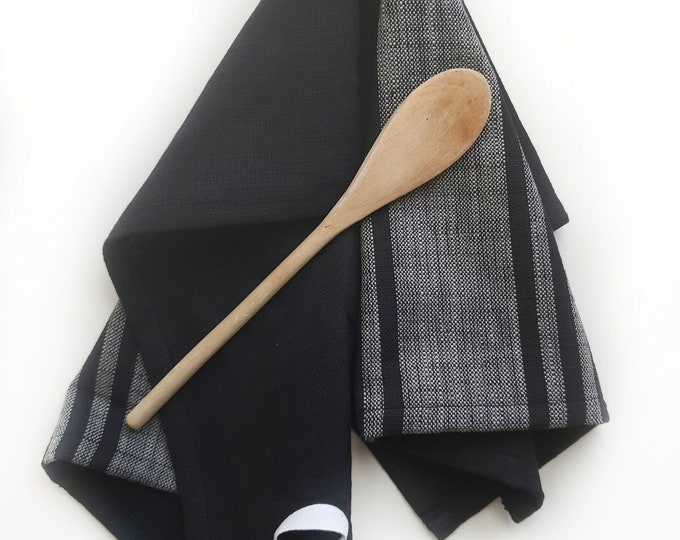
[sps_html tag=”img” src=”https://roofdrivein.com/wp-content/uploads/2026/01/modern-kitchen-towel-black-hand-towel-black-grain-sack-towel-modern-inside-modern-kitchen-towels.jpg” alt=”Modern Kitchen Towel, Black Hand Towel, Black Grain Sack Towel, Modern … inside Modern Kitchen Towels” style=”width: 100%; height: auto;”]