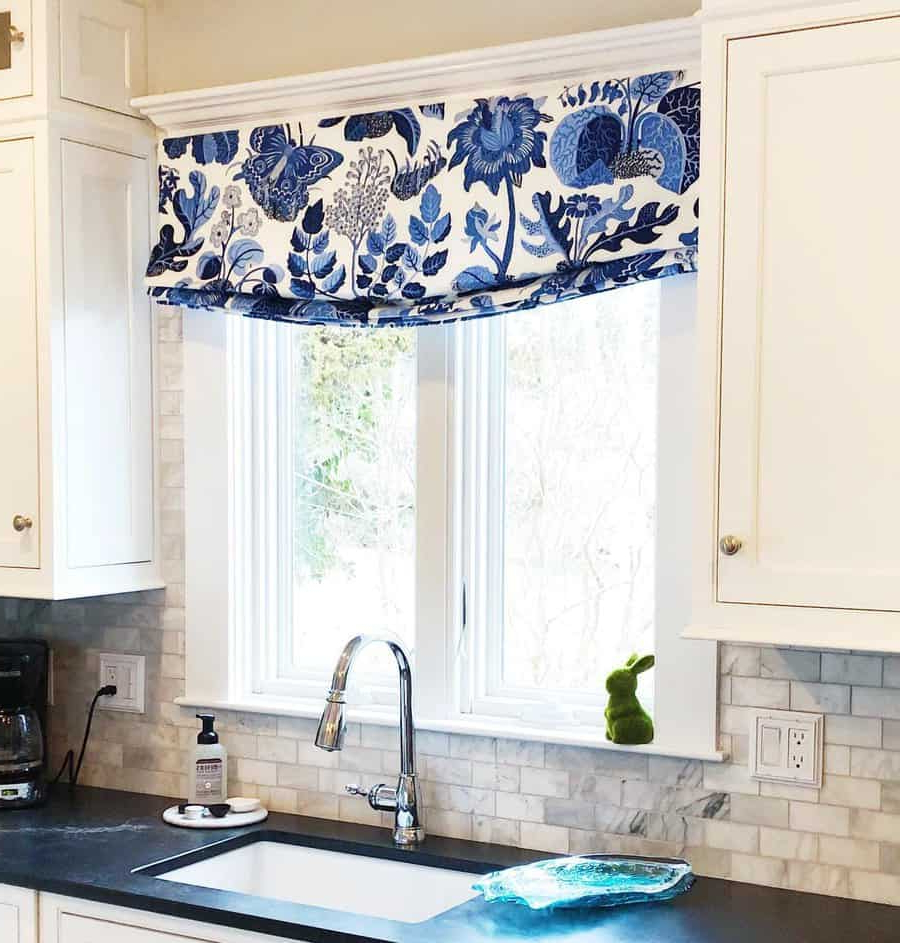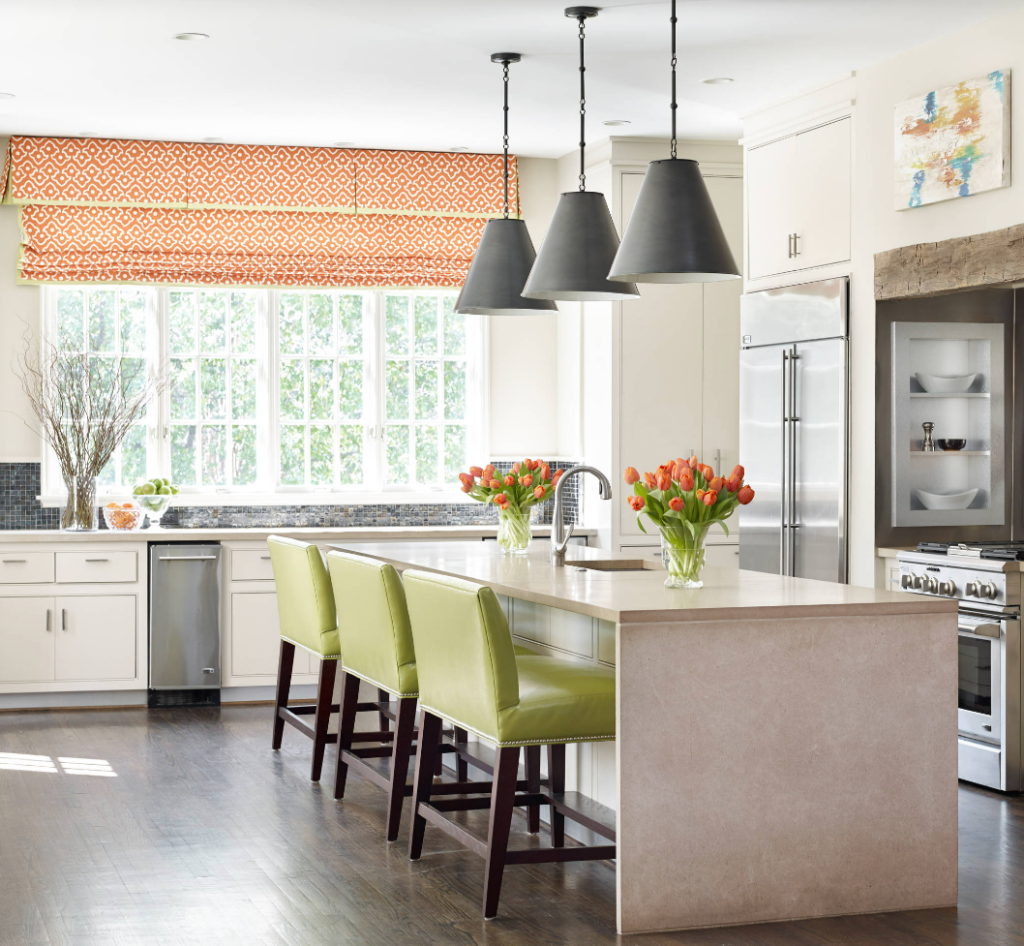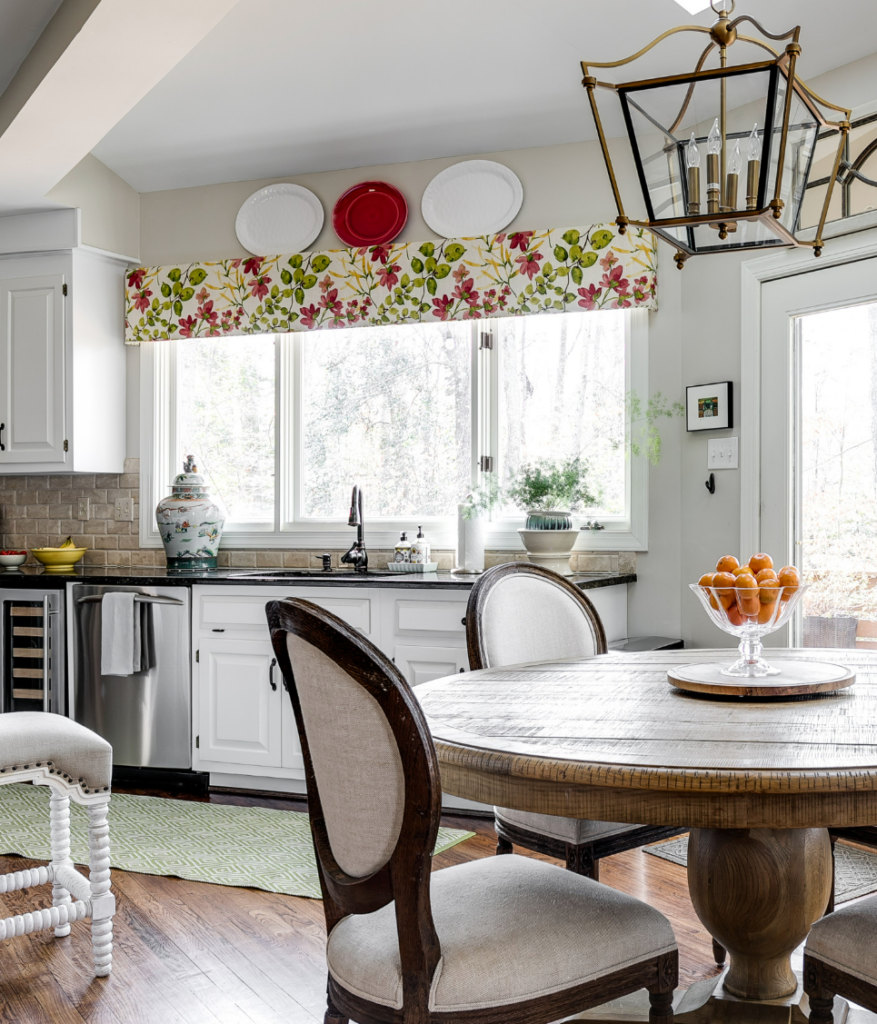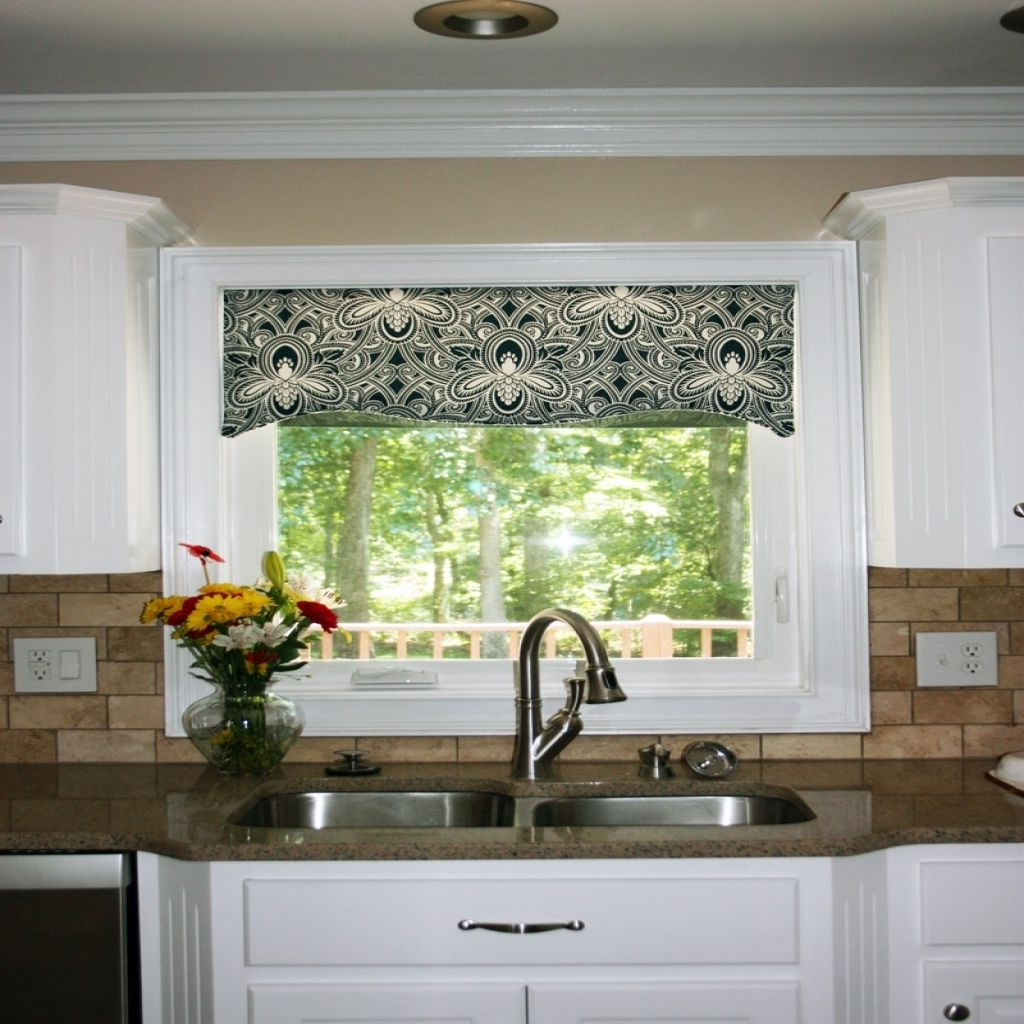
Imagine walking into a kitchen where every detail feels intentional, where the space flows seamlessly from one element to another. That’s exactly what happens when you thoughtfully incorporate a modern kitchen valance. These architectural elements don’t just add visual interest – they can completely change how a room feels and functions. But getting it right requires more than just picking something pretty. It takes understanding materials, measurements, installation techniques, and how these pieces work with your existing design.
When it comes to kitchen design, the difference between a good space and a great one often lies in the details. A kitchen valance might seem like a small element, but it can dramatically impact the overall look and feel of your culinary haven. Whether you’re starting from scratch or updating an existing kitchen, understanding how to properly plan and install a modern valance can make all the difference. This guide walks you through everything you need to know, from conceptualizing your vision to seeing your project come to life on the wall.
Understanding Modern Kitchen Valance Basics
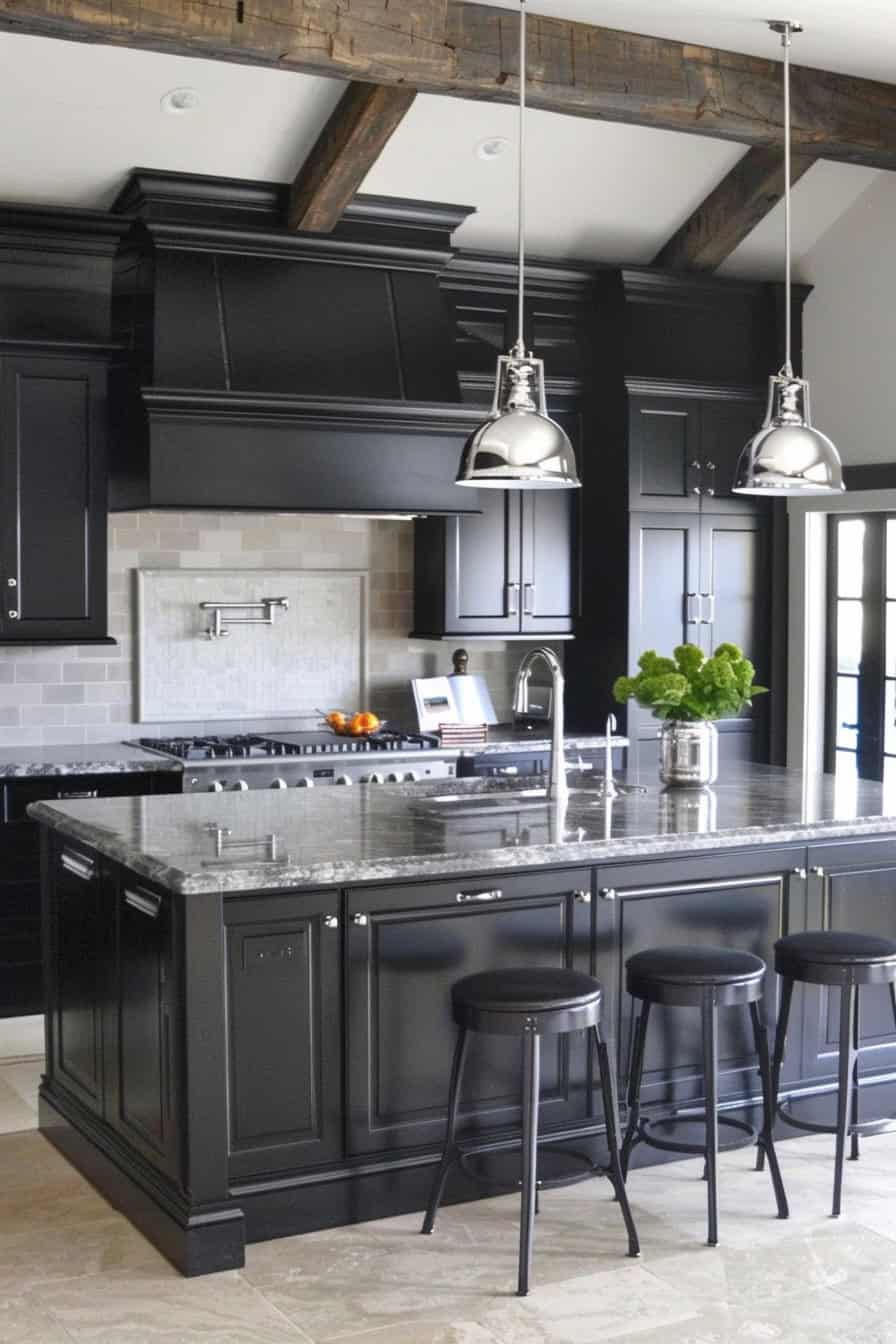
At its core, a kitchen valance is a decorative architectural feature that sits above cabinets, windows, or other structural elements. Unlike traditional curtain panels, modern valances often feature clean lines, geometric shapes, and contemporary materials. They serve both aesthetic and functional purposes – adding visual height to ceilings, creating focal points, and sometimes even helping to conceal hardware or structural elements. The key is choosing a style that complements your existing design language while adding something fresh and exciting to the space. Think about how you want the valance to interact with your lighting, cabinetry, and overall color palette.
Planning Your Valance Design
Before you even think about measurements, take time to visualize how your valance will fit into your kitchen’s existing layout. Consider these factors:
• What’s the ceiling height? High ceilings might call for more dramatic valance designs, while lower ceilings benefit from simpler, cleaner lines.
• How does your kitchen’s lighting work? Will the valance cast shadows or interfere with fixtures?
• What’s the style of your cabinets and countertops? You want to complement rather than compete with existing elements.
It’s helpful to sketch out several concepts or use design software to see how different styles would look. Sometimes, a subtle valance can make the most significant impact. Other times, a bold statement piece might be just what your kitchen needs. The important thing is to have a clear vision before moving forward with any physical work.
Material Selection for Contemporary Looks
The materials you choose for your valance play a huge role in achieving that modern aesthetic. Here are some popular options:
• Wood: Natural wood creates warmth and texture. Reclaimed timber offers character, while engineered wood provides consistency.
• Metal: Stainless steel or brushed aluminum bring industrial chic to any kitchen.
• Glass: Transparent or frosted glass can make spaces feel larger and more open.
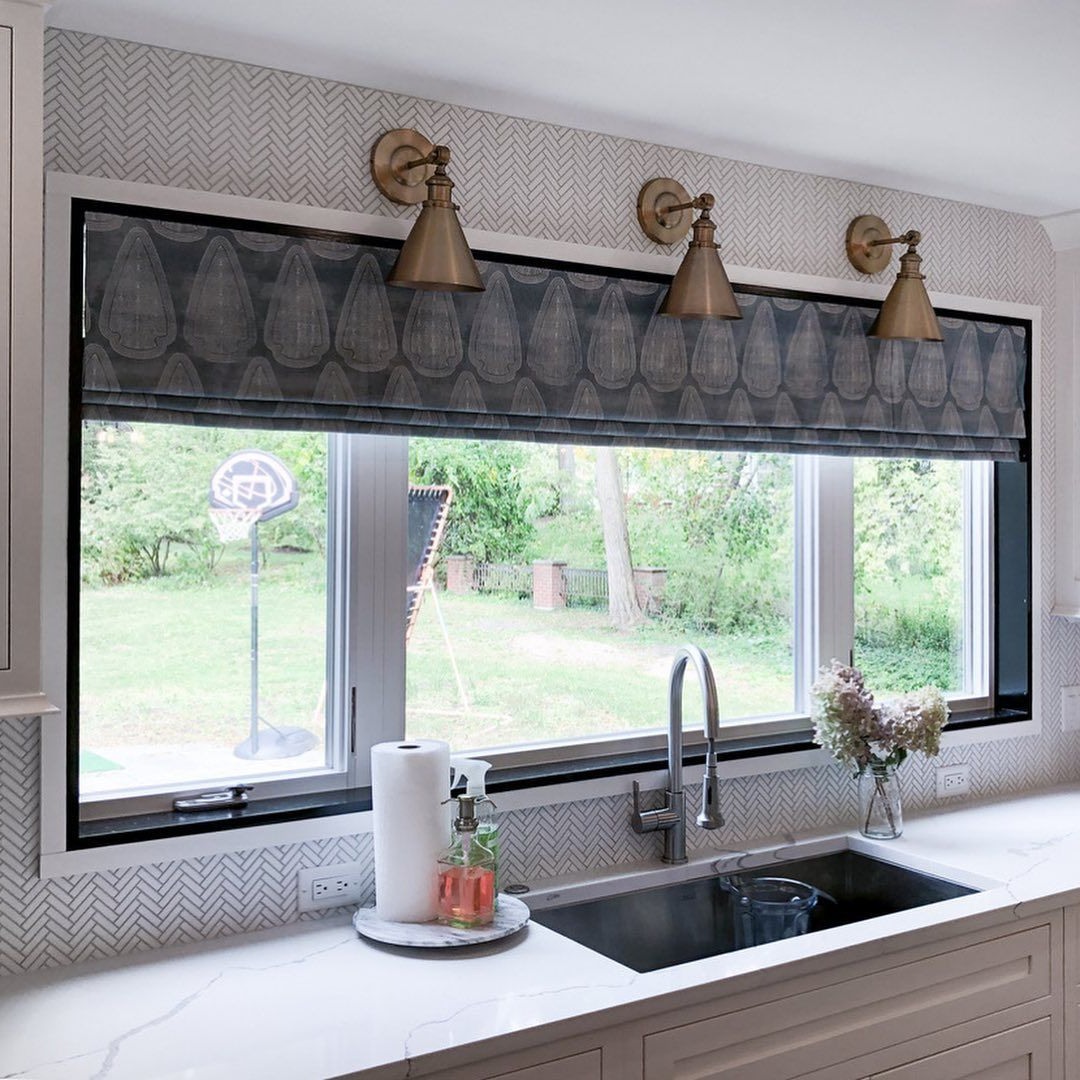
• Fabric: For softer touches, consider linen, cotton, or even metallic fabrics for a luxurious feel.
Each material brings its own personality to the space. Wood adds organic warmth, metal offers sleek sophistication, glass creates openness, and fabric brings softness. Consider how each material will age over time and whether it fits your lifestyle. A high-traffic kitchen might need more durable options than a quiet breakfast nook.
Measuring and Sizing Accuracy
Precision matters enormously when it comes to valance installation. Wrong measurements can lead to gaps, misalignment, or a piece that looks out of place. Start by measuring carefully:
• Width: Measure from the inside edge of one cabinet to the other. Add 2-4 inches for full coverage if desired.
• Height: Determine how high you want the valance to sit. Typically, it should be placed about 6-8 inches above the top of your cabinets.
• Depth: If you’re working with a three-dimensional design, measure how far it extends from the wall.
Always double-check your math and account for any irregularities in your walls or cabinets. It’s better to be slightly generous with measurements than to end up with a piece that’s too tight or too loose. Consider using a laser level to ensure everything is perfectly aligned.
Installation Techniques and Tools Needed
Installing a modern valance requires some basic tools and knowledge of proper mounting techniques. Essential tools include:
• Drill with various bits
• Level and measuring tape
• Stud finder
• Screwdriver set
• Safety glasses and gloves
The installation process typically involves:
- Marking mounting points
- Ensuring wall studs are located
- Securing brackets or mounting hardware
- Carefully placing and aligning the valance
- Making final adjustments
Professional installers often recommend pre-drilling holes to prevent splitting, especially with wood or composite materials. If you’re unsure about any step, don’t hesitate to consult with someone experienced. A poorly installed valance can look unprofessional and may even pose safety risks.
Maintenance and Long-Term Care
Once your valance is installed, proper maintenance keeps it looking fresh for years. Different materials require different care approaches:
• Wood: Regular dusting and occasional polishing with appropriate products. Protect from moisture and direct sunlight.
• Metal: Wipe down regularly with mild soap and water. Check for rust spots periodically.
• Glass: Clean with appropriate glass cleaners and microfiber cloths. Handle with care to avoid scratches.
• Fabric: Follow manufacturer’s washing instructions or professional cleaning recommendations.
Consider how much time you’re willing to invest in upkeep when choosing materials. Some options require more attention than others. Also, keep in mind that even the best-maintained valance will eventually show signs of wear, which can actually add character to a well-designed kitchen.
Creating a modern kitchen valance is more than just hanging something on the wall – it’s about thoughtful design integration that enhances your entire space. When you approach it with careful planning, quality materials, and proper installation techniques, the results can transform your kitchen from ordinary to extraordinary. Remember, the key is balancing aesthetics with functionality, choosing materials that match your lifestyle, and taking the time to get measurements right. Whether you’re a DIY enthusiast or prefer professional installation, the investment in a well-planned valance pays dividends in both visual appeal and daily enjoyment of your kitchen space. The journey from concept to completion is rewarding, and the finished result will likely become one of your kitchen’s most cherished features.
[sps_html tag=”img” src=”https://roofdrivein.com/wp-content/uploads/2026/01/spectacular-valance-ideas-for-kitchen-matching-blind-and-curtains-for-from-concept-to-installation-modern-kitchen-valance-guide.jpg” alt=”Spectacular Valance Ideas For Kitchen Matching Blind And Curtains for From Concept to Installation Modern Kitchen Valance Guide” style=”width: 100%; height: auto;”]
[sps_html tag=”img” src=”https://roofdrivein.com/wp-content/uploads/2026/01/kitchen-valances-ideas-to-dress-windows-shop-now-regarding-modern-kitchen-valance-ideas.png” alt=”Kitchen Valances: Ideas To Dress Windows | Shop Now regarding Modern Kitchen Valance Ideas” style=”width: 100%; height: auto;”]
[sps_html tag=”img” src=”https://roofdrivein.com/wp-content/uploads/2026/01/kitchen-valances-ideas-to-dress-windows-shop-now-throughout-from-concept-to-installation-modern-kitchen-valance-guide.png” alt=”Kitchen Valances: Ideas To Dress Windows | Shop Now throughout From Concept to Installation Modern Kitchen Valance Guide” style=”width: 100%; height: auto;”]
[sps_html tag=”img” src=”https://roofdrivein.com/wp-content/uploads/2026/01/15-kitchen-valance-ideas-to-dress-windows-within-modern-kitchen-valance-ideas.jpg” alt=”15 Kitchen Valance Ideas To Dress Windows within Modern Kitchen Valance Ideas” style=”width: 100%; height: auto;”]
[sps_html tag=”img” src=”https://roofdrivein.com/wp-content/uploads/2026/01/modern-kitchen-valances-a-guide-to-style-and-functionality-kitchen-ideas-within-from-concept-to-installation-modern-kitchen-valance-guide.jpg” alt=”Modern Kitchen Valances: A Guide To Style And Functionality - Kitchen Ideas within From Concept to Installation Modern Kitchen Valance Guide” style=”width: 100%; height: auto;”]