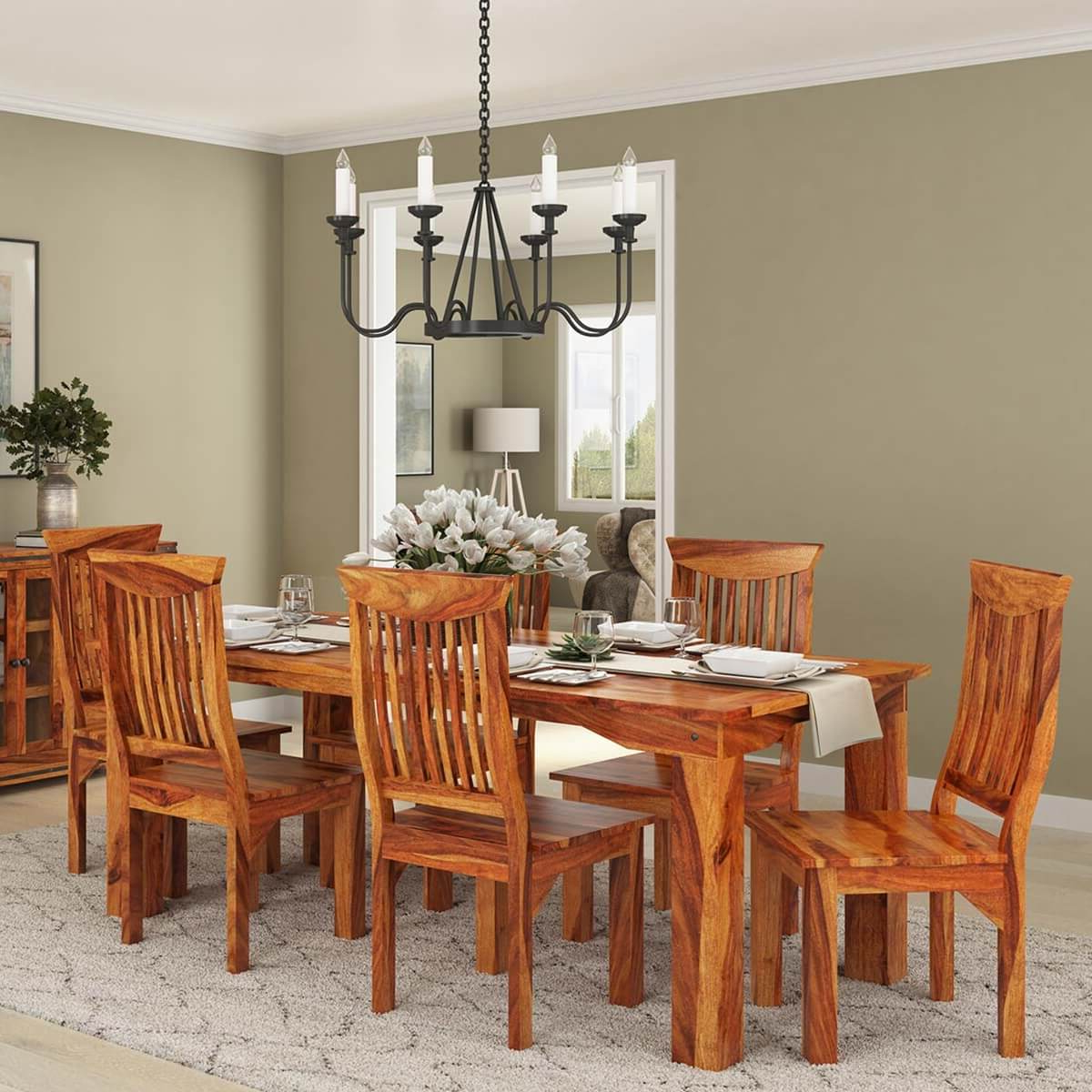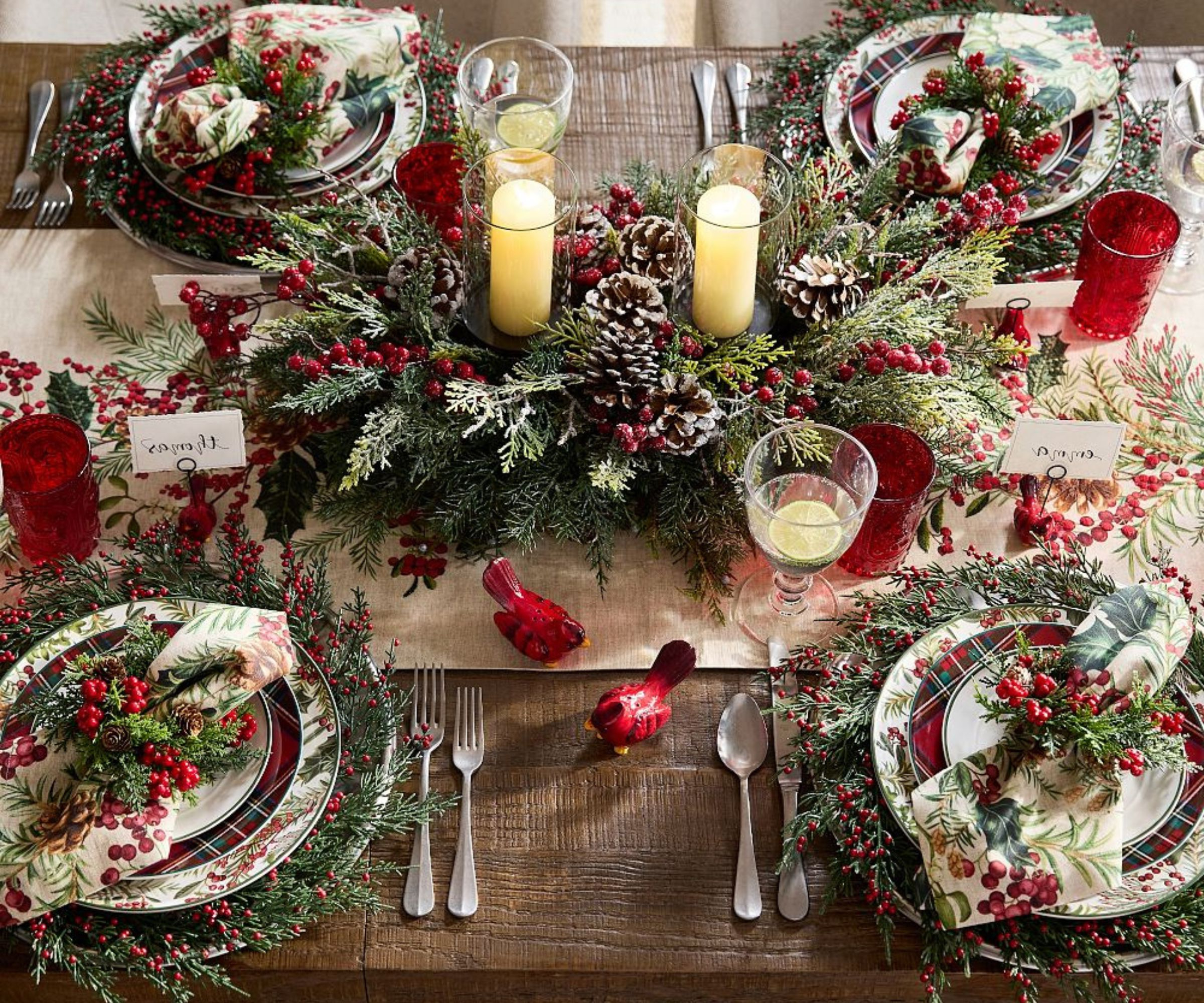
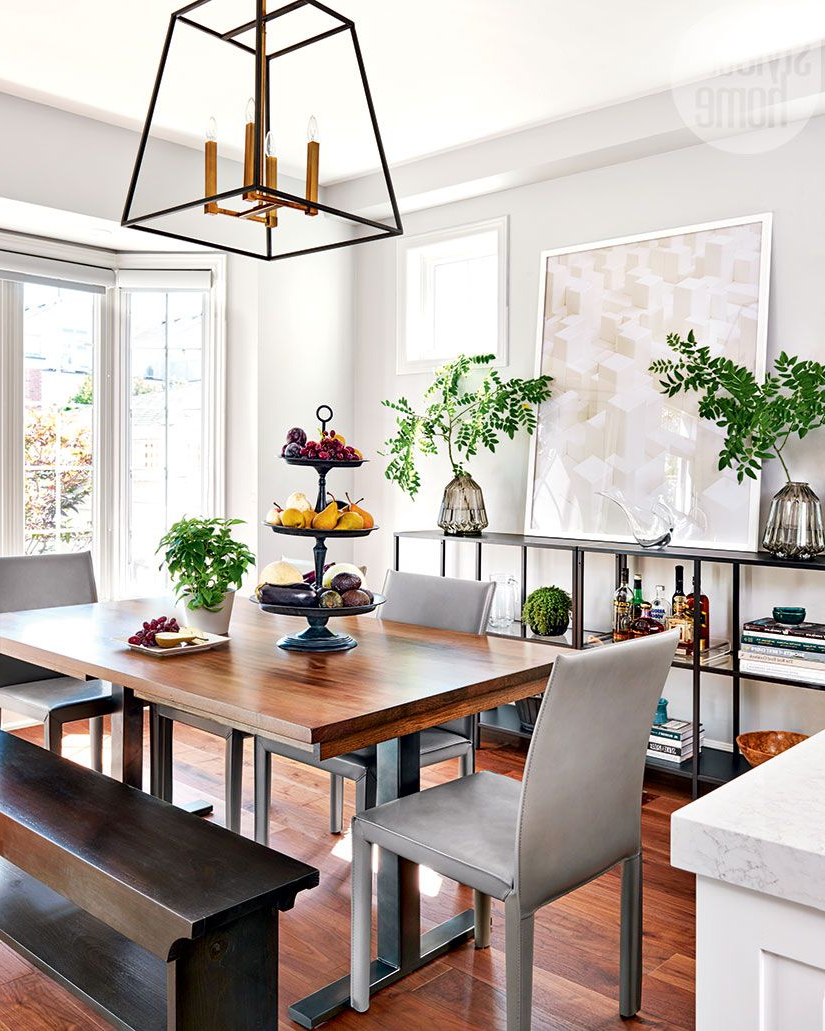
We all know that dinner time is sacred in many families. But what if we told you that the shape, size, and placement of your dining table could actually impact how well your family communicates? It’s true. The ancient practice of feng shui offers fascinating insights into how our living spaces influence our daily lives. This isn’t just about pretty decorations – it’s about creating environments that naturally support healthy family dynamics.
Think about it. When you sit down for dinner, do you feel connected to your family members? Do conversations flow easily, or do they feel forced? Many families have experienced this subtle shift in their relationships when they’ve changed their dining setup. It’s not magic – it’s the science of energy flow. In feng shui, the dining room represents the heart of your home. It’s where nourishment happens, where stories are shared, and where bonds are strengthened. The table itself becomes a powerful symbol of connection, communication, and family unity.
Understanding Feng Shui Principles for Dining Spaces
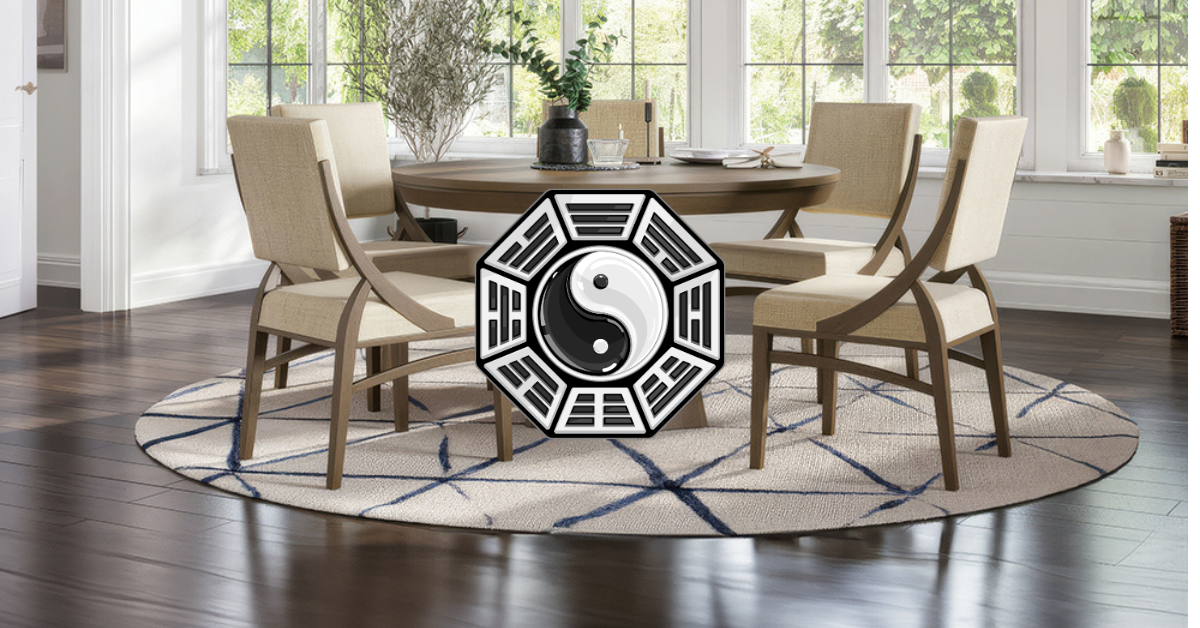
Feng shui operates on the belief that energy, or ‘chi,’ flows through our living spaces and affects our wellbeing. In the dining area, this energy should promote harmony and good fortune. The table acts as a focal point, drawing people together. According to feng shui experts, a well-placed dining table can significantly improve family interactions.
When we think about energy flow, we’re really talking about how people move around the space and how they feel when they’re seated. The right table shape allows energy to circulate freely. Round tables, for example, encourage conversation because everyone can see each other. Square tables work well too, but they might feel a bit more formal. Rectangular tables can sometimes create a hierarchy, which isn’t always ideal for family meals.
Consider the materials used in your table. Wood brings warmth and stability. Metal can feel cold and sharp. Glass creates openness but might make people feel exposed. Natural materials tend to work best for promoting family harmony.
Shape Matters: Round Tables vs. Rectangular Tables
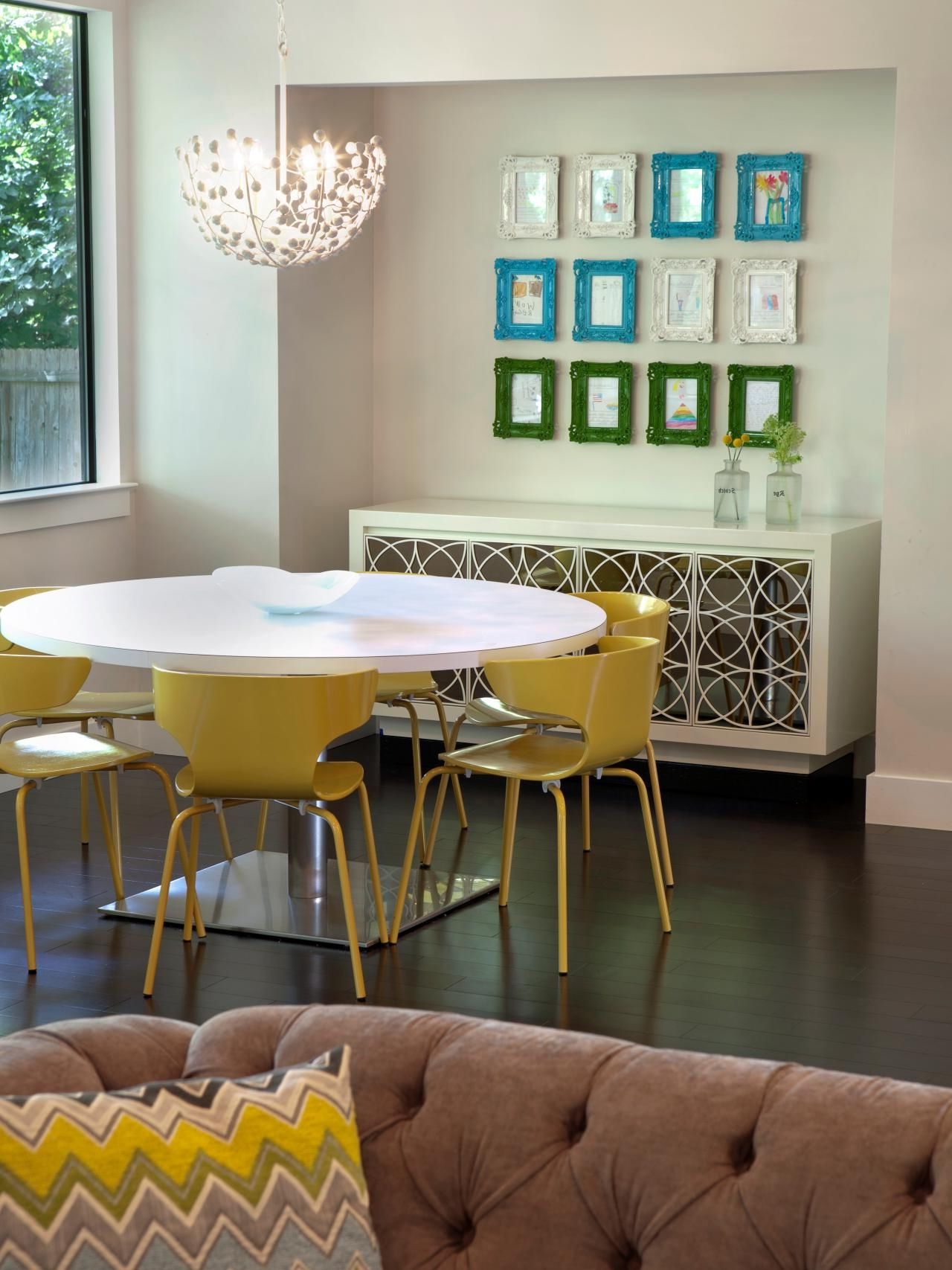
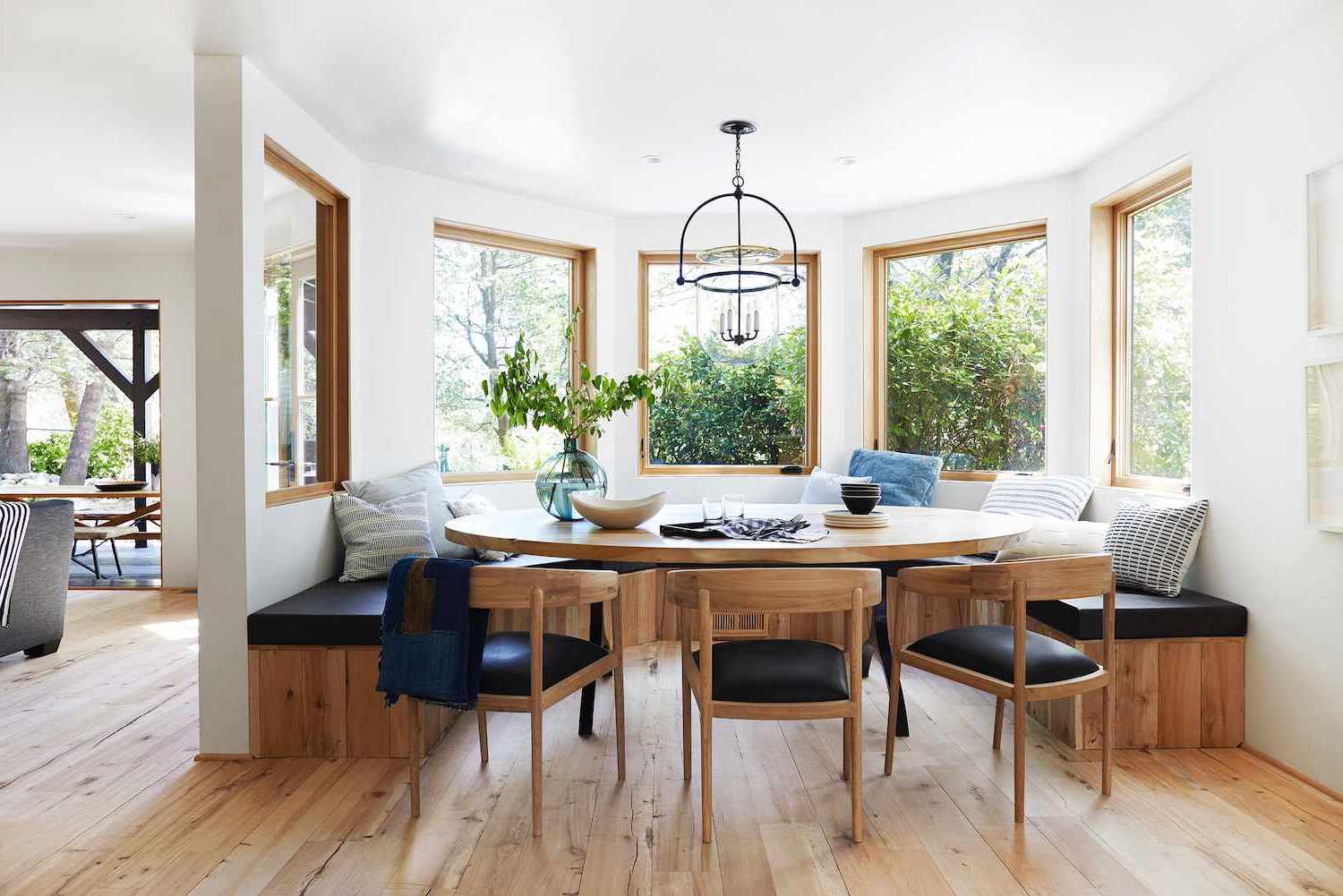
This is one of the most debated topics in feng shui dining room design. Round tables have been favored for centuries because they symbolize unity and completeness. When everyone sits facing each other around a circular table, there’s no head or tail – everyone feels equally important. This naturally promotes better conversation and makes family members feel more included.
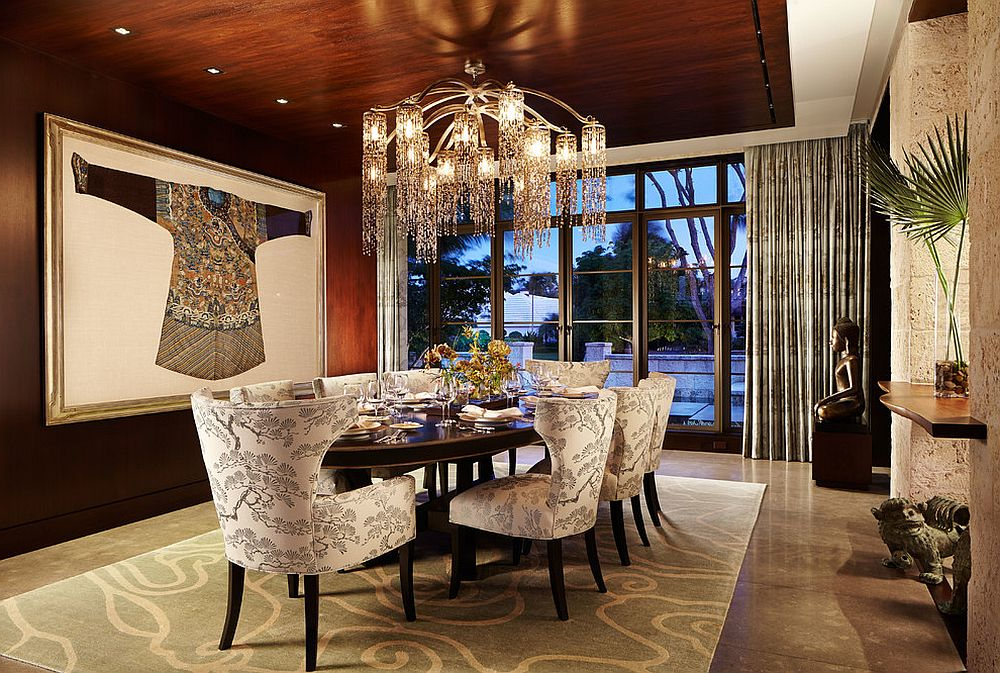
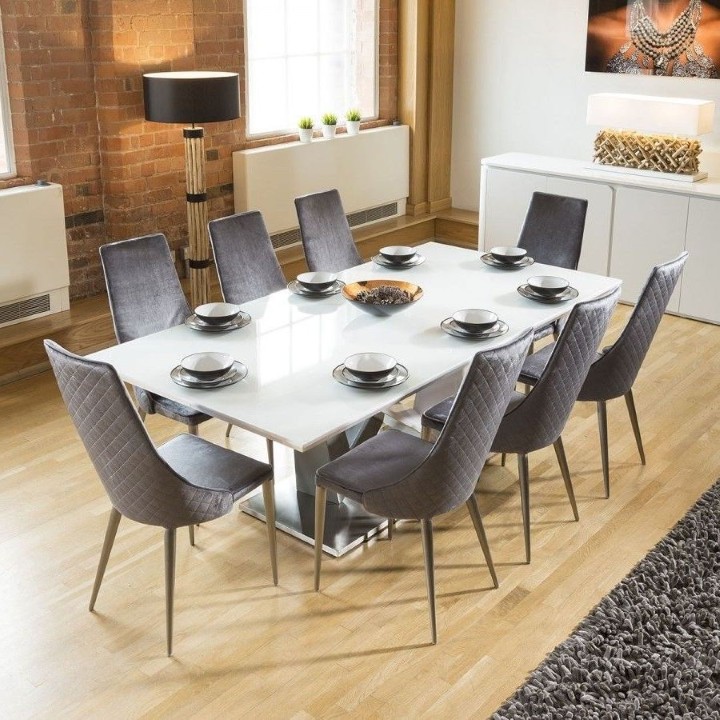
Rectangular tables often create a more traditional dining experience. They work well when you have guests, but they can sometimes make family members feel like they’re in a meeting rather than a meal. The long sides might create distance between people, making it harder to connect.
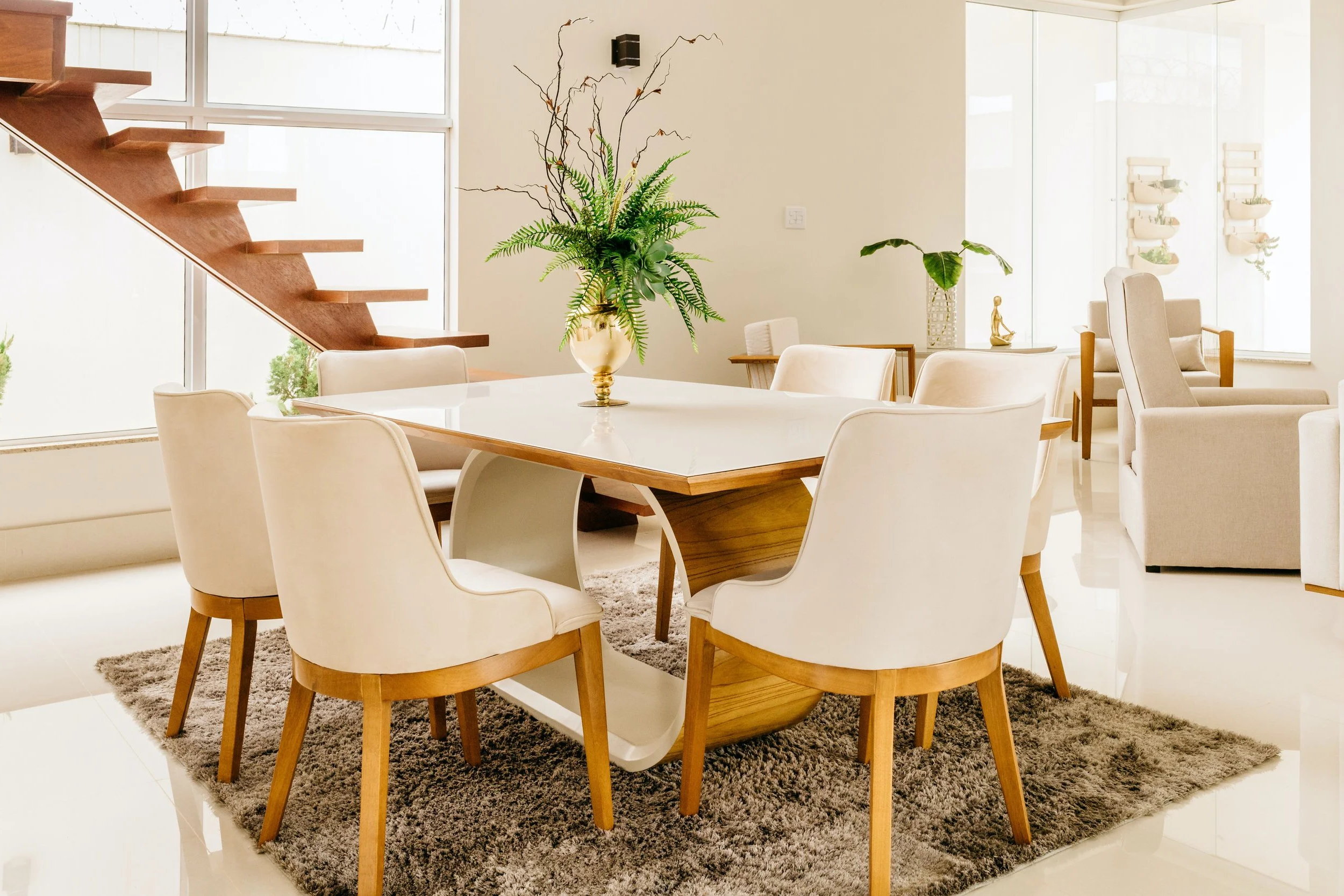
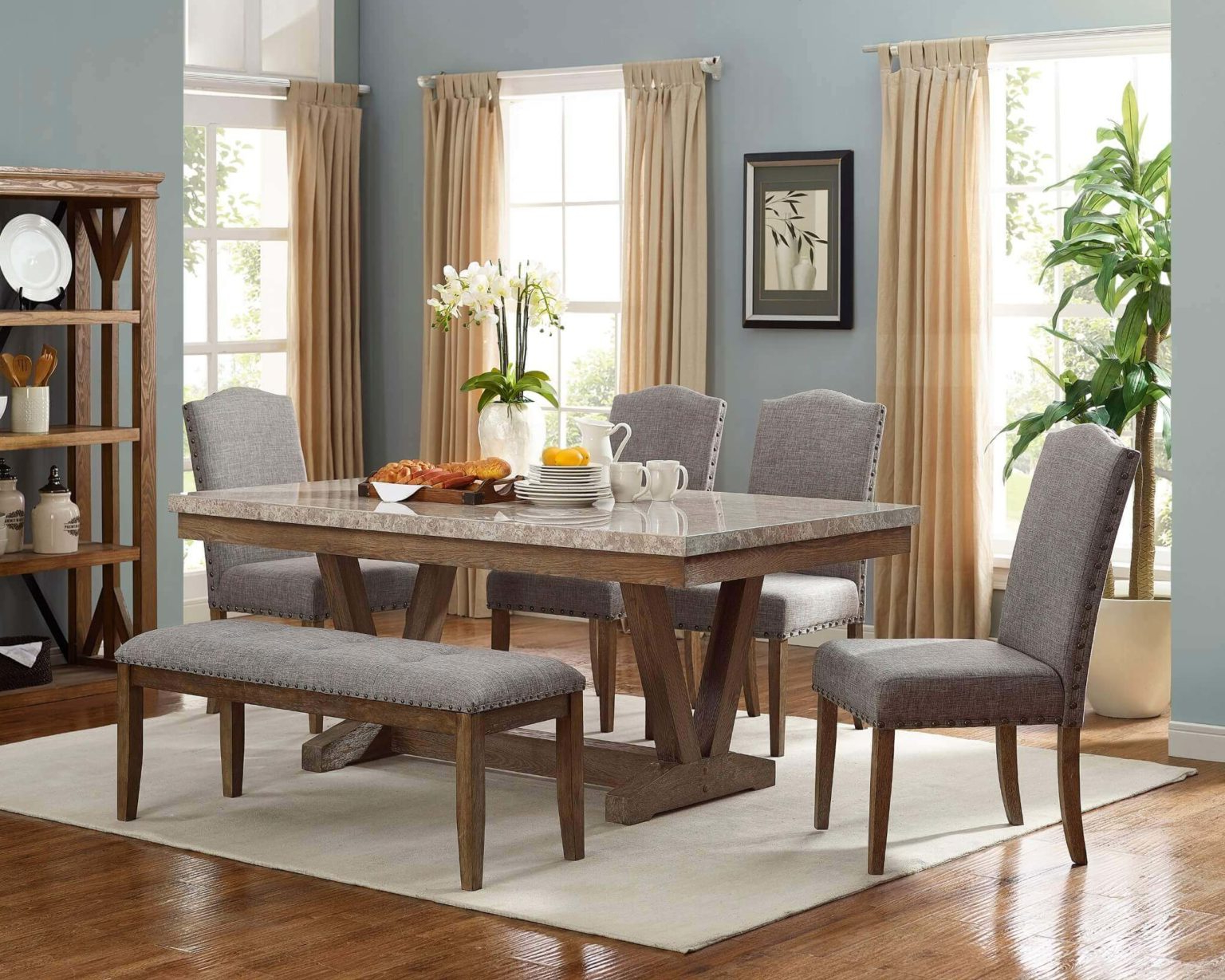
There’s also the square table option. These offer a balance between round and rectangular shapes. They’re stable and provide good seating arrangements, though they might not feel quite as welcoming as round tables. Many families find that square tables work well when they have a large family and need extra seating.
Some people even experiment with octagonal tables. These combine the benefits of round and square shapes, offering both unity and structure. They’re becoming increasingly popular among modern families who want something unique yet functional.
Size and Proportion: Making Space Work for Your Family
Not every family needs a massive dining room table. In fact, oversized tables can sometimes create problems. When a table is too big for your space, it can feel intimidating and make people feel small. It might also block pathways and create awkward energy flow.
The right size table allows everyone to sit comfortably without feeling cramped. You should be able to move your chair back from the table without hitting anything. There should be enough space for people to reach their food and drinks easily.
Consider your family’s actual needs. A couple might prefer a smaller table that fits two or four people perfectly. A large family might need a bigger table, but it shouldn’t overwhelm the entire room. The key is finding the sweet spot where everyone feels comfortable.
Sometimes, families make the mistake of buying a table based on how many people they think they’ll entertain, rather than how many they actually eat with regularly. It’s better to have a table that works for your daily life than one that looks impressive for parties.
Positioning and Placement: Energy Flow and Family Harmony
Where you place your dining table matters more than you might think. The location affects how energy moves through the room and how people interact during meals. Ideally, your dining table should be positioned so that no one has their back to the door. This helps people feel secure and aware of their surroundings.
Avoid placing the table directly under a window or in front of a mirror. These spots can cause energy to scatter or become unstable. Windows bring in outside energy that might be too chaotic for family meals. Mirrors can create a sense of being watched, which isn’t conducive to relaxed conversation.
The table should also be positioned away from high-traffic areas. If people are constantly walking past the dining area, it can interrupt the peaceful atmosphere needed for good family interaction. Think about having a quiet corner where the table can be placed without interruptions.
Another important factor is the view from the table. People should be able to see the entrance to the room. This creates a sense of control and safety. If someone can see who’s coming, they’re more likely to feel relaxed and open to conversation.
Materials and Colors: Choosing What Supports Family Connection
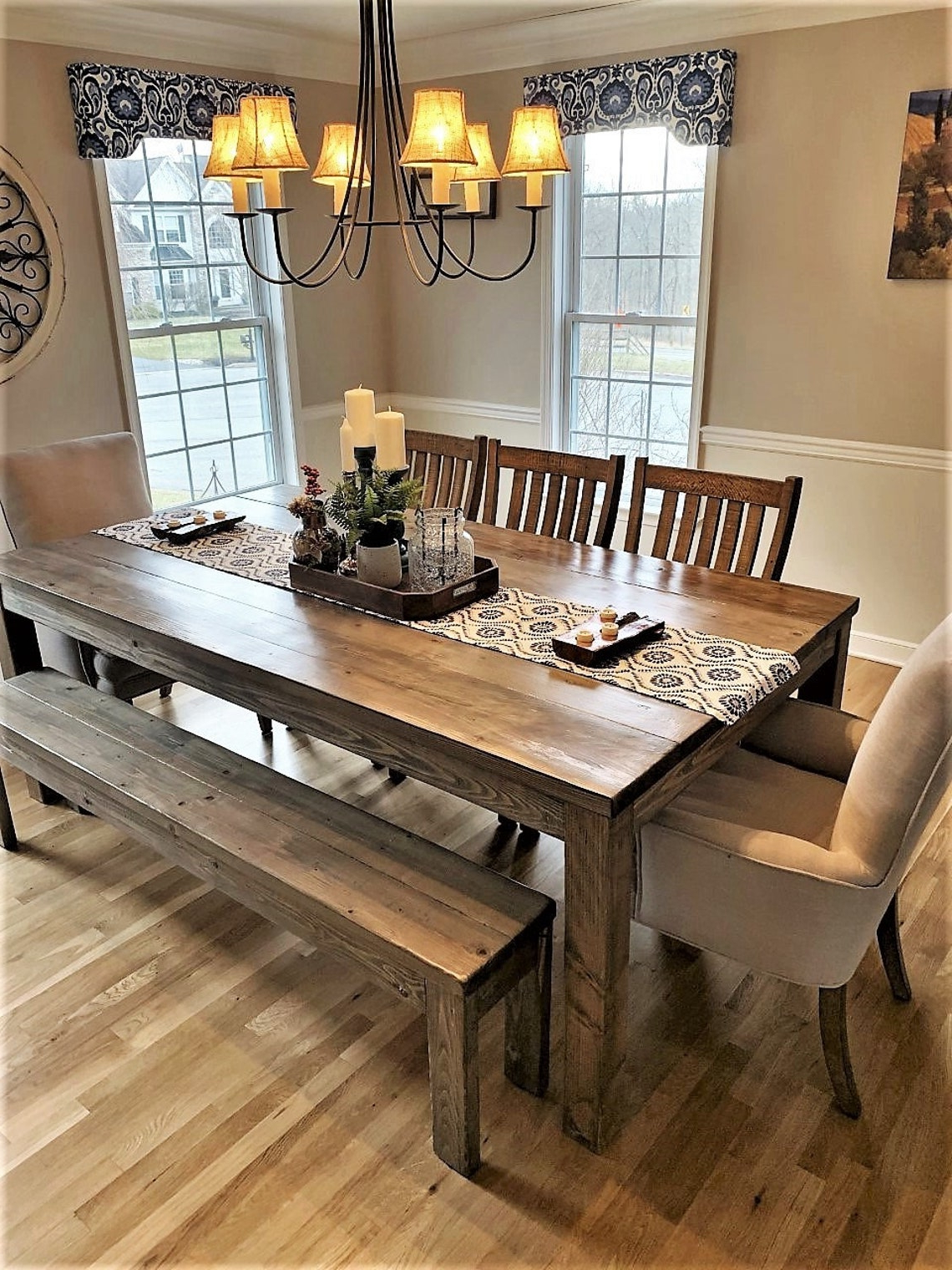
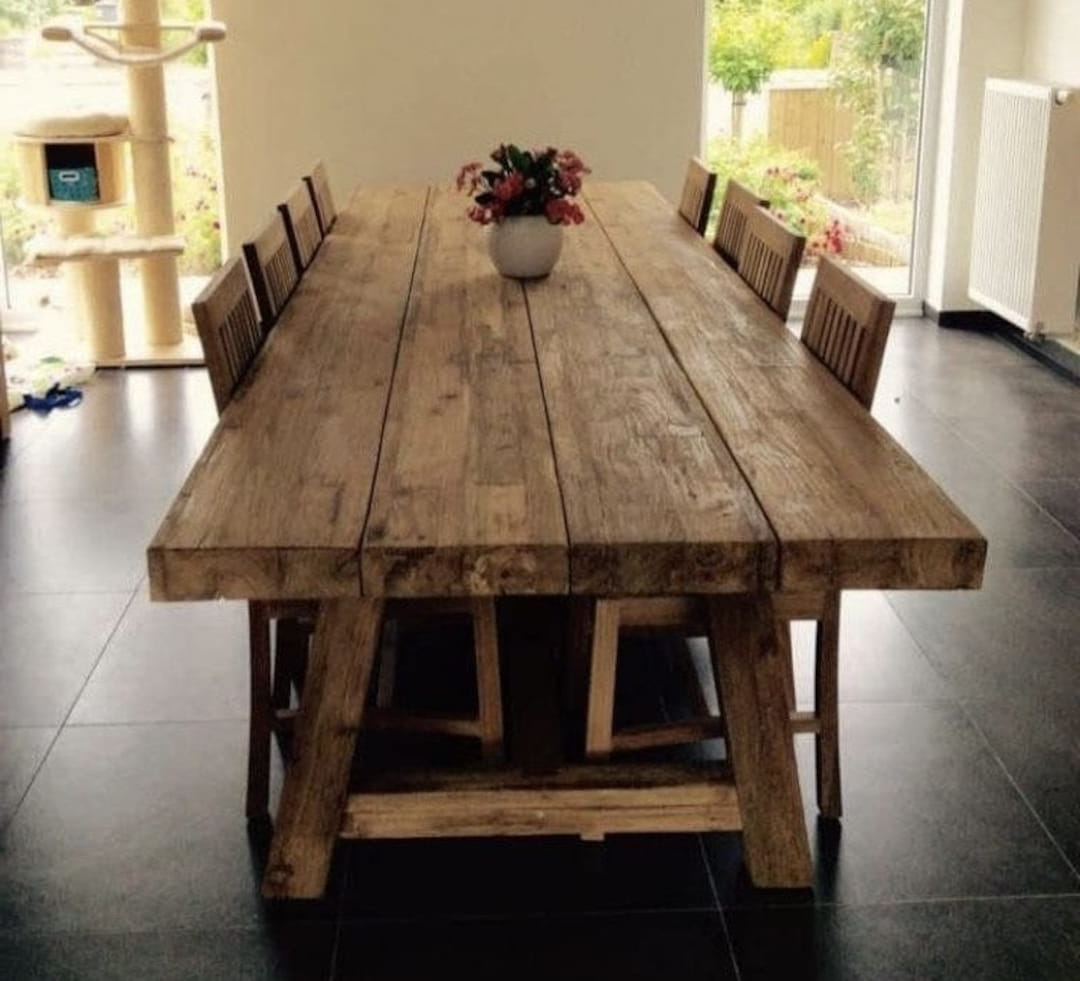
The physical properties of your dining table affect its energy. Different materials carry different vibrations that can influence mood and behavior. Wood tables, particularly those made from teak or bamboo, are excellent choices. They bring earth energy into the home, which supports stability and growth in family relationships.
Metal tables, while sleek and modern, can feel harsh. They’re better suited for temporary dining situations or for people who need a more structured environment. For regular family meals, wood or stone materials work better.
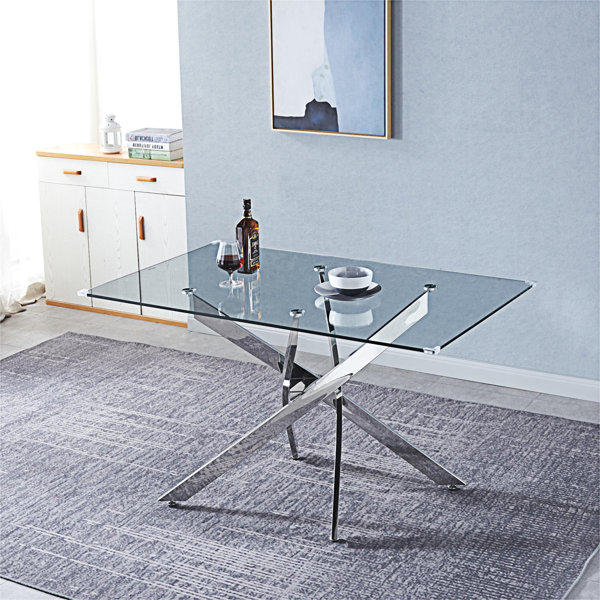
Glass tables create an airy feeling but might make people feel disconnected from each other. They’re great for small spaces but not ideal for extended family gatherings where connection is key.
Colors also play a role. Warm colors like red, orange, and yellow create energy and excitement. These are good for encouraging conversation and activity. Cool colors like blue and green promote calmness and reflection. They’re better for quiet family dinners where people want to talk things through.
Natural tones such as browns, creams, and soft greens usually work best. They create a neutral background that doesn’t compete with family interactions. They allow people to focus on each other rather than the table itself.
Practical Tips for Creating a Harmonious Dining Environment
Making your dining table work for your family doesn’t require expensive changes. Here are some simple steps that can make a big difference:
• Keep the table clean and clutter-free. A tidy table means a tidy mind. When people sit down to eat, they should feel refreshed and ready to connect.
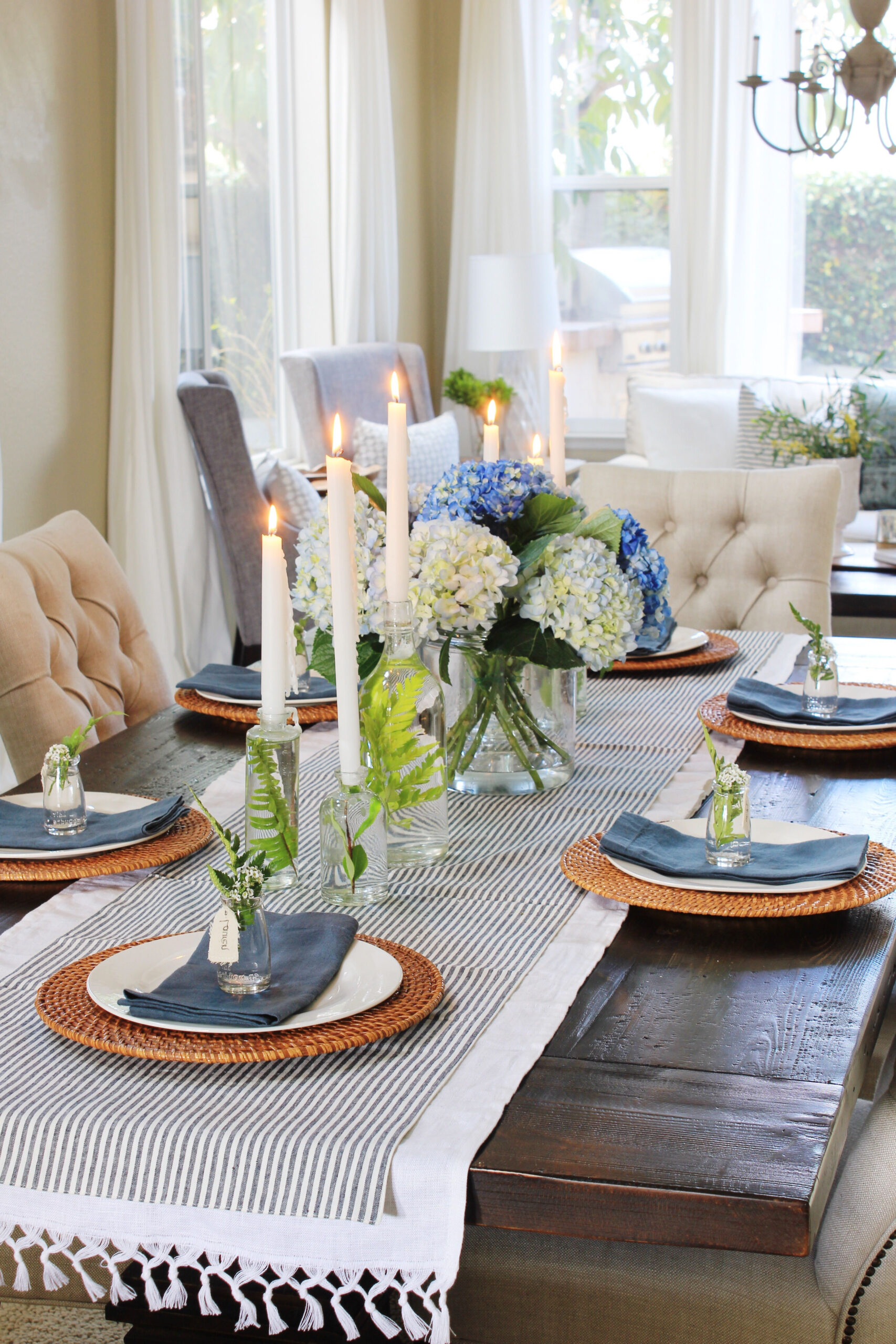
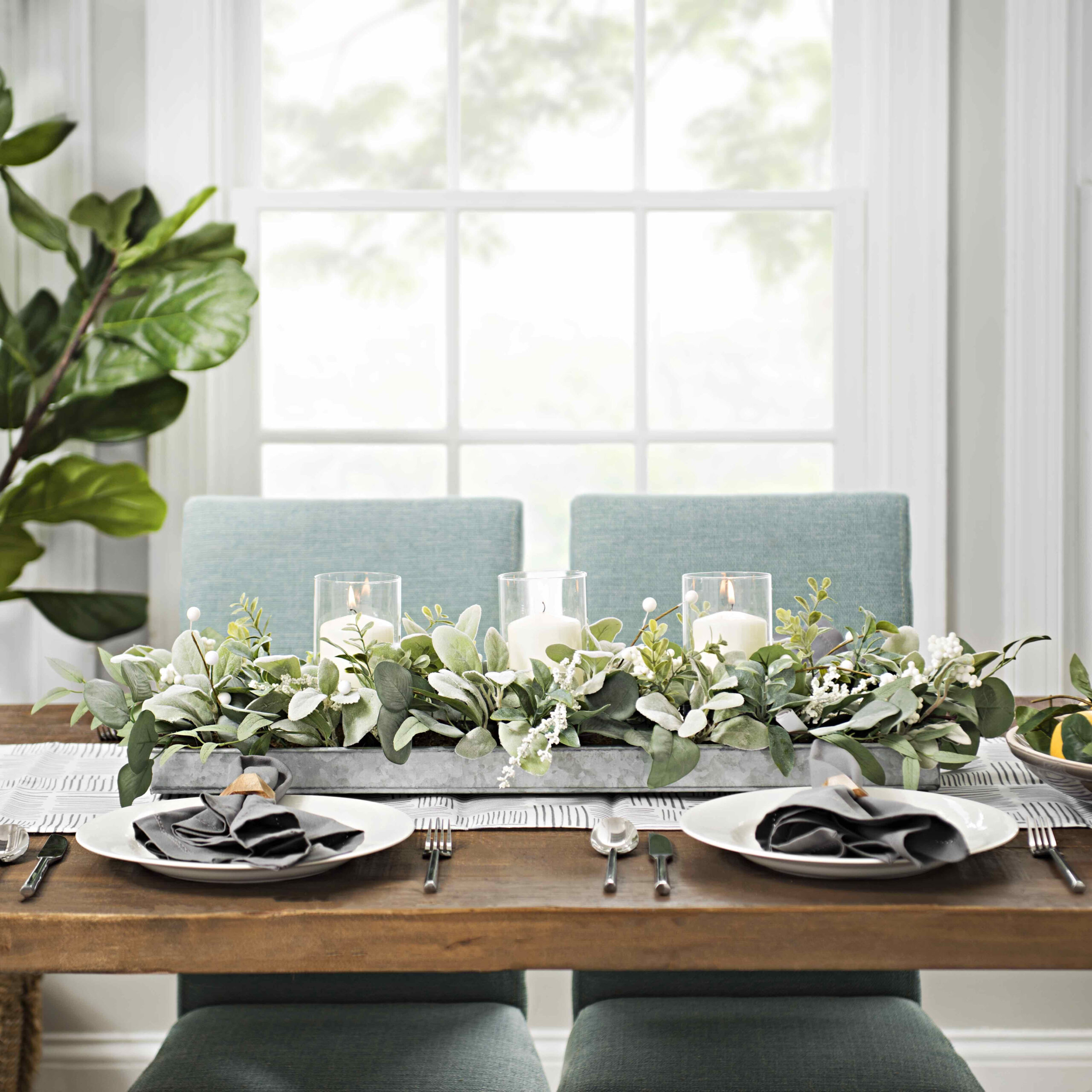
• Add elements that represent abundance and growth. Plants near the table bring life energy. Small flowers can create beauty and joy. These natural elements help people feel more positive during meals.
• Consider lighting. Soft, warm lighting creates a cozy atmosphere. Avoid harsh overhead lights that might make people feel uncomfortable or self-conscious.
• Use appropriate table settings. The way you arrange dishes and utensils affects how people approach the meal. A well-organized setting makes eating more enjoyable and less stressful.
• Don’t forget about the chairs. They should be comfortable and supportive. People should feel relaxed enough to enjoy their food and conversation. Chair height and comfort matter more than you might expect.
• Regular family meals are essential. No matter what kind of table you choose, the most important thing is that you eat together regularly. The table is just a tool for bringing people closer.
The connection between your dining room table and family dynamics goes deeper than you might realize. It’s not just about aesthetics or convenience – it’s about creating an environment that supports the relationships you cherish most. Whether you’re choosing between a round or rectangular table, or deciding on the right size and placement, remember that these choices reflect your values and priorities as a family.
The truth is, small changes in your dining space can lead to significant improvements in how you relate to each other. You don’t need to completely overhaul your home to see results. Sometimes, simply rearranging your existing table or adding a few plants can shift the energy in a positive direction.
What matters most is that you pay attention to how your family feels when they’re sitting around the table. Are they laughing and connecting? Or do they seem distant or uncomfortable? That feedback is valuable information about whether your dining space is working for you.
The goal isn’t perfection – it’s creating a space where your family can truly come together. The table is just the starting point. The real magic happens when people choose to share their stories, their thoughts, and their hearts over a meal. That’s the most important element of all.