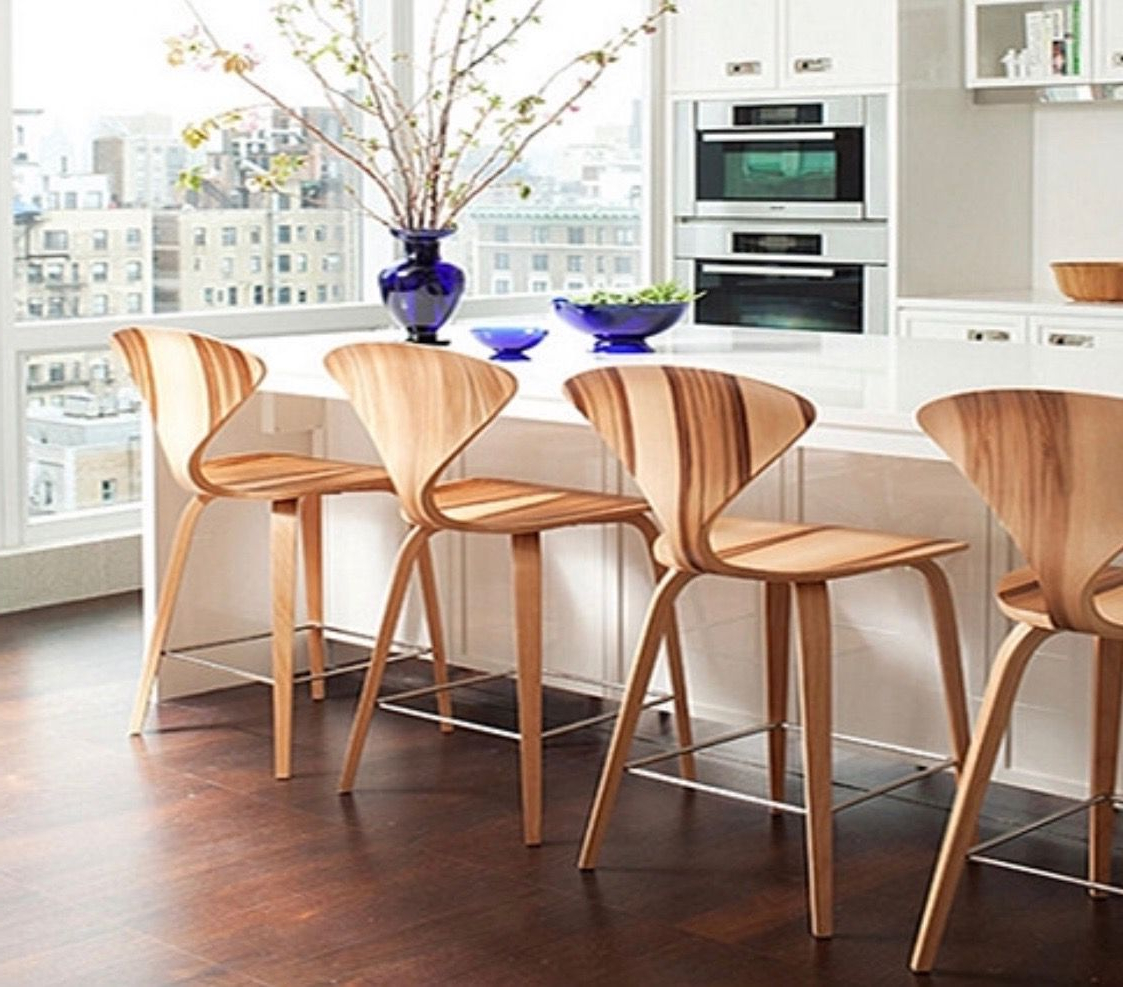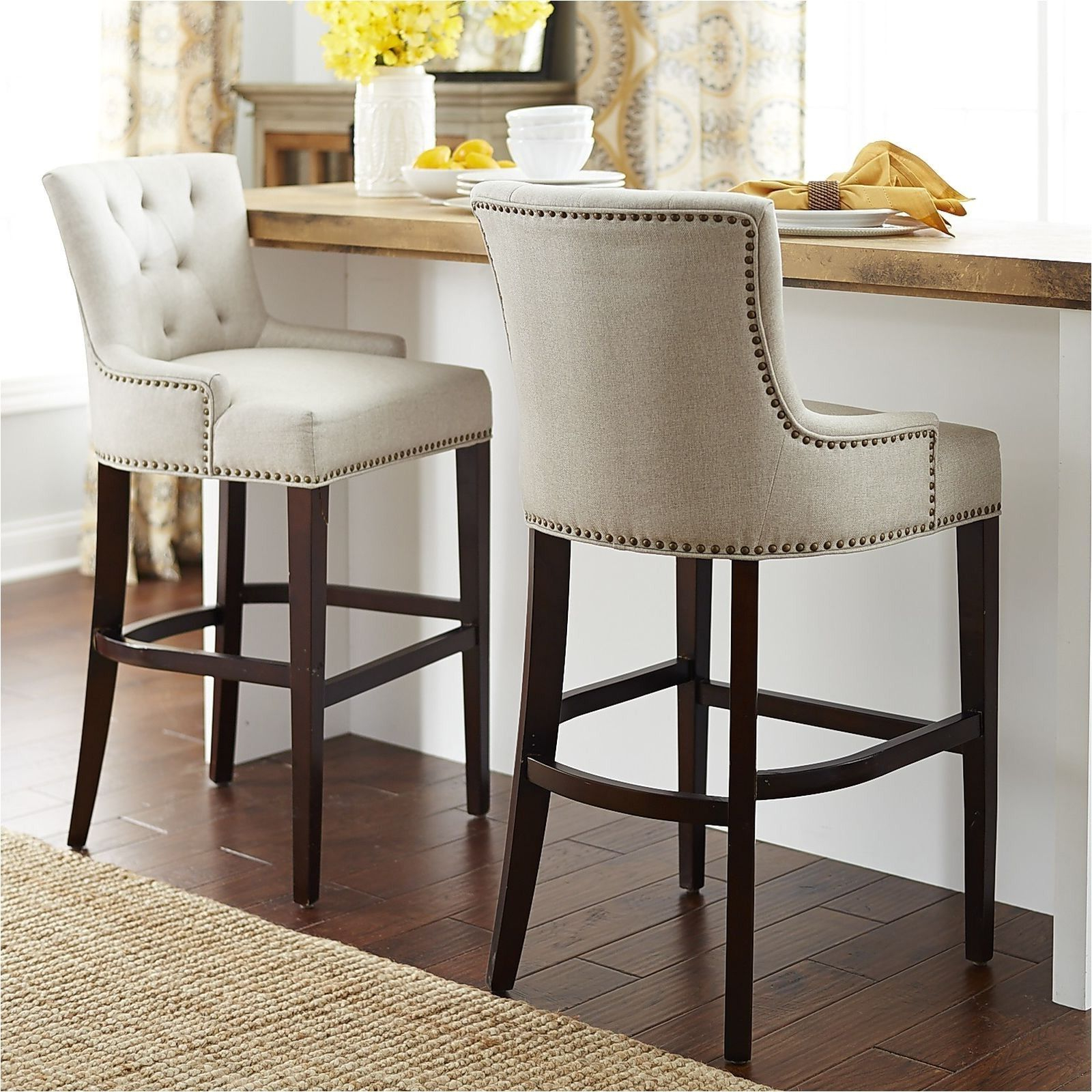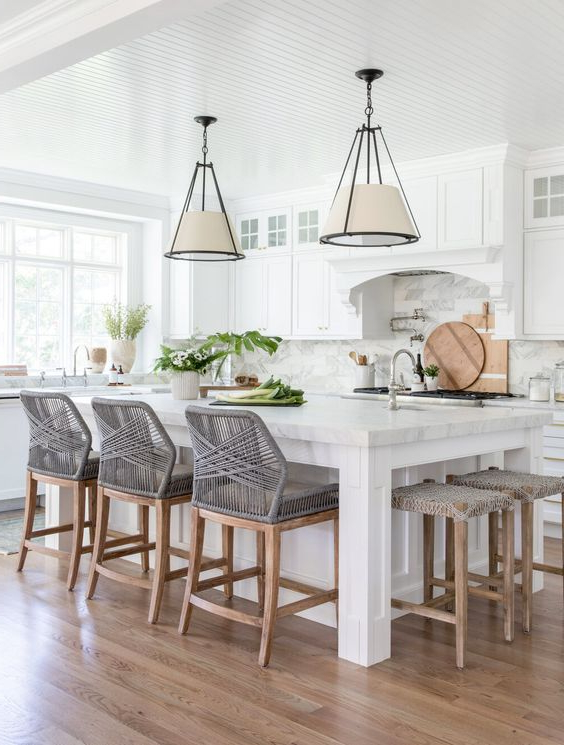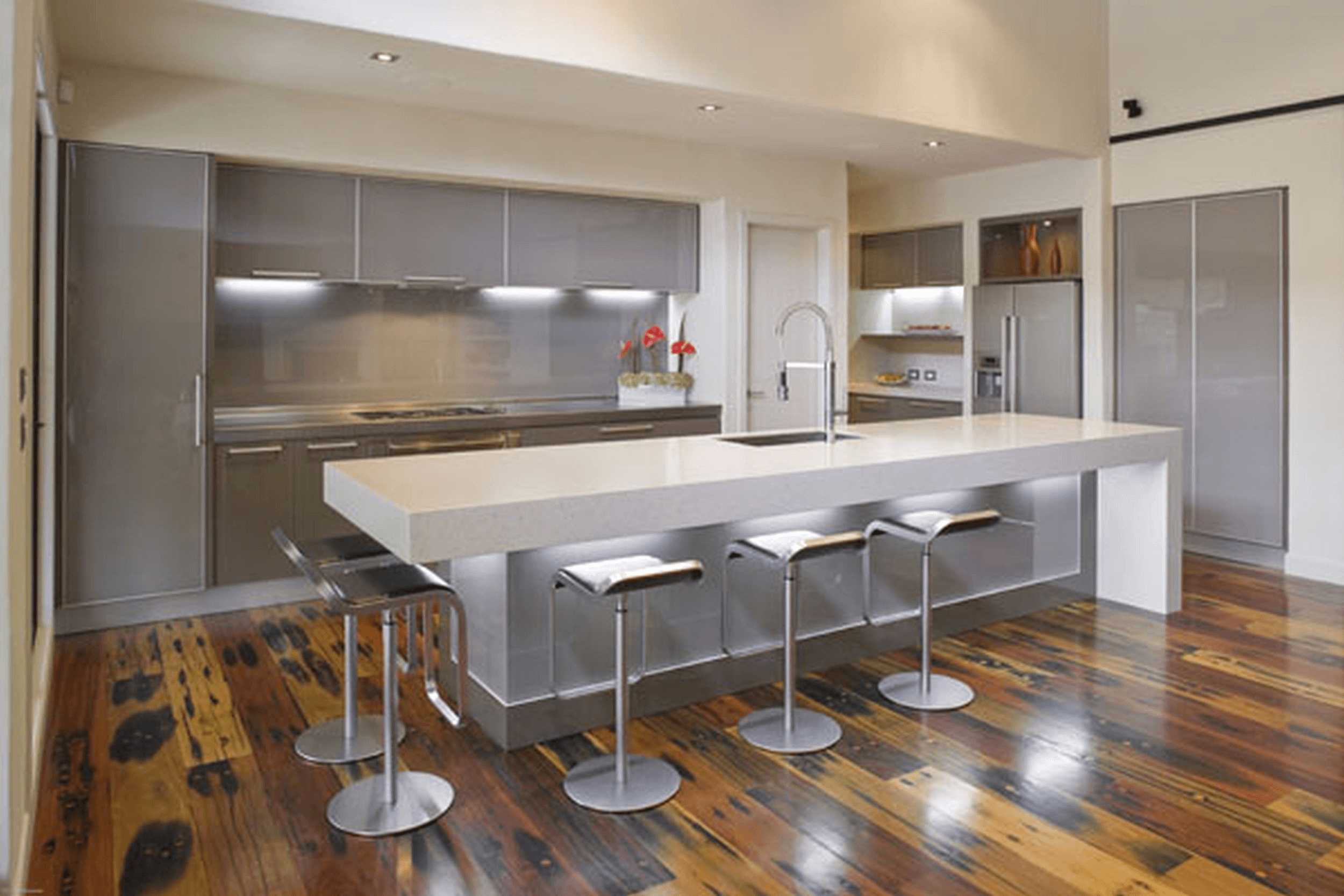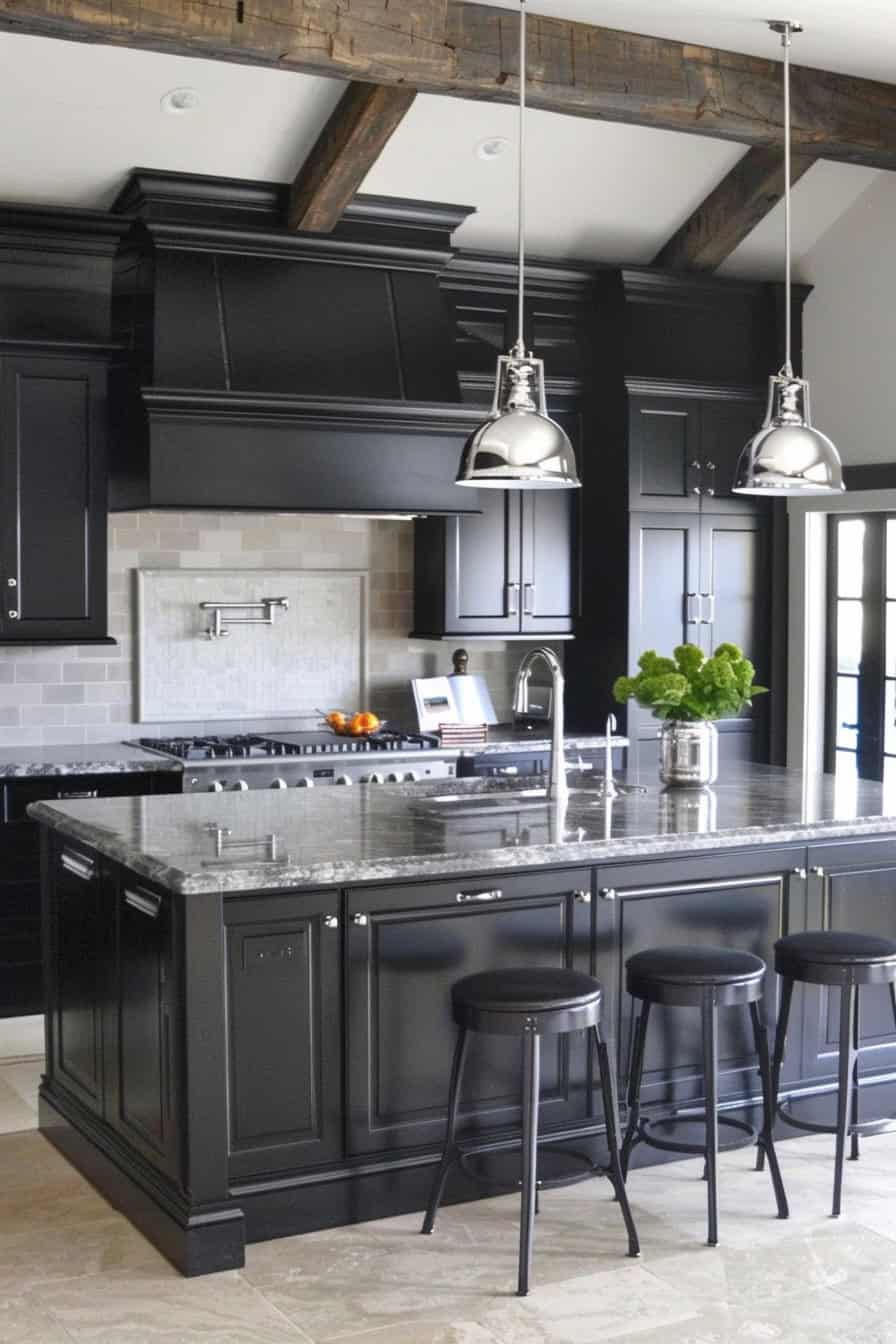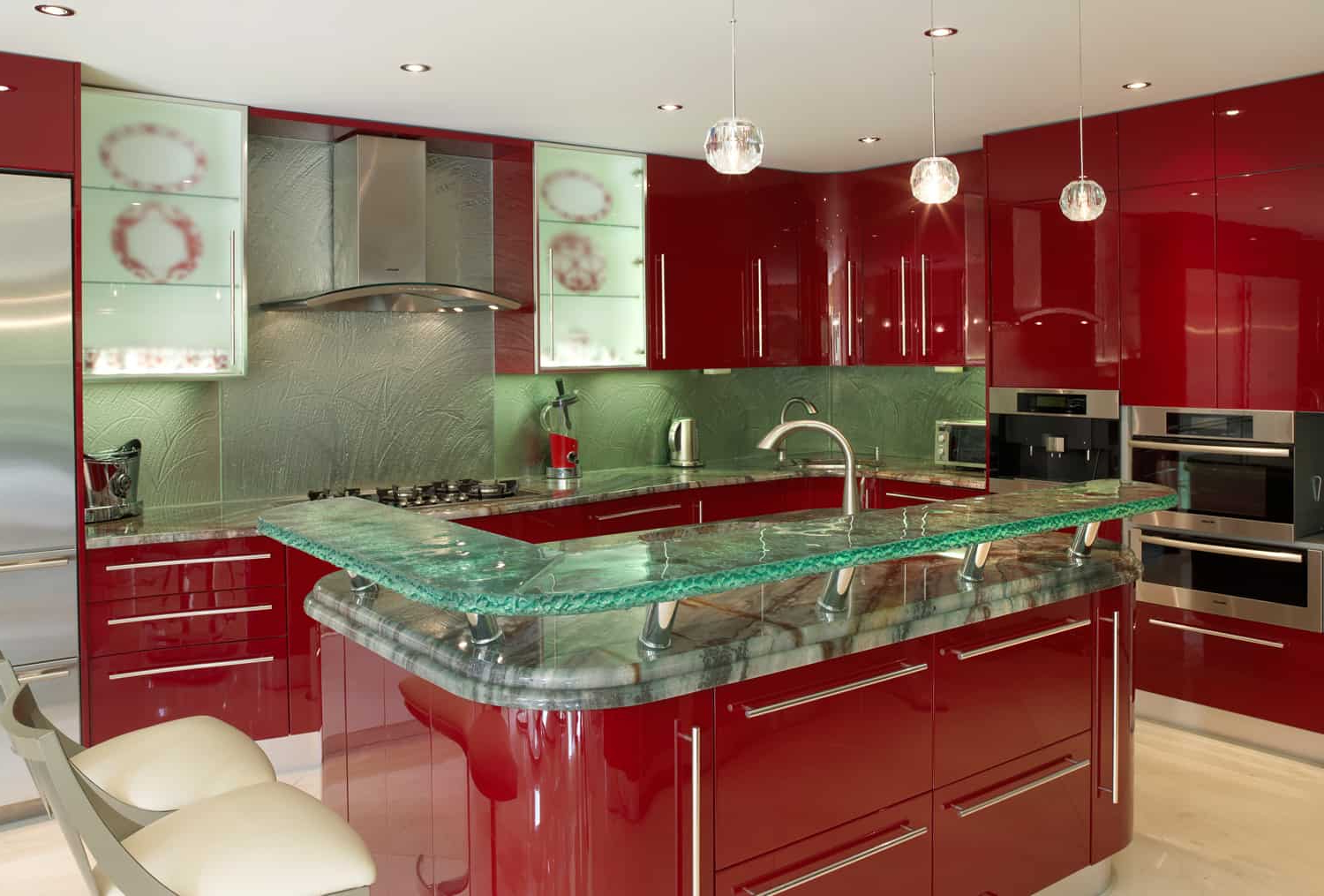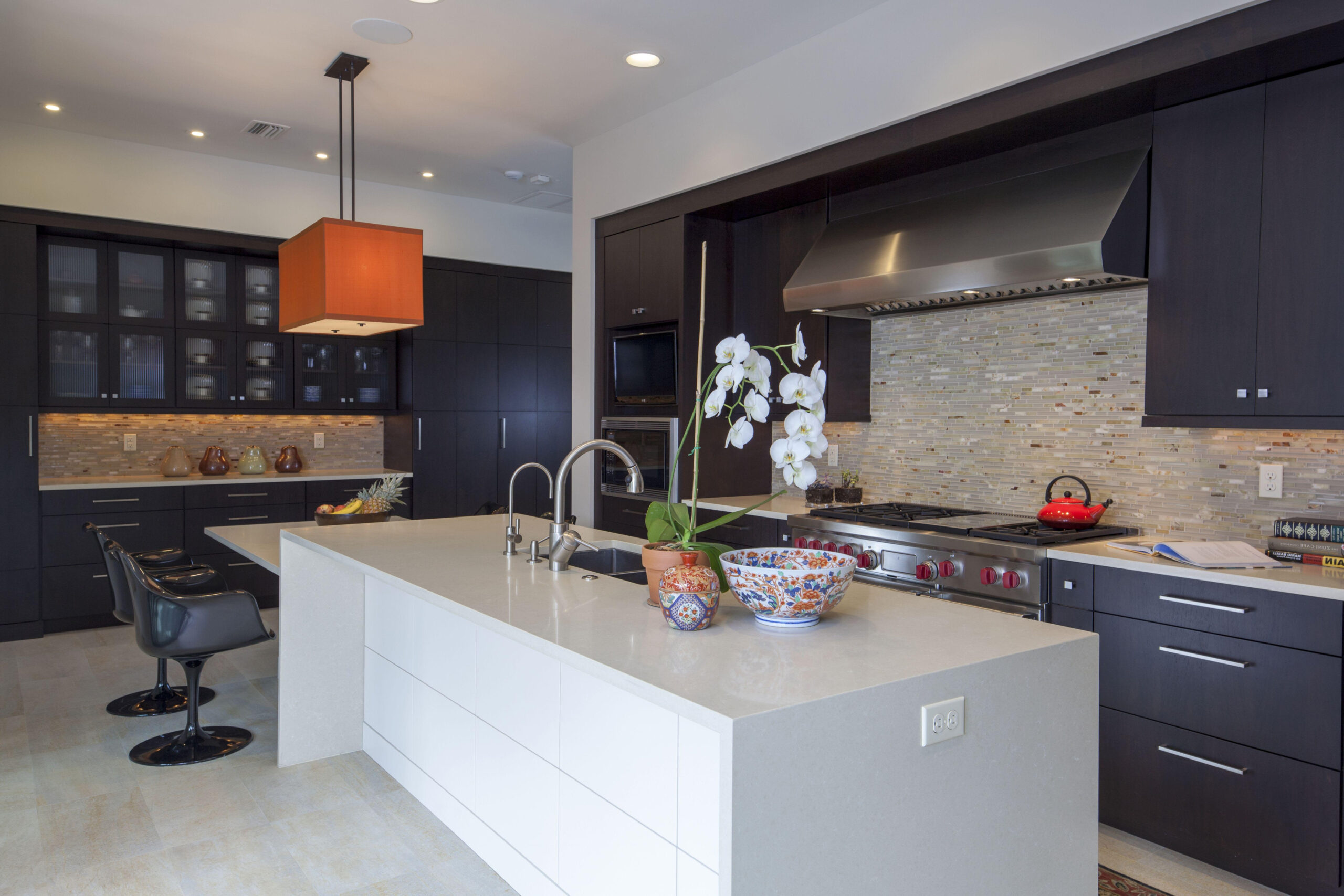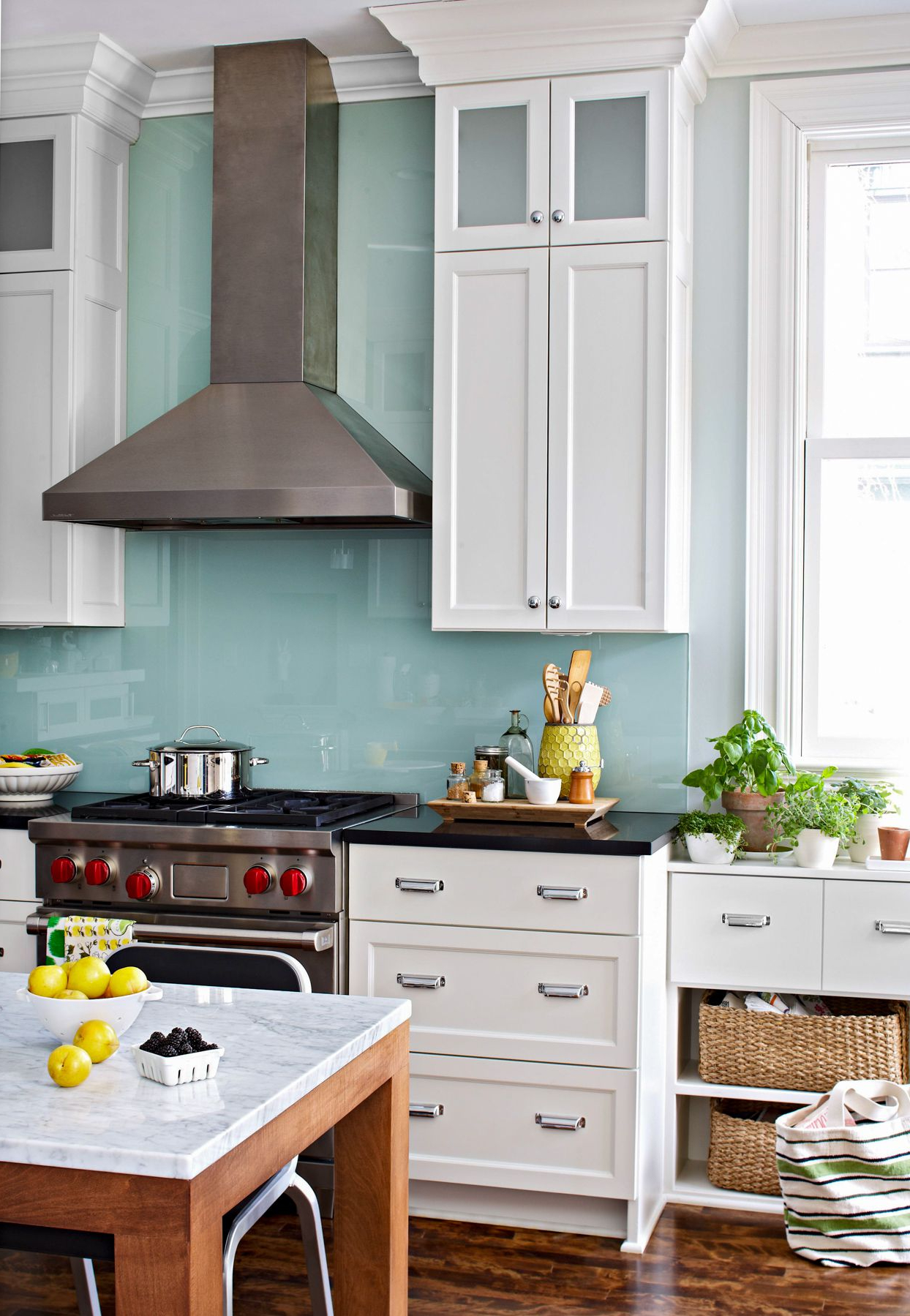
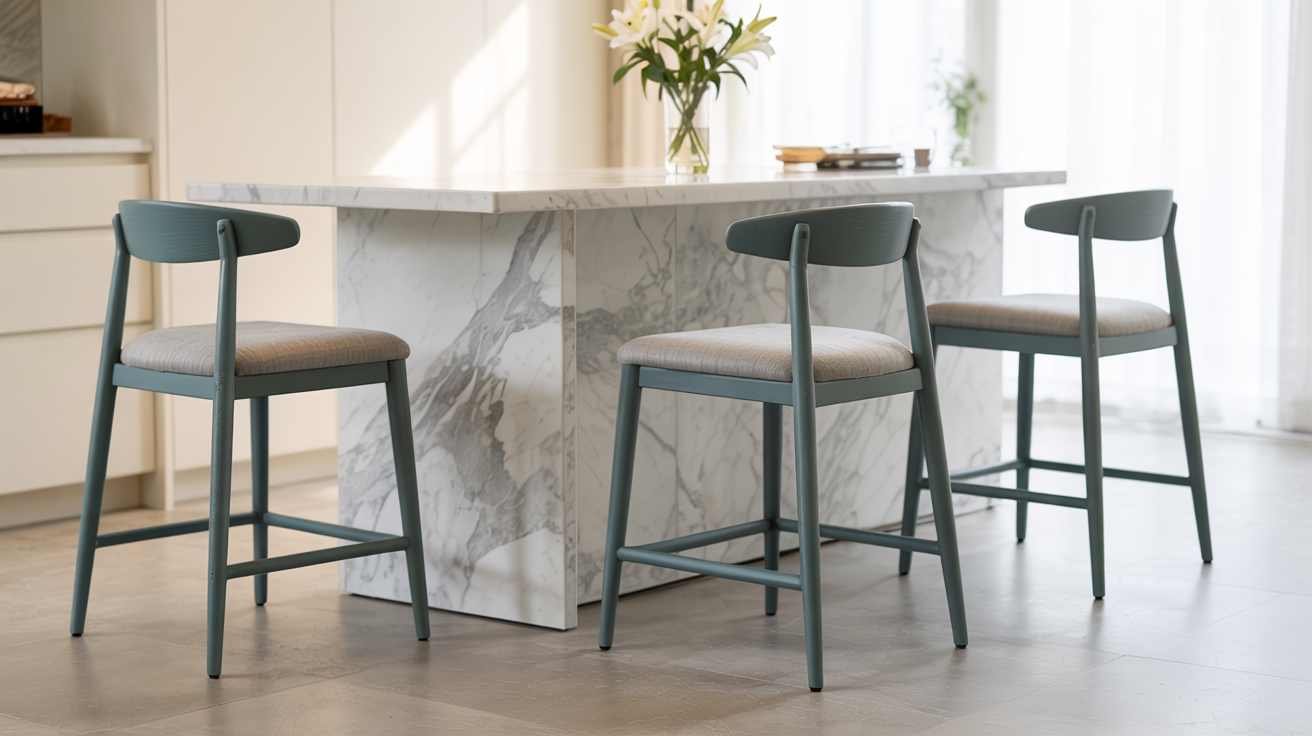
Picture this: You’re standing at your kitchen island, ready to prep dinner, when you suddenly realize your back is starting to ache. It’s not just about the hours you spend cooking – it’s about how you sit while you work. Kitchen island chairs have evolved far beyond simple stools. Today’s designs consider everything from lumbar support to armrest positioning, creating spaces that feel both inviting and supportive.
When we think about kitchen design, we often focus on countertops, appliances, and storage solutions. But there’s one crucial element that’s quietly revolutionizing our daily routines: the kitchen island chair. These aren’t just seats anymore – they’re sophisticated pieces designed with human comfort in mind. Whether you’re preparing meals, having breakfast, or simply enjoying a conversation with family, these chairs play a vital role in how we interact with our kitchens. What started as basic seating options has transformed into carefully engineered furniture that considers our body mechanics, posture, and daily habits.
The Science Behind Comfortable Seating
Ergonomic kitchen island chairs aren’t just about looking good – they’re built on solid scientific principles. The human body isn’t designed to sit in the same position for extended periods. Our spine has natural curves that need support, and our muscles need regular movement to stay healthy. Modern chair designers study these factors closely. They look at how much space exists between the seat and the backrest, how the angle affects blood circulation, and even the pressure points that develop during long sessions. For instance, a chair with proper lumbar support helps maintain the natural curve of your spine, reducing strain on your lower back. When you’re spending time at your kitchen island, whether it’s for quick breakfasts or lengthy meal preparation, these subtle adjustments make a huge difference in how you feel afterward. Think about how you feel after sitting in a poorly designed chair for just thirty minutes. Your shoulders might start to hunch, your neck might strain, and your lower back could begin to ache. That’s exactly what these thoughtful designs aim to prevent.
Seat Height and Its Impact on Daily Life
One of the most important features in kitchen island chairs is the right seat height. This might seem straightforward, but getting it wrong can lead to discomfort and poor posture. The ideal height typically matches the counter or island surface, allowing your feet to rest flat on the floor while your knees form approximately a ninety-degree angle. This position helps distribute your weight evenly and keeps your legs properly supported. Many modern designs offer adjustable height options, recognizing that different people have different needs. For example, someone who is shorter might prefer a slightly lower seat, while taller individuals might benefit from elevated positioning. The beauty of contemporary design lies in its adaptability. Some chairs feature telescoping mechanisms that let users adjust their seating position throughout the day. This flexibility is particularly helpful for families with varying heights, or for those who use their kitchen island for multiple activities throughout the day. A well-designed chair should feel like it was made specifically for your body, not just a generic solution that fits anywhere.
Back Support That Actually Works
We’ve all experienced chairs that provide no real back support – they’re just flat surfaces that offer no assistance to our posture. Modern ergonomic chairs tackle this issue head-on. They incorporate curved backrests that follow the natural shape of your spine. Some models feature adjustable back angles, allowing you to lean back slightly during conversations or lean forward for focused tasks. The material matters too. Breathable fabrics like mesh or perforated leather allow air circulation, preventing the uncomfortable heat buildup that can occur during extended sitting periods. Others use memory foam or high-density padding that conforms to your body shape over time. The key is finding a balance between support and comfort. Too much rigidity can cause discomfort, while too little support leads to slouching. It’s a delicate dance that skilled designers have mastered. Consider how much more comfortable you feel when your back is properly supported. You’re less likely to shift around constantly, and your muscles don’t have to work overtime to maintain posture. This small investment in quality can pay dividends in daily comfort.
Armrests: More Than Just a Nice Touch
Armrests are often overlooked, but they play a surprisingly significant role in overall comfort. Properly positioned armrests can reduce shoulder tension and provide a place to rest your arms during tasks. The best kitchen island chairs offer adjustable armrests that can move vertically and sometimes even horizontally. This allows users to find their perfect resting position regardless of their height or the type of work they’re doing. Imagine working at your kitchen island for an hour straight. Without proper arm support, your shoulders and arms will fatigue quickly. With well-designed armrests, you can maintain a more relaxed position throughout your activities. Some chairs even feature padded armrests with soft materials that feel good against your skin. Others include armrests that can be removed entirely for those who prefer a more open workspace. The versatility of modern armrest designs shows how manufacturers are thinking about different user preferences and needs.
Materials and Durability Considerations
The materials used in kitchen island chairs matter more than many people realize. Kitchens are high-traffic areas with potential for spills, moisture, and wear. Good-quality materials not only last longer but also contribute to the overall comfort and aesthetics of your space. Wood frames offer classic appeal and strength, though they may require more maintenance in humid environments. Metal frames provide durability and modern looks, often with powder-coated finishes that resist scratches and fading. Fabric choices vary from easy-to-clean synthetic materials to premium leather options that age beautifully. Many manufacturers now offer waterproof or stain-resistant options specifically designed for kitchen environments. The seat cushion materials also play a role in longevity. High-density foam provides consistent support over time, while some newer technologies incorporate memory foam that adapts to body temperature. It’s worth noting that expensive doesn’t always equal better – sometimes budget-friendly options offer excellent value for their intended use. The key is matching materials to your lifestyle and expectations.
Practical Tips for Choosing the Right Chair
Selecting the perfect kitchen island chair involves more than just picking something that looks good. Start by measuring your space carefully. Consider not just the dimensions of your island, but also how much room you’ll need to move around comfortably. Test out different seating positions before purchasing – if possible, try sitting in various chairs at home or in stores. Pay attention to how your body feels after sitting for a few minutes. Do your shoulders relax? Is your back properly supported? Can you easily get up and down without strain? Think about your daily routine – do you primarily use your kitchen island for quick breakfasts or extended family gatherings? This will help determine whether you need a more casual design or something that can handle frequent use. Don’t forget to consider the overall style of your kitchen. A sleek modern chair might clash with traditional cabinetry, while a rustic wooden chair could complement a farmhouse-style kitchen perfectly. Finally, remember that investing in quality seating pays off in daily comfort and reduced physical stress on your body.
Kitchen island chairs have come a long way from simple functional pieces. Today’s designs represent a thoughtful marriage of form and function, prioritizing human comfort without sacrificing style. The careful consideration of seat height, back support, armrest positioning, and material selection creates seating solutions that enhance rather than hinder our daily lives. Whether you’re planning a complete kitchen renovation or simply updating your existing setup, choosing an ergonomic chair makes sense for anyone who spends significant time at their kitchen island. The investment in quality seating isn’t just about immediate comfort – it’s about supporting your health and well-being over the long term. As we continue to spend more time in our homes and kitchens, these thoughtful design choices become increasingly important. The next time you settle into your kitchen chair, take a moment to appreciate how much thought and care went into creating that perfect spot for your daily routines.
[sps_html tag=”img” src=”https://roofdrivein.com/wp-content/uploads/2026/01/best-kitchen-island-chairs-stylish-and-comfortable-pertaining-to-modern-kitchen-island-chairs.png” alt=”Best Kitchen Island Chairs: Stylish And Comfortable pertaining to Modern Kitchen Island Chairs” style=”width: 100%; height: auto;”]
[sps_html tag=”img” src=”https://roofdrivein.com/wp-content/uploads/2026/01/kitchen-island-photos-with-seating-things-in-the-kitchen-inside-exploring-ergonomic-features-in-today039s-kitchen-island-chair-designs.jpg” alt=”Kitchen Island Photos With Seating – Things In The Kitchen inside Exploring ergonomic features in today's kitchen island chair designs” style=”width: 100%; height: auto;”]
[sps_html tag=”img” src=”https://roofdrivein.com/wp-content/uploads/2026/01/modern-kitchen-stools-the-perfect-way-to-add-comfort-and-style-to-your-intended-for-modern-kitchen-island-chairs.jpg” alt=”Modern Kitchen Stools: The Perfect Way To Add Comfort And Style To Your … intended for Modern Kitchen Island Chairs” style=”width: 100%; height: auto;”]
[sps_html tag=”img” src=”https://roofdrivein.com/wp-content/uploads/2026/01/kitchen-islands-with-chairs-a-comprehensive-guide-kitchen-ideas-within-modern-kitchen-island-chairs.jpg” alt=”Kitchen Islands With Chairs: A Comprehensive Guide - Kitchen Ideas within Modern Kitchen Island Chairs” style=”width: 100%; height: auto;”]
[sps_html tag=”img” src=”https://roofdrivein.com/wp-content/uploads/2026/01/tips-to-choose-modern-kitchen-island-chairs-within-exploring-ergonomic-features-in-today039s-kitchen-island-chair-designs.png” alt=”Tips To Choose Modern Kitchen Island Chairs within Exploring ergonomic features in today's kitchen island chair designs” style=”width: 100%; height: auto;”]