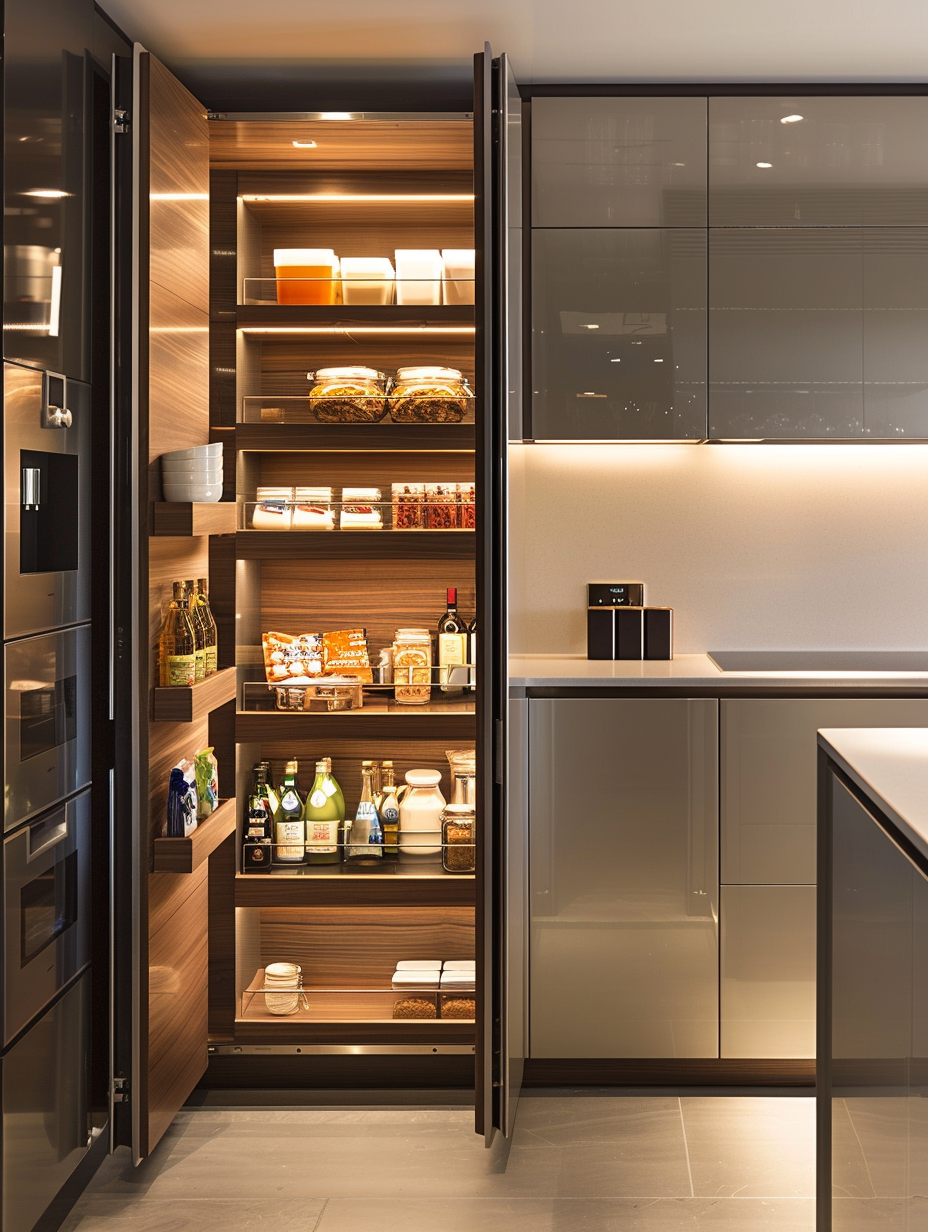
Picture this: You’re standing in your kitchen, staring at a pantry that seems to have a mind of its own. The shelves are stacked high with cans, boxes, and bags, but somehow you can never find what you need when you need it. Sounds familiar? You’re not alone. Every day, countless home cooks struggle with the same pantry predicament. What if we told you there’s a way to turn that chaotic space into a well-ordered wonderland that makes cooking feel less like hunting and more like enjoying?
Let’s be honest – most of us have been there. That moment when you open the pantry door and feel overwhelmed by the sheer amount of stuff crammed inside. It’s not just about aesthetics either. When your pantry lacks organization, it affects everything from meal planning to grocery shopping. We’ve all experienced that frustrating scramble when you desperately need flour but can’t locate it among the dozens of other items. The good news? This problem isn’t insurmountable. With some simple strategies and a bit of planning, you can transform your pantry from a source of stress into a tool that supports your daily cooking routine.
Start with a Fresh Perspective
Before diving into reorganizing, take a step back and really assess your pantry situation. What’s actually happening here? Are you buying things you don’t use? Do you have duplicates of the same items? Sometimes the best solution is simply to clean out first. Think about your actual cooking habits. What do you cook regularly? What ingredients do you use most often? This inventory check helps you make smarter decisions about what stays and what goes. Consider keeping a small notebook handy during your next grocery run to jot down items you want to add or remove. It’s amazing how much better your pantry feels once you’ve cleared away the unnecessary clutter.
Group Similar Items Together
This might seem obvious, but it’s one of the most powerful organizational techniques. Instead of randomly placing items on shelves, group them by category. Think about how you use your ingredients. If you bake frequently, keep all your baking supplies together – flour, sugar, butter, eggs. If you cook meals with similar ingredients, put those items near each other too. For example, rice, pasta, and grains can go together. Canned goods form another logical grouping. This approach saves time and mental energy when you’re preparing meals. You’ll spend less time searching and more time creating delicious dishes. Try using labels or bins to clearly separate these groups. It’s like having a roadmap for your pantry that makes navigation effortless.
Use Vertical Space Wisely
Don’t let your pantry walls go to waste. Many people overlook the valuable vertical space available in their pantries. Install shelves or racks that extend toward the ceiling. Tall bins or baskets work great for storing items that aren’t used daily. Consider using shelf liners to protect your shelves and make cleaning easier. For items you use less frequently, like holiday decorations or seasonal ingredients, store them on higher shelves. This keeps your most-used items within easy reach while maximizing storage capacity. The key is to make everything accessible. You don’t want to have to climb on furniture or strain to reach something. Good vertical organization means everything has its place and can be accessed without difficulty.
Implement the First-In, First-Out Method
This simple rule can save you from wasting food and money. Always place newer items behind older ones. This ensures you use up older products before they expire. It’s especially important for items with expiration dates like canned goods, spices, and dried herbs. Label containers with purchase dates when possible. Some people even write the date on the outside of containers. This system prevents the frustrating discovery of expired ingredients that you thought were fresh. It also means you’re always using the oldest items first, which keeps your pantry fresher longer. It takes just a few seconds to check and rotate items, but the benefits are significant over time.
Create Zones for Different Cooking Needs
Think of your pantry as a series of zones rather than one big storage area. Designate specific areas for different purposes. Have a zone for breakfast items like cereals, oatmeal, and coffee supplies. Another zone for baking essentials. A third for sauces and condiments. This zoning method makes your pantry feel more organized and purposeful. You can quickly find exactly what you need without having to search through everything. Consider using clear containers or bins to make items visible at a glance. This visual organization helps you see what you have and what might be running low. It also makes it easier to maintain your pantry since you can see at a quick glance whether something needs restocking.
Keep Frequently Used Items Accessible
This is probably the most important principle of pantry organization. Everything you use regularly should be within arm’s reach. This includes both ingredients and tools. Keep your favorite spices, oils, and common cooking items at eye level or slightly below. Items you use weekly or daily should be easily accessible without having to move anything else. This reduces frustration and makes cooking flow more smoothly. It also encourages you to use ingredients more often instead of letting them sit forgotten in the back of the pantry. You might want to consider using pull-out shelves or lazy susans for items you access frequently. These storage solutions make it easy to get to items that are otherwise hard to reach.
Creating an organized pantry isn’t just about making your kitchen look better. It’s about creating a space that works for you and your family’s lifestyle. When you take the time to properly organize your pantry, you’ll notice the difference immediately. Meal planning becomes easier, grocery shopping more efficient, and cooking more enjoyable. The investment of time upfront pays dividends every single day. Remember, organization isn’t about perfection – it’s about finding systems that work for your unique situation. Start small, be patient with yourself, and celebrate the wins along the way. Your future self will thank you for taking these steps today. After all, a well-organized pantry is more than just storage – it’s the foundation for a more peaceful and efficient kitchen experience.
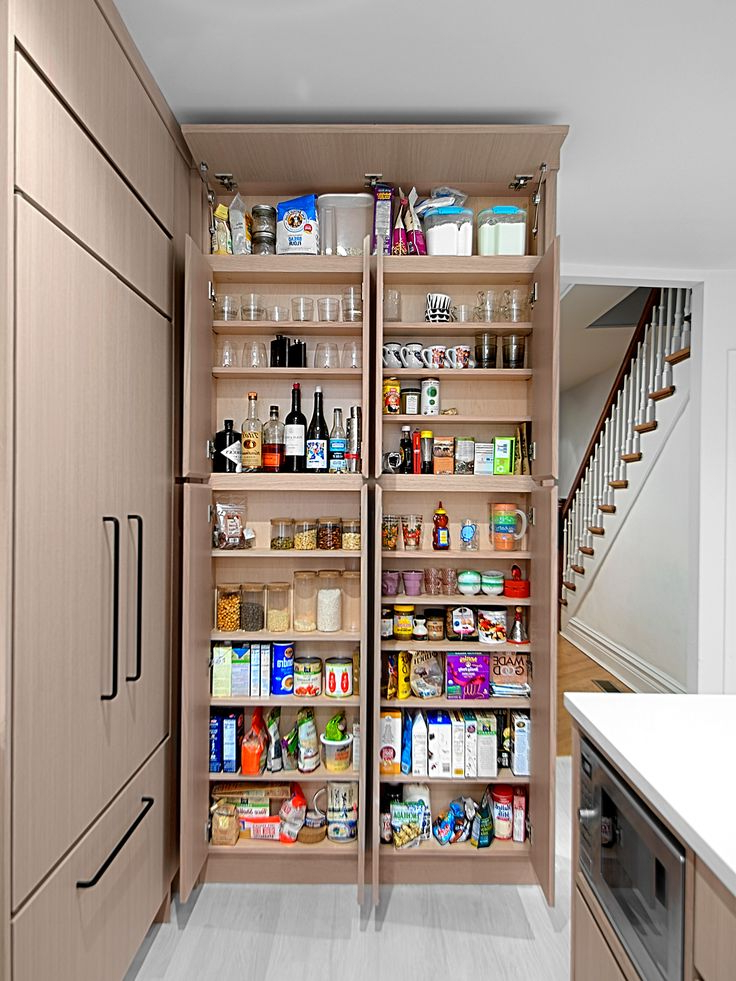
[sps_html tag=”img” src=”https://roofdrivein.com/wp-content/uploads/2026/01/maximizing-your-kitchen-space-124-ingenious-pantry-cabinet-designs-for-within-expert-tips-for-organizing-your-modern-kitchen-pantry-effectively.png” alt=”Maximizing Your Kitchen Space: 124 Ingenious Pantry Cabinet Designs For … within Expert tips for organizing your modern kitchen pantry effectively” style=”width: 100%; height: auto;”]
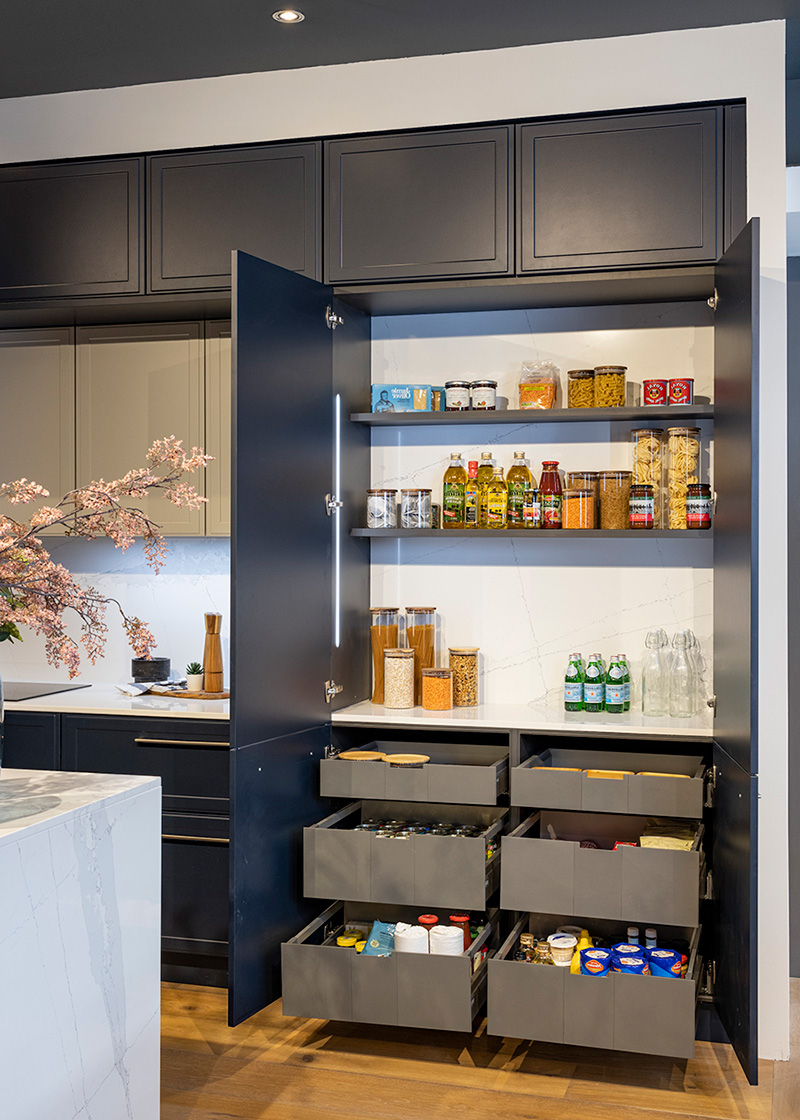
[sps_html tag=”img” src=”https://roofdrivein.com/wp-content/uploads/2026/01/the-role-of-pantries-in-modern-kitchen-design-kube-kitchens-regarding-expert-tips-for-organizing-your-modern-kitchen-pantry-effectively.jpg” alt=”The Role Of Pantries In Modern Kitchen Design - Kube Kitchens regarding Expert tips for organizing your modern kitchen pantry effectively” style=”width: 100%; height: auto;”]
[sps_html tag=”img” src=”https://roofdrivein.com/wp-content/uploads/2026/01/kitchen-pantry-cabinets-10-super-modern-pantry-cabinets-interior-with-regard-to-expert-tips-for-organizing-your-modern-kitchen-pantry-effectively.jpg” alt=”Kitchen Pantry Cabinets - 10 Super Modern Pantry Cabinets - Interior … with regard to Expert tips for organizing your modern kitchen pantry effectively” style=”width: 100%; height: auto;”]
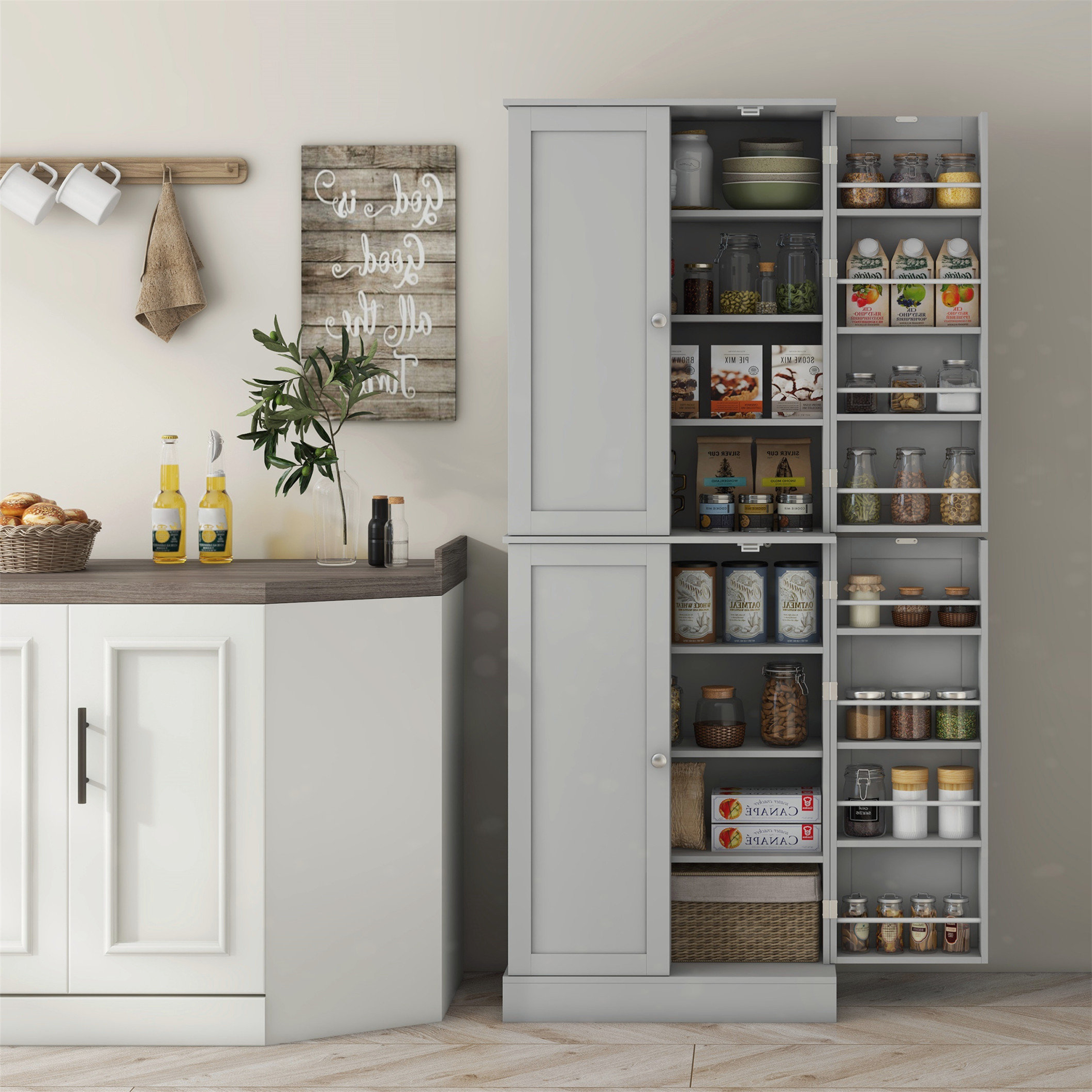
[sps_html tag=”img” src=”https://roofdrivein.com/wp-content/uploads/2026/01/lark-manor-versatile-modern-kitchen-pantry-cabinet-with-abundant-for-expert-tips-for-organizing-your-modern-kitchen-pantry-effectively.jpg” alt=”Lark Manor™ Versatile Modern Kitchen Pantry Cabinet With Abundant … for Expert tips for organizing your modern kitchen pantry effectively” style=”width: 100%; height: auto;”]
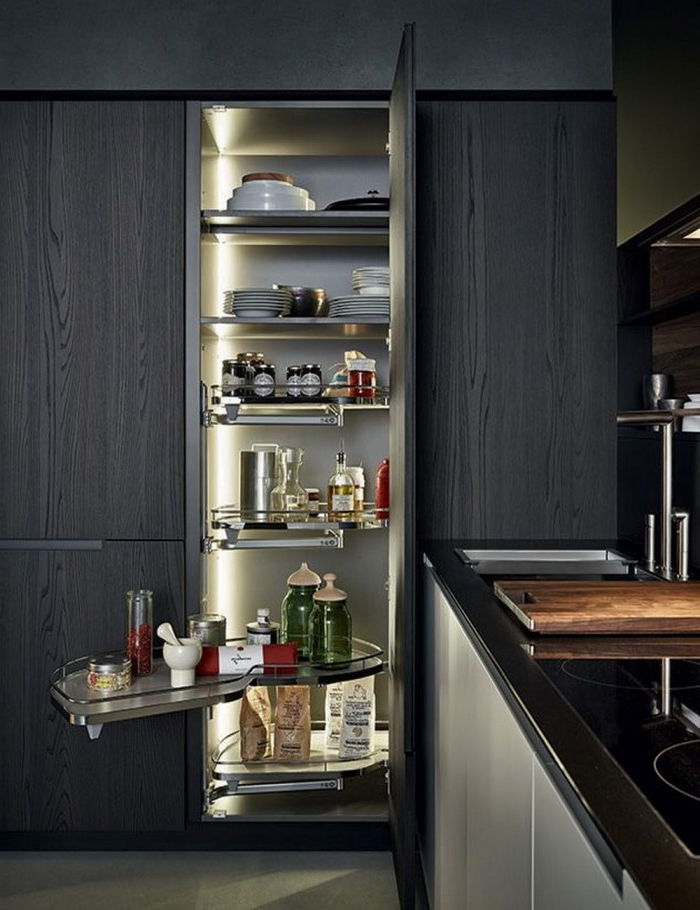
[sps_html tag=”img” src=”https://roofdrivein.com/wp-content/uploads/2026/01/modern-kitchen-pantry-design-by-benvenuti-and-stein-within-modern-kitchen-pantry-cabinet.jpg” alt=”Modern Kitchen Pantry Design By Benvenuti And Stein within Modern Kitchen Pantry Cabinet” style=”width: 100%; height: auto;”]