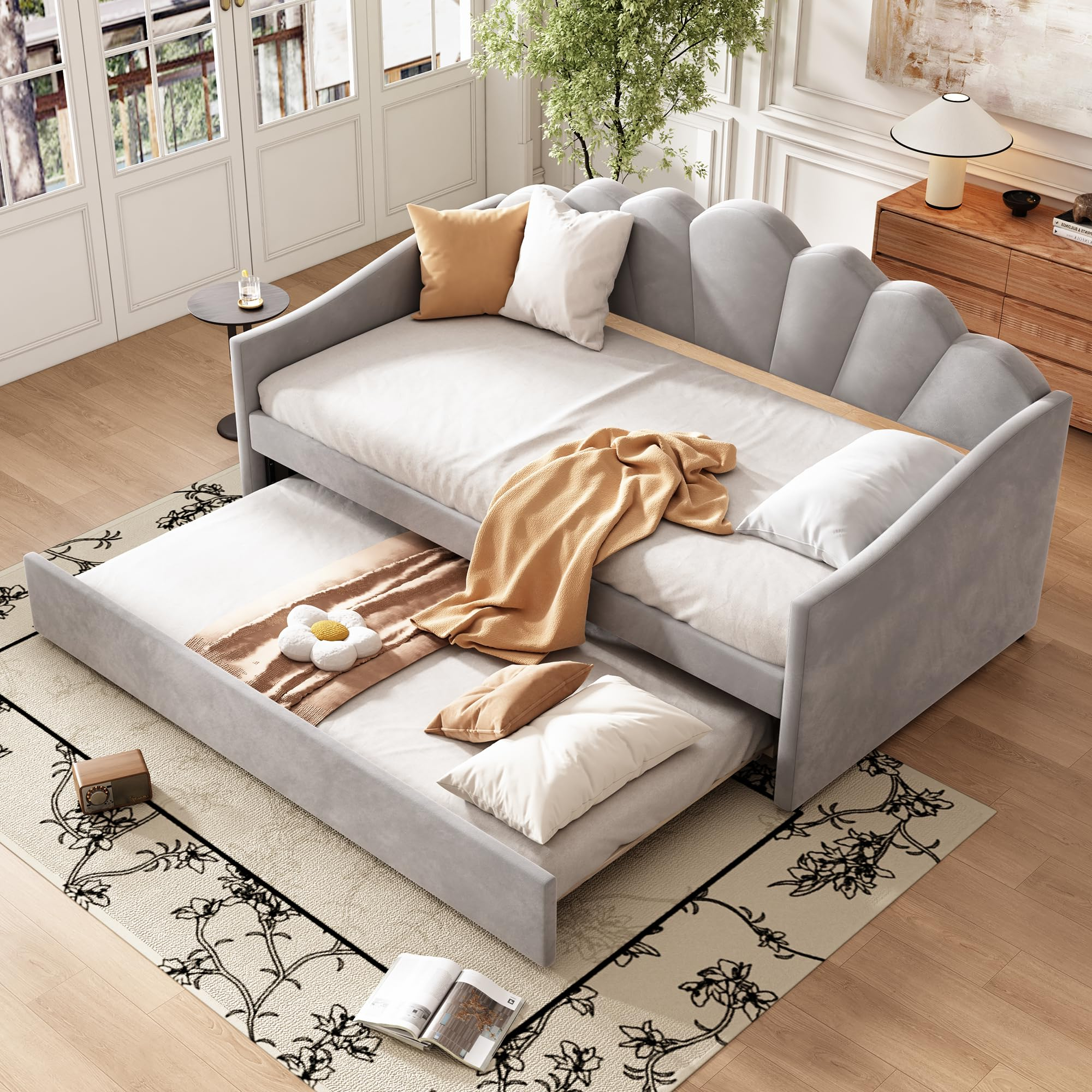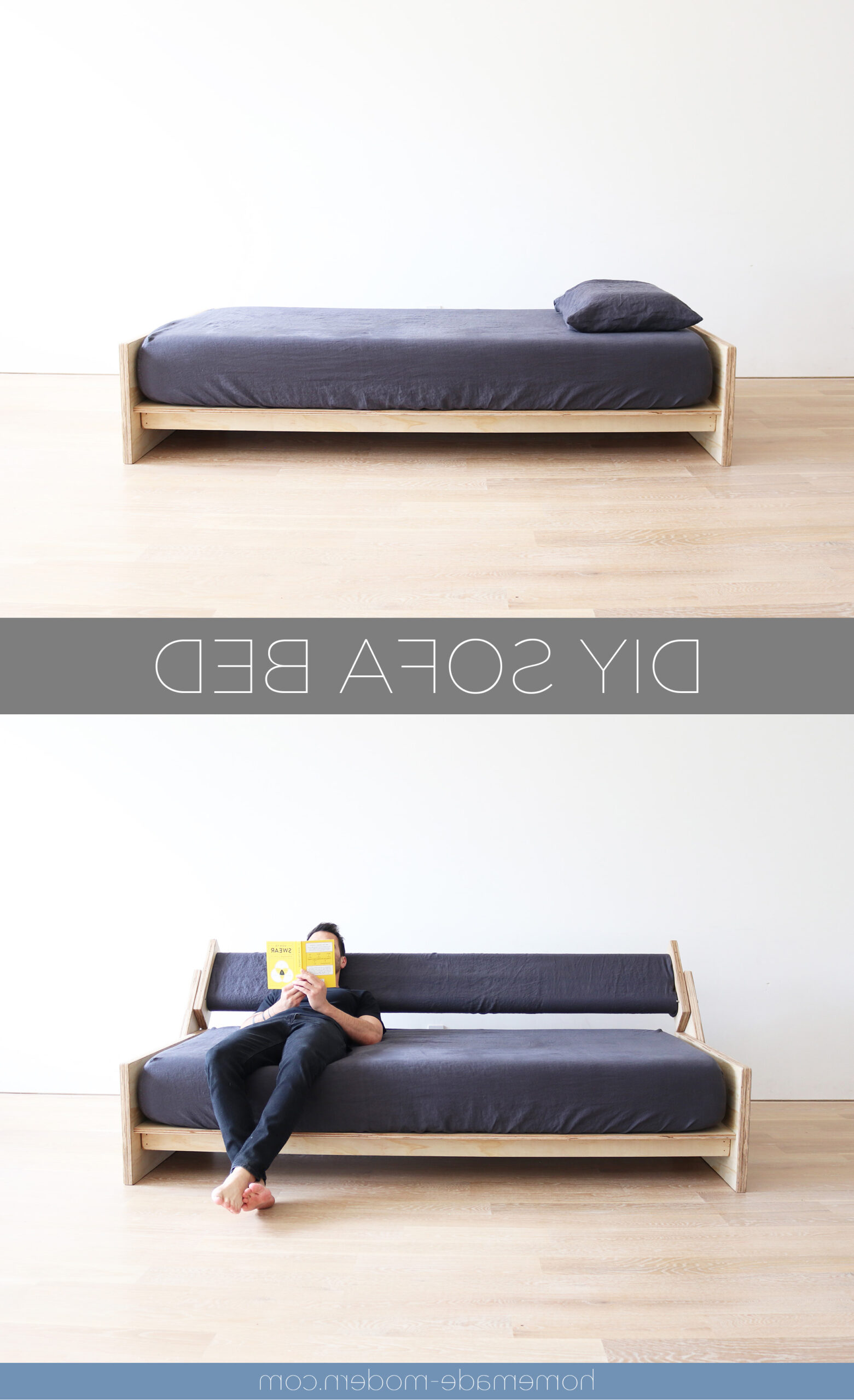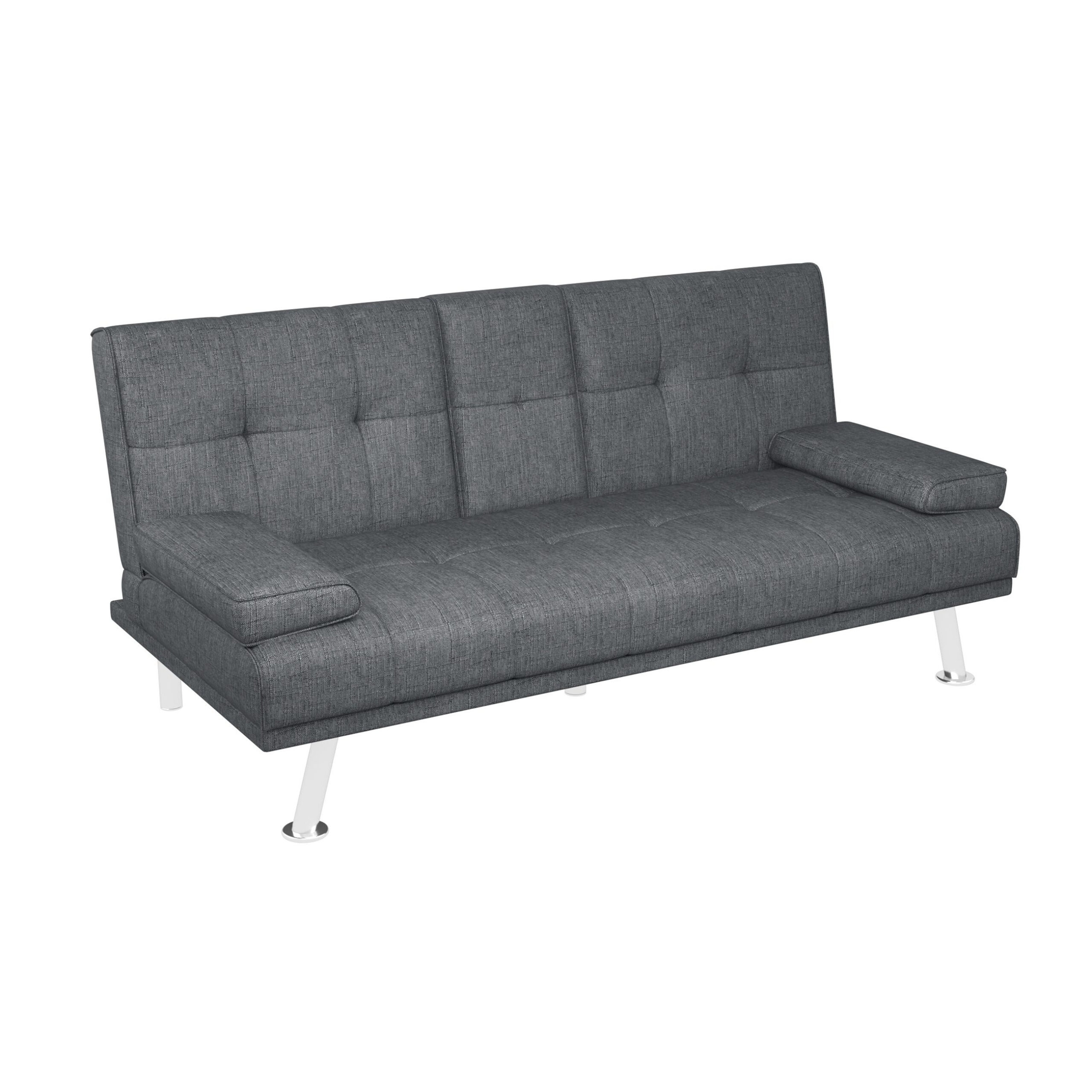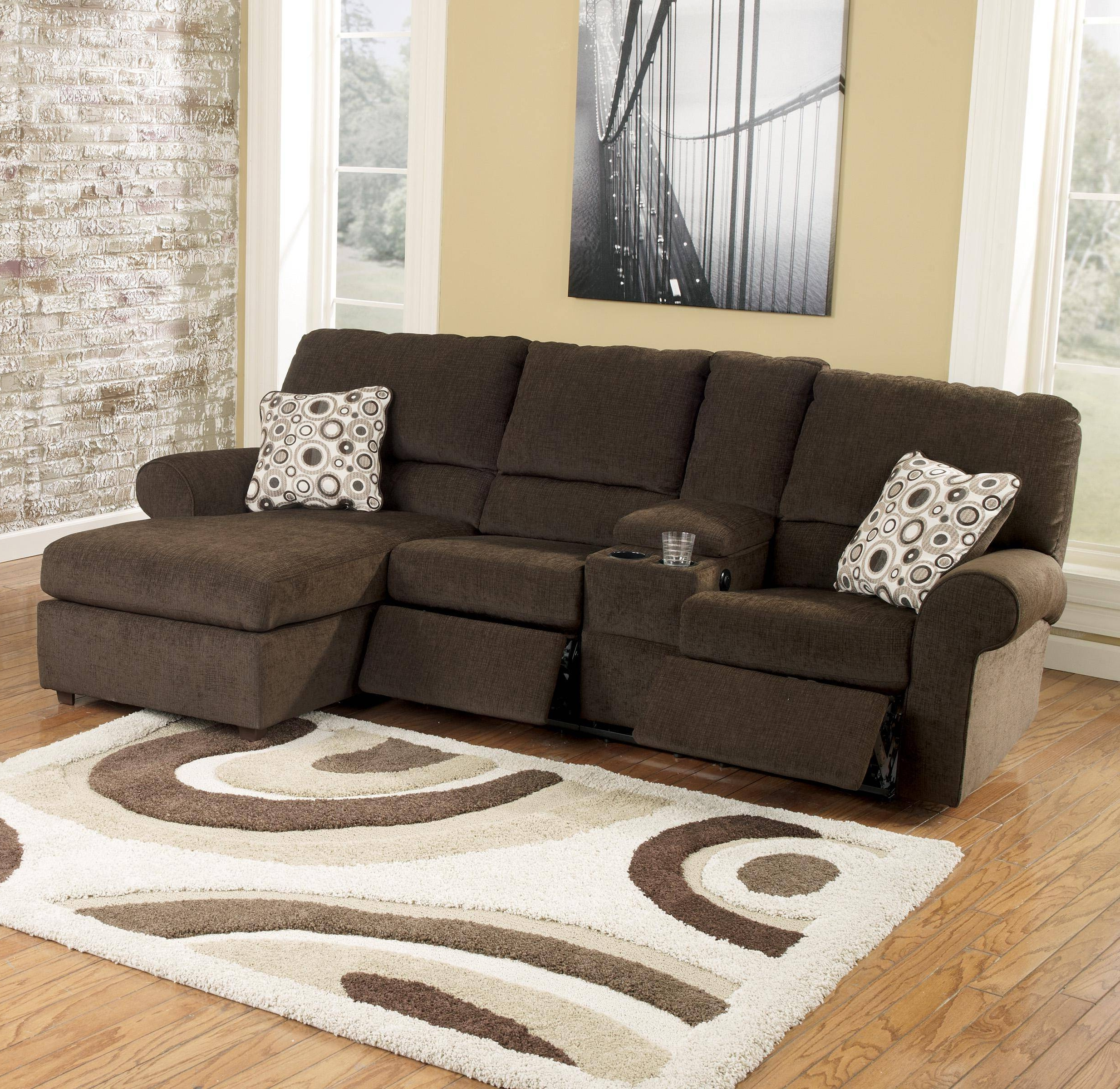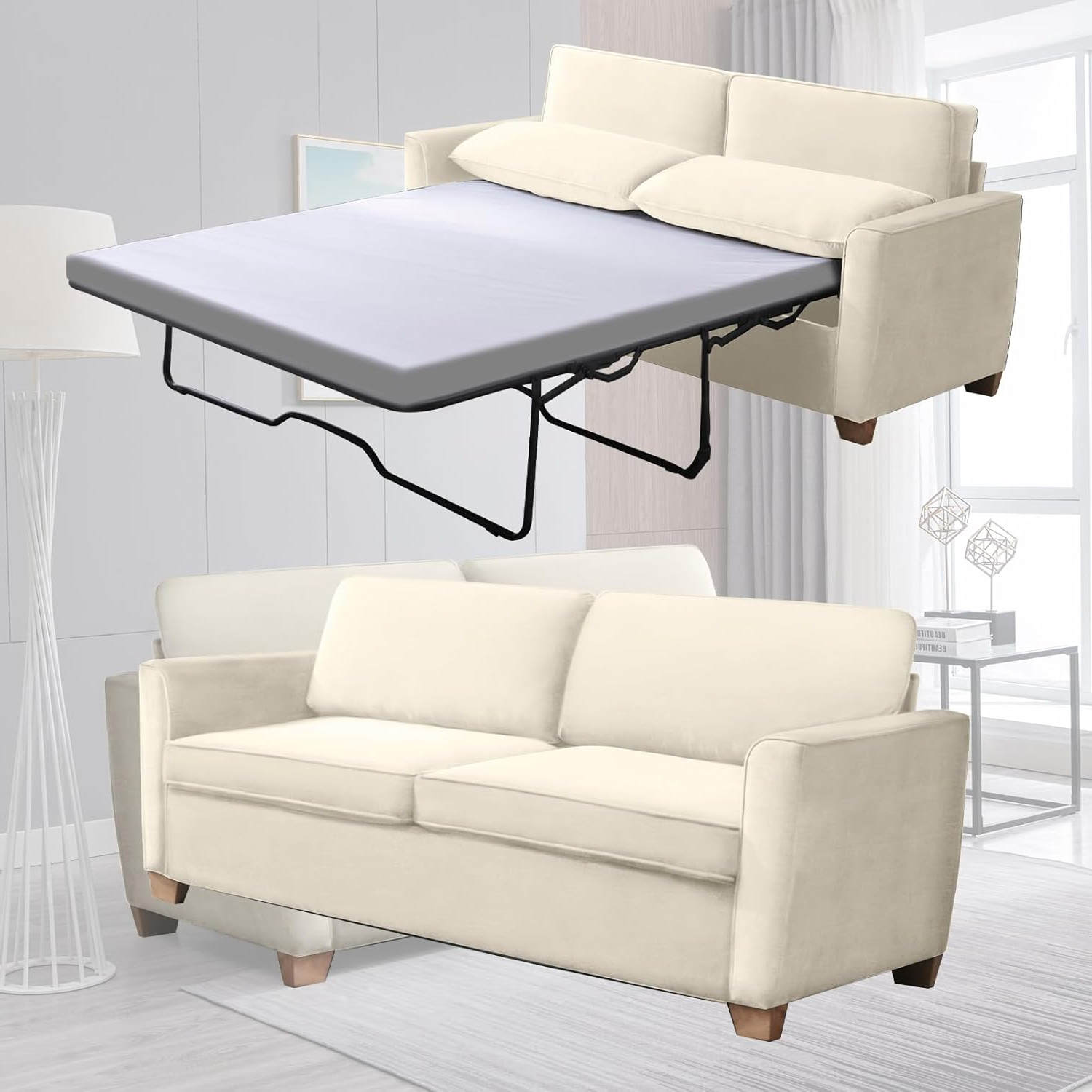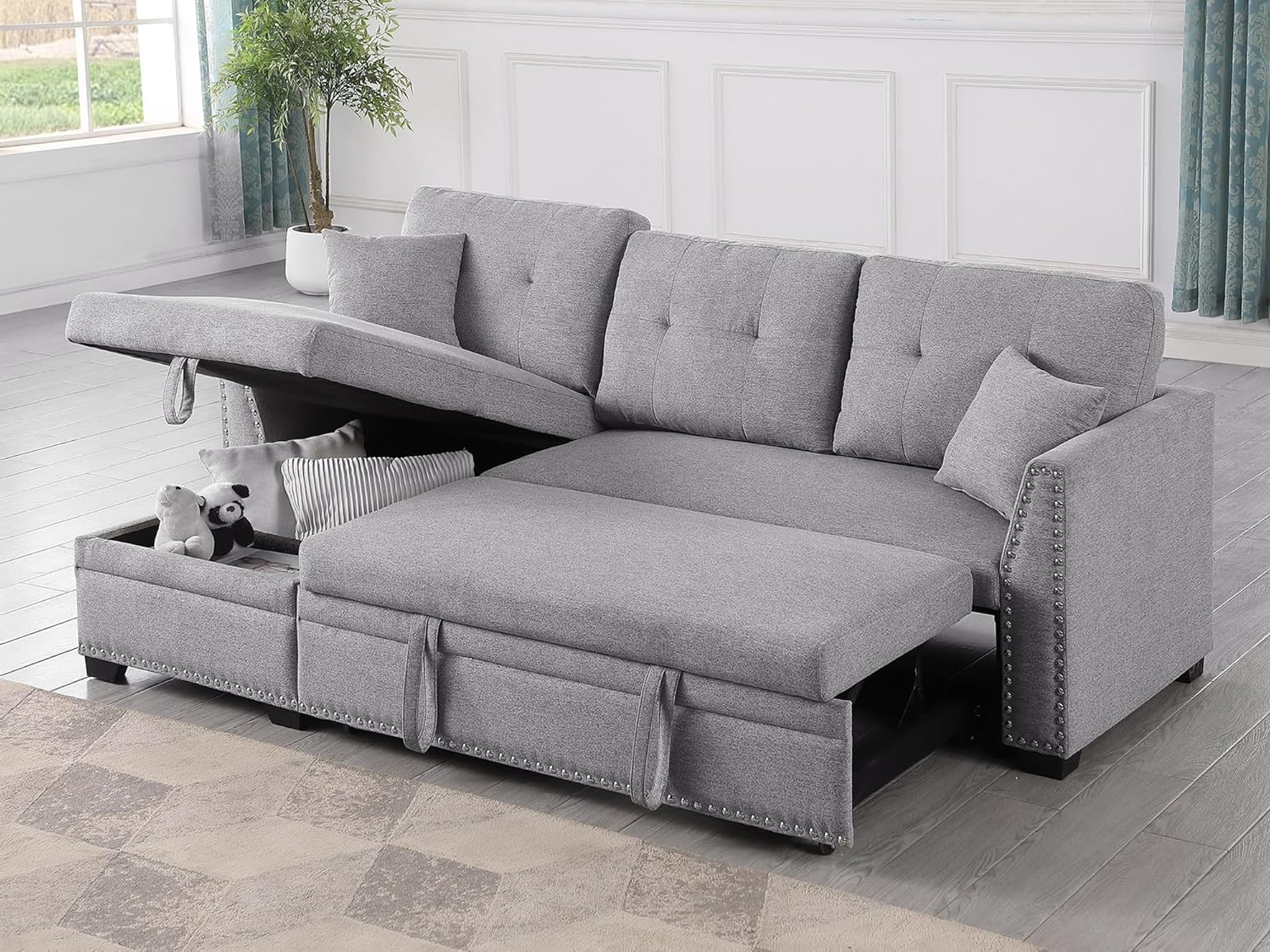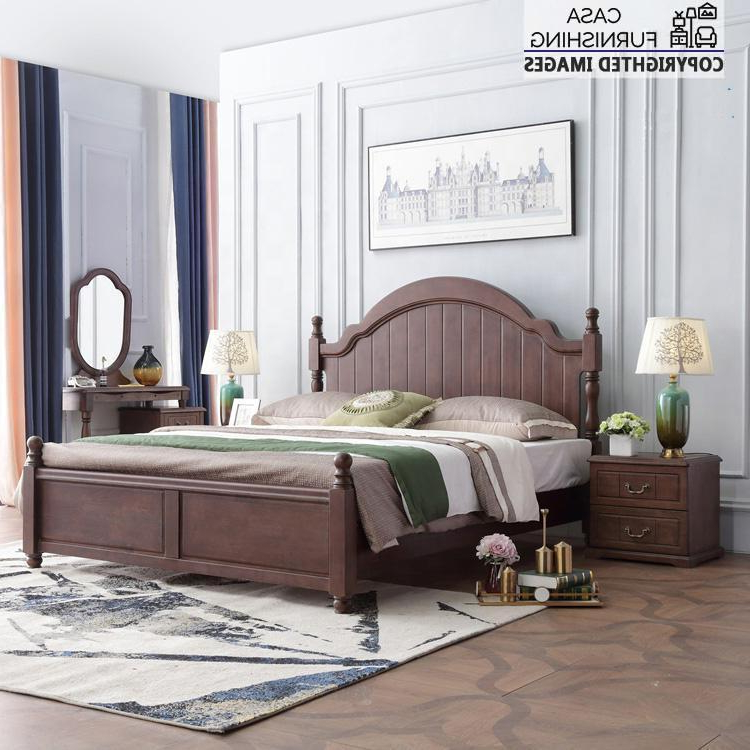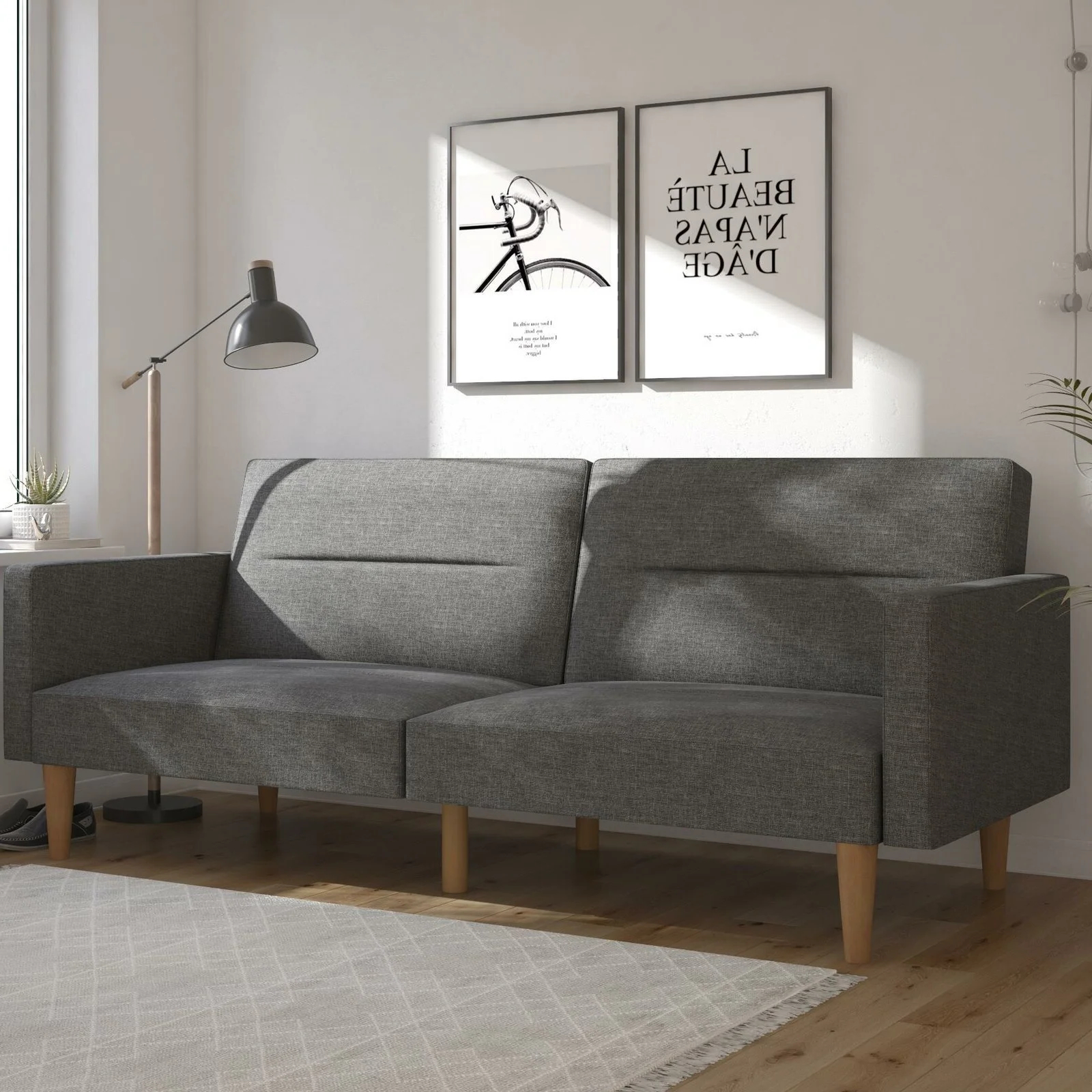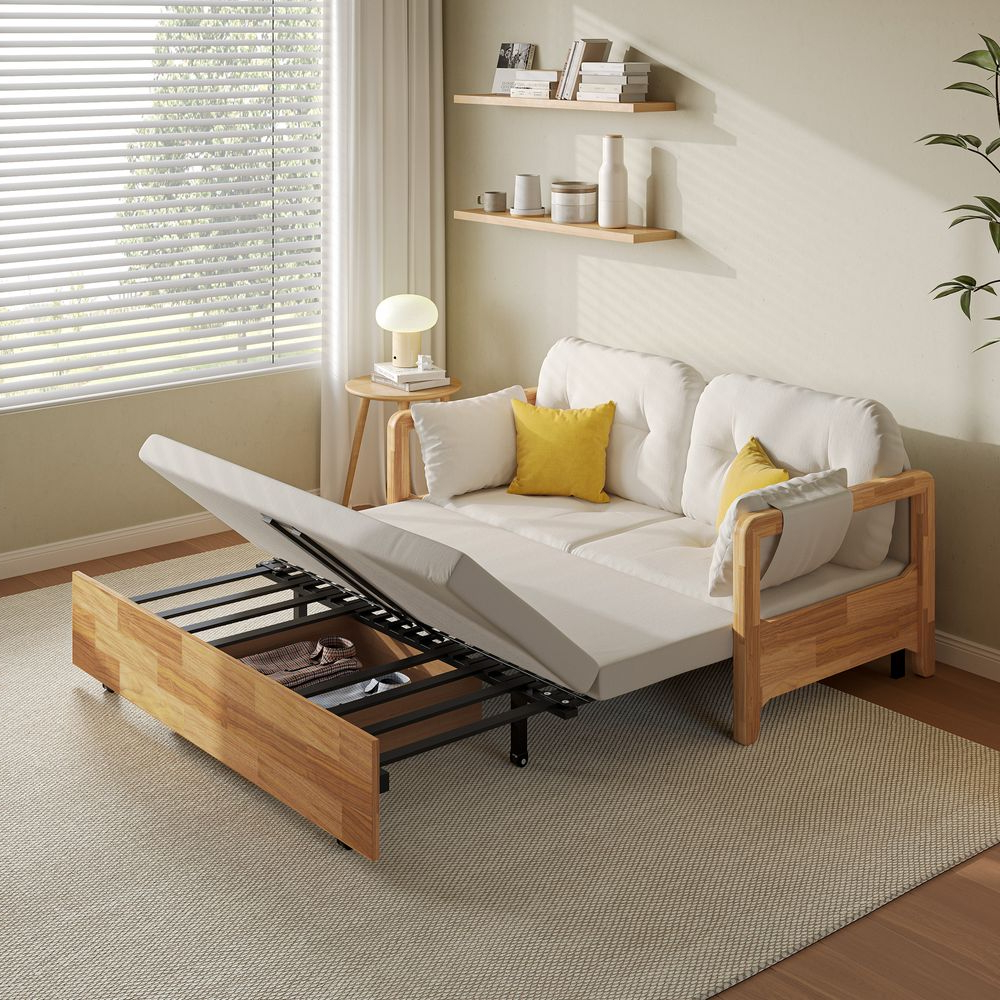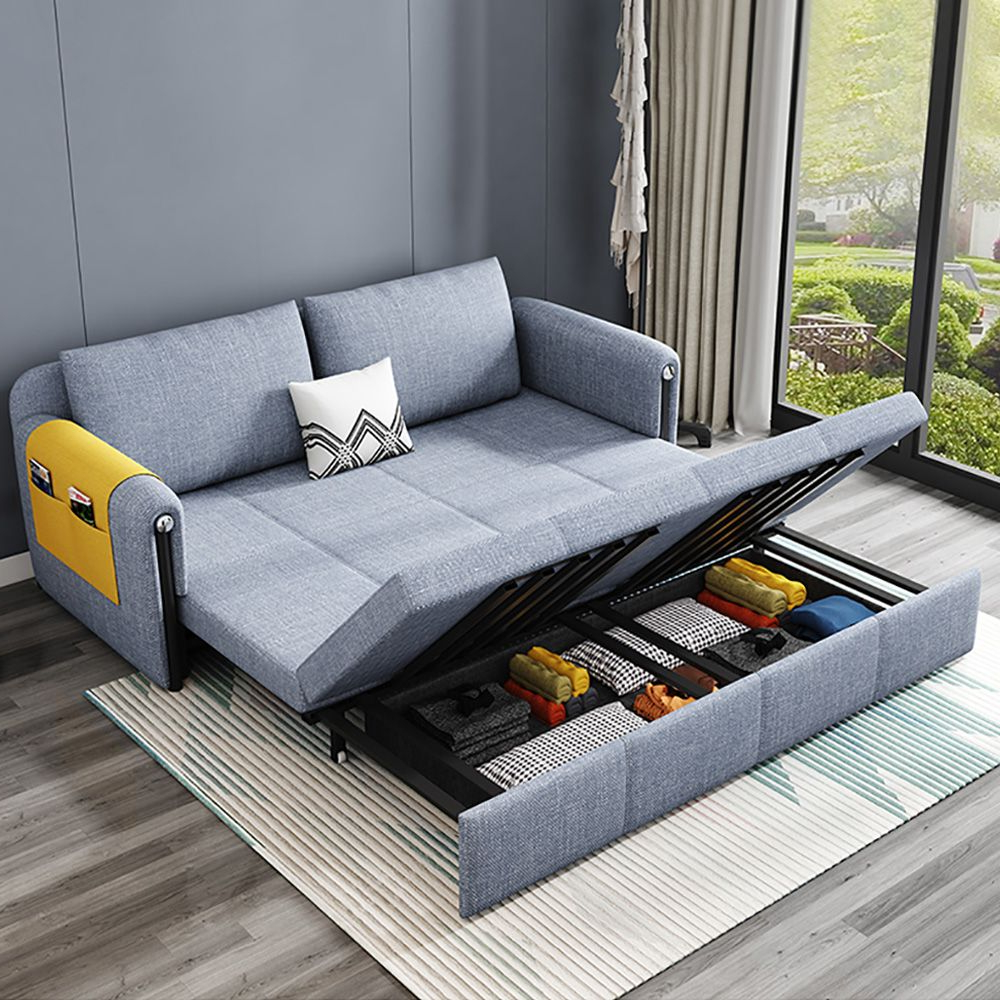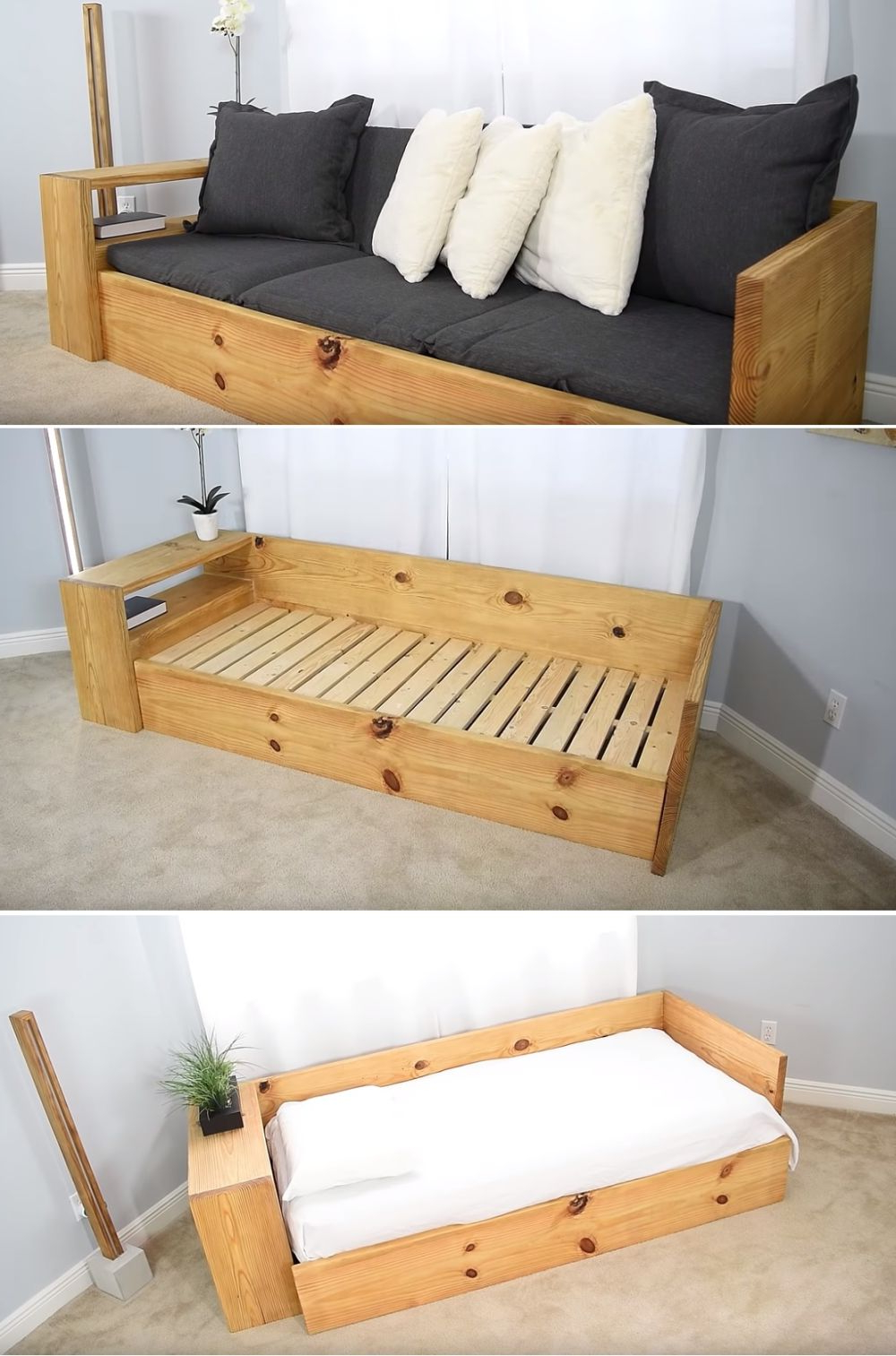
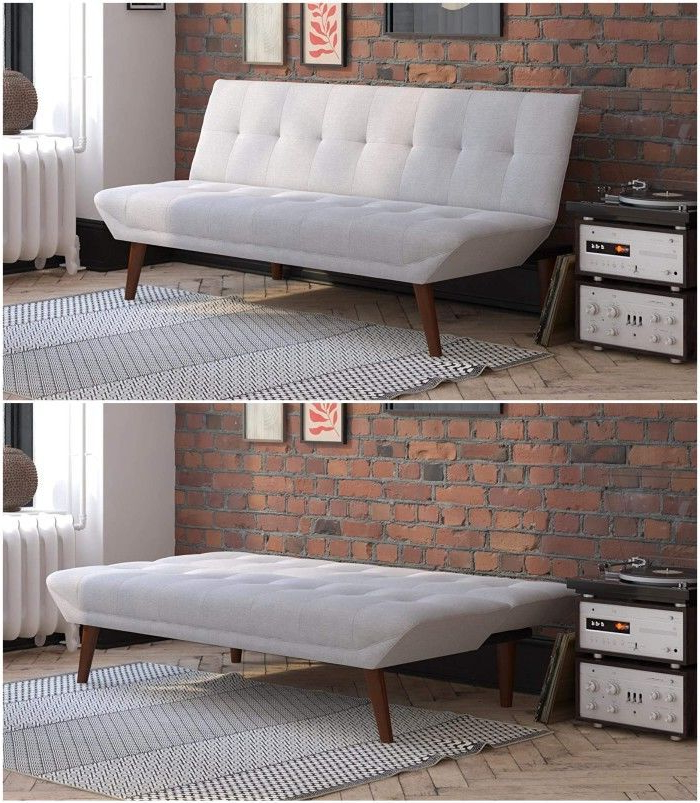
When you think about the most important furniture in your home, chances are a bed or sofa comes to mind. But what if we told you there’s a sweet spot where both meet? Bed sofas have evolved beyond simple furniture to become comfort champions. What makes a good one? Let’s explore how simple design principles can lead to maximum comfort.
We all know that a good night’s sleep can transform our entire day. Yet many of us struggle with seating arrangements that aren’t quite right. Bed sofas offer a unique solution – they combine the comfort of a bed with the versatility of a sofa. But not all designs are created equal. Some focus on style while others prioritize comfort. This is where expert insight becomes invaluable. We’re talking about the fundamental elements that make a bed sofa truly work for people. It’s not about complex features or flashy materials. Sometimes, the best solutions are the simplest ones.
Understanding the Core Comfort Elements
What makes a bed sofa feel like a dream? The answer lies in understanding the basic components that contribute to comfort. First off, let’s talk about support. Your spine needs proper alignment whether you’re lying down or sitting. That means the cushioning shouldn’t be too soft or too firm. Think of it like finding the right balance in your daily routine. Too much pressure on one side, and everything starts to feel off-kilter. The ideal bed sofa provides enough give to cradle your body while still offering enough structure to maintain spinal health.
Consider the mattress layer – it’s often the unsung hero. A quality foam or spring system can make the difference between a restful evening and tossing and turning. The key is choosing materials that respond well to body weight without sagging. Many people overlook this crucial element, but it’s where the magic happens. When the foundation feels solid and supportive, everything else follows naturally. It’s like having a strong base for a building – everything else stands better on a stable foundation.
The Importance of Proper Dimensions
Size matters when it comes to comfort. You might think bigger is always better, but that’s not necessarily true for bed sofas. The dimensions need to match your space and your lifestyle. A 6-foot sofa might seem spacious, but if you’re short or prefer to curl up, it could feel awkward. Conversely, a too-small model might leave you feeling cramped.
Let’s break this down further. Most people want at least 24 inches of depth for adequate lying space. But what about width? Experts suggest a minimum of 54 inches for single users and 60 inches for couples. These numbers aren’t arbitrary – they’re based on human body measurements and comfort research.
Think about how you move around. Do you like to stretch out fully? Or do you prefer to sit up and read? The proportions matter. A bed sofa that’s too wide might make you feel like you’re floating in space. Too narrow and you’ll be constantly adjusting your position. Finding that sweet spot requires understanding your personal needs and space constraints. It’s not just about the numbers on paper – it’s about how you actually live.
Material Selection for Long-Term Comfort
Materials speak volumes about a product’s durability and comfort. When it comes to bed sofas, you want fabrics and fillings that will last while keeping you cozy. Natural fibers like cotton and linen breathe well and regulate temperature effectively. They’re also less likely to cause allergies compared to synthetic alternatives.
Memory foam continues to be popular because it adapts to your body shape. However, some people find it too hot during summer months. That’s where breathable gel-infused foams come in handy. They provide the same contouring benefits while staying cooler.
Don’t forget about the frame material. Wood frames tend to be sturdier than metal, especially when dealing with regular use. Look for hardwoods like oak or maple rather than particle board or plywood. The frame bears the weight of everything above it, so investing in quality here pays dividends over time.
Also consider maintenance. How easy is it to clean the fabric? Can you remove stains easily? These practical concerns affect long-term satisfaction more than any fancy feature. A beautiful cover that’s impossible to keep clean isn’t really a comfort solution.
Support Systems That Actually Work
This is where things get interesting. The internal support system determines how well your bed sofa performs. Spring systems are classic choices, but modern options like pocket springs offer more targeted support. These individual coils respond to different parts of your body, providing customized comfort.
Hybrid systems that combine foam and springs are becoming increasingly popular. They offer the best of both worlds – the contouring of foam and the bounce of springs. For those who prefer a firmer surface, solid foam layers work well. But for people who like to sink in a bit, memory foam or latex layers provide that satisfying give.
The key is matching the support system to your sleeping habits. Side sleepers often benefit from softer materials that cushion shoulders and hips. Back sleepers might prefer something more supportive to keep their spine aligned. Stomach sleepers usually need a firmer base to prevent sinking too deeply.
It’s worth noting that some people change preferences over time. What felt great last year might not suit you now. That’s why flexibility in design matters. Adjustable firmness or modular systems can accommodate changing needs.
Ergonomic Principles in Action
Ergonomics might sound like a big word, but it’s really about designing for human comfort. When applied to bed sofas, this means considering how your body moves and positions itself during rest.
The head and neck area deserves special attention. Many people spend hours reading or watching TV on their bed sofas. If the back support isn’t properly angled, you end up slouching or straining your neck. A slight recline angle – around 10-15 degrees – helps maintain proper posture while relaxing.
Armrests are another important consideration. They shouldn’t interfere with your movement but should provide support when needed. Too high, and they can strain your shoulders. Too low, and they’re useless for resting your arms. The right height varies by person, but generally, they should allow your elbows to rest comfortably at a 90-degree angle.
Consider how you transition from sitting to lying. Smooth transitions matter more than you might think. If the surface changes abruptly from firm to soft, your body might resist the shift. Gradual transitions help your muscles relax and adjust naturally. This small detail can make a huge difference in how comfortable you feel.
Practical Considerations for Real Life
Designing for comfort isn’t just about theory – it’s about how the sofa works in your actual life. This means thinking about practical aspects that affect daily use.
First, let’s talk about accessibility. Can you easily get onto the sofa? Is there enough clearance underneath for storage or cleaning? These details impact how often you’ll use your bed sofa. If it’s hard to access or maintain, you might avoid it entirely.
Storage solutions can be game-changers. Built-in drawers or compartments help keep your space tidy. Not everyone needs elaborate storage, but having some kind of organization helps maintain the sofa’s purpose.
Lighting considerations are often overlooked. If you use your bed sofa for reading or working, adequate lighting is essential. Some models come with integrated LED strips or built-in lamp holders.
Finally, consider the room environment. Will it be in a bedroom, living room, or guest area? Different spaces require different approaches. A bedroom version might prioritize quiet operation and blackout capabilities. Living room versions might need more visible styling options. Understanding your intended use helps guide better design decisions.
Maintenance and Longevity Tips
A well-designed bed sofa should last for years, but proper care makes all the difference. Regular maintenance prevents premature wear and keeps things looking fresh.
Rotating cushions every few weeks helps distribute wear evenly. This simple habit extends the life of the upholstery significantly. Vacuuming regularly removes dust and debris that accumulate over time.
For fabric covers, check manufacturer recommendations for cleaning methods. Some require professional cleaning, while others are machine washable. Knowing your specific model helps prevent damage from improper care.
Check for loose screws or wobbly parts periodically. These small issues can become bigger problems if ignored. Tightening them early prevents further damage and maintains structural integrity.
Consider protective measures like slipcovers or throw blankets. These add extra layers of protection against spills and general wear. They also provide opportunities to change the look without replacing the entire piece.
Remember that even the best-designed sofa needs time to settle. New materials often compress slightly during initial use. Give it a few weeks to adjust before making judgments about comfort levels.
Making the Right Choice for Your Needs
With so many options available, choosing the right bed sofa can feel overwhelming. Start by identifying your primary use case. Is it for sleeping, lounging, or both? Knowing this helps narrow down choices significantly.
Consider your physical requirements too. Do you have back problems? Are you tall or petite? Do you prefer firm or soft surfaces? These factors influence the type of support you need.
Budget plays a role, but don’t compromise on essential features. A cheaper sofa might save money upfront, but frequent replacements cost more over time. Quality materials and construction pay dividends in longevity.
Visit showrooms when possible. Test the sofa in person before buying. Sit on it, lie down, and assess how it feels. Don’t rely solely on online images or descriptions.
Finally, look for warranties and return policies. These protect your investment and give peace of mind. A reputable company stands behind its products, offering support if issues arise. Making informed decisions means understanding what matters most to you personally.
Designing a bed sofa for optimal comfort isn’t about adding fancy features or expensive materials. It’s about understanding human needs and translating those into practical solutions. When you focus on core elements like proper support, appropriate sizing, quality materials, and ergonomic design, you create something that truly serves you. Simple doesn’t mean sacrificing comfort – sometimes it means focusing on what really matters. The best bed sofas are those that blend functionality with ease of use. They adapt to your lifestyle rather than forcing you to change. Whether you’re looking for a place to sleep, relax, or entertain guests, the right design makes all the difference. The key is taking time to understand what works for your specific situation. After all, comfort is personal, and the best solutions are those that honor both your body’s needs and your lifestyle requirements.
[sps_html tag=”img” src=”https://roofdrivein.com/wp-content/uploads/2026/01/20-beautiful-sleeper-sofas-your-guests-will-love-to-crash-on-simple-with-bed-sofa-design-simple.jpg” alt=”20 Beautiful Sleeper Sofas Your Guests Will Love To Crash On | Simple … with Bed Sofa Design Simple” style=”width: 100%; height: auto;”]
[sps_html tag=”img” src=”https://roofdrivein.com/wp-content/uploads/2026/01/simple-sofa-set-designs-for-the-ultimate-comfort-regarding-bed-sofa-design-simple.jpg” alt=”Simple Sofa Set Designs For The Ultimate Comfort regarding Bed Sofa Design Simple” style=”width: 100%; height: auto;”]
[sps_html tag=”img” src=”https://roofdrivein.com/wp-content/uploads/2026/01/single-sofa-bed-flic-small-sofa-bed-width-103-cm-price-slf24-for-bed-sofa-design-simple.jpg” alt=”Single Sofa Bed Flic Small Sofa Bed Width 103 Cm Price | Slf24 for Bed Sofa Design Simple” style=”width: 100%; height: auto;”]
[sps_html tag=”img” src=”https://roofdrivein.com/wp-content/uploads/2026/01/wrought-studio-modern-simple-design-sofa-bed-wayfair-regarding-expert-insights-into-uncomplicated-bed-sofa-design-for-optimal-comfort-scaled.jpg” alt=”Wrought Studio Modern Simple Design Sofa Bed | Wayfair regarding Expert insights into uncomplicated bed sofa design for optimal comfort” style=”width: 100%; height: auto;”]
[sps_html tag=”img” src=”https://roofdrivein.com/wp-content/uploads/2026/01/how-to-make-a-sofa-bed-comfortable-at-chris-stevens-blog-in-bed-sofa-design-simple-scaled.jpg” alt=”How To Make A Sofa Bed Comfortable At Chris Stevens Blog in Bed Sofa Design Simple” style=”width: 100%; height: auto;”]