There’s something deeply satisfying about the feel of a well-chosen butcher block countertop beneath your hands. It’s not just about looks – it’s about how it feels when you slice, dice, and prep your favorite meals. This isn’t just another kitchen upgrade; it’s a daily companion that shapes how you cook. Whether you’re a seasoned chef or someone who just wants their kitchen to feel warm and welcoming, the right butcher block can transform your cooking experience.
Let’s face it – we spend so much time in our kitchens that they deserve to be spaces we actually enjoy being in. A butcher block surface isn’t just a functional element anymore; it’s a statement piece that reflects your personality and cooking style. The right one can make all the difference between a frustrating cooking session and a joyful culinary adventure. But with so many options out there, how do you know which one will work best for you? We’ve gathered some timeless wisdom that goes beyond simple marketing speak to help you make the most informed decision.
Understanding the Different Types of Wood
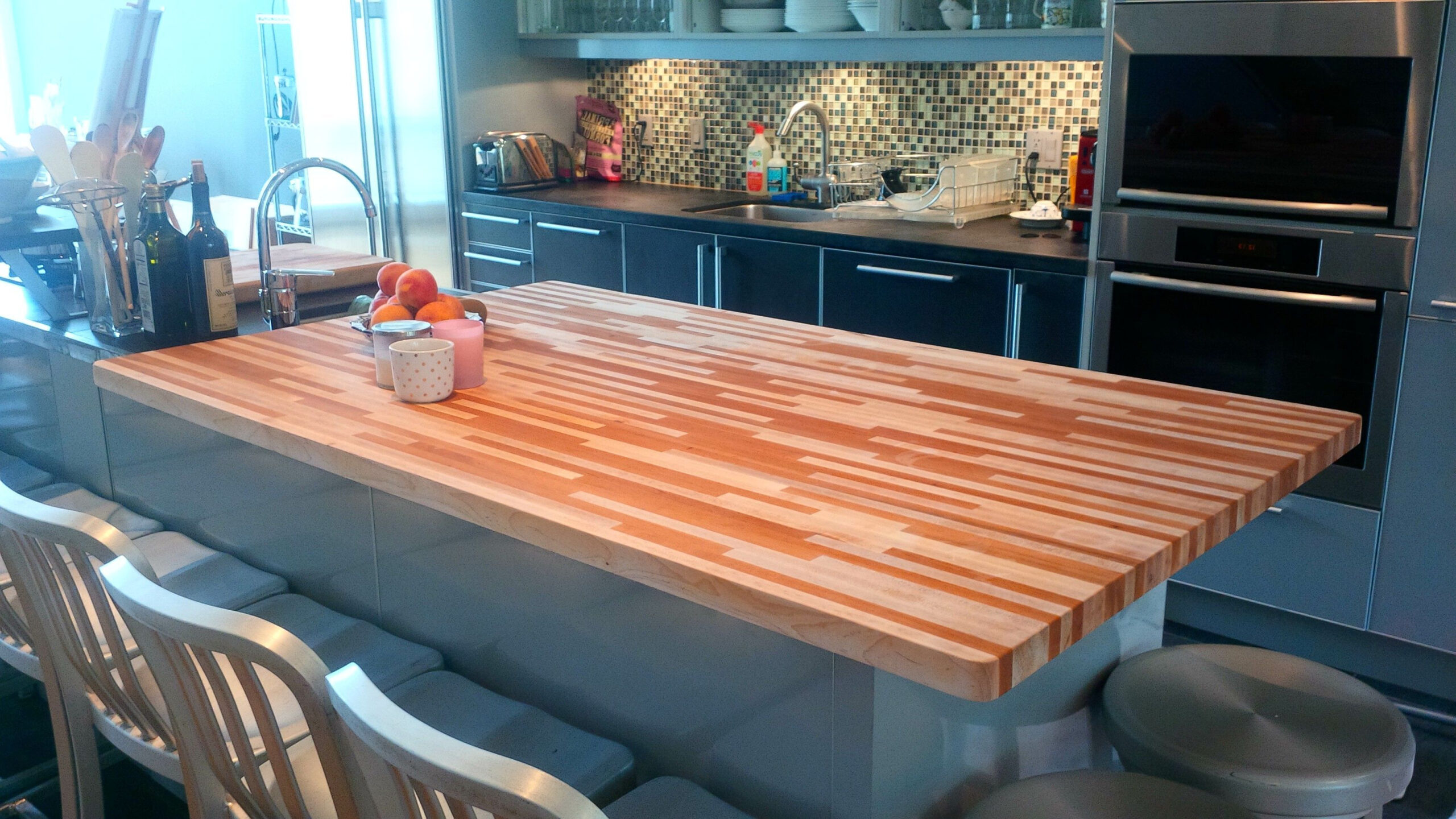
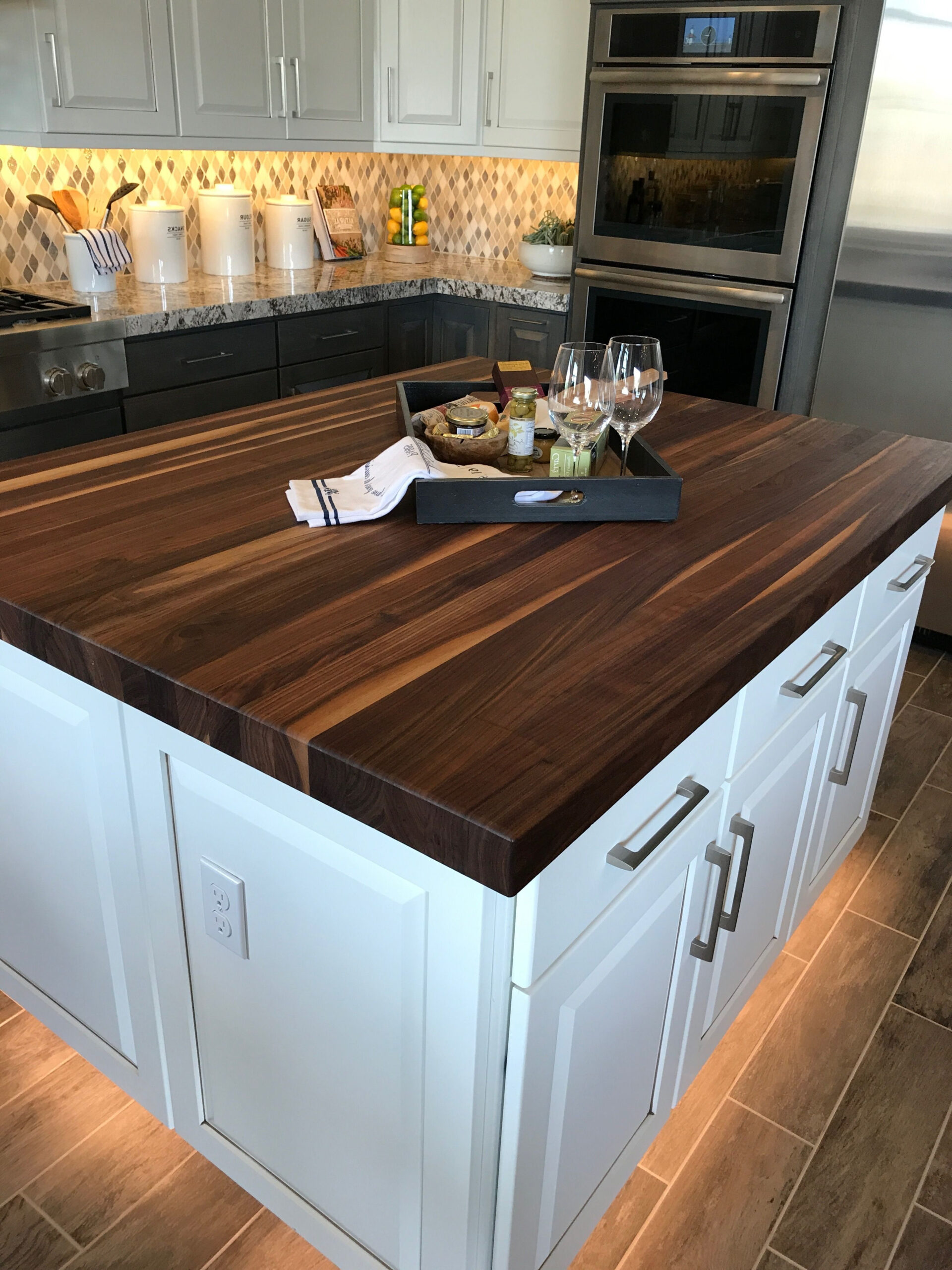
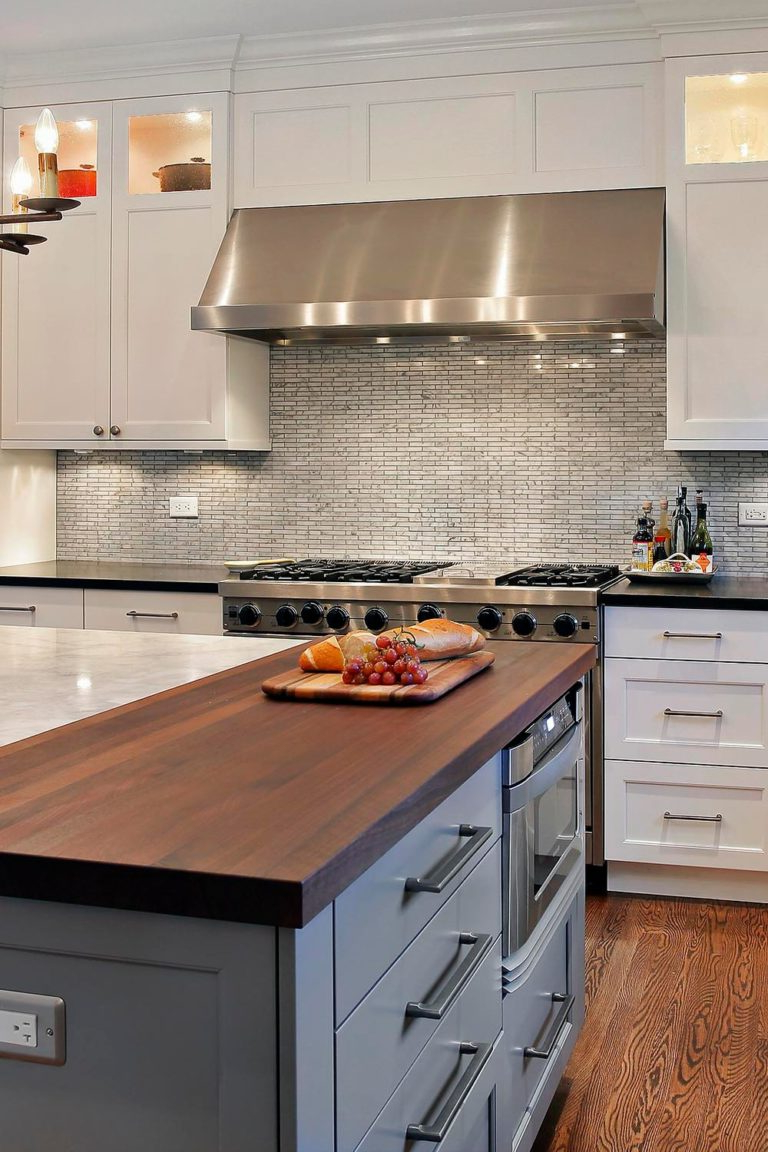
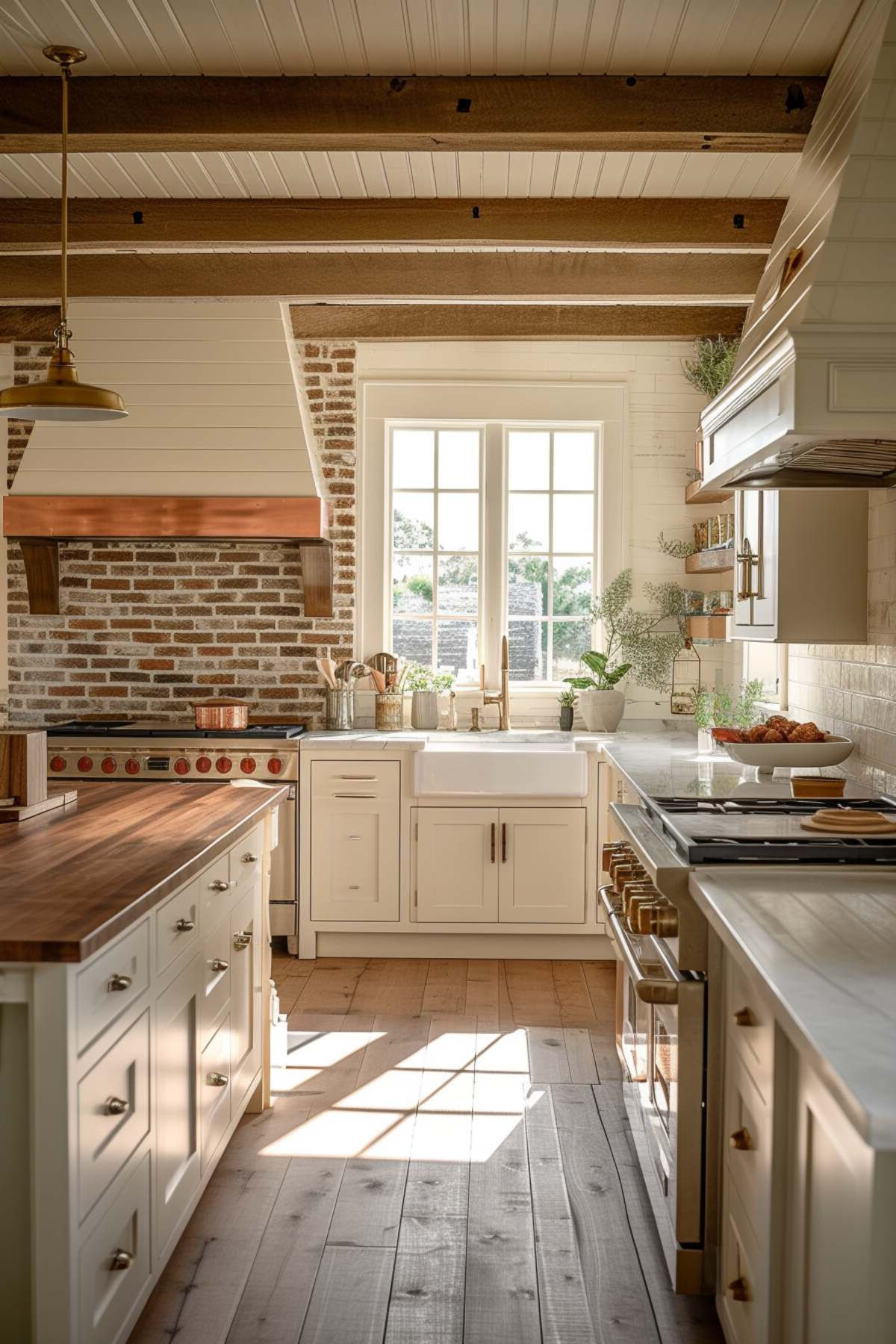
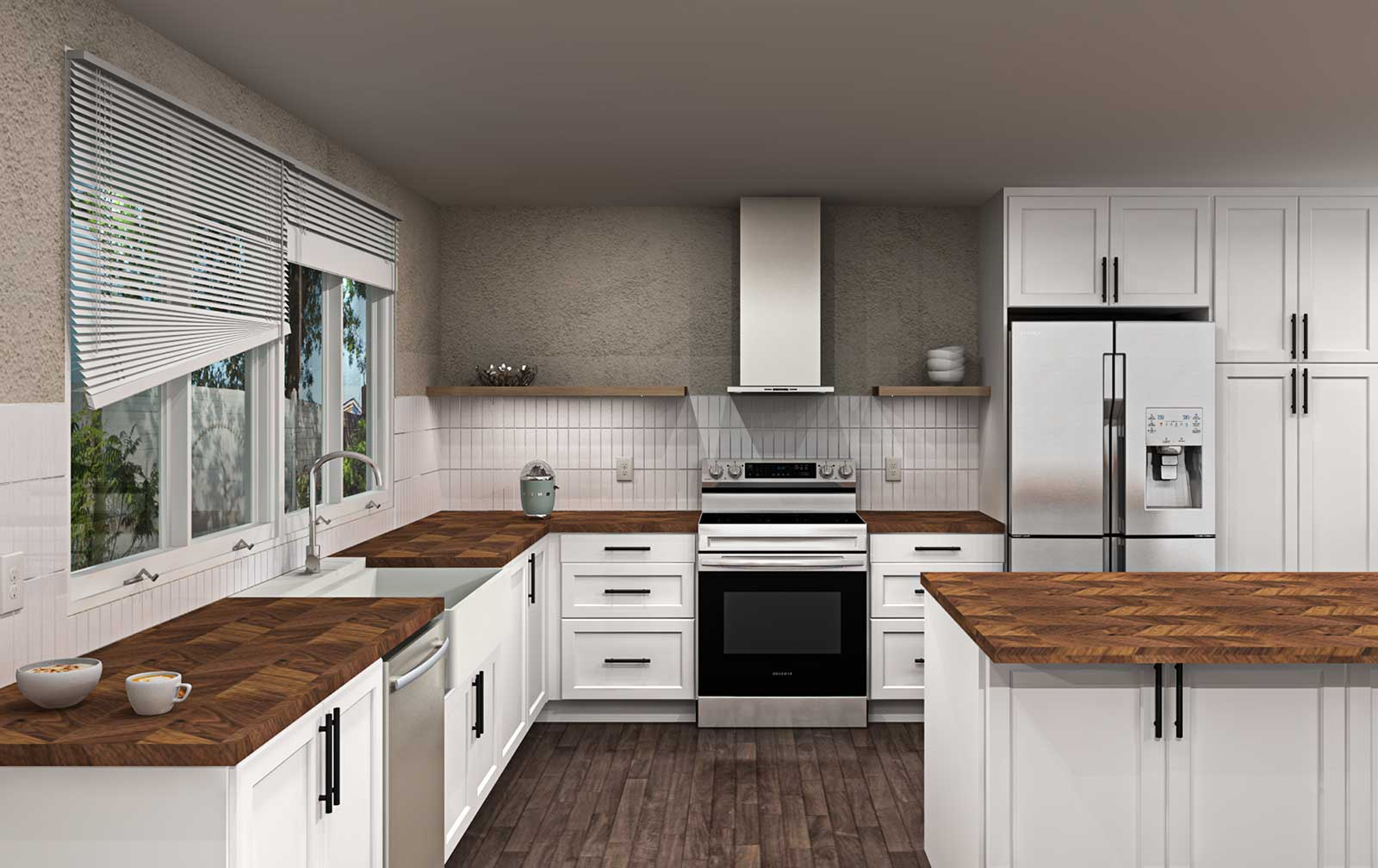
Not all butcher blocks are created equal. The type of wood you choose affects everything from durability to appearance. Hardwoods like maple and oak tend to be more durable and resistant to scratches than softer woods. Maple is often praised for its light color and uniform grain pattern, making it a popular choice for modern kitchens. Oak brings a more rustic feel with its distinctive grain patterns and rich hues. Cherry wood develops a beautiful patina over time, gradually deepening to a rich reddish-brown shade. Walnut offers a sophisticated dark tone that pairs well with both traditional and contemporary designs. When thinking about your kitchen’s overall aesthetic, consider how each wood type will complement your existing décor. What matters most to you? Do you want something that ages gracefully or prefers to maintain its original look?
Grain Patterns and Their Impact on Functionality
The way wood grains run across your counter affects both its visual appeal and practical performance. Straight grain typically provides better resistance to splitting along the grain lines, while curly or wavy grain adds character but may require extra care. Some wood species naturally have tighter grain patterns that offer more durability, while others have wider spaces that can trap food particles more easily. Consider how you’ll use your countertop daily. If you frequently cut hard foods like carrots or onions, a tighter grain might serve you better. However, if you appreciate the unique beauty of irregular patterns, then wider grain variations could be worth the extra maintenance effort. Remember, even the most beautiful wood can become a maintenance nightmare if it’s not suited to your lifestyle.
Maintenance Requirements and Longevity
Here’s where the rubber meets the road – how you’ll care for your surface day after day. Butcher block requires regular maintenance to stay in top shape. Most types benefit from periodic oiling with food-safe mineral oil or specialized wood conditioners. The frequency depends on usage and climate conditions. In dry climates, you might need to re-oil monthly, while humid environments may require less frequent attention. Regular cleaning with mild soap and water helps prevent staining and keeps surfaces looking fresh. Avoid soaking wood in water or using harsh chemicals that can damage the finish. Some people swear by sealing their butcher block regularly, though this isn’t always necessary. Think about whether you’re willing to commit to this routine. Would you rather have a low-maintenance option or embrace the ritual of caring for your wood surface?
Cost Considerations and Value Over Time
Yes, butcher block countertops can be expensive upfront, but they often provide excellent long-term value. Prices vary widely based on wood type, thickness, and finish quality. High-end maple can cost significantly more than basic oak, but it may last decades longer. Consider the total cost of ownership including installation, ongoing maintenance, and potential repairs. Quality butcher block installed properly can last 20-30 years with proper care. Compare this to laminate or granite countertops that may need replacement every 10-15 years. Factor in how often you’ll need to refinish or re-oil your surface. Are you looking for a quick fix or an investment that will serve you well for years to come? Sometimes the initial cost is just the beginning of a long-term savings story.
Practical Considerations for Your Kitchen Layout
Before making your final decision, think about your actual kitchen setup. Measure carefully and consider the dimensions of your space. Butcher block comes in standard sizes, so you’ll need to plan around your existing cabinets and appliances. Think about traffic flow and how you move around your kitchen. Will you need extra space for food prep? Consider how the surface will handle different activities. If you have young children, you might want to avoid very dark woods that show fingerprints easily. Also factor in how much maintenance you’re comfortable doing. Some families prefer lighter woods that hide wear better, while others embrace the character that comes with natural aging. The right choice depends on your family’s habits and preferences.
Finding the Right Balance Between Beauty and Practicality
This is where the real art lies in choosing your butcher block. You want something that looks great and works well for your daily routine. Look for a wood that complements your existing kitchen elements while meeting your functional needs. A beautiful piece that doesn’t fit your lifestyle is just a pretty decoration. Consider your cooking habits, household size, and how much time you want to invest in maintenance. Some people love the idea of a custom butcher block that perfectly matches their vision, while others prefer proven options that work reliably. Take time to see samples in person before deciding. Many wood suppliers offer sample boards so you can assess grain patterns, colors, and textures firsthand. Don’t let the perfect be the enemy of the good – sometimes a solid choice that works well is better than waiting for an ideal that might never come.
Choosing the perfect butcher block kitchen surface is ultimately about finding the right balance between your aesthetic desires and practical needs. It’s not just about picking the most expensive or most beautiful option – it’s about selecting something that will enhance your daily cooking life. Whether you prioritize durability, visual appeal, or ease of maintenance, there’s a butcher block out there that’s designed specifically for your situation. The key is to take your time, consider your lifestyle, and remember that this is a surface you’ll interact with every single day. Trust yourself to make the choice that feels right for your home and your family. After all, the best countertop isn’t necessarily the most expensive one – it’s the one that makes your kitchen feel like a place where you genuinely want to spend time.
[sps_html tag=”img” src=”https://roofdrivein.com/wp-content/uploads/2026/01/modern-butcher-block-countertops-countertops-ideas-in-everyday-wisdom-for-choosing-the-perfect-butcher-block-kitchen-surface-scaled.jpg” alt=”Modern Butcher Block Countertops – Countertops Ideas in Everyday wisdom for choosing the perfect butcher block kitchen surface” style=”width: 100%; height: auto;”]
[sps_html tag=”img” src=”https://roofdrivein.com/wp-content/uploads/2026/01/kitchen-designs-with-butcher-block-countertops-things-in-the-kitchen-for-everyday-wisdom-for-choosing-the-perfect-butcher-block-kitchen-surface.jpg” alt=”Kitchen Designs With Butcher Block Countertops – Things In The Kitchen for Everyday wisdom for choosing the perfect butcher block kitchen surface” style=”width: 100%; height: auto;”]
[sps_html tag=”img” src=”https://roofdrivein.com/wp-content/uploads/2026/01/36-captivating-kitchen-with-butcher-block-countertops-ideas-pertaining-to-everyday-wisdom-for-choosing-the-perfect-butcher-block-kitchen-surface.jpg” alt=”36+ Captivating Kitchen With Butcher Block Countertops Ideas pertaining to Everyday wisdom for choosing the perfect butcher block kitchen surface” style=”width: 100%; height: auto;”]
[sps_html tag=”img” src=”https://roofdrivein.com/wp-content/uploads/2026/01/kitchen-designs-using-ikeas-laminate-butcher-block-countertops-in-kitchen-ideas-with-butcher-block-countertops.jpg” alt=”Kitchen Designs Using Ikea’s Laminate Butcher Block Countertops … in Kitchen Ideas With Butcher Block Countertops” style=”width: 100%; height: auto;”]
[sps_html tag=”img” src=”https://roofdrivein.com/wp-content/uploads/2026/01/butcher-block-countertop-kitchen-ideas-warmth-and-durability-artourney-inside-kitchen-ideas-with-butcher-block-countertops-scaled.jpg” alt=”Butcher Block Countertop Kitchen Ideas: Warmth And Durability – Artourney inside Kitchen Ideas With Butcher Block Countertops” style=”width: 100%; height: auto;”]