Think about the last time you cooked a meal that took forever, or worse, ended in chaos. Maybe you found yourself running back and forth between the stove and the sink, or struggling to find ingredients because everything was in the wrong place. What if there was a way to make cooking feel effortless? What if your kitchen could actually work with you instead of against you? That’s exactly what good kitchen layout does for you. It transforms your cooking experience from stressful to smooth.
Every day, millions of people spend hours in their kitchens preparing meals, cleaning up, and managing family needs. But how many of those hours are truly productive versus frustrating? The answer often lies in one simple thing: how your kitchen is arranged. A well-thought-out kitchen layout isn’t just about aesthetics or trends—it’s about creating a space where your body, your workflow, and your daily routine all align perfectly. Whether you’re a home cook who loves experimenting or someone who simply wants dinner ready on time, the right layout makes all the difference. Imagine having a kitchen that feels like second nature, where every movement is purposeful, every ingredient is within reach, and every meal preparation feels smooth. This isn’t fantasy. It’s the result of smart design choices made decades ago by experts and practiced by thousands of successful cooks around the world. The secret isn’t magic—it’s understanding how to organize your space so it supports your habits rather than hinders them.
The Work Triangle Concept
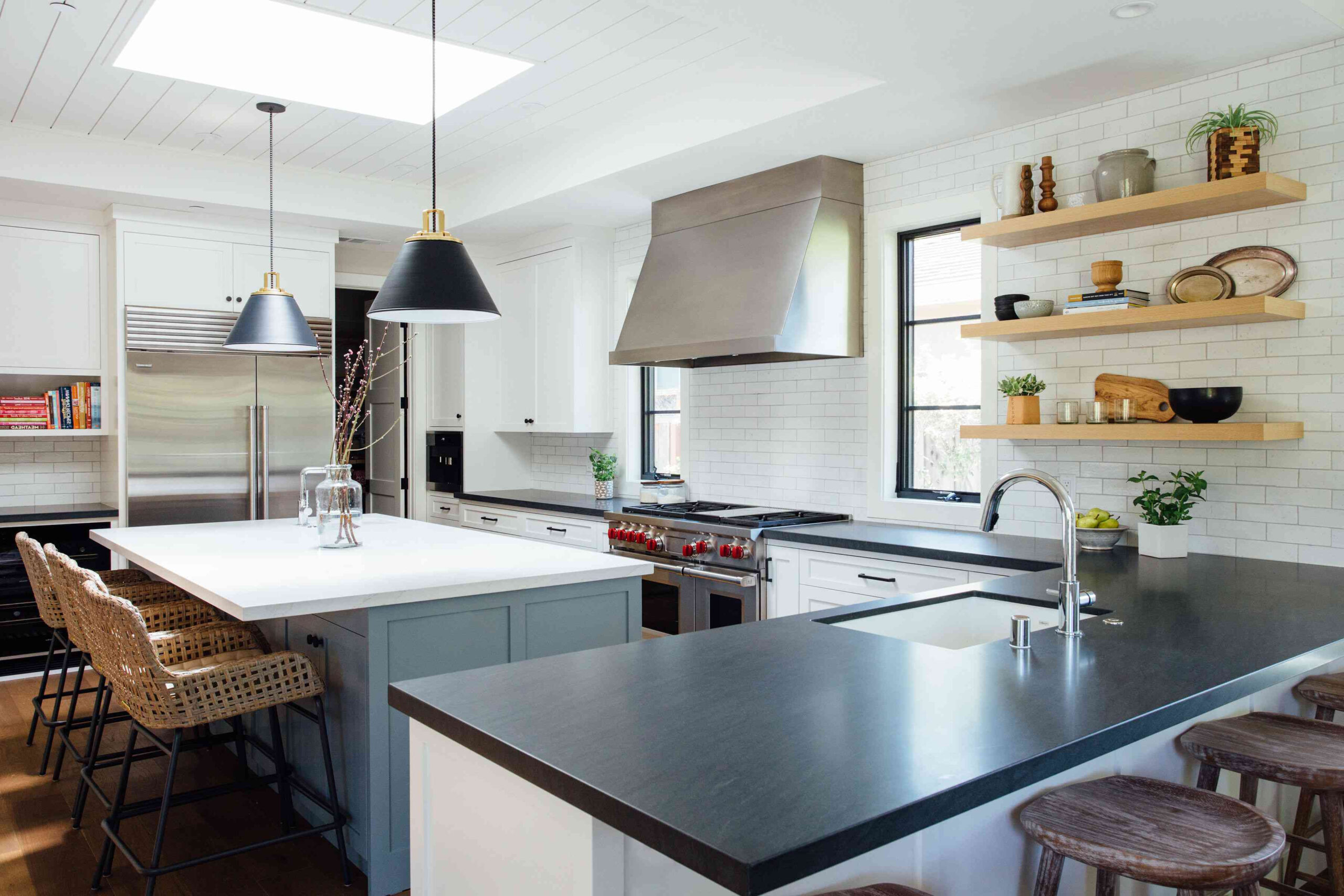
At the heart of every efficient kitchen is what professionals call the ‘work triangle.’ This concept refers to the imaginary triangle formed between three essential areas: your sink, stove, and refrigerator. The idea is to keep these three spots positioned so they form a triangle that’s roughly 4 feet by 4 feet, allowing you to move smoothly between them without bumping into cabinets or appliances. Picture this: you open your fridge, grab what you need, walk to the sink to wash vegetables, then head to the stove to start cooking—all in a natural, easy flow. When these three areas aren’t properly spaced, you end up taking longer trips, stepping over obstacles, and feeling cramped even in a large kitchen. The work triangle isn’t just about distance—it’s about minimizing steps and maximizing efficiency. Many home chefs don’t realize that moving their refrigerator away from the sink and stove can add several minutes to their daily cooking routine. It might seem small, but when you multiply that extra time across dozens of meals each month, it starts to add up. Try this experiment: measure the distances between your main work zones. If they’re too far apart, consider rearranging your appliances or reorganizing your pantry to bring things closer together.
Open vs Closed Kitchen Designs
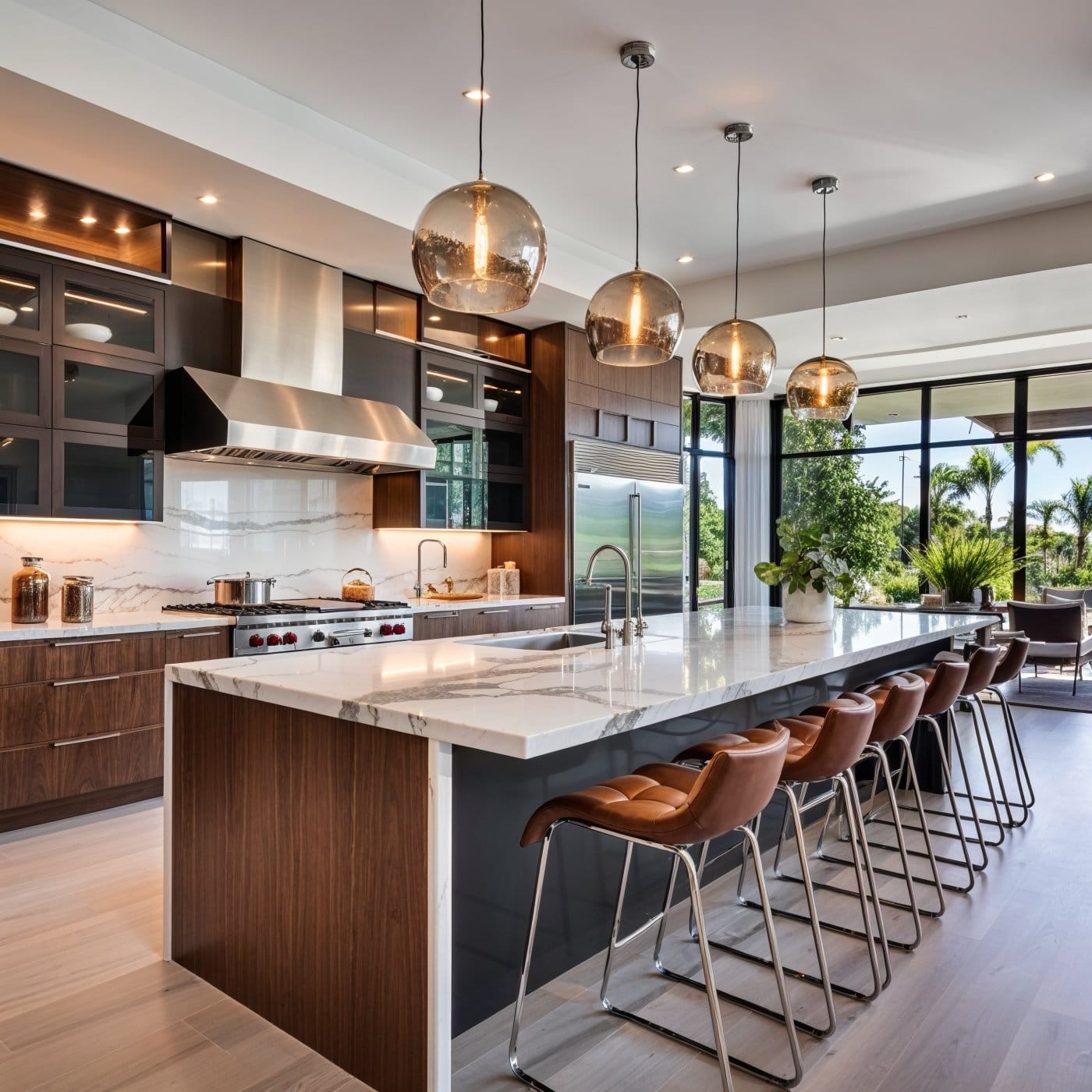
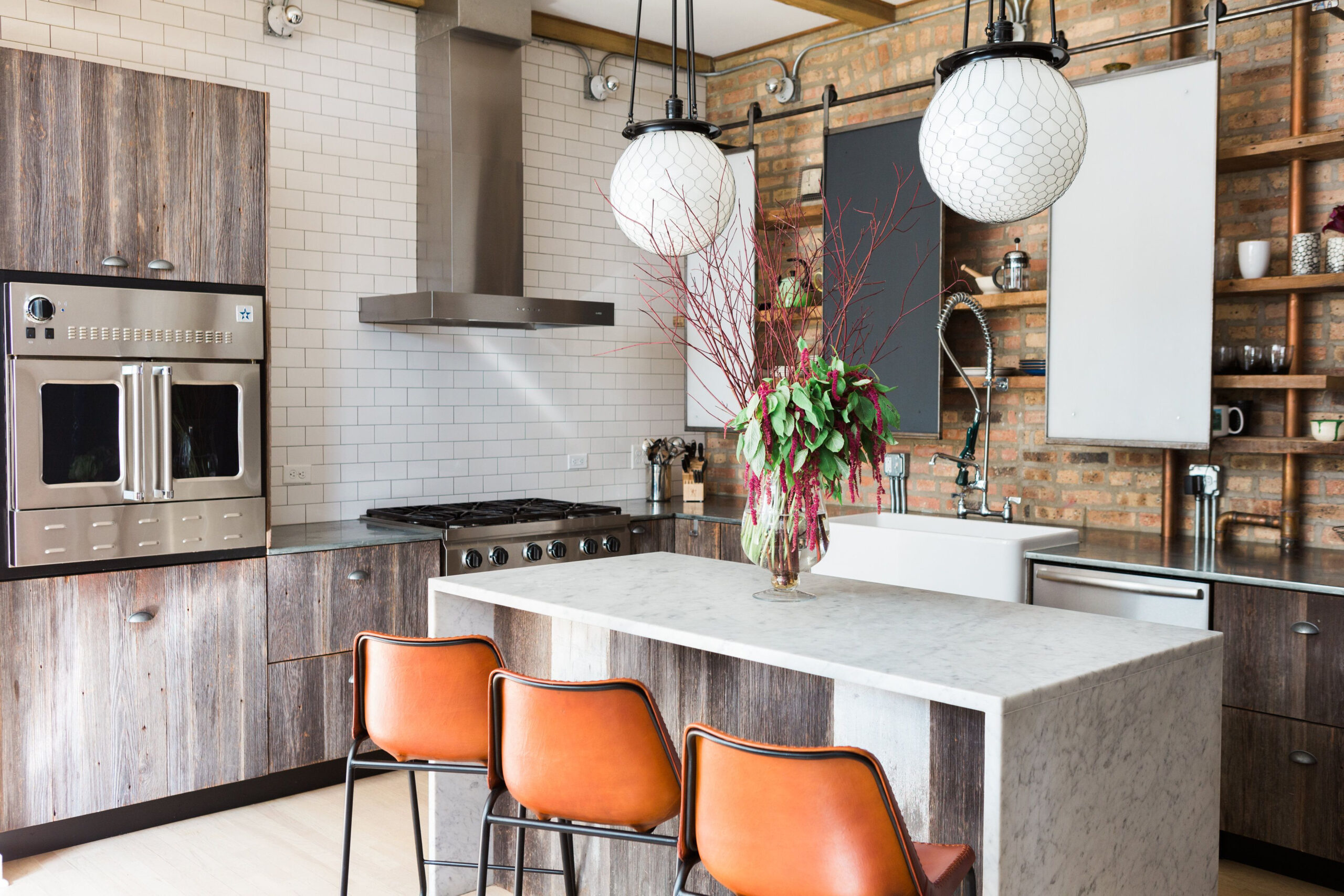
One of the biggest decisions you’ll make in kitchen design is whether to go with an open or closed layout. Open kitchens have become incredibly popular, especially in modern homes. They offer the advantage of visual connection to other rooms, making them great for entertaining and family interaction. You can chat with guests while preparing meals, watch kids do homework, or simply enjoy the social aspect of cooking. However, open kitchens also come with challenges. Noise from the stove and dishwasher can travel easily into living areas. Food smells may linger longer, and crumbs or spills can be more visible. On the flip side, closed kitchens provide better containment of odors and messes. They’re quieter and often easier to clean. But they can feel confining and isolating, especially if you want to involve others in meal prep. Think about your lifestyle first. If you host frequent dinners or enjoy cooking while talking with family, an open layout might suit you better. If you prefer a quieter space or have young children who might play near the stove, a more enclosed setup might work. Some people find a hybrid approach works best—partially open spaces with sliding doors or half-walls that give you flexibility. The key is matching the style to your needs and habits.
Storage Solutions and Organization Systems
A kitchen is only as functional as its storage system. Every person who has ever struggled to find a missing ingredient knows how important good organization really is. Start with a basic principle: store items based on frequency of use. Things you use daily should be easily accessible, while rarely used items can go higher up or deeper in storage. For example, keep your favorite spices and oils at eye level, not tucked away behind other containers. Consider using pull-out shelves, drawer organizers, and vertical storage solutions to maximize space. Built-in pantries and pull-down racks can make a huge difference in keeping everything neat and tidy. One common mistake is overcrowding drawers and cabinets. When everything is jammed in tight spaces, finding what you need becomes a chore. Instead, aim for a balance between fullness and accessibility. A good rule of thumb is to fill cabinets no more than 80% full. That leaves room for easy access and prevents items from falling out during opening. Also, label everything if you’re not already doing so. Labels help everyone in the household know where things belong, reducing confusion and wasted time looking for items. Try organizing by category: all baking supplies together, all pasta dishes in one area, etc. The goal is to reduce decision fatigue when cooking—when you know exactly where to look, you can focus on what matters most: creating delicious food.
Workflow Zones and Functional Areas
Effective kitchen layouts break the space into distinct functional zones, each designed for specific tasks. These zones typically include prep areas, cooking zones, cleaning zones, and storage zones. Each zone should be clearly defined and equipped with appropriate tools and surfaces. The prep zone is usually near the sink and refrigerator, where you’ll do most of your chopping, measuring, and mixing. This area benefits from countertops with good lighting and plenty of space. The cooking zone, generally centered around the stove, needs to accommodate pots, pans, and heat sources efficiently. Having a good range of sizes and types of cookware stored nearby helps prevent constant trips to storage areas. The cleaning zone includes the sink, dishwasher, and trash areas. This is where you’ll dispose of waste, rinse dirty dishes, and sanitize surfaces. Keeping these areas separate from the prep and cooking zones reduces cross-contamination and keeps your workspace cleaner. Finally, the storage zone holds all your ingredients, tools, and appliances. It’s crucial that this area is easily accessible and well-labeled. A common mistake is putting too much stuff in one area and not enough in another. For instance, if your prep area lacks adequate counter space, you’ll end up working on the floor or dining table. Think about your typical cooking routine and identify which zones you use most often. Then, optimize those areas first before worrying about the less-used ones. A kitchen that’s well-zoned allows you to move naturally from one task to another without getting confused or interrupted.
Lighting and Visibility Considerations
Proper lighting in a kitchen goes beyond just turning on the overhead lights. Different tasks require different kinds of illumination, and getting this right can make or break your cooking experience. Task lighting is particularly important for areas where precision matters, such as reading recipes, cutting ingredients, or checking on food. Under-cabinet lights, LED strips, and bright spotlights focused on work surfaces are excellent options for this. Ambient lighting provides general illumination throughout the kitchen and helps create a welcoming atmosphere. Too little light can lead to accidents, poor visibility, and frustration, especially when trying to see details in your food. On the other hand, overly bright lights can cause eye strain and make the space feel harsh. Natural light is ideal whenever possible, so consider window placement and how it affects your workflow. If your kitchen gets limited sunlight, supplement with warm white LED bulbs that mimic daylight. Color temperature matters too—cool whites are better for cooking, while warmer tones enhance comfort and dining experiences. Another factor is visibility of storage areas. You shouldn’t have to hunt for ingredients or tools in poorly lit corners. Good lighting ensures that even items in deep cabinets or high shelves are clearly visible. Some people install motion-sensor lights above frequently used areas, which automatically turn on when you enter. This kind of smart lighting helps reduce the mental load of remembering to switch lights on and off, letting you focus entirely on preparing your meals.
Safety and Accessibility Features
No matter how beautifully designed your kitchen looks, safety and accessibility must never be overlooked. Everyone in your household should be able to navigate and use the kitchen comfortably, regardless of age or physical ability. For seniors or individuals with mobility issues, lower countertops, adjustable shelves, and easy-to-reach storage are essential features. Consider installing grab bars near the sink or stove for additional support. Non-slip flooring is critical, especially in wet areas like near the sink or dishwasher. Proper ventilation systems help remove cooking fumes and moisture, preventing mold growth and maintaining air quality. Emergency shut-off switches for gas stoves and electrical outlets should be easily accessible and clearly marked. Also, think about the height of your appliances. If you’re shorter, you might struggle with tall cabinets or high counters. Conversely, taller individuals might find low counters uncomfortable. Adjustable height appliances and modular shelving allow for customization to fit various users. Additionally, always ensure that all electrical connections are safe and up to code. Never overload outlets or use damaged cords. Clear pathways around appliances prevent accidents and make it easier to move around during busy cooking times. Making your kitchen safe and accessible means investing in thoughtful design choices that benefit everyone who uses it regularly.
Designing your kitchen for efficiency isn’t about following rigid rules—it’s about understanding how you live and work in your space. Every layout decision you make should support your daily routines and cooking preferences. Whether you choose an open concept, a traditional L-shaped setup, or something completely unique, the key is creating a flow that feels natural to you. The work triangle, proper lighting, smart storage, and thoughtful zoning all contribute to a kitchen that enhances your life rather than complicates it. Remember, a well-designed kitchen isn’t just about appearance; it’s about making cooking easier, safer, and more enjoyable. Take time to evaluate your current setup and ask yourself: Does this layout help me cook better, faster, and with less stress? If not, there’s always room for improvement. You don’t need to tear everything down to make changes—small adjustments can have big impacts. Sometimes it’s as simple as moving a spice rack or adding a few organizational tools. The goal is to create a space where your kitchen works for you, not the other way around. So next time you’re planning a kitchen renovation or even just trying to get your current setup working better, remember these principles. Your future self will thank you for choosing a layout that supports your lifestyle and makes mealtime more satisfying. After all, the best kitchen design is one that helps you cook with confidence and ease.
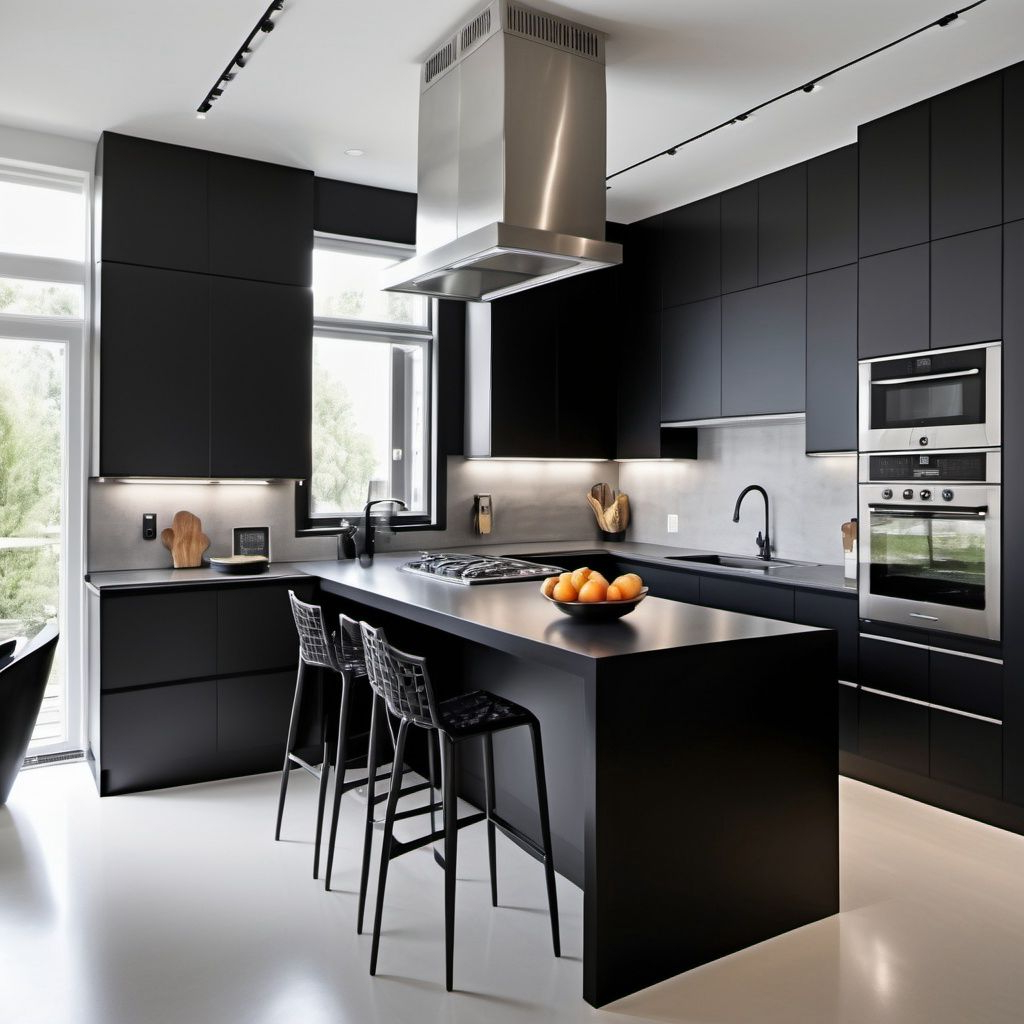
[sps_html tag=”img” src=”https://roofdrivein.com/wp-content/uploads/2026/01/50-best-modern-kitchen-design-ideas-for-2021-pertaining-to-kitchen-ideas-kitchen.jpg” alt=”50 Best Modern Kitchen Design Ideas For 2021 pertaining to Kitchen Ideas Kitchen” style=”width: 100%; height: auto;”]
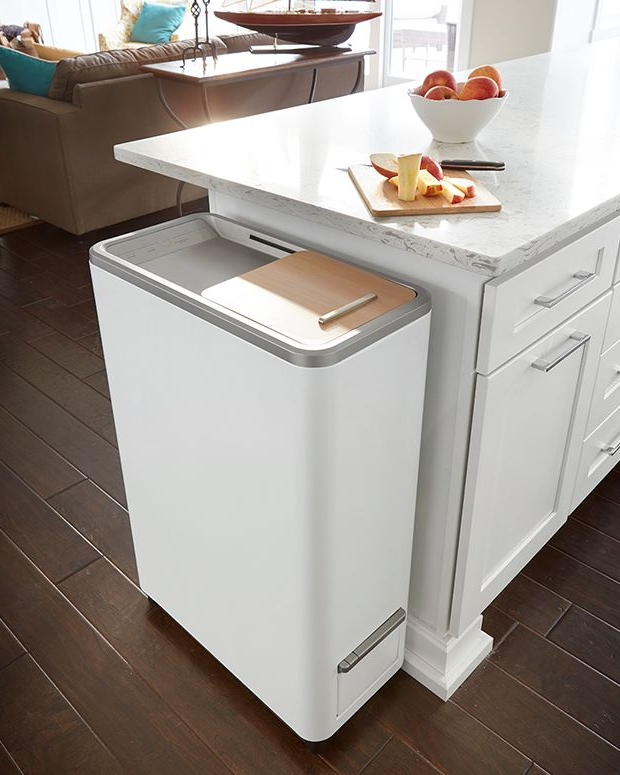
[sps_html tag=”img” src=”https://roofdrivein.com/wp-content/uploads/2026/01/kitchen-trends-2025-18-must-have-ideas-for-a-dream-kitchen-decorilla-for-essential-kitchen-layouts-for-efficient-meal-preparation-and-serving.jpeg” alt=”Kitchen Trends 2025: 18 Must-Have Ideas For A Dream Kitchen - Decorilla … for Essential Kitchen Layouts for Efficient Meal Preparation and Serving” style=”width: 100%; height: auto;”]
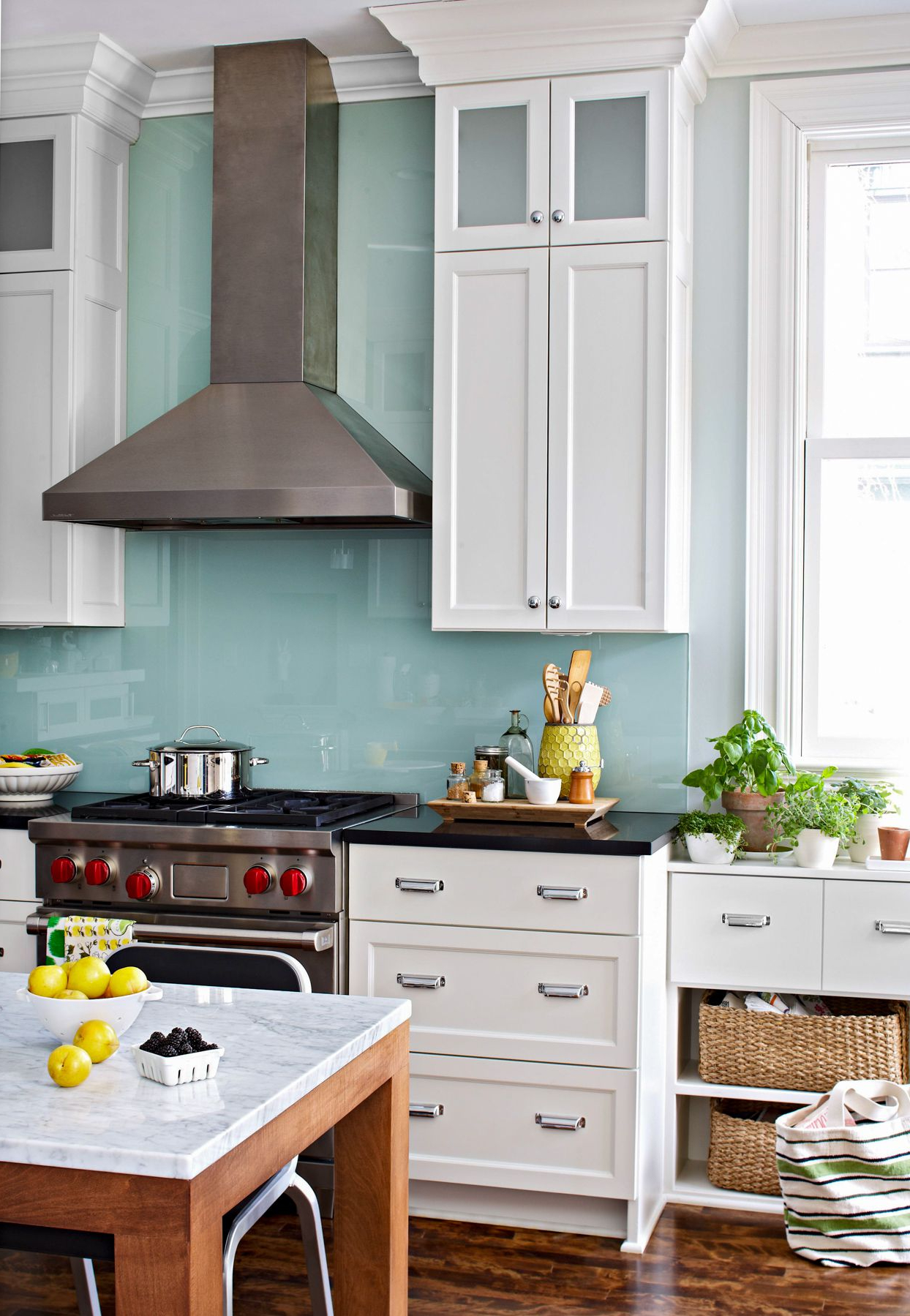
[sps_html tag=”img” src=”https://roofdrivein.com/wp-content/uploads/2026/01/15-best-kitchen-design-trends-worth-trying-in-2020-with-regard-to-kitchen-ideas-kitchen-scaled.jpg” alt=”15 Best Kitchen Design Trends Worth Trying In 2020 with regard to Kitchen Ideas Kitchen” style=”width: 100%; height: auto;”]
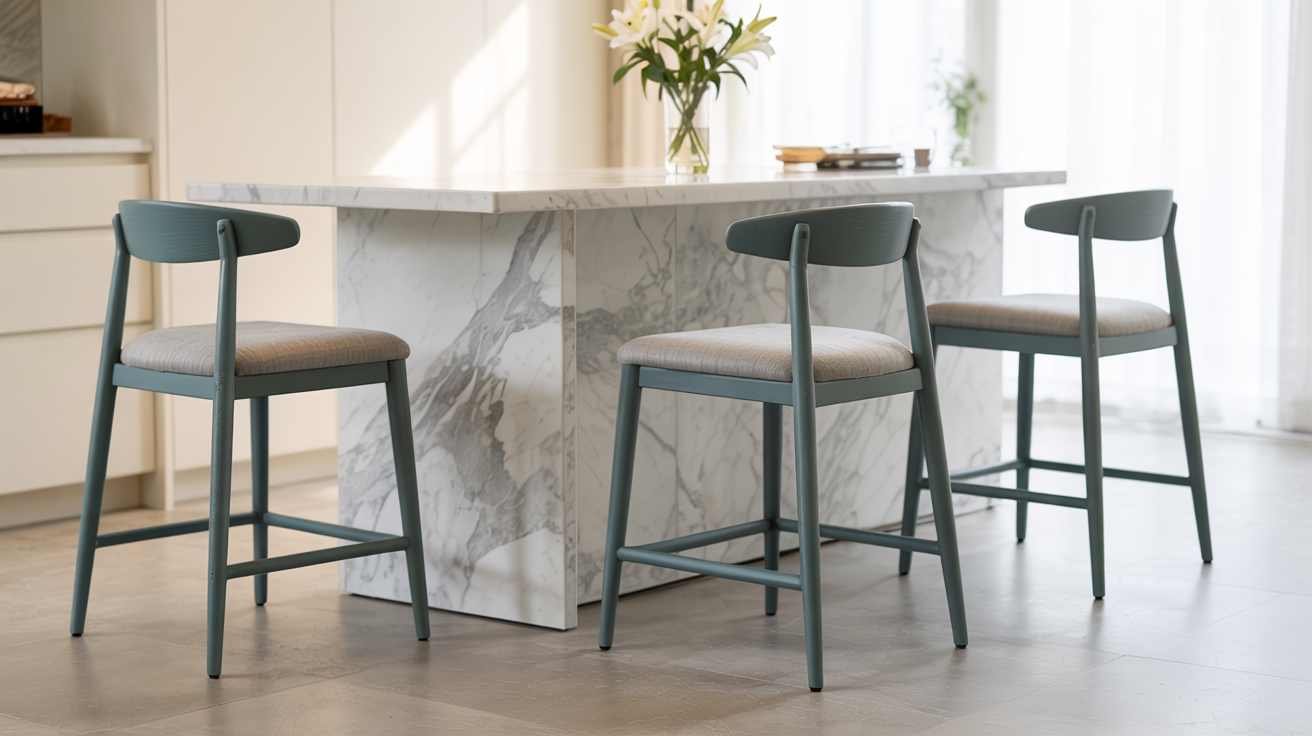
[sps_html tag=”img” src=”https://roofdrivein.com/wp-content/uploads/2026/01/65-beautiful-kitchen-design-ideas-you-need-to-see-with-regard-to-essential-kitchen-layouts-for-efficient-meal-preparation-and-serving.jpg” alt=”65 Beautiful Kitchen Design Ideas You Need To See with regard to Essential Kitchen Layouts for Efficient Meal Preparation and Serving” style=”width: 100%; height: auto;”]
[sps_html tag=”img” src=”https://roofdrivein.com/wp-content/uploads/2026/01/65-beautiful-kitchen-design-ideas-you-need-to-see-throughout-kitchen-ideas-kitchen-scaled.jpg” alt=”65 Beautiful Kitchen Design Ideas You Need To See throughout Kitchen Ideas Kitchen” style=”width: 100%; height: auto;”]