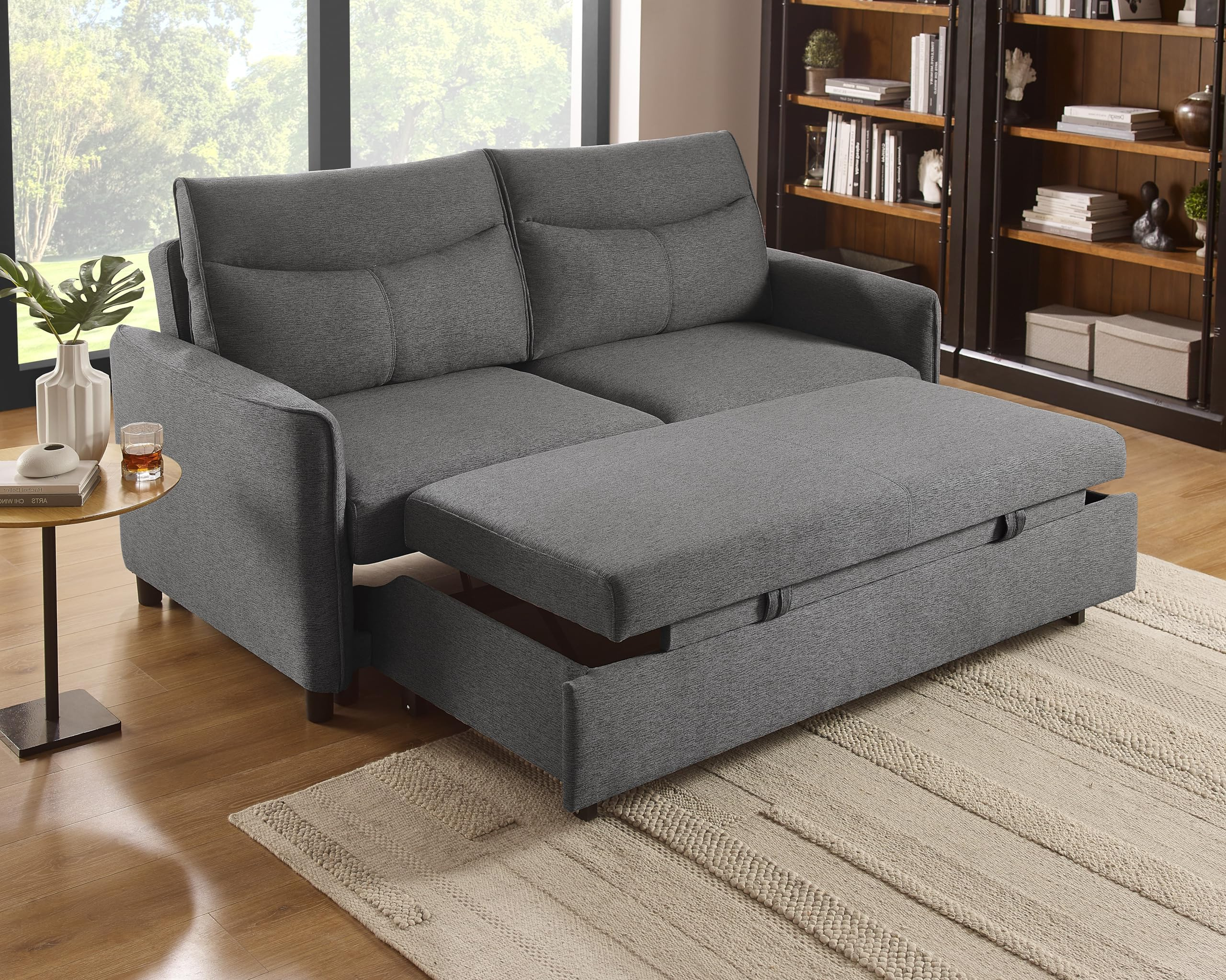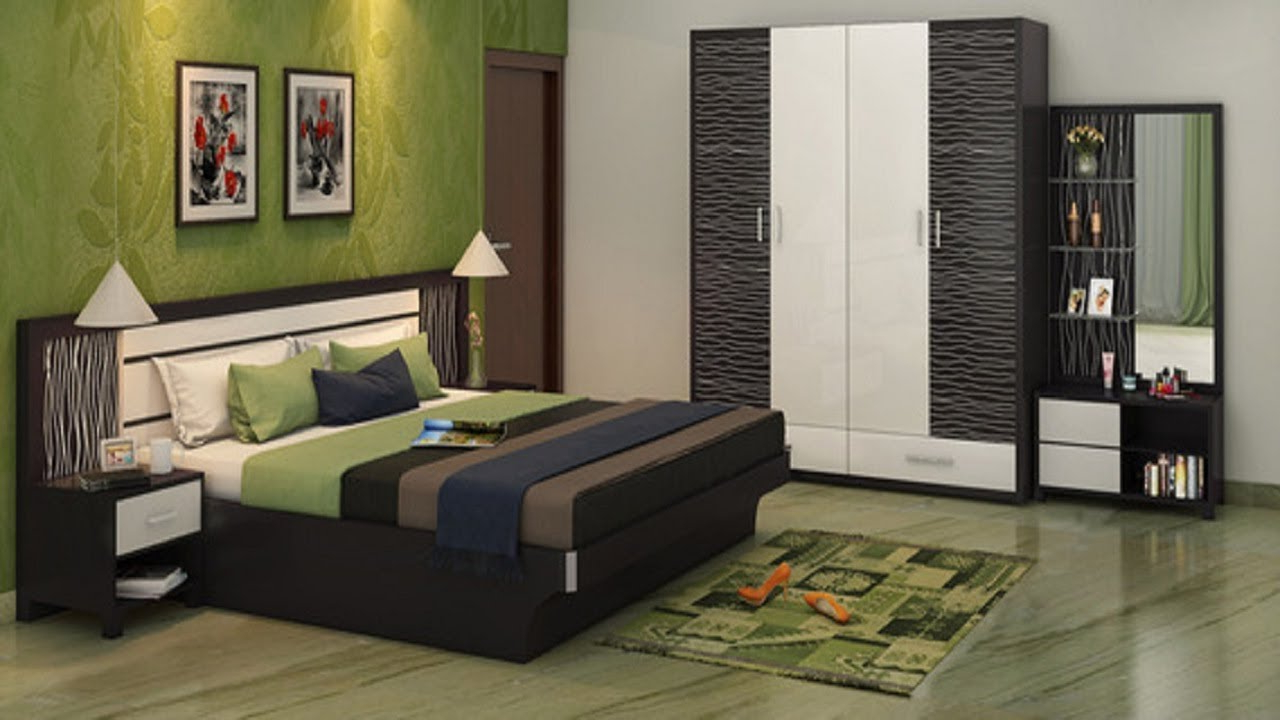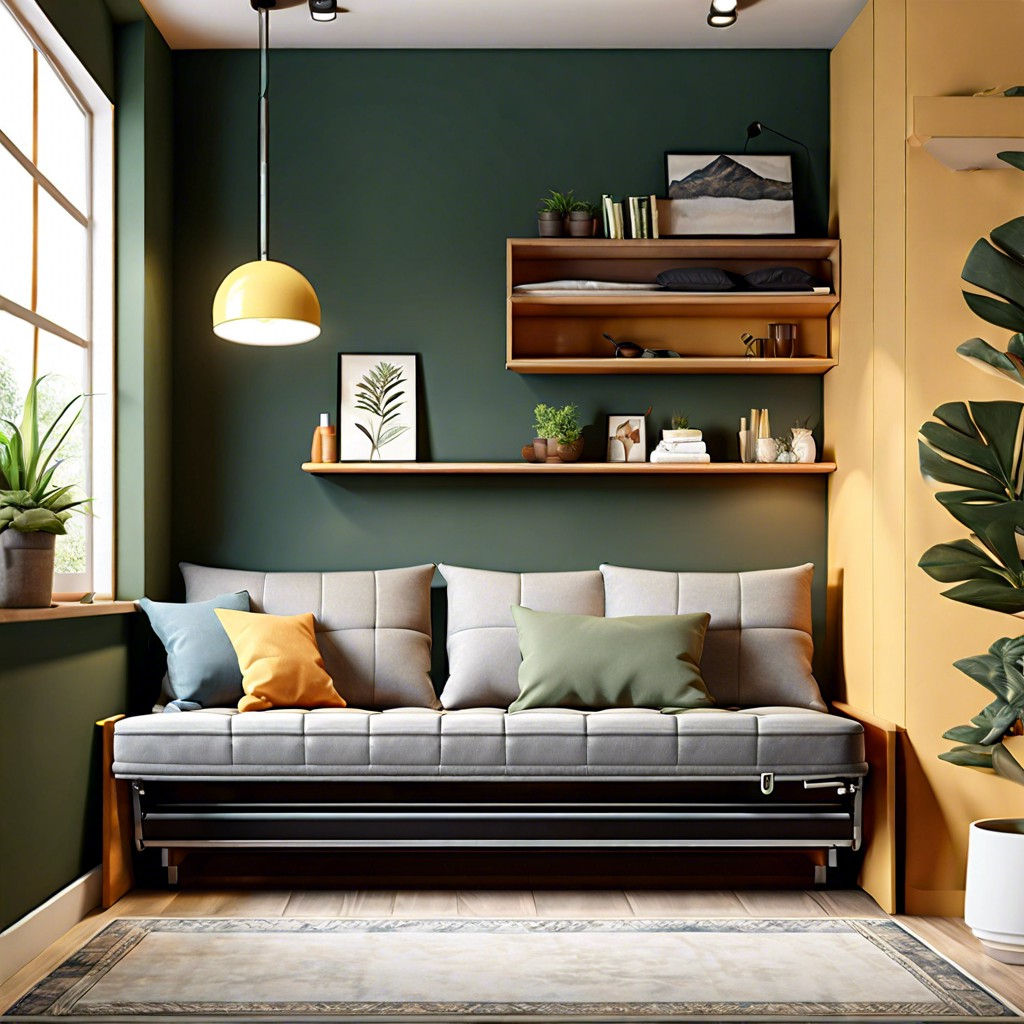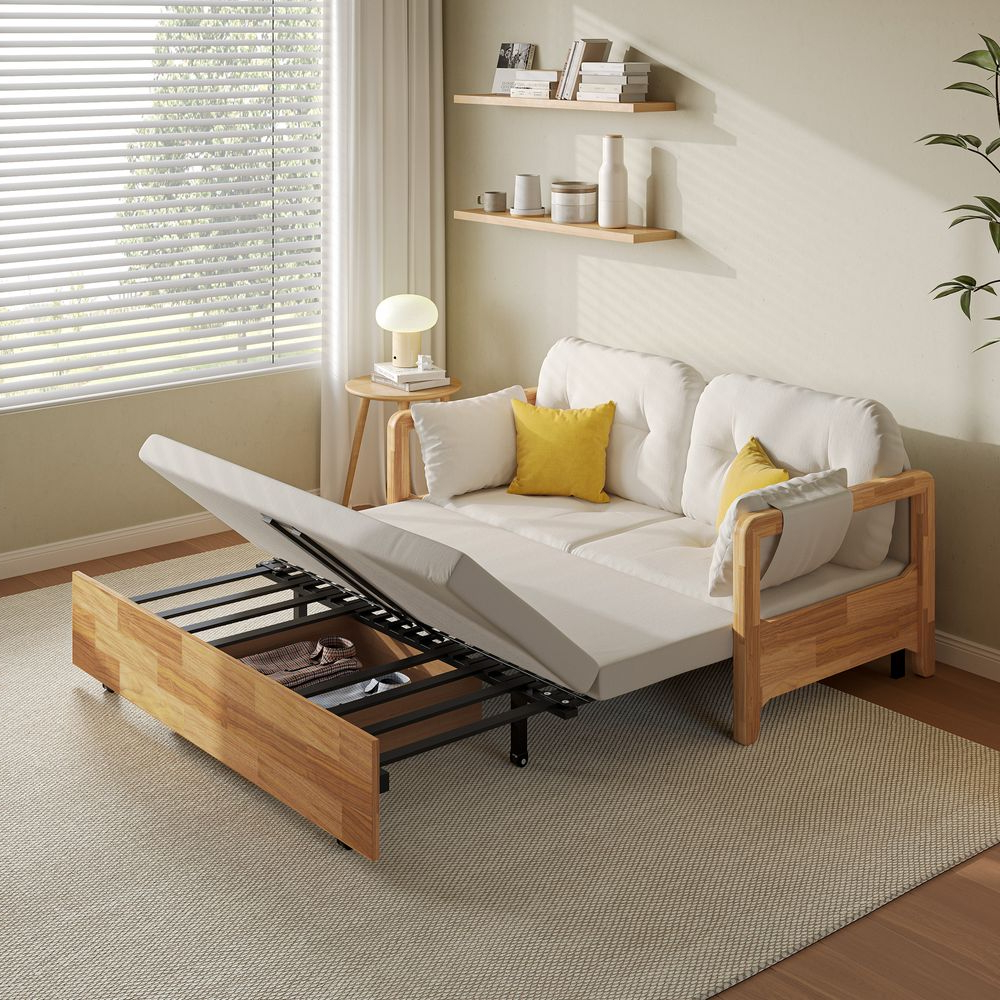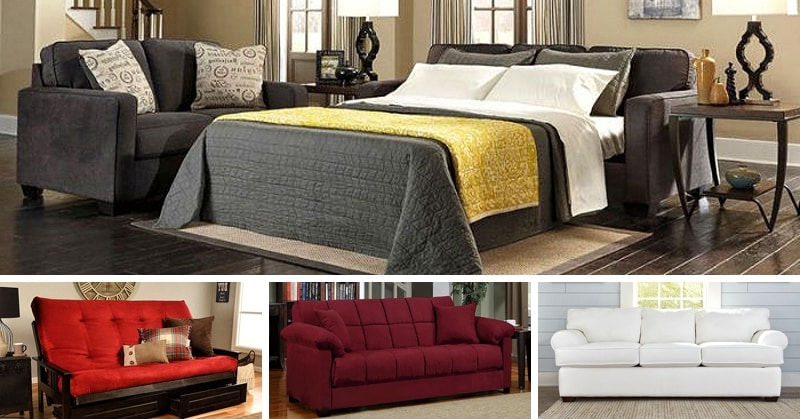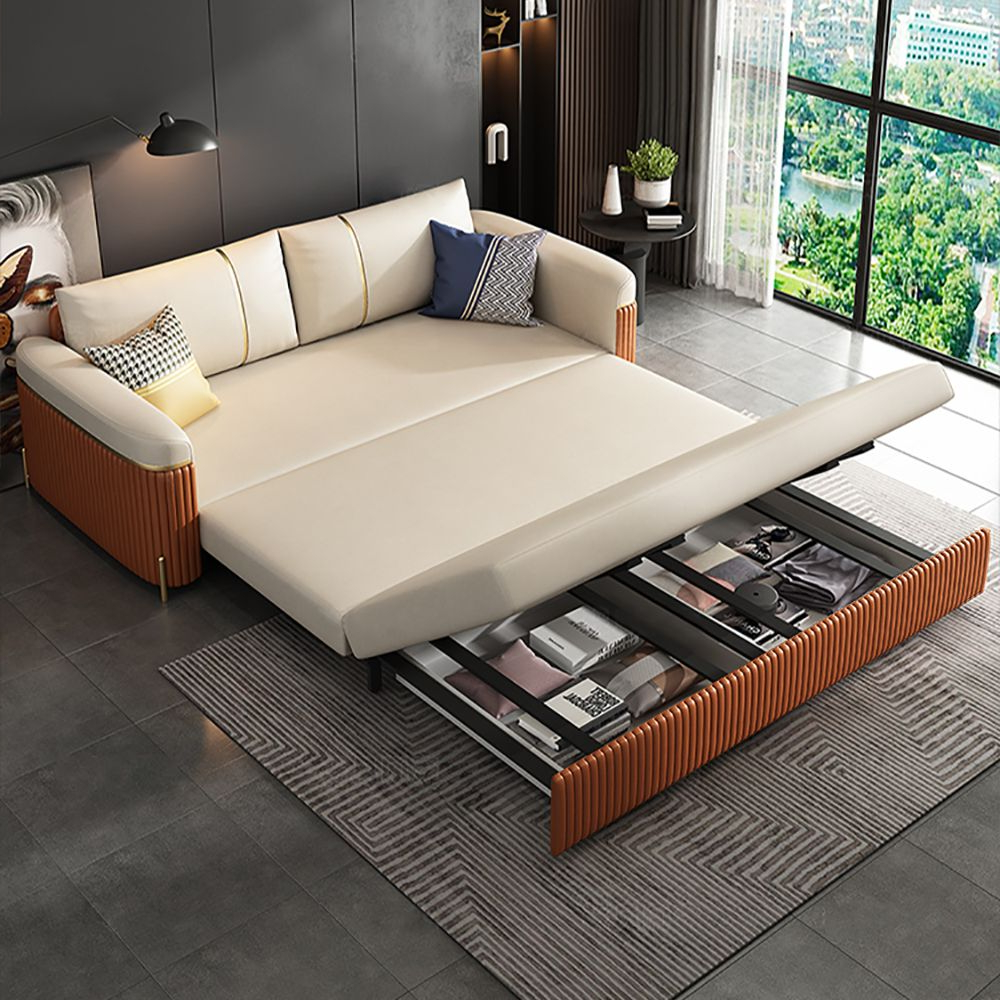
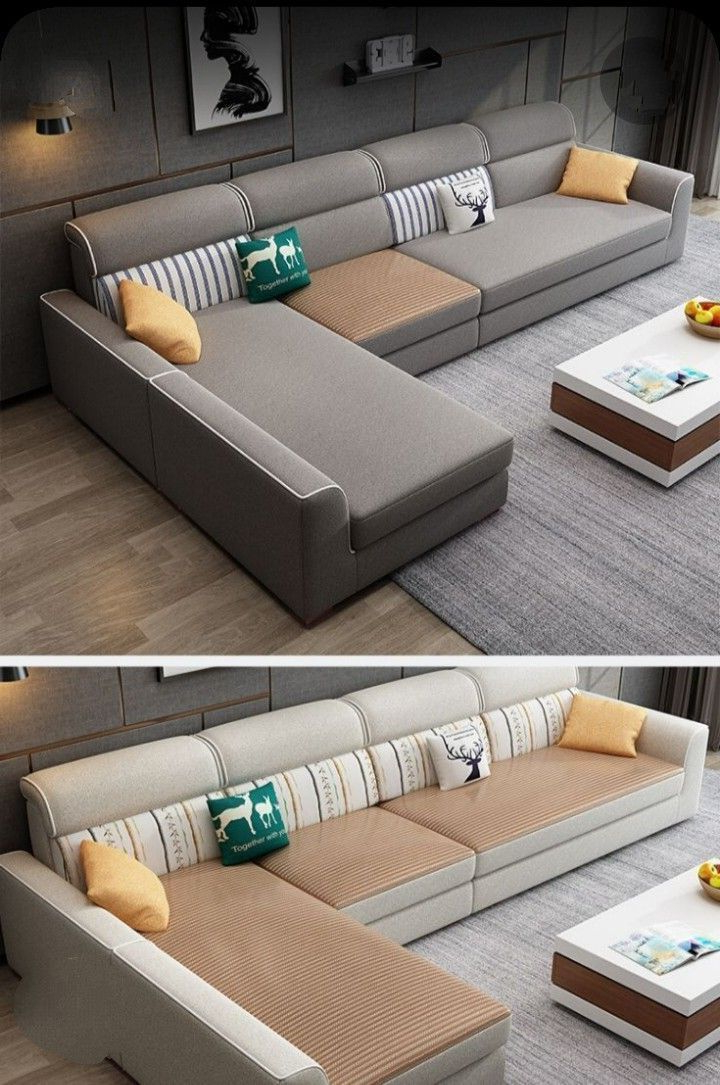
Imagine walking into a living room where every element tells a story about its owner. That’s what happens when you master the art of eclectic sofa design. It’s not just about throwing together random pieces – it’s about creating harmony from diversity.
In a world where everything seems to follow the same formula, there’s something deeply satisfying about a living space that feels authentically yours. An eclectic sofa isn’t just furniture – it’s a conversation starter, a visual autobiography, and a comfortable place to sit while you tell your story. Whether you’re drawn to vintage finds, modern minimalism, or somewhere in between, the key lies in understanding how to blend different design languages seamlessly.
Understanding What Makes a Sofa Truly Eclectic
An eclectic sofa isn’t just about mixing styles willy-nilly. It’s about finding common ground between seemingly disparate elements. Think of it like a musical composition – each piece has its own voice, but they work together to create something greater than the sum of their parts. The secret sauce? Balance. You might pair a mid-century modern frame with velvet upholstery, or combine traditional armrests with contemporary geometric patterns. What matters most is that everything feels intentional rather than chaotic.
Consider the concept of ‘eclecticism’ as a form of visual storytelling. Every pattern, color, and texture should contribute to your personal narrative. Maybe you love the warmth of rustic wood, but also crave the clean lines of contemporary design. An eclectic approach lets you honor both preferences without compromising either.
The best eclectic sofas often have a unifying element – perhaps a shared color palette, a consistent texture, or a common material. This foundation allows the various components to breathe while still feeling connected.
Color Palettes That Bring Harmony to Mixed Styles
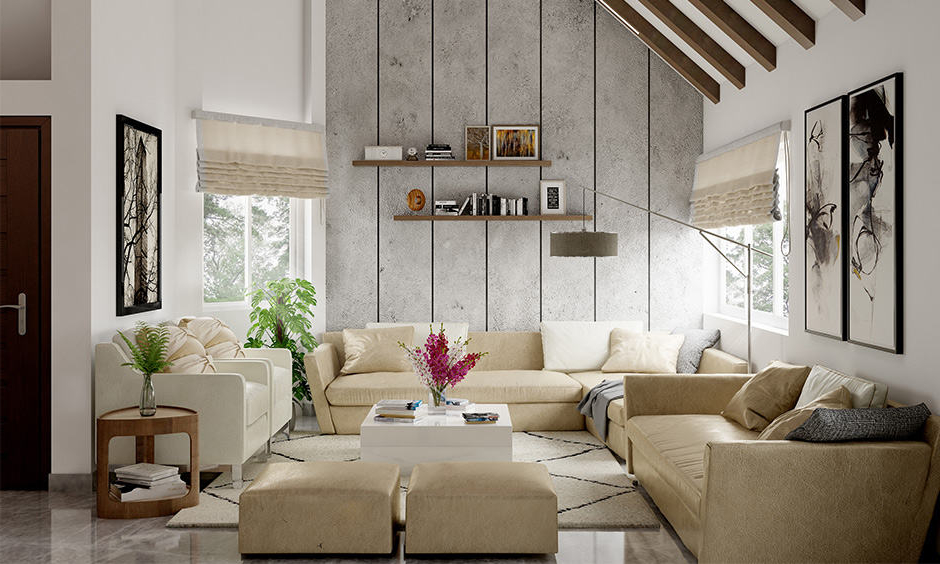
Color is the invisible thread that weaves together all your favorite design elements. When creating an eclectic sofa, start with a base color that speaks to your personality. Neutral tones like warm beige, soft gray, or creamy white provide excellent canvases for experimentation. They’re like the quiet background music that lets your bold patterns shine.
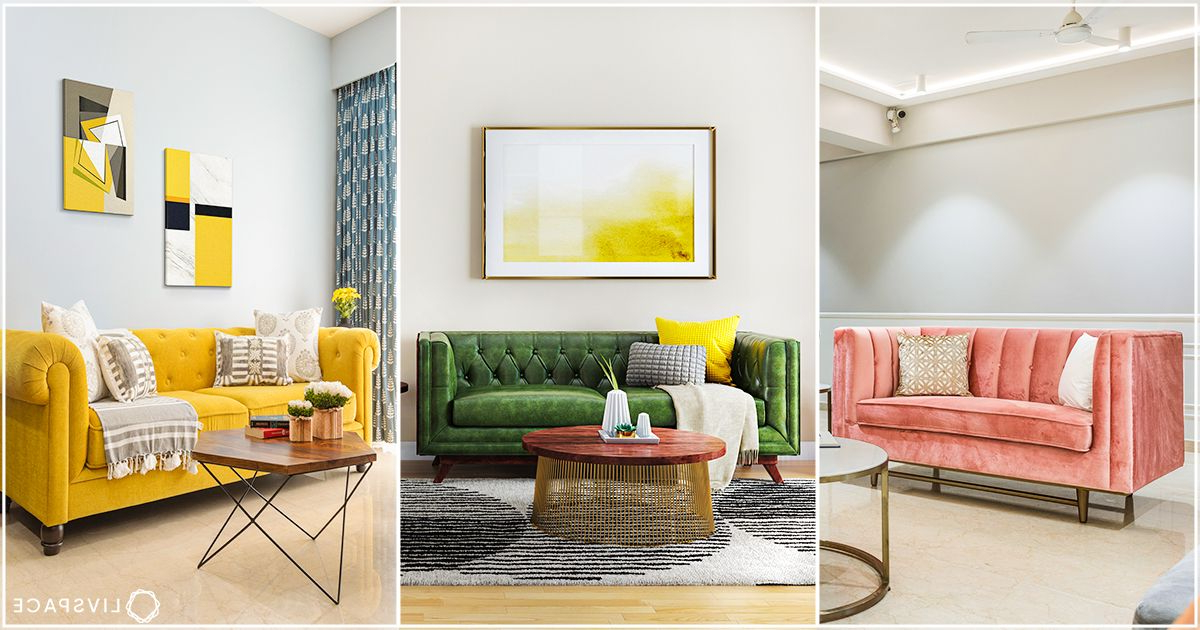
But don’t be afraid to add pops of color that reflect your mood or interests. A deep emerald green might represent your love for nature, while rich burgundy could mirror your passion for classic literature. These colors become anchors that tie everything together, even when the styles themselves seem worlds apart.
Think about using the 60-30-10 rule as your guide: 60% dominant color, 30% secondary color, and 10% accent color. This creates visual balance while allowing room for playful experimentation. For instance, a neutral base with navy blue accents and gold details can create sophisticated contrast without overwhelming the eye.
Remember, the goal isn’t to match everything perfectly – it’s to create visual rhythm that flows naturally from one element to another.
Texture and Material Combinations That Speak to Your Soul
One of the most exciting aspects of eclectic sofa design is the opportunity to play with textures. The tactile experience of sitting on a sofa should be as important as its visual appeal. Consider layering different materials – maybe a linen throw over a leather seat, or a silk pillow atop a wool cushion.
Natural materials often serve as great connectors. Wood frames can bridge the gap between traditional and modern aesthetics, while organic fabrics like linen or cotton add warmth to otherwise sterile spaces. Stone or metal accents can bring industrial flair to a room that might otherwise feel too cozy.
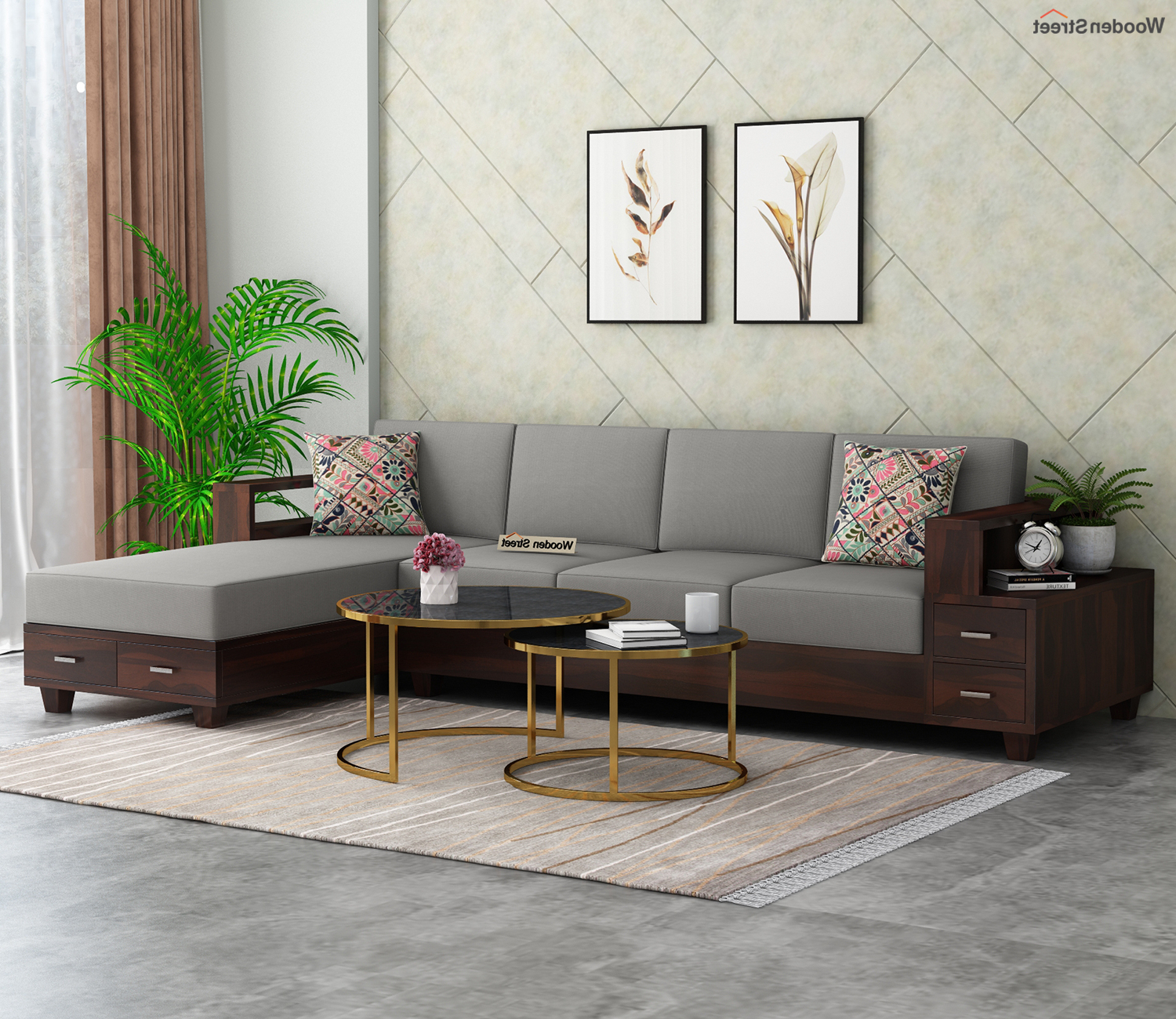
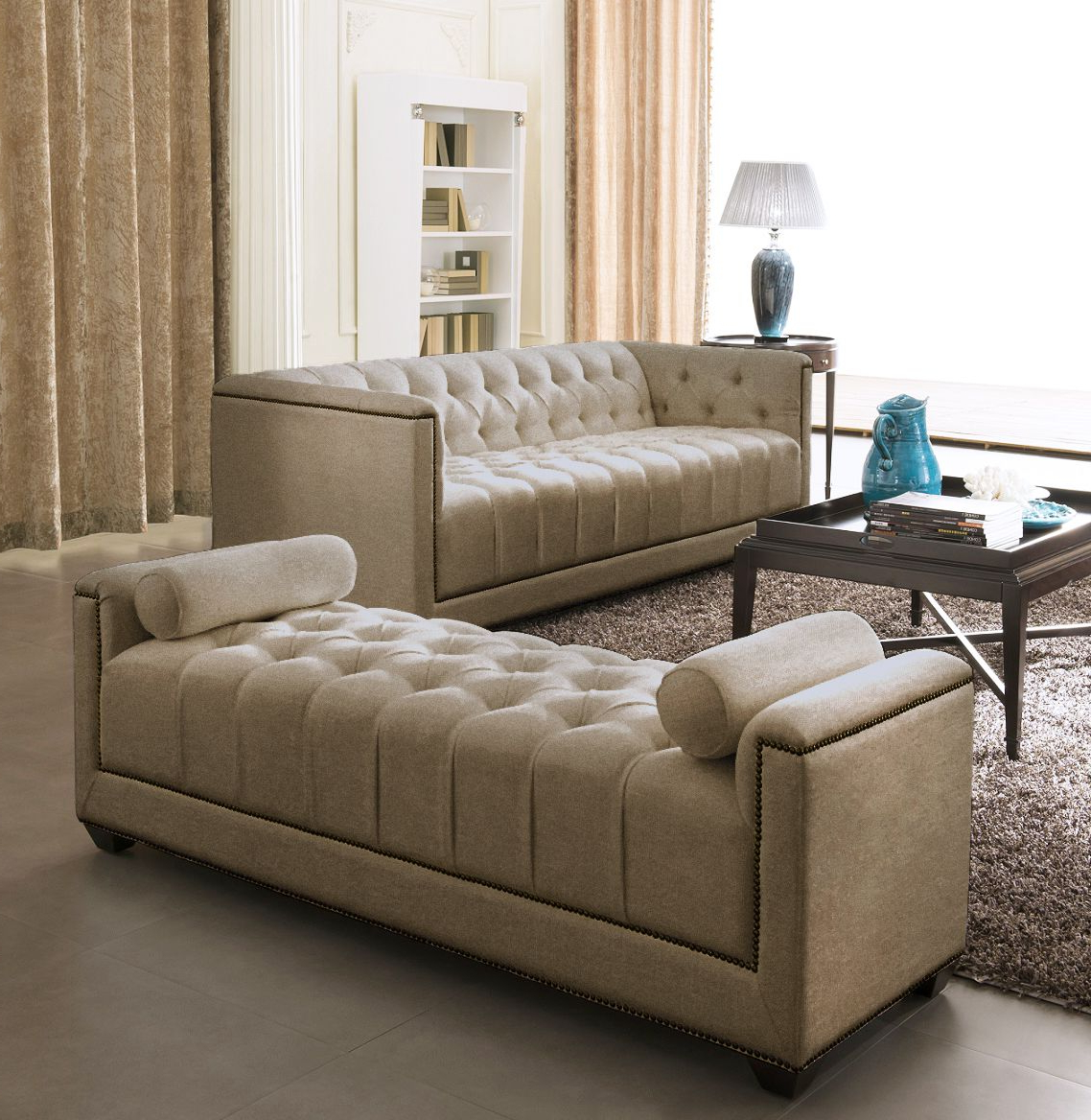
Don’t underestimate the power of mixed textures. A velvet sofa with a wooden frame can feel both luxurious and grounded. Or try pairing a smooth leather back with a chunky woven armrest. These contrasts create visual interest while maintaining comfort.
The key is ensuring that no single texture overwhelms the others. Each material should enhance rather than compete with the overall aesthetic. Sometimes, the most striking combination comes from unexpected pairings – like combining soft fur with hard wood or smooth ceramic with rough stone.
Pattern Play: How to Mix Prints Without Overwhelming
Patterns are where eclecticism really shines. They add personality and character to any space, but mixing them requires strategy. Start by identifying your favorite pattern types – stripes, florals, geometric designs, or abstract motifs. Then choose one main pattern to anchor your design, and use smaller-scale patterns as accents.
A good rule of thumb is to stick to similar color families across different patterns. If you’re working with a warm color scheme, avoid cool-toned patterns unless they’re carefully balanced. This prevents visual discord and helps maintain harmony.
Consider the scale of patterns as well. Large patterns should be paired with small ones, or use the same scale with different colors. A bold floral print can be balanced against subtle stripes, or two different large patterns in complementary colors.
Sometimes, the most effective approach is to use solid colors as a buffer between busy patterns. This gives the eye a moment to rest while still maintaining the eclectic energy of your space. Remember, it’s better to underdo pattern than overdo it – less can often be more.
Vintage Finds That Add Character to Modern Spaces
Vintage pieces are often the secret weapon of successful eclectic designs. They bring history, craftsmanship, and character that mass-produced items simply cannot replicate. A well-chosen vintage sofa can anchor an entire room with its timeless appeal.
When incorporating vintage elements, focus on quality over quantity. One stunning piece can transform a space far more effectively than several mediocre items. Look for pieces with strong silhouettes and honest construction – those that will age gracefully rather than look dated.
The key to successful vintage integration is finding pieces that complement rather than compete with your existing style. A mid-century modern chair might pair beautifully with contemporary artwork, or a Victorian sofa could anchor a minimalist space with its rich details.
Don’t forget that vintage doesn’t always mean old – sometimes it refers to pieces that have been reimagined with modern sensibilities. Reclaimed wood elements, restored fabrics, or repurposed furniture can offer the best of both worlds. These pieces often carry stories that make them even more special than new items.
Practical Tips for Creating Your Own Eclectic Masterpiece
Building an eclectic sofa that works in real life requires planning and patience. Start by taking inventory of your existing pieces and identifying gaps in your collection. What elements do you love but haven’t found yet? What might you want to add or remove?
Create a mood board or Pinterest page to visualize your ideas before making purchases. This helps prevent impulse buys that might not fit your overall vision. Consider how each piece will function in your daily life – will you actually use it? Does it serve a purpose beyond decoration?
One crucial tip: invest in quality basics that can support your eclectic choices. A sturdy frame and high-quality cushions will ensure your sofa remains beautiful and functional for years. These foundational pieces should be chosen with longevity in mind.
Finally, remember that eclecticism is personal. There’s no right way to do it, and no one else can tell you what looks good. Trust your instincts, but also be willing to adjust as your taste evolves. The best eclectic spaces are those that continue to surprise and delight you over time.
Creating an eclectic sofa that truly reflects your personality is both an art and a science. It requires understanding how different design elements can work together while staying true to who you are. The beauty of this approach lies in its flexibility – you can change, adapt, and grow your space as your tastes evolve.
Remember, the ultimate goal isn’t to make a museum piece – it’s to create a comfortable, welcoming environment that feels authentically yours. Whether you’re drawn to bold patterns, muted tones, or a mix of both, the key is finding that perfect balance where everything feels intentional and harmonious.
Your eclectic sofa should be a reflection of your journey – a visual diary of the things that matter to you. It’s not just furniture; it’s a statement about who you are and what you value. And that’s something worth celebrating.
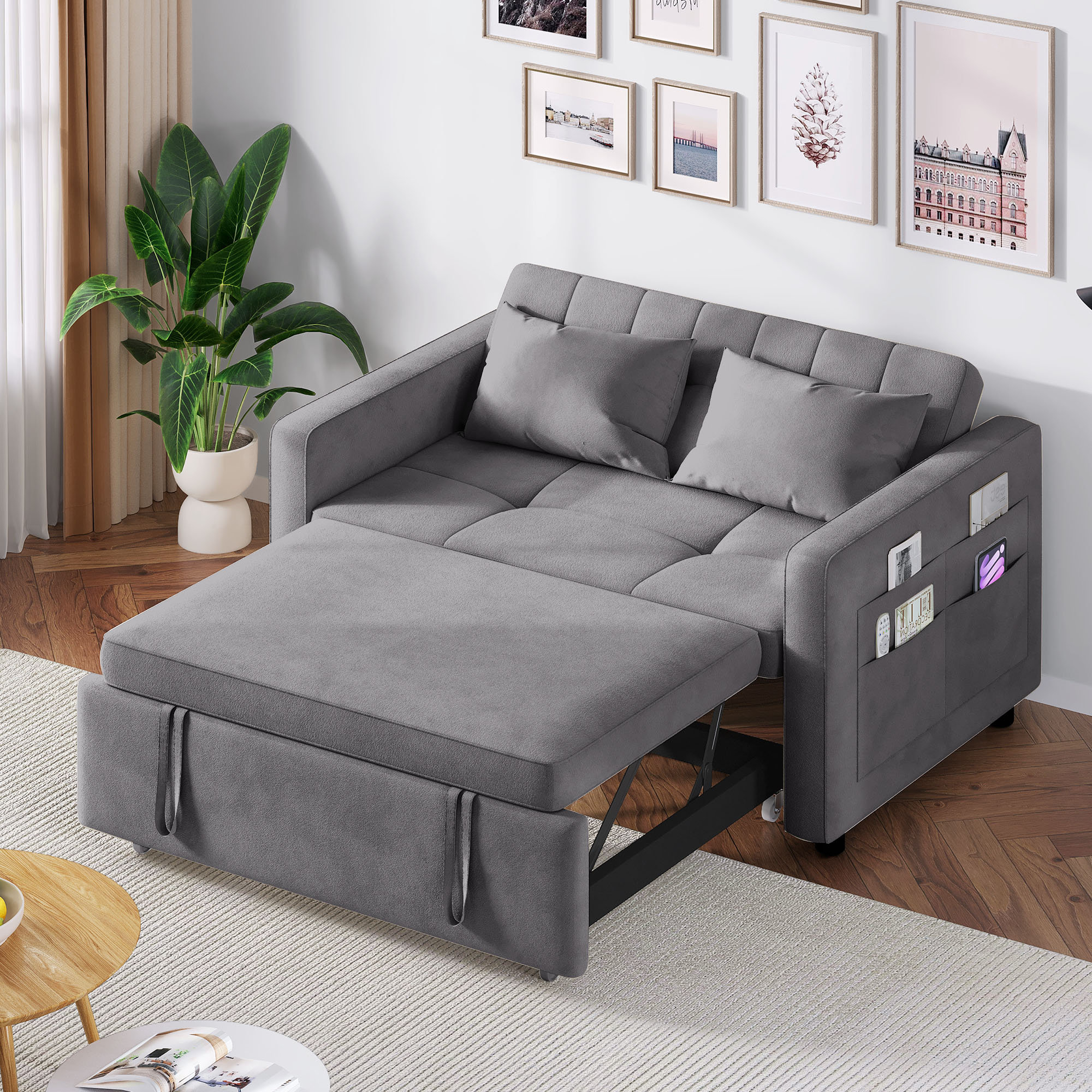
[sps_html tag=”img” src=”https://roofdrivein.com/wp-content/uploads/2026/01/best-sofa-set-designs-for-living-room-baci-living-room-with-sofa-design-ideas.jpg” alt=”Best Sofa Set Designs For Living Room | Baci Living Room with Sofa Design Ideas” style=”width: 100%; height: auto;”]
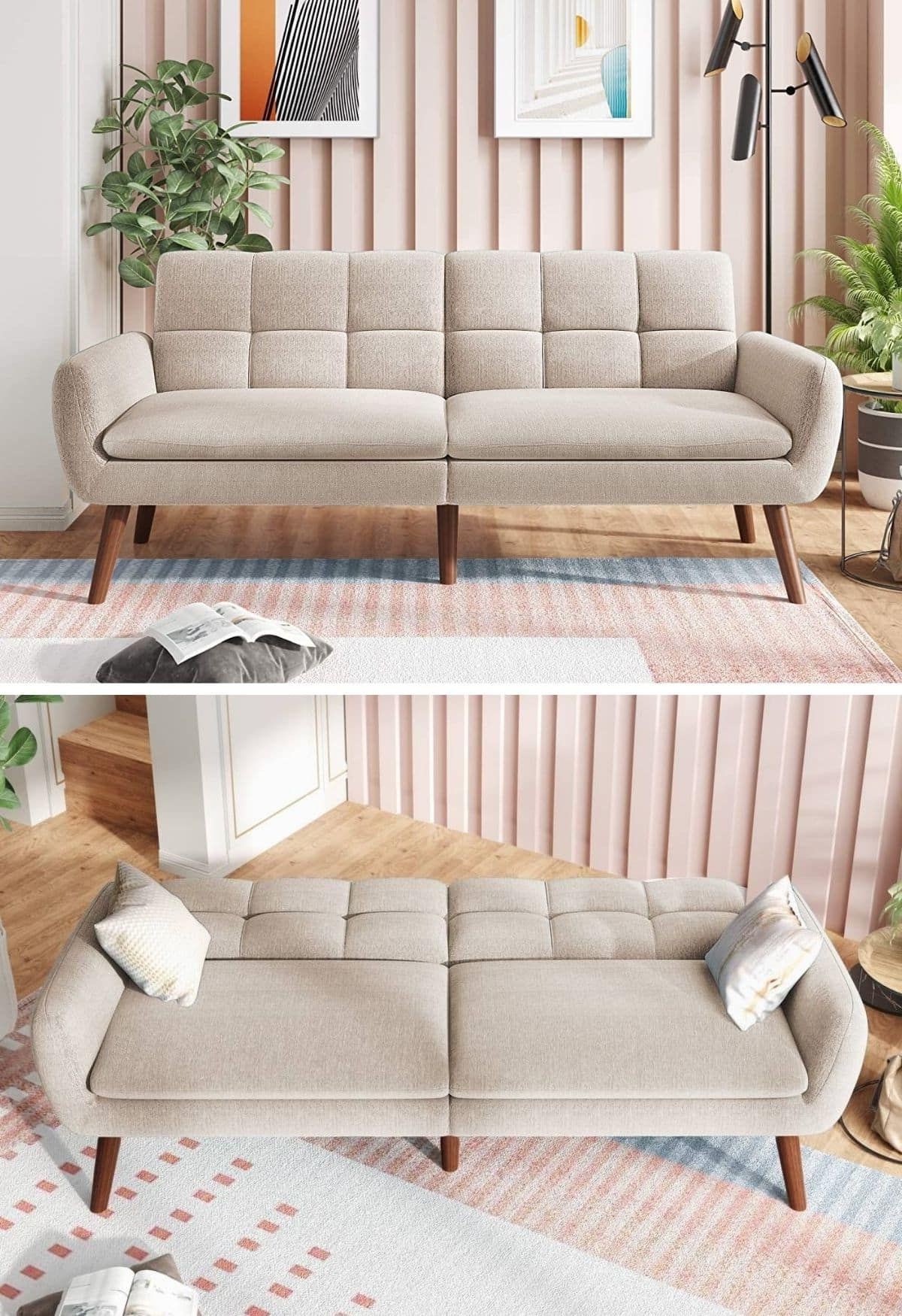
[sps_html tag=”img” src=”https://roofdrivein.com/wp-content/uploads/2026/01/modern-wooden-sofa-set-designs-baci-living-room-pertaining-to-eclectic-sofa-design-ideas-that-reflect-personal-style-and-personality.jpg” alt=”Modern Wooden Sofa Set Designs | Baci Living Room pertaining to Eclectic Sofa Design Ideas That Reflect Personal Style and Personality” style=”width: 100%; height: auto;”]
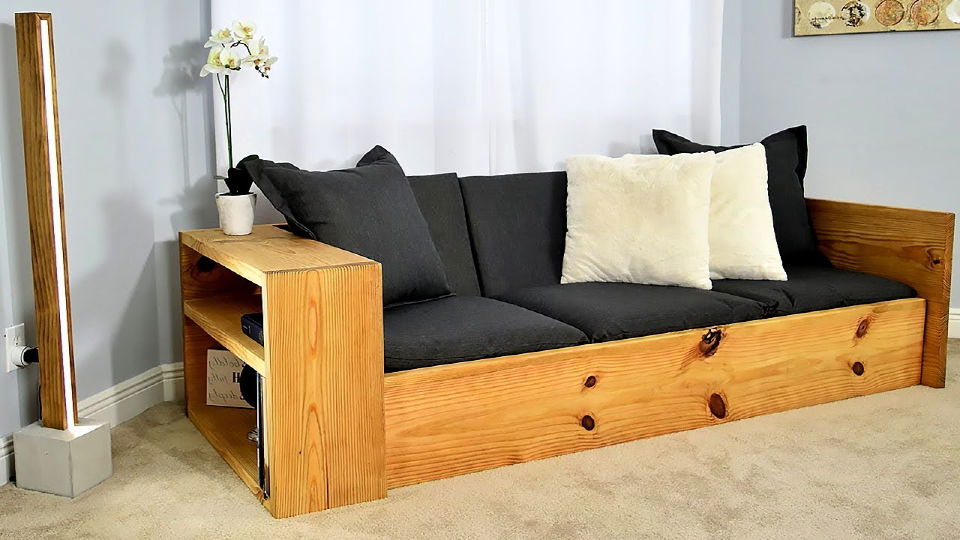
[sps_html tag=”img” src=”https://roofdrivein.com/wp-content/uploads/2026/01/modern-sofa-set-designs-in-sofa-design-ideas.jpg” alt=”Modern Sofa Set Designs in Sofa Design Ideas” style=”width: 100%; height: auto;”]
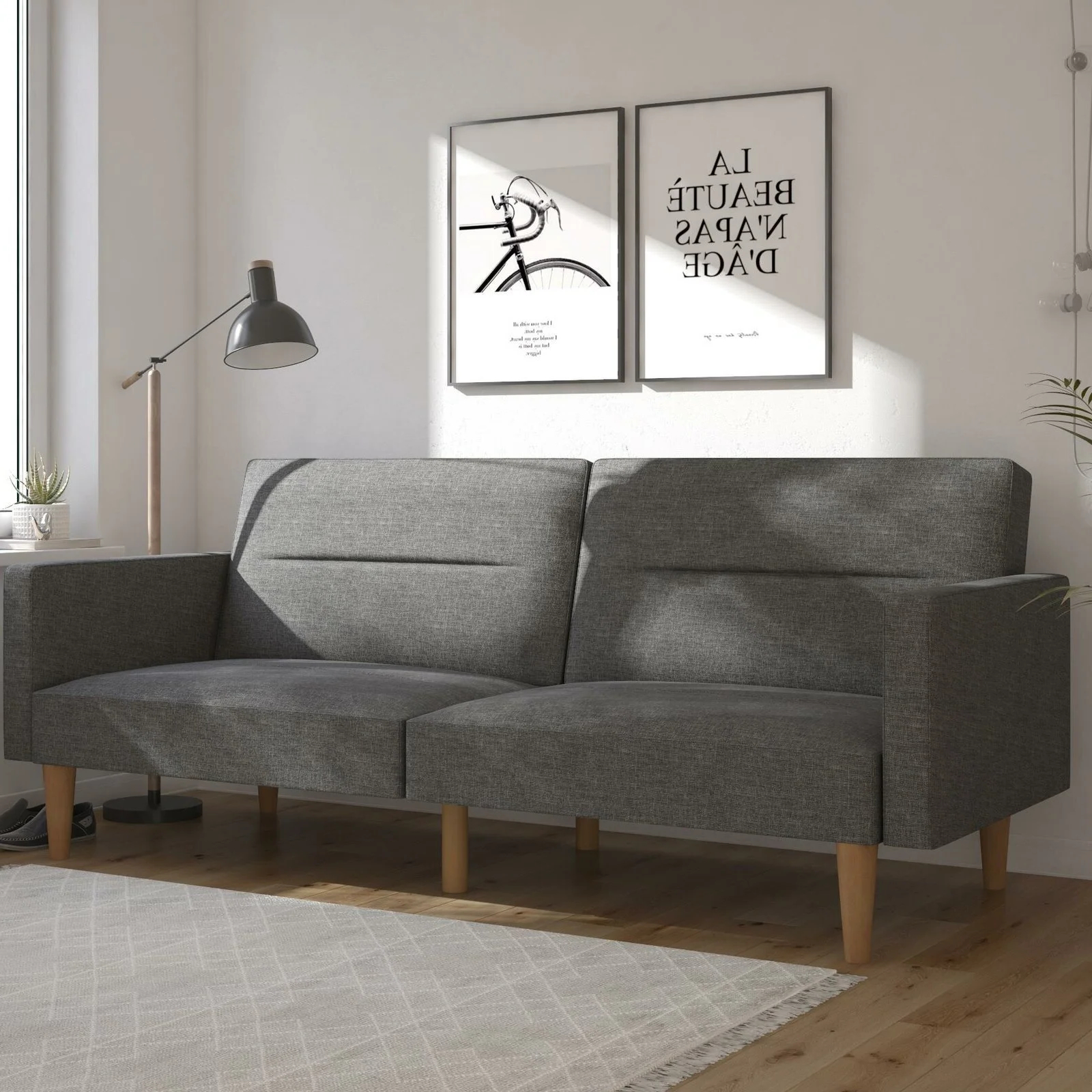
[sps_html tag=”img” src=”https://roofdrivein.com/wp-content/uploads/2026/01/the-best-sofa-designs-at-ann-garcia-blog-pertaining-to-sofa-design-ideas.jpg” alt=”The Best Sofa Designs At Ann Garcia Blog pertaining to Sofa Design Ideas” style=”width: 100%; height: auto;”]
[sps_html tag=”img” src=”https://roofdrivein.com/wp-content/uploads/2026/01/8-modern-sofa-set-designs-for-living-room-design-cafe-within-eclectic-sofa-design-ideas-that-reflect-personal-style-and-personality.jpg” alt=”8 Modern Sofa Set Designs For Living Room Design Cafe within Eclectic Sofa Design Ideas That Reflect Personal Style and Personality” style=”width: 100%; height: auto;”]