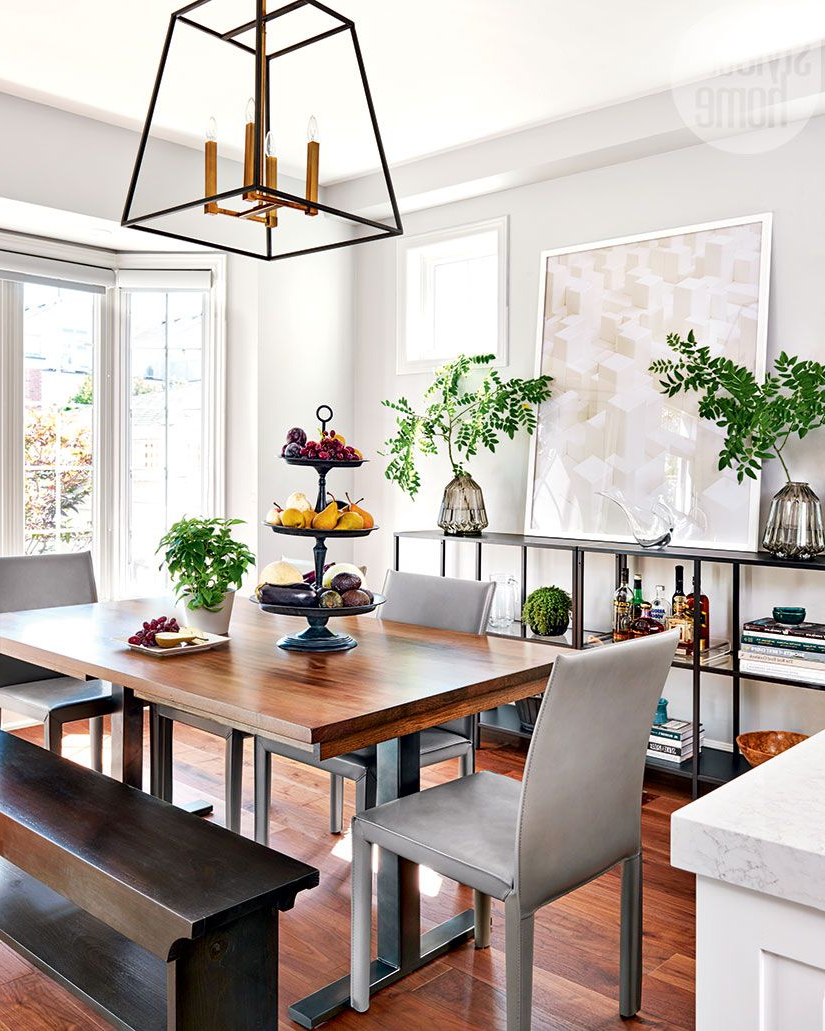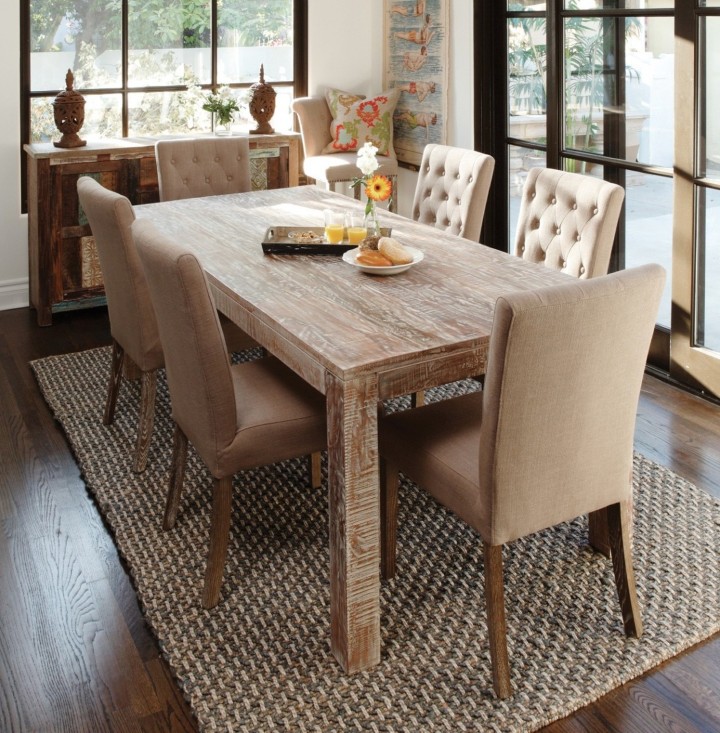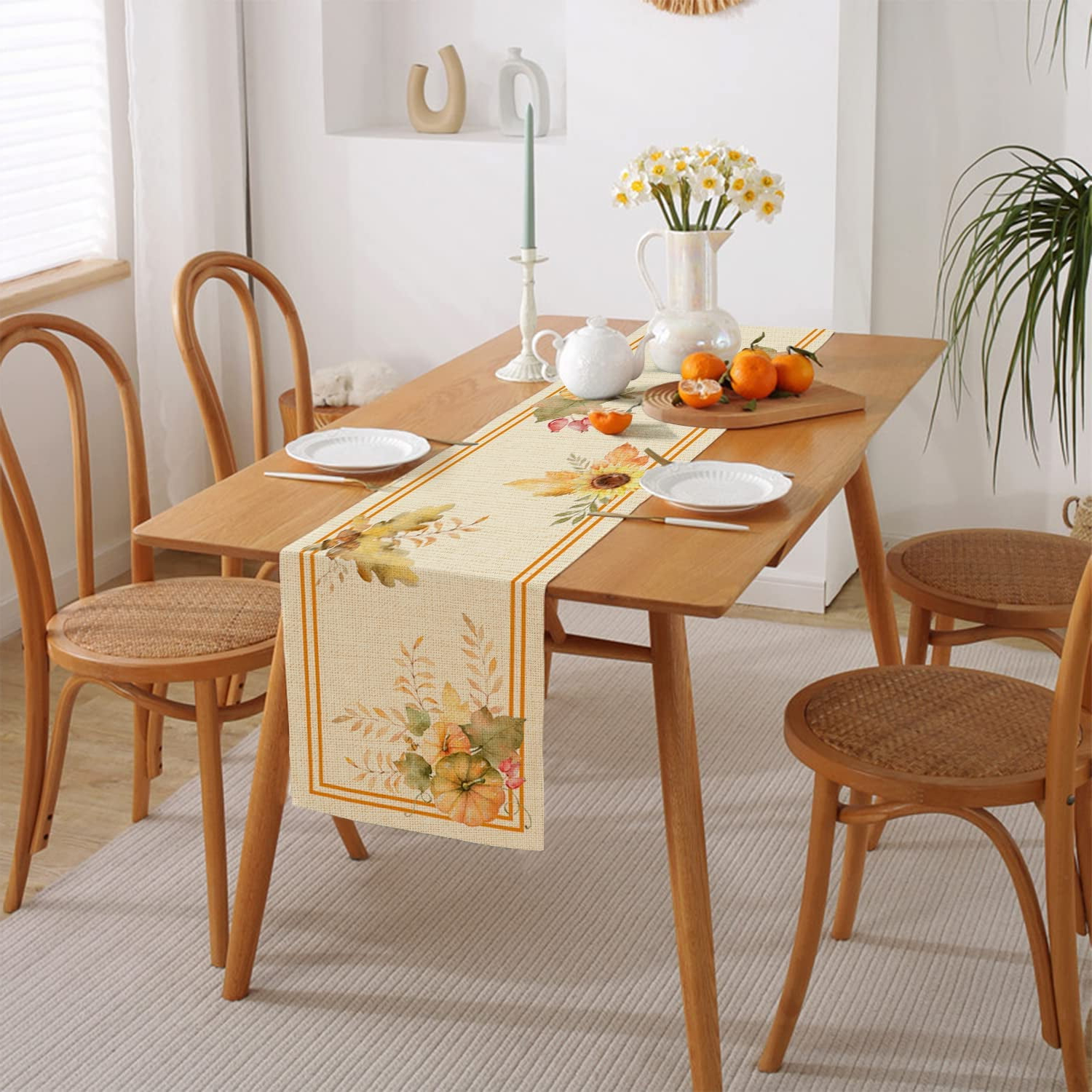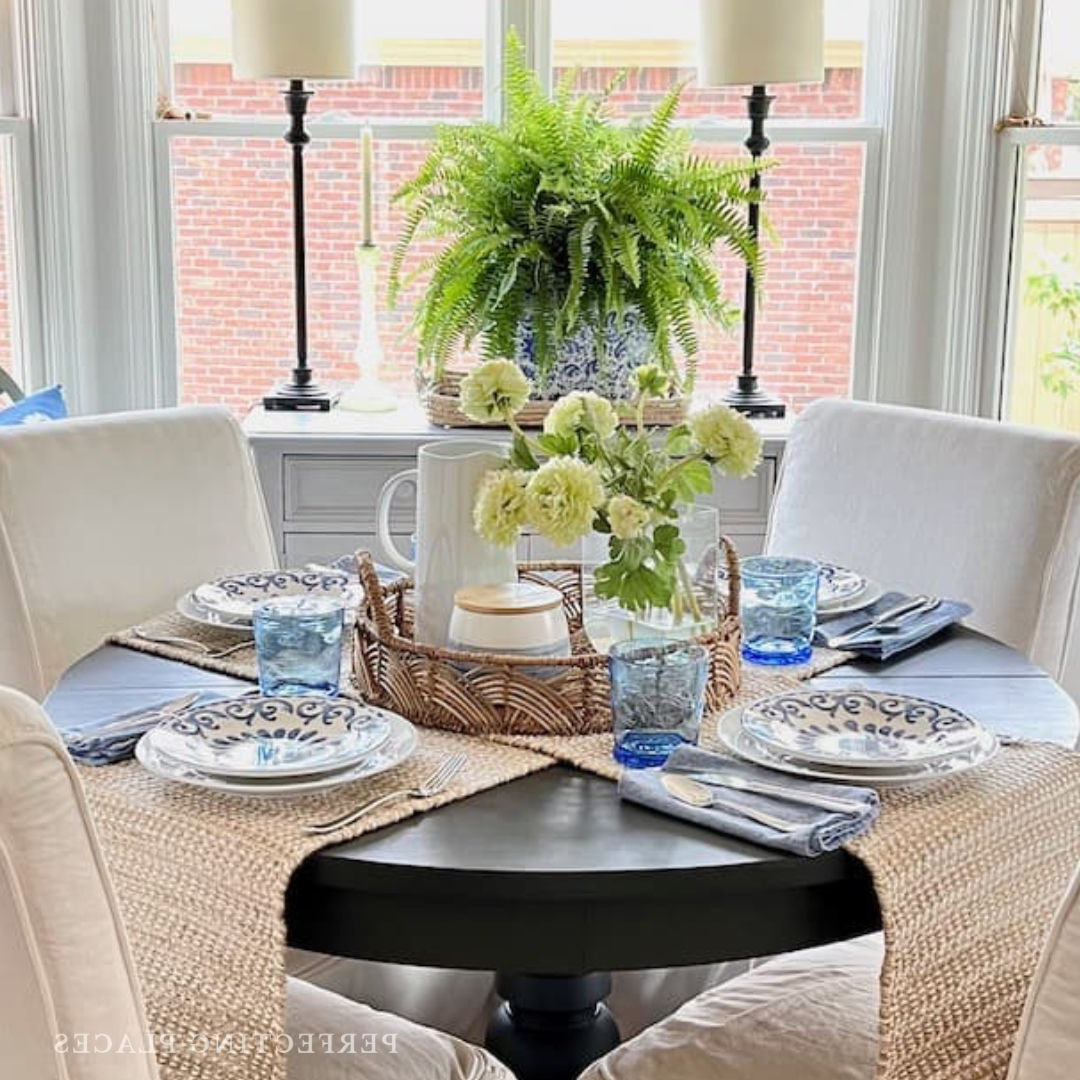
Every home deserves a centerpiece that reflects its personality. Whether you’re working with a cramped corner or a spacious dining area, building your own table can be both rewarding and transformative. These projects range from simple wooden designs to bold modern statements, each one offering a unique way to elevate your dining experience.
Picture this: You walk into your dining room and see a beautiful table that’s not just functional, but speaks to your style. It might be a rustic reclaimed wood design that brings warmth to your space, or a sleek minimalist piece that makes even the smallest room feel more open. The beauty of DIY dining room tables lies in their ability to turn any ordinary space into something extraordinary.
The process isn’t just about saving money – though that’s a nice bonus. It’s about creating something that truly belongs to you, something that tells your story. When you build your own table, you get to choose every detail, from the wood grain to the finish. No two tables are exactly alike, and that’s what makes them so special.
Whether you’re a seasoned woodworker or someone who’s never touched a saw before, there are projects here that will suit your skill level and space requirements. From quick weekend builds to more elaborate weekend-long projects, we’ll explore options that can transform any dining room.
Simple and Stylish: Basic Wooden Tables
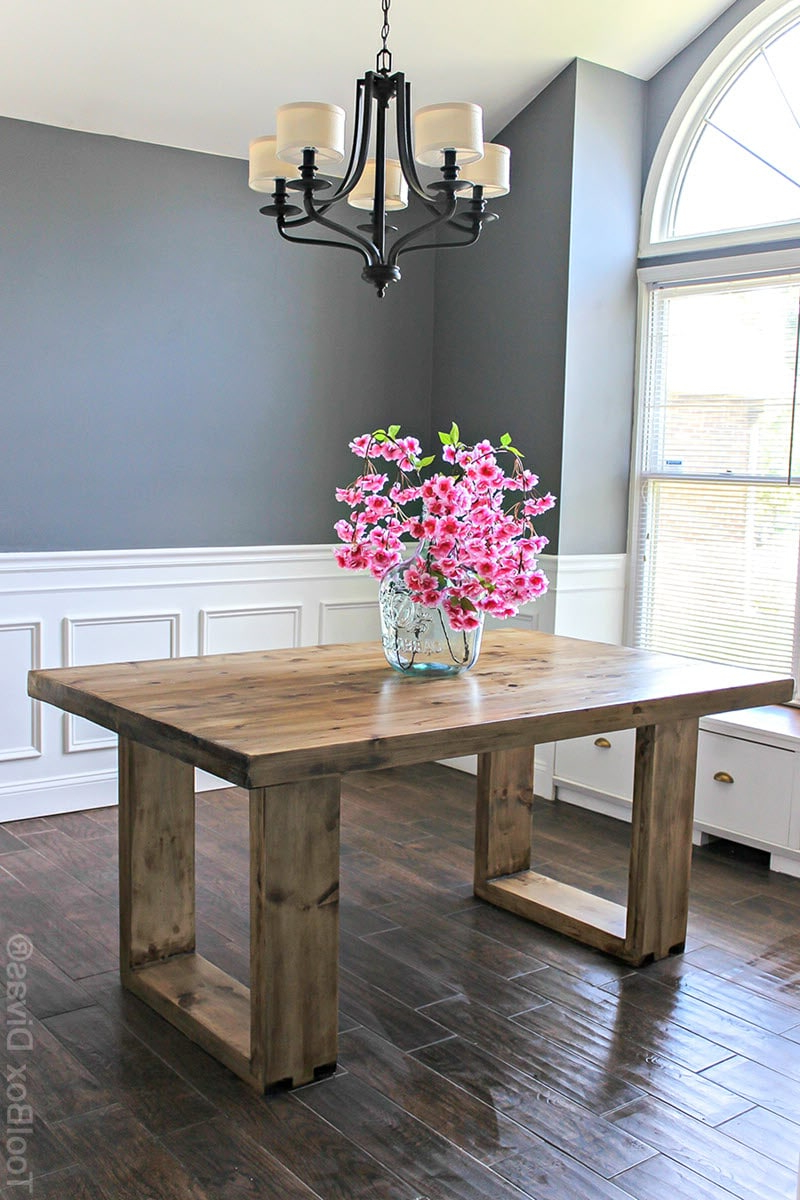
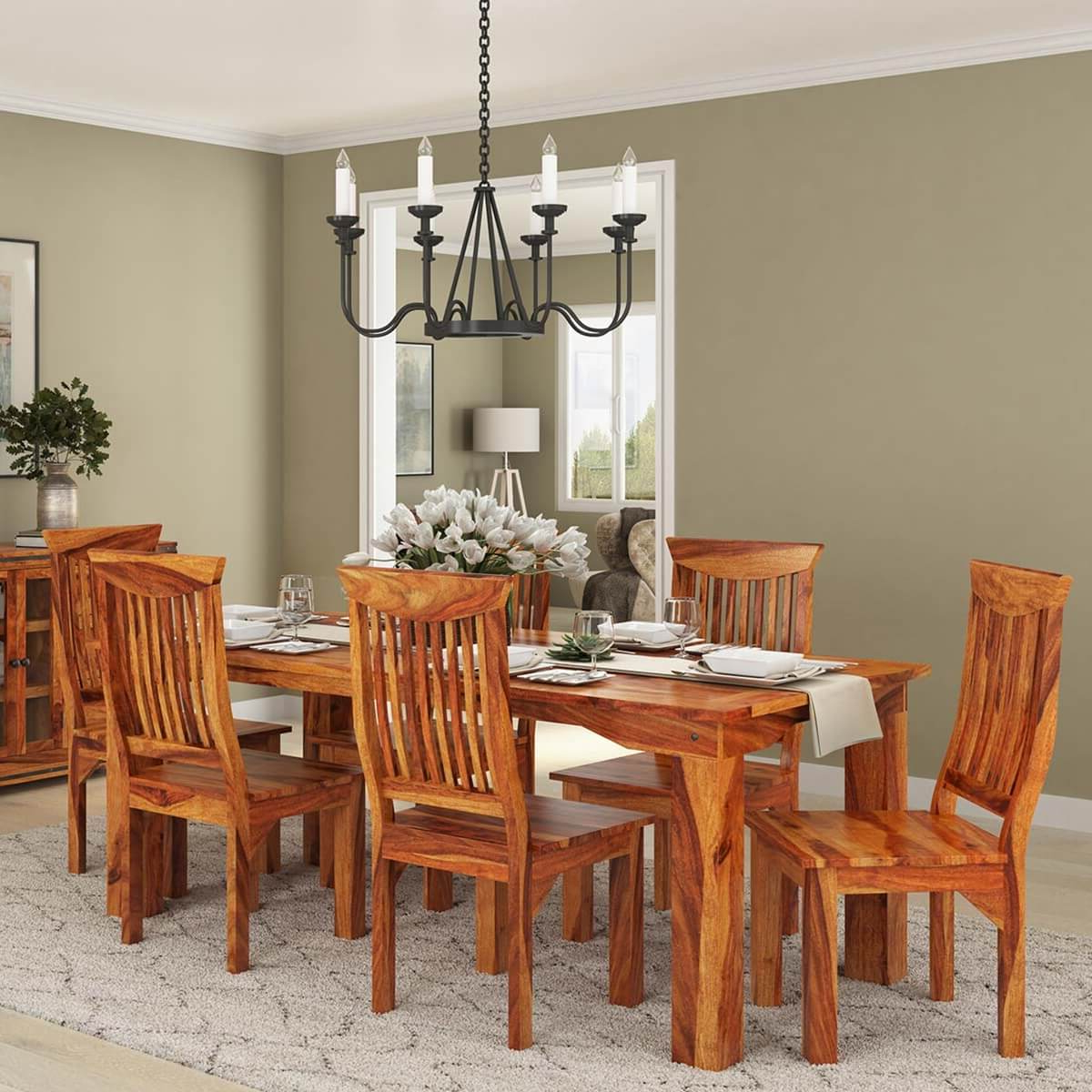
Sometimes the most beautiful things come from the simplest designs. Basic wooden tables offer a timeless appeal that works in almost any setting. They’re perfect for beginners because they require minimal tools and materials.
Consider a straightforward rectangular table made from plywood or solid wood planks. The key to success with these projects is choosing quality lumber and taking your time with measurements. A well-built basic table can last decades and serve as the foundation for your entire dining room.
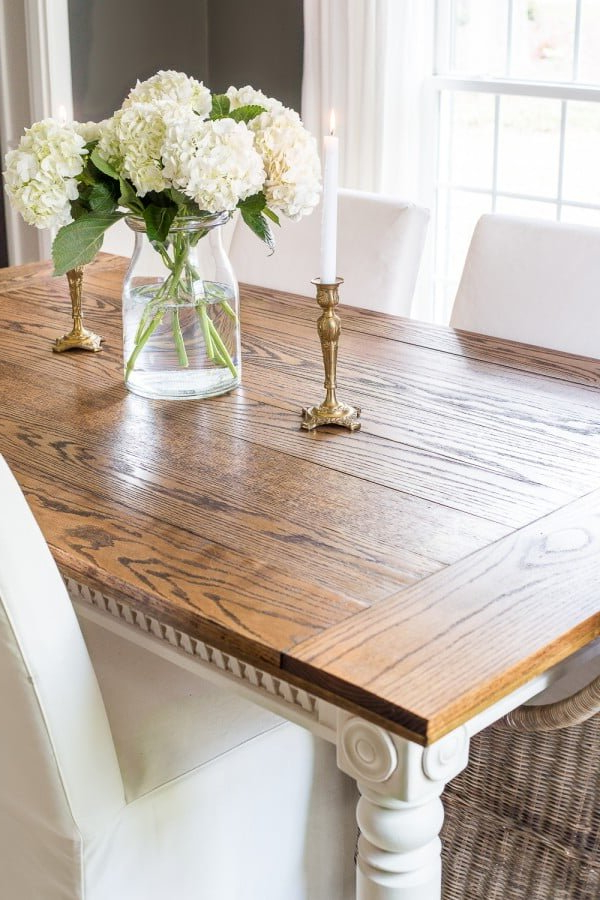
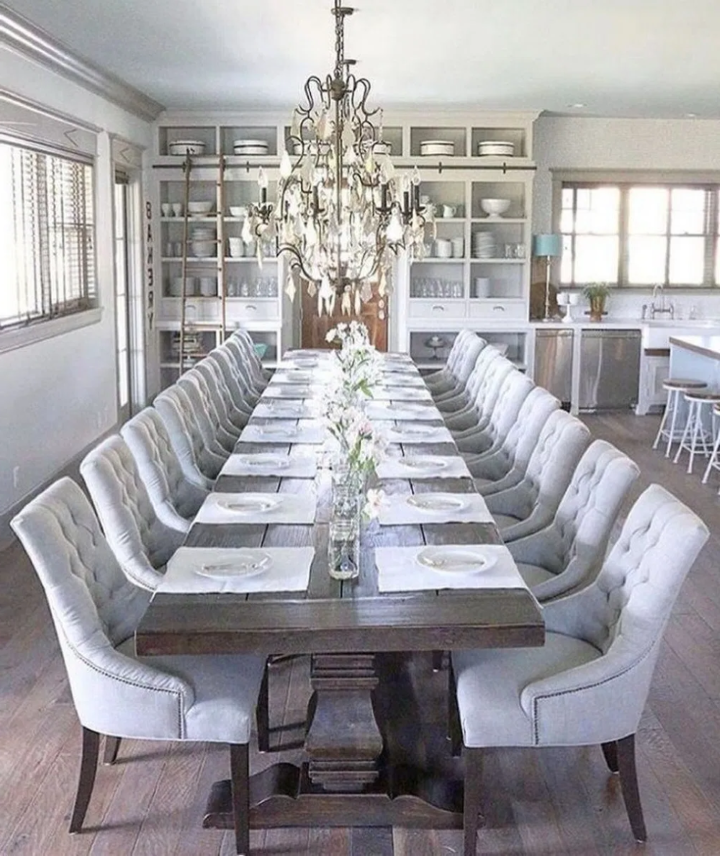
For those wanting to add some character, try mixing different wood tones or adding a contrasting edge banding. This approach keeps costs low while still delivering visual interest. You can easily find plans online for tables that seat four to eight people, making them versatile for various family sizes.
What makes these projects so appealing is how they can be customized. Want a table that fits perfectly in a narrow hallway? Choose a narrow design. Need something that can accommodate guests? Go with a wider base. The possibilities are endless when you’re building your own.
Transforming Small Spaces: Compact Table Designs
Small dining rooms don’t have to mean small dining experiences. In fact, clever table designs can actually make tiny spaces feel larger and more inviting.
One popular approach is the extendable table that can be folded away when not in use. This type of table often features a hidden leaf mechanism that expands the surface area when needed. Many homeowners love this solution because it provides flexibility without sacrificing precious floor space.
Another option is the corner table that utilizes otherwise wasted space. These tables often feature L-shaped designs or curved edges that fit snugly against walls. They’re particularly effective in apartments or homes with irregular room shapes.
When working with limited space, consider multi-functional furniture. A table that doubles as a work surface or storage unit can be incredibly practical. Look for designs that incorporate drawers or shelves built right into the table structure. This approach maximizes utility while maintaining the aesthetic appeal of a traditional dining table.
The secret to successful small-space tables is thinking vertically. Incorporate height variations through different table top thicknesses or by adding decorative elements that draw the eye upward.
Modern Minimalist: Clean Lines and Contemporary Appeal
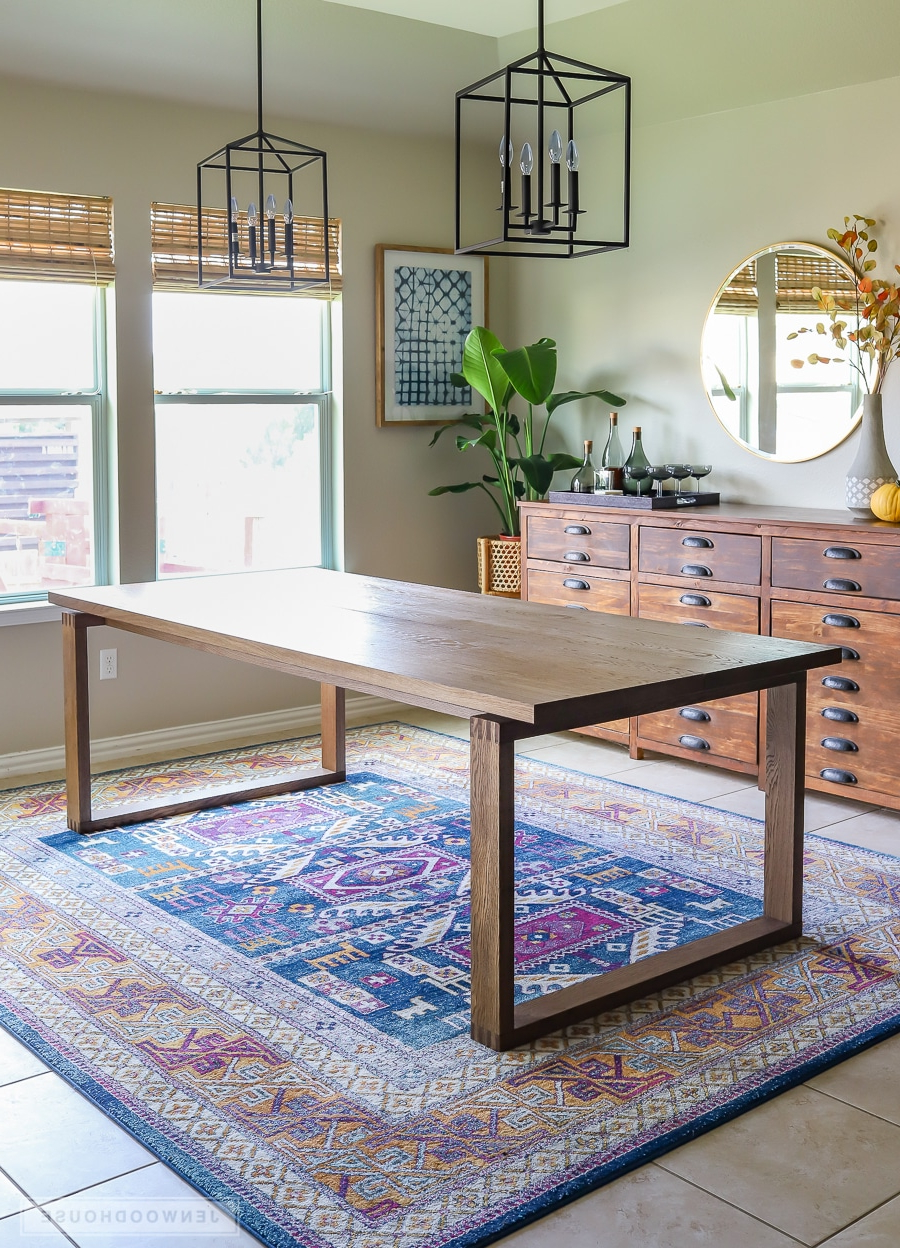
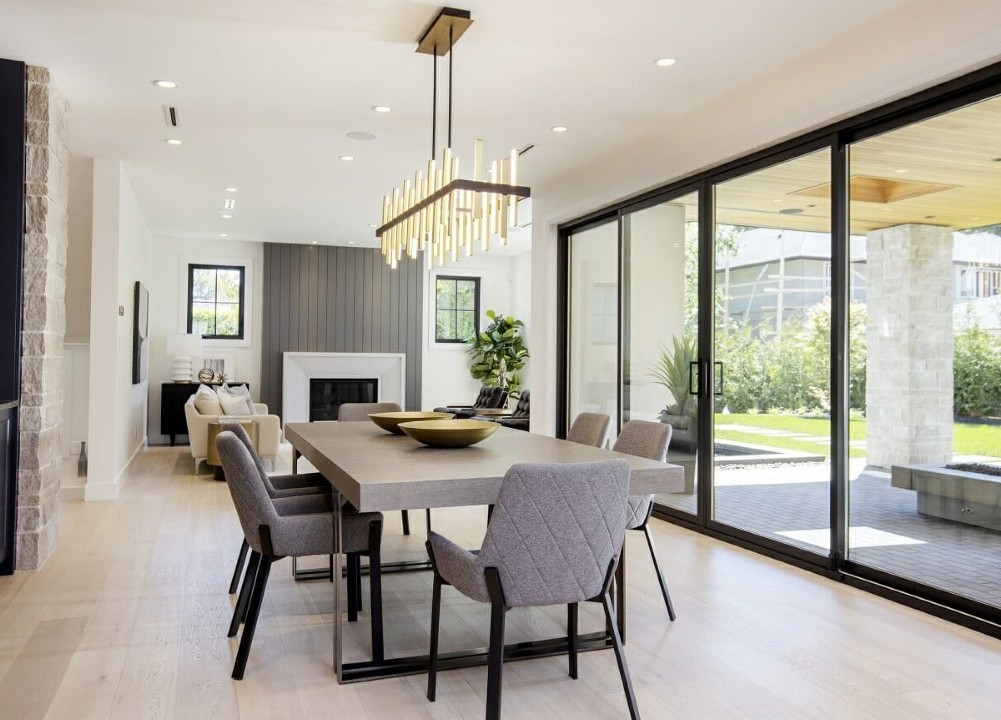
Contemporary dining tables have become increasingly popular for their clean lines and uncluttered appearance. These tables often feature geometric shapes, smooth surfaces, and a focus on functionality over ornamental details.
A typical minimalist table might use metal legs with a glass or concrete top. The beauty of this design lies in its simplicity – there’s nothing to distract from the food or conversation. These tables work especially well in modern kitchens or open-concept living spaces where you want to maintain visual continuity.
For those who prefer wood but still want a contemporary look, consider tables with flat tops and thin profile legs. The contrast between the natural wood grain and sleek metal hardware creates an interesting visual tension. You can achieve this effect using materials like brushed aluminum or matte black steel.
These tables are also great for people who don’t want to deal with the maintenance that comes with more intricate designs. Simple surfaces are easier to clean and maintain, making them practical choices for busy families or those who entertain frequently. Plus, they tend to age gracefully, remaining stylish for many years.
Rustic Charm: Reclaimed Wood and Natural Elements
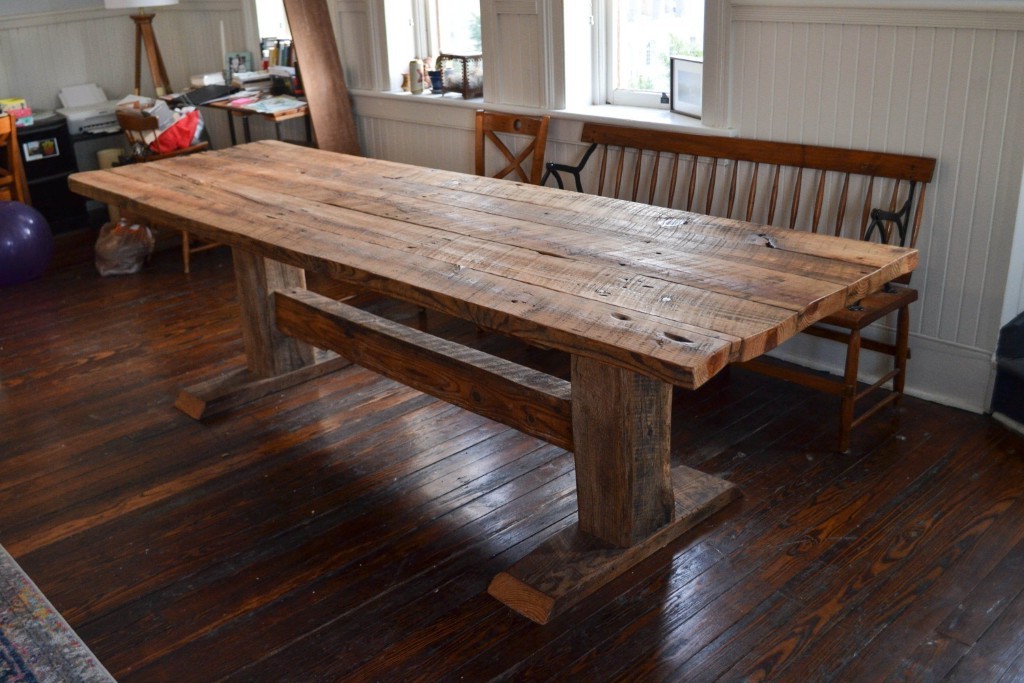
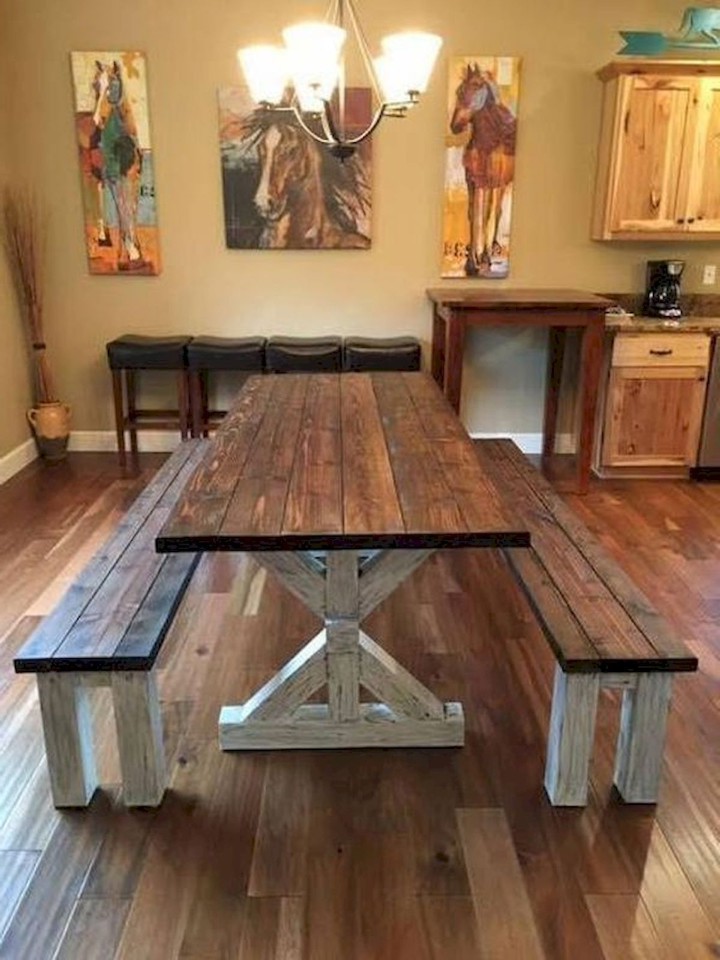
There’s something deeply satisfying about bringing nature into your home through furniture. Rustic dining tables made from reclaimed wood offer warmth and character that mass-produced alternatives simply cannot match.
Reclaimed wood tables tell stories. Each plank has its own history, showing signs of previous life that add authenticity to your dining experience. The weathered look becomes part of the charm, with knots and imperfections that speak to the wood’s origins.
Building with reclaimed materials also supports sustainability efforts. Instead of contributing to deforestation, you’re giving new life to existing resources. Many local salvage yards and construction sites offer reclaimed wood at reasonable prices.
The key to successful rustic tables is balancing the raw elements with thoughtful construction. While you want to preserve the natural character of the wood, you also need to ensure structural integrity. This means paying attention to joinery methods and using appropriate hardware that complements rather than overwhelms the wood’s natural beauty.
Consider incorporating natural elements beyond just wood. Stone accents, metal brackets, or woven textiles can enhance the rustic theme while providing additional functionality. These touches make the space feel lived-in and comfortable.
Creative Upcycling: Repurposing Old Furniture
Upcycling is becoming more than just a trend – it’s a practical approach to reducing waste while creating something beautiful. Repurposing old furniture for new dining table projects offers both environmental benefits and unique design opportunities.
One popular method involves taking an old door and turning it into a table top. This approach requires minimal tools and can produce stunning results. The door’s natural texture and grain provide an authentic look that’s hard to replicate with new materials.
Another creative approach uses vintage dressers or chests as table bases. By removing the drawers and adding appropriate legs, you can create a table that combines function with nostalgic appeal. These projects often involve some sanding and refinishing, but the end result is usually worth the effort.
The key to successful upcycling projects is understanding the original piece’s strengths and weaknesses. What makes the item valuable? Is it the wood quality, the hardware, or perhaps the overall shape? Once you identify these elements, you can decide how best to highlight them in your new design.
Remember that imperfections can become assets. A slightly warped board might add character to a rustic table, while a few scratches can tell a story about the piece’s journey. Embrace these characteristics rather than trying to hide them.
Budget-Friendly Tips and Tricks
Building your own dining table doesn’t have to cost a fortune. With smart planning and a few helpful strategies, you can create something impressive without breaking your budget.
Start by shopping sales and outlet stores for materials. Many lumber yards offer discount lumber, and hardware stores often have clearance items that are perfect for table construction. Timing your purchases during seasonal sales can save significant amounts of money.
Consider alternative materials that are less expensive but still effective. Particle board or MDF can work well for table tops if you’re careful about finishing and protection. These materials are much cheaper than solid wood but can still provide a professional-looking result.
Another money-saving approach is to build during off-seasons when demand is lower. Many suppliers offer better prices during slower months, and you might find more availability for custom orders.
Don’t overlook the value of borrowed tools. Many people have power tools that they’d be happy to lend for a project. This approach can save you the cost of purchasing specialized equipment that you might only use once.
Finally, remember that quality materials often pay off in the long run. While a cheaper table might seem attractive initially, investing in good lumber and hardware typically results in a more durable and beautiful final product.
Safety Considerations and Best Practices
While building your own table can be a rewarding experience, safety should always be your top priority. Following proper procedures ensures not only your wellbeing but also the longevity of your finished project.
Always wear appropriate protective gear when cutting or sanding materials. Safety glasses, dust masks, and work gloves protect you from harmful particles and sharp edges. Never rush through safety steps – they exist for a reason.
Proper measurement and preparation are crucial. Double-check all dimensions before cutting any material. Even small errors can lead to major problems later in the assembly process. Take your time with layout and marking to avoid costly mistakes.
Structural integrity matters more than anything else. Ensure that all joints are properly reinforced and that the table can support the intended weight load. Test your design with weights before finalizing the project. If possible, consult with experienced builders or professionals if you’re unsure about structural aspects.
Maintain a clean workspace throughout the project. Clutter increases the risk of accidents and can interfere with precise work. Keep tools organized and materials properly stored to avoid damage or injury.
Finally, consider the environment where the table will be placed. Will it be in a high-traffic area? Does it need to withstand daily wear and tear? Answering these questions helps determine the appropriate materials and construction methods for your specific needs.
Creating your own dining room table is more than just a home improvement project – it’s an opportunity to express creativity and build something that truly belongs to your space. Whether you choose a simple wooden design, a modern minimalist piece, or something more adventurous like upcycled furniture, the satisfaction of building your own table is unmatched.
The key to success lies in starting with realistic expectations and choosing a project that matches your skill level and available time. Don’t be afraid to experiment with different materials or techniques, but also know when to seek help or advice. Every builder learns through experience, and even small projects can teach valuable lessons.
Remember that your table will be a daily companion, so take the time to make it something you’ll enjoy using for years to come. The investment of time and effort pays off not just in the final product, but in the joy of having created something special for your home. With these ideas and approaches, you’re well-equipped to transform any dining space into a beautiful, functional area that reflects your personal style.