Think about the last time you sat down for dinner. What shape was your table? Did you feel connected to your family members? Or did the arrangement make conversations feel strained? It’s easy to overlook something so fundamental, but the shape of your dining table actually plays a significant role in how you eat together, communicate, and bond as a family.
We all know that eating together as a family is good for everyone involved. But have you ever considered how the physical space around you affects those interactions? When we think about dining room design, we often focus on aesthetics or functionality, but the shape of our dining tables can profoundly impact the psychological dynamics of our meals. Whether you’re planning a new dining set or trying to figure out why your family conversations seem to die during dinner, understanding table shapes might just be the missing piece of the puzzle. From round tables that encourage open dialogue to rectangular ones that promote focused discussions, each form carries its own energy and social implications. This isn’t just about looks—it’s about creating environments where people want to share stories, connect emotionally, and enjoy their food together.
Round Tables: The Circle of Connection
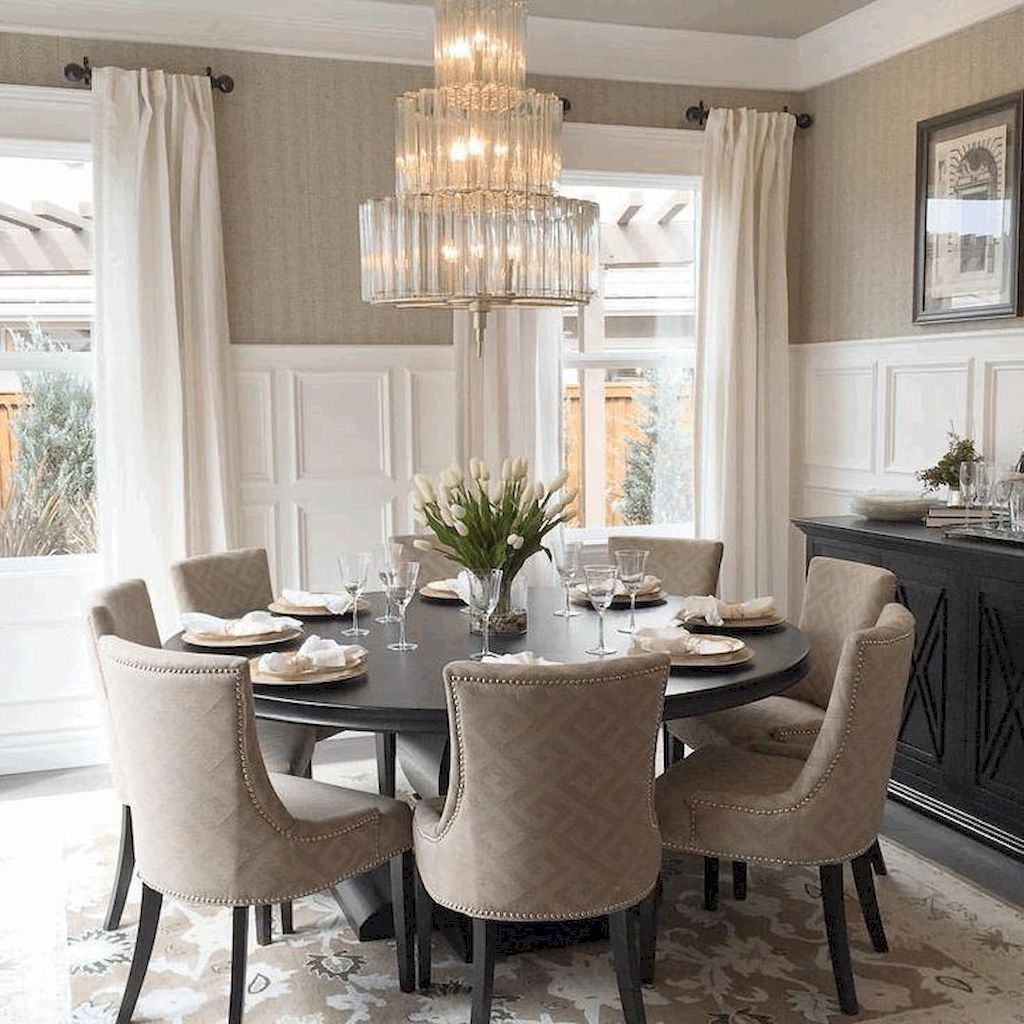
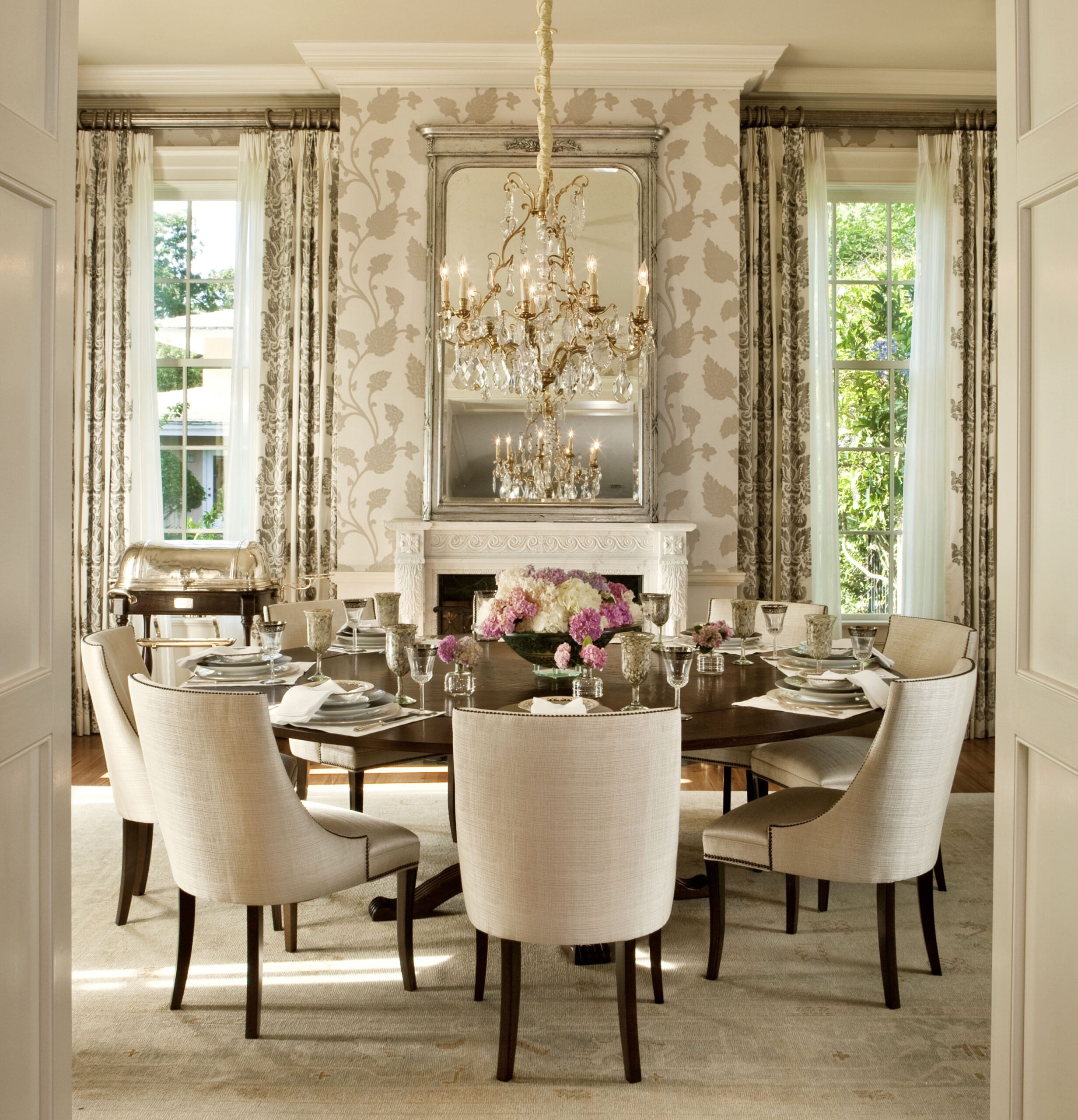
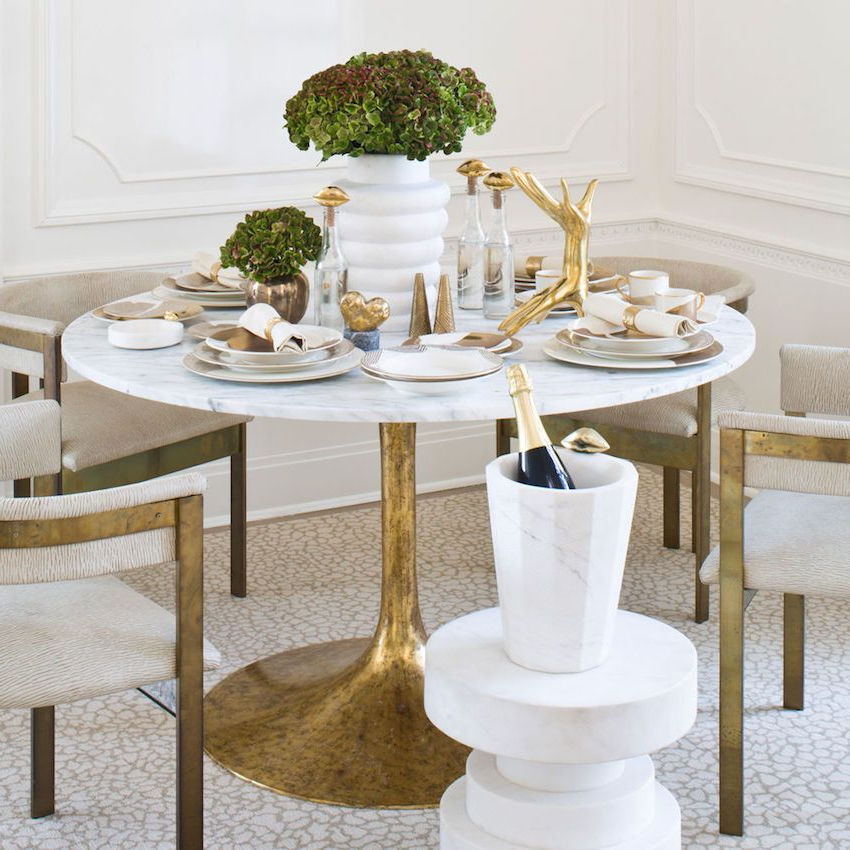
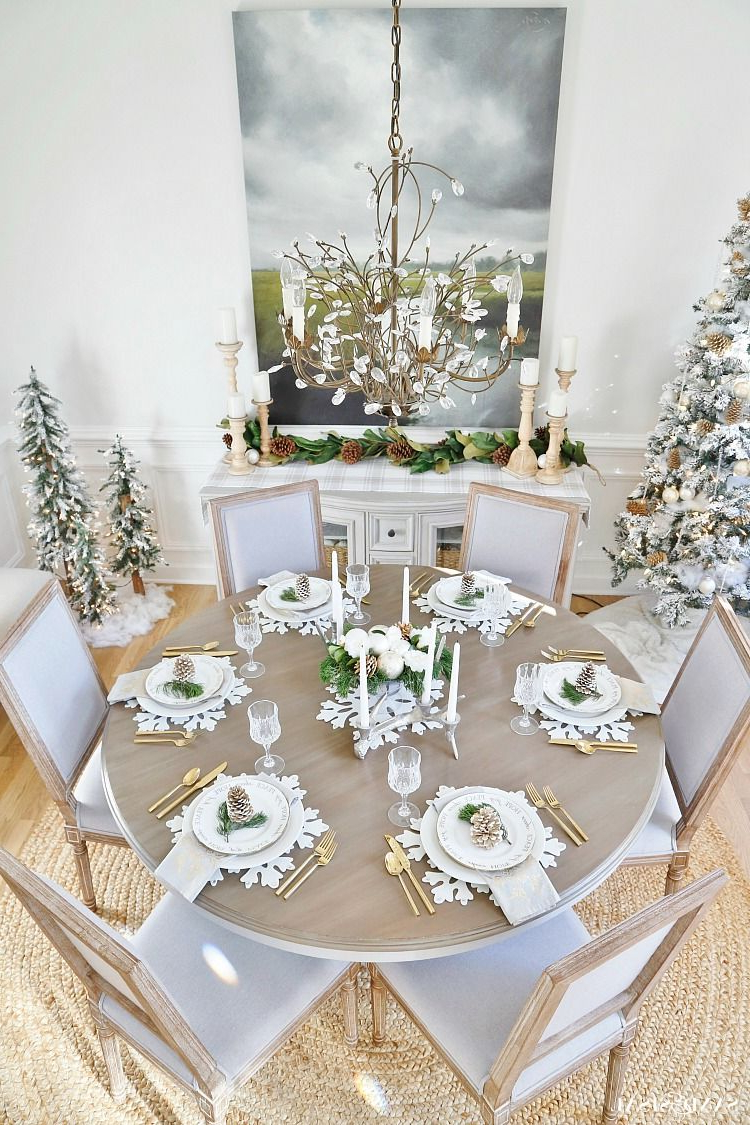
Round tables are often called the most social shape for a reason. They eliminate the concept of ‘head’ or ‘tail’ of the table, which means everyone sits equidistant from one another. This creates a sense of equality and openness that naturally encourages conversation. In psychology terms, this arrangement reduces power dynamics that might otherwise dominate group interactions. Picture a family gathering where everyone can see each other’s faces easily. There’s no one person sitting away from the group, no one feeling excluded. It’s like having a circle of trust where every voice matters equally.
Research shows that people tend to speak more freely and engage more deeply when seated in circular arrangements. The absence of a designated host position removes pressure from certain individuals to lead or dominate the conversation. Instead, everyone becomes a participant in the discussion. This makes round tables particularly effective for families with children, as kids feel less intimidated by adults and more comfortable sharing their thoughts.
A study conducted by the Institute for Social Psychology found that families using round tables reported 40% more positive communication during meals compared to those with rectangular tables. The visual connection seems to break down barriers, literally and figuratively. When everyone can see each other’s expressions and gestures, empathy increases, and misunderstandings become less likely. This is especially important for families dealing with sensitive topics or those looking to strengthen bonds.
Rectangular Tables: The Structure of Conversation
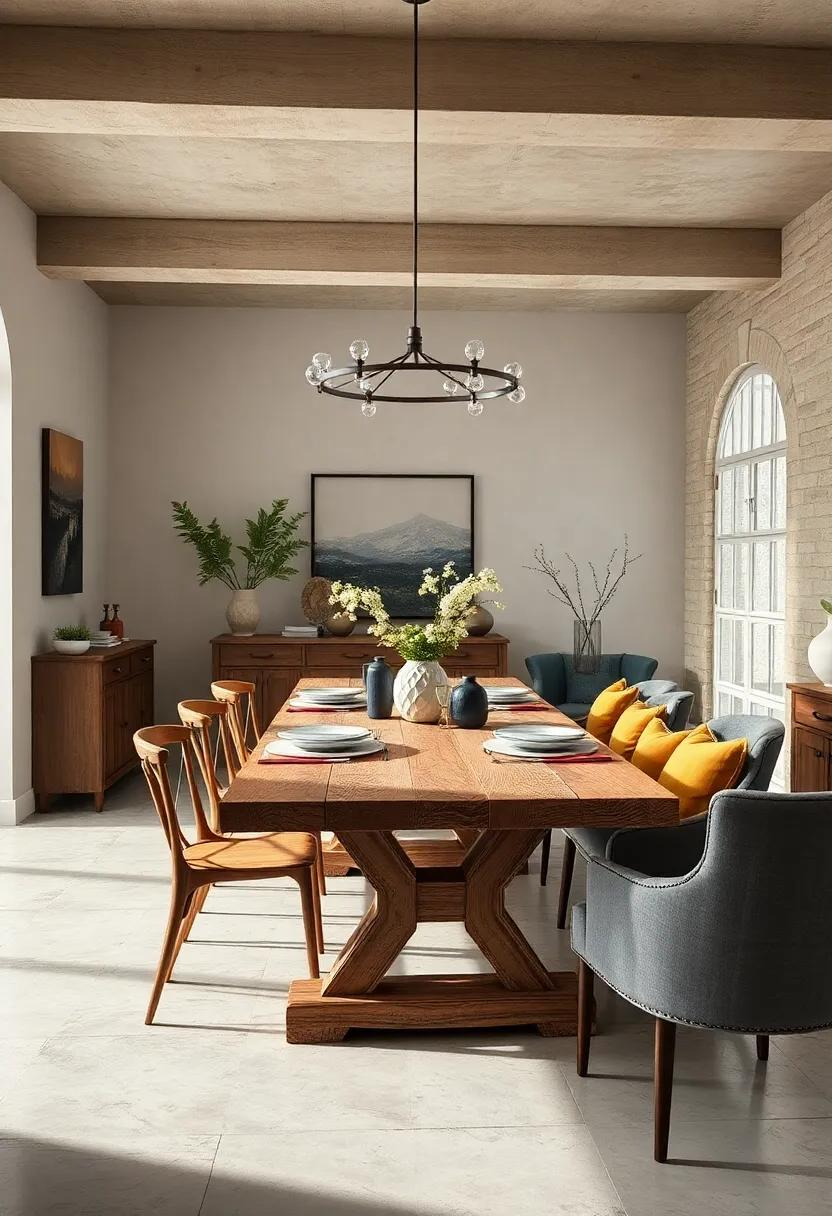
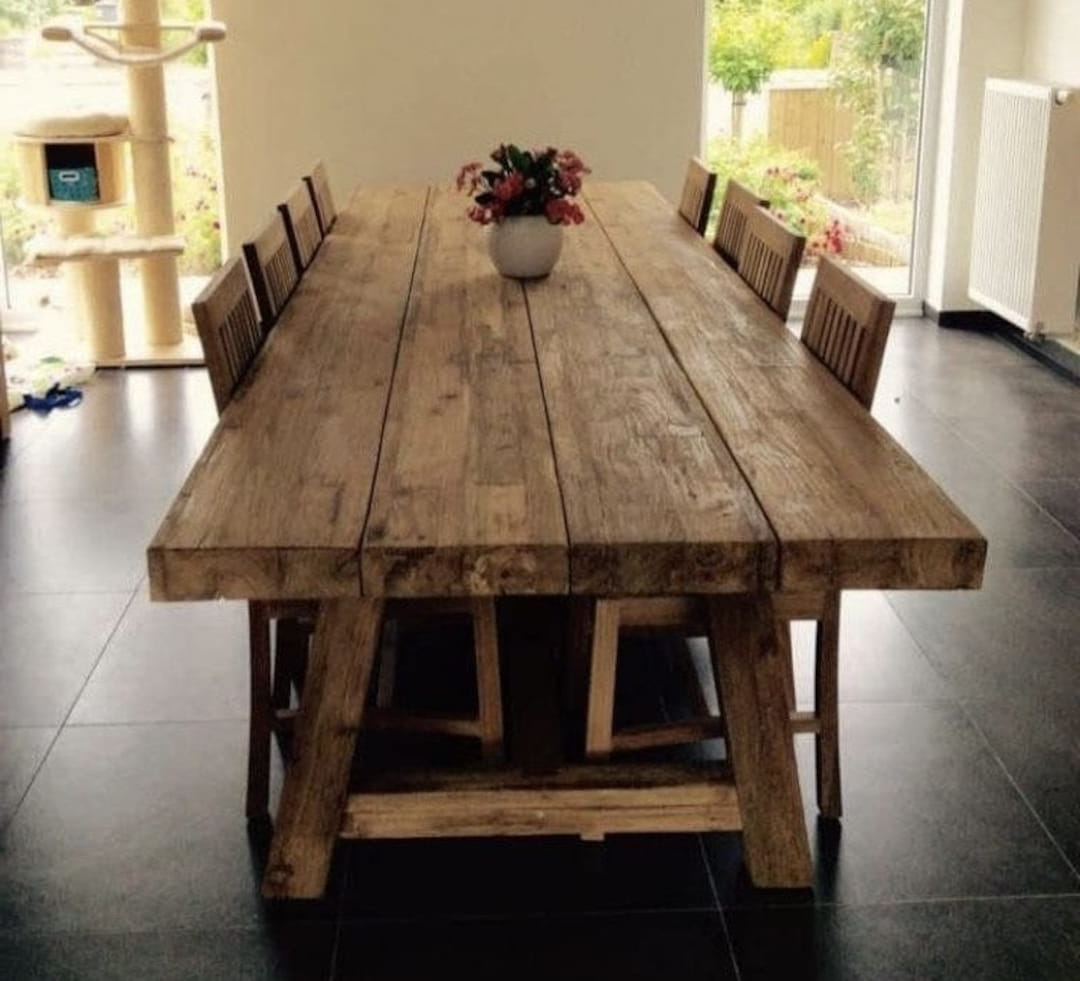
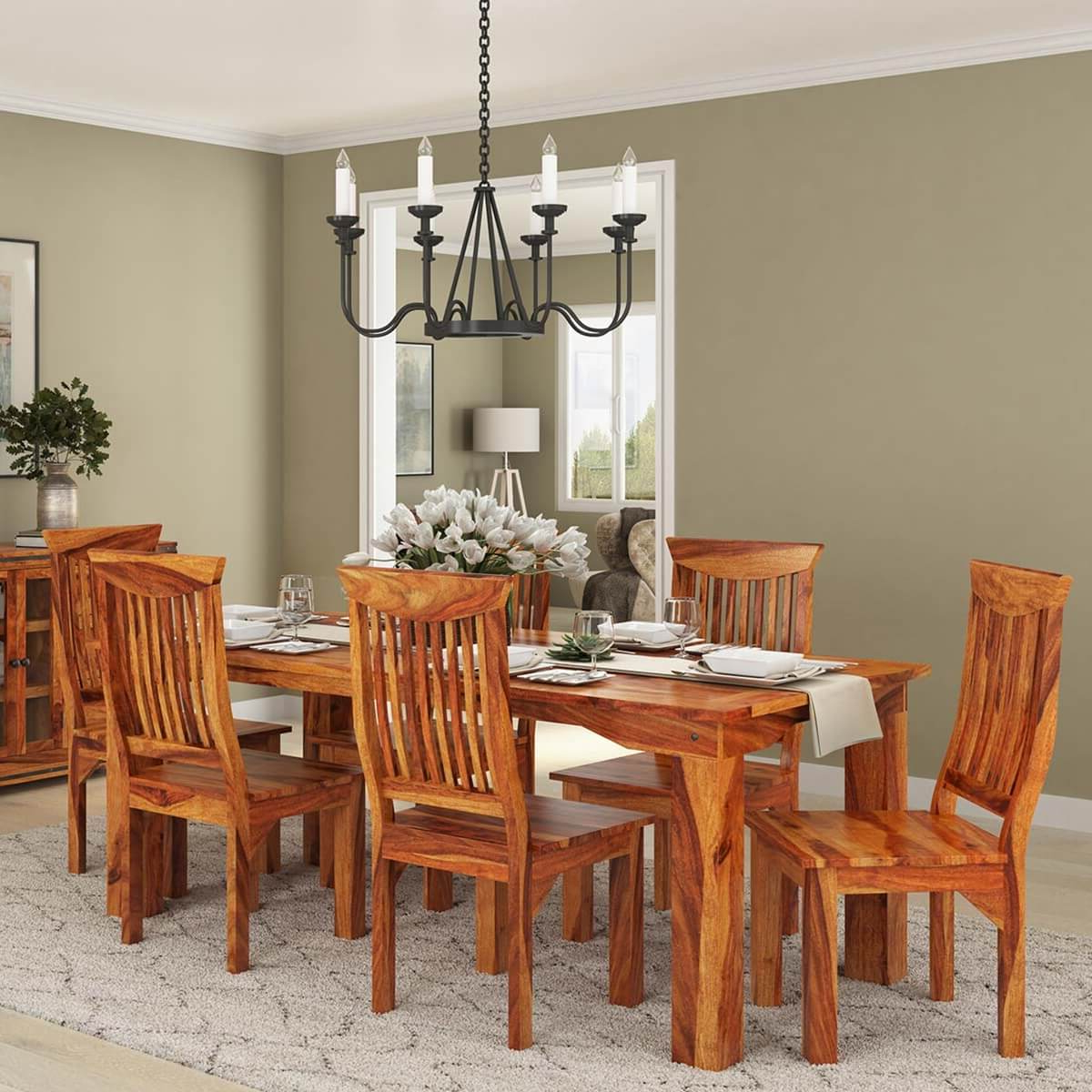
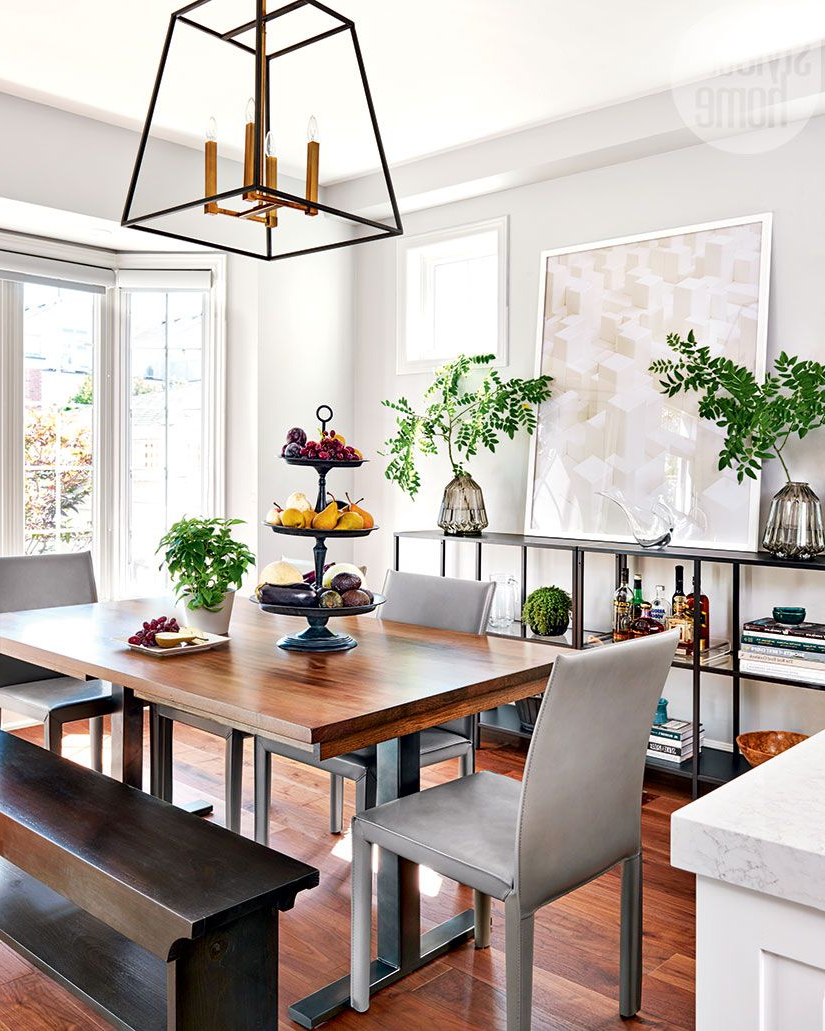
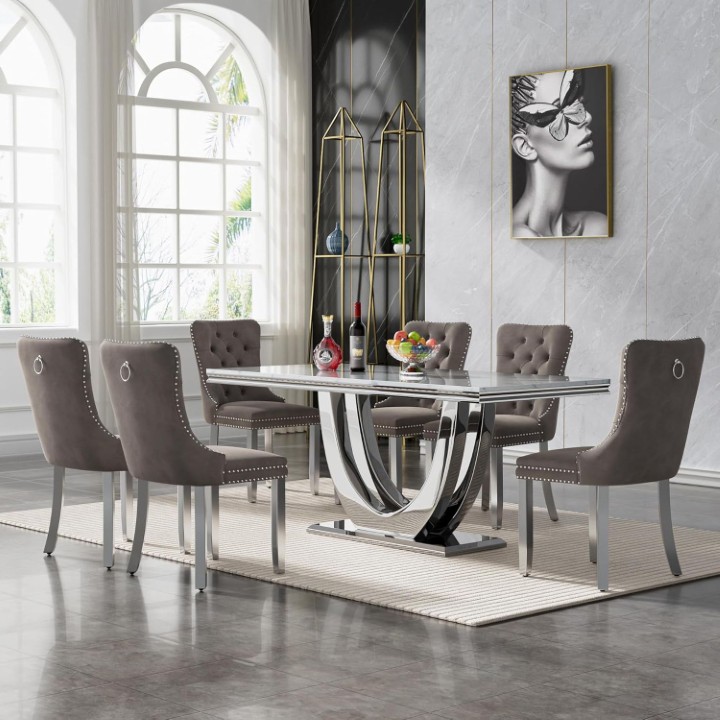
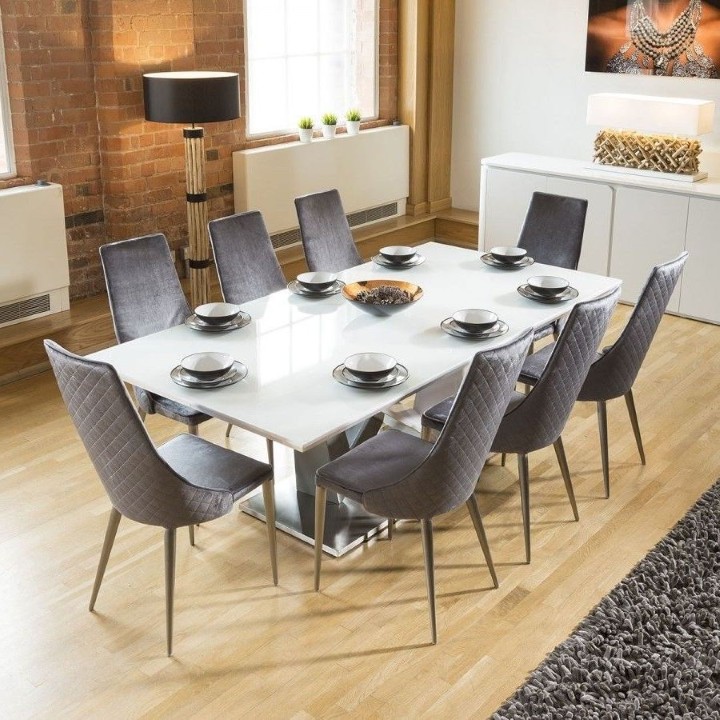
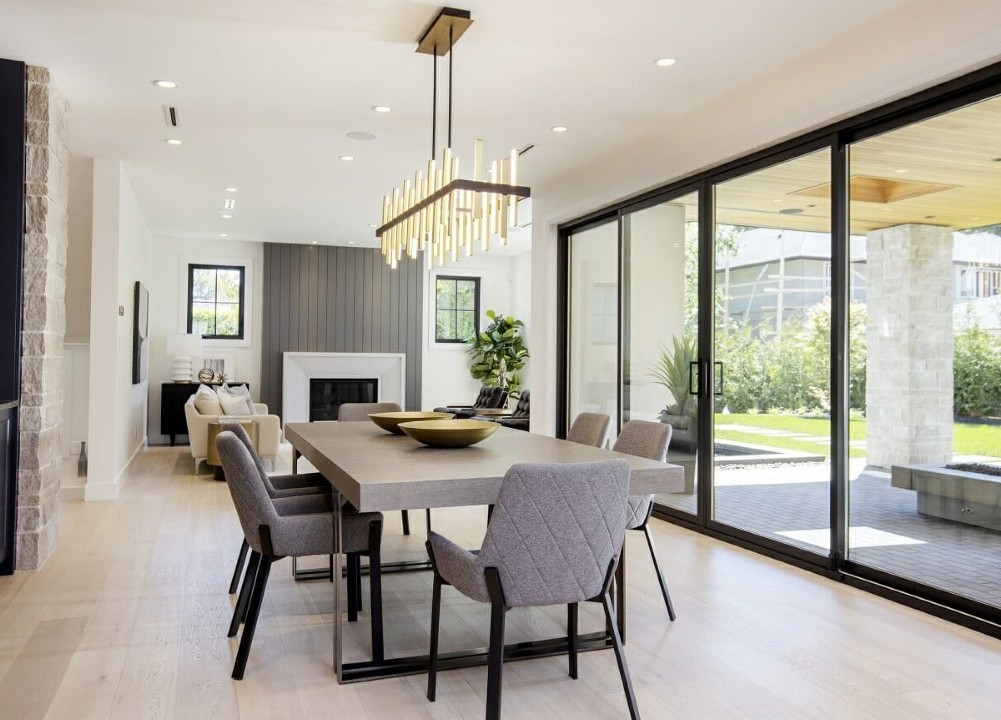
Rectangular tables bring a different energy to the dining experience. These tables naturally create a sense of hierarchy, with one end typically designated as the head of the table. While this might sound limiting, it actually offers its own advantages. The straight lines and defined positions can provide a sense of order and structure, which many families appreciate.
This shape works well for households that value formal dinners or have older children who benefit from more structured environments. The rectangular table allows for better organization of dishes and utensils, and it’s often easier to accommodate guests with varying needs. Plus, it gives parents a clear spot to oversee the meal, which can be comforting for those with young children.
Psychologically, rectangular tables may foster more directed conversation. People often gravitate toward the head of the table, which can lead to more organized discussions and better decision-making during meals. However, this structure also requires more intentional effort to ensure all participants feel included. Without conscious attention to seating arrangements, some people might feel left out or marginalized.
The key to success with rectangular tables lies in how you arrange seating. Placing people across from each other rather than directly opposite can help maintain eye contact and create a more intimate atmosphere. Some families even rotate seats weekly to prevent anyone from feeling consistently positioned at the ‘wrong’ end of the table.
Square Tables: The Balanced Middle Ground
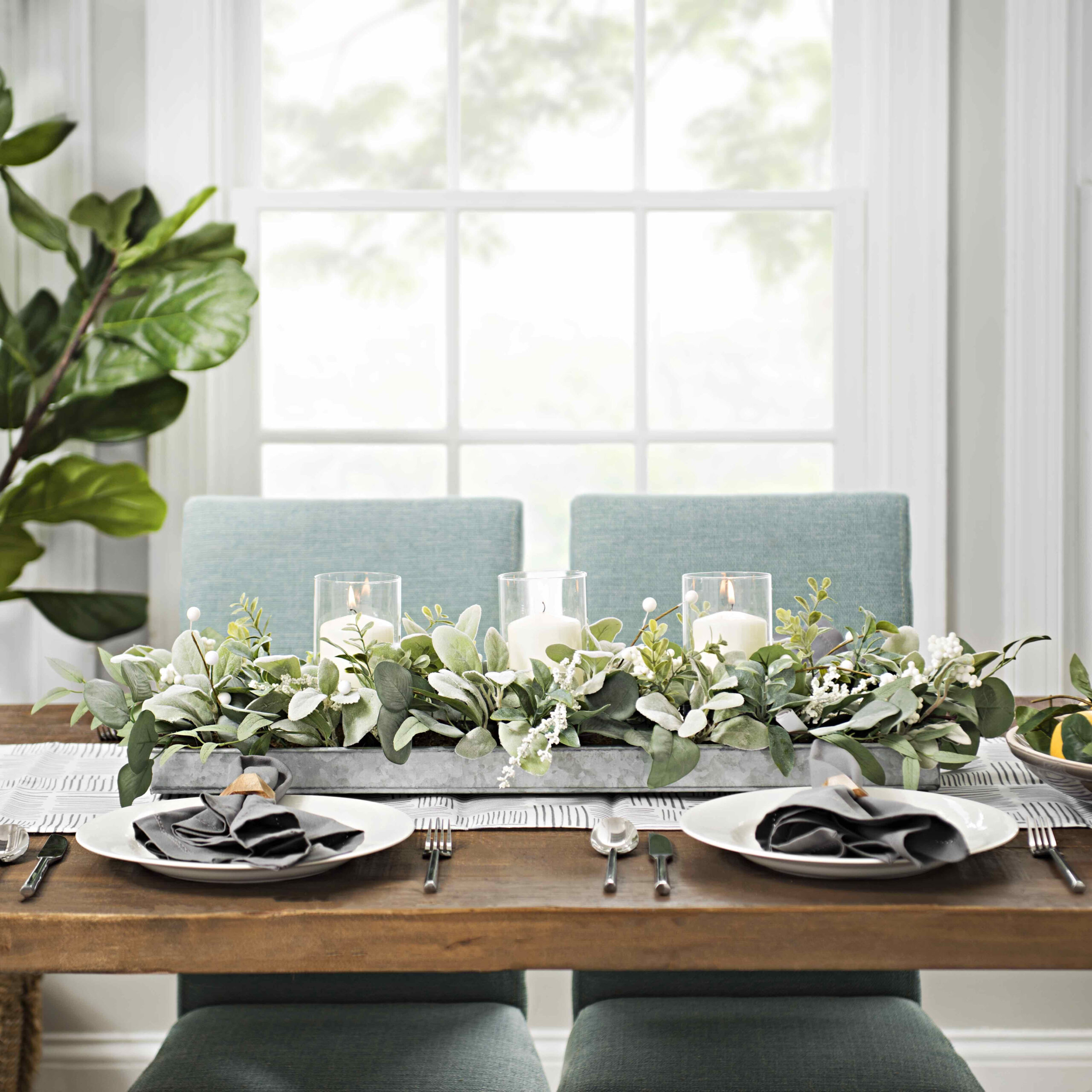
Square tables represent a compromise between round and rectangular shapes. They offer many of the benefits of both forms while avoiding some of their drawbacks. With four equal sides, square tables allow for a moderate level of inclusivity and visual connection without the strict hierarchy of rectangles or the complete egalitarianism of circles.
The geometry of square tables creates a unique dynamic where people can see each other’s faces while still maintaining some sense of direction. This balance makes them ideal for families who want connection but also appreciate a bit of structure. They work particularly well in smaller homes where space is limited, as they take up less room than larger rectangular tables.
From a psychological standpoint, square tables tend to promote balanced participation. No one person dominates the conversation, yet there’s enough definition to keep things organized. This makes them excellent for families with multiple generations, where different age groups might prefer different levels of interaction. Grandparents might enjoy the more traditional feel, while younger family members appreciate the modern appeal.
A common issue with square tables is that they can sometimes create awkward angles for conversation. To overcome this, families often adjust their seating arrangements or add decorative elements like centerpieces to draw attention to the center of the table, encouraging more natural interaction.
Oval Tables: The Elegant Compromise
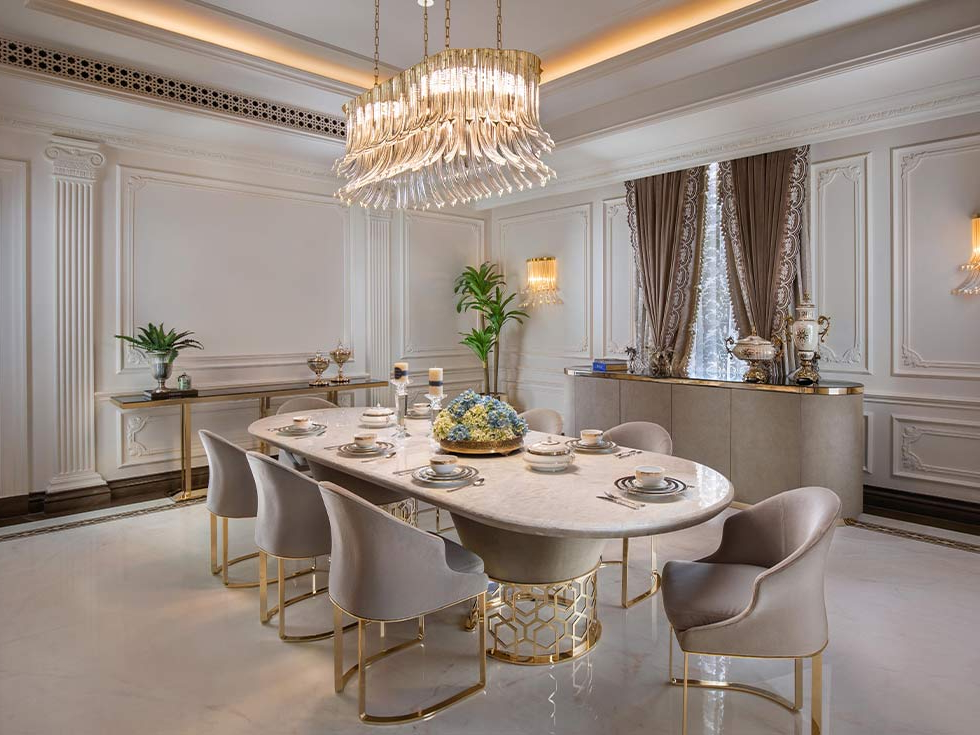
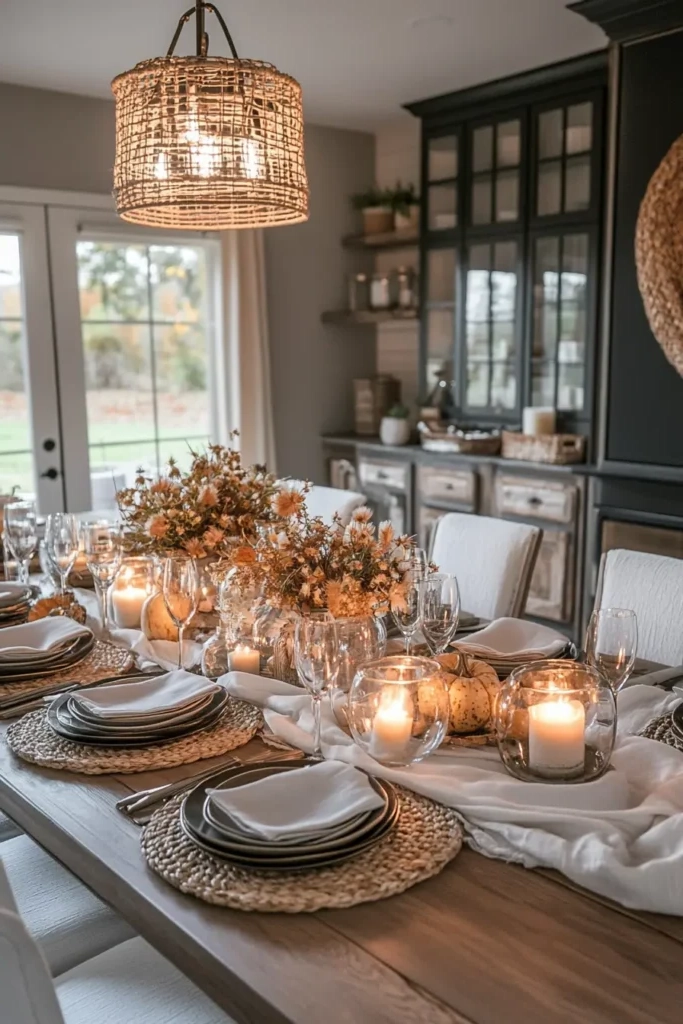
Oval tables combine the best aspects of round and rectangular designs. They offer the social benefits of circles while maintaining some of the directional structure that rectangular tables provide. This hybrid shape creates a gentle curve that still allows for clear positioning without being too rigid.
The oval shape naturally draws people toward the center, promoting interaction while still allowing for some distinction between head and foot of the table. This subtle distinction helps maintain a sense of community without overwhelming the desire for personal space. Many people find oval tables to be the most versatile option for various family situations.
In terms of psychology, oval tables create a welcoming environment that feels both intimate and spacious. They’re particularly popular among families who entertain frequently because they can comfortably accommodate more guests while still keeping the conversation flowing naturally. The curved edges reduce the feeling of being boxed in, which can make people feel more relaxed and open to sharing.
The versatility of oval tables also means they can adapt to different seating arrangements. Families might place chairs along the longer sides for casual meals or rearrange them for more formal occasions. This flexibility supports changing family needs over time, whether that’s accommodating growing children or aging parents.
Irregular Shapes: Creative Freedom and Unique Dynamics
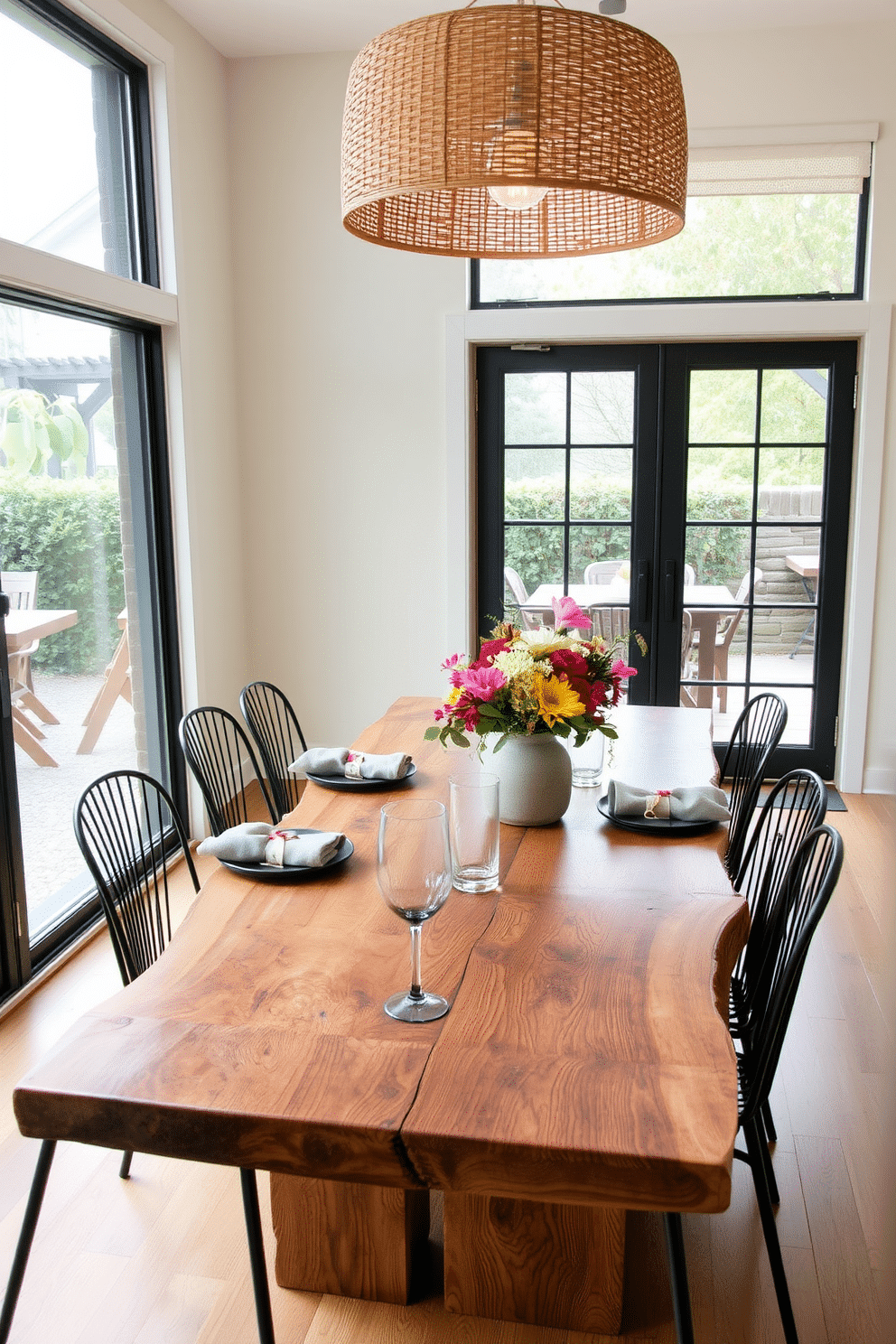
Not every family needs to stick with traditional shapes. Irregular or custom-designed tables can bring unique psychological benefits that perfectly match a family’s personality and lifestyle. These unconventional shapes often spark creativity and conversation, making them ideal for artistic or intellectually curious families.
An asymmetrical table might encourage people to sit in unexpected ways, breaking routine and forcing new social interactions. This can be especially beneficial for families with teenagers who might otherwise avoid the dinner table altogether. When the usual seating arrangements are disrupted, everyone is forced to engage differently, which can lead to surprising connections.
The key to successful irregular tables is ensuring they still facilitate good conversation. While they might look unusual, they should still allow people to see each other’s faces clearly and maintain comfortable distances. Some families choose to add elements like floating islands or removable sections to create more flexible seating options.
These tables often become conversation starters themselves. Guests might comment on the design, leading to discussions about art, architecture, or personal preferences. This added layer of engagement can transform a simple meal into a memorable social event.
Practical Considerations and Making the Right Choice
Choosing the right table shape isn’t just about psychology—it’s also about practicality. Here are some key factors to consider:
• Family size and composition
• Available space in your dining area
• Frequency of entertaining
• Age range of family members
• Personal preferences and lifestyle
Consider how many people regularly dine together and how often you entertain. A large family might need the space of a rectangular table, while a small couple might prefer the intimacy of a round one. Think about whether you want to accommodate guests easily or maintain a more private family atmosphere.
For families with young children, round tables often work best because they’re less intimidating and encourage participation. Older children and teens might prefer the structure of rectangular tables, which can help them feel more grown-up during meals.
Don’t forget to consider the flow of traffic in your dining room. You’ll want enough space around the table for people to move comfortably. Also, think about lighting and how it will affect visibility during meals.
Ultimately, the best table shape is one that supports your family’s natural rhythms and encourages the kind of interactions you want to have during meals. It might take some experimentation, but once you find the right fit, you’ll notice a difference in how your family eats together—and how connected you feel.
The shape of your dining table might seem like a minor detail, but it’s actually a powerful tool for shaping your family’s mealtime experiences. Whether you choose the inclusive circle of a round table, the structured rectangle, or something more unique, each shape carries its own psychological weight. The key is matching the form to your family’s needs and desired interactions. Don’t underestimate the power of a thoughtful table choice to improve communication, strengthen relationships, and make every meal feel more like a celebration. Sometimes the smallest changes can create the biggest impacts. After all, you spend a lot of time around your dining table, so why not make it work for you and your family?