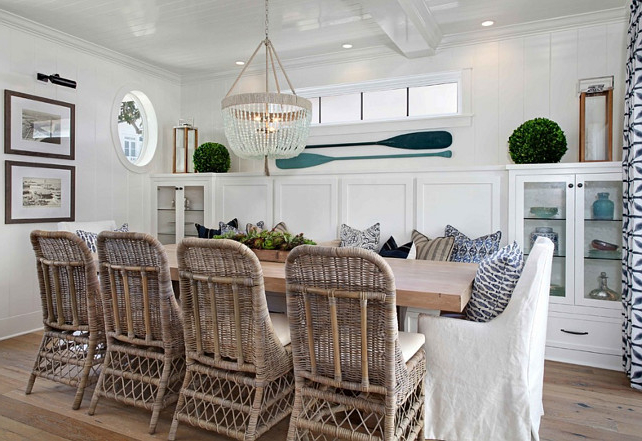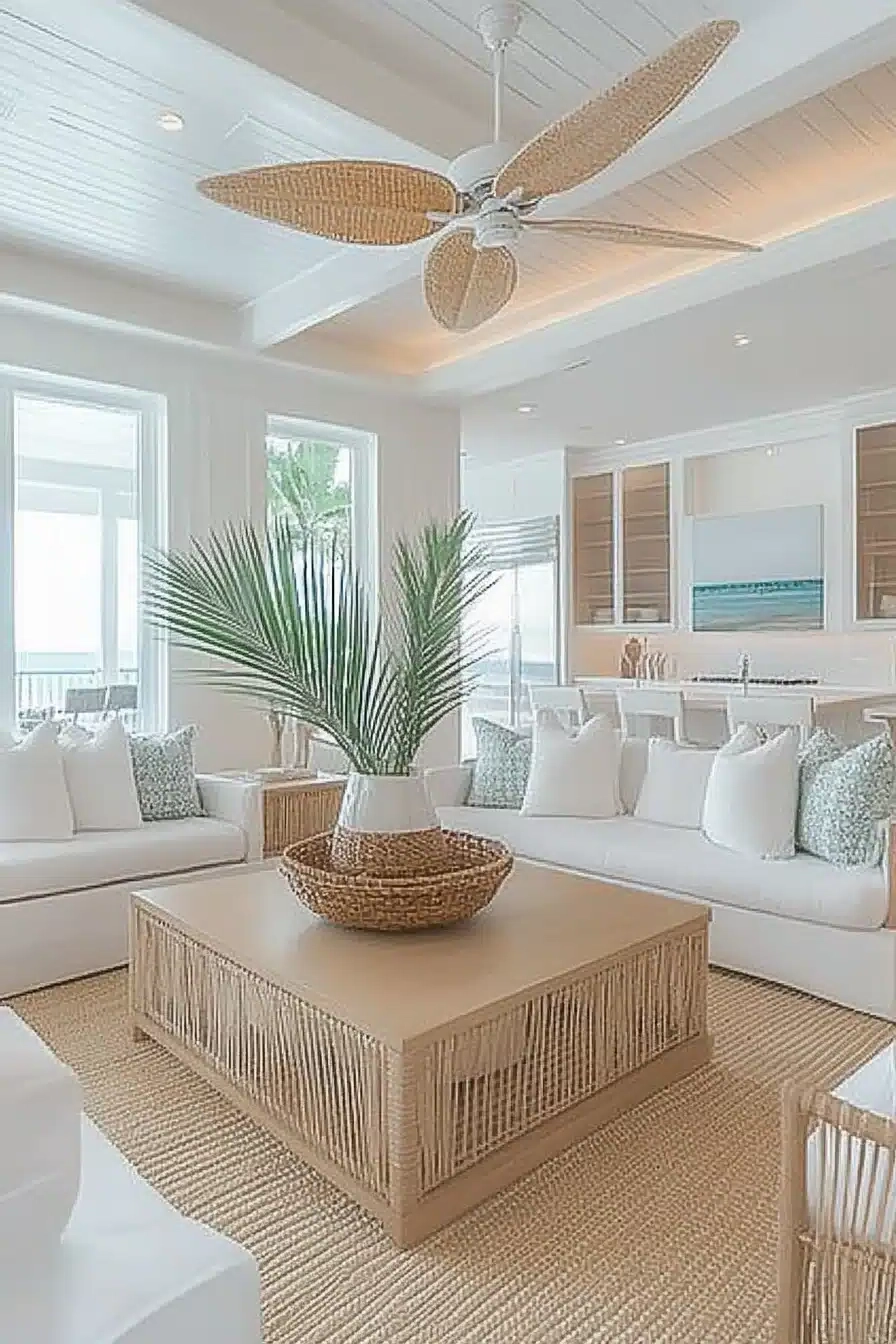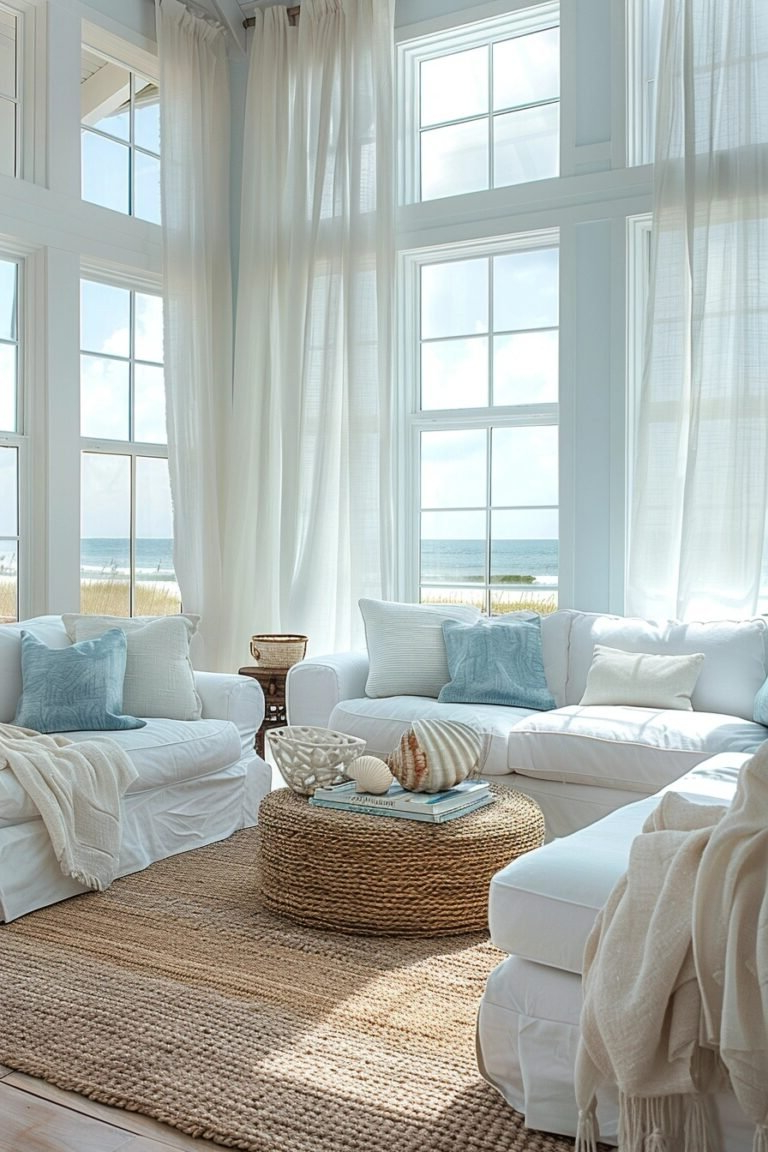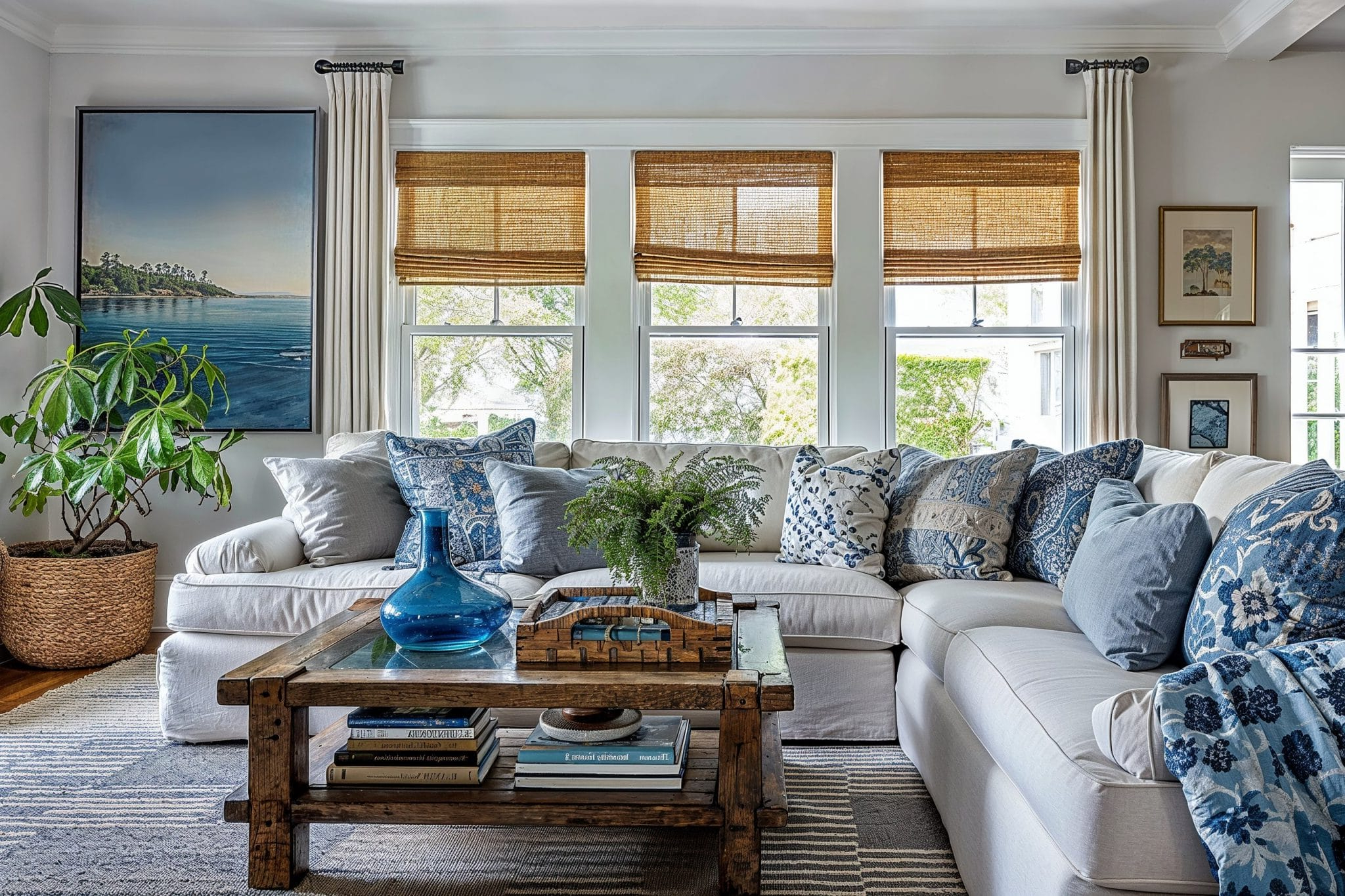
Imagine waking up to the sound of waves, feeling the salt breeze on your face, and looking out at endless ocean views. That’s what a well-designed coastal sanctuary can give you. It’s not just about having a view – it’s about creating a space that feels like a vacation every single day.
Coastal living brings its own unique set of challenges and opportunities. The salty air, constant humidity, and intense sunlight demand materials and colors that can withstand the elements while still creating a serene atmosphere. But here’s the thing – you don’t have to sacrifice style for durability. In fact, there’s a whole world of beautiful options waiting for you. Think about it – how many times have you walked through a beach house and felt instantly relaxed? That’s the magic of good coastal design working in harmony with your surroundings.
The Psychology of Coastal Colors
Color has a profound influence on how we experience space, often shaping our emotions before we consciously register it. In coastal environments, this psychological effect becomes even more powerful because color is constantly interacting with natural elements like sunlight, water, sand, and sky. When interior or exterior spaces near the coast feel especially calming or restorative, it’s rarely accidental. The color palette is usually working in harmony with the surrounding landscape, reinforcing the sense of ease that people naturally associate with seaside living.
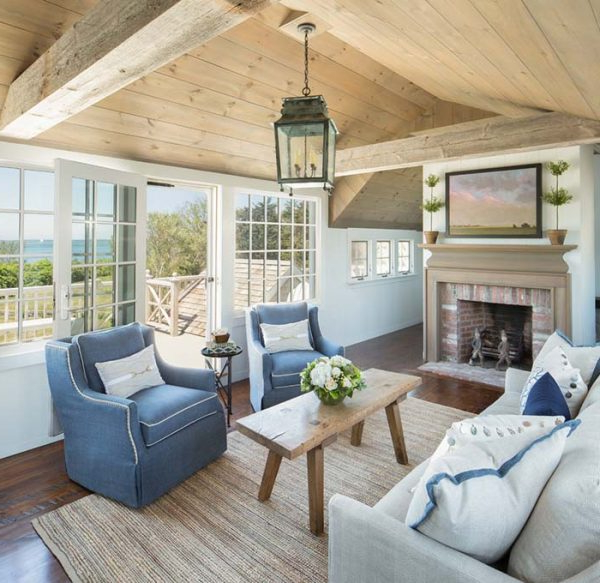
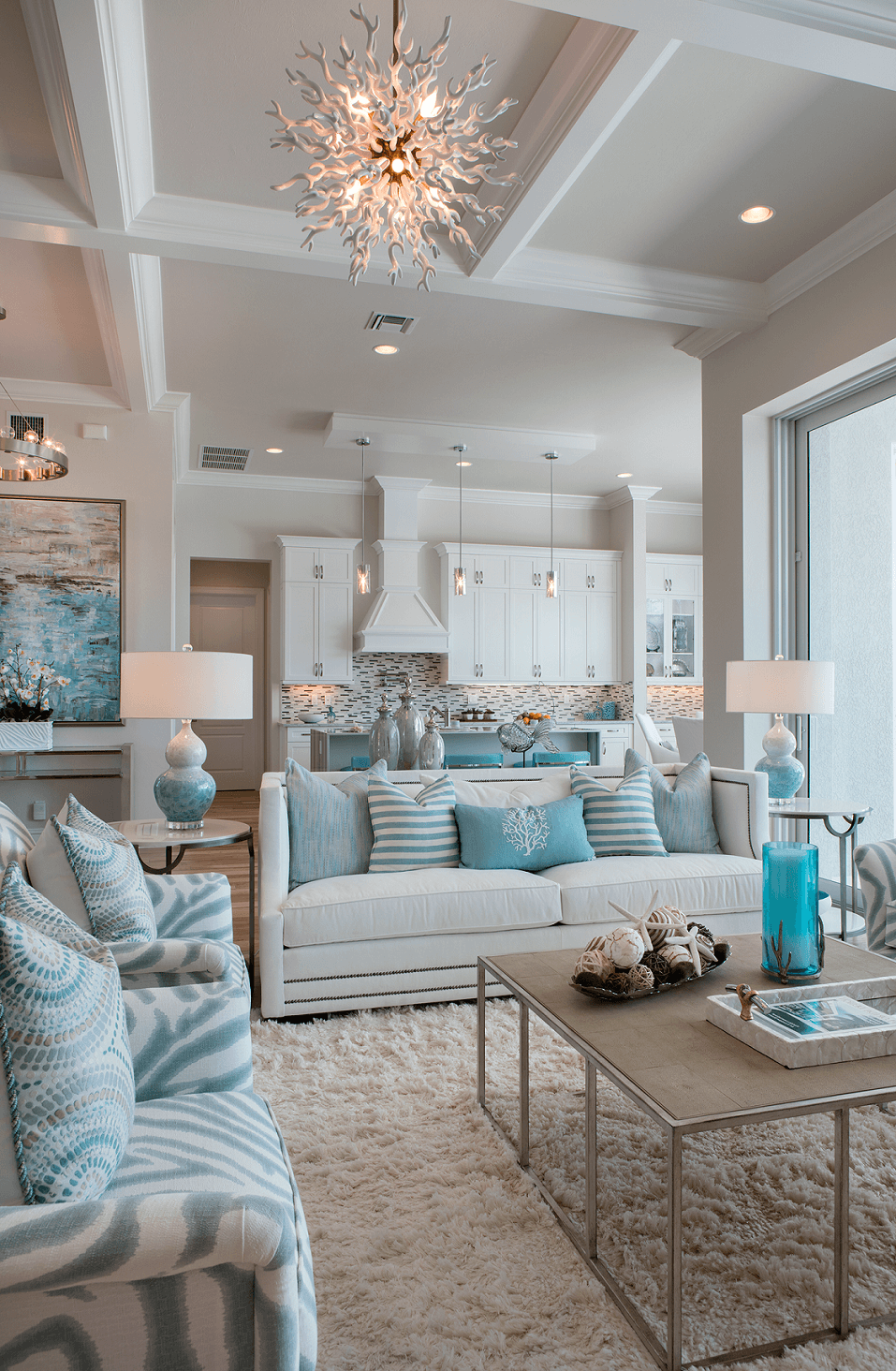
Blues are perhaps the most intuitive choice for coastal design, and for good reason. Studies in color psychology consistently link blue tones to feelings of calm, stability, and mental clarity. Lighter shades, such as sky blue or pale aqua, tend to open up a space, making rooms feel more expansive and breathable. Deeper navy or ocean blues introduce a sense of depth and grounding, echoing the vastness of the sea itself. These hues mirror what we see outdoors, allowing interior spaces to feel like a natural extension of the environment rather than a separate, enclosed area.
Soft White
However, coastal color psychology extends far beyond blue alone. Soft whites play a crucial supporting role by reflecting light and enhancing the airy quality that coastal spaces are known for. White tones inspired by seashells or sun-bleached driftwood feel warmer and more organic than stark, pure white. They help balance cooler blues while maintaining a sense of openness and simplicity. In rooms with abundant natural light, these whites seem to glow, reinforcing the relaxed atmosphere that people seek in beachside homes or resorts.
Sand-Inspired Neutrals
Sand-inspired neutrals also contribute significantly to the coastal experience. Warm beiges, light taupes, and subtle greige shades evoke the feeling of walking barefoot along the shore. Psychologically, these colors create comfort and familiarity, grounding a space so it doesn’t feel overly cool or impersonal. They are particularly effective for flooring, upholstery, or large furniture pieces, where they provide visual stability while still allowing other coastal colors to shine.
Green
Muted greens, inspired by sea grass, coastal plants, or weathered dunes, bring a restorative quality to coastal interiors. Green is closely associated with balance and renewal, and when used in soft, desaturated tones, it reinforces the connection between indoor spaces and the natural world outside. These shades work especially well in bedrooms or relaxation areas, where the goal is to promote rest and recovery.
Natural Light
One of the most overlooked aspects of coastal color psychology is how color interacts with natural light. Near the water, light behaves differently—it reflects, diffuses, and shifts throughout the day. Coastal colors are most effective when they respond to these changes rather than fight them. A room painted in the right shade can feel alive, subtly transforming from morning to evening as sunlight moves across its surfaces. This dynamic quality is what gives certain spaces that “breathing” sensation—an openness that feels both physical and emotional.
Ultimately, the psychology of coastal colors is about harmony. Instead of dominating a space, these hues support a sense of calm, flow, and connection to nature. When thoughtfully chosen, they reduce visual stress, encourage relaxation, and make spaces feel intuitively comfortable. Whether designing a beachfront home or simply bringing coastal influences into an urban setting, these color principles help create environments that feel peaceful, balanced, and deeply human.
Essential Color Palettes for Coastal Living
Let’s talk about the most popular combinations that make coastal spaces feel authentic and inviting:
• Oceanic blues and whites – This classic pairing brings the sea directly into your home. Think deep navy paired with crisp white, or lighter aqua against a clean white backdrop.
• Sandy neutrals – Warm beige, cream, and soft tan tones mimic the texture of beach sand and create a grounded, earthy feel.
• Seaside greens – These range from pale sage to deeper forest tones, bringing a touch of nature indoors.
• Sunset accents – Soft corals, warm oranges, and golden yellows add personality and energy to otherwise neutral spaces.
Each palette tells a different story about your coastal lifestyle. Which one speaks to you most? The key is finding the balance between boldness and subtlety.
Material Selection for Weather Resistance
Here’s where things get practical. You can’t just pick pretty colors and hope for the best. Your materials must handle the harsh conditions that come with coastal living. Salt spray, UV rays, and moisture require special attention. Let’s break this down:
• Natural woods like teak and cedar are excellent choices because they resist rot and insects naturally. They’ll develop a lovely silver-gray patina over time.
• Synthetic materials such as composite decking and vinyl siding offer maintenance-free options that won’t warp or fade easily.
• Stone and tile materials like travertine and ceramic tiles handle moisture well and provide a clean, fresh appearance.
• Metals such as aluminum and stainless steel won’t rust and can handle high humidity environments beautifully.
It’s easy to think that expensive materials are always better, but sometimes the most durable option is simply the right one for your climate and budget.
Texture and Layering for Depth
Great coastal design isn’t just about color and material – it’s about creating layers of interest. Texture adds warmth and visual complexity to spaces that might otherwise feel too stark or uniform. Consider mixing textures like:
• Natural fibers such as jute rugs, sisal mats, and linen curtains
• Wood elements including driftwood accents and reclaimed timber furniture
• Smooth surfaces like glass tables and polished stone countertops
• Soft fabrics in cotton and linen that breathe well in humid conditions
The beauty of coastal design lies in its ability to blend rough and smooth, natural and refined. It’s like having a conversation with the ocean – sometimes gentle, sometimes wild, but always beautiful.
Lighting Considerations for Coastal Spaces
Natural light is crucial in coastal homes. The way sunlight hits walls and floors changes throughout the day and seasons. Good lighting design should enhance rather than compete with this natural element.
• Maximize large windows and sliding doors to let in as much natural light as possible
• Choose fixtures that complement rather than clash with the overall aesthetic
• Consider dimmer switches to adjust mood throughout different times of day
• Use mirrors strategically to bounce light around and make spaces feel larger
You might be surprised how much difference proper lighting makes in how a room feels. A space that feels bright and airy during the day can become cozy and intimate in the evening.
Practical Tips for Long-Term Success
Creating a lasting coastal sanctuary requires planning ahead and thinking beyond immediate aesthetics. Here are some essential strategies:
• Invest in quality materials upfront – it’s cheaper than constant repairs and replacements
• Plan for regular cleaning routines to remove salt buildup and prevent damage
• Choose colors that will age gracefully rather than fading quickly under UV exposure
• Select furniture and accessories that can handle moisture and salt without deteriorating
• Consider seasonal changes in your area and plan accordingly
The best coastal homes are those that evolve with their owners and the environment. They’re not static displays but living, breathing spaces that adapt and improve over time.
Designing your coastal sanctuary is both an art and a science. It’s about understanding how color and material interact with your environment while serving your daily needs. You don’t need to be a designer to create something beautiful and functional. The key is starting with the basics – choosing colors that reflect the calm of the ocean and materials that will last through years of sun, salt, and surf. Whether you’re building from scratch or renovating an existing space, remember that great coastal design creates a sense of escape without leaving your home. It’s a place where you can truly relax and recharge, surrounded by the colors and materials that make you feel connected to the natural world around you.