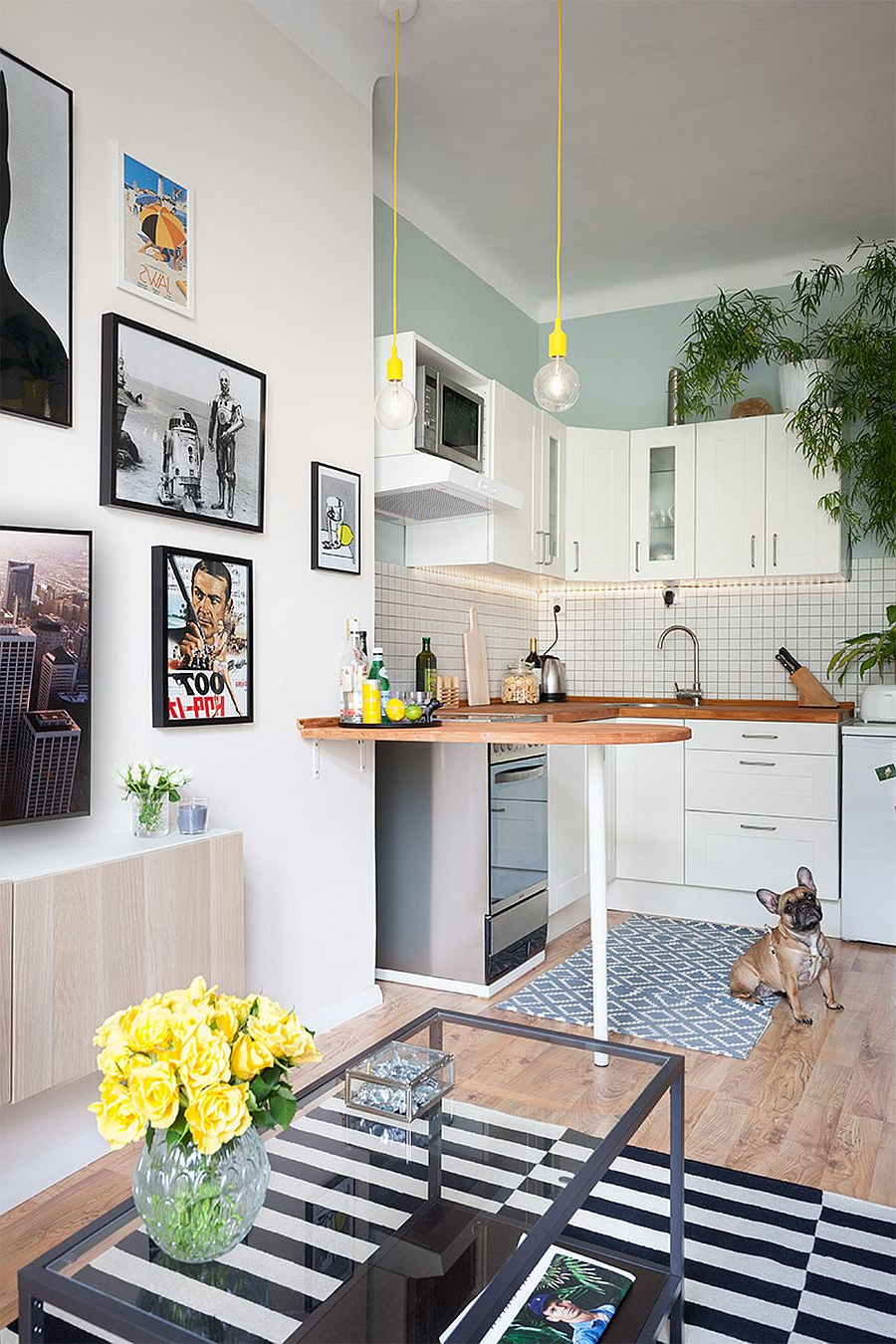
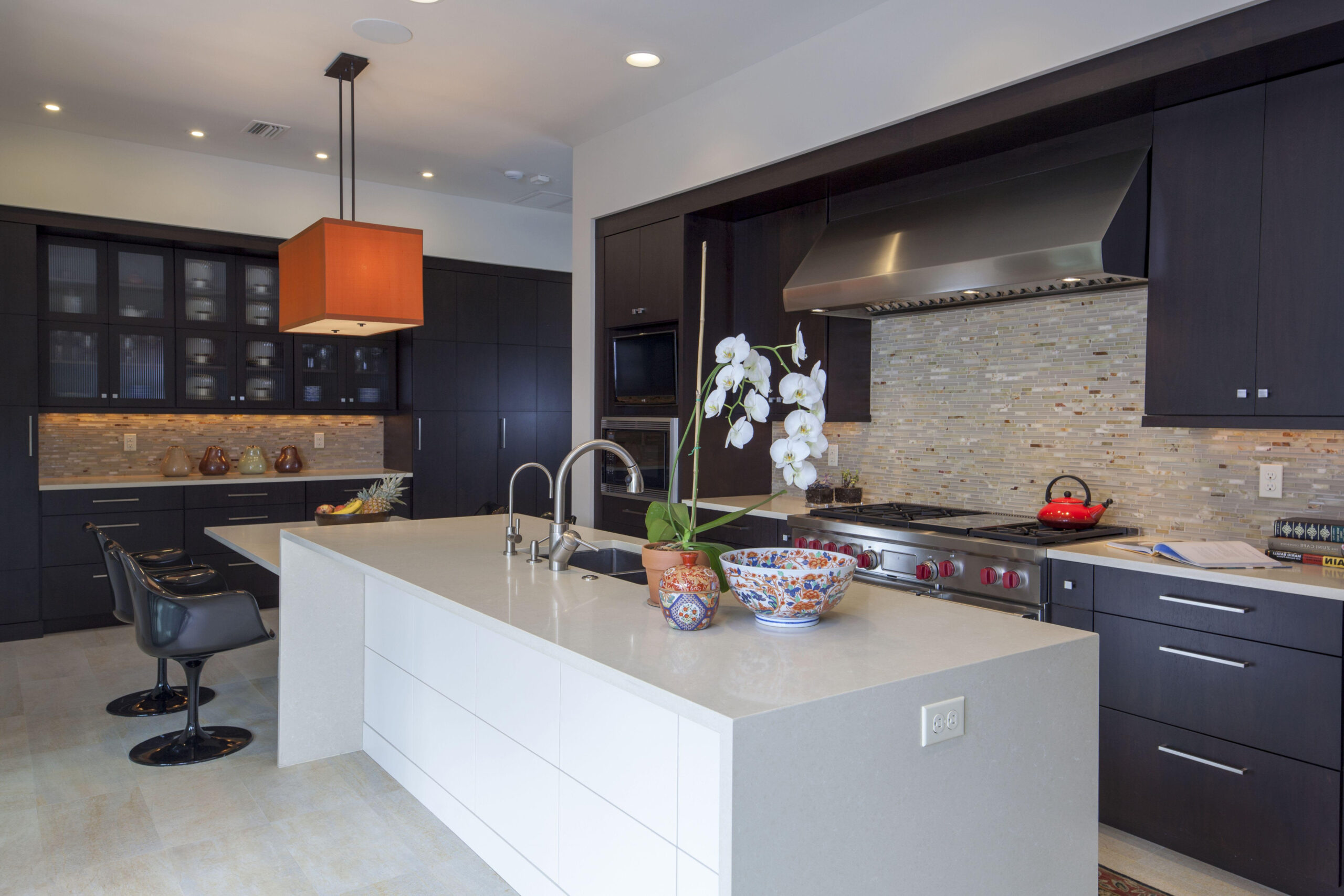
Your kitchen isn’t just a place to cook—it’s the heart of your home where family gatherings happen, meals are shared, and memories are made. But when it comes to choosing furniture for this vital space, many people struggle with balancing form and function. The right pieces can elevate your cooking experience while keeping everything organized and easy to access.
Let’s face it—kitchens have evolved dramatically over the past few decades. Gone are the days when a kitchen was simply a place to prepare food. Today’s kitchens are social hubs, workspaces, and artistic expressions all rolled into one. This transformation means that every element needs to serve a purpose beyond just looking pretty. Whether you’re remodeling an entire space or simply updating a few pieces, understanding how to design with intention makes all the difference. What you choose matters far more than you might think. The right furniture doesn’t just sit in your kitchen—it lives there, adapts to your lifestyle, and supports your daily routines in ways that feel effortless.
Understanding Your Kitchen’s Flow
Before diving into furniture shopping, spend some time observing how you actually use your kitchen. Notice where you naturally move, where you pause, and what activities take place in each area. Do you prep ingredients at the island? Do you often grab snacks from the pantry? Understanding your movement patterns helps determine where to place furniture pieces. Think about traffic flow and how items will impact your day-to-day routine.
Consider how much space you really need. A kitchen island that’s too large can block pathways and make small spaces feel cramped. On the other hand, a too-small island might not provide enough room for meal prep or casual dining. The key is finding the sweet spot that works for your lifestyle and body size. Many people overlook the importance of legroom under counters and around seating areas. These details can make or break your comfort level during long cooking sessions.
The Essential Furniture Pieces
Not every kitchen needs a full suite of furniture, but certain pieces are worth investing in for their practicality and versatility:
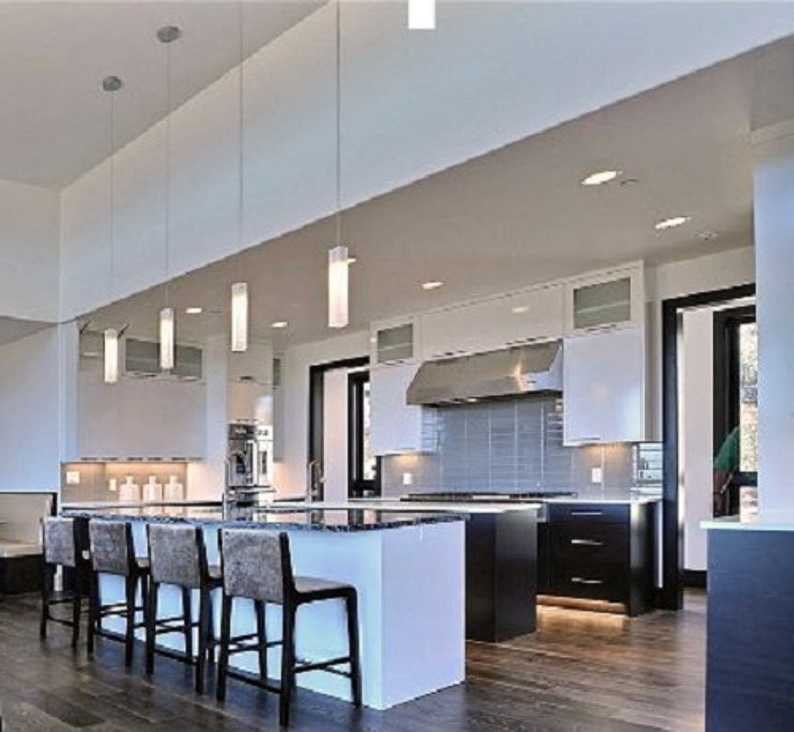
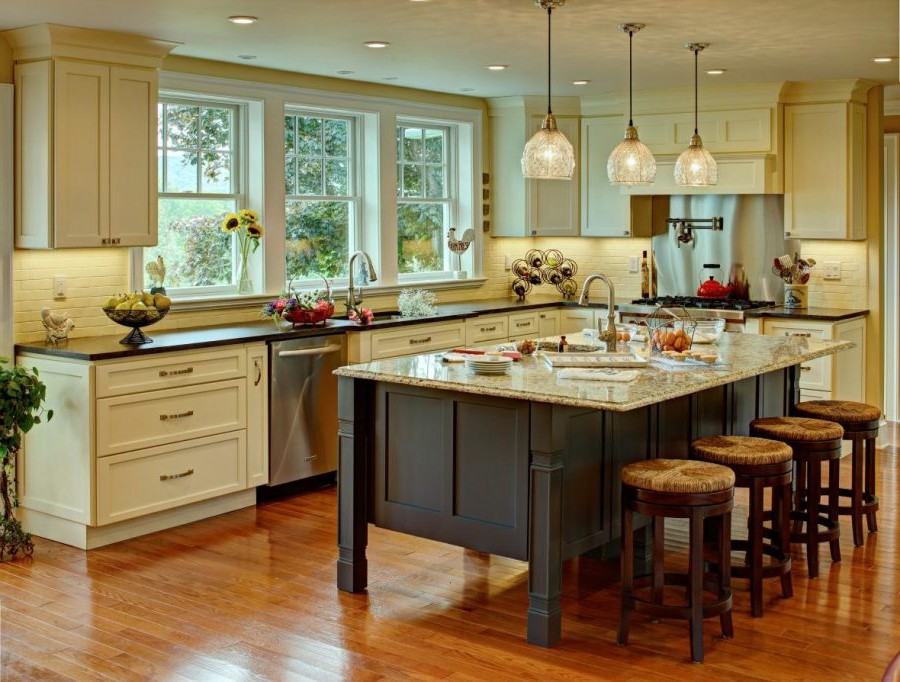
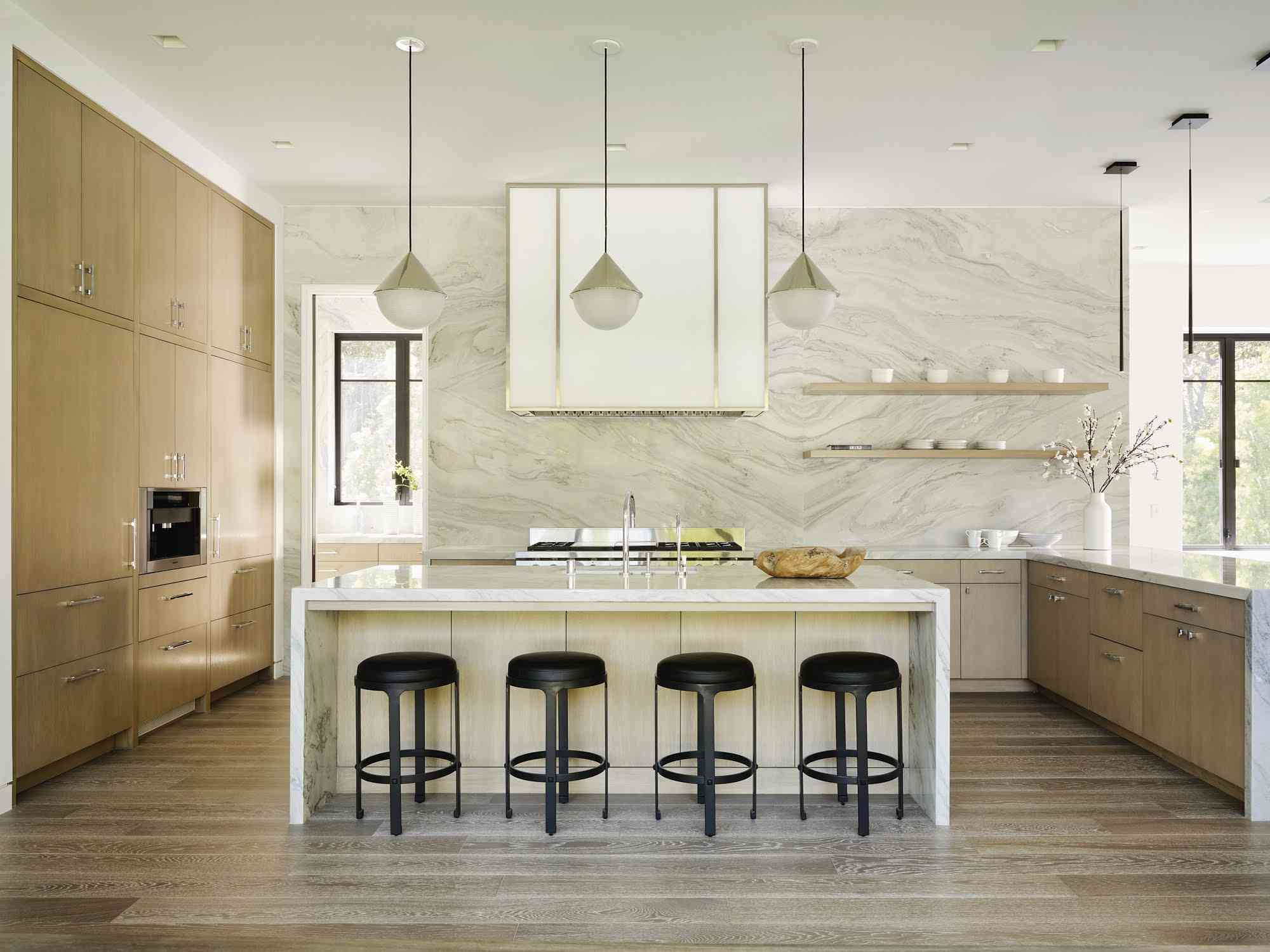
• Kitchen Island: More than just a counter surface, an island can offer extra storage, seating, and preparation space. It’s essentially the backbone of many modern kitchens.
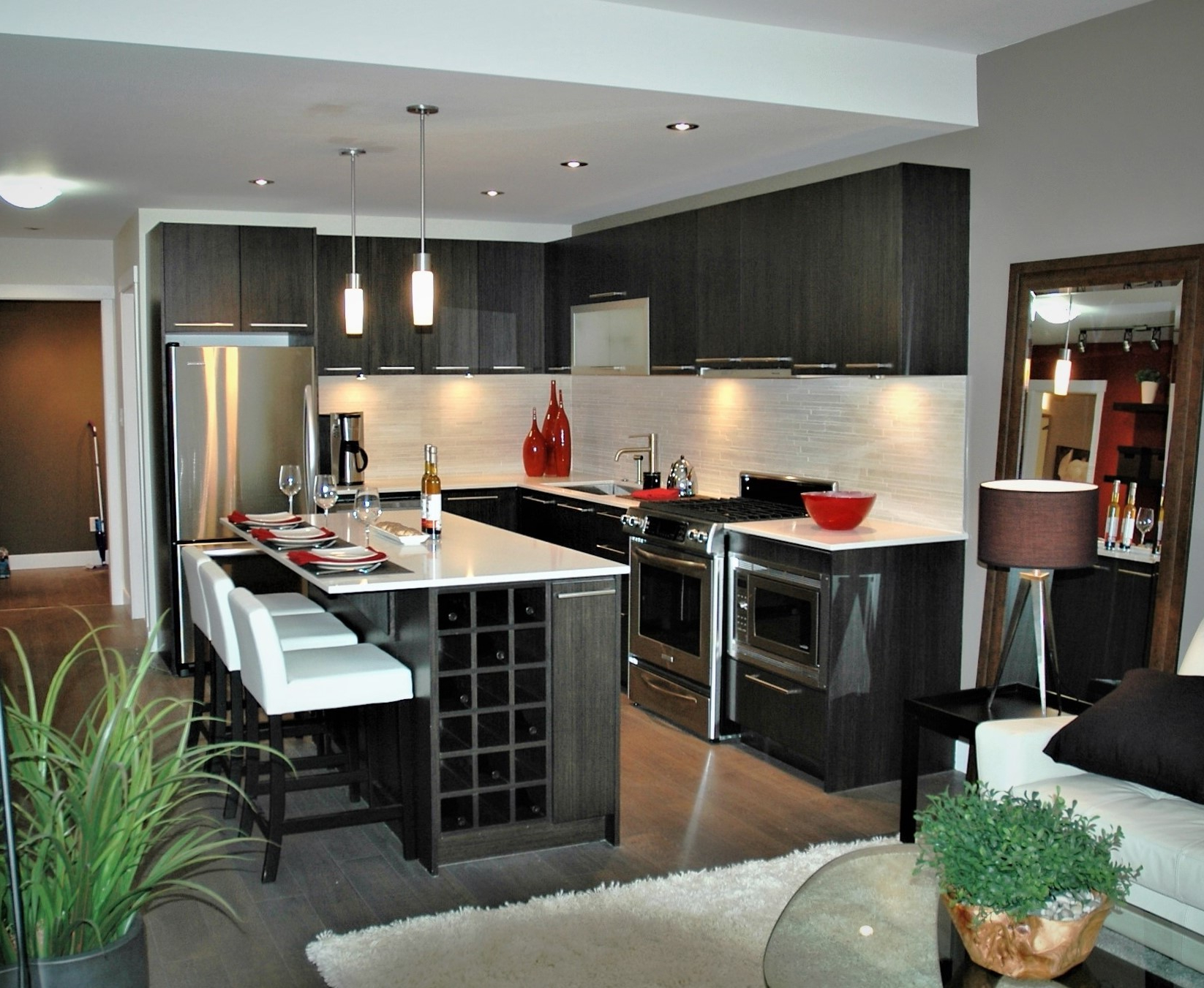
• Bar Stools or Counter Seating: These provide casual dining options and can double as extra prep space when needed. They’re particularly useful in smaller kitchens.
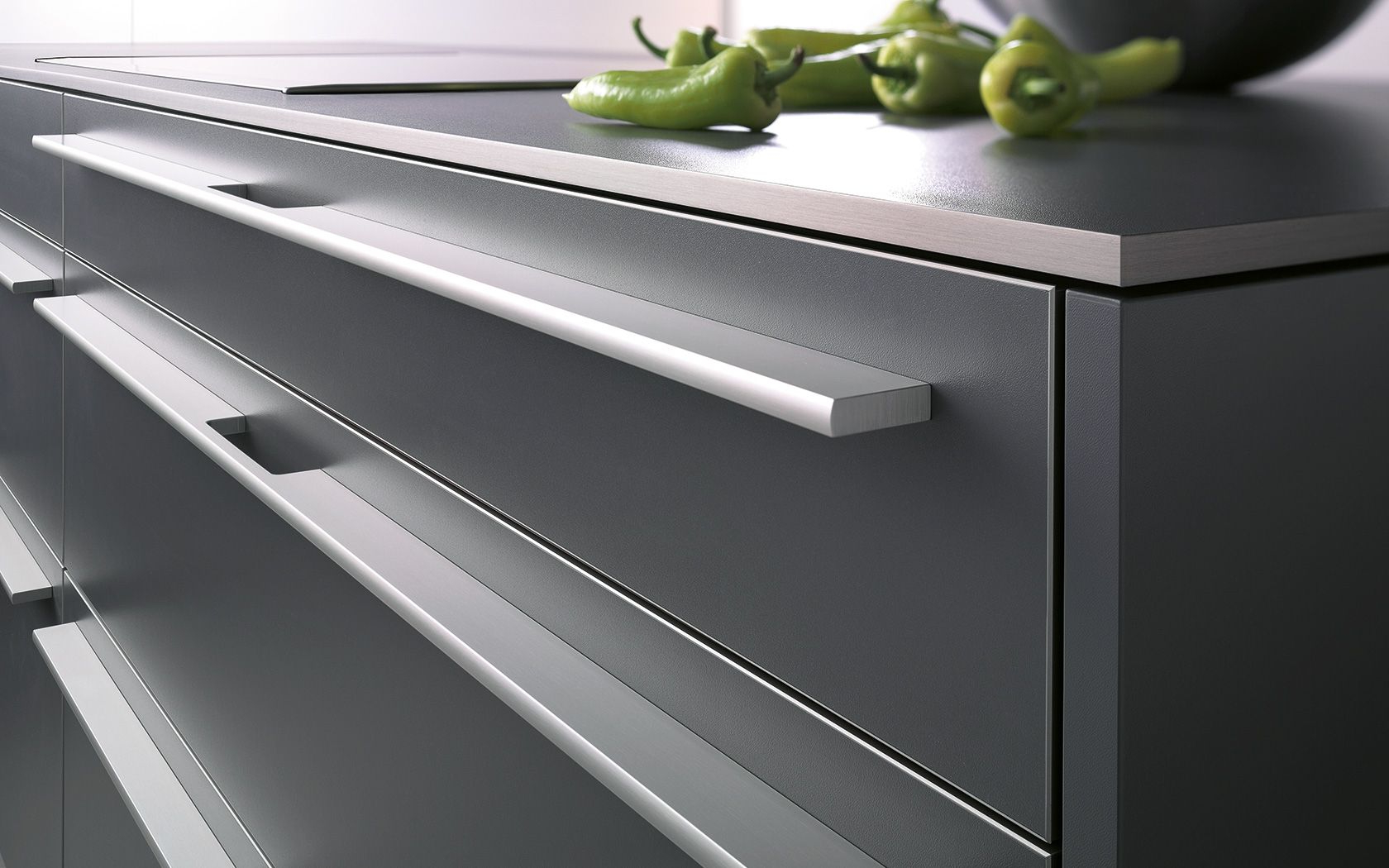
• Storage Solutions: Cabinets, shelves, and drawers should complement your workflow rather than complicate it. Consider pull-out racks, lazy Susans, and adjustable shelving.
• Functional Storage Units: Think about corner solutions, over-the-range storage, and built-in organizers. These help maximize every inch of your space.
• Utility Tables: These are perfect for temporary work surfaces or serving areas, especially if you entertain frequently.
Each piece should enhance your existing layout and support your cooking style. Ask yourself: Does this item make my kitchen easier to use? Or does it just add visual clutter?
Material Selection for Durability
The materials you choose for your kitchen furniture significantly impact both appearance and longevity. Different materials handle wear and tear differently, so consider your household’s habits and lifestyle before making decisions. Wood brings warmth and character but requires regular maintenance. Stainless steel offers durability and easy cleaning, making it ideal for high-traffic areas. Glass adds elegance but can show fingerprints easily. Metal frames provide strength and modern appeal, though they may conduct heat.
When selecting materials, also think about color coordination and how they’ll age over time. Lighter tones tend to make small kitchens feel larger, while darker finishes can create a cozy atmosphere. Natural materials like wood and stone bring organic textures that soften stark modern lines. Don’t forget to factor in maintenance requirements—some materials need special care that might not fit your schedule or budget.
Size Matters: Scaling to Your Space
One of the most common mistakes in kitchen furniture selection is ignoring scale and proportion. A stunning piece that’s too big for your space can overwhelm and make everything feel cramped. Conversely, furniture that’s too small can look lost and insignificant. Measure everything carefully before purchasing anything.
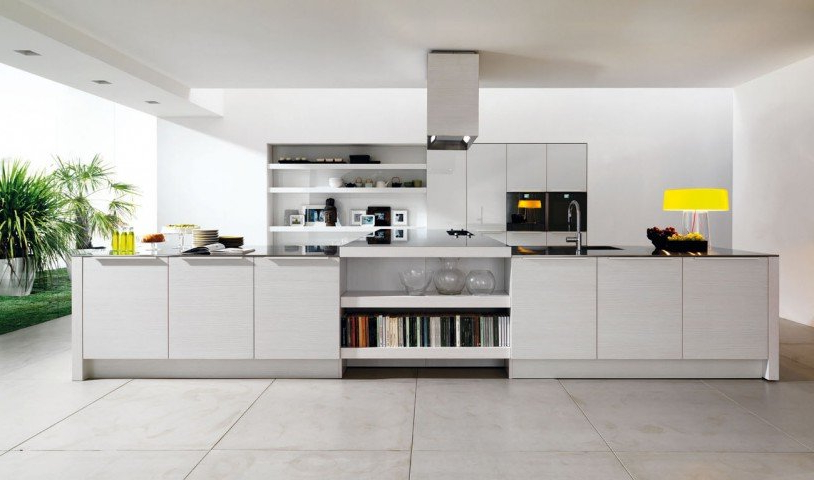
Start with the largest pieces first—the island, dining table, or main work surfaces. Then build around them with smaller elements. Consider the ceiling height, window placement, and overall proportions of your room. In smaller kitchens, opt for furniture that’s functional but not bulky. Multi-purpose items often work best, such as a breakfast bar that doubles as a prep station.
Think about how furniture affects sightlines. You want to see across the kitchen from one end to another, not have pieces blocking your view. This visual openness makes the space feel bigger and more inviting. Also remember that furniture should accommodate people of different heights, so consider adjustable features when possible.
Functionality Over Fashion
Trendy designs are fun, but they shouldn’t come at the expense of practicality. A beautiful piece that doesn’t serve a purpose is just decoration. Focus on how furniture fits into your daily routine and whether it enhances your workflow.
Look for features like:
• Easy-to-clean surfaces that resist stains and water damage
• Storage solutions that organize items efficiently
• Built-in charging stations or smart technology integration
• Adjustable components that adapt to changing needs
• Modular designs that can be reconfigured over time
The best kitchen furniture works seamlessly with your life, not against it. If something feels awkward or inconvenient, it probably is. Trust your instincts about what feels right. Sometimes the simplest solution is the most effective one. You don’t need to follow every design rule—what matters is creating a space that makes your daily tasks easier and more enjoyable.
Creating Visual Harmony
While functionality is crucial, aesthetics play a major role in how comfortable and happy you feel in your kitchen. Good design creates a sense of balance and cohesion that makes the space feel intentional rather than chaotic.
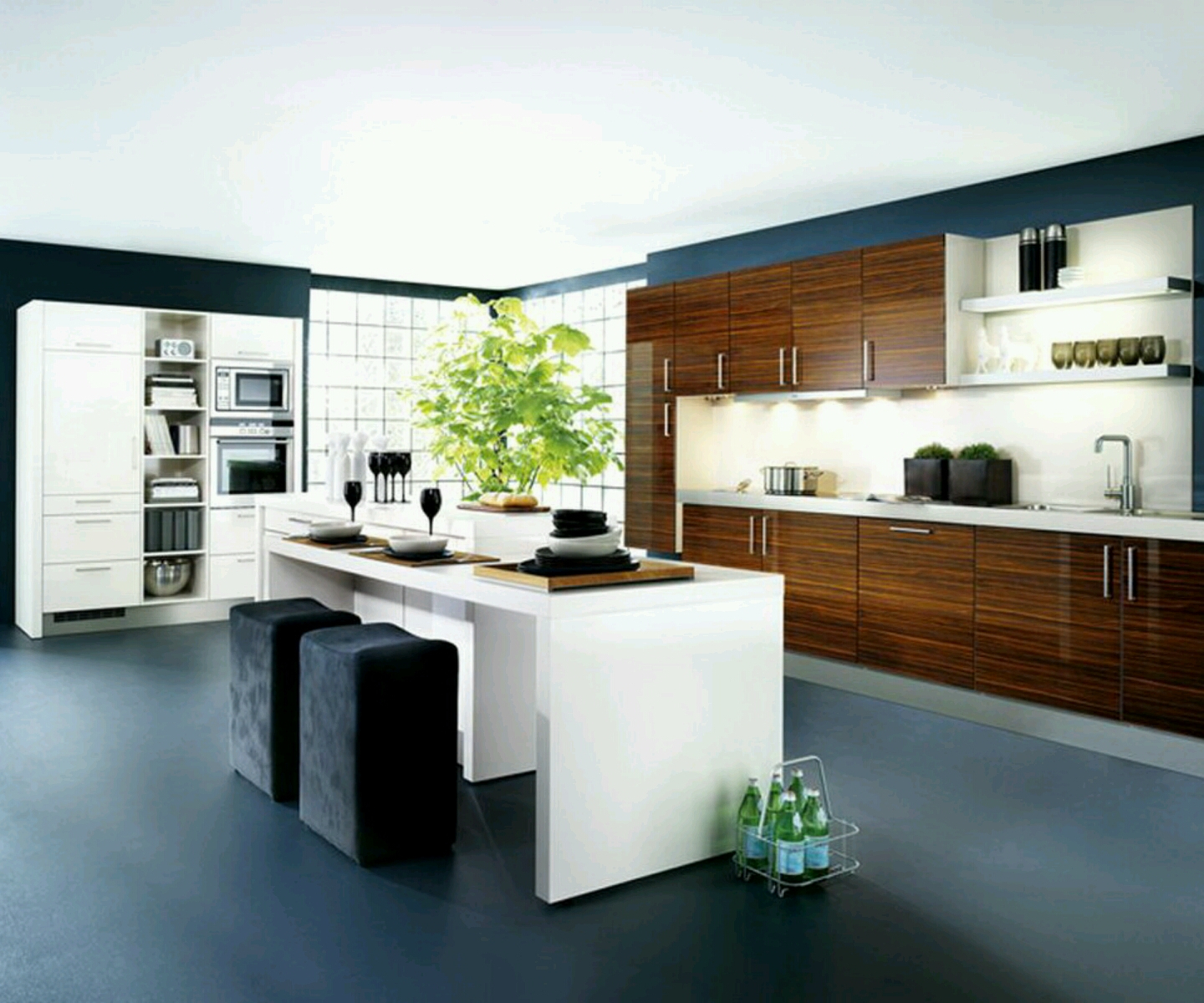
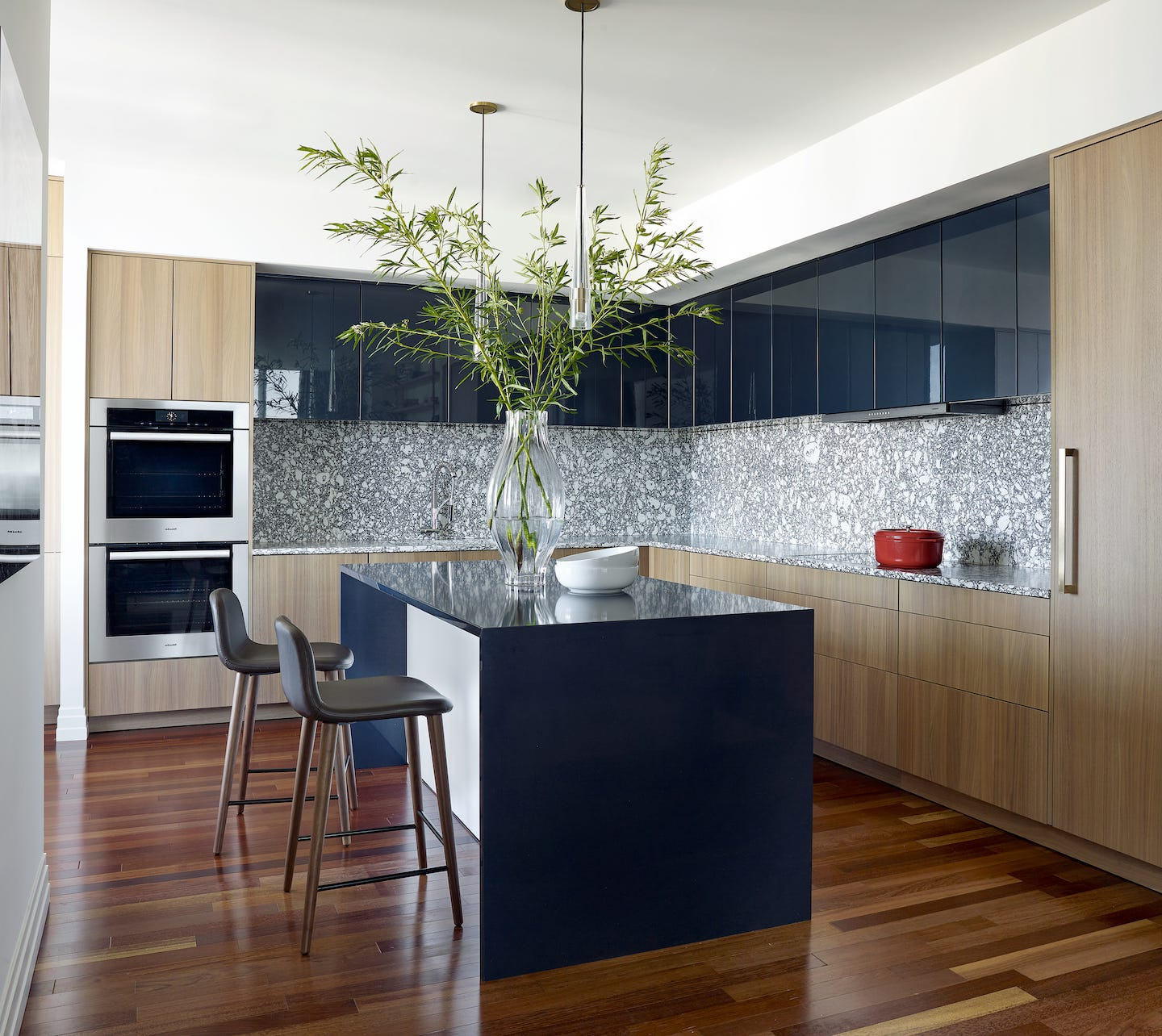
Consider how different materials, colors, and textures interact with each other. A dark wooden island can anchor a light-colored kitchen, while metallic accents can add sophistication to neutral schemes. The key is maintaining visual consistency throughout the space. Don’t scatter random elements that clash with your overall theme.
Lighting is another critical element. Natural light changes throughout the day, so consider how your furniture looks in different conditions. Task lighting above work areas ensures you can see what you’re doing, while ambient lighting creates a welcoming atmosphere. Don’t forget about how furniture impacts shadows and reflections. Some materials can make a space feel brighter or dimmer depending on their finish.
Designing a kitchen with purpose means thinking beyond the obvious. It’s about creating a space that reflects your personality while supporting your practical needs. Every piece of furniture should contribute to a cohesive whole that makes your kitchen work better for you. Remember that good design isn’t about following trends—it’s about making choices that improve your daily life. Take time to plan, measure, and consider how each element will impact your experience in the space. When done right, your kitchen becomes more than just a room—it transforms into a place where you genuinely want to spend time. The investment you make in thoughtful furniture choices pays dividends in comfort, efficiency, and joy every single day.
[sps_html tag=”img” src=”https://roofdrivein.com/wp-content/uploads/2026/01/contemporary-countertops-kitchen-cabinet-modern-design-ideas-things-for-designing-with-purpose-practical-furniture-choices-for-modern-kitchen-spaces.jpg” alt=”Contemporary Countertops Kitchen Cabinet Modern Design Ideas – Things … for Designing with Purpose: Practical Furniture Choices for Modern Kitchen Spaces” style=”width: 100%; height: auto;”]
[sps_html tag=”img” src=”https://roofdrivein.com/wp-content/uploads/2026/01/new-home-designs-latest-kitchen-cabinets-designs-modern-homes-inside-modern-kitchen-furniture-ideas.jpg” alt=”New Home Designs Latest.: Kitchen Cabinets Designs Modern Homes. inside Modern Kitchen Furniture Ideas” style=”width: 100%; height: auto;”]
[sps_html tag=”img” src=”https://roofdrivein.com/wp-content/uploads/2026/01/11-awesome-and-modern-kitchen-design-ideas-awesome-11-inside-modern-kitchen-furniture-ideas.jpg” alt=”11 Awesome And Modern Kitchen Design Ideas - Awesome 11 inside Modern Kitchen Furniture Ideas” style=”width: 100%; height: auto;”]
[sps_html tag=”img” src=”https://roofdrivein.com/wp-content/uploads/2026/01/styles-101-modern-contemporary-kitchens-for-designing-with-purpose-practical-furniture-choices-for-modern-kitchen-spaces-scaled.jpg” alt=”Styles 101: Modern & Contemporary Kitchens for Designing with Purpose: Practical Furniture Choices for Modern Kitchen Spaces” style=”width: 100%; height: auto;”]
[sps_html tag=”img” src=”https://roofdrivein.com/wp-content/uploads/2026/01/72-amazing-modern-kitchen-cabinets-design-ideas-72-am-vrogue-co-with-regard-to-modern-kitchen-furniture-ideas.jpg” alt=”72 Amazing Modern Kitchen Cabinets Design Ideas 72 Am - Vrogue.co with regard to Modern Kitchen Furniture Ideas” style=”width: 100%; height: auto;”]