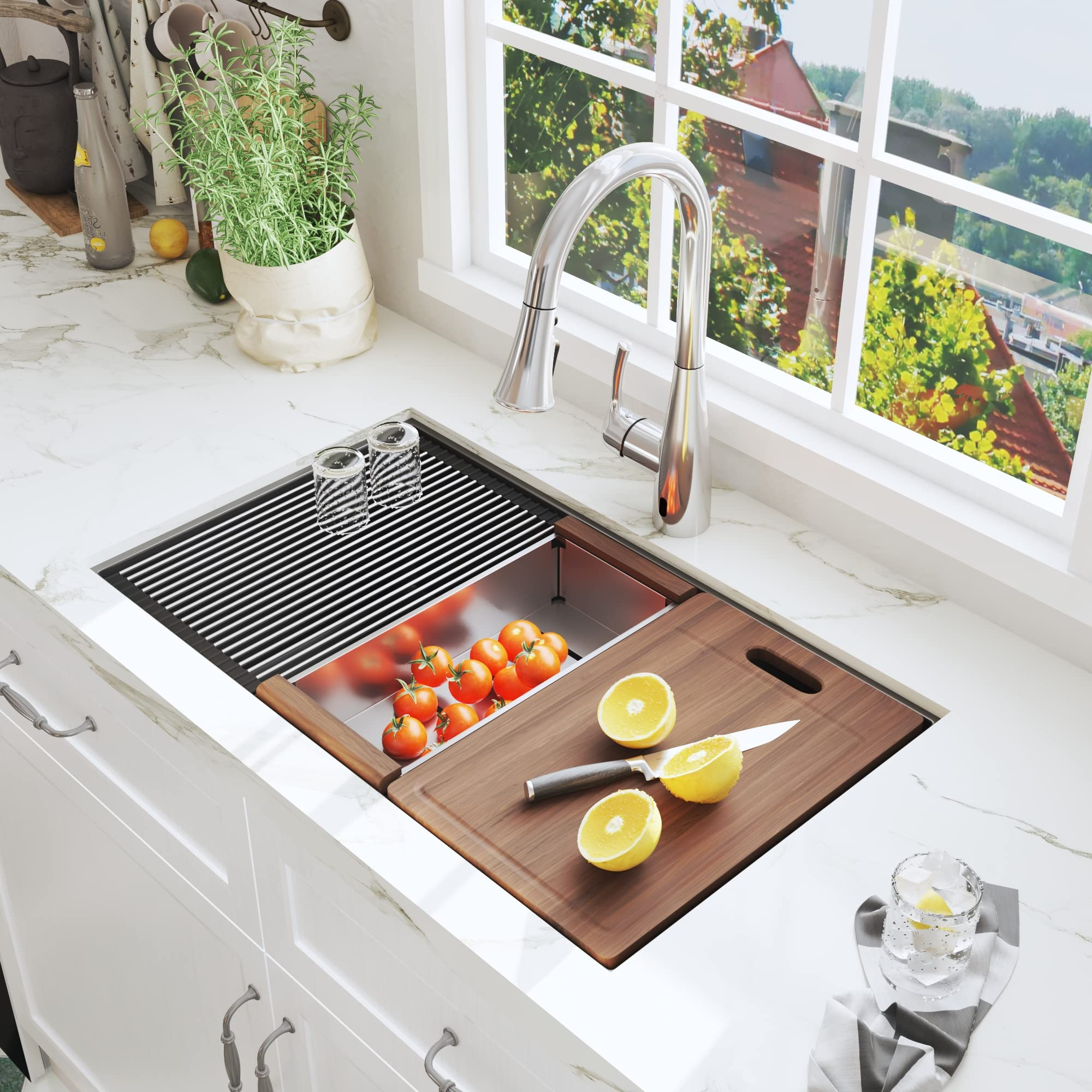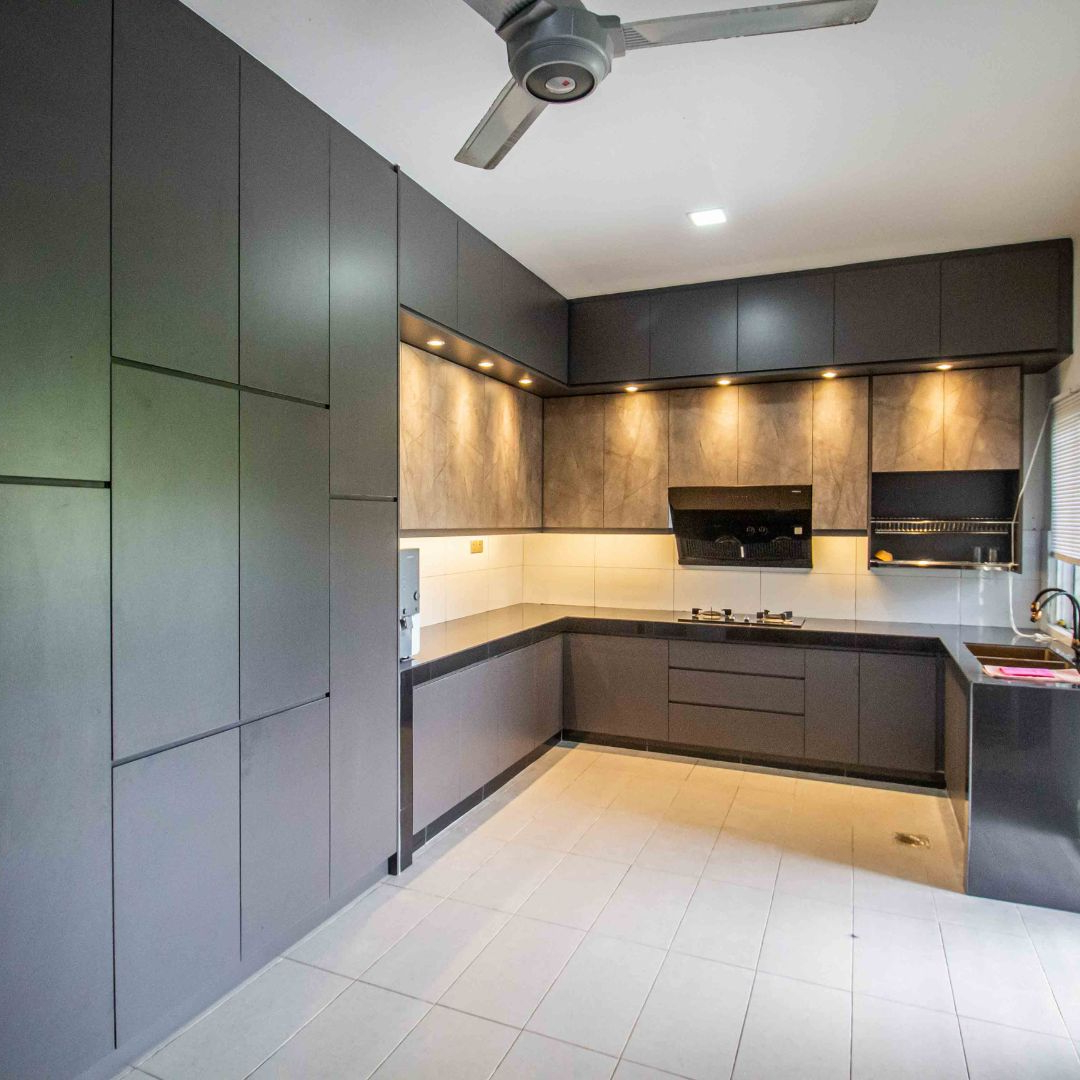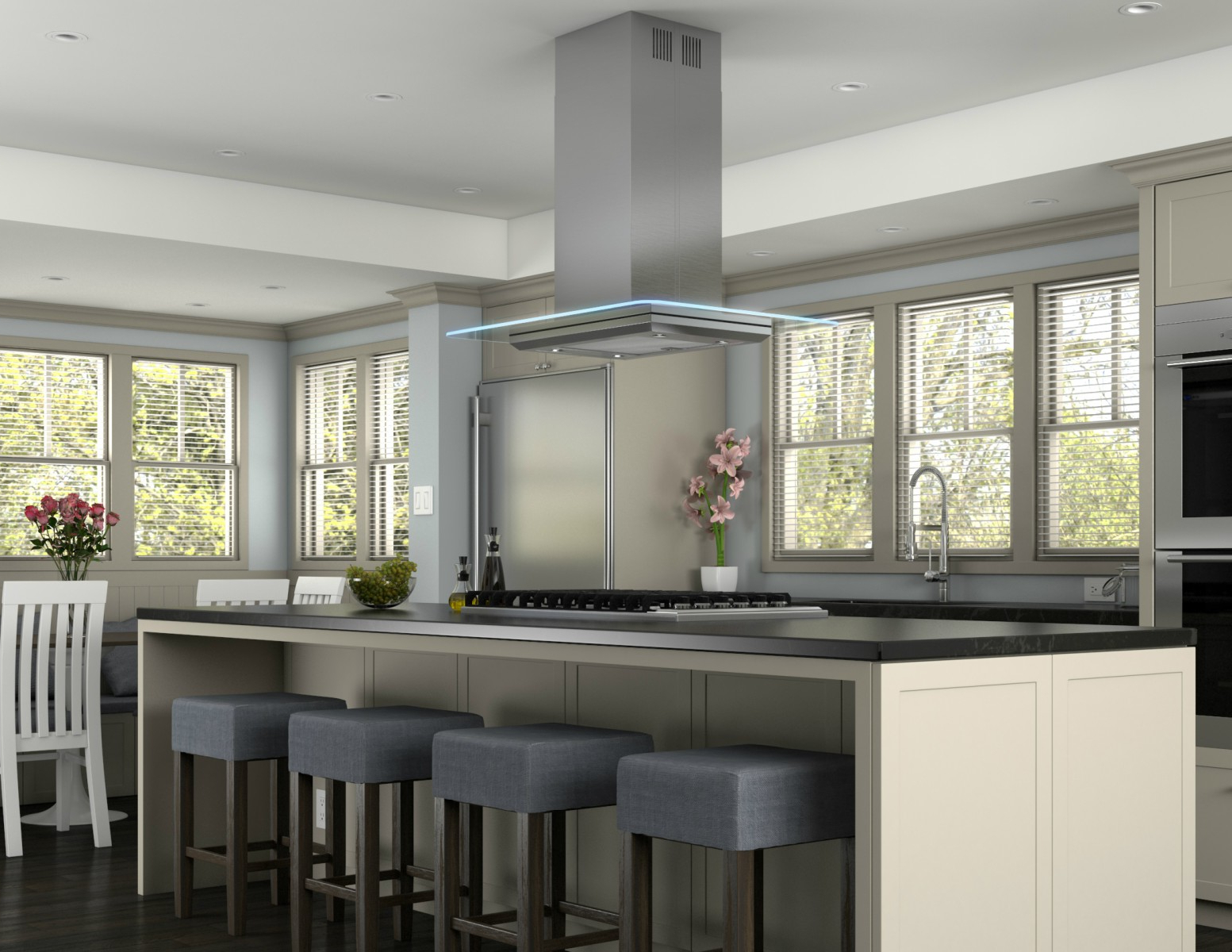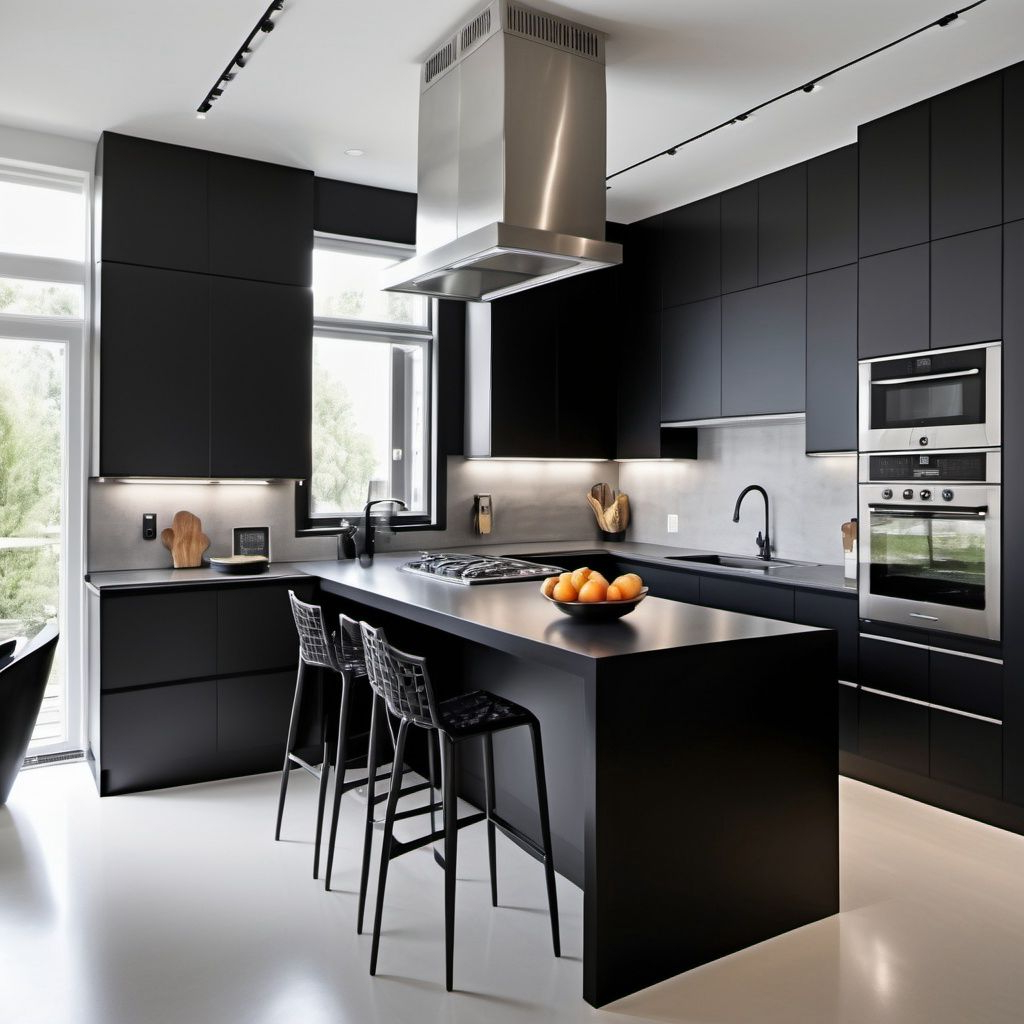
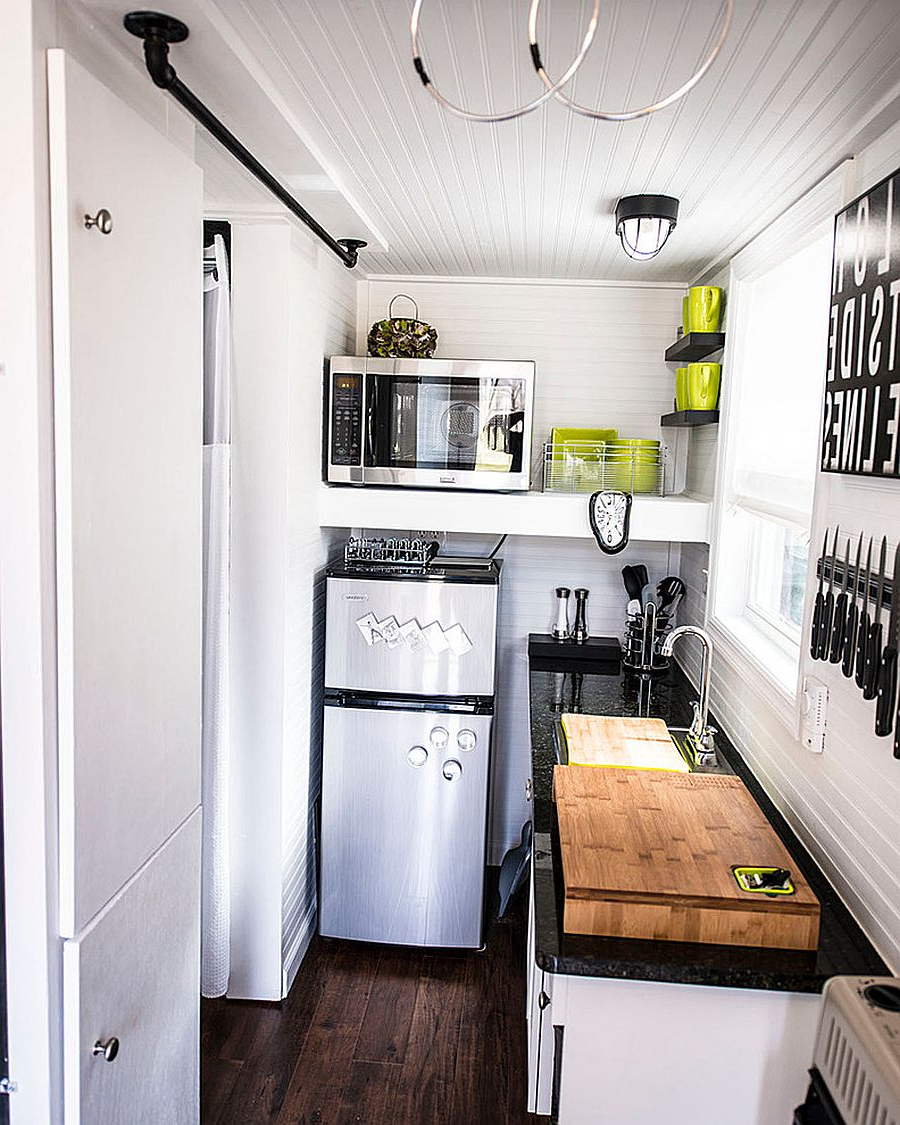
Compact kitchens present unique challenges and opportunities. They demand creative thinking and smart design choices that transform small spaces into beautiful, usable areas. The key lies in understanding how to balance functionality with visual appeal, ensuring every inch serves a purpose while maintaining that desirable aesthetic.
Let’s face it – many of us live in smaller spaces. Whether it’s a studio apartment, a cozy cottage, or a modern urban loft, compact kitchens have become the norm rather than the exception. But does that mean we have to sacrifice style? Absolutely not. In fact, smaller spaces often encourage more thoughtful design decisions that can result in stunning kitchens. The secret lies in strategic planning, clever storage solutions, and choosing elements that work harmoniously together.
Understanding Compact Kitchen Challenges
Small kitchens come with their own set of hurdles. Limited counter space means everything needs to serve multiple purposes. Storage becomes crucial, and every drawer and cabinet must be optimized. Lighting can be tricky when there’s less room for fixtures. Even the layout itself presents challenges. The good news? These constraints often lead to more innovative and efficient designs. When space is limited, you learn to appreciate each element more deeply. Every piece of furniture, every appliance, every decorative touch must earn its place. This creates a focused, intentional approach to kitchen design that can actually enhance beauty rather than diminish it.
Smart Storage Solutions That Work
Storage in small kitchens requires creativity. Consider vertical space – tall cabinets that reach the ceiling can hold plenty of items. Pull-out pantry systems maximize access to stored goods. Over-the-range microwaves save counter space while providing convenient heating options. Built-in appliances blend seamlessly with cabinetry, creating a unified look. Under-sink storage baskets keep cleaning supplies hidden but accessible. Think about multi-functional furniture like a breakfast bar that doubles as storage. These solutions don’t just solve problems – they add character to your space. The key is choosing storage that matches your lifestyle and needs, not just filling space arbitrarily.
Choosing the Right Color Palette
Color plays a huge role in making small spaces feel larger. Light colors reflect light, creating the illusion of more space. White, soft grays, and warm beige tones are excellent choices. They make walls appear farther away and ceilings higher. However, don’t limit yourself to just whites. Soft blues, gentle greens, and warm yellows can also create a sense of openness. The trick is consistency – stick to a few colors rather than overwhelming the space with too many different hues. A monochromatic scheme works beautifully in small kitchens. You can add visual interest through textures rather than bold color changes. Think about how different finishes interact with light in your specific kitchen. Natural wood tones bring warmth, while metallic accents can add sophistication.
Maximizing Counter Space Effectively
Counter space is precious in small kitchens. Every square foot matters. Start by identifying your most-used areas and prioritize those. A kitchen island or breakfast bar can provide additional prep space and seating. Consider a portable rolling cart that can be moved as needed. Some designers swear by a single large cutting board that can be tucked away when not in use. Floating shelves above counters create extra workspace while keeping things visible. Think about how you actually use your kitchen. Do you cook frequently? Then invest in quality prep surfaces. Do you entertain often? Maybe a small breakfast bar is worth the investment. The goal isn’t to have everything on counters all the time, but to ensure you have the right amount of workspace for your lifestyle.
Lighting That Enhances Both Functionality and Atmosphere
Good lighting can completely transform a small kitchen. It’s not just about bright lights – it’s about layering different types of illumination. Task lighting over countertops helps with food prep. Ambient lighting creates overall brightness. Accent lighting highlights architectural features or decorative elements. LED strips under cabinets provide subtle but effective task lighting. Pendant lights above islands or breakfast bars create focal points. Consider dimmer switches so you can adjust lighting based on time of day or mood. Natural light is always preferred, so if possible, position your kitchen to take advantage of window exposure. Sometimes a simple change like switching to brighter bulbs can make a dramatic difference in how your small space feels.
Selecting Appliances That Fit Your Space
Choosing the right appliances for a compact kitchen is crucial. Size matters enormously here. Look for appliances that match your available space. A 24-inch refrigerator might be perfect for some spaces, while others might need a 20-inch model. Consider built-in options whenever possible – they blend seamlessly with cabinetry. Compact dishwashers and microwave ovens are readily available now. Smart appliances with sleek designs can be both functional and beautiful. Don’t overlook the importance of energy efficiency – smaller appliances often consume less power anyway. Think about the placement of each appliance carefully. Will you be using it frequently? Is it positioned for easy access? These small decisions compound into big improvements in daily usability.
Making the Most of Vertical Space
Vertical space in small kitchens is like gold. It’s often overlooked but offers tremendous potential. Install tall cabinets that go to the ceiling. These can store everything from spices to seasonal items. Wall-mounted shelves create additional storage without taking up floor space. Consider installing hooks or racks for pots, pans, or utensils. A pegboard can be both practical and decorative. Floating shelves can display beautiful dishes or plants. Don’t forget the back of doors – they’re often forgotten storage areas. Some people even install a small pantry in the wall behind the kitchen door. The key is organizing vertical storage so items are easily accessible. You want to be able to see what’s inside without having to open every cabinet.
Creating Visual Flow and Balance
A well-designed small kitchen feels balanced and harmonious. This means considering how elements relate to each other spatially. The rule of thirds can be helpful – think about where major elements are placed. A large island might dominate one side, while smaller elements like a breakfast bar occupy another. Balance doesn’t mean symmetry – it means visual equilibrium. If you have a bold backsplash, keep other elements simple. If you have colorful appliances, consider neutral cabinetry. Pay attention to proportions. A small kitchen shouldn’t feel cramped, but it also shouldn’t feel empty. There should be enough visual weight to feel substantial, but not so much that it overwhelms the space. Creating a sense of flow means guiding the eye naturally through the room.
Adding Personal Touches Without Overcrowding
Small kitchens benefit from personal touches, but moderation is key. A few carefully chosen decorative elements can make a space feel lived-in and special. Plants bring life and color to small spaces. A small herb garden on a windowsill adds both function and beauty. Artwork can create focal points without dominating the space. A collection of beautiful dishes displayed on shelves adds personality. Consider the materials you choose – wood, stone, metal, and glass can all add interest. But avoid overcrowding with too many items. Less is often more in small spaces. Choose pieces that truly speak to you rather than following trends. Your kitchen should reflect your personality while remaining functional.
Final Thoughts on Compact Kitchen Design
Designing a compact kitchen successfully is about intentionality and careful planning. It’s not about making do with less – it’s about making the most of what you have. Every element should serve a purpose, whether that’s practical or aesthetic. The process of designing a small kitchen often reveals new ways of thinking about space and function. It encourages us to be more mindful about what we really need versus what we just want. This mindset extends beyond the kitchen itself. Small kitchens teach us valuable lessons about living efficiently and beautifully within our limitations. When done well, a compact kitchen can be more satisfying and enjoyable than a larger space that lacks thoughtfulness.
The journey to designing the perfect compact kitchen isn’t just about fitting everything into a small space. It’s about discovering what truly matters in your cooking and dining experience. When you approach small kitchens with creativity and intention, you’ll find that limitations often spark innovation. The key is to start with your lifestyle, then build from there. Consider your daily routines, your cooking habits, and what makes you happy in your kitchen. Don’t let the size intimidate you – instead, let it inspire you to create something truly special. With the right approach, your compact kitchen can be both perfectly functional and beautifully designed. It’s not about sacrificing style for space – it’s about finding ways to make both flourish together.
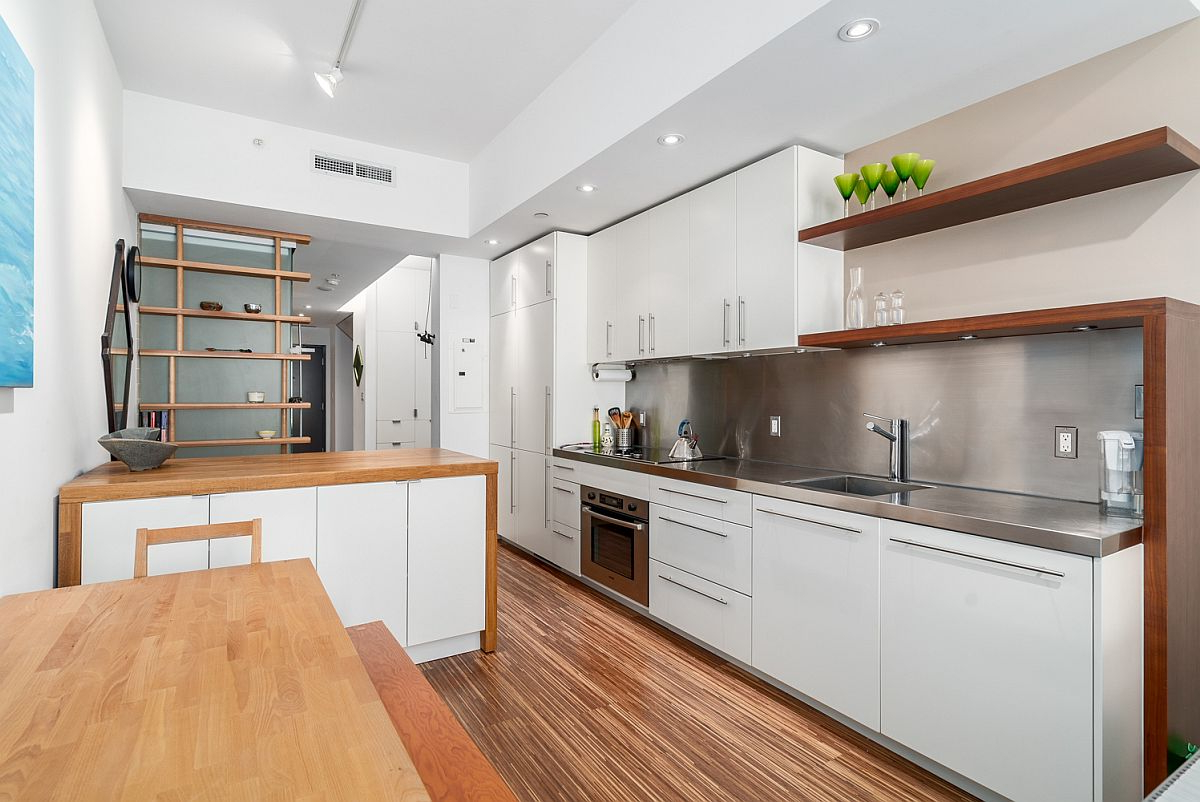
[sps_html tag=”img” src=”https://roofdrivein.com/wp-content/uploads/2026/01/30-small-apartment-kitchen-design-ideas-for-maximum-style-and-function-for-kitchen-ideas-for-small-apartments.png” alt=”30+ Small Apartment Kitchen Design Ideas For Maximum Style And Function … for Kitchen Ideas For Small Apartments” style=”width: 100%; height: auto;”]
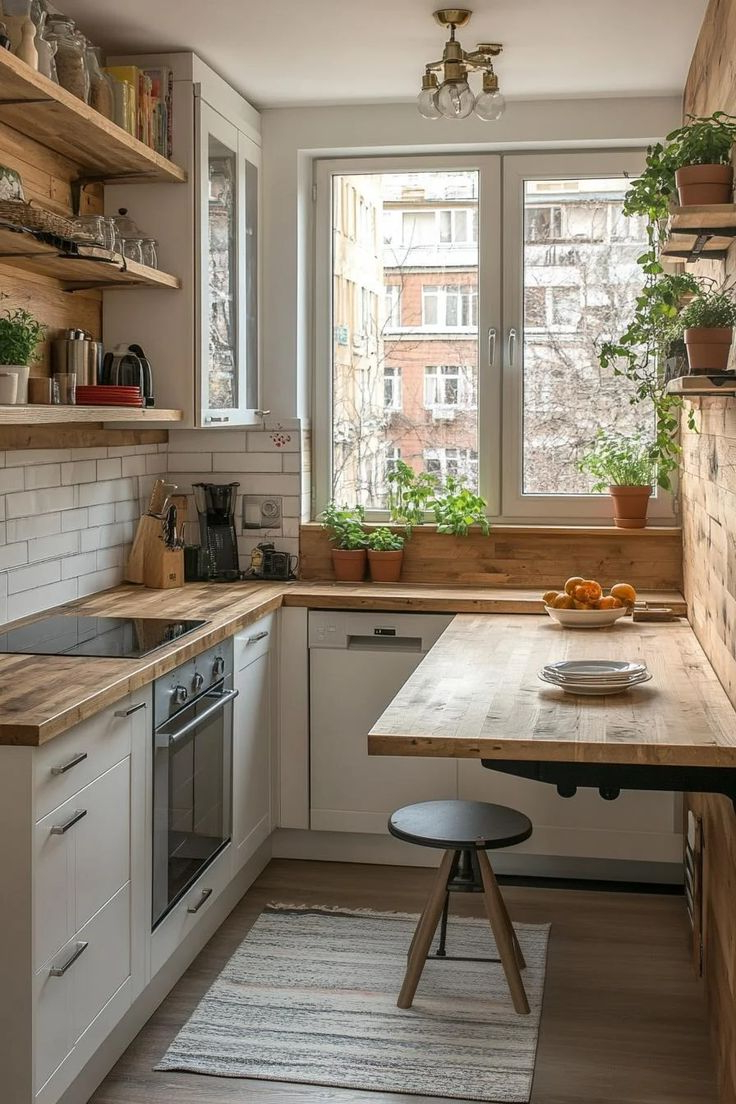
[sps_html tag=”img” src=”https://roofdrivein.com/wp-content/uploads/2026/01/50-tiny-apartment-kitchens-that-excel-at-maximizing-small-spaces-throughout-kitchen-ideas-for-small-apartments.jpg” alt=”50 Tiny Apartment Kitchens That Excel At Maximizing Small Spaces throughout Kitchen Ideas For Small Apartments” style=”width: 100%; height: auto;”]
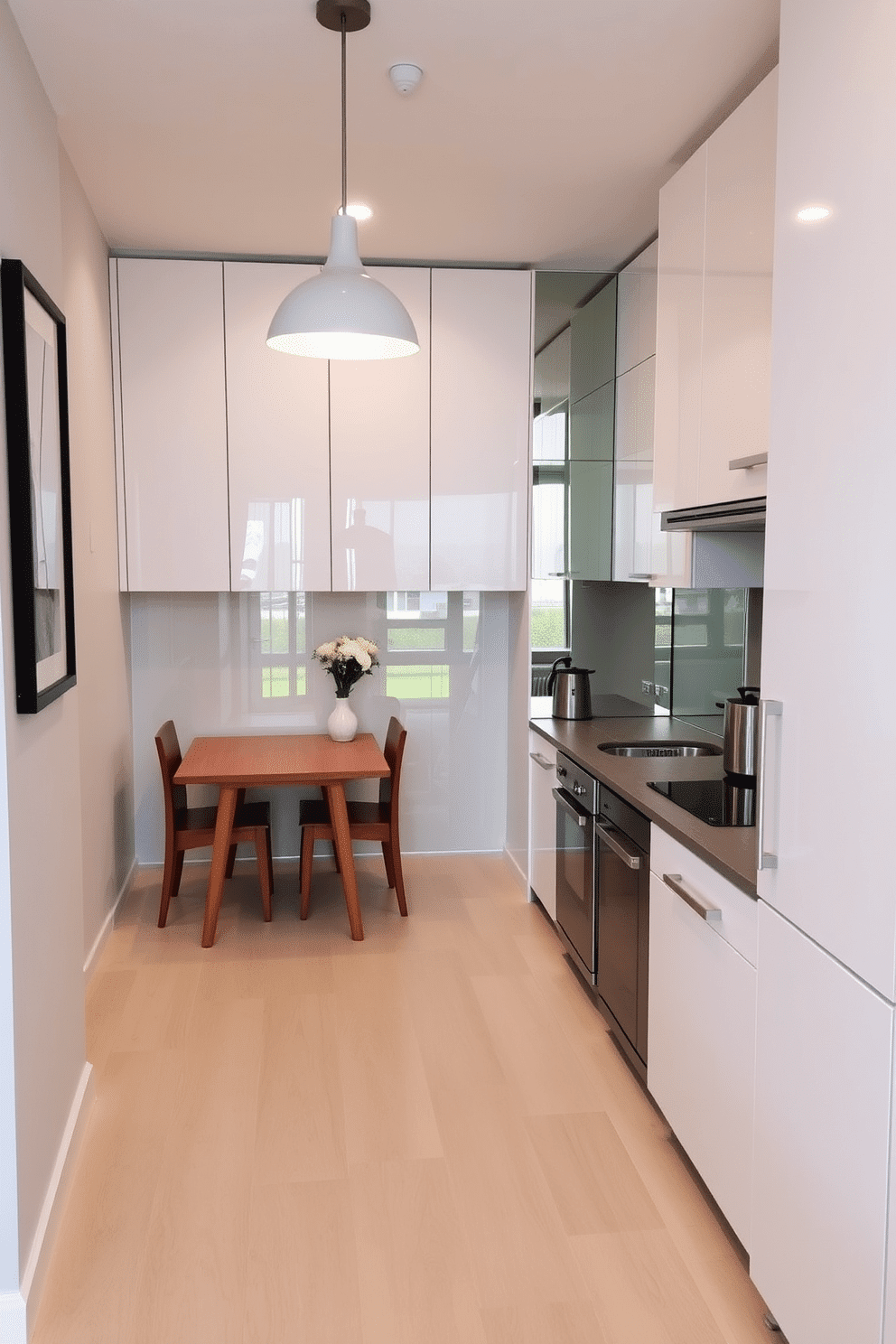
[sps_html tag=”img” src=”https://roofdrivein.com/wp-content/uploads/2026/01/50-tiny-apartment-kitchens-that-excel-at-maximizing-small-spaces-in-kitchen-ideas-for-small-apartments.jpg” alt=”50 Tiny Apartment Kitchens That Excel At Maximizing Small Spaces in Kitchen Ideas For Small Apartments” style=”width: 100%; height: auto;”]
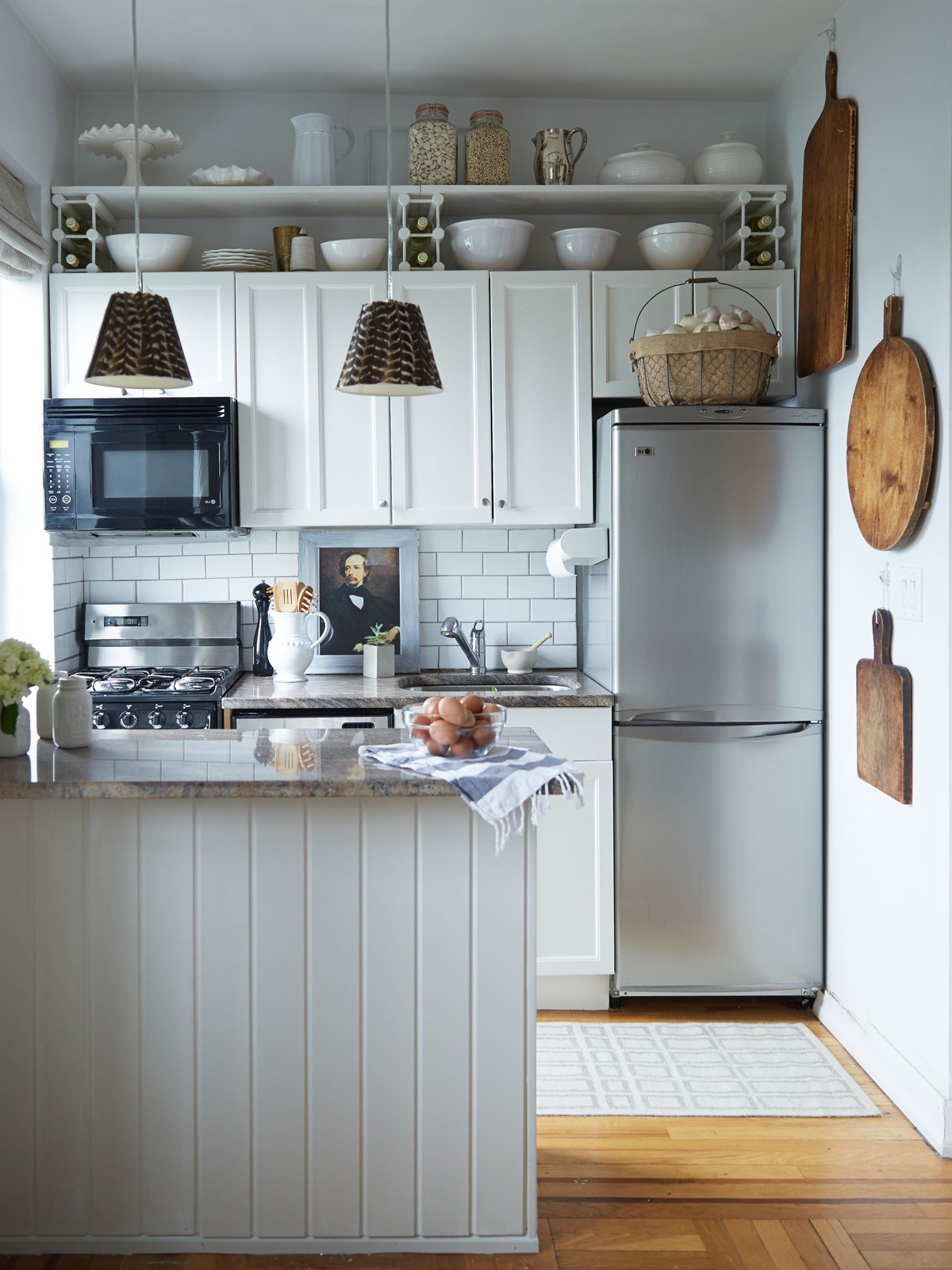
[sps_html tag=”img” src=”https://roofdrivein.com/wp-content/uploads/2026/01/20-genius-tiny-kitchen-ideas-for-small-apartments-32-small-apartment-throughout-kitchen-ideas-for-small-apartments.jpg” alt=”20 Genius Tiny Kitchen Ideas For Small Apartments 32 | Small Apartment … throughout Kitchen Ideas For Small Apartments” style=”width: 100%; height: auto;”]
[sps_html tag=”img” src=”https://roofdrivein.com/wp-content/uploads/2026/01/50-splendid-small-kitchens-and-ideas-you-can-use-from-them-with-kitchen-ideas-for-small-apartments.jpg” alt=”50 Splendid Small Kitchens And Ideas You Can Use From Them with Kitchen Ideas For Small Apartments” style=”width: 100%; height: auto;”]