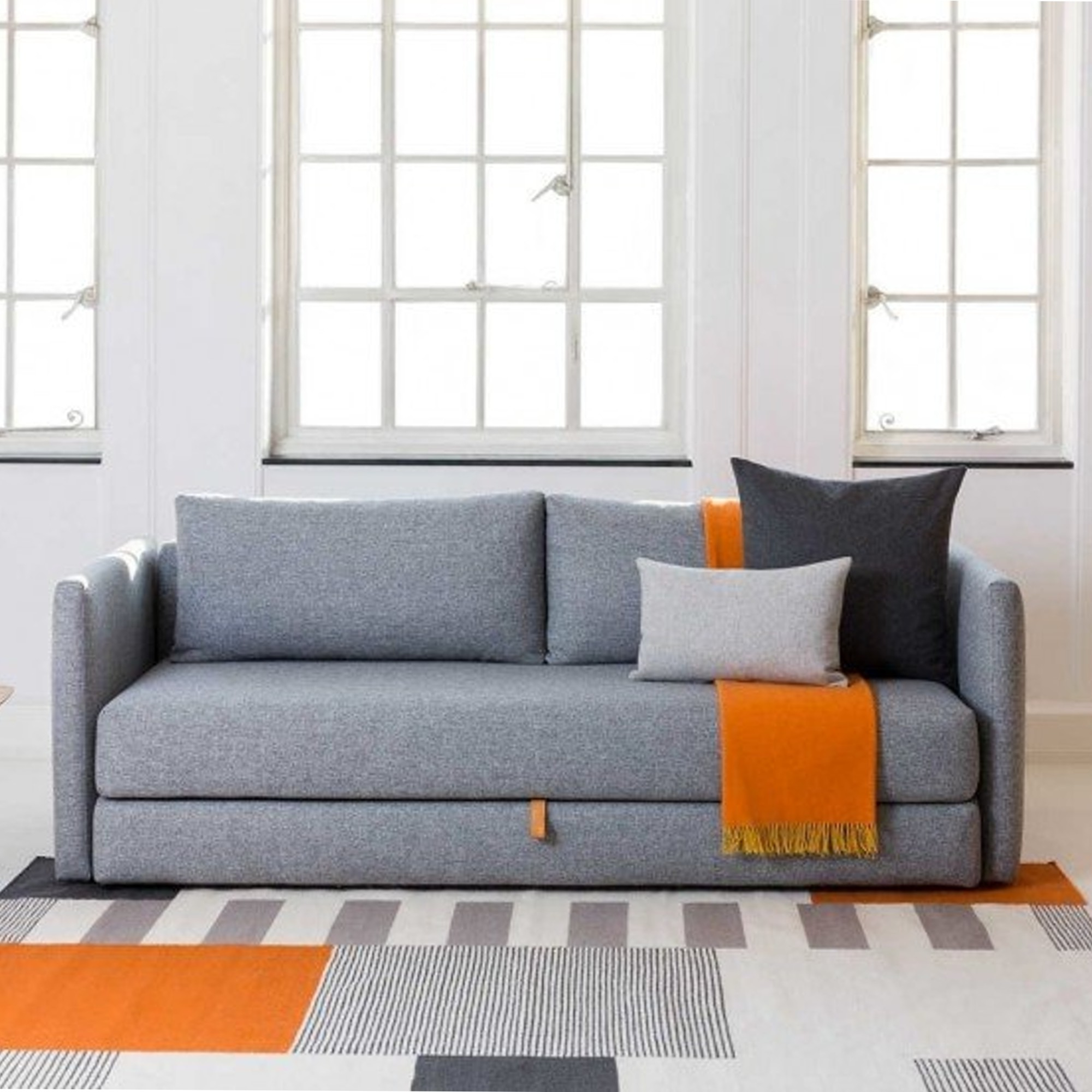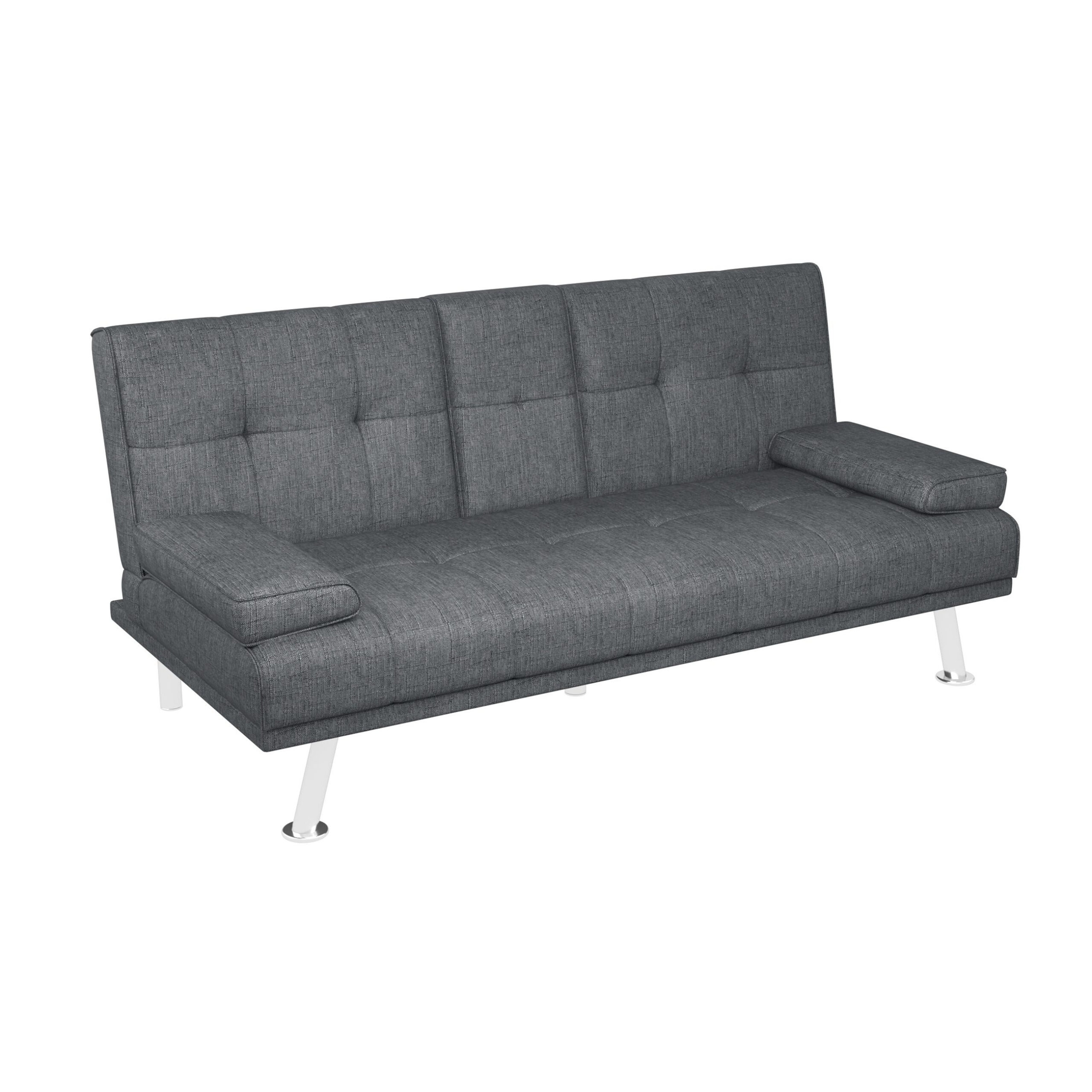
What if I told you that the secret to the perfect bed couch lies not in complex engineering or fancy materials, but in understanding basic human needs? We’ve all been there – lying on a couch that’s too firm, too soft, or just plain uncomfortable. But what if we could design something that feels like it was made for us specifically? Let’s explore how to create the ultimate sleeping couch without getting lost in unnecessary complexity.
Every night, we spend roughly one-third of our lives in bed – that’s about 8 hours a day. So why do we often settle for something that feels less than ideal? The truth is, designing the perfect bed couch isn’t about adding more features or using expensive materials. It’s about understanding what makes us comfortable and creating space for those essentials. Whether you’re looking to convert your living room into a sleep sanctuary or build a custom solution for your unique needs, the key lies in simplicity and purpose. We’re going to break this down into manageable chunks that anyone can understand and implement.
Understanding Your Body’s Natural Curve
The first thing to consider when designing any bed couch is how your body naturally curves. When you lie down, your spine should maintain its natural S-shape. This means you need support where your shoulders meet your hips. Most people find that their body weight distributes differently depending on their sleeping position. Side sleepers typically need more cushioning under their arms and hips, while back sleepers prefer firmer support along their spine. The key insight here is that comfort isn’t about one-size-fits-all – it’s about matching the support to your body’s natural shape. Think about how different surfaces feel when you lie on them for extended periods. Some feel great initially, but after a few hours, they start to compress in ways that cause discomfort. A good bed couch should maintain its supportive qualities over time, regardless of how many times you use it.
Material Matters – But Not Too Much
Choosing the right materials is crucial, but don’t let the options overwhelm you. Memory foam has become popular because it contours to your body, but it can trap heat. Latex offers excellent support with better breathability. Spring mattresses provide traditional bounce and airflow. For a couch, consider layering materials rather than choosing just one. A base layer of sturdy support, perhaps with a memory foam top layer for contouring, can offer the best of both worlds. The goal isn’t to use every material available, but to select a combination that works together. Some people swear by hybrid designs that blend memory foam with pocket springs. Others prefer solid latex for its durability and responsiveness. The important thing is testing different combinations until you find what feels right for your body and lifestyle. You don’t need to be a materials scientist to make good choices here – just pay attention to how things feel when you actually lie on them.
Dimensional Considerations
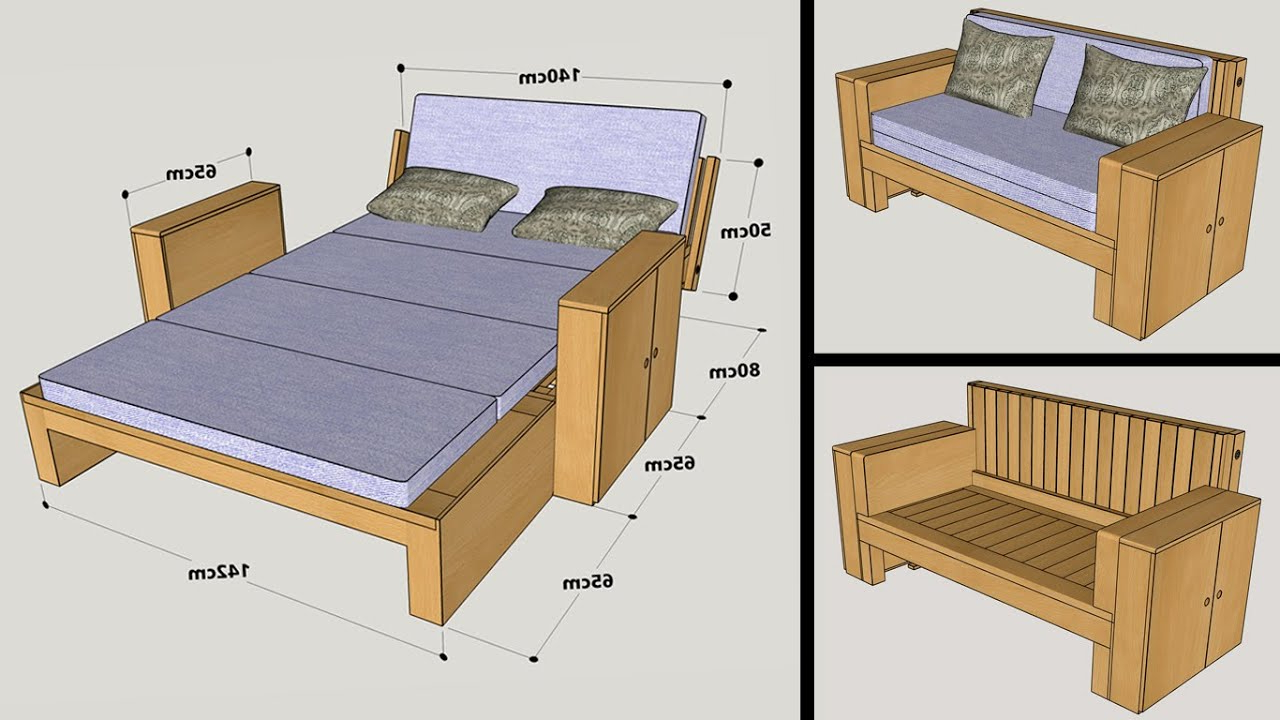
Size matters more than you might think. A bed couch needs to accommodate your full body length and width comfortably. Measure carefully before buying or building. If you’re sharing space with someone else, consider how much room each person needs. Most people want at least 30 inches of width per person. Length-wise, you’ll want enough space for your legs to extend naturally. Many people underestimate how much space they really need – especially when considering that you’ll probably be moving around during the night. A good rule of thumb is to add extra length if you tend to toss and turn, or if you’re taller than average. The shape also plays a role. Rectangular shapes work well for most people, but if you have a smaller space, consider a compact L-shaped design. Sometimes the smallest change in dimension can make a huge difference in how comfortable you feel.
Support Without Sacrificing Comfort
This is where many designs fail. They either provide too much support and feel harsh, or too little and feel unstable. The sweet spot is finding the right balance between support and comfort. Think about your favorite chair or sofa – what makes it comfortable? It probably provides some resistance where you need it, but also allows for natural movement. Your bed couch should do the same. The foundation needs to be solid enough to prevent sagging, but flexible enough to allow your body to settle naturally. Many people overlook the importance of edge support – if the sides of your couch give way easily, you’ll end up sliding off. Proper edge support keeps you centered and secure. Test your design by lying on it for several minutes and seeing how it holds up. If it feels like it’s giving in or pushing back against you, you need to adjust the support system.
Ventilation and Temperature Control
How hot does your current sleeping area get? That’s a question worth asking seriously. Heat buildup can make even the most comfortable bed feel unbearable. Good ventilation starts with the materials you choose and extends to the overall design. Breathable fabrics, such as cotton or bamboo blends, allow air to circulate better than synthetic materials. If you’re building a custom couch, consider adding ventilation channels or holes in strategic places. The idea isn’t to make it feel like a fan, but to ensure air can move freely around your body. Some people benefit from cooling gel layers or breathable mattress covers. Others prefer to keep their sleeping area naturally cool with proper ventilation. Pay attention to where you feel the most heat during sleep – is it your back, your chest, or your legs? That gives you clues about where to focus your ventilation efforts.
Practical Features for Real Life
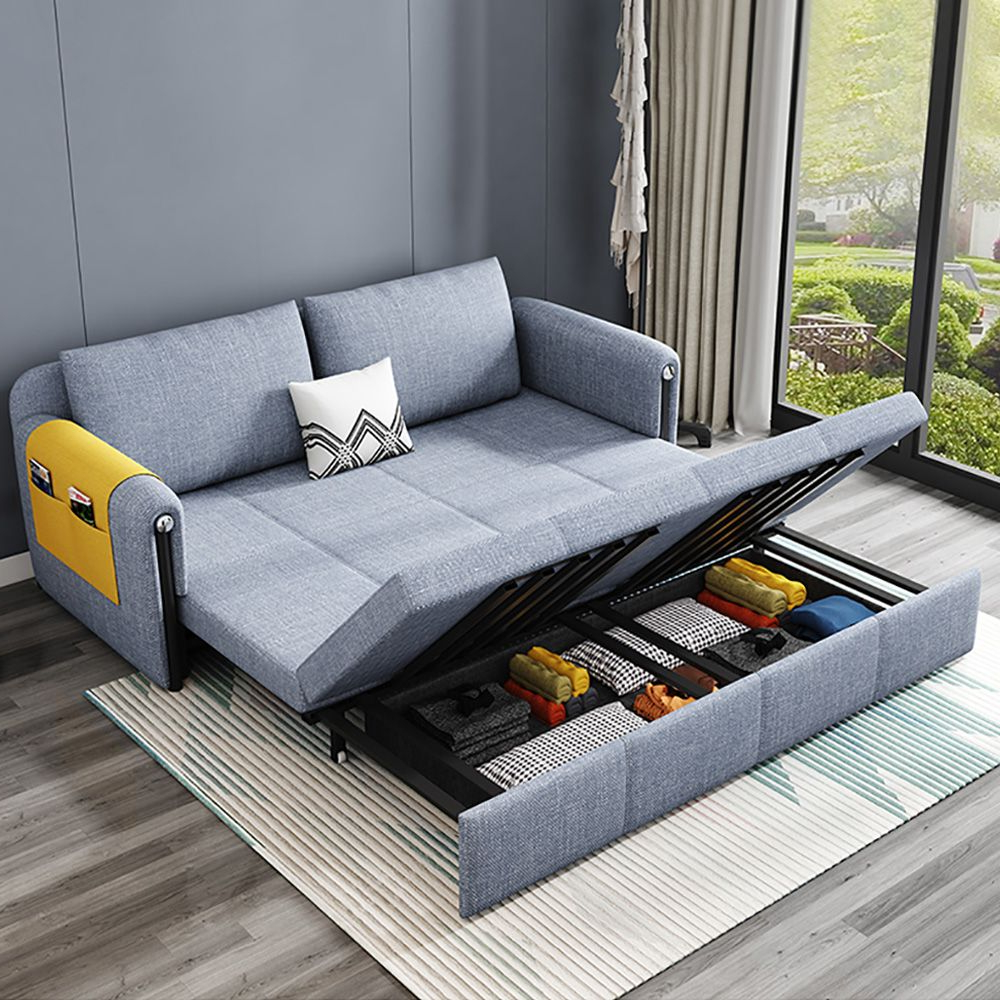
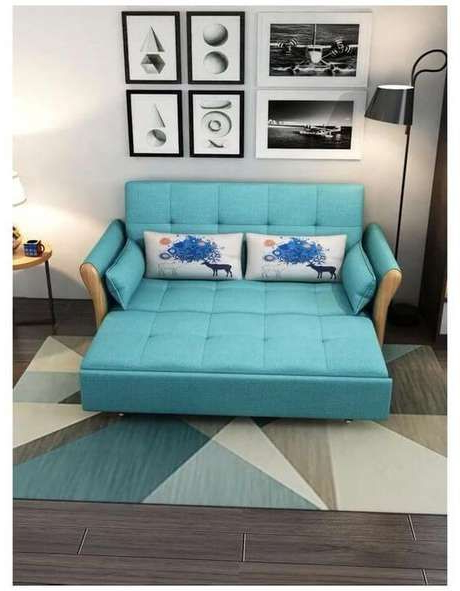
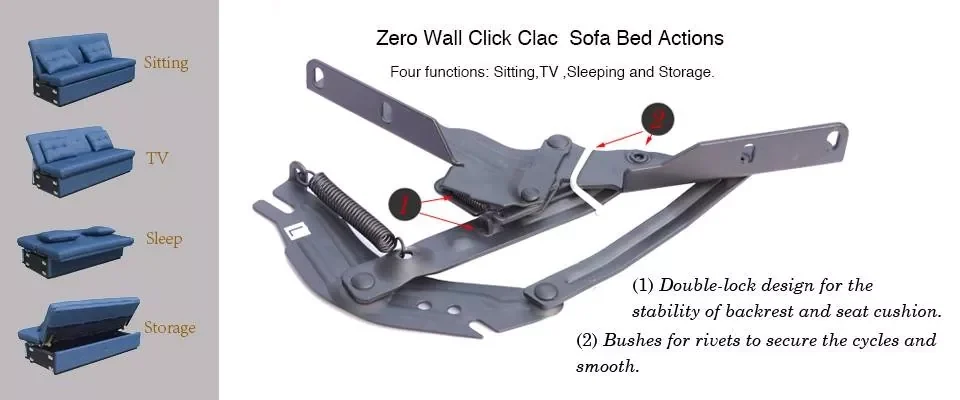
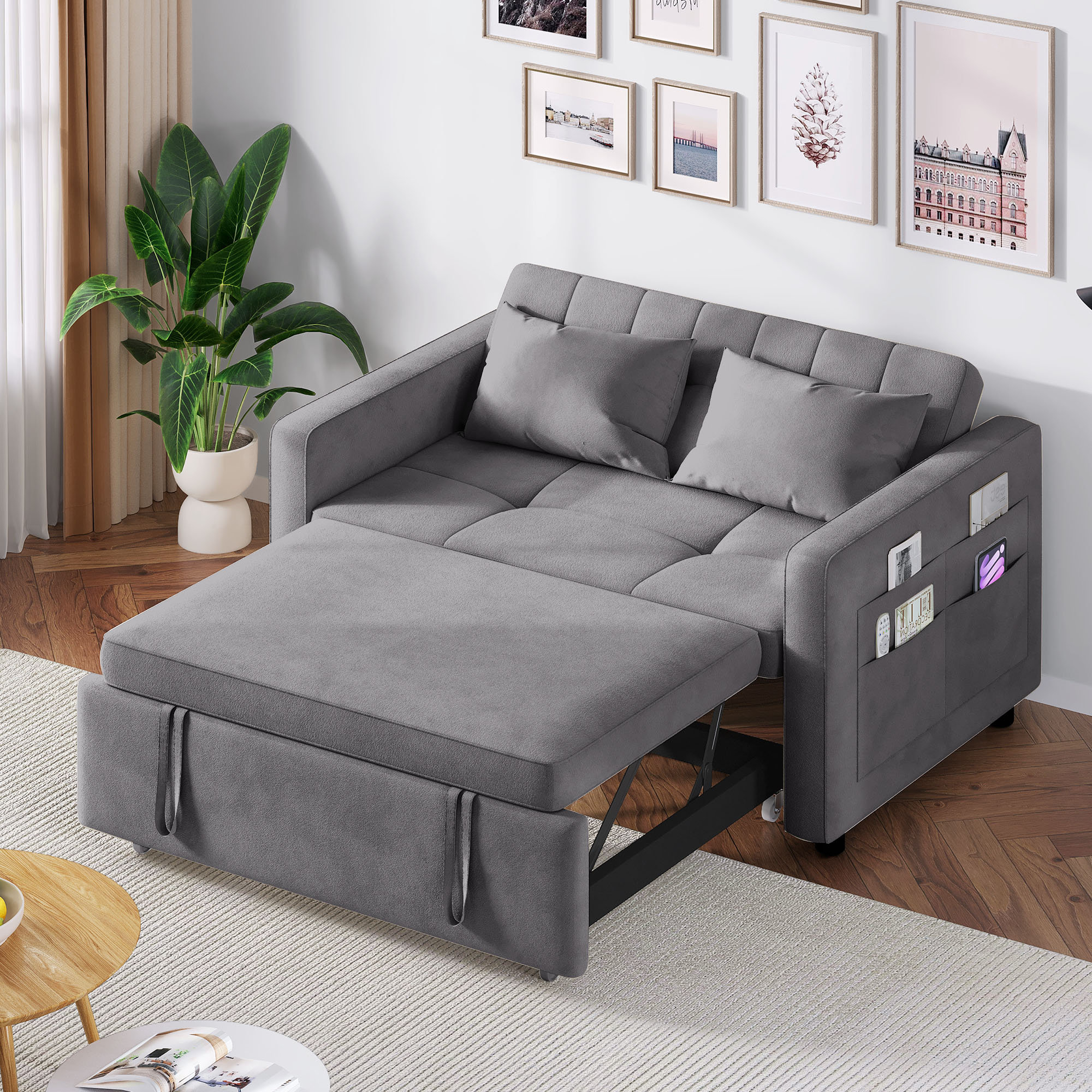
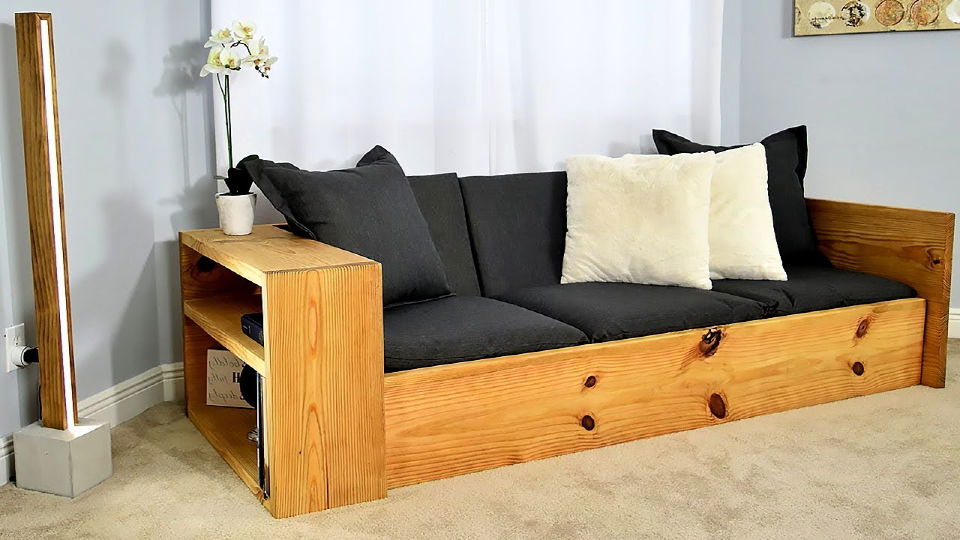
Let’s talk about what happens when you’re not sleeping. A good bed couch should work well for other activities too. Can you sit on it comfortably? Does it work as a regular sofa during the day? What about storage underneath? These aren’t luxuries – they’re necessities for a space-efficient solution. Consider if you’ll need to clean it regularly, or if it needs to be moved occasionally. Some people want a couch that can be converted to a full bed for guests. Others prefer something that stays fixed. Think about how often you’ll use it for non-sleeping purposes. If you use it as a living room seat during the day, you’ll want materials that handle daily wear well. Storage solutions built-in can be game-changers for small spaces. Just remember to balance functionality with comfort – you don’t want to compromise your sleep quality for convenience.
Designing the perfect bed couch doesn’t require a degree in furniture engineering or expensive consultations. It simply requires paying attention to what makes you comfortable and being willing to test different approaches. Start with the basics – your body’s natural curve, the right materials for your needs, and appropriate dimensions. Then, add features gradually based on how you actually use the space. The most successful designs are those that balance multiple factors without trying to solve every problem at once. Remember, your bed couch should feel like a gentle embrace rather than a rigid structure. It’s not about perfection, but about finding what works for you. Take your time, test your choices, and don’t be afraid to make adjustments. After all, this is your personal sanctuary, and it should feel exactly right.
[sps_html tag=”img” src=”https://roofdrivein.com/wp-content/uploads/2026/01/wrought-studio-modern-simple-design-sofa-bed-wayfair-in-designing-the-perfect-bed-couch-without-overcomplicating-it-scaled.jpg” alt=”Wrought Studio Modern Simple Design Sofa Bed | Wayfair in Designing the perfect bed couch without overcomplicating it” style=”width: 100%; height: auto;”]
[sps_html tag=”img” src=”https://roofdrivein.com/wp-content/uploads/2026/01/20-perfect-sofa-bed-picks-for-every-budget-this-labor-day-in-designing-the-perfect-bed-couch-without-overcomplicating-it.jpg” alt=”20+ Perfect Sofa Bed Picks For Every Budget This Labor Day in Designing the perfect bed couch without overcomplicating it” style=”width: 100%; height: auto;”]
[sps_html tag=”img” src=”https://roofdrivein.com/wp-content/uploads/2026/01/diy-sofa-bed-throughout-designing-the-perfect-bed-couch-without-overcomplicating-it.jpg” alt=”Diy Sofa Bed throughout Designing the perfect bed couch without overcomplicating it” style=”width: 100%; height: auto;”]
[sps_html tag=”img” src=”https://roofdrivein.com/wp-content/uploads/2026/01/diy-sofa-bed-pertaining-to-bed-couch-design-simple.jpg” alt=”Diy Sofa Bed pertaining to Bed Couch Design Simple” style=”width: 100%; height: auto;”]
[sps_html tag=”img” src=”https://roofdrivein.com/wp-content/uploads/2026/01/25-free-diy-couch-plans-and-sofa-ideas-suite-101-with-designing-the-perfect-bed-couch-without-overcomplicating-it.jpg” alt=”25 Free Diy Couch Plans And Sofa Ideas - Suite 101 with Designing the perfect bed couch without overcomplicating it” style=”width: 100%; height: auto;”]