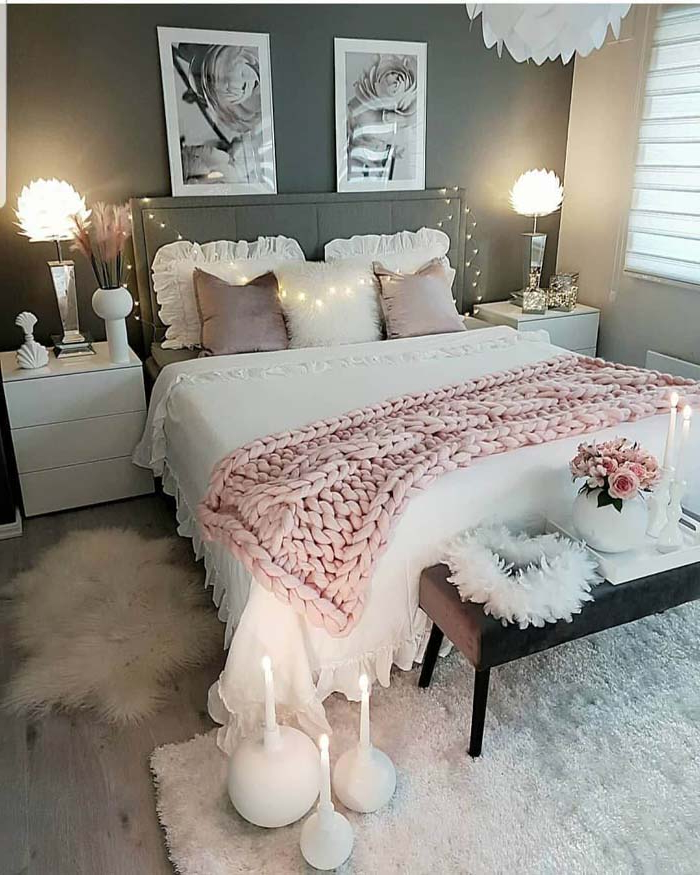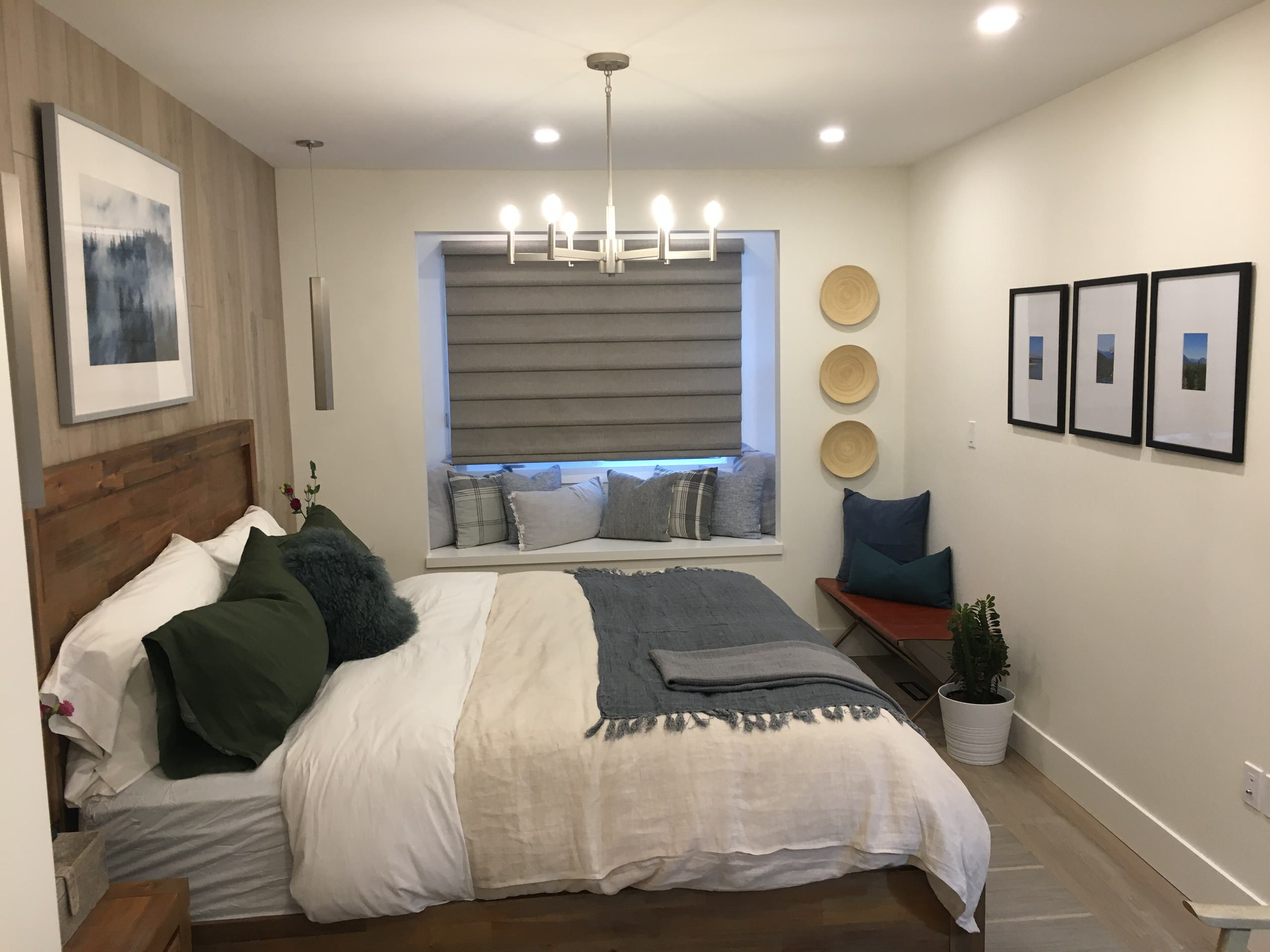
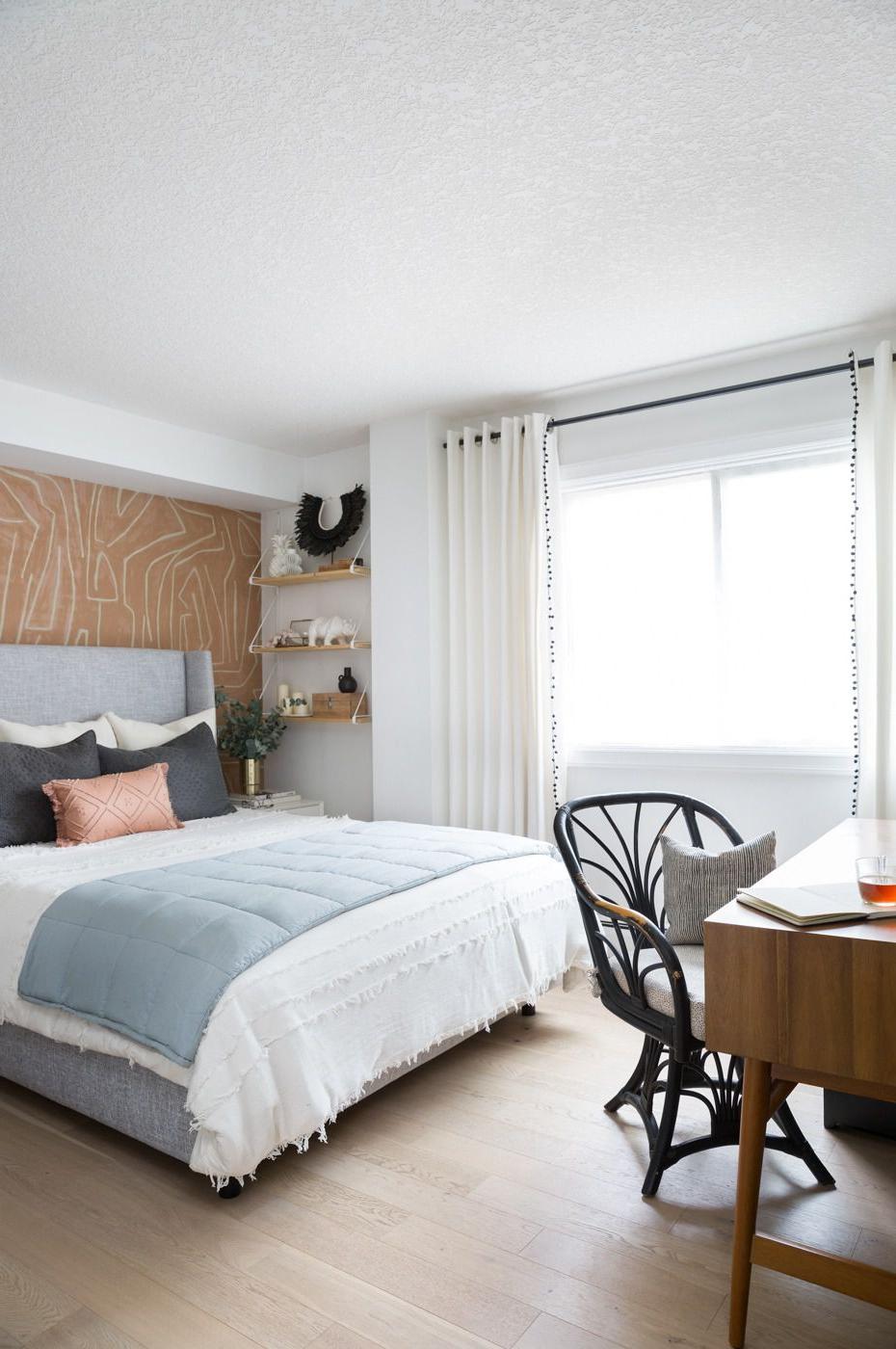
Your bedroom isn’t just a place to sleep—it’s a sanctuary that should evolve with you through life’s many chapters. Whether you’re a young adult starting out, a busy parent, or someone enjoying retirement, your sleeping space deserves thoughtful consideration. What if we told you there are ways to design a room that feels right today and will still work beautifully in ten years? Let’s explore how timeless bedroom ideas can adapt to every stage of life.
Think about the last time you walked into a bedroom and felt instantly at ease. Maybe it was a cozy childhood room filled with soft blankets and familiar objects, or perhaps a perfectly curated space that made you want to curl up with a book. The truth is, our bedrooms hold deep emotional significance. They’re where we rest, recharge, and process everything that happens during the day. But here’s something important to consider: your bedroom needs shouldn’t change drastically as you age. The good news? Thoughtful design can bridge those gaps between different life stages.
The Foundation of Flexible Design
When creating a bedroom that ages gracefully, start with a strong foundation. This means choosing furniture and elements that serve multiple purposes. A bed with built-in storage underneath can hold seasonal linens while keeping your floor clean. Consider a platform bed that can easily accommodate a changing mattress as you get older. Think about the basics first—good lighting, quality insulation, and simple lines that won’t look dated quickly. These fundamentals form the backbone of a room that will feel fresh no matter what decade you’re living in. Don’t overlook the importance of easy-to-clean materials either. You’ll appreciate a stain-resistant fabric or a solid wood frame over time.
Color Psychology and Mood Setting
Colors play a surprisingly powerful role in how a room feels and functions. Neutral tones like soft grays, warm whites, and muted beiges create spaces that feel calm and versatile. These colors don’t scream "this is a baby’s room" or "this is a teenager’s space." Instead, they provide a blank canvas that can be easily updated with accessories. Darker colors might seem dramatic, but they can actually make a small room feel cozier when used thoughtfully. Light colors, on the other hand, help larger rooms feel airy and spacious. Remember that color choices can also affect sleep quality. Cool blues and greens tend to promote relaxation, while warmer yellows and oranges can energize your space. The key is balancing these effects based on what you need most.
Storage Solutions That Scale
Storage needs shift dramatically throughout life. As a young adult, you might have minimal items to store. But as you grow, buy more things, and eventually settle into family life, your storage requirements multiply. The trick is planning ahead. Built-in shelving can serve as both storage and display space. Floating shelves add visual interest while keeping your floor area open. Consider storage solutions that can be reconfigured as needs change. For example, a dresser with adjustable shelves lets you customize for different sizes of clothing or books. Don’t forget about under-bed storage. It’s an excellent way to keep seasonal items tucked away without sacrificing floor space. Sometimes the best storage solution is one that’s hidden but easily accessible when you need it.
Lighting That Works for Every Moment
Good lighting is often overlooked but absolutely essential for comfort. A bedroom should have layers of light that work for different activities. Start with ambient lighting—perhaps a soft ceiling fixture or a table lamp that provides general illumination. Add task lighting for reading or working, like a bedside lamp with adjustable brightness. Finally, consider accent lighting to highlight artwork or create mood. Smart lighting systems allow you to control brightness and color temperature throughout the day. They can even mimic natural sunlight patterns to help regulate your circadian rhythm. The beauty of thoughtful lighting is that it adapts to your changing schedule and needs. What works for a late-night reading session might not suit a morning routine.
Comfort Beyond the Bed
While the bed is central to any bedroom, true comfort comes from the entire environment. Temperature control matters more than you might think. A room that stays too hot or cold will disrupt your sleep quality regardless of mattress comfort. Invest in good window treatments that can block light and regulate temperature. Soft textures like throw pillows, blankets, and rugs create tactile comfort. These elements are easy to change as tastes evolve or seasons shift. Consider adding a comfortable chair or bench in the corner for quiet moments. Sometimes the most comforting part of a bedroom isn’t the bed itself, but the way the whole space makes you feel. It’s about creating a sense of safety and well-being that extends beyond just physical comfort.
Adapting to Changing Needs Over Time
Life brings changes that affect how we use our spaces. As children grow, their rooms need to transform from play areas to study zones. When parents age, accessibility becomes crucial. Think about grab bars in bathrooms, easy-to-reach storage, and pathways that accommodate mobility aids. Even as you age, you might find yourself needing more lighting or different types of seating. The key is designing with flexibility in mind. Modular furniture allows for reconfiguration. Multi-functional pieces mean fewer replacements over time. Remember that your bedroom is a place where you want to feel secure and supported, not stressed by design limitations. What seems like a small adjustment today could prevent bigger problems tomorrow.
Designing a bedroom that ages well isn’t about following trends or buying expensive pieces. It’s about creating a foundation that supports your evolving lifestyle while maintaining a sense of personal style. The most successful bedroom designs are those that balance practicality with comfort, allowing you to move through life’s stages with grace and ease. By focusing on adaptable elements, thoughtful color choices, and flexible layouts, you’re not just decorating a room—you’re creating a space that grows with you. The investment in time and thoughtfulness now pays dividends for years to come. After all, your bedroom should feel like a trusted friend who knows exactly how to make you feel safe and comfortable, no matter what life throws your way. It’s not about perfection—it’s about purposeful design that serves you throughout every season of life.
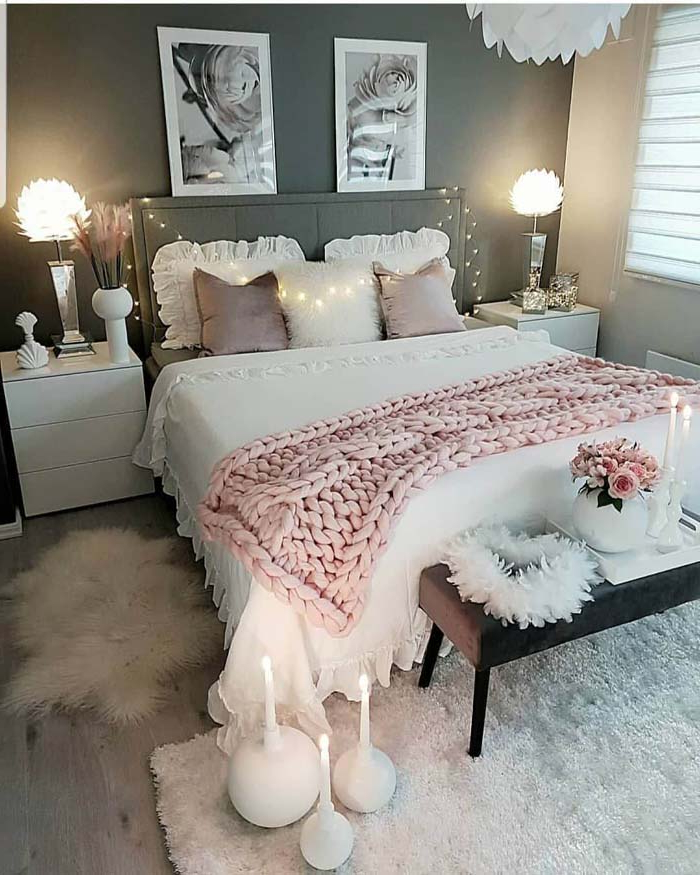
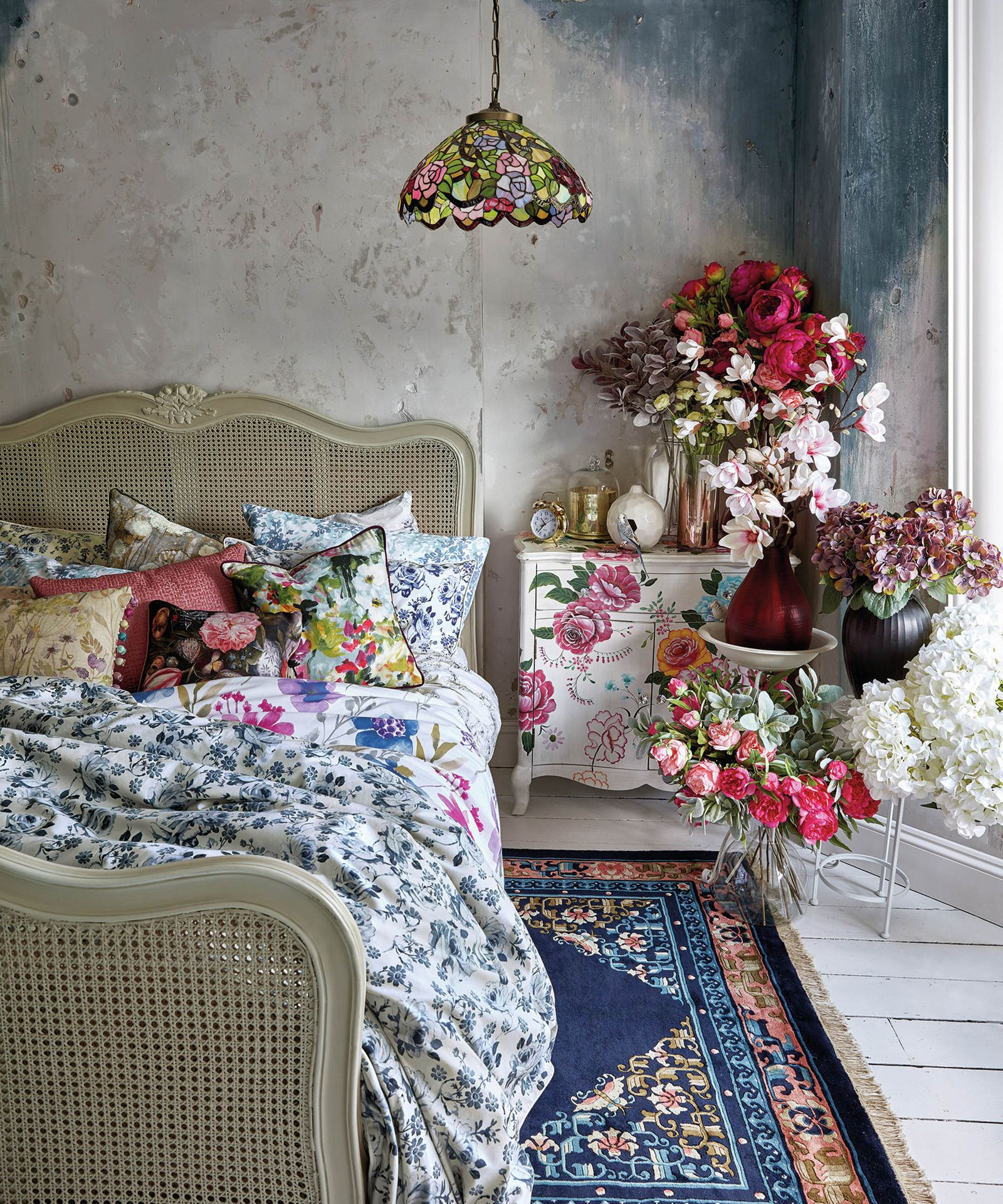
[sps_html tag=”img” src=”https://roofdrivein.com/wp-content/uploads/2026/01/27-best-bedroom-decorating-ideas-for-women-inside-designing-for-comfort-timeless-bedroom-ideas-that-adapt-to-every-stage-of-life.jpeg” alt=”27 Best Bedroom Decorating Ideas For Women inside Designing for Comfort: Timeless Bedroom Ideas That Adapt to Every Stage of Life” style=”width: 100%; height: auto;”]
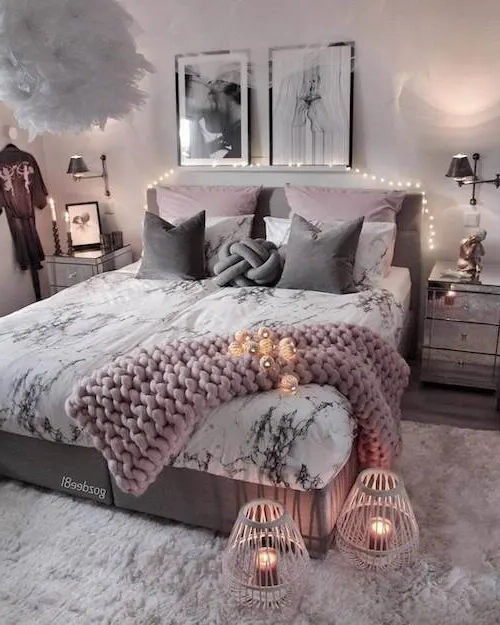
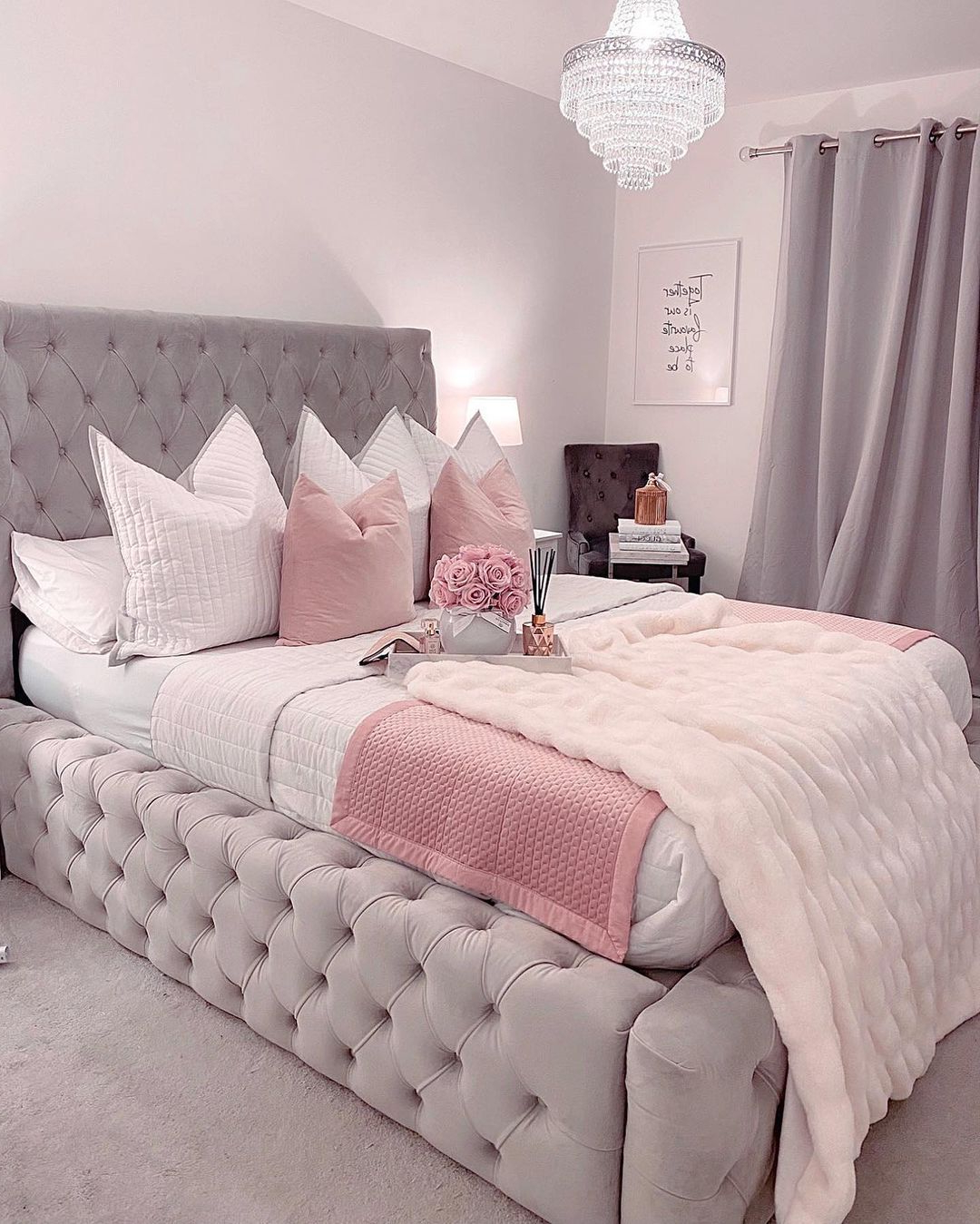
[sps_html tag=”img” src=”https://roofdrivein.com/wp-content/uploads/2026/01/young-woman-bedroom-decorating-ideas-7-secrets-of-awesome-home-decorating-with-designing-for-comfort-timeless-bedroom-ideas-that-adapt-to-every-stage-of-life.jpg” alt=”Young Woman Bedroom Decorating Ideas 7 Secrets Of Awesome Home Decorating with Designing for Comfort: Timeless Bedroom Ideas That Adapt to Every Stage of Life” style=”width: 100%; height: auto;”]
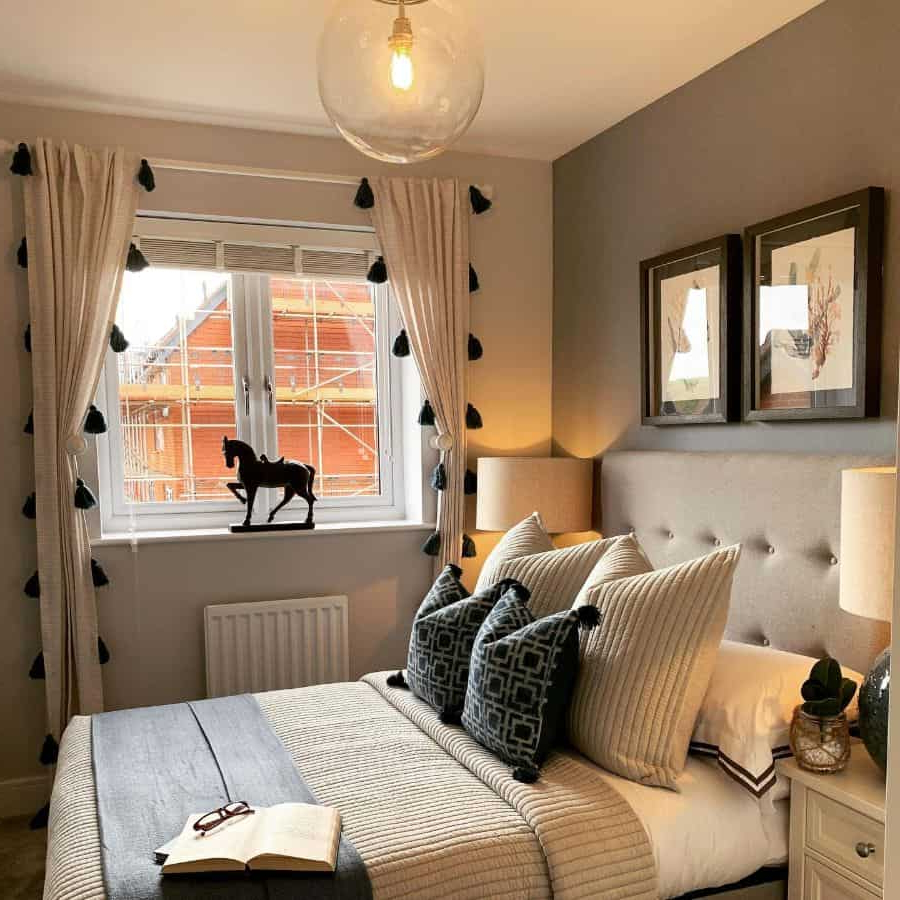
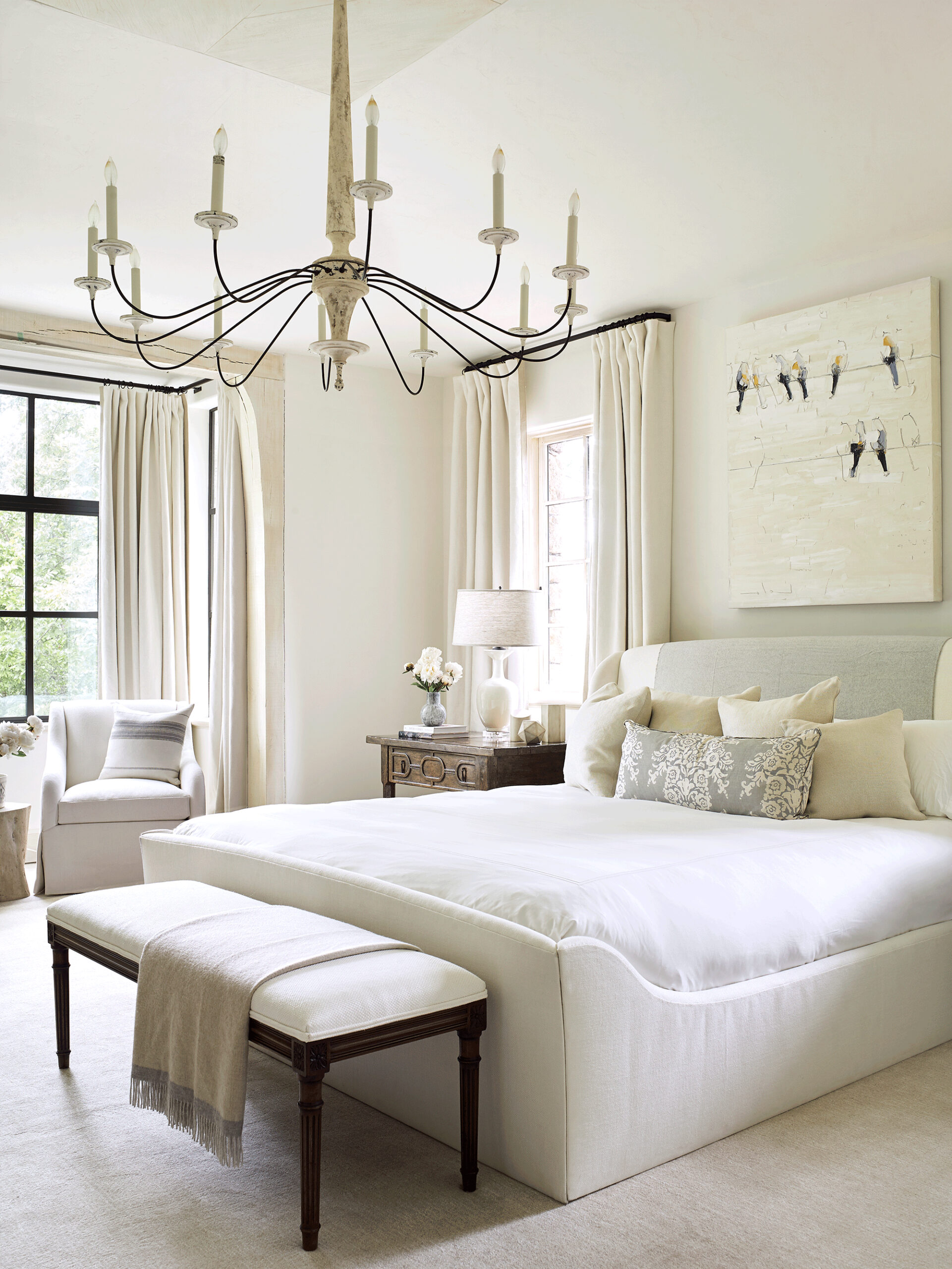
[sps_html tag=”img” src=”https://roofdrivein.com/wp-content/uploads/2026/01/bedroom-ideas-for-women-17-designs-that-are-fun-and-feminine-real-homes-with-designing-for-comfort-timeless-bedroom-ideas-that-adapt-to-every-stage-of-life.jpg” alt=”Bedroom Ideas For Women: 17 Designs That Are Fun And Feminine | Real Homes with Designing for Comfort: Timeless Bedroom Ideas That Adapt to Every Stage of Life” style=”width: 100%; height: auto;”]
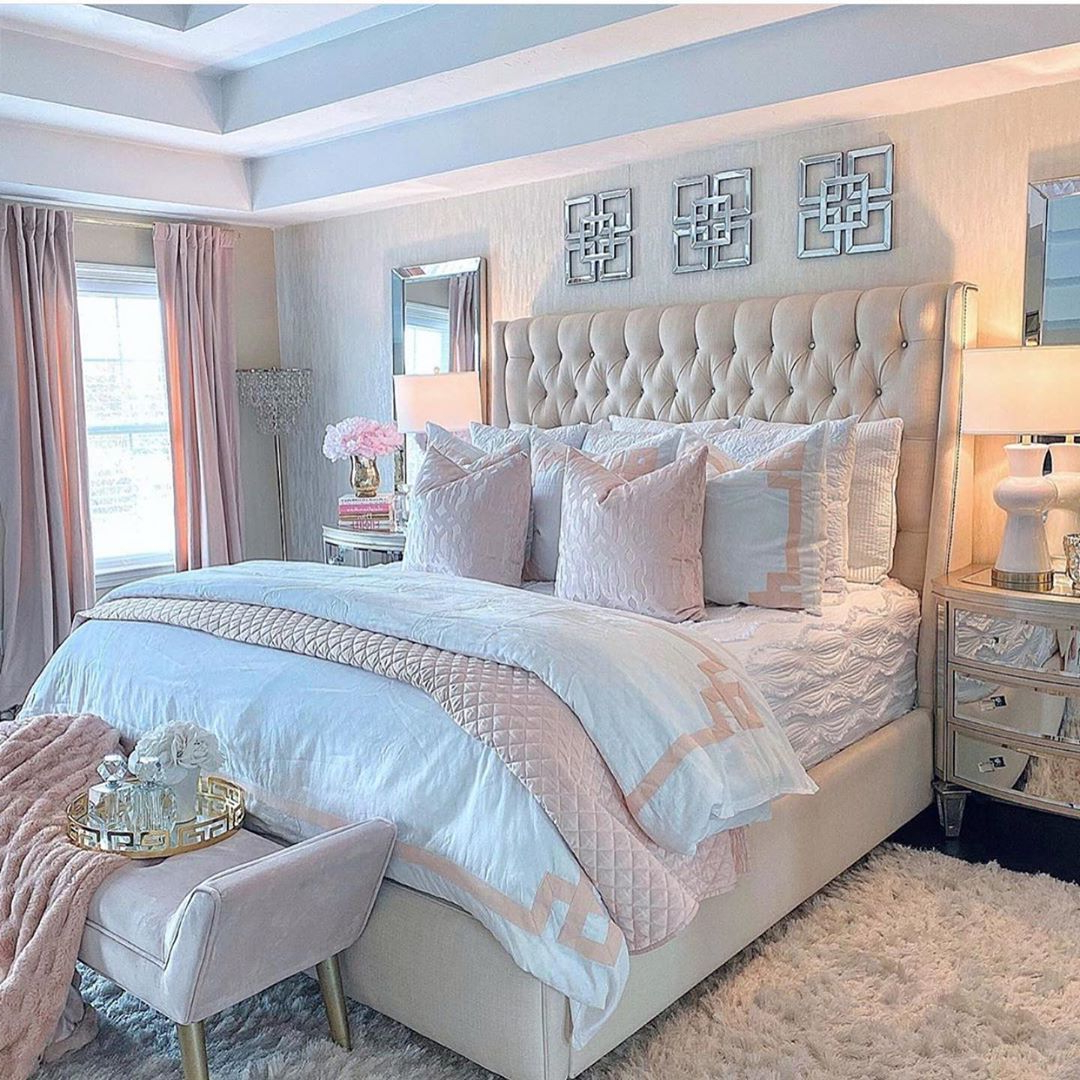
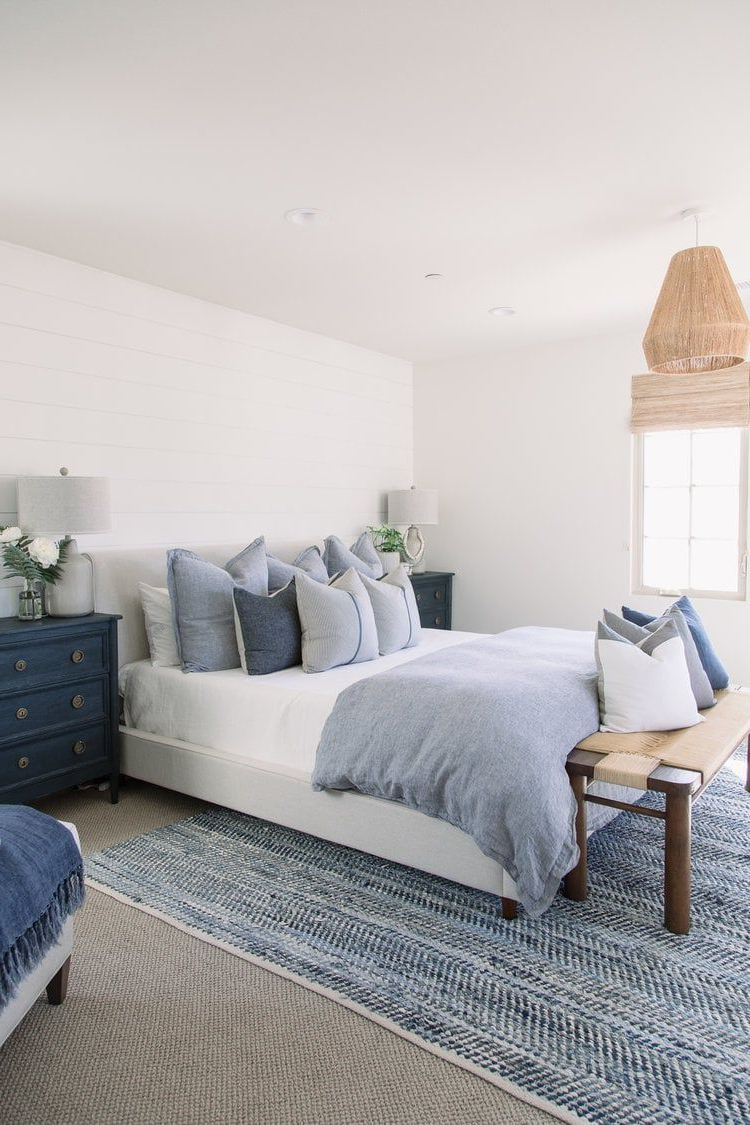
[sps_html tag=”img” src=”https://roofdrivein.com/wp-content/uploads/2026/01/the-top-65-bedroom-ideas-for-women-interior-home-and-design-with-regard-to-designing-for-comfort-timeless-bedroom-ideas-that-adapt-to-every-stage-of-life.jpg” alt=”The Top 65 Bedroom Ideas For Women - Interior Home And Design with regard to Designing for Comfort: Timeless Bedroom Ideas That Adapt to Every Stage of Life” style=”width: 100%; height: auto;”]
[sps_html tag=”img” src=”https://roofdrivein.com/wp-content/uploads/2026/01/101-best-bedroom-ideas-for-women-that-are-simply-adorable-decor-home-within-women-bedroom-design-ideas.jpg” alt=”101 Best Bedroom Ideas For Women That Are Simply Adorable | Decor Home … within Women Bedroom Design Ideas” style=”width: 100%; height: auto;”]