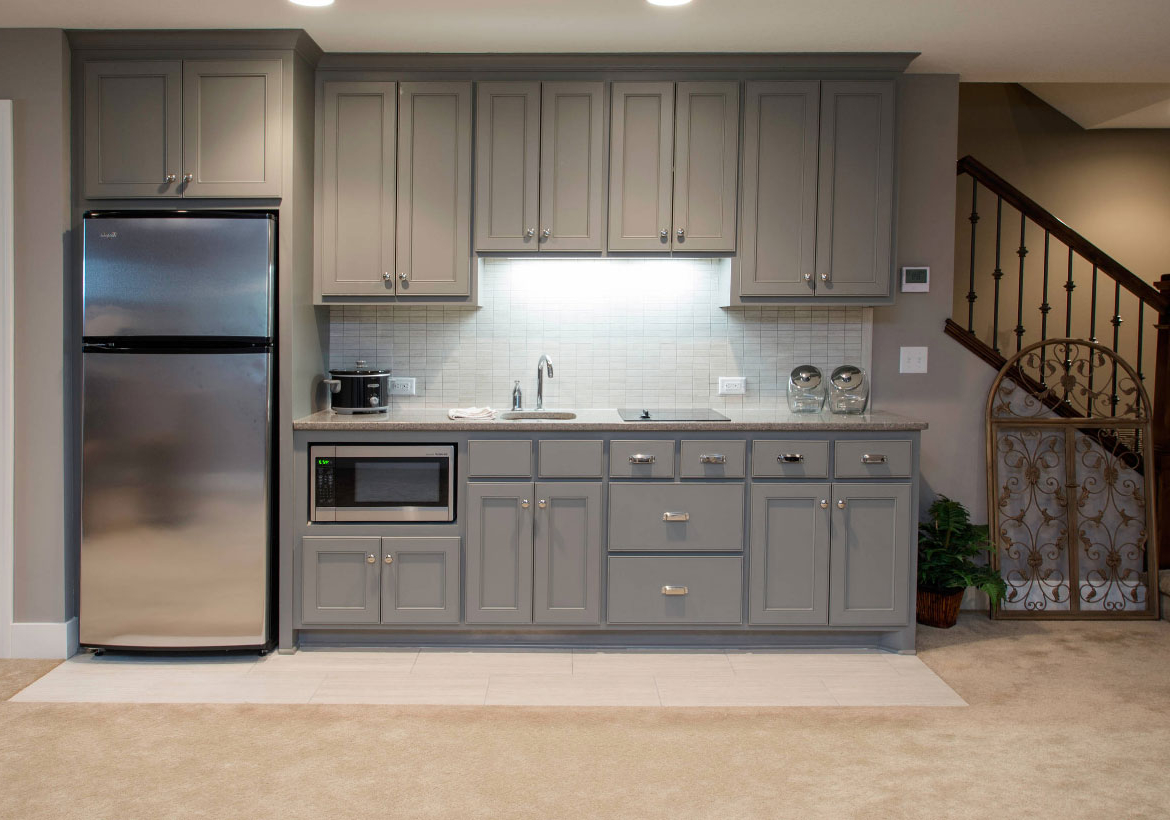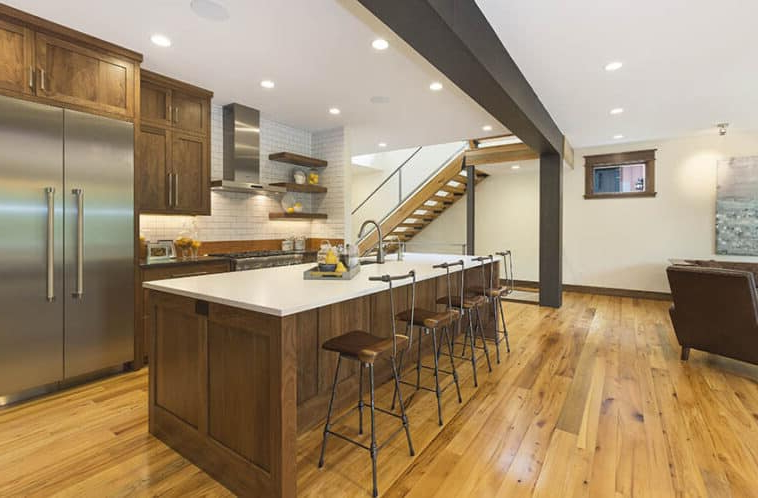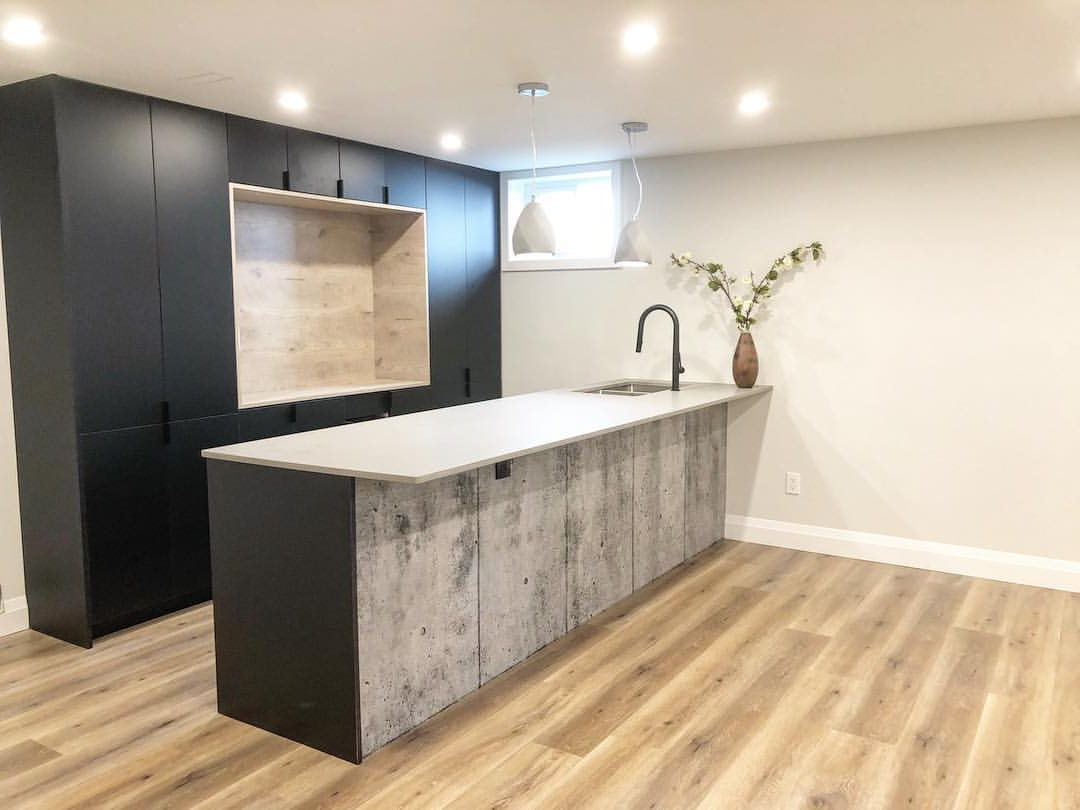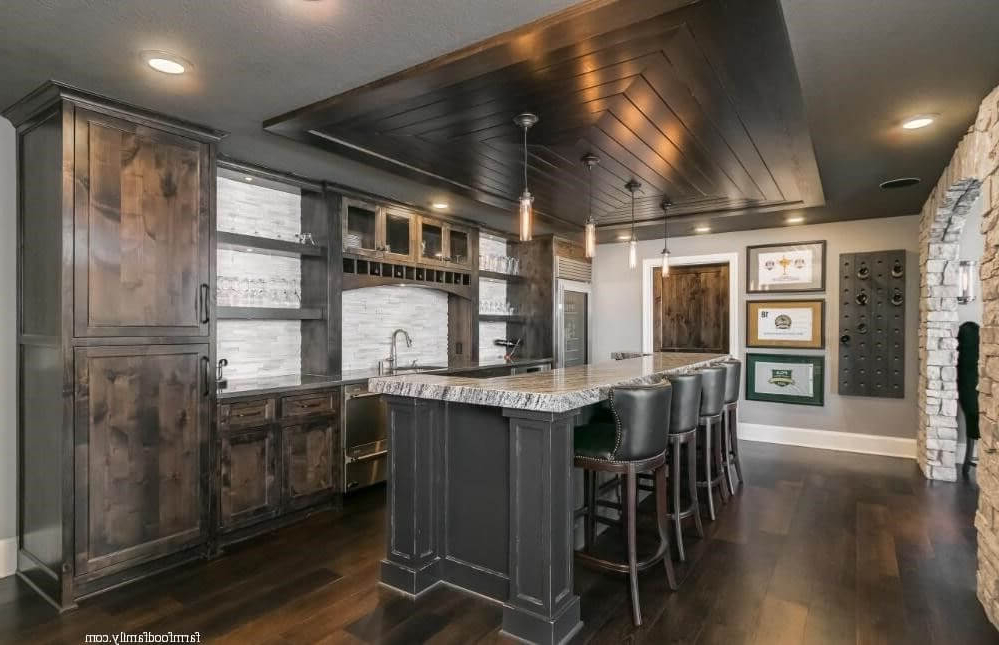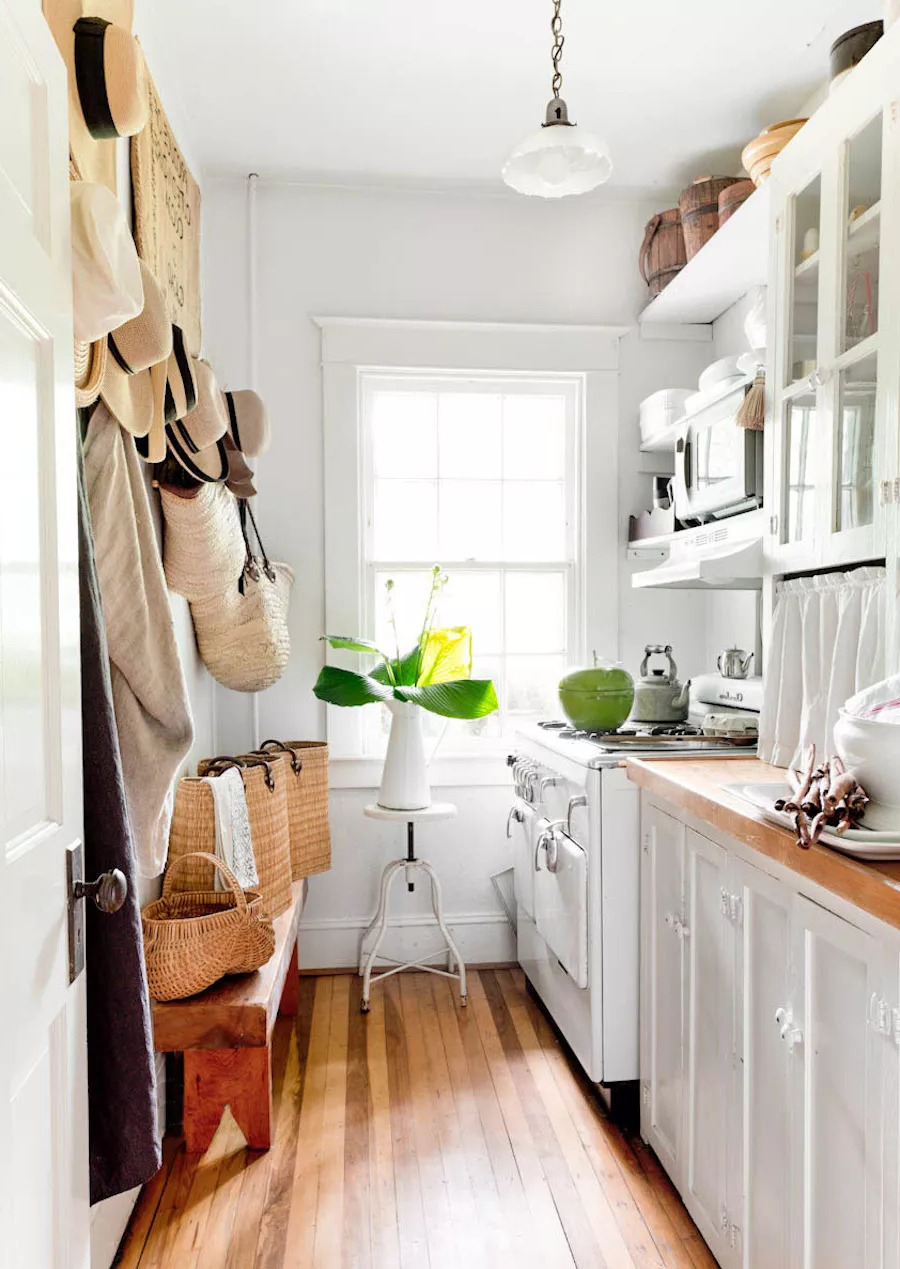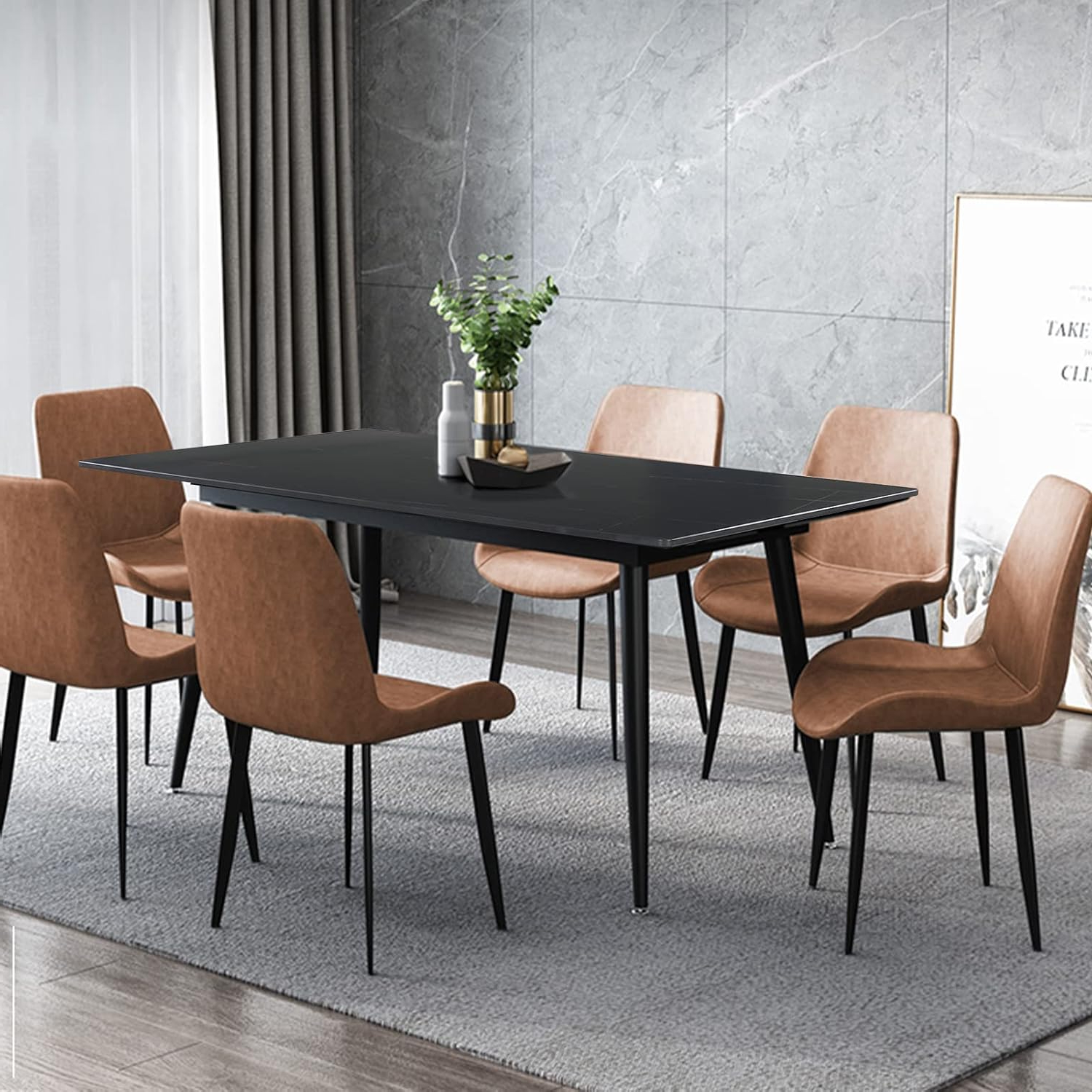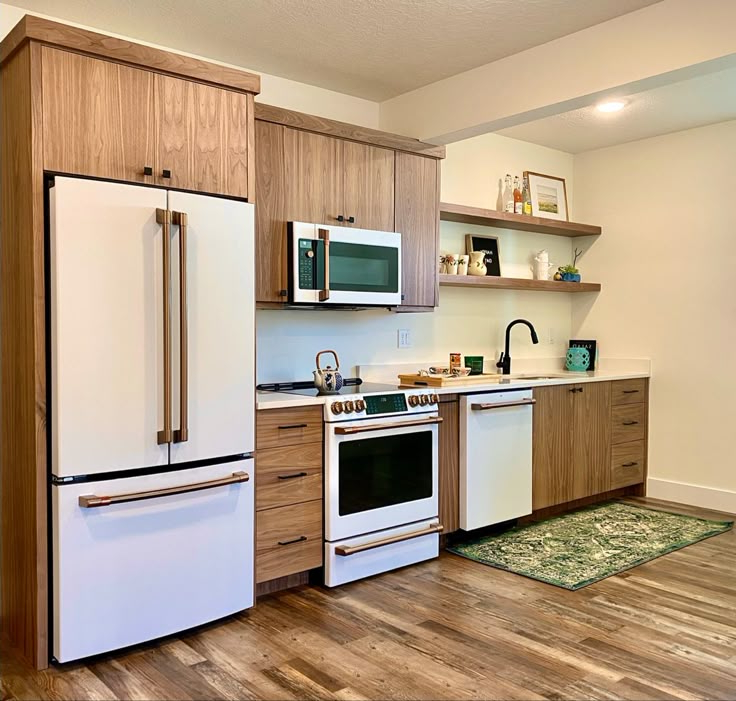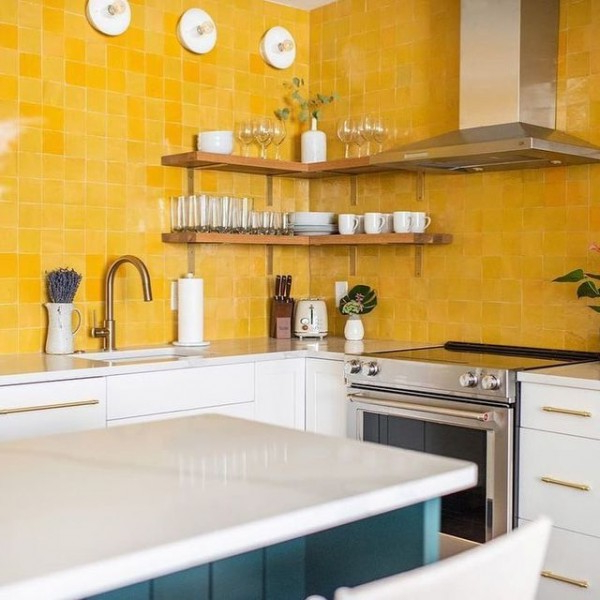
Picture this: You’re standing in a bright, welcoming kitchen with warm wood tones, soft lighting, and that familiar feeling of being in a real home. Now imagine doing all of this in a basement space that’s often associated with cold concrete and harsh fluorescent lights. It’s possible, and we’re going to show you exactly how.
Basement kitchens have a reputation for feeling sterile and unwelcoming. But what if you could have a space that feels like a true kitchen from the heart of your home? The secret lies in understanding how to work with the unique challenges and opportunities that come with underground spaces. It’s not just about making it functional – it’s about creating a place where people want to spend time, cook meals, and gather with family and friends.
Understanding Basement Kitchen Challenges
Working with a basement kitchen comes with its own set of hurdles. The most obvious one is lighting. Basements naturally lack natural light, which can make even the most beautiful kitchen feel dark and uninviting. Many people assume they’ll need to rely heavily on artificial lighting, but there’s more to consider than just turning on the lights.
Let’s talk about moisture and humidity. These basement spaces often struggle with dampness, which can affect everything from cabinet materials to the overall feel of the room. When you’re designing a kitchen that needs to feel like a traditional home kitchen, you can’t ignore these environmental factors.
The foundation itself is another consideration. Concrete floors and walls might seem like a given, but they contribute to that cold, institutional feel that many basement kitchens have. Creating warmth means finding ways to counteract these elements.
Lighting Strategies That Transform Spaces
Good lighting is the single most important element in making a basement kitchen feel welcoming. Start with layers of light: ambient, task, and accent lighting. Ambient lighting provides general illumination – think of soft ceiling fixtures or recessed lights that spread light evenly throughout the room.
Task lighting is crucial for cooking areas. Under-cabinet lights, pendant lights over islands, and even a good overhead light near the sink can make a huge difference. Imagine working at your kitchen island while the morning sun streams through a window – now imagine that same feeling in a basement. That’s what proper task lighting can do.
Accent lighting adds personality. Picture string lights behind a bar area, or warm LED strips under cabinets that highlight your favorite dishes. These details make the space feel lived-in and special.
A common mistake people make is assuming they need expensive fixtures. Sometimes, simple changes like adding dimmer switches or switching to warmer bulbs can create dramatic shifts in mood and atmosphere. The right combination of lighting can make a 10×10 basement feel like a cozy 15×15 living space.
Material Choices That Bring Warmth
The materials you choose play a massive role in whether your basement kitchen feels like a traditional home kitchen or like a commercial space. Wood is your best friend here. Real wood countertops, hardwood flooring, or even wooden accents can instantly add warmth and character.
Consider using reclaimed wood for cabinetry or decorative elements. It brings history and authenticity to the space. You might be surprised how much a few wooden shelves or a butcher block island can change the entire vibe of the room.
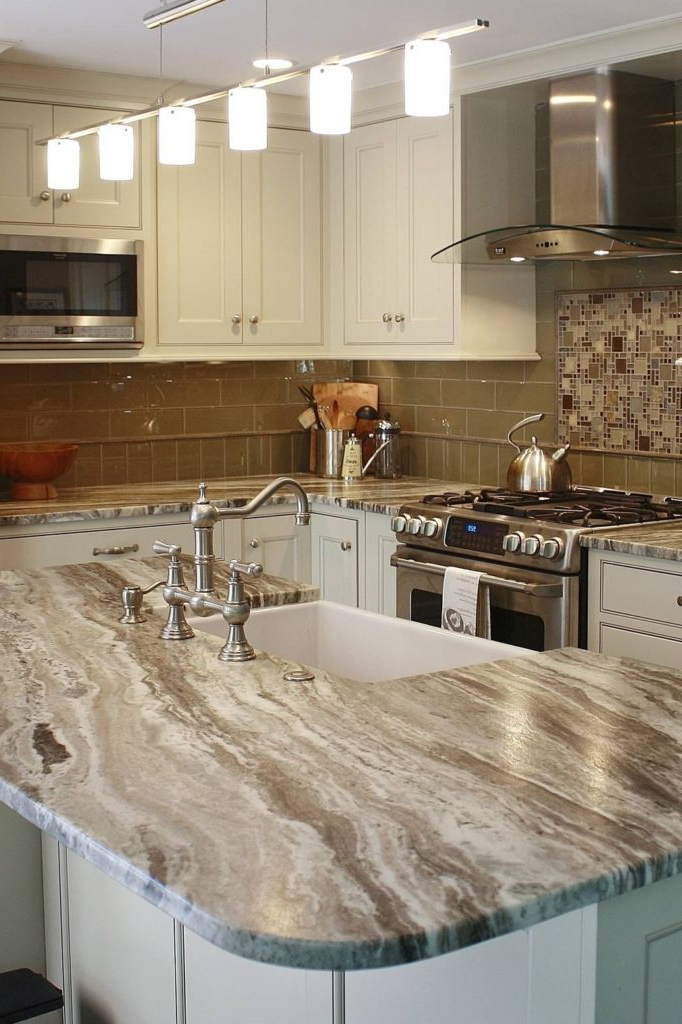
Stone isn’t always the cold, hard material you might expect. Natural stone like granite or limestone can actually add elegance and texture. Just make sure you’re choosing stones with warm undertones rather than those that look stark and clinical.
For flooring, hardwood or laminate that mimics wood works wonders. Tile can also be part of the solution, especially if you choose warm colors or patterns that don’t feel too industrial. The key is avoiding materials that scream ‘basement’ – and instead, focus on materials that speak ‘home.
Ceiling Treatments for a Cozy Atmosphere
The ceiling is often overlooked in kitchen design, but it’s actually one of the most powerful tools for creating atmosphere. High ceilings can make a space feel grand and open, but low ceilings can make things feel cramped. If you’re working with a low ceiling, there are several strategies to combat that feeling.
Painting the ceiling a warm color can make it appear higher and more inviting. Creams, warm whites, or even soft yellows can create a sense of openness. White ceilings can look stark and sterile, so consider adding a subtle tone that complements your overall palette.
If you have the budget and space, consider installing a coffered ceiling. This adds architectural interest and can make the ceiling feel more substantial. It’s a classic technique used in traditional kitchens to add visual depth.
Another approach is to use different ceiling heights strategically. For example, if you have a vaulted ceiling in one area, like over an island, that creates a focal point and makes the whole space feel more dynamic. Think of it as creating visual stops that guide the eye around the room.
Color Schemes That Invite People In
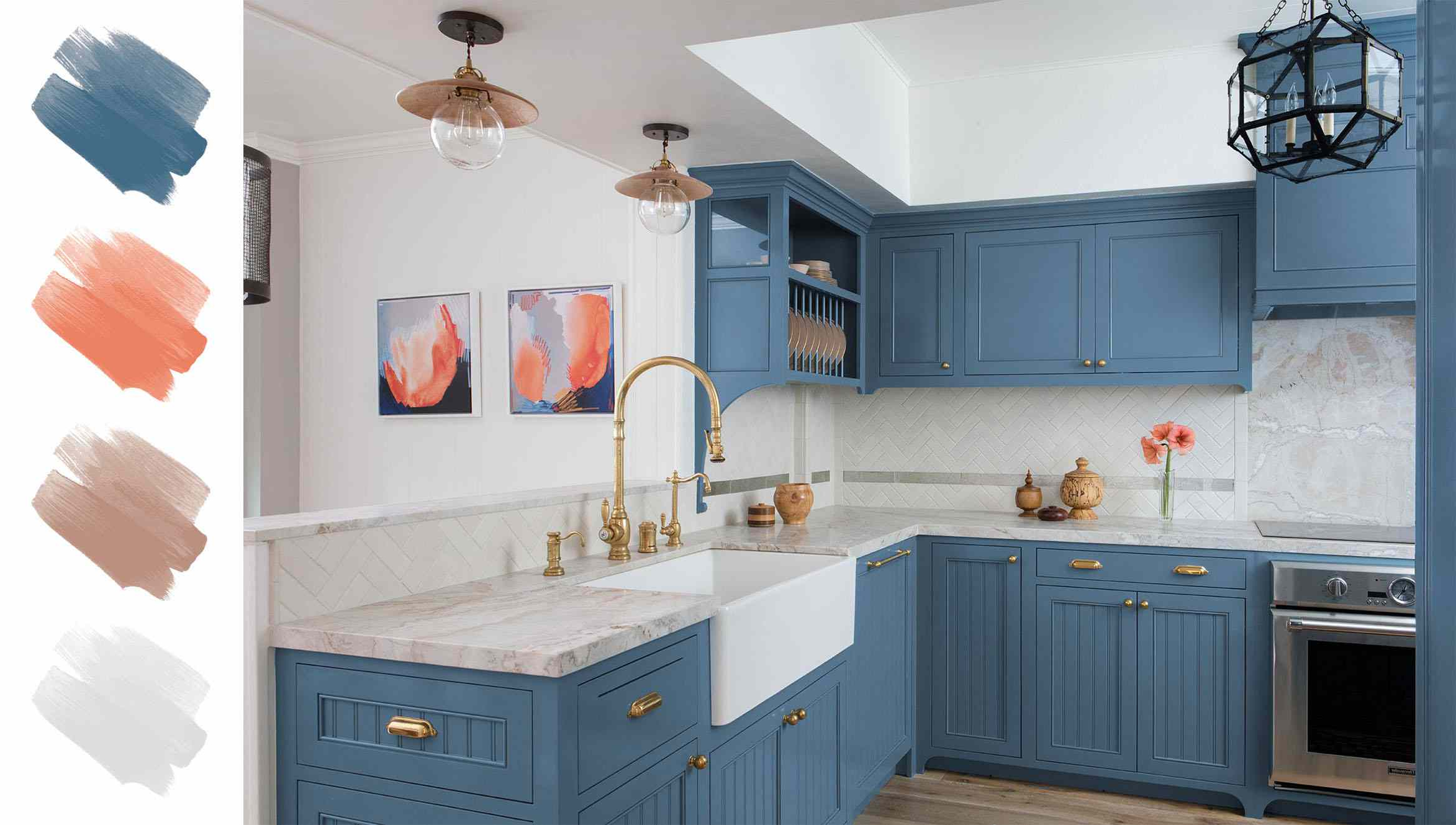
Color choices determine whether your kitchen feels like a place to work or a place to live. Warm, earthy tones tend to create a more comfortable environment than cool, stark colors. Think of colors like warm beige, soft browns, or gentle cream. These hues make people feel relaxed and welcome.
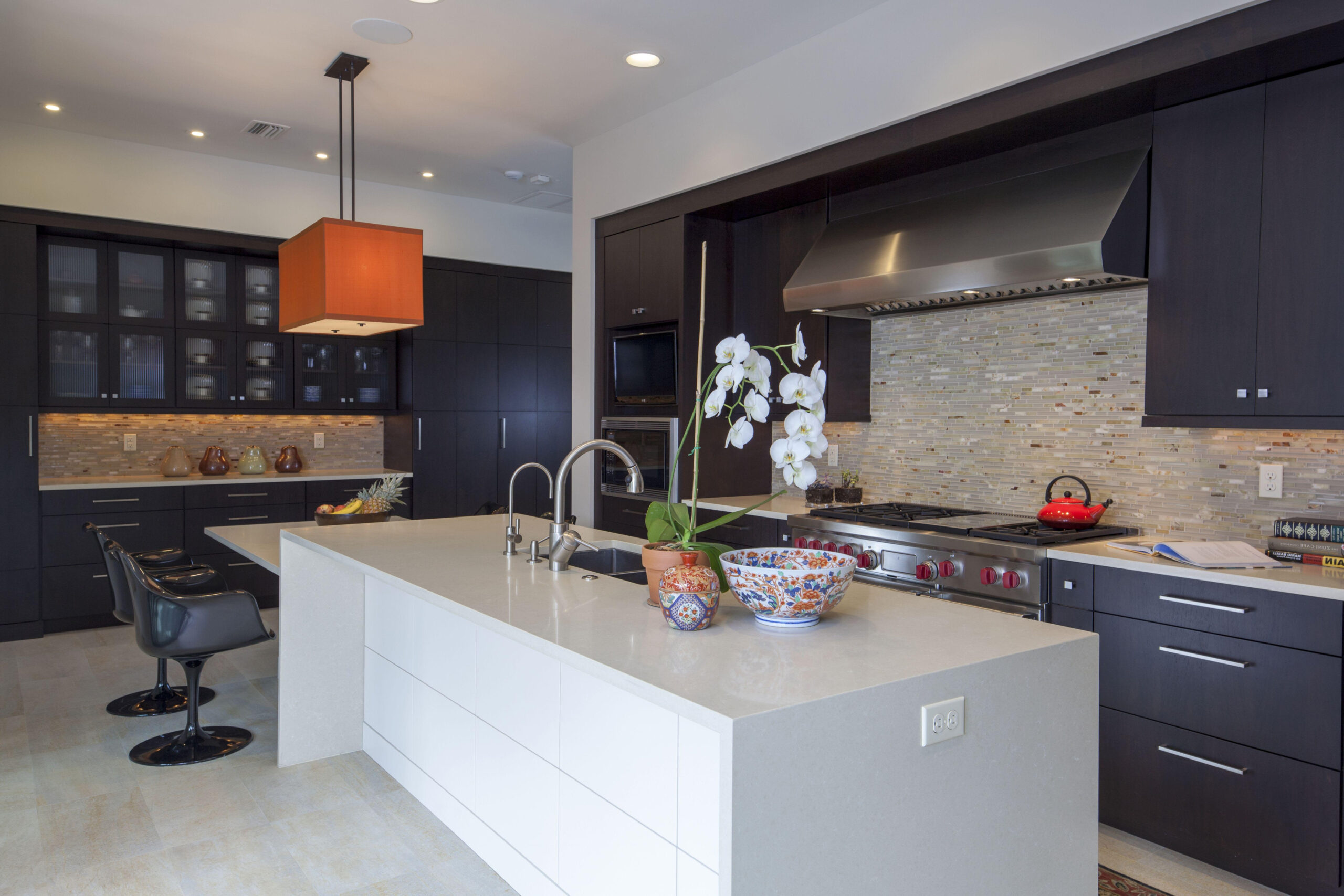
Don’t be afraid to incorporate pops of color through accessories. A bright red vase, green plants, or even a colorful backsplash can add life to the space without overwhelming it. The key is balancing bold elements with neutral backgrounds.
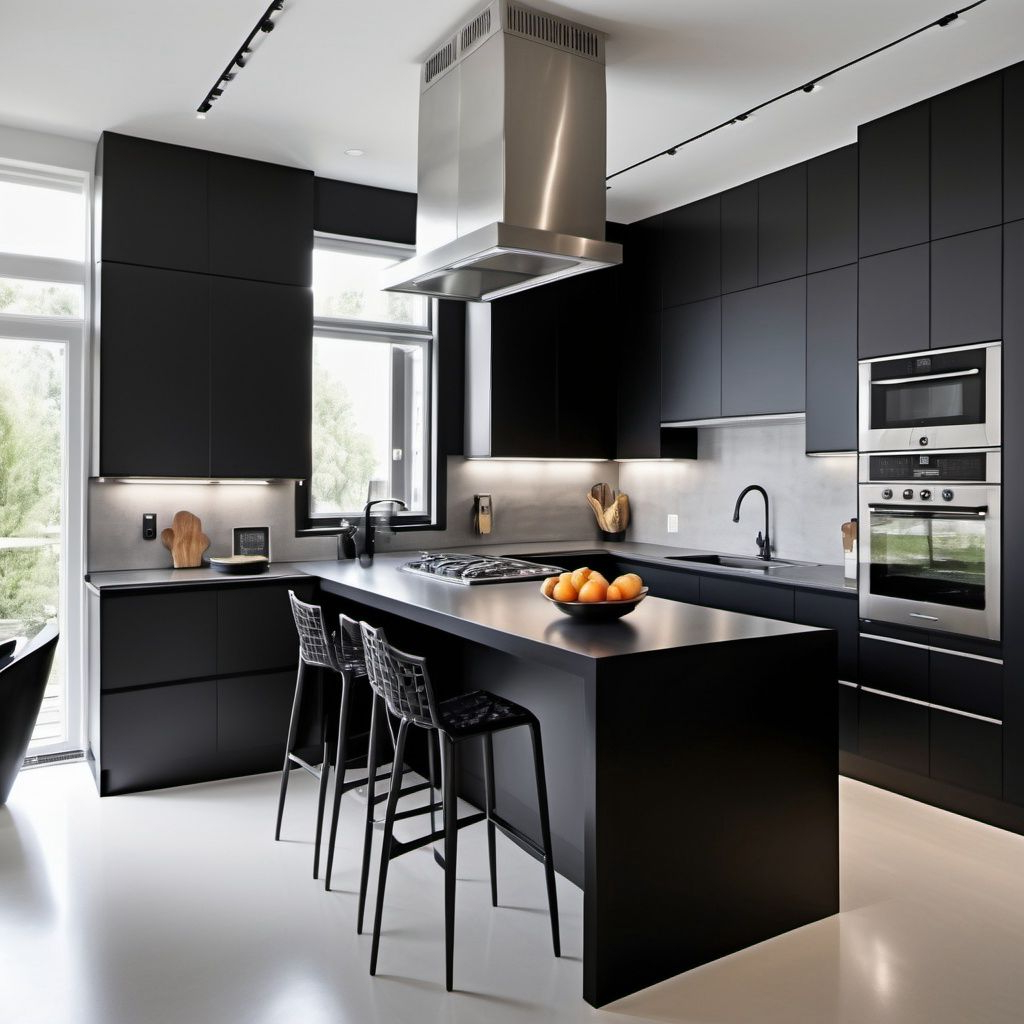
Many people make the mistake of thinking that lighter colors automatically make a space feel bigger. While that’s true in some cases, it’s not always the case. Sometimes, a well-chosen darker color can make a small space feel more intimate and cozy. Consider using a deeper tone on one wall as an accent – maybe the wall behind your stove.
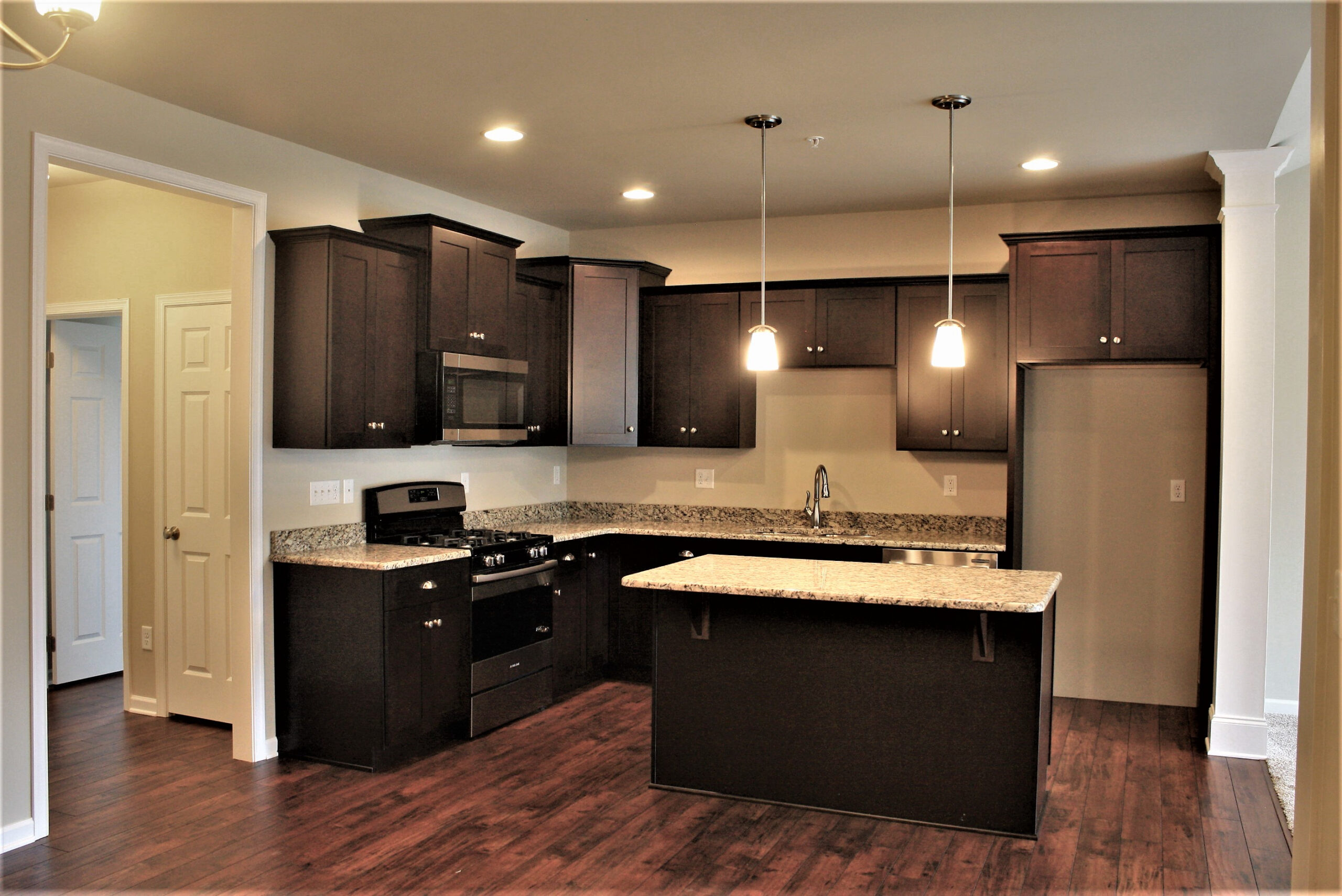
The color of your cabinets matters more than you might realize. Lighter woods or painted cabinets in warm tones create a more open feeling. Darker woods or deep paint colors can make the space feel more grounded and traditional. Choose based on the overall atmosphere you want to create.
Making the Space Feel Like a Real Home
The final touch that separates a basement kitchen from a commercial space is personalization. This isn’t just about adding photos or knick-knacks – it’s about creating a space that reflects the people who will use it daily.
Think about storage solutions that make sense for your lifestyle. Do you entertain often? Then consider a breakfast bar or a large island that doubles as a gathering spot. Are you more of a quiet cook? Maybe a cozy nook with a window seat would work better.
Incorporate elements that bring comfort. Soft textiles like throw pillows, tablecloths, or even a vintage rug can make everything feel more lived-in. These items aren’t just decorative – they create a sense of home that’s essential for a traditional kitchen feeling.
Finally, consider the flow of the space. Traditional kitchens have a natural rhythm to them. People move from the refrigerator to the sink to the stove and back again. Make sure your layout supports this natural movement. A kitchen that feels confusing or awkward to navigate will never feel like a true home kitchen.
Designing a basement kitchen that feels like a traditional home kitchen isn’t about fighting against the space – it’s about working with what you have to create something that feels authentic and welcoming. It’s about using lighting to soften harsh edges, choosing materials that bring warmth, and making intentional decisions about every element in the room.
Remember, people don’t just eat in kitchens – they live, laugh, and connect in these spaces. When you design a basement kitchen with intention and care, you’re not just creating a functional space. You’re building a place where memories happen and traditions continue. The key is understanding that a basement kitchen can be just as warm and inviting as any other part of your home – it just takes the right approach to make it happen.
[sps_html tag=”img” src=”https://roofdrivein.com/wp-content/uploads/2026/01/31-basement-kitchen-ideas-with-the-wow-factor-in-2025-houszed-with-kitchen-ideas-for-basement.jpg” alt=”31+ Basement Kitchen Ideas With The Wow Factor In 2025 | Houszed with Kitchen Ideas For Basement” style=”width: 100%; height: auto;”]
[sps_html tag=”img” src=”https://roofdrivein.com/wp-content/uploads/2026/01/7-basement-kitchen-ideas-to-consider-for-your-custom-home-within-kitchen-ideas-for-basement-scaled.jpg” alt=”7 Basement Kitchen Ideas To Consider For Your Custom Home within Kitchen Ideas For Basement” style=”width: 100%; height: auto;”]
[sps_html tag=”img” src=”https://roofdrivein.com/wp-content/uploads/2026/01/38-best-basement-kitchen-and-kitchenette-ideas-on-a-budget-intended-for-kitchen-ideas-for-basement.jpg” alt=”38+ Best Basement Kitchen And Kitchenette Ideas On A Budget intended for Kitchen Ideas For Basement” style=”width: 100%; height: auto;”]
[sps_html tag=”img” src=”https://roofdrivein.com/wp-content/uploads/2026/01/20-sensational-small-basement-kitchen-ideas-home-decoration-and-throughout-designing-a-basement-kitchen-that-feels-like-a-traditional-home-kitchen.jpg” alt=”20 Sensational Small Basement Kitchen Ideas - Home Decoration And … throughout Designing a basement kitchen that feels like a traditional home kitchen” style=”width: 100%; height: auto;”]
[sps_html tag=”img” src=”https://roofdrivein.com/wp-content/uploads/2026/01/basement-kitchen-ideas-ultimate-design-guide-within-designing-a-basement-kitchen-that-feels-like-a-traditional-home-kitchen.jpg” alt=”Basement Kitchen Ideas (Ultimate Design Guide) within Designing a basement kitchen that feels like a traditional home kitchen” style=”width: 100%; height: auto;”]