What if we told you that the secret to the perfect kitchen lies not in expensive materials or trendy gadgets, but in understanding how people actually live and work in their spaces? The experts at the Kitchen Ideas Center have spent decades studying real kitchens, observing daily routines, and uncovering the fundamental principles that make any kitchen both beautiful and functional.
The kitchen isn’t just a room where we cook meals anymore. It’s become the heart of our homes, a place where families gather, friends meet, and memories are made. But when you look around at most kitchens today, you’ll notice something interesting – they often feel more like showpieces than actual living spaces. This disconnect between form and function happens because many people approach kitchen design with assumptions rather than insights. What if we could learn directly from those who truly understand how kitchens work in real life? The Kitchen Ideas Center experts have been working with homeowners, designers, and manufacturers for years, collecting wisdom from thousands of kitchens across the country. They’ve seen what works and what fails, what makes a space feel welcoming and what turns people away. Their findings reveal surprising truths about kitchen design that challenge common beliefs and offer fresh perspectives on creating spaces that truly serve us.
The Power of Workflow Zones
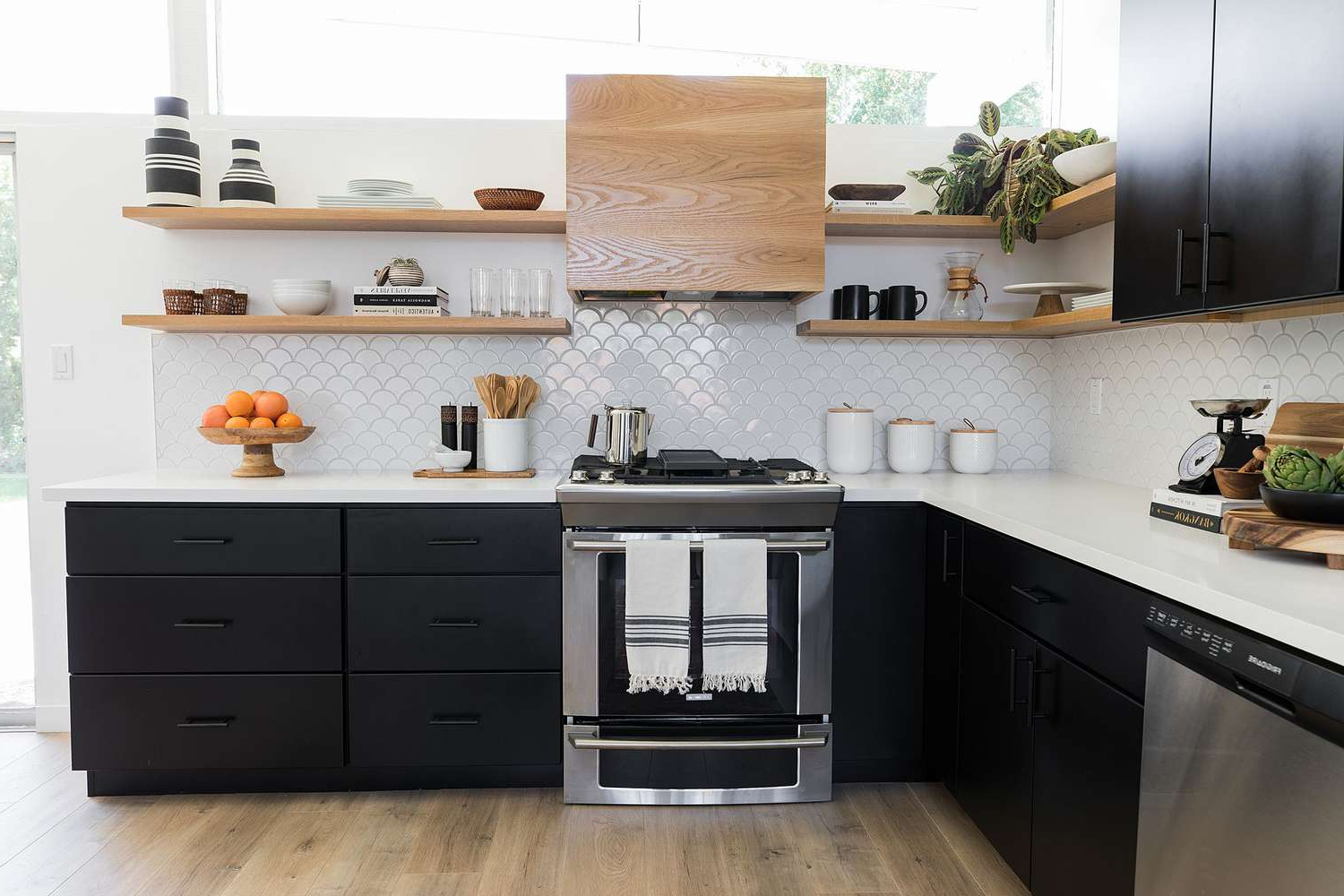
Most people think kitchen design is about aesthetics first, but the experts emphasize that functionality should always come before beauty. Think about your typical day in the kitchen. You probably start by washing vegetables, then move to prep work, followed by cooking, and finally cleaning up. These activities form distinct zones that need to be thought out carefully. The classic triangle layout isn’t just an old design rule – it’s based on actual human behavior patterns. When you position your sink, stove, and refrigerator in a way that allows easy movement between them, you’re creating a workflow that reduces stress and increases efficiency. Imagine trying to make dinner while someone else is doing dishes – that’s not a good workflow. Instead, consider having your prep area near the sink so you can rinse ingredients as you cut them. Your cooking zone should be close to the stove, and storage should be within arm’s reach. This isn’t about making everything look pretty – it’s about making every movement count. Real kitchens aren’t about perfection; they’re about practicality. The professionals recommend designing zones that match your lifestyle rather than following generic templates. If you’re a meal prep enthusiast, you might want a larger prep zone. If you entertain often, your cooking area needs to be spacious enough for multiple tasks.
Lighting That Actually Works
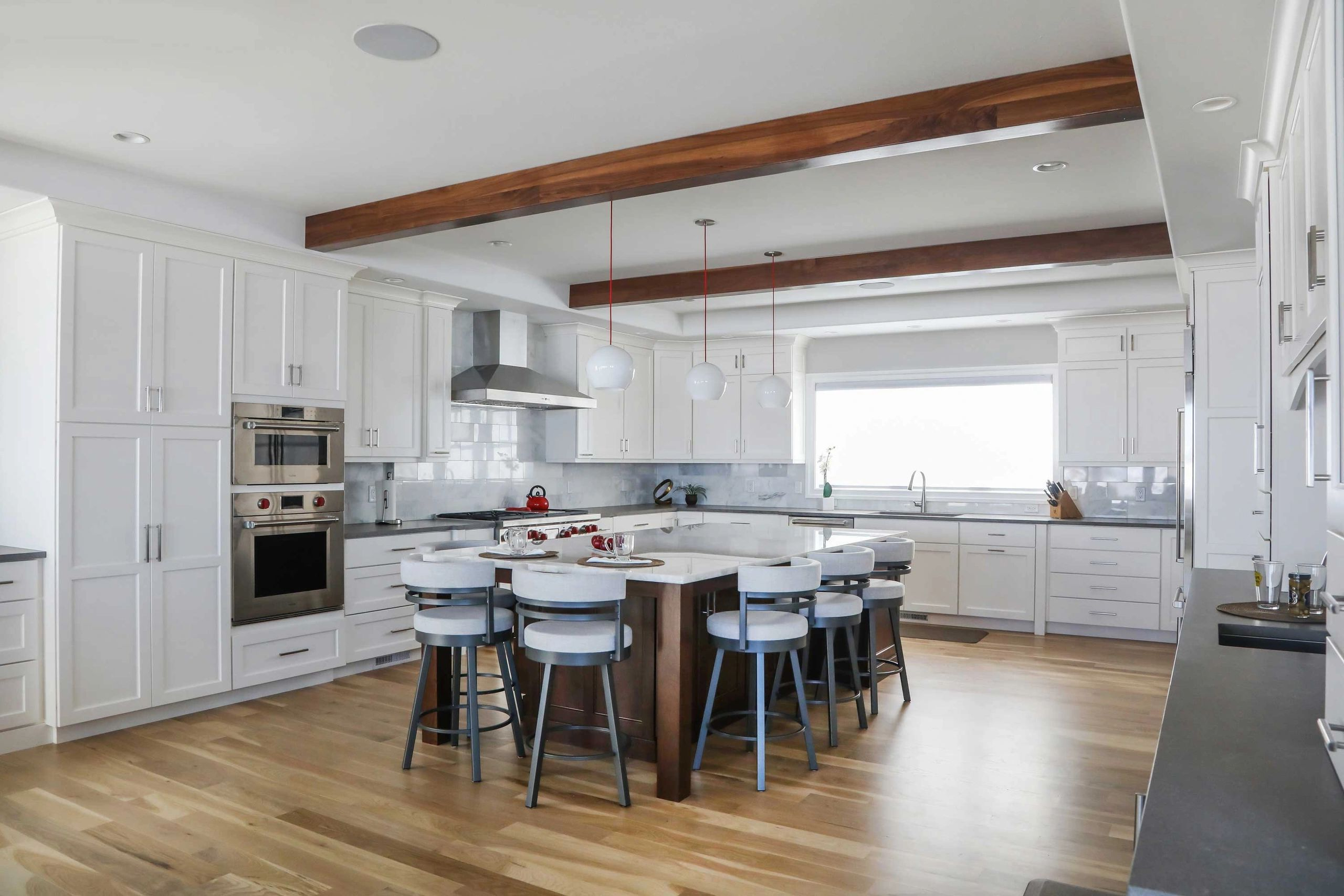
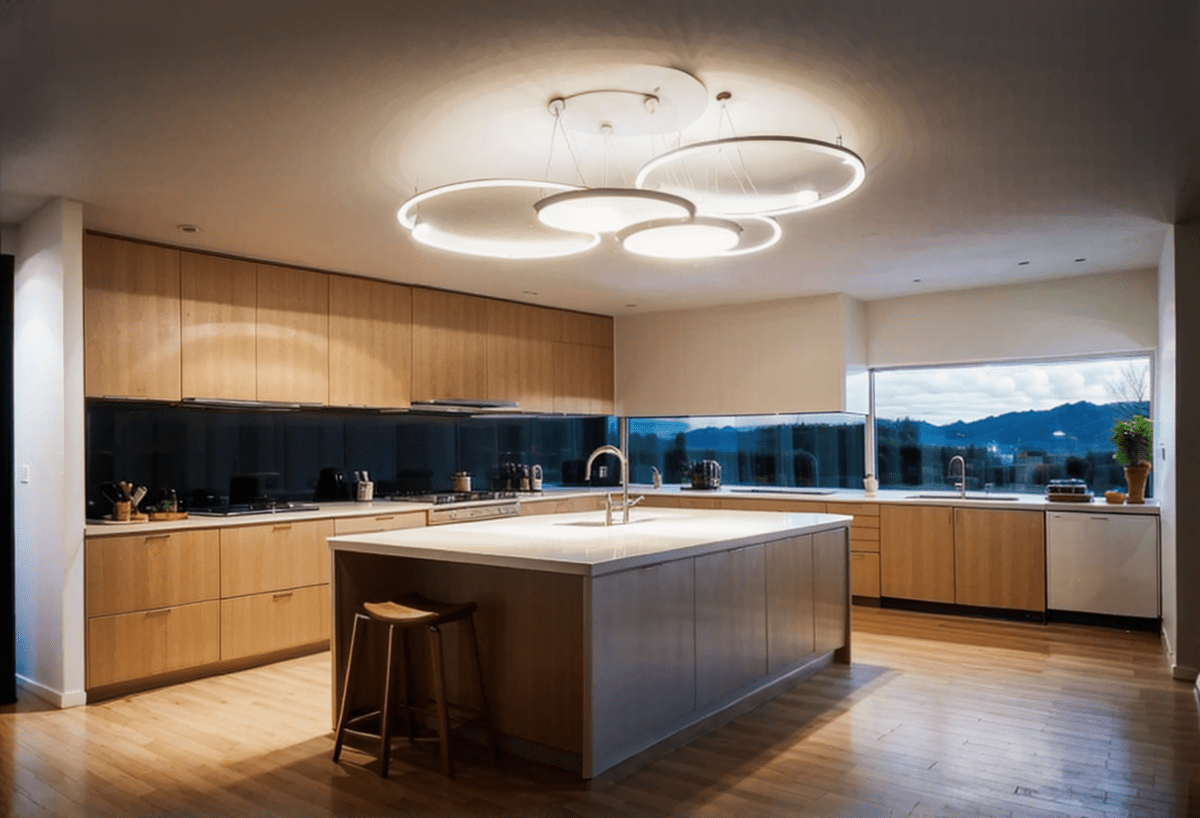
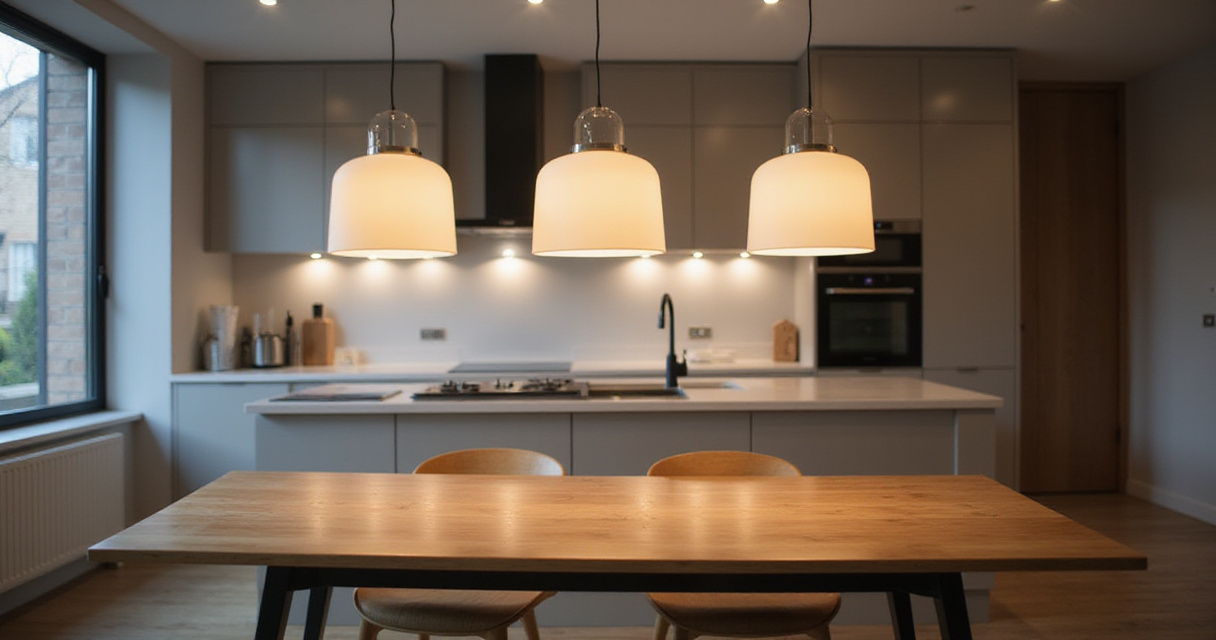
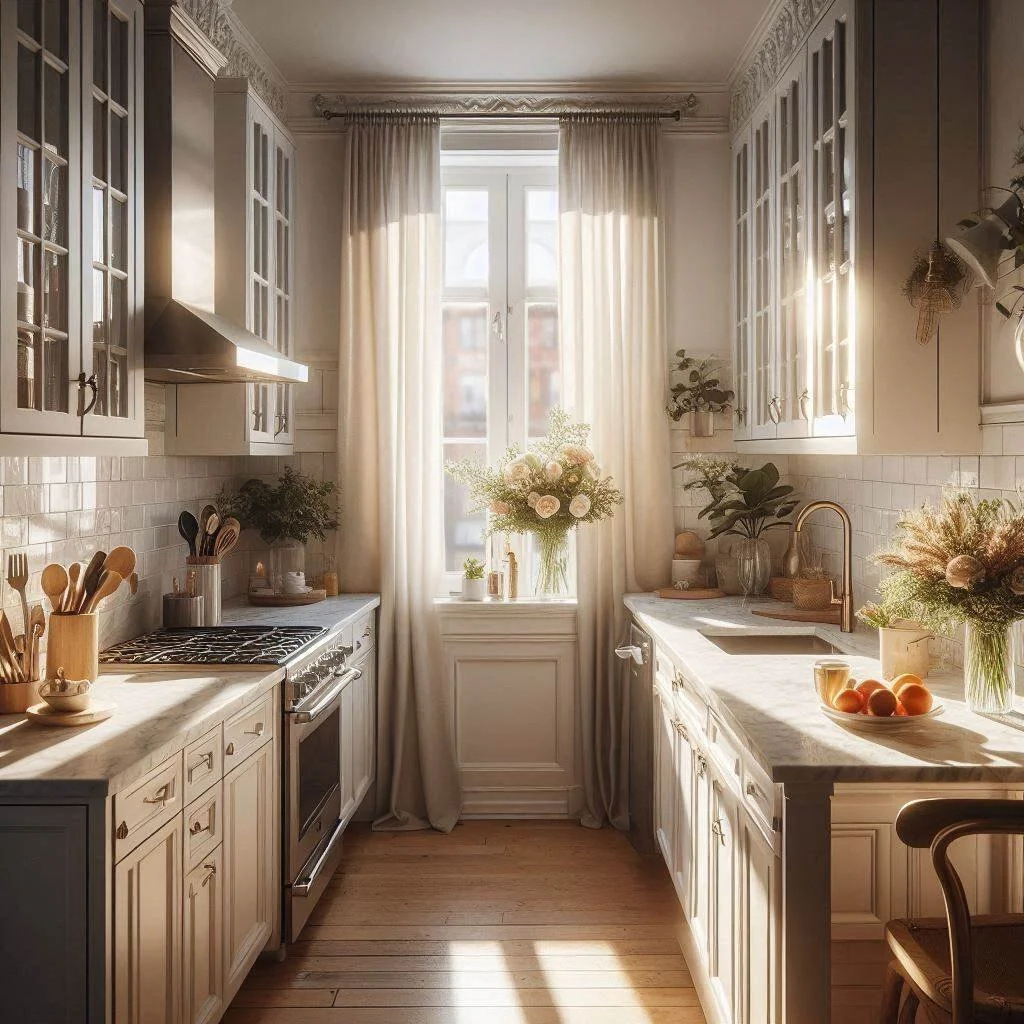
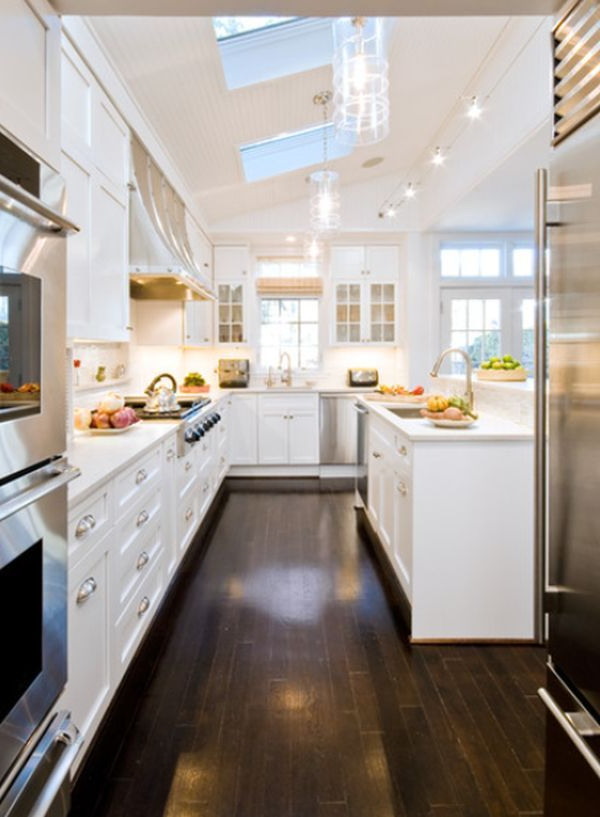
We’ve all heard about ambient lighting and task lighting, but the real secret lies in layering different types of light to suit various activities. Many homeowners make the mistake of installing just one type of lighting fixture and expecting it to do everything. The experts explain that effective kitchen lighting requires three distinct layers: general illumination, task-specific lights, and accent lighting. General lighting provides overall brightness and helps you see the entire space. Task lighting focuses on specific areas where you perform detailed work like chopping vegetables or reading recipes. Accent lighting highlights architectural features or creates visual interest. Consider installing under-cabinet lights that eliminate shadows on countertops. These lights should be bright enough for precise work but dimmable so you can adjust them for different moods. Some experts even recommend adding a small pendant light over the island for both functionality and style. The key insight is that you shouldn’t try to make one light fixture solve all your problems. Instead, plan for multiple light sources that can be controlled independently. This flexibility means you can have bright task lighting when you’re cooking and softer ambient light when you’re dining. Natural light is wonderful, but it’s unpredictable. Artificial lighting gives you control over your environment. Think about how much time you spend in your kitchen during different parts of the day and plan accordingly. Morning cooking might need brighter light, while evening meal prep might call for warmer tones.
Storage Solutions That Last
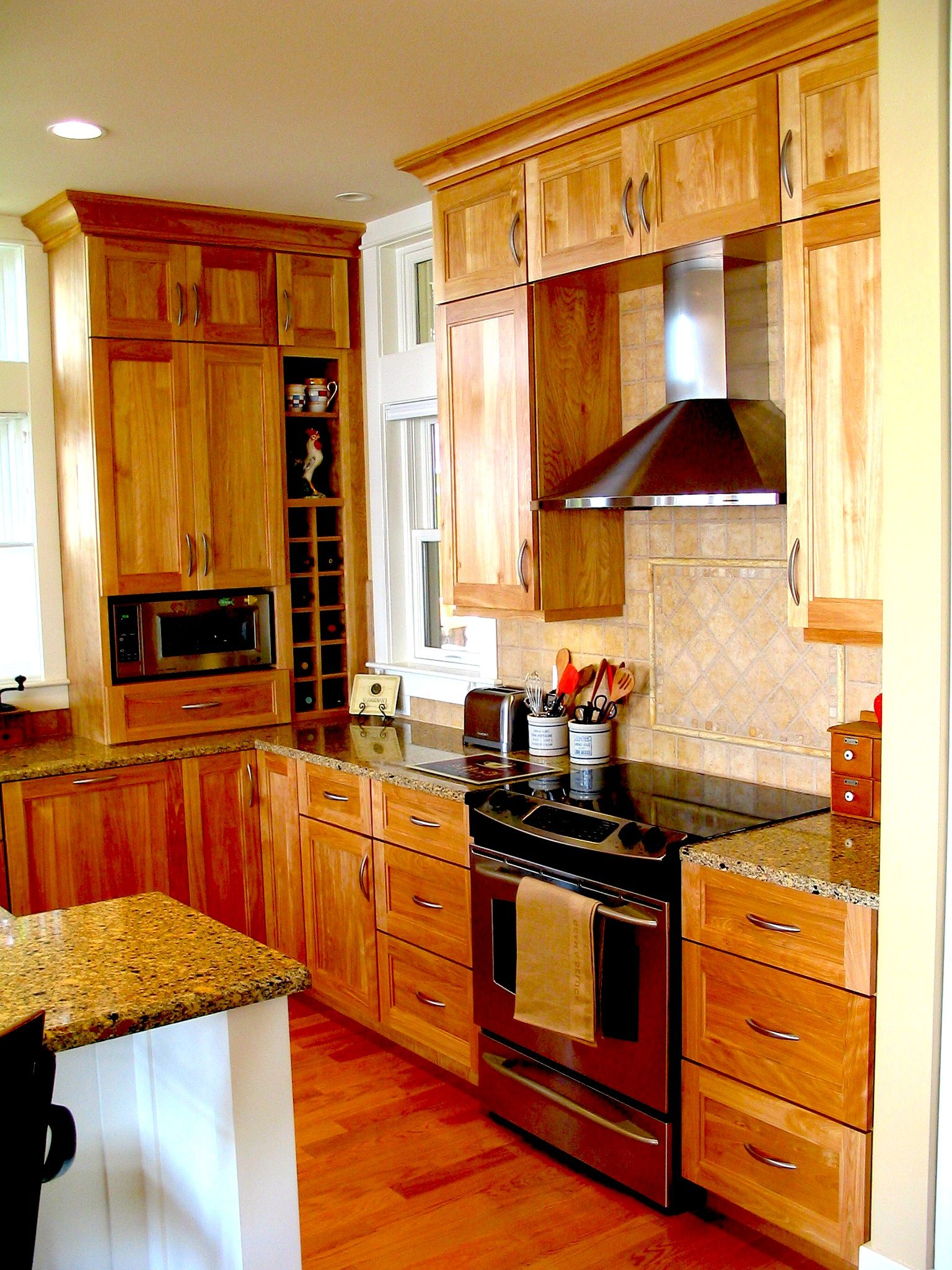
One of the biggest mistakes people make in kitchen design is focusing too heavily on visible storage while neglecting the actual organization needs. The experts emphasize that storage should be about accessibility and usability rather than appearance alone. Think about what you actually use every day versus what you store for special occasions. Your most-used items should be easily accessible, preferably at eye level or within easy reach. This doesn’t mean you have to sacrifice style for function. Modern storage solutions can be both beautiful and practical. Pull-out drawers, lazy Susans, and adjustable shelving allow you to maximize space while keeping things organized. Consider the size and shape of your items when planning storage. A large mixing bowl might need a wide drawer, while spices require vertical space. Some designers suggest using clear containers for frequently used items so you know exactly what’s inside without opening them. This saves time and reduces frustration. The experts also recommend thinking about storage in terms of frequency of use. Items used daily go in easy-to-reach spots, while seasonal items might go in higher or lower locations. Don’t forget about the importance of proper labeling. It’s amazing how much time you save when you can immediately locate what you need. Remember that storage isn’t just about holding things – it’s about making your kitchen feel less cluttered and more manageable. When everything has its place, the whole space feels more peaceful and organized.
Material Choices That Stand the Test of Time
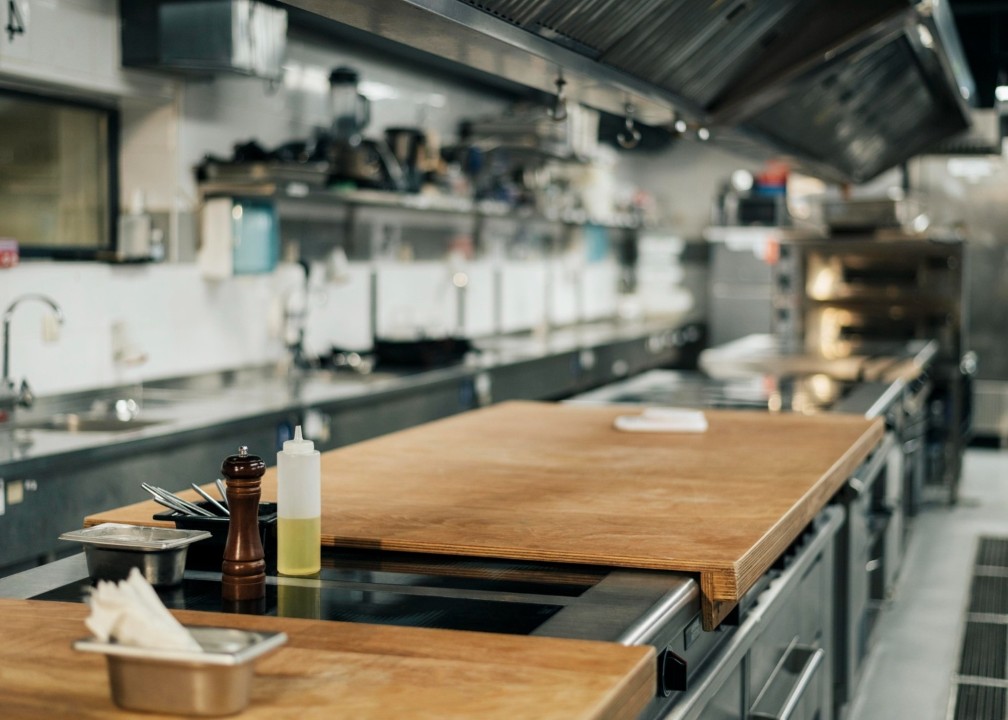
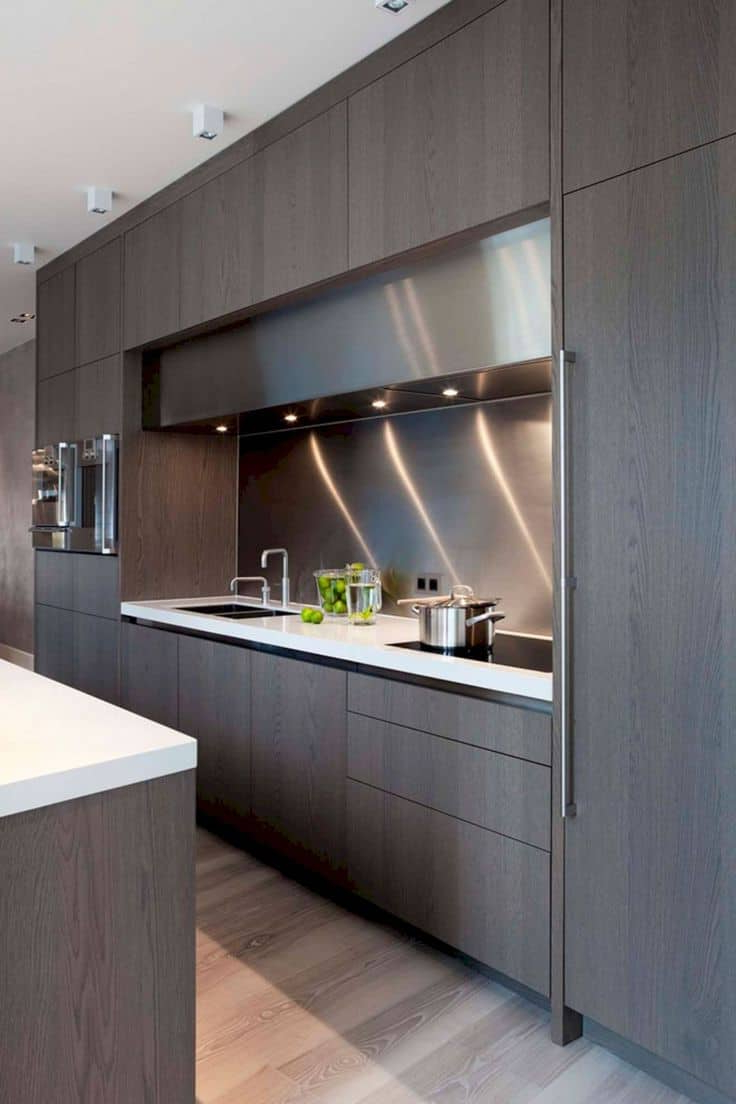
When it comes to kitchen materials, the experts strongly advise against chasing trends and instead focus on durability and maintenance. Many homeowners fall into the trap of choosing materials that look great but are difficult to care for or prone to damage. The best approach involves selecting surfaces that will handle daily wear and tear while remaining attractive for years to come. For countertops, natural stone like granite or quartz offers excellent durability and timeless appeal. These materials resist scratches and stains better than many alternatives. However, they do require periodic sealing to maintain their appearance. Wood is another popular choice, but it needs regular maintenance and may not be suitable for high-traffic areas. Stainless steel, despite being associated with industrial settings, proves remarkably practical for kitchens due to its resistance to heat and stains. It’s also easy to clean and maintain. The experts suggest considering how each material will age in your specific environment. A kitchen with lots of sunlight might fade certain materials faster than others. Also, think about your lifestyle and how much time you want to spend maintaining your kitchen. Some materials require more attention than others, and that’s perfectly fine – just make sure you’re comfortable with that commitment. The goal isn’t to avoid all trends entirely, but to choose materials that complement current styles while remaining functional over time. Good quality materials often pay for themselves through reduced replacement costs and longer lifespan.
The Psychology of Kitchen Spaces
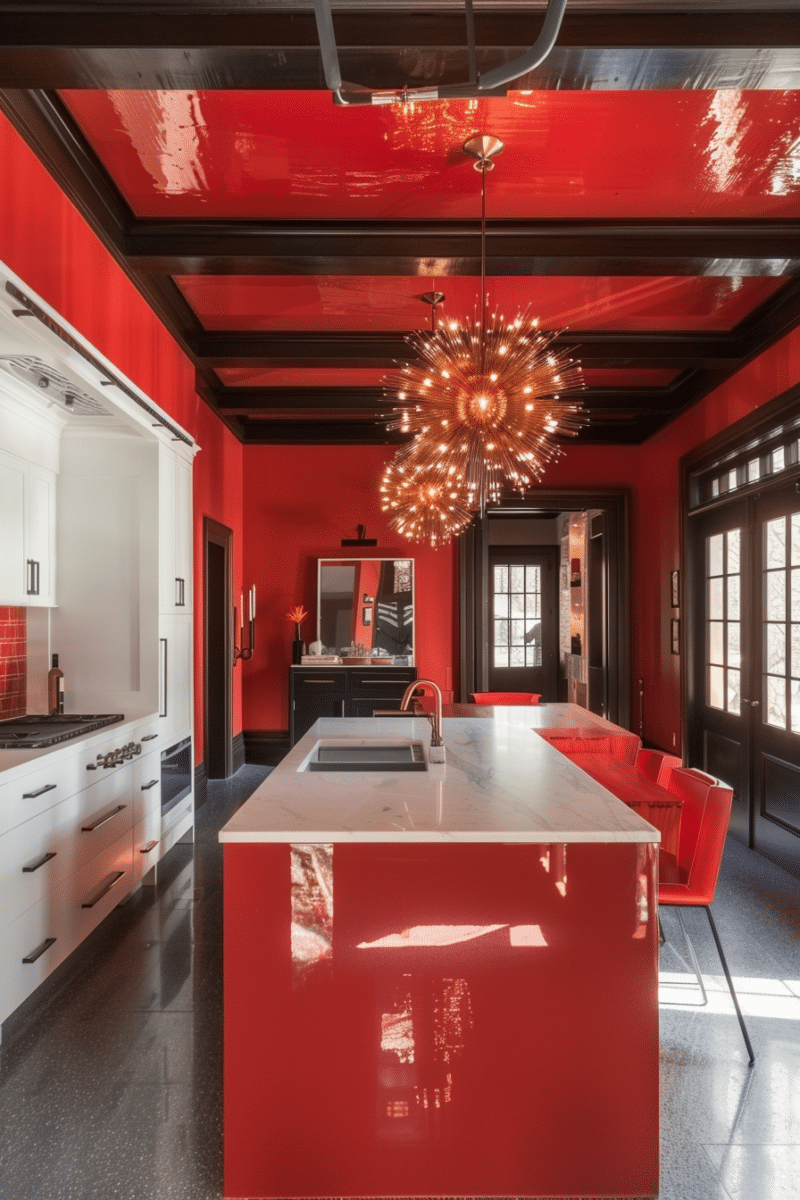
The experts have discovered that successful kitchen design goes beyond physical elements to include emotional and psychological factors. The way a kitchen looks and functions can significantly impact how people feel while using it. A well-designed kitchen can reduce stress and increase enjoyment, while a poorly designed one can cause frustration and anxiety. Consider how different colors affect mood. Cool blues and greens tend to create calming environments, while warm yellows and oranges can energize a space. But don’t limit yourself to just one color scheme. The experts recommend creating visual balance through various textures and materials. A kitchen with only glossy surfaces can feel harsh, while one with too many rough textures might seem chaotic. The key is finding harmony between different elements. Personal touches matter enormously. Incorporating family photos, favorite cookbooks, or unique decorative pieces makes a kitchen feel genuinely personal rather than impersonal. The experts also note that kitchens with open layouts tend to encourage social interaction, which can strengthen family bonds. But they also acknowledge that some people prefer more private cooking spaces. The solution isn’t to force one approach, but to understand what works for your specific situation. Every person has different preferences and needs, and the best kitchen design accommodates these differences. Remember that your kitchen is ultimately a reflection of who you are and how you live. It should make you feel good about spending time there.
Smart Technology Integration
Modern kitchens increasingly incorporate smart technology, but the experts warn against overwhelming your space with gadgets simply because they’re available. The real secret lies in choosing technology that genuinely improves your daily routine rather than complicating it. Smart refrigerators that track expiration dates might sound helpful, but they’re only useful if you actually check the information regularly. The professionals suggest starting with simple technologies that address real pain points in your kitchen experience. Smart lighting systems that adjust automatically based on time of day can save energy and create pleasant atmospheres. Voice-controlled assistants can help with recipe lookup or setting timers without interrupting your cooking process. Some experts recommend integrating smart appliances that can be controlled remotely, allowing you to start cooking before you arrive home. However, they emphasize that technology should never overshadow the basic functions of your kitchen. If a smart feature adds complexity rather than convenience, it’s probably not worth it. The best approach involves selecting a few well-chosen technologies that enhance your existing workflow. Don’t try to make everything smart – focus on the areas where automation would provide genuine benefits. Consider how often you’ll use each feature and whether it’s worth the additional cost and complexity. Testing new technologies in smaller ways first can help determine if they’re truly beneficial. The experts also caution about future-proofing – avoid investing heavily in technology that might become obsolete quickly. Instead, choose versatile solutions that can adapt to changing needs over time.
The kitchen design secrets shared by experts from the Kitchen Ideas Center reveal that the most successful kitchens aren’t those that follow the latest trends or showcase the most expensive materials. Instead, they’re spaces that prioritize real human needs, practical workflow, and thoughtful integration of both traditional and modern elements. These professionals remind us that good design happens when we observe how people actually live and work, rather than assuming what they should do. Whether you’re remodeling an existing kitchen or planning a new one, remember that the best results come from understanding your lifestyle and designing accordingly. The experts’ advice isn’t about making your kitchen look perfect – it’s about making it work perfectly for your life. Every element, from lighting to storage to materials, should support your daily routines and personal preferences. When you approach kitchen design with this mindset, you create a space that not only looks beautiful but also enhances your everyday experiences. The real magic happens when form follows function, and when the kitchen becomes truly responsive to the people who use it every day. So take these insights to heart, experiment with different approaches, and let your kitchen reflect both your practical needs and your personal style. After all, the best kitchen design is one that makes you happy to spend time in it.
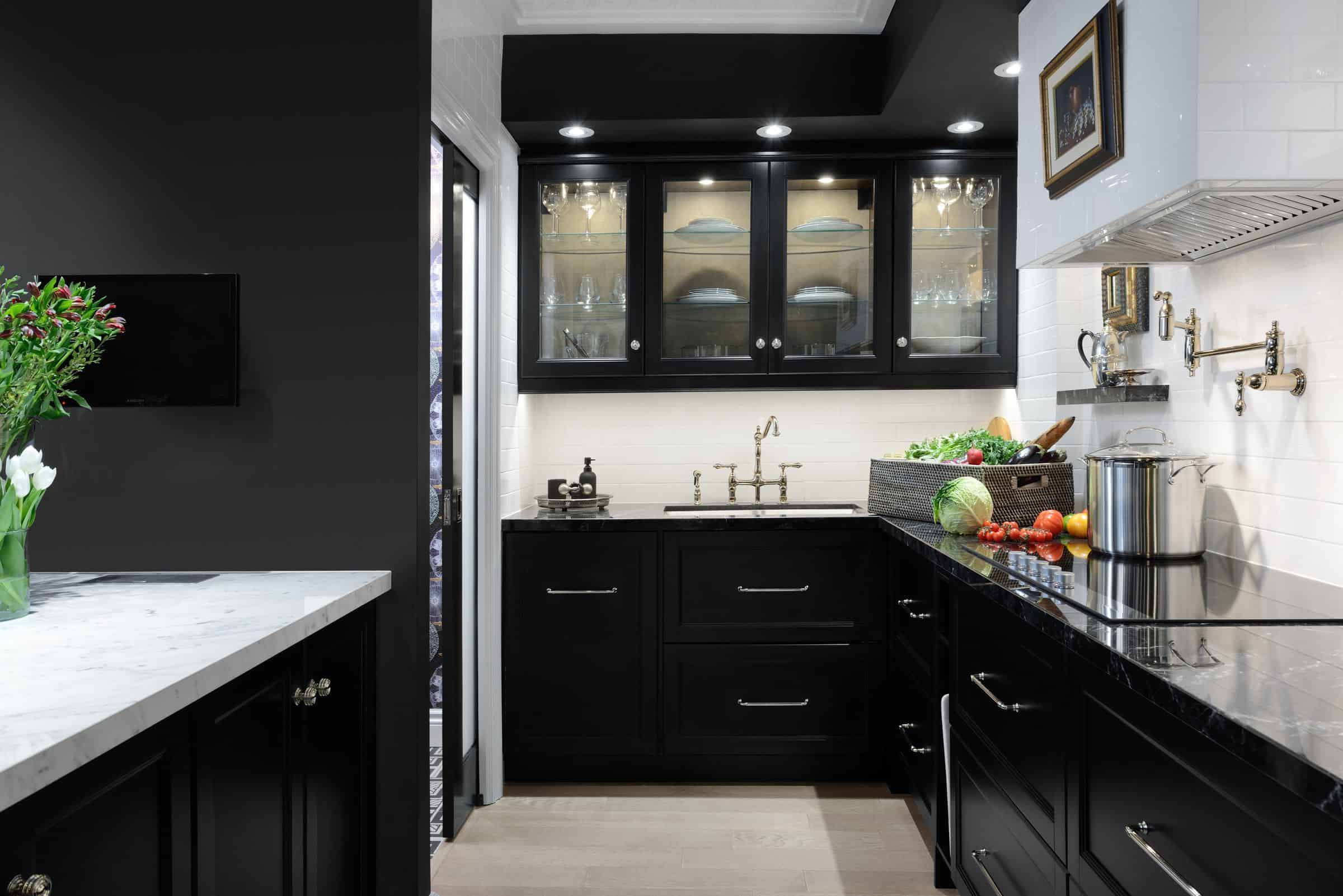
[sps_html tag=”img” src=”https://roofdrivein.com/wp-content/uploads/2026/01/center-kitchen-island-ideas-kitchen-island-new-mexico-poulin-design-regarding-design-secrets-from-the-kitchen-ideas-center-experts.jpg” alt=”Center Kitchen Island Ideas Kitchen Island New Mexico Poulin Design regarding Design secrets from the kitchen ideas center experts” style=”width: 100%; height: auto;”]
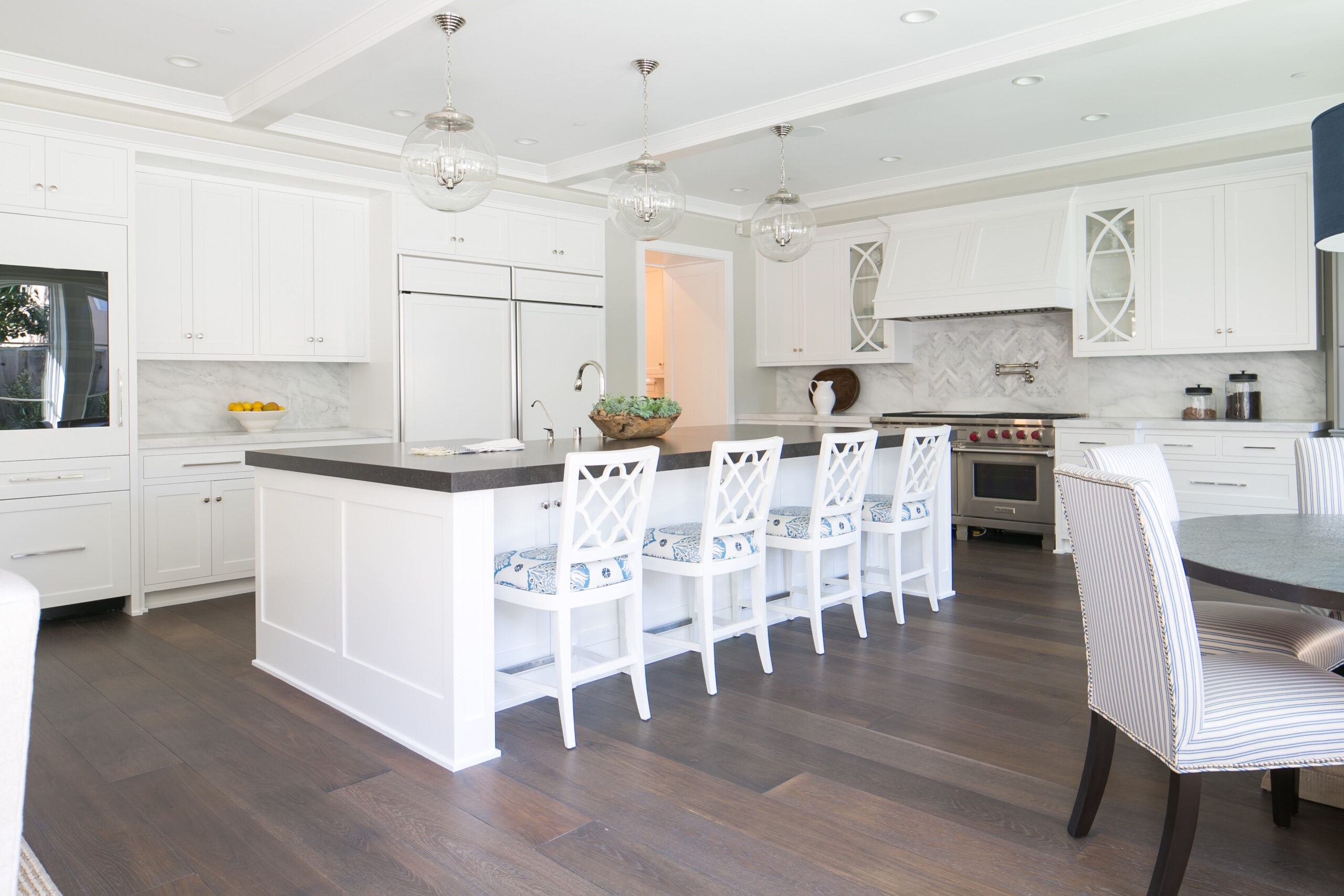
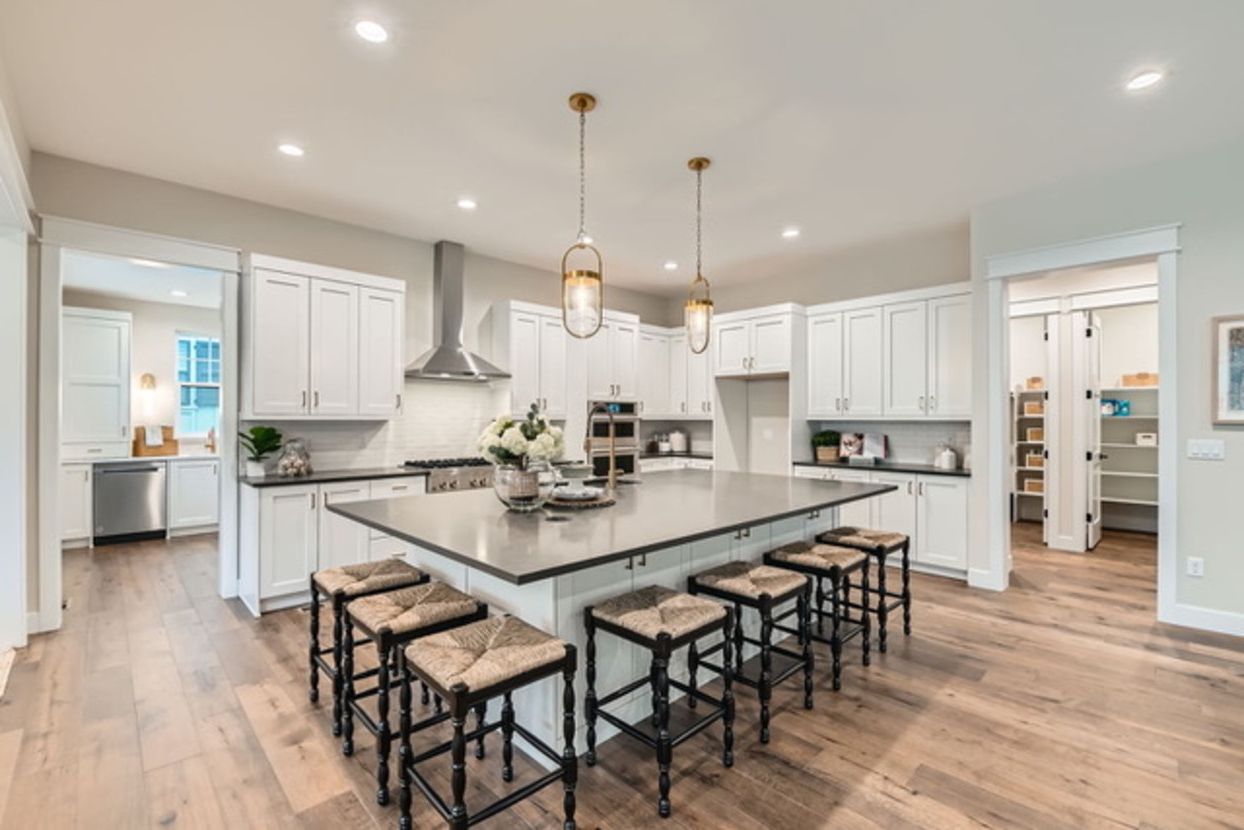
[sps_html tag=”img” src=”https://roofdrivein.com/wp-content/uploads/2026/01/kitchens-with-large-center-islands-chairish-blog-white-kitchen-for-kitchen-ideas-center-scaled.jpg” alt=”Kitchens With Large Center Islands - Chairish Blog | White Kitchen … for Kitchen Ideas Center” style=”width: 100%; height: auto;”]
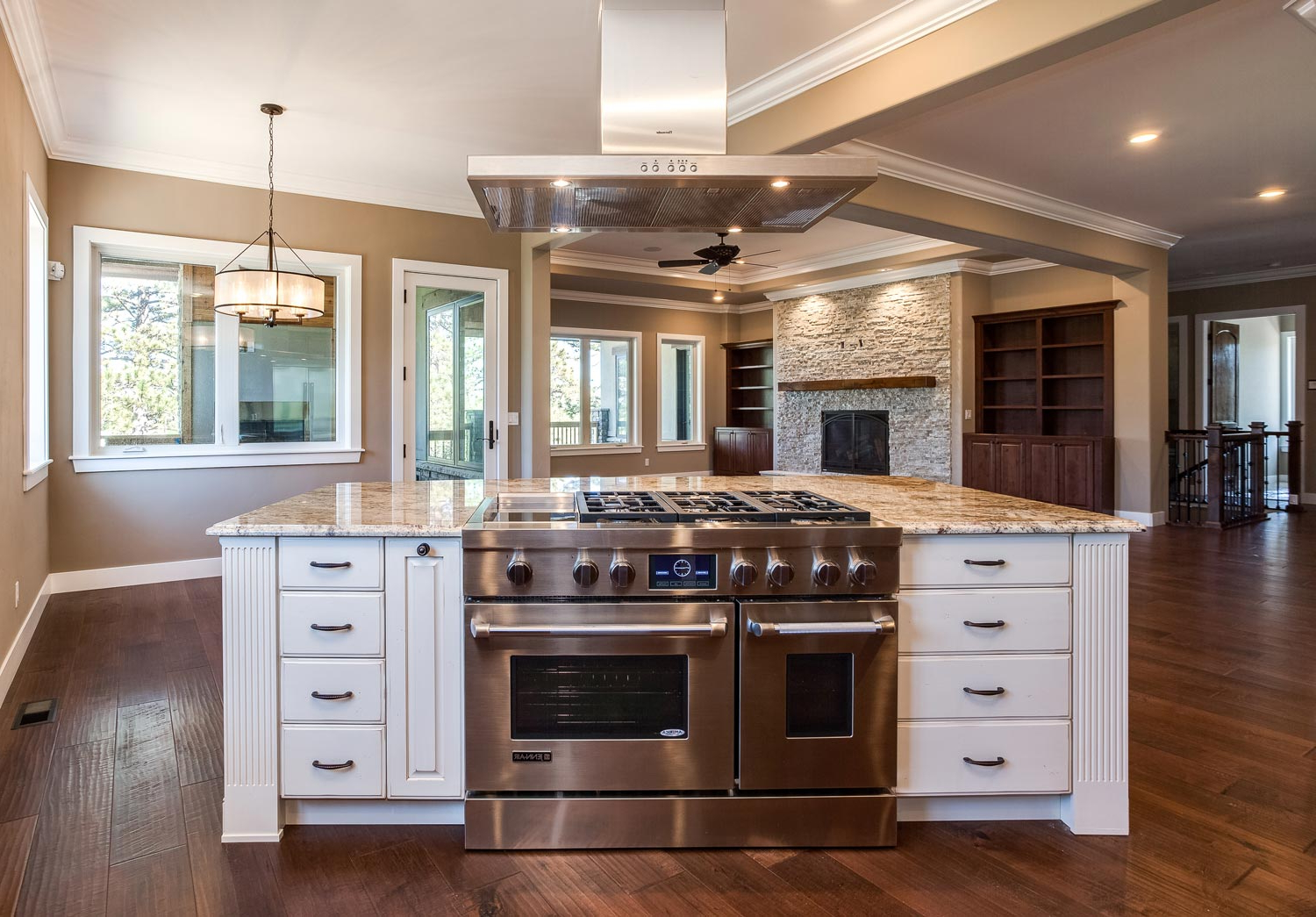
[sps_html tag=”img” src=”https://roofdrivein.com/wp-content/uploads/2026/01/kitchen-ideas-center-kitchen-http-www-kitchenideascenter-com-pertaining-to-kitchen-ideas-center.jpg” alt=”Kitchen Ideas Center - Kitchen Http://Www.kitchenideascenter.com … pertaining to Kitchen Ideas Center” style=”width: 100%; height: auto;”]
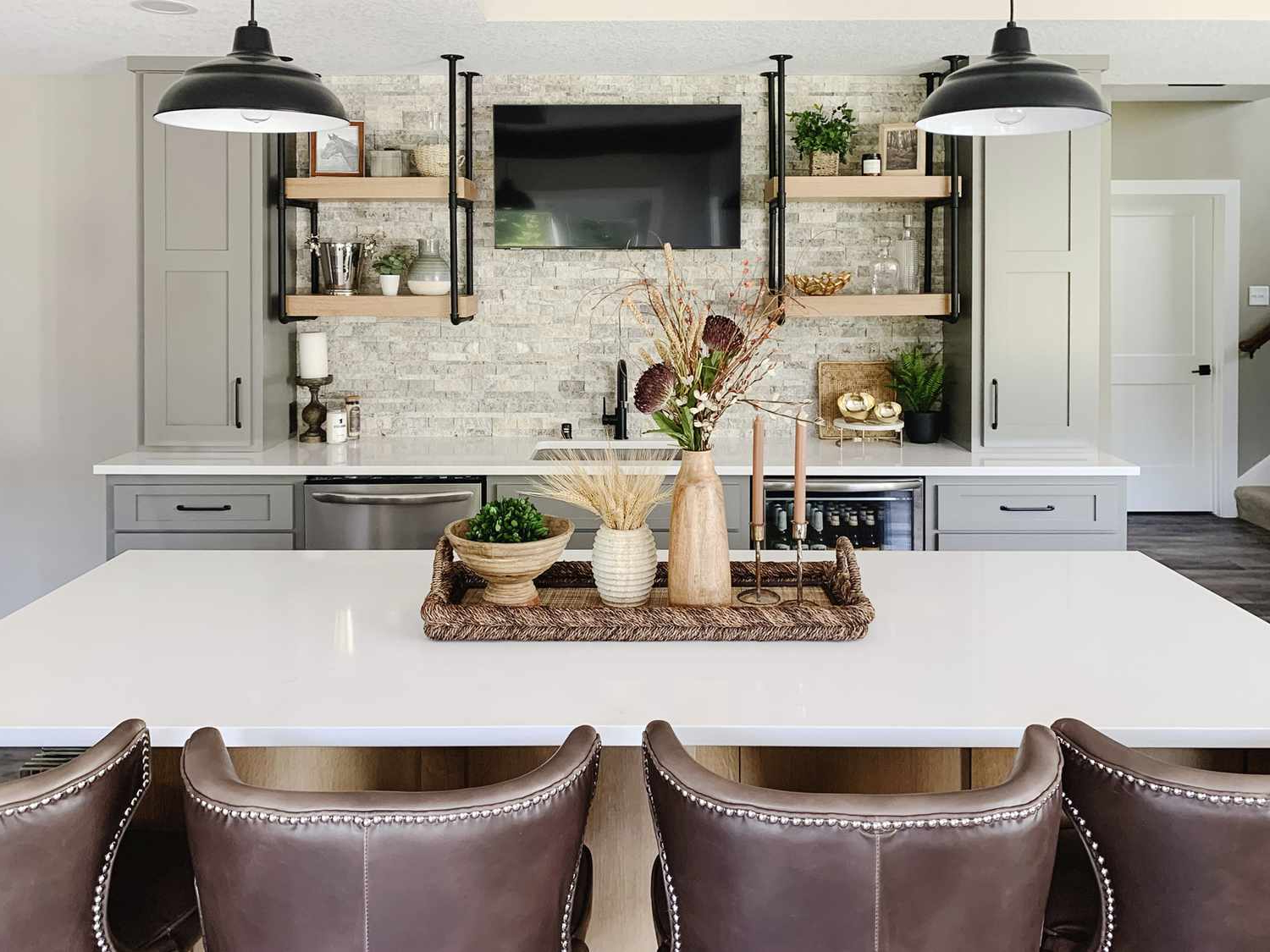
[sps_html tag=”img” src=”https://roofdrivein.com/wp-content/uploads/2026/01/guide-to-kitchen-island-centerpiece-ideas-and-styling-throughout-kitchen-ideas-center.jpeg” alt=”Guide To Kitchen Island Centerpiece Ideas And Styling throughout Kitchen Ideas Center” style=”width: 100%; height: auto;”]
[sps_html tag=”img” src=”https://roofdrivein.com/wp-content/uploads/2026/01/kitchen-ideas-center-cabinets-built-in-cabinets-for-design-secrets-from-the-kitchen-ideas-center-experts.jpg” alt=”Kitchen Ideas Center - Cabinets, Built-In Cabinets for Design secrets from the kitchen ideas center experts” style=”width: 100%; height: auto;”]