Everyday cooking shouldn’t feel cramped or frustrating. Even the tiniest kitchens can become vibrant, efficient spaces when you think outside the box. These creative ideas will show you how to make every inch count while keeping your cooking experience enjoyable and stress-free.
Let’s face it – many of us live in smaller spaces. Whether it’s a studio apartment, a converted garage, or simply a kitchen that feels too tight for comfort, the challenge remains the same. You want to cook well, enjoy your meals, and not feel like you’re constantly bumping into cabinets or fighting over counter space. But here’s the thing: small doesn’t mean simple. It doesn’t mean less fun or less effective. In fact, the constraints of a small kitchen often push us to be more creative, more thoughtful, and more intentional about our cooking habits. This guide explores how smart planning, clever storage solutions, and strategic design choices can completely transform even the smallest cooking areas into spaces that deliver big impact.
Maximize Vertical Space
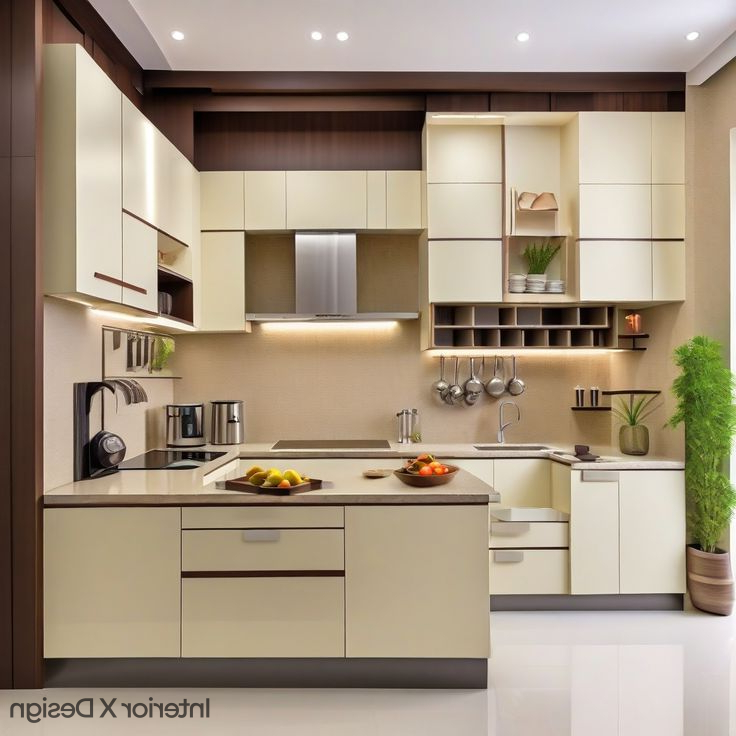
One of the most powerful strategies for small kitchens is using vertical space effectively. Think about how much room you’re actually losing by not utilizing walls and ceilings. A few simple additions can change everything:
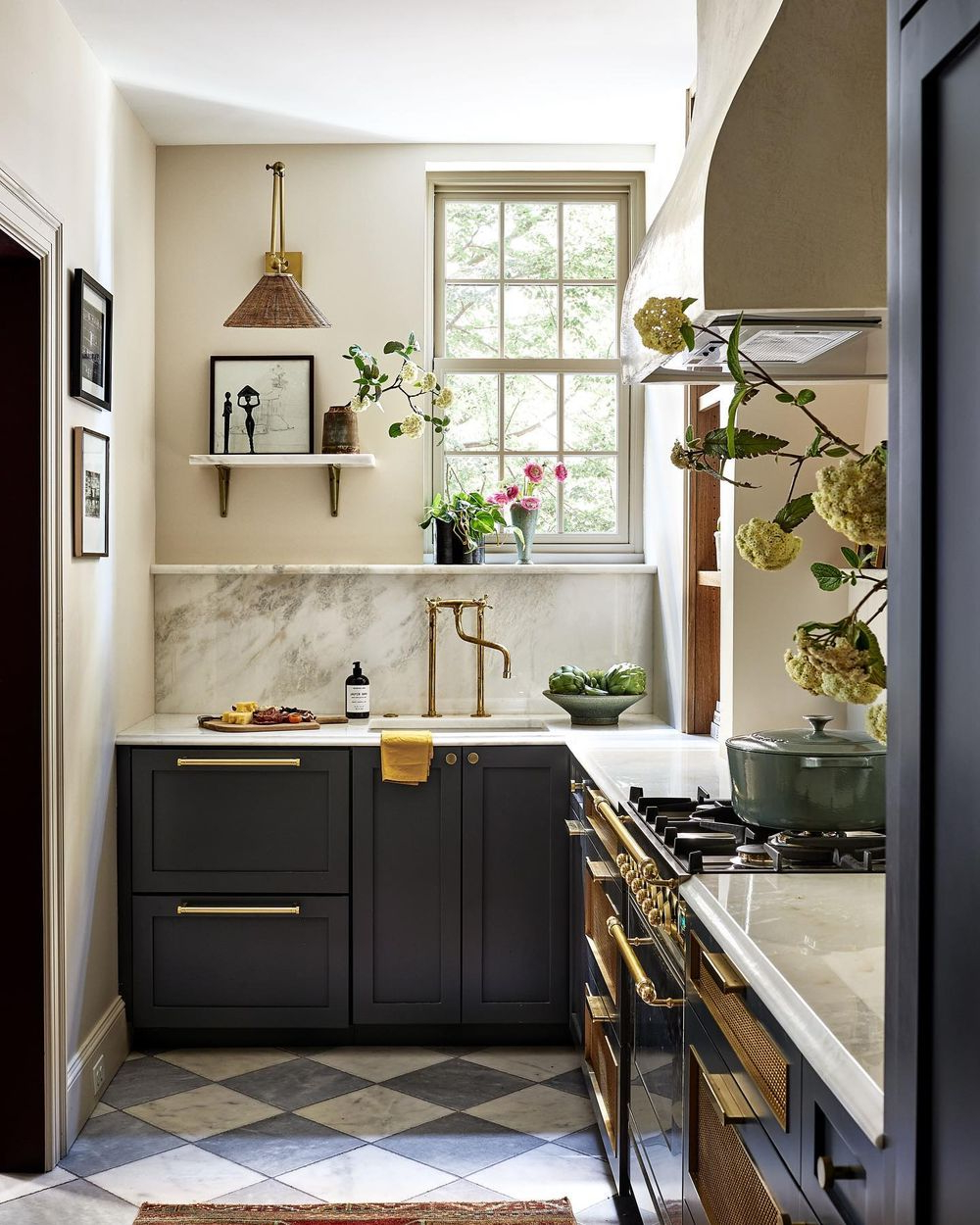
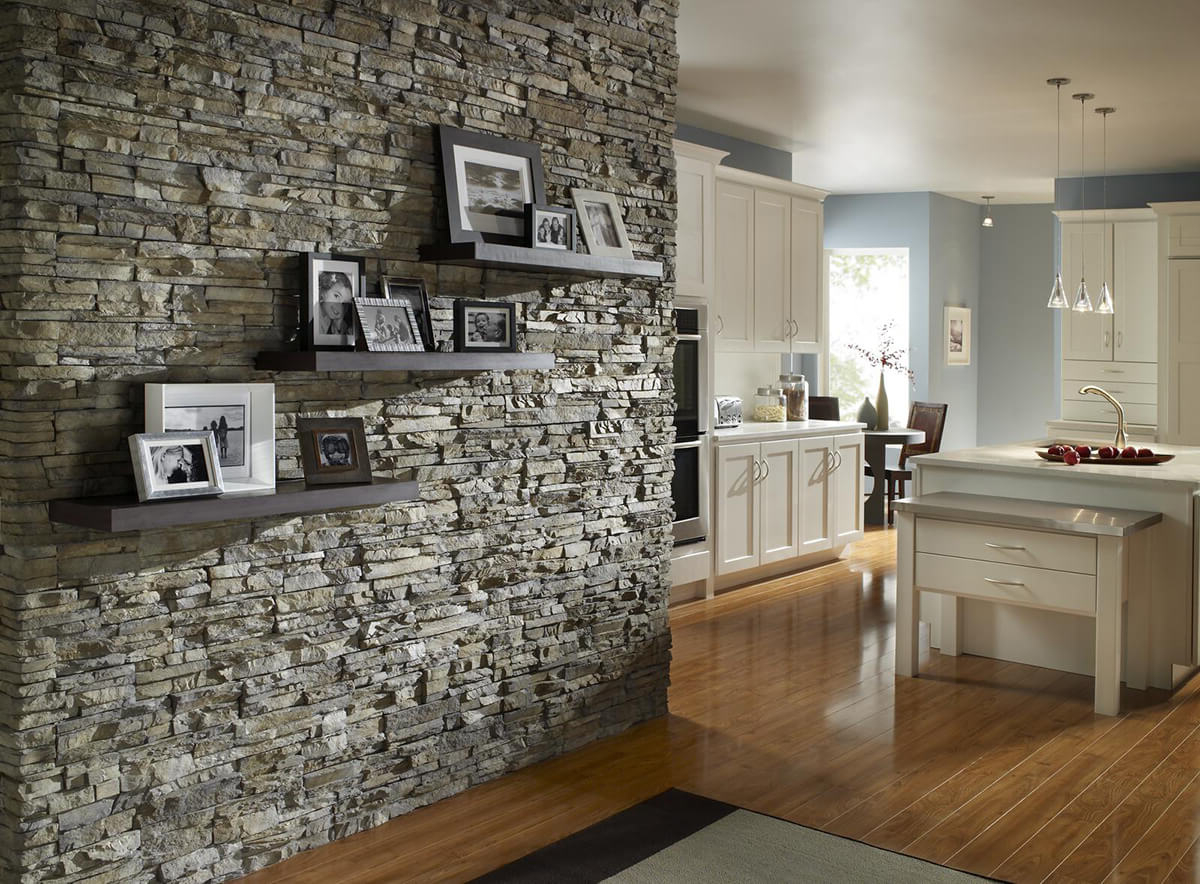
• Install floating shelves above your sink or stove area
• Add wall-mounted racks for pots and pans
• Use tall, narrow storage units that go to the ceiling
• Hang utensil organizers on the inside of cabinet doors
These solutions don’t just provide more storage – they create visual interest and can make your kitchen feel larger than it actually is. When you have things organized and visible, you’re less likely to clutter your countertops with unnecessary items.
Consider installing a pegboard system in a corner. Not only does it look modern, but it gives you multiple options for hanging anything from spatulas to measuring cups. You can rotate your tools based on what you’re cooking that day. It’s like having a personal chef station that adapts to your needs.
Multi-Purpose Furniture and Fixtures
In small kitchens, every piece of furniture and fixture should serve multiple functions. This approach reduces visual clutter and maximizes utility. Here are some great examples:
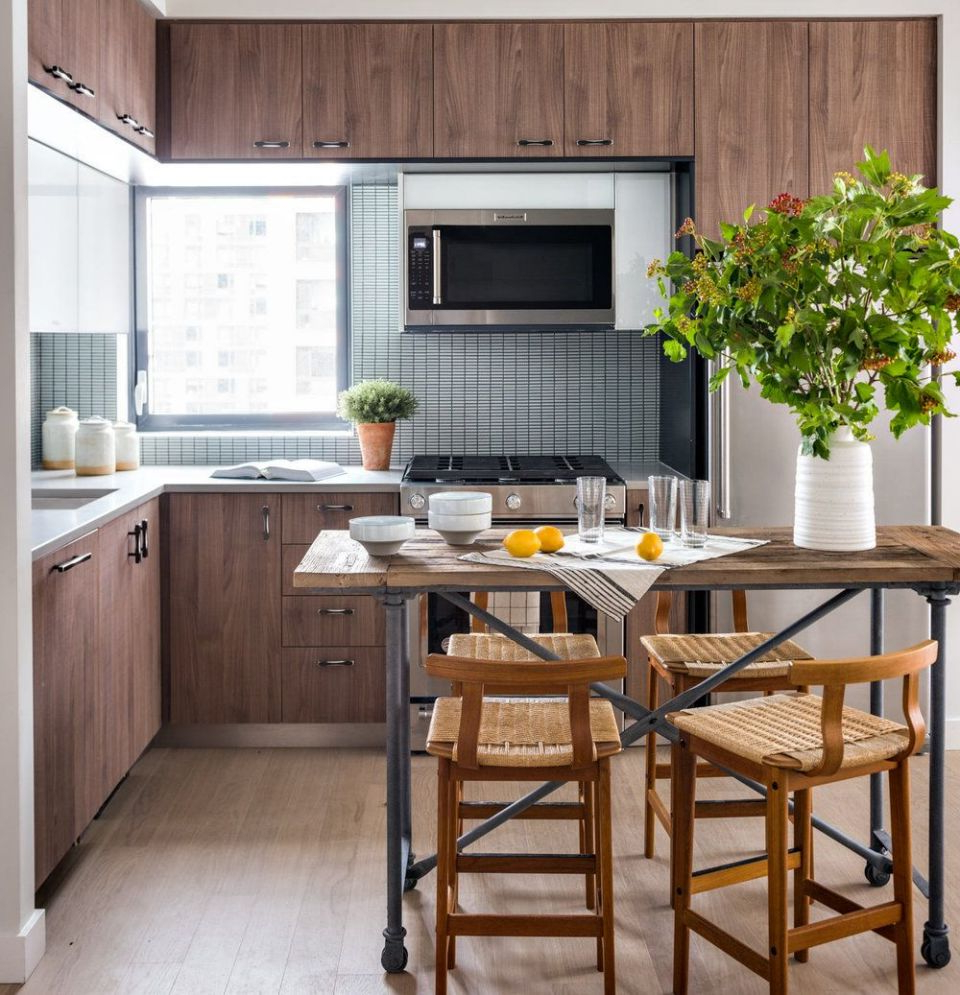
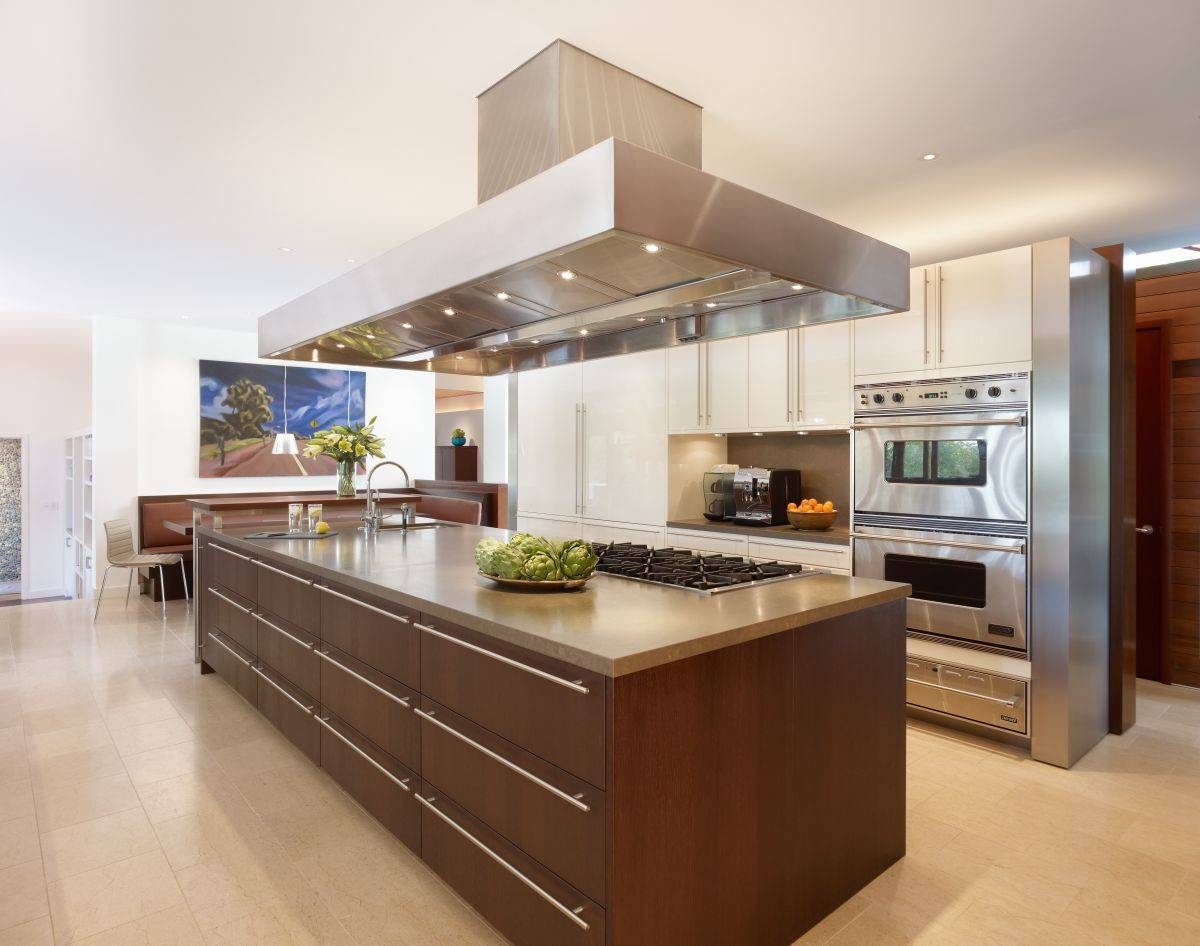
• A kitchen island that doubles as dining space during dinner
• A dining table that can fold away when not in use
• Storage ottomans that hide cleaning supplies or extra dishes
• A breakfast bar that works as both prep area and casual seating
The key is choosing pieces that can transition between different uses throughout the day. For instance, a simple wooden bench can hold your morning coffee one moment, then become a place to set down pots and pans while cooking. The versatility helps keep your space feeling fresh and functional.
Some people love the idea of a rolling cart that can be moved around the kitchen. It might hold spices, serving dishes, or even a small microwave. You can position it wherever you need it most, whether that’s next to the stove or in the middle of the room during meal prep. This flexibility makes it easy to adjust your workspace for different tasks.
Smart Storage Solutions
Good organization isn’t just about having everything in its place – it’s about making everything easily accessible. Small kitchens benefit greatly from smart storage solutions that work against gravity and make the most of every nook and cranny. Here’s how to do it right:
• Use drawer dividers to separate utensils and cutlery
• Install pull-out pantry shelves for better access to ingredients
• Add a lazy Susan turntable in corners for easy reaching
• Utilize the space under the sink with stackable bins
• Consider a magnetic strip for knives or metal utensils
Think about how you actually use your kitchen. Do you frequently reach for the same ingredients? If so, put them somewhere convenient. Do you always forget where you put certain items? That’s a sign you need a better system.
A great example is the use of clear containers for dry goods like rice, pasta, or flour. They’re not only practical for organizing but also make it easy to see what you have on hand. Plus, they look neat and professional on your shelves. Many people overlook the power of color coding – keeping all your baking supplies in one color group and cooking ingredients in another.
Lighting That Sets the Mood
Proper lighting can make or break a small kitchen experience. Poor lighting creates shadows and makes everything feel cramped and uninviting. Good lighting, however, can make even the smallest space feel bright and welcoming. Consider these lighting approaches:
• Combine overhead lighting with task lighting near the stove and sink
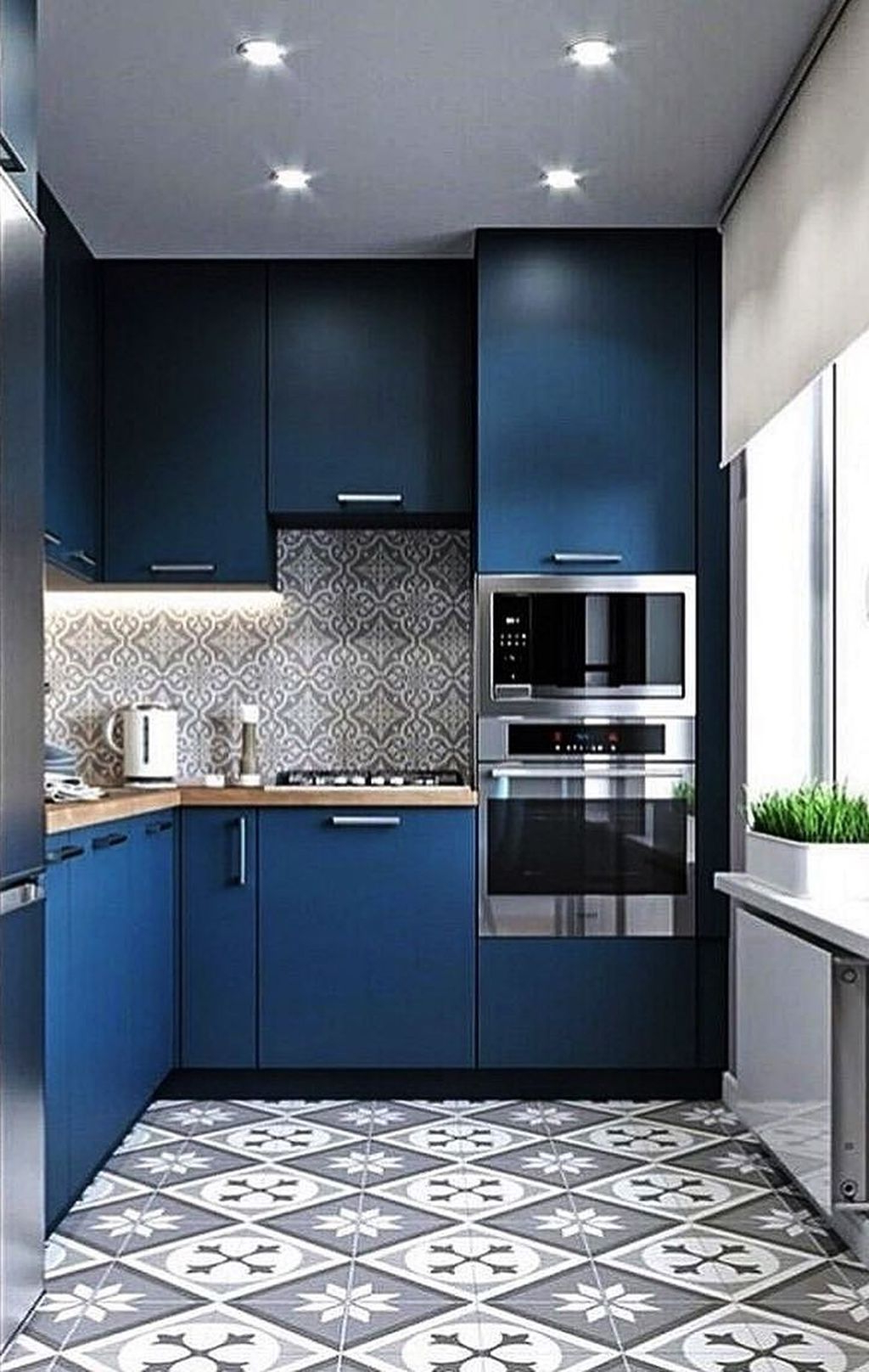
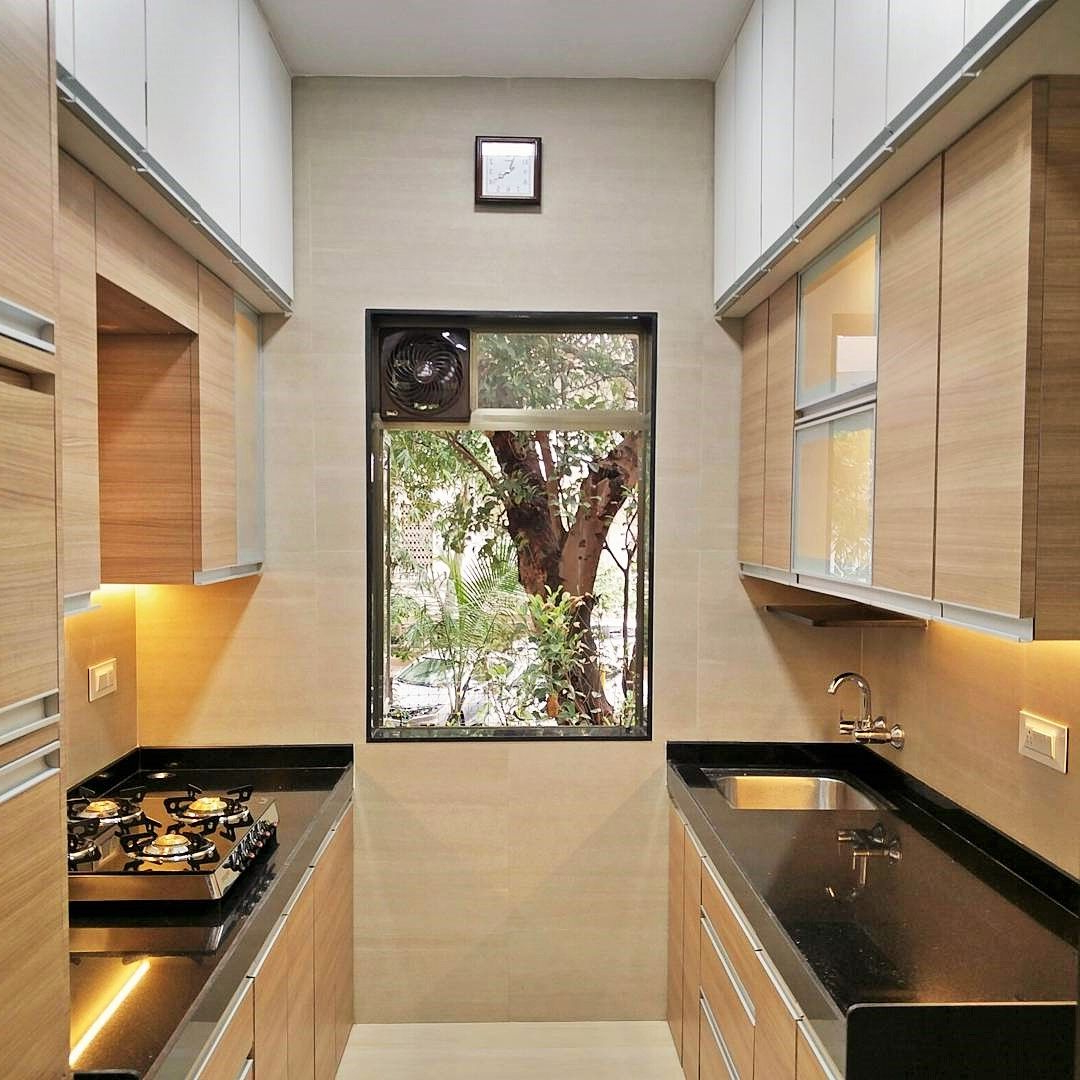
• Add LED strips under cabinets for better visibility when working
• Install dimmer switches to adjust the mood throughout the day
• Use pendant lights over a breakfast bar or island
Natural light is always ideal, but it’s not always available. That’s why artificial lighting needs to be thoughtful. A single bright overhead bulb can make your kitchen feel harsh and clinical. Instead, layer your lighting to create a warm, comfortable atmosphere.
Many people find that adding a small accent light above their prep area really helps with detailed work. It might be a small desk lamp or a tiny fixture that focuses directly on the counter. The difference in visibility can be remarkable, especially when you’re trying to chop vegetables or read recipes.
Color Psychology and Design Choices
The colors you choose for your small kitchen play a surprisingly important role in how spacious and inviting it feels. Light colors naturally make spaces appear bigger and brighter. Dark colors, while dramatic, can make a room feel smaller and more enclosed. Here’s how to use color wisely:
• Paint walls in soft whites, creams, or light grays
• Choose light-colored flooring that reflects rather than absorbs light
• Add pops of color through accessories, not large furniture pieces
• Consider a monochromatic scheme for maximum space illusion
But don’t think you have to stick to boring white walls. There are many beautiful light tones that add warmth and character. Soft blues, gentle greens, or warm beige can all make a small kitchen feel cozy without overwhelming it.
Don’t underestimate the power of mirrors in small spaces. They reflect light and create the illusion of depth. You can mount a large mirror above your sink, or even use a mirrored backsplash to enhance the feeling of openness. Some people also like the idea of a mirrored cabinet door – it’s a subtle way to add visual interest without taking up extra floor space.
Technology Integration for Efficiency
Modern technology can be a game-changer for small kitchen users. Smart appliances and digital tools help streamline cooking processes and reduce the amount of physical space needed. Consider these helpful additions:
• A smart refrigerator with built-in screens or apps
• Digital timers that can be set remotely
• Voice-controlled assistants that help with recipe searches
• Smart ovens that can be controlled via smartphone
• Instant hot water dispensers that save counter space
These devices don’t just make life easier – they also help you stay organized and focused on cooking rather than managing equipment. For instance, if you’re preparing several dishes at once, a timer app can help you track everything without cluttering your workspace with multiple timers.
Many people also appreciate the convenience of a small induction cooktop. It takes up minimal counter space, heats quickly, and is very precise. You can even use it as a portable cooking station when you need to move around the kitchen. The compact size means you can still have a full cooking setup without feeling cramped.
Practical Daily Tips
Beyond major renovations or purchases, there are plenty of small changes that can make daily cooking much smoother. These aren’t expensive or complicated, but they can make a huge difference in how you feel about your kitchen space:
• Clean as you cook – wash dishes immediately after using them
• Pre-measure ingredients before starting to cook
• Keep a small cutting board that can be folded away
• Use a microwave-safe bowl for reheating instead of taking dishes out of the dishwasher
• Store frequently used items within arm’s reach
The key is establishing routines that make the most of your limited space. If you know exactly where everything goes and how to use your kitchen efficiently, you’ll spend less time hunting for things and more time enjoying your food.
Another useful tip is to invest in quality, multi-functional tools. A good vegetable peeler can also remove labels from jars. A sharp knife can handle everything from slicing bread to chopping herbs. These simple swaps can eliminate the need for multiple specialized tools that take up precious shelf space.
Transforming a small kitchen into a space that delivers big impact isn’t about making it bigger – it’s about making it smarter. Every creative solution, from vertical storage to smart lighting, contributes to a more enjoyable and efficient cooking experience. The beauty of these approaches lies in their simplicity and adaptability. You don’t need to overhaul your entire kitchen to see results. Start with one or two changes that feel right for your lifestyle and budget. Maybe it’s adding a few floating shelves or switching to a different lighting setup. Small steps lead to big improvements over time. Remember, your kitchen should feel like a place where you want to spend time – not a place you’re just passing through. With thoughtful planning and a willingness to get creative, even the tiniest cooking spaces can become sources of joy and satisfaction.