Picture this: You’re standing in a tiny apartment, looking around at walls that seem to close in on you. There’s barely enough room to move, let alone store anything. Now imagine having a piece of furniture that does three things at once – holds books, serves as a dining table, and doubles as a workspace. That’s the magic of multi-functional furniture. It’s not just about fitting more stuff into less space. It’s about reimagining what your furniture can do and how it can work for you.
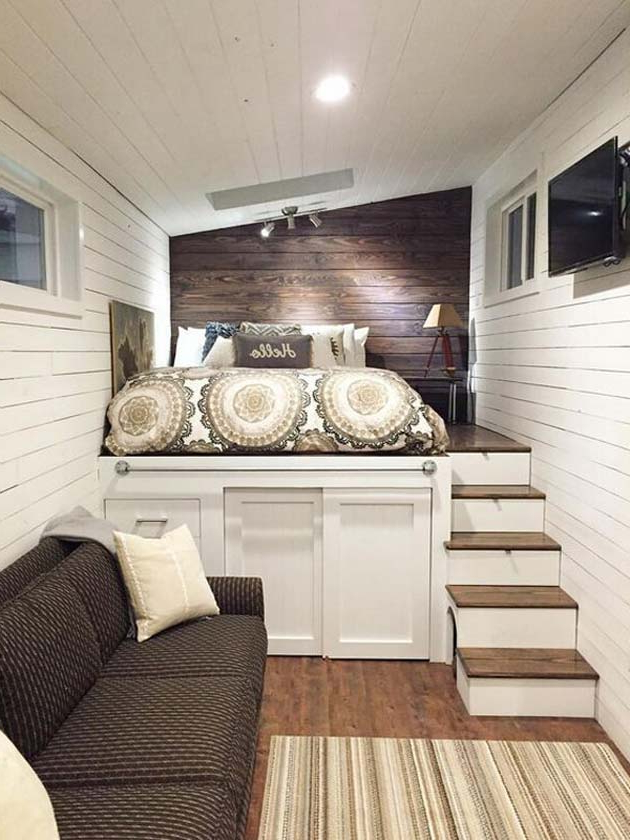
In today’s world, more people than ever are choosing to live in smaller spaces. Whether it’s a studio apartment, a converted garage, or a cozy cabin, compact homes are becoming the norm rather than the exception. But here’s the thing – living small doesn’t mean living poorly. It means being intentional about every inch of your space. This is where creative multi-functional furniture steps in like a superhero, saving the day when you think you’re running out of room. These aren’t just fancy names for regular furniture. They’re smart solutions designed specifically for people who want their homes to feel spacious, organized, and full of personality.
The Psychology Behind Multi-Functional Design
There’s something deeply satisfying about having fewer things cluttering your life. When you have fewer items, there’s less stress about keeping track of them, and more mental clarity. Multi-functional furniture supports this minimalist approach. Think about it – instead of having a separate bookshelf, coffee table, and side table, you might have one piece that does all three jobs. The psychological benefit isn’t just about organization; it’s about creating a sense of calm. When your space feels purposeful and efficient, it reflects back on your mindset. You start to feel more in control, more organized, and more peaceful. Studies show that people who live in well-designed, multi-functional spaces report higher levels of happiness and productivity. It’s not just about aesthetics – it’s about functionality that enhances your daily life.
Key Principles of Effective Design
Designing furniture that works multiple ways requires some serious thinking. First off, it needs to be versatile. That means it should serve different purposes throughout the day or week. A dining table that converts into a work surface is great, but only if you actually use both functions regularly. Second, it must be sturdy. People are often skeptical about furniture that transforms, wondering if it will hold up under pressure. Good multi-functional pieces are built to last, with solid construction and quality materials. Third, they need to look good doing their job. A piece that looks like it was thrown together won’t inspire confidence. Finally, simplicity matters. The best multi-functional designs are those that don’t overcomplicate things. Sometimes the most elegant solution is the simplest one. For instance, a storage ottoman that can be used as a footrest, extra seating, or a place to stash blankets and magazines. No complicated mechanisms, just smart thinking.
Popular Types of Transformative Furniture
Let’s take a closer look at the most common types of multi-functional furniture that are changing how we think about small spaces:
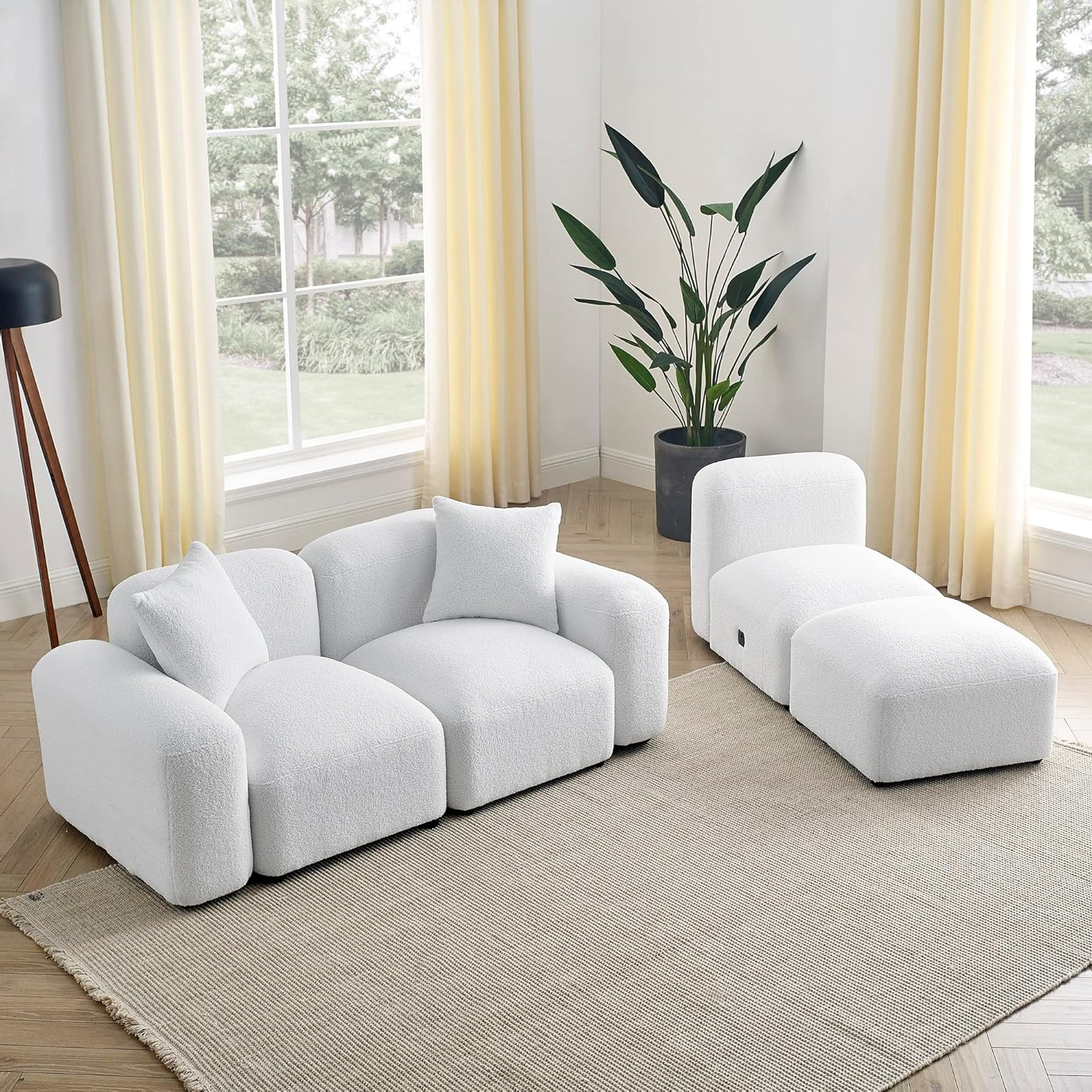
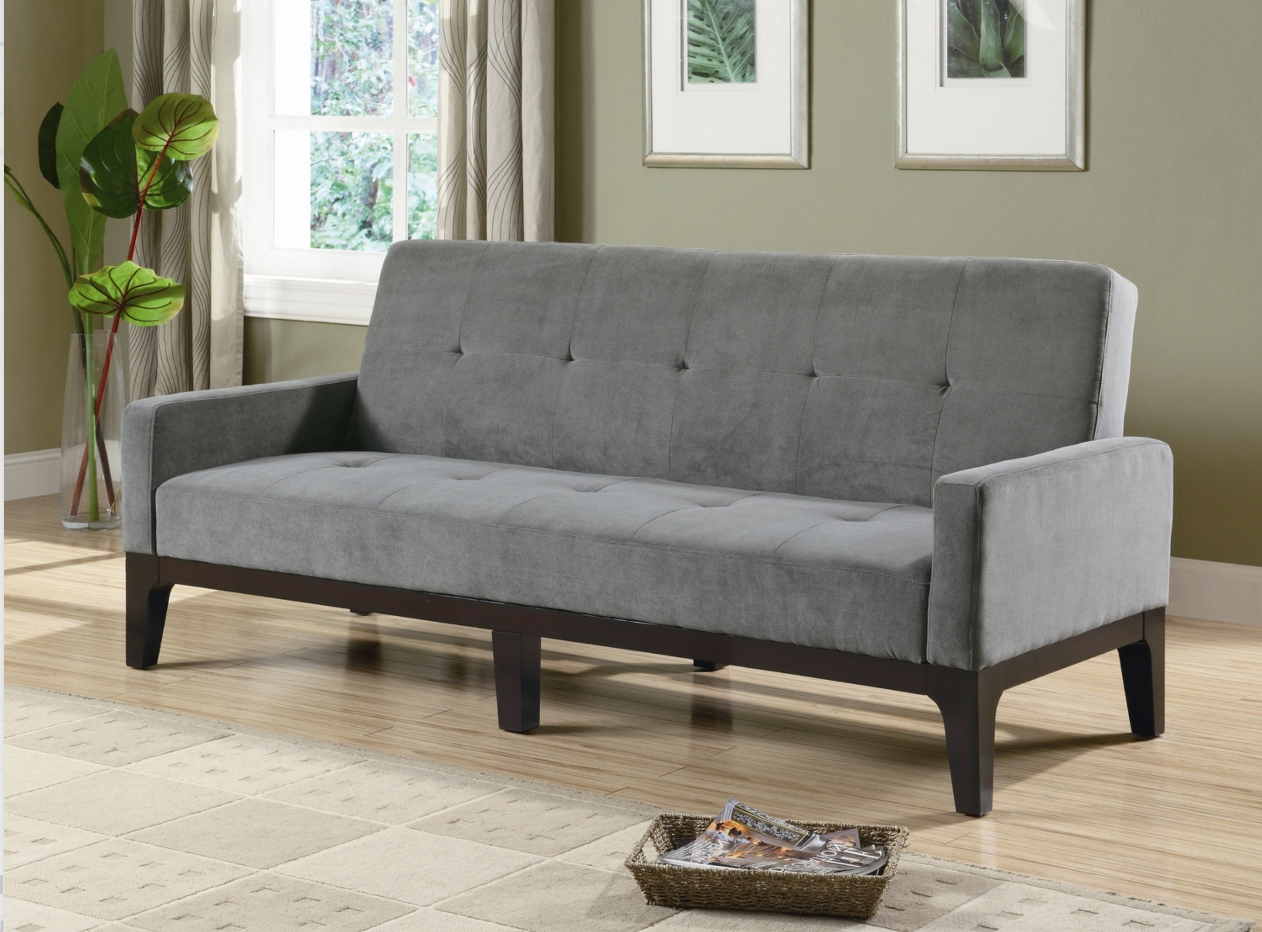
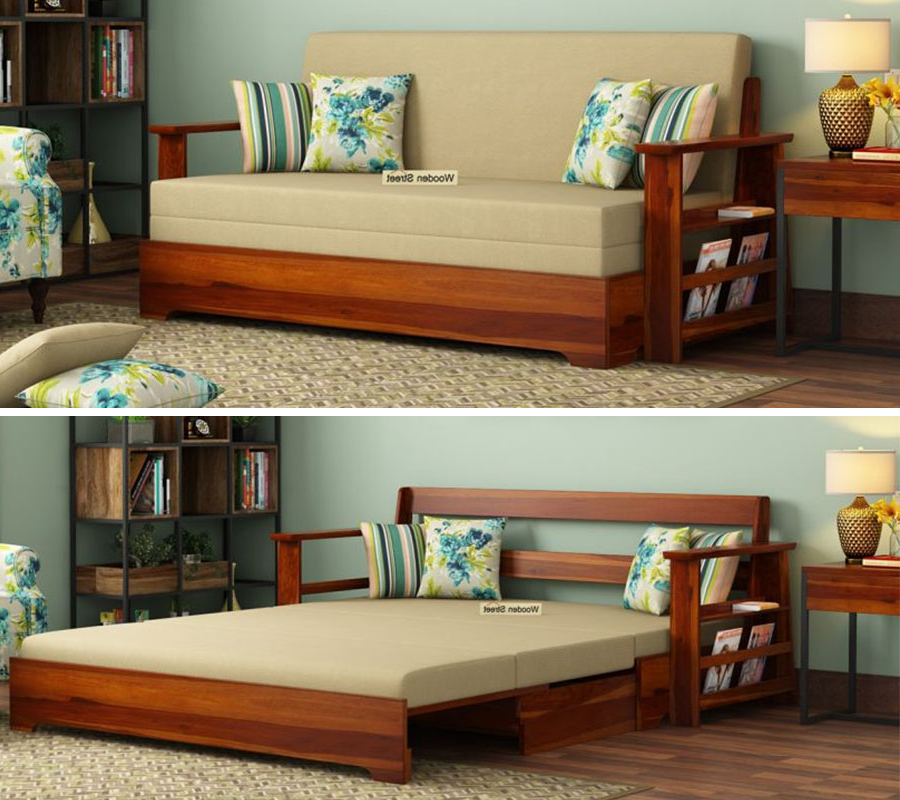
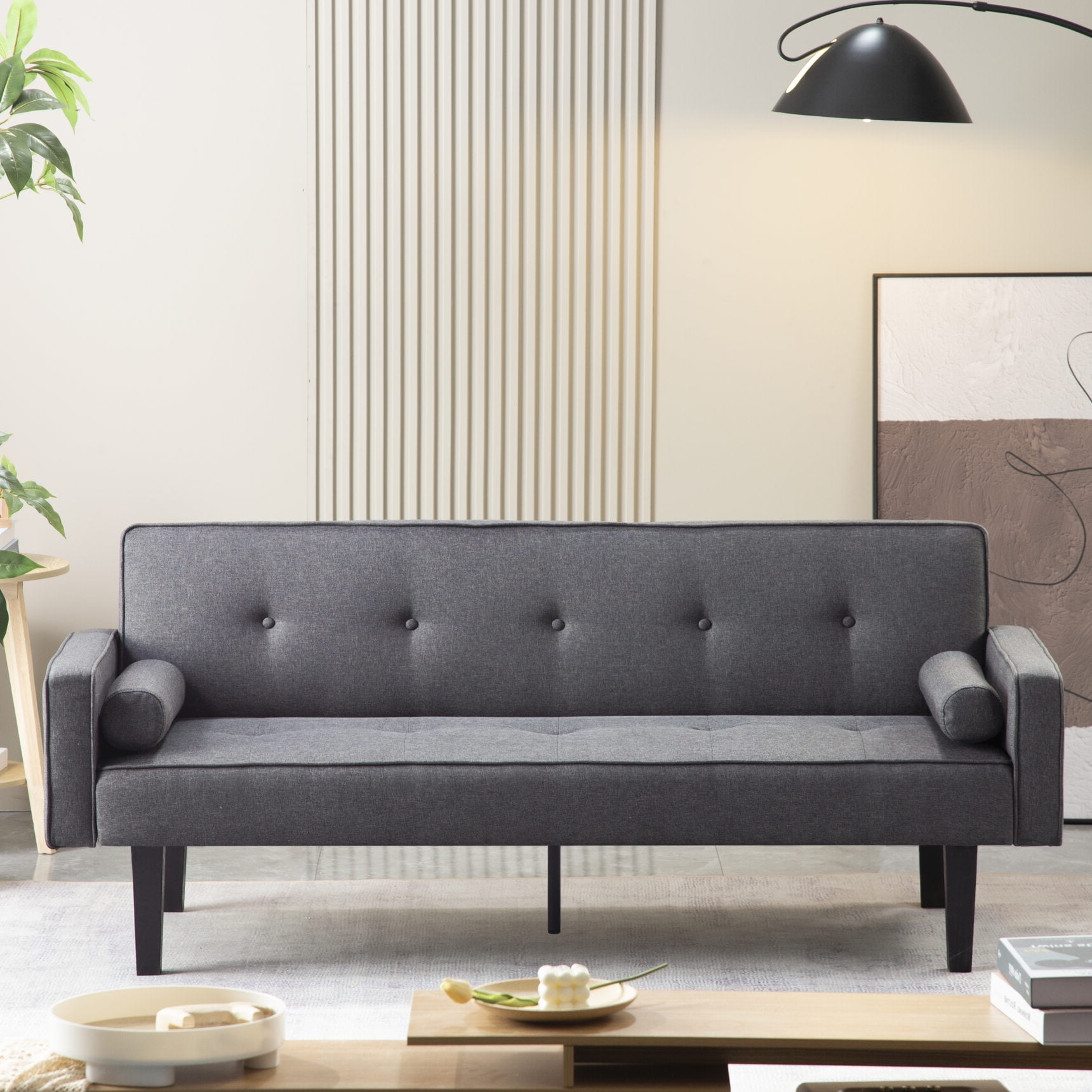
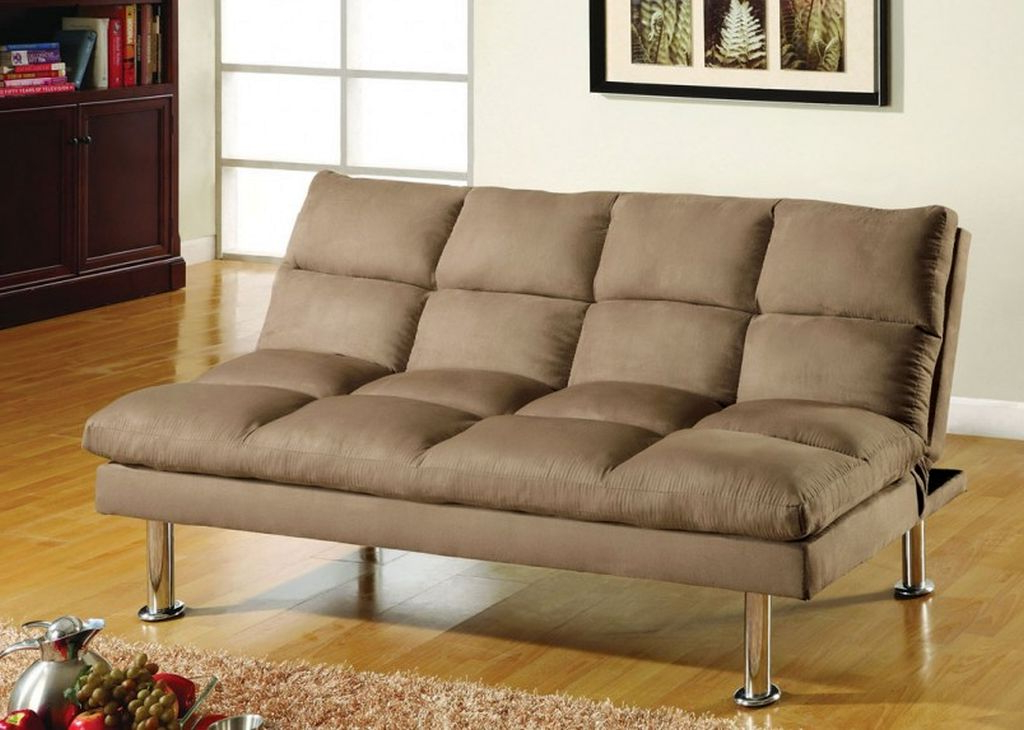
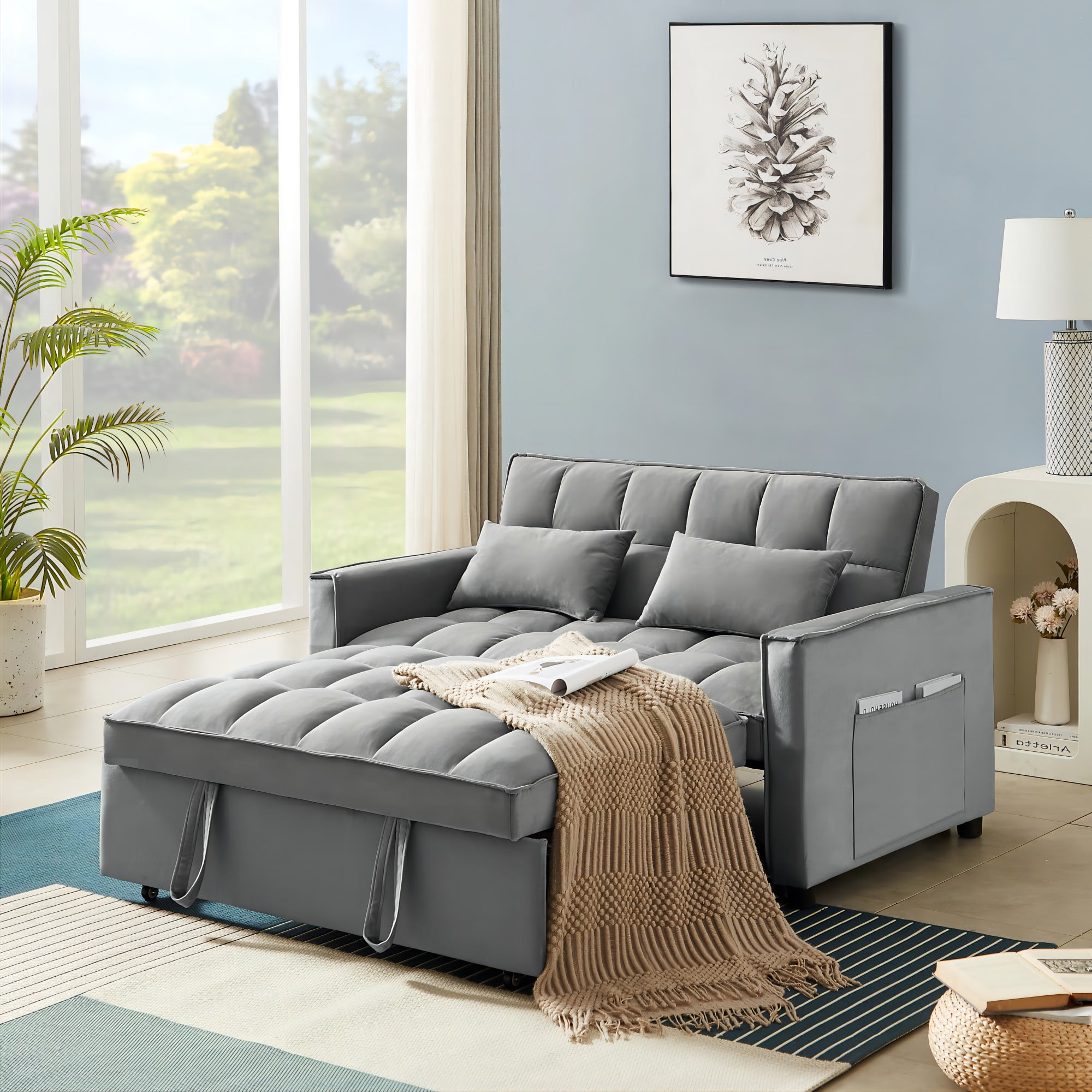
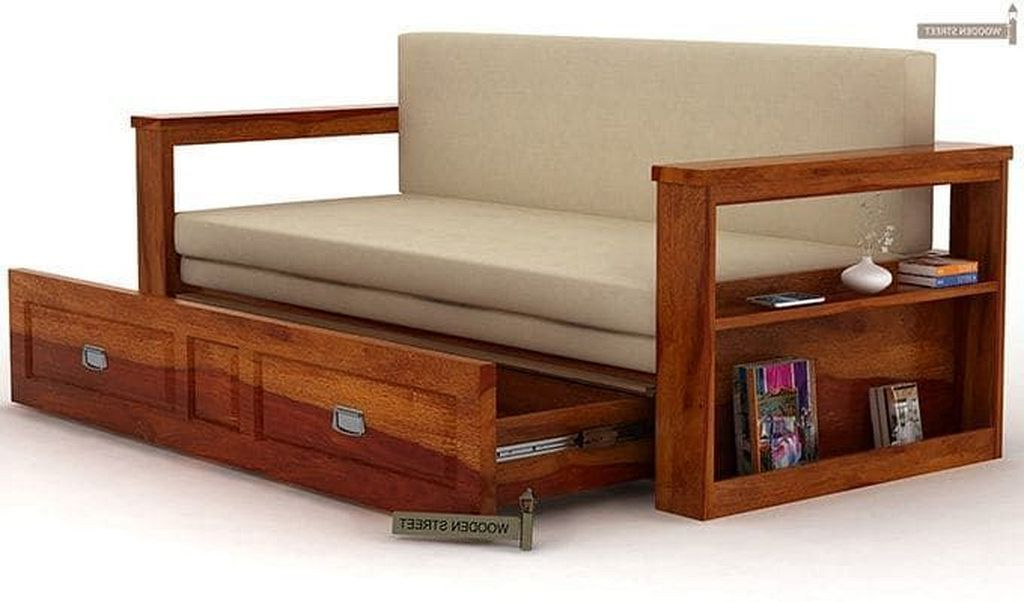
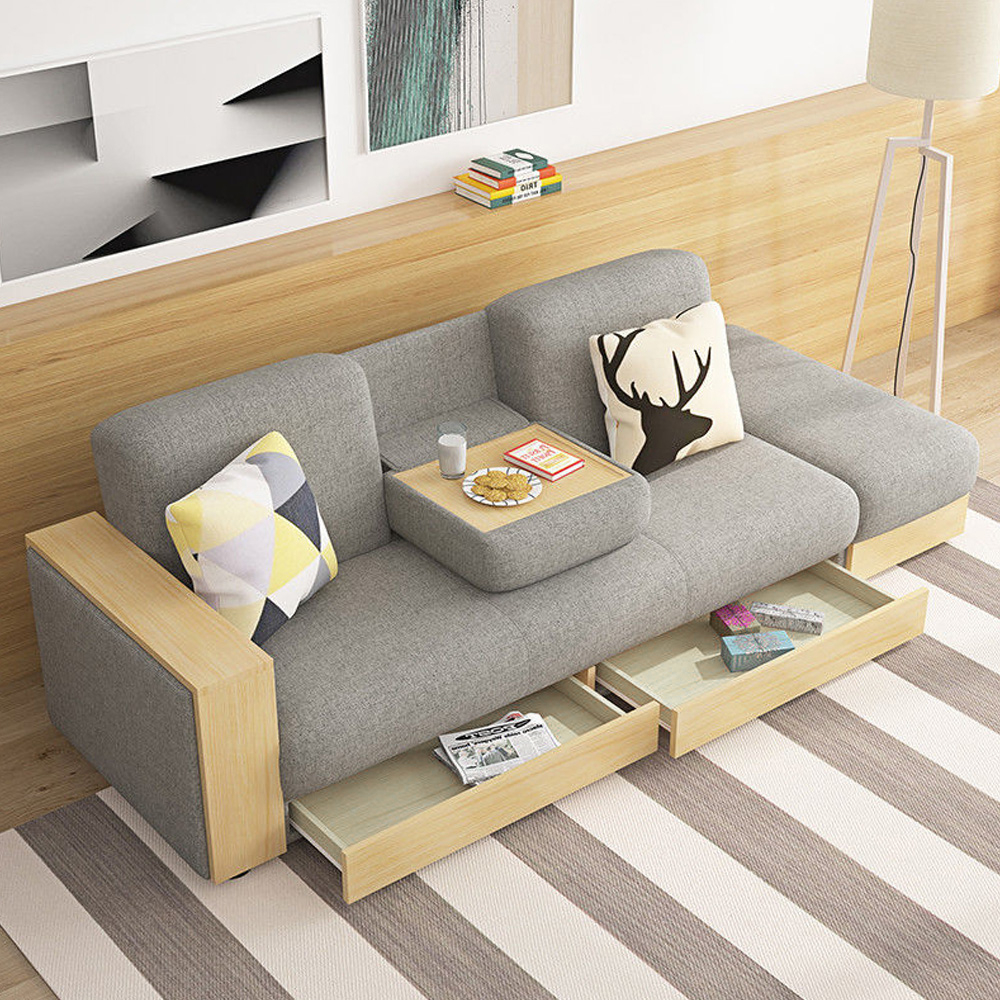
• Sofa beds – These are lifesavers for guests and small living rooms. You get comfortable seating during the day and a bed at night, perfect for studio apartments or guest rooms.
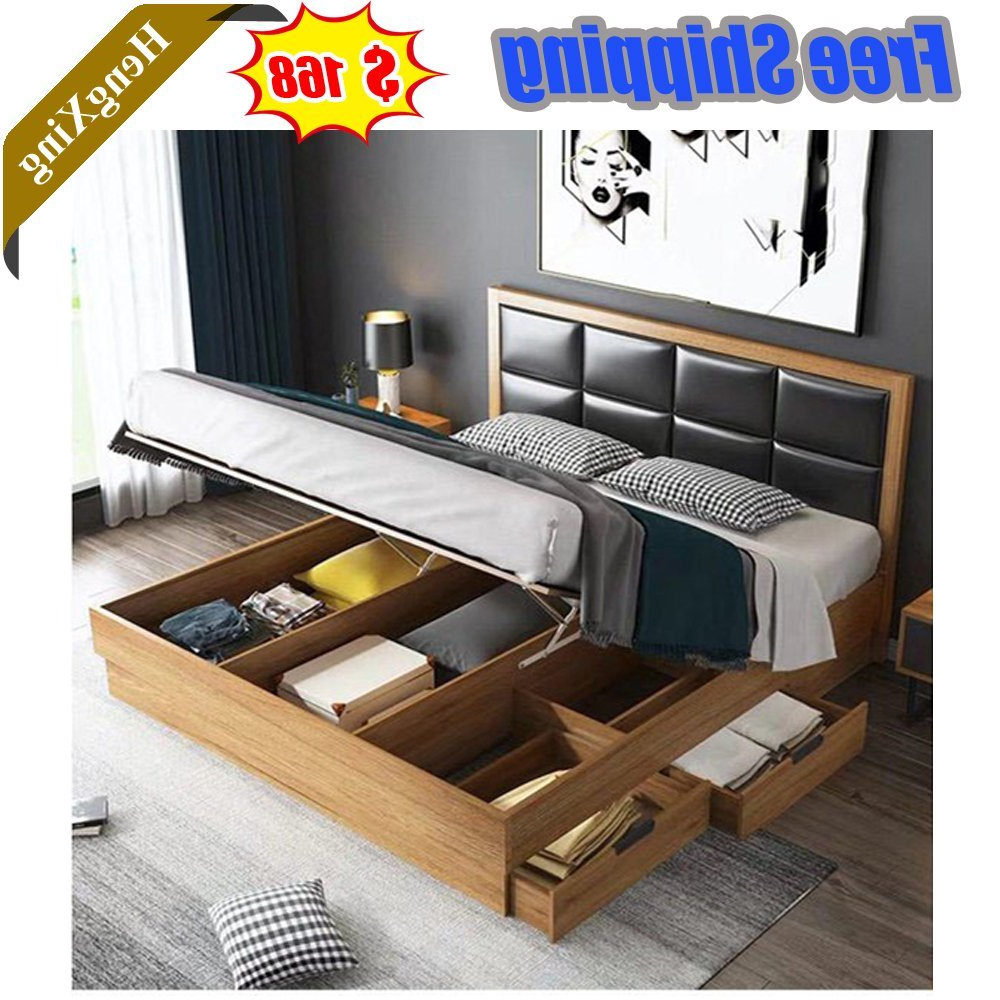
• Storage ottomans – These double as seating, footrests, and storage containers. They’re especially useful in living rooms where you need somewhere to put away blankets, books, or remote controls.
• Kitchen islands – These aren’t just for big kitchens anymore. Smaller versions can function as prep areas, dining tables, and even breakfast bars. They’re particularly popular in modern urban apartments.
• Murphy beds – These fold up against the wall when not in use, freeing up floor space during the day. They’re ideal for small bedrooms or home offices that double as sleeping areas.
• Multi-purpose desks – These can transform from workstations to dining tables to entertainment centers. Some even come with built-in storage and charging stations.
Practical Tips for Choosing the Right Pieces
Not all multi-functional furniture is created equal. Here are some ways to find pieces that really work for your lifestyle:
• Consider your daily routine – What do you actually do in your space? If you work from home, you’ll want a desk that’s comfortable and functional. If you entertain frequently, a dining table that can also serve as a work surface makes sense.
• Measure everything carefully – Before buying anything, measure your space. Even if a piece claims to save space, it still needs to fit within your room dimensions. You don’t want to end up with furniture that’s too big or too small.
• Think about the future – Will your needs change? A piece that works now might not work in six months. Look for furniture that can adapt to your evolving lifestyle.
• Don’t forget about aesthetics – Multi-functional furniture should look good in your space. It’s easy to get caught up in function, but if it doesn’t match your style, you’ll never enjoy using it.
• Check the build quality – Look for solid wood, metal frames, or quality materials. If you’re going to use a piece multiple times a day, it better be reliable.
Budget-Friendly Options and DIY Solutions
You don’t need to break the bank to get creative furniture. Many affordable options exist that can transform your space without costing a fortune. Check out secondhand stores, online marketplaces, and local classified ads. You might find a vintage chest that works perfectly as a storage unit or a wooden crate that can be repurposed as a side table. The key is to look for pieces that already have multiple uses or can be easily modified. For example, a simple wooden ladder can become a bookshelf or a towel rack. Or a wooden crate can be turned into a coffee table by adding a glass top. DIY projects allow you to customize pieces exactly to your needs and budget. Plus, they give you a sense of accomplishment. There are plenty of online tutorials and communities where you can learn new techniques and share your creations. It’s not just about saving money – it’s about making your space truly yours.
Maintaining and Caring for Your Multi-Functional Pieces
Once you’ve invested in multi-functional furniture, taking care of it properly is essential. Regular maintenance keeps everything working smoothly and extends the life of your pieces. For moving parts, like fold-down tables or adjustable shelves, check periodically for loose screws or worn hinges. Clean surfaces according to manufacturer instructions – some materials require special care. For example, leather furniture needs conditioning, while wood pieces may need polishing. Storage compartments should be kept clean and organized. If you use a piece for multiple purposes, rotate its usage to prevent wear in one area. Consider investing in protective covers for pieces that see heavy use. And remember, the more you use something, the more you’ll appreciate it. The key is to treat your furniture like a valued member of your household – with care and respect.
Multi-functional furniture isn’t just a trend – it’s a practical response to how we actually live today. As our lives become increasingly busy and our living spaces shrink, we need furniture that can keep up with our demands. The right pieces can make a huge difference in how you experience your home. They help reduce stress, increase efficiency, and make your space feel more personal. Whether you’re downsizing, renovating, or simply trying to maximize your current space, these solutions offer real value. The secret isn’t in having more furniture – it’s in having the right furniture that does more. So next time you’re looking at your tiny apartment, think about what could transform your space. Maybe it’s a storage ottoman that becomes a footrest, or a dining table that folds down to make room for a work station. The possibilities are endless when you start thinking creatively about what furniture can do.
[sps_html tag=”img” src=”https://roofdrivein.com/wp-content/uploads/2026/01/23-fantastic-small-space-bedroom-home-decoration-and-inspiration-ideas-with-regard-to-small-space-bed-ideas.jpg” alt=”23 Fantastic Small Space Bedroom - Home Decoration And Inspiration Ideas with regard to Small Space Bed Ideas” style=”width: 100%; height: auto;”]
[sps_html tag=”img” src=”https://roofdrivein.com/wp-content/uploads/2026/01/creative-ideas-for-small-bedrooms-maximize-your-space-makeoveridea-with-regard-to-creative-multi-functional-furniture-for-compact-homes.jpg” alt=”Creative Ideas For Small Bedrooms: Maximize Your Space! - Makeoveridea with regard to Creative multi-functional furniture for compact homes” style=”width: 100%; height: auto;”]
[sps_html tag=”img” src=”https://roofdrivein.com/wp-content/uploads/2026/01/20-ideas-of-space-saving-beds-for-small-rooms-architecture-design-throughout-small-space-bed-ideas.jpeg” alt=”20+ Ideas Of Space Saving Beds For Small Rooms - Architecture & Design throughout Small Space Bed Ideas” style=”width: 100%; height: auto;”]
[sps_html tag=”img” src=”https://roofdrivein.com/wp-content/uploads/2026/01/50-small-bedroom-designs-and-ideas-for-maximizing-your-small-space-regarding-small-space-bed-ideas-scaled.jpg” alt=”50+ Small Bedroom Designs And Ideas For Maximizing Your Small Space … regarding Small Space Bed Ideas” style=”width: 100%; height: auto;”]
[sps_html tag=”img” src=”https://roofdrivein.com/wp-content/uploads/2026/01/39-small-bedroom-ideas-maximise-space-and-style-in-2025-regarding-small-space-bed-ideas.jpg” alt=”39+ Small Bedroom Ideas: Maximise Space And Style In 2025 regarding Small Space Bed Ideas” style=”width: 100%; height: auto;”]