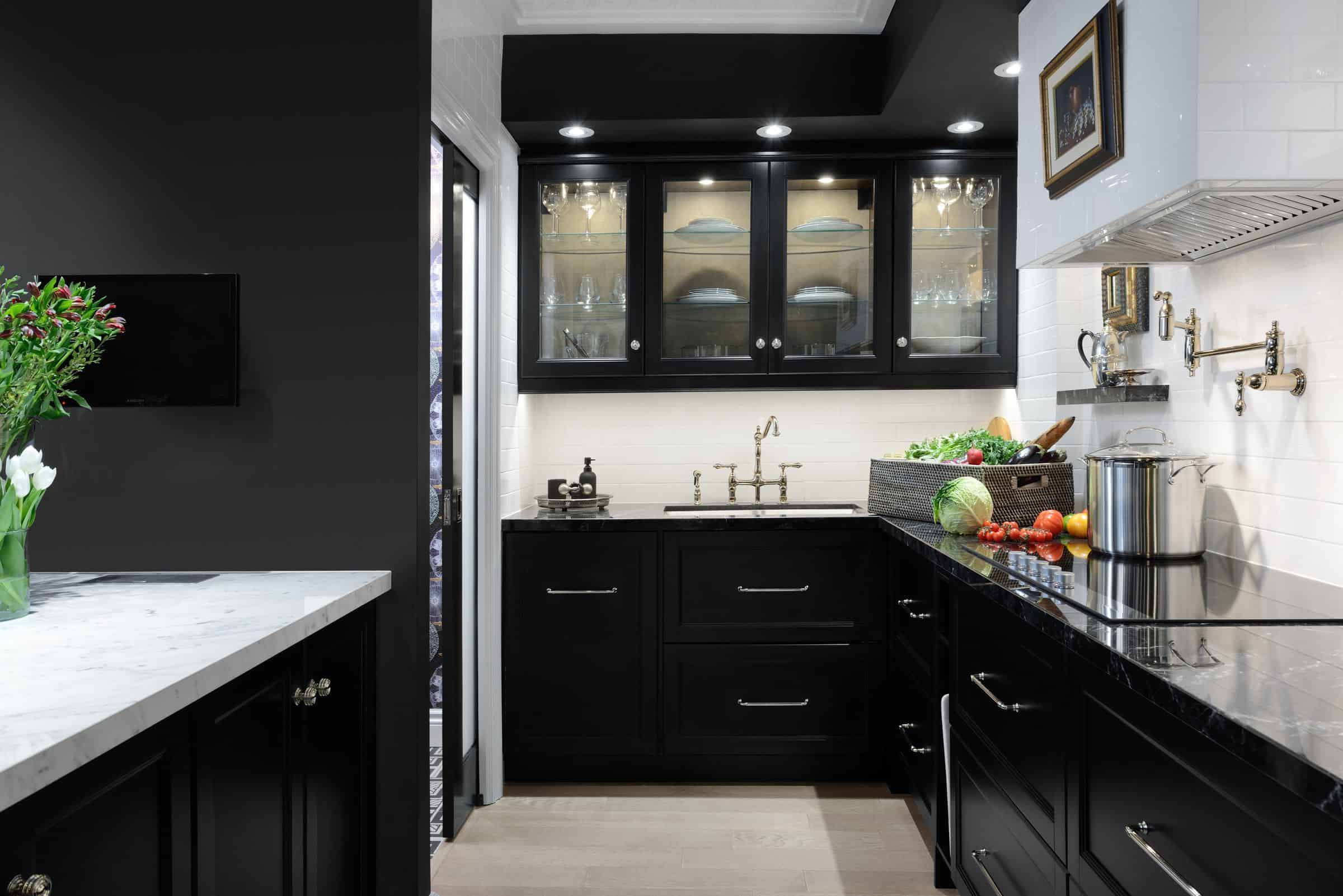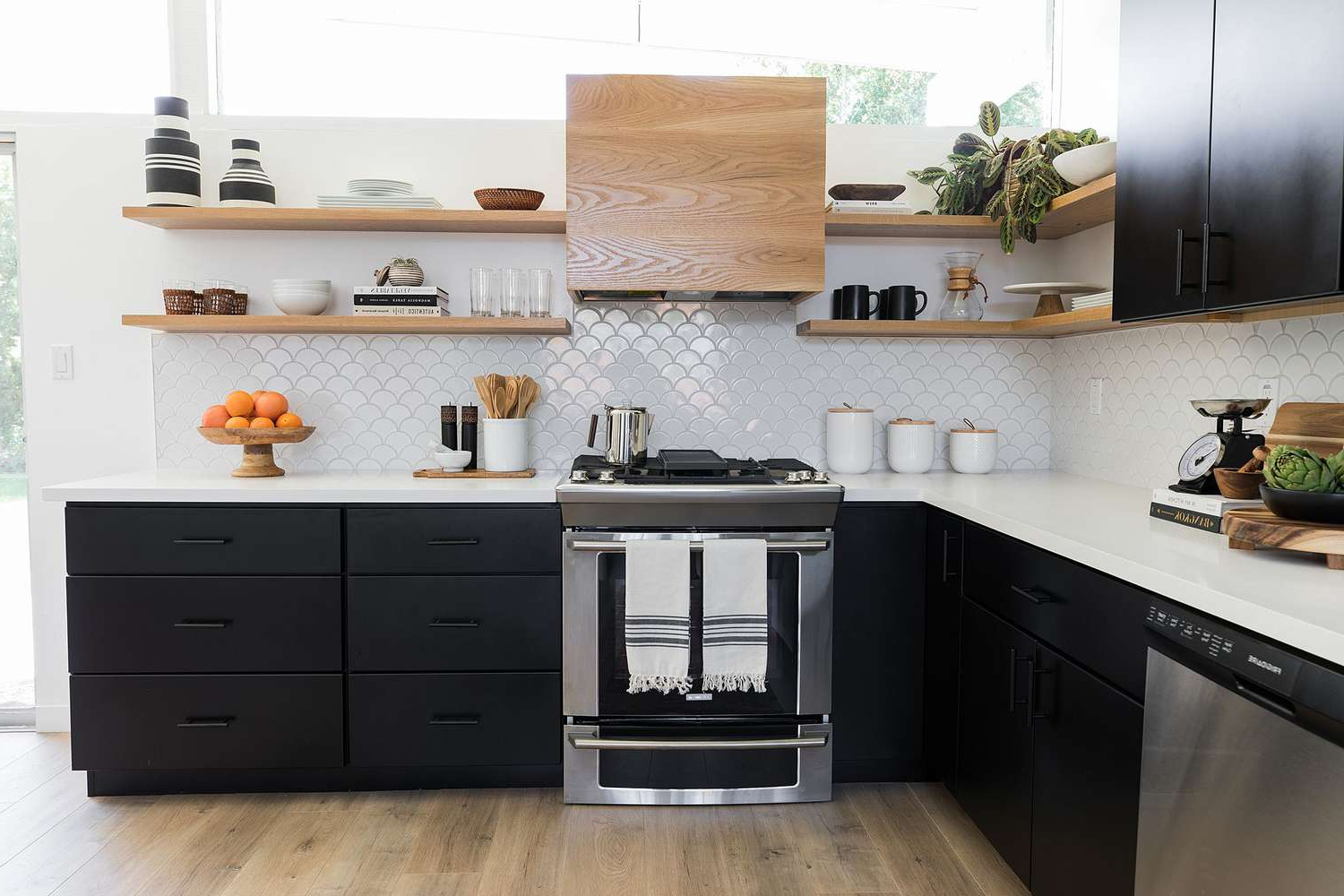
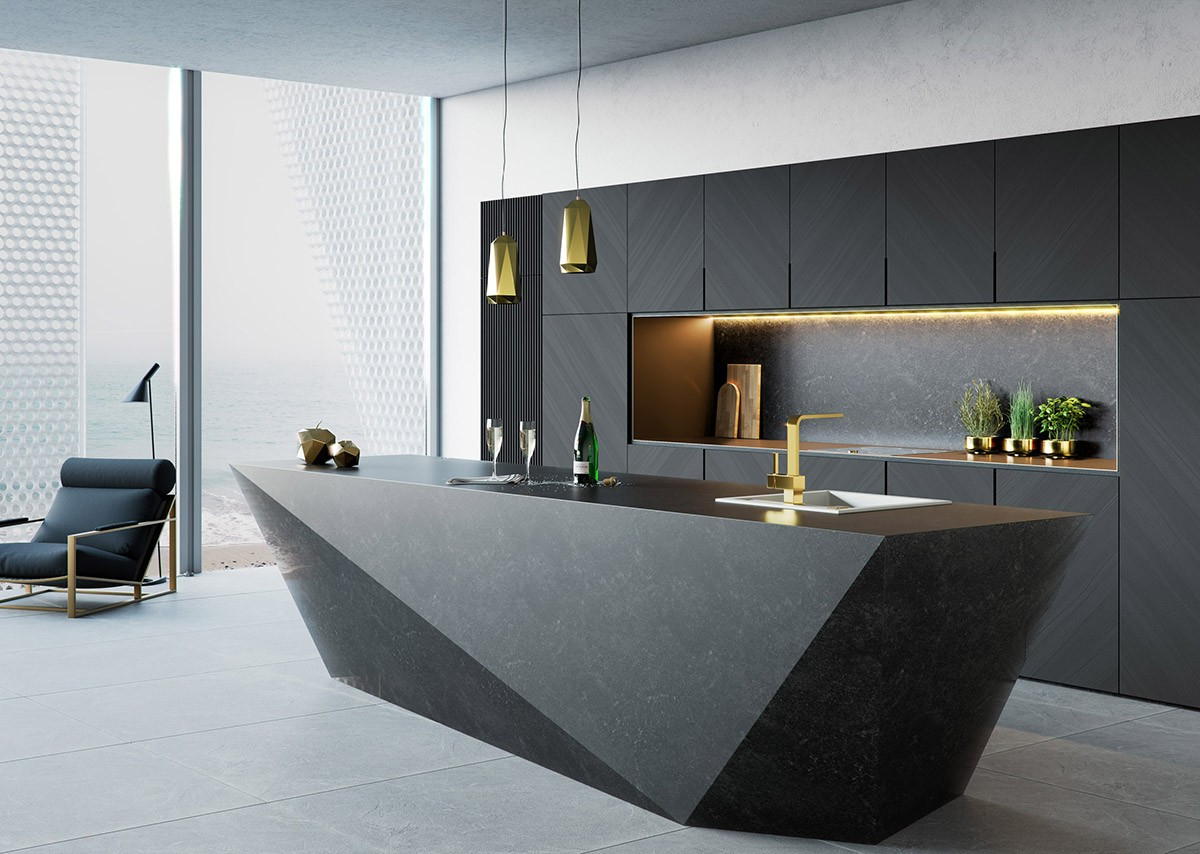
The kitchen island isn’t just a countertop anymore. It’s becoming the heart of modern homes, serving multiple purposes from meal prep to family gatherings. These innovative layouts are changing how we think about kitchen spaces and daily routines.
Think about your last kitchen experience. Was it a place you rushed through or somewhere you actually enjoyed spending time? The kitchen island has evolved from a simple prep surface to a central hub that shapes our daily lives. Today’s creative layouts go far beyond basic functionality. They’re designed to bring people together, streamline workflow, and create beautiful spaces that inspire good food and better moments. Whether you have a small apartment or a sprawling home, there’s an island design waiting to enhance your everyday life.
Understanding the Power of Island Placement
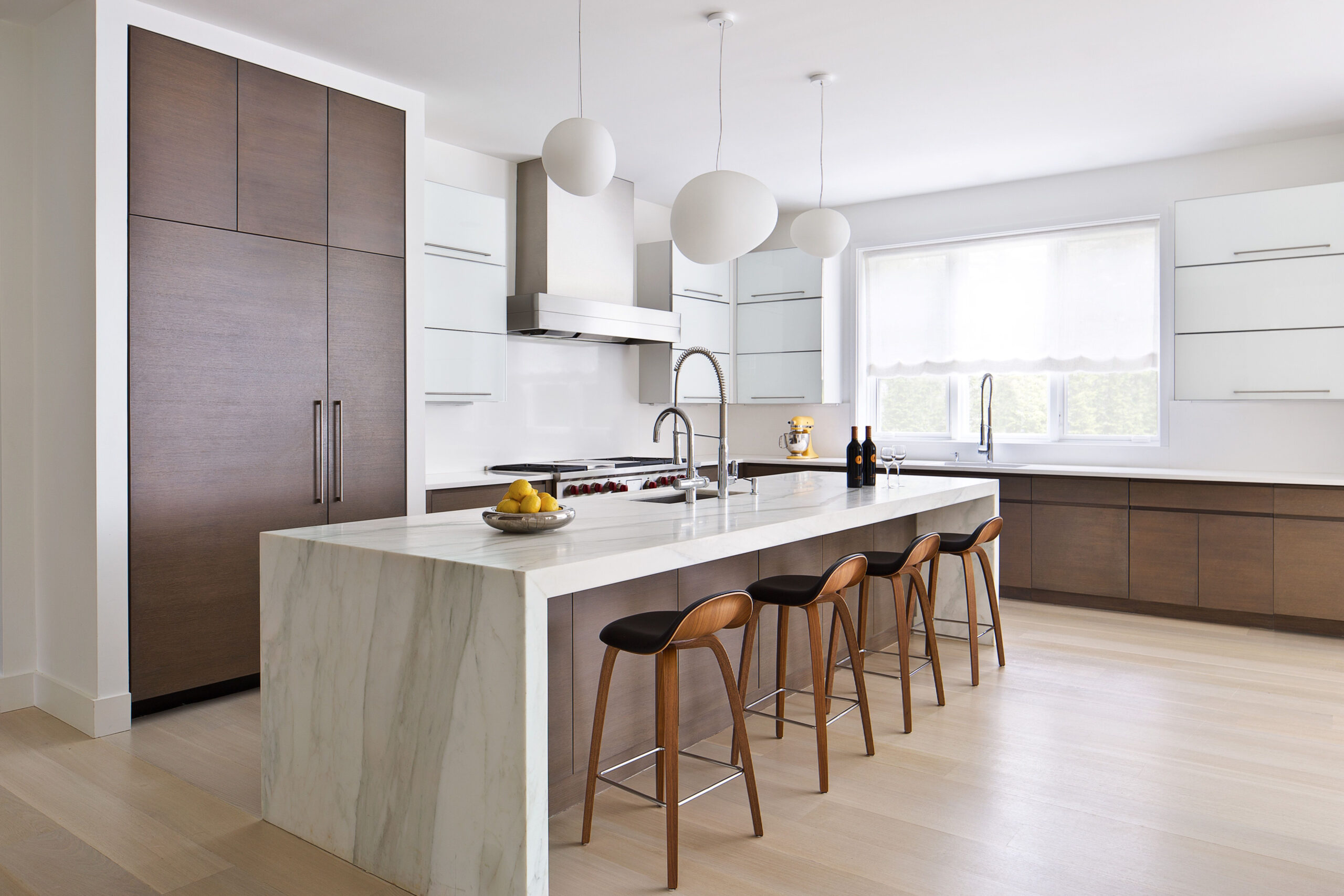
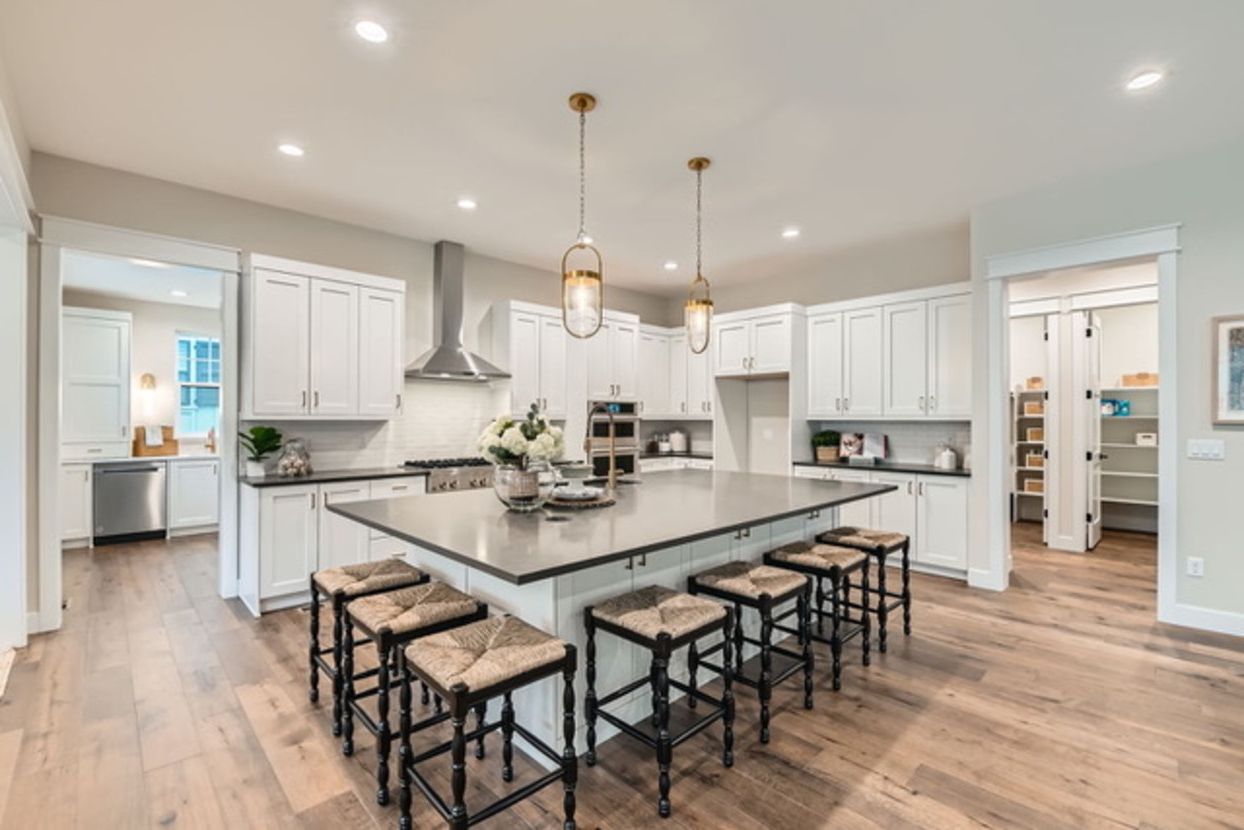
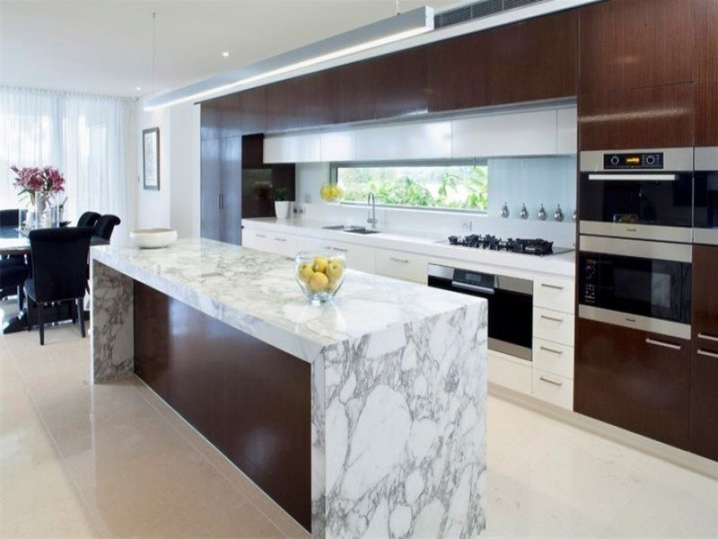
Where you position your kitchen island makes all the difference. The most popular spot is against a wall, creating a natural barrier between cooking and dining areas. This setup works wonderfully when you want to keep the chaos of meal prep separate from the rest of your home. But what if you’re working with an open-concept space? Then a center island becomes the perfect solution. It acts as a visual divider while keeping everything connected. You might even consider a peninsula that extends from a wall, offering extra counter space and storage without taking up too much floor area. The key is matching the island placement to your lifestyle and how you move through your kitchen.
Multi-Purpose Design Elements
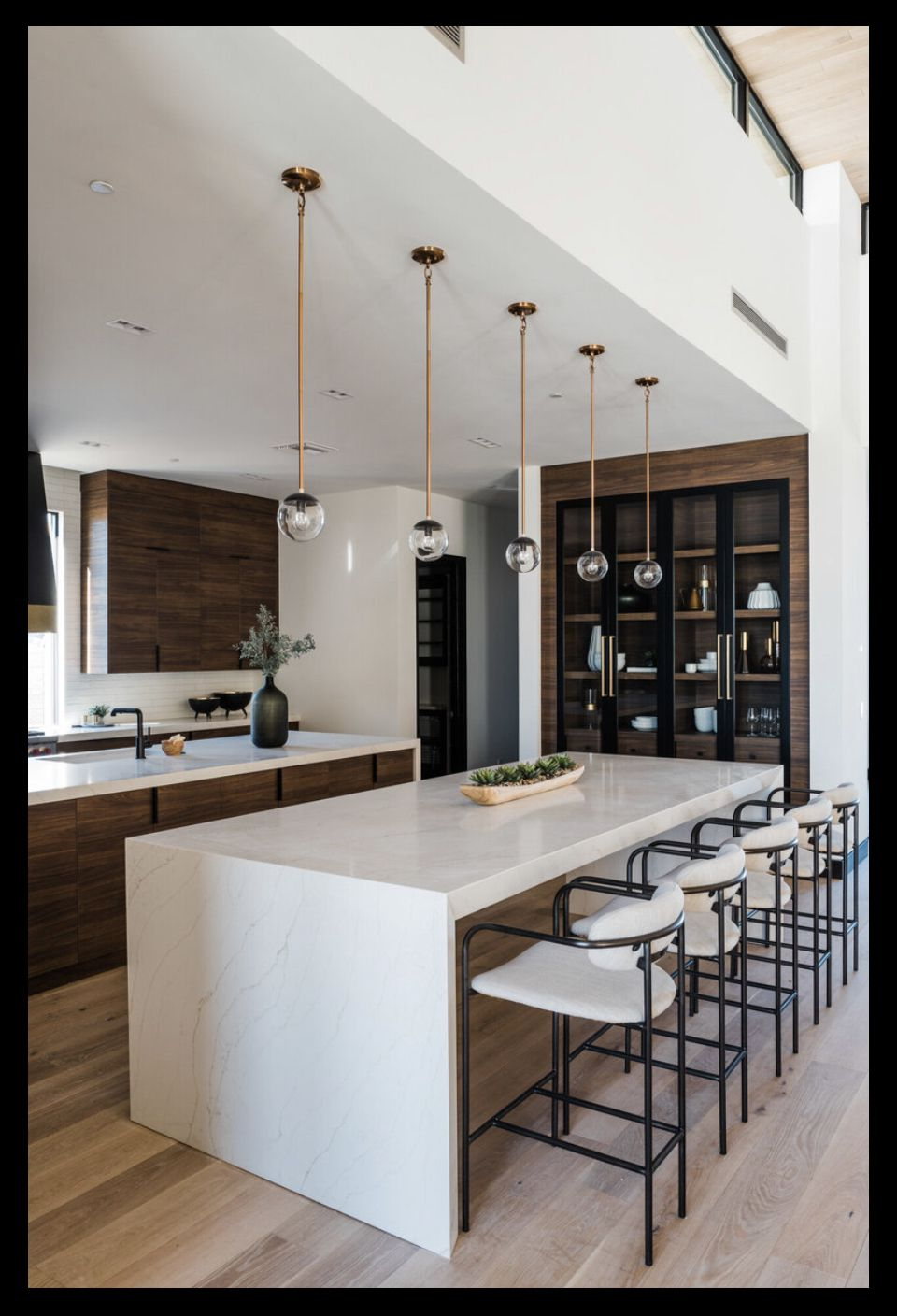
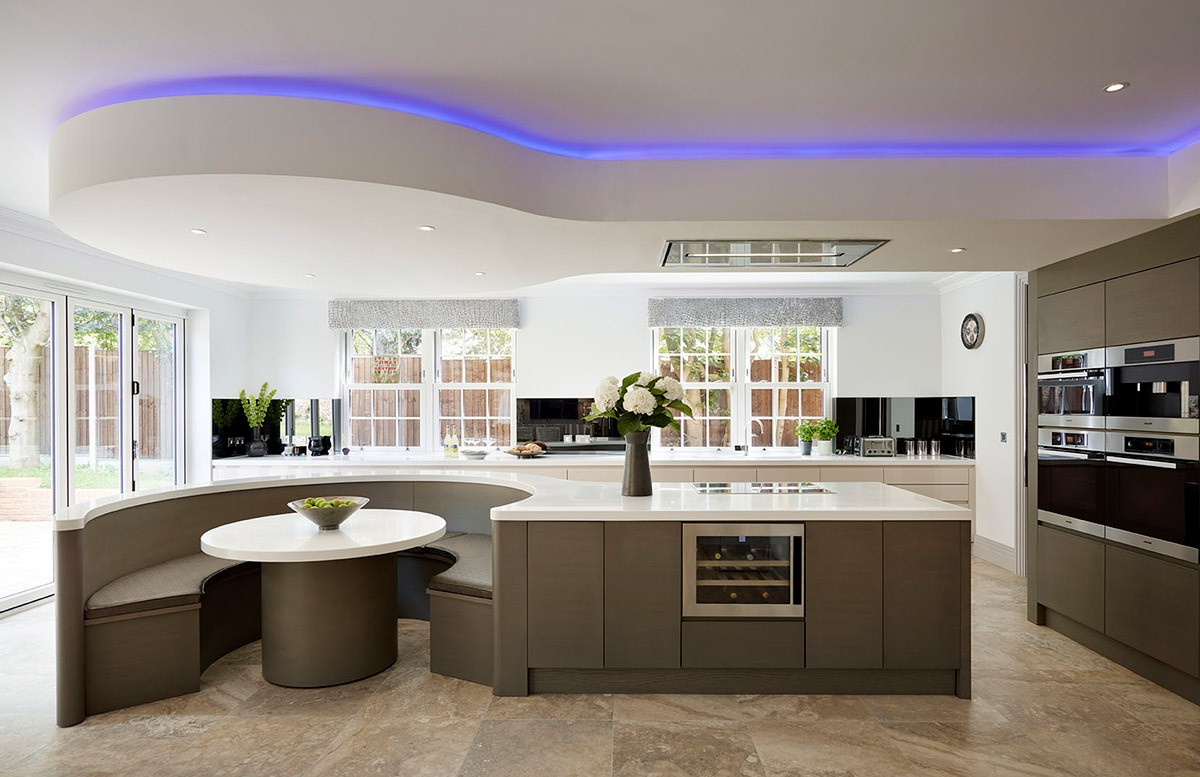
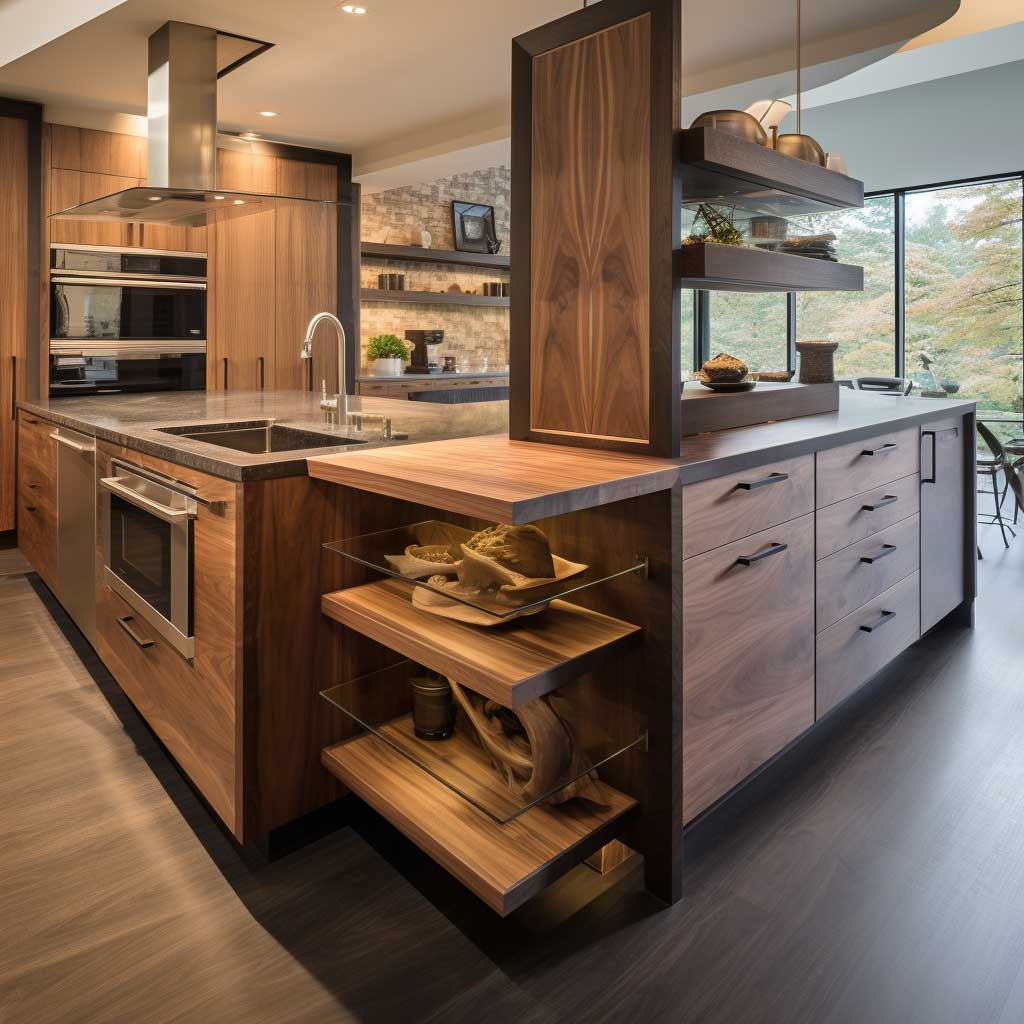
Modern islands aren’t one-trick ponies anymore. They’ve become sophisticated hubs that handle multiple tasks seamlessly. Think about incorporating seating that encourages conversation while you cook. A breakfast bar or small dining area built right into the island creates intimate gathering spots. Some designers add hidden storage compartments beneath the surface, keeping pots and pans out of sight but easily accessible. Others integrate cutting-edge technology like built-in charging stations or smart lighting that adjusts based on the time of day. The beauty lies in how these features blend together to support your unique way of living. For instance, if you’re always cooking for guests, having a large prep area and extra seating makes entertaining effortless.
Space-Saving Solutions for Small Kitchens
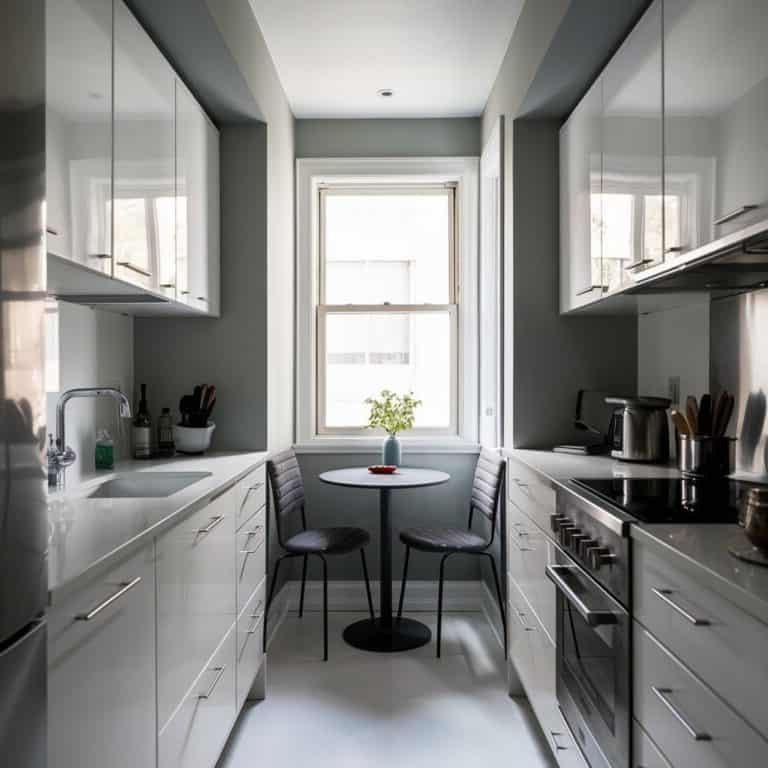
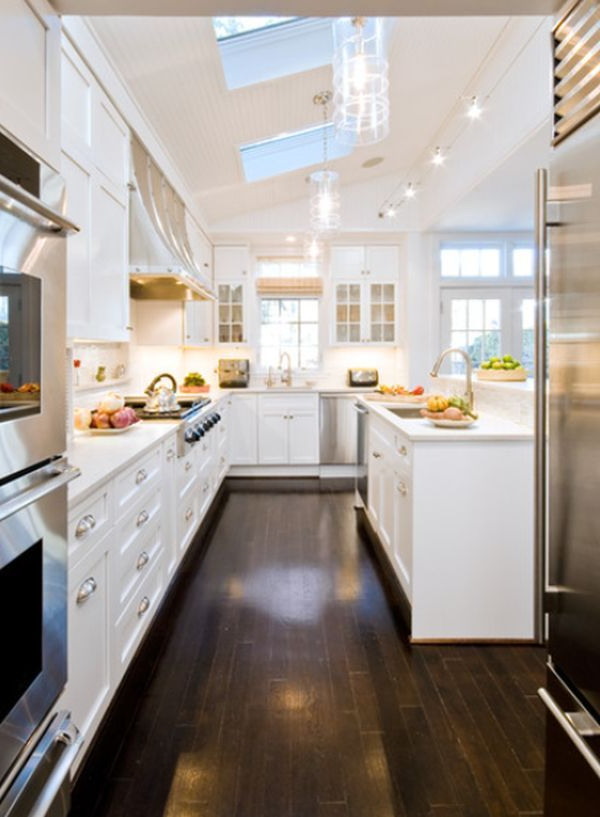
Don’t let a compact kitchen discourage you from adding an island. Many creative solutions work perfectly in tight spaces. Consider a narrow island that sits between two counters, maximizing every inch. These designs often feature clever storage options like pull-out drawers or vertical shelving that reach toward the ceiling. Some homeowners opt for a floating island that appears to hover above the floor, giving the illusion of more space. Others choose islands with wheels, allowing them to roll out when needed and slide back when not in use. The secret is focusing on function over form – every element should serve a purpose. Even in small kitchens, you can create a space that feels expansive and welcoming.
Material Choices That Last
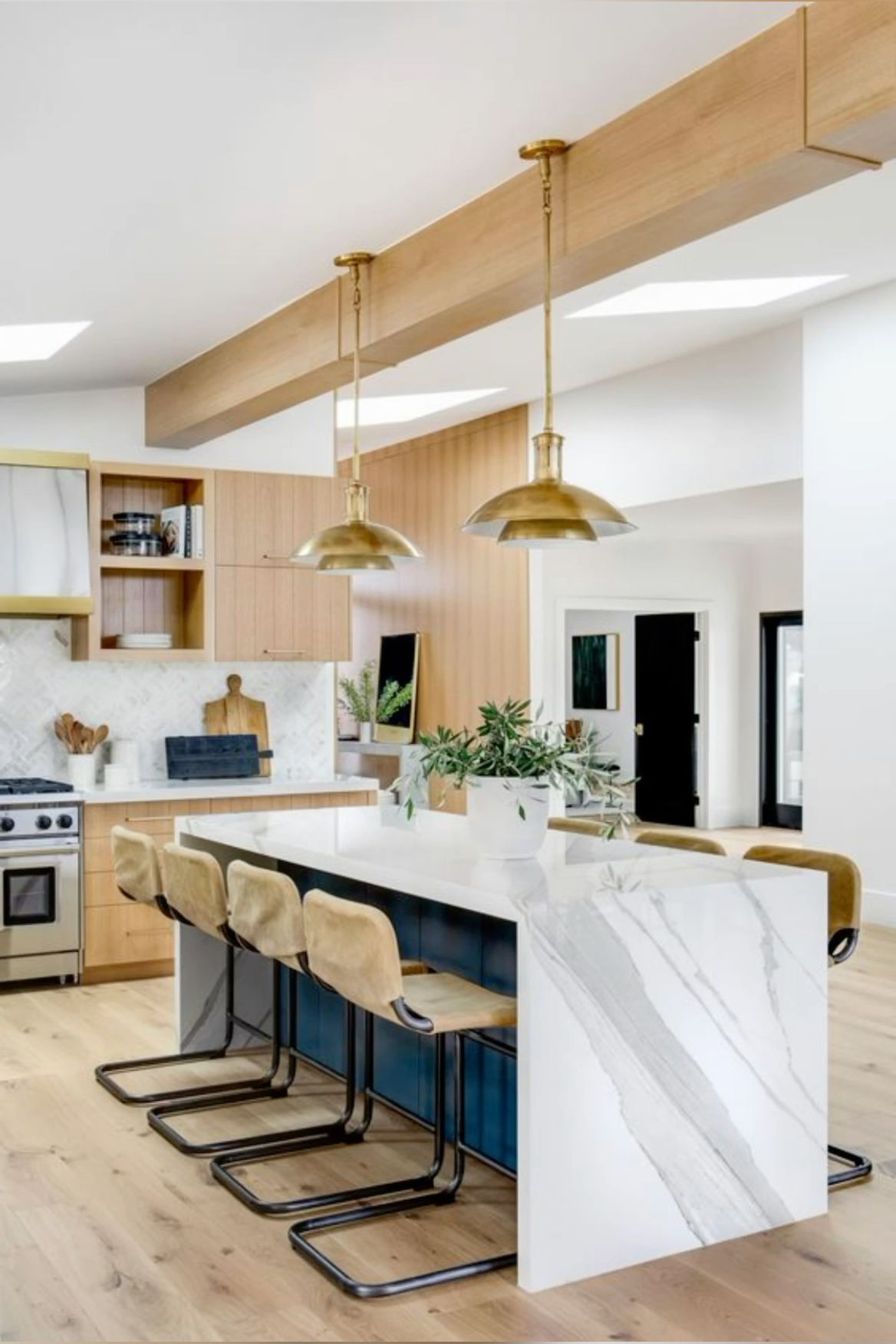
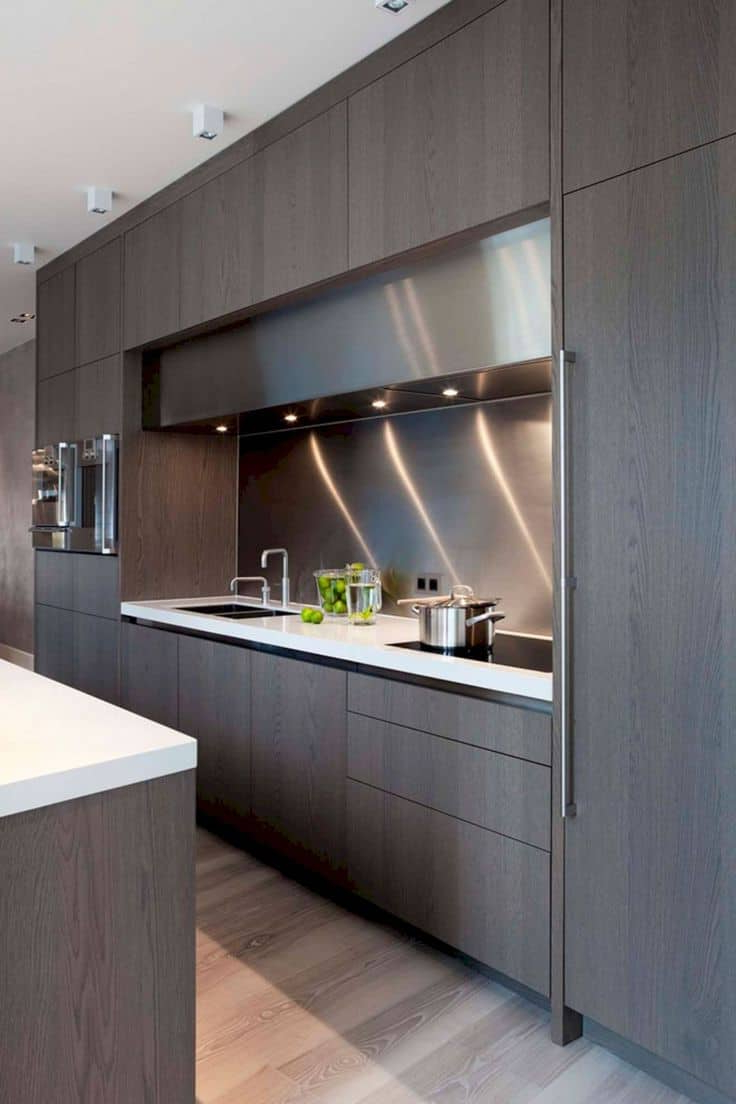
The materials you select for your island significantly impact both its appearance and longevity. Granite remains a top choice because of its durability and timeless appeal. It handles scratches and heat well, making it ideal for busy households. Quartz offers similar benefits with less maintenance required. Wood brings warmth and character, especially when used in lighter tones that brighten any room. Stainless steel provides a sleek, modern look that pairs well with contemporary appliances. Each material has its own personality and practical considerations. For example, wood may require more care to prevent water damage, while granite needs periodic sealing. When choosing materials, think about how they’ll age in your specific environment and whether they match your overall aesthetic goals.
Lighting That Sets the Mood
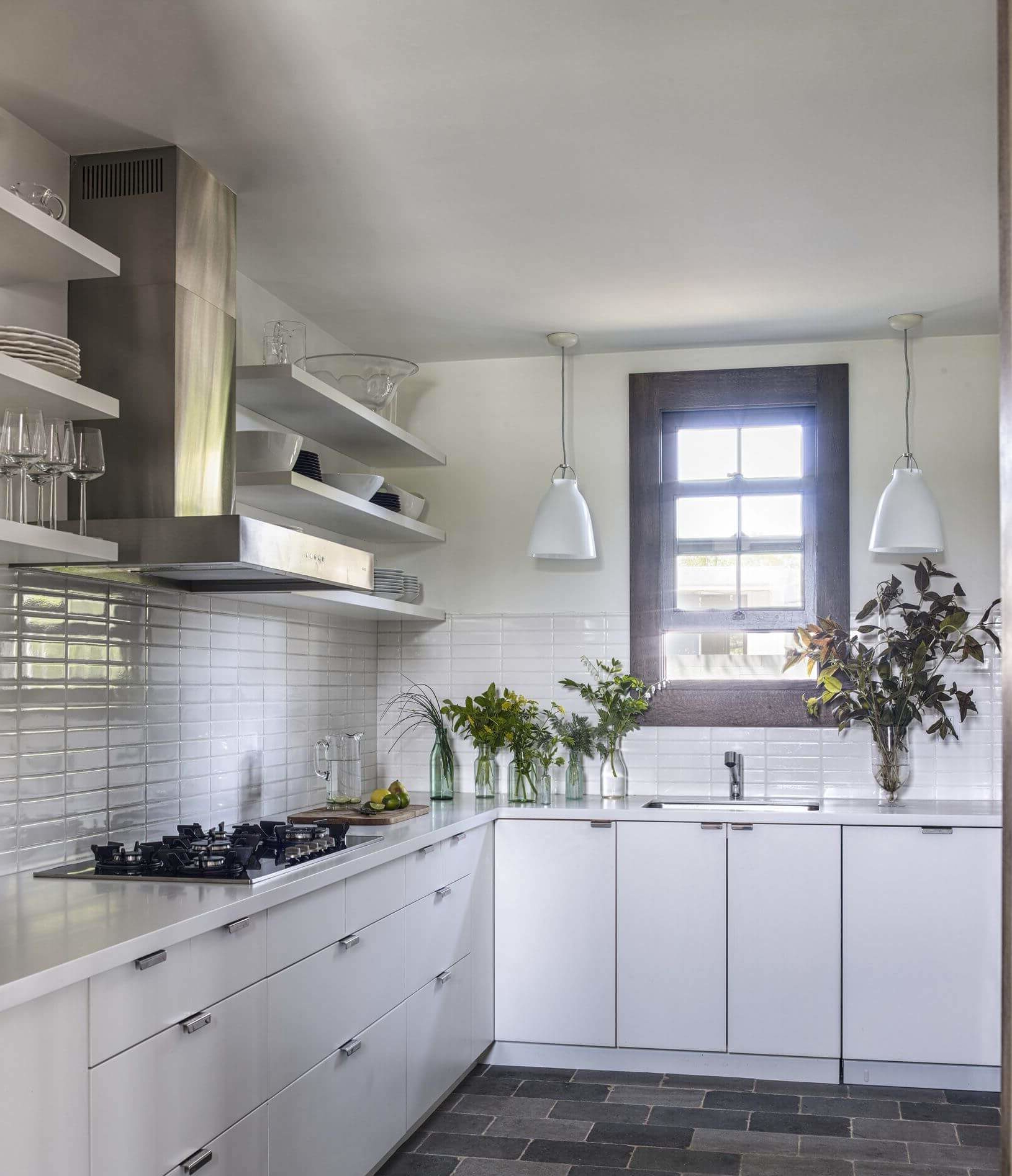
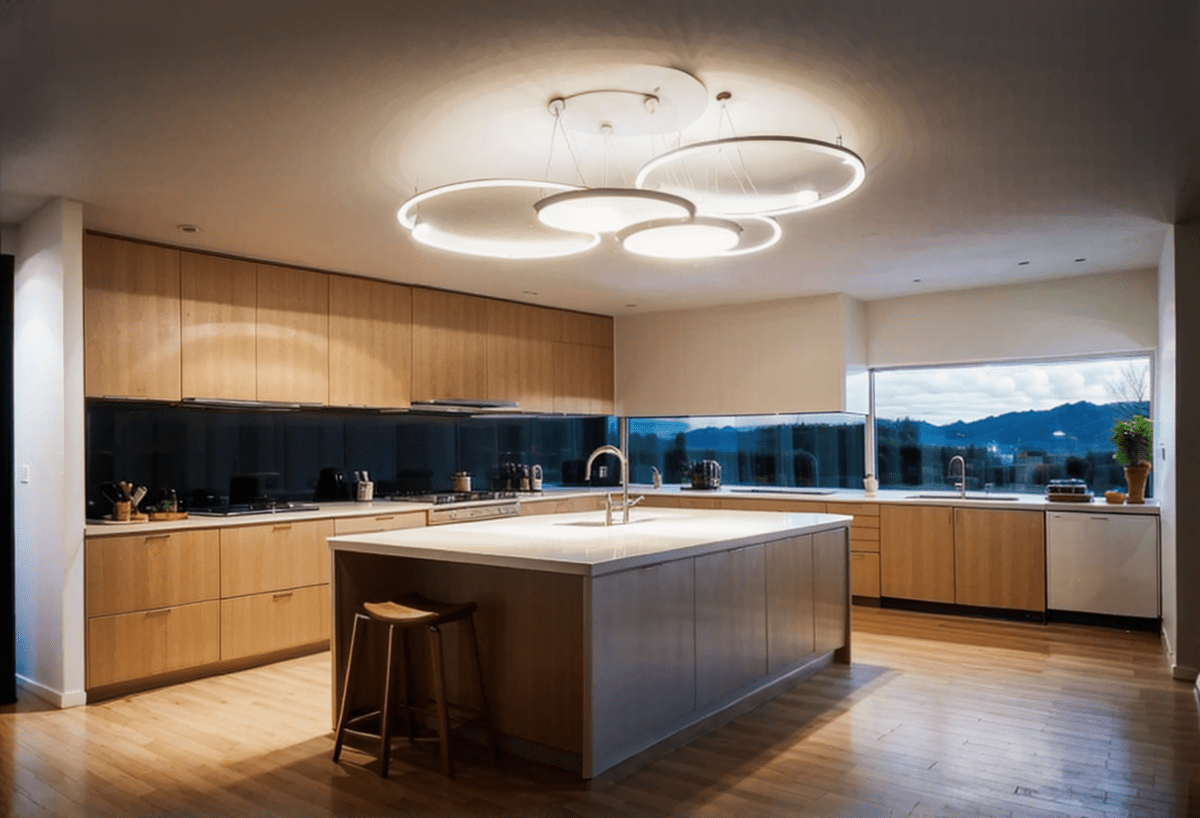
Good lighting can completely change how you experience your kitchen island. Under-cabinet lights provide practical illumination for food preparation, ensuring you can see what you’re doing while avoiding shadows. Pendant lights hanging above the island create focal points and add visual interest. Many people appreciate dimmer switches that allow them to adjust brightness throughout the day. Some islands incorporate LED strips that run along the edges, casting soft light that highlights the surfaces. Natural light is always preferred, but artificial lighting should complement rather than compete with it. The right combination of ambient, task, and accent lighting makes your island a versatile space for everything from morning coffee to evening dinners.
Personalization Through Custom Features
Every household has different needs, which is why customizing your island matters so much. If you’re a frequent baker, consider adding a dedicated pastry prep area with specialized tools built-in. For families with children, integrated toy storage or a kids’ corner with low shelves can make the space more inclusive. Smart features like built-in speakers or wireless charging pads cater to tech-savvy users. Some people add a wine cooler or beverage station right on their island. The possibilities are endless when you think about what truly matters to you. Custom elements don’t have to be expensive either – sometimes simple touches like personalized hardware or unique edge treatments can make a huge difference.
Kitchen island layouts represent more than just design trends – they reflect how we want to live and interact with our spaces. When thoughtfully planned, these creative arrangements can make daily tasks feel less stressful and more enjoyable. Whether you’re looking to expand your cooking capabilities, improve social interaction, or simply create a more beautiful environment, the right island design supports your goals. Remember that the best layout is one that fits your lifestyle perfectly. Take time to consider how you actually use your kitchen, what activities you want to encourage, and what will make your daily routine flow better. Your ideal island might be simpler than you think, but it could transform your entire approach to home cooking and family time.
[sps_html tag=”img” src=”https://roofdrivein.com/wp-content/uploads/2026/01/30-modern-kitchen-island-ideas-to-inspire-your-kitchen-redesign-artofit-regarding-modern-kitchen-kitchen-island-ideas.jpg” alt=”30 Modern Kitchen Island Ideas To Inspire Your Kitchen Redesign – Artofit regarding Modern Kitchen Kitchen Island Ideas” style=”width: 100%; height: auto;”]
[sps_html tag=”img” src=”https://roofdrivein.com/wp-content/uploads/2026/01/50-stunning-modern-kitchen-island-designsinterior-design-ideas-within-creative-modern-kitchen-island-layouts-that-enhance-daily-life.jpg” alt=”50 Stunning Modern Kitchen Island Designsinterior Design Ideas. within Creative Modern Kitchen Island Layouts That Enhance Daily Life” style=”width: 100%; height: auto;”]
[sps_html tag=”img” src=”https://roofdrivein.com/wp-content/uploads/2026/01/30-modern-kitchen-island-ideas-to-inspire-your-kitchen-redesign-artofit-with-modern-kitchen-kitchen-island-ideas.jpg” alt=”30 Modern Kitchen Island Ideas To Inspire Your Kitchen Redesign – Artofit with Modern Kitchen Kitchen Island Ideas” style=”width: 100%; height: auto;”]
[sps_html tag=”img” src=”https://roofdrivein.com/wp-content/uploads/2026/01/modern-kitchen-designs-with-island-within-creative-modern-kitchen-island-layouts-that-enhance-daily-life.jpg” alt=”Modern Kitchen Designs With Island within Creative Modern Kitchen Island Layouts That Enhance Daily Life” style=”width: 100%; height: auto;”]
[sps_html tag=”img” src=”https://roofdrivein.com/wp-content/uploads/2026/01/modern-kitchen-islands-kitchen-ideas-regarding-modern-kitchen-kitchen-island-ideas-scaled.jpg” alt=”Modern Kitchen Islands - Kitchen Ideas regarding Modern Kitchen Kitchen Island Ideas” style=”width: 100%; height: auto;”]