What if I told you that a few thoughtful changes could make your guest room feel like a luxury hotel suite? The secret isn’t about expensive furniture or fancy decor—it’s about understanding what really matters when someone needs to sleep. Think about it. When you stay somewhere, what makes you want to curl up in bed instead of sitting on the edge of it? It’s not just comfort, but a sense of being truly cared for.
Picture this: you’ve just arrived at a friend’s place for the weekend. You’re tired from travel, maybe a bit jet-lagged, and all you want is a good night’s sleep. But instead of feeling refreshed, you find yourself tossing and turning because something feels off. Maybe the lighting is too harsh, or the temperature is wrong, or there’s no real privacy. What if we told you that creating a space that actually invites people to sleep well is more about intention than expense? This isn’t just about having a spare bedroom. It’s about crafting a sanctuary where guests can truly recharge their batteries.
The Foundation of Good Guest Sleep
Before we dive into the details, let’s talk about the basics. A guest room that encourages sleep starts with three core principles: comfort, control, and calm. Comfort means choosing the right mattress and bedding that suit different sleeping preferences. Control involves giving guests the ability to adjust light levels, temperature, and noise. Calm refers to the overall atmosphere that promotes relaxation rather than stress. These fundamentals work together to create an environment that naturally invites rest. Consider how many times you’ve felt uncomfortable simply because the room was too bright or too cold. The best guest rooms address these issues before guests even arrive.
Mattress and Bedding Essentials
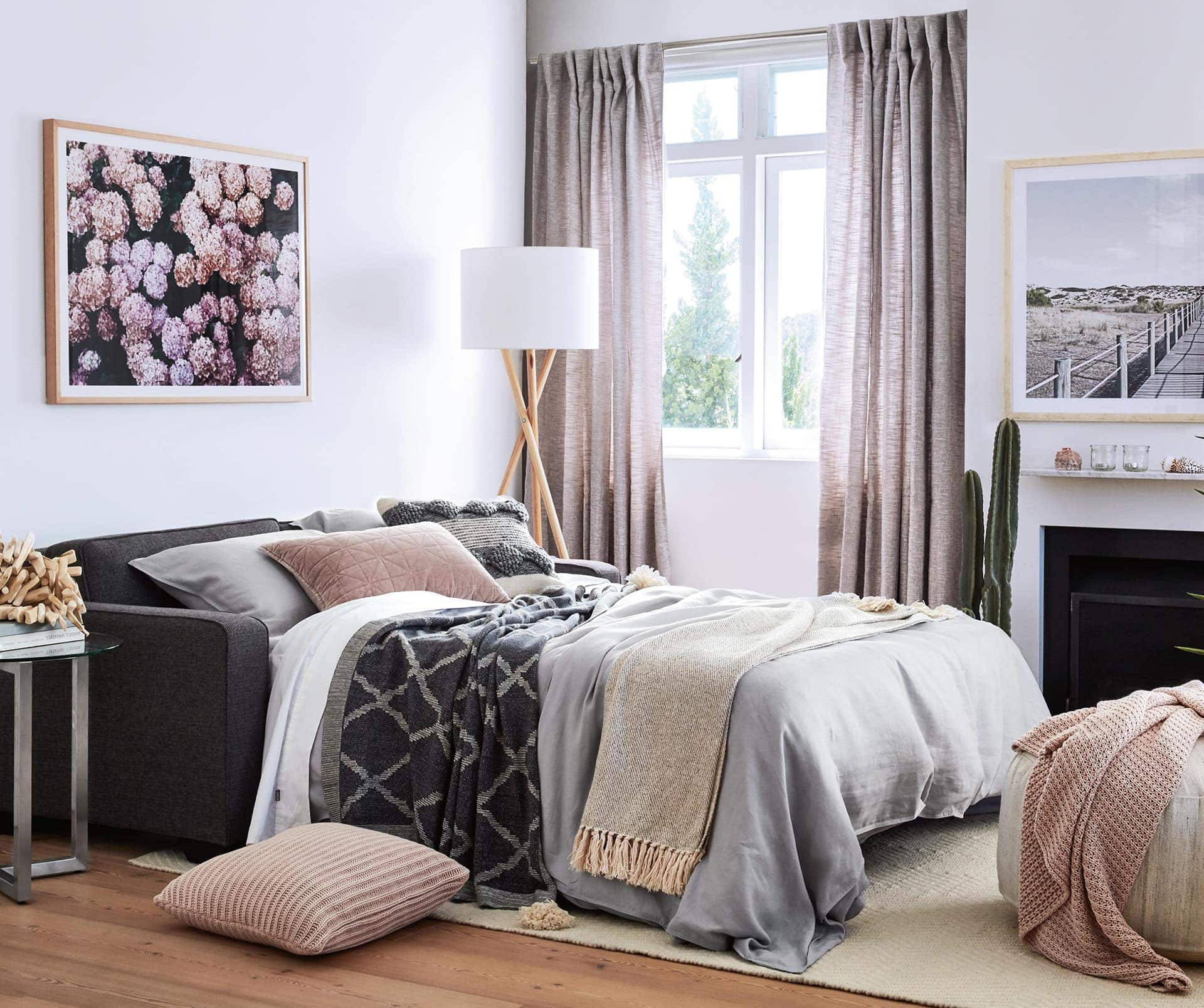
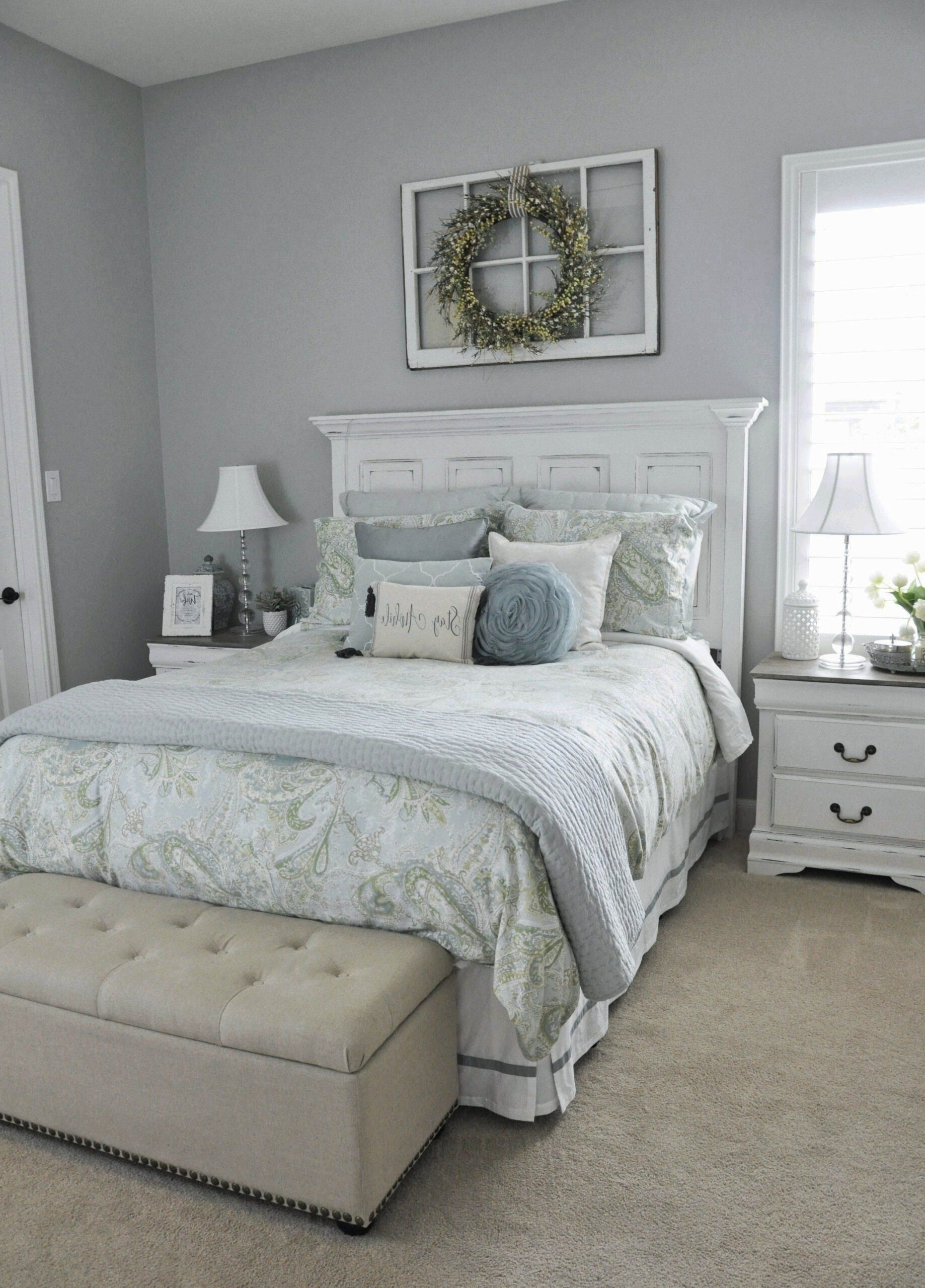
This might sound obvious, but it’s often overlooked. A good mattress isn’t just about softness or firmness—it’s about finding what works for your guests. Some prefer a plush surface, others like a firmer base. Keep a variety of pillow options available, including memory foam and standard varieties. The bedding itself matters too. Choose high-quality sheets made from breathable fabrics like cotton or bamboo. These materials regulate body temperature better and feel more comfortable against the skin. Don’t forget about blankets and throws—they add both warmth and visual appeal. One traveler once told me she couldn’t sleep on a guest bed because it felt too thin and didn’t provide enough support. Simple upgrades can make all the difference.
Lighting That Works With Sleep Cycles
Here’s where most people go wrong. Too many guest rooms have lighting that’s either too bright or too dim. The key is layering light sources. Start with ambient lighting that can be dimmed or turned off completely. Add task lighting for reading, preferably with adjustable brightness. Consider installing bedside lamps with warm, soft bulbs rather than harsh fluorescent lights. Some modern solutions include smart lighting systems that can be programmed to gradually dim during bedtime hours. I remember visiting a place where the lighting automatically shifted to a warmer tone about an hour before bedtime. It felt like the house was saying ‘it’s time to relax.’ This kind of thoughtful design shows guests they’re genuinely cared for.
Temperature Control Made Simple
This one gets overlooked but makes a huge impact. Most people sleep better when the room temperature is between 65-68°F. But individual preferences vary. The best approach is to make temperature adjustments easy. Install a programmable thermostat if possible, and ensure the room has good ventilation. Some travelers prefer to keep their blankets close by, while others want the room to feel cooler. Having a small fan nearby or a portable heater can solve these issues. I once stayed at a place where the air conditioning was so powerful it felt like a wind tunnel. The guest had to wear a blanket all night. The simple solution? Just adjusting the fan speed made everything better.
Sound Management Techniques
Noise pollution is one of the biggest sleep disruptors. Whether it’s traffic outside, neighbors, or even the hum of a refrigerator, sound can ruin even the best bedding experience. The first step is identifying potential noise sources and addressing them. Soundproofing isn’t always necessary or affordable, but simple solutions work wonders. White noise machines, earplugs, or even a fan can mask unwanted sounds. Consider placing the guest room away from high-traffic areas of the house. If you must have it near a kitchen or living area, invest in some heavy curtains or acoustic panels. A quiet room isn’t just about being silent—it’s about creating peaceful spaces where thoughts can settle.
Personal Touches That Matter
Sometimes the smallest details make the biggest difference. Providing essentials like a water bottle, reading glasses, or even a small snack can show guests that you care about their comfort. Displaying local artwork or photos can make the space feel less institutional and more like home. A small plant or flowers can add life to the room. Consider what might make someone feel more at ease. Do they prefer soft music playing in the background? Or perhaps a book by their favorite author? These personal touches communicate that you’ve thought about what would make them feel comfortable and welcomed. One guest mentioned how a small note with local restaurant recommendations made her feel like she was staying in someone’s personal home rather than a hotel.
Creating a guest room that truly invites rest requires attention to detail, but it doesn’t require a massive budget. The key lies in understanding that people want to feel cared for, comfortable, and in control of their environment. It’s about balancing practical needs with emotional comfort. When you focus on the fundamentals—good bedding, proper lighting, temperature control, and thoughtful touches—you create a space that guests will actually enjoy sleeping in. The result? A positive experience that makes them want to return. Remember, it’s not about perfection—it’s about genuine consideration. After all, everyone deserves a good night’s sleep, especially when they’re visiting someone else’s home.
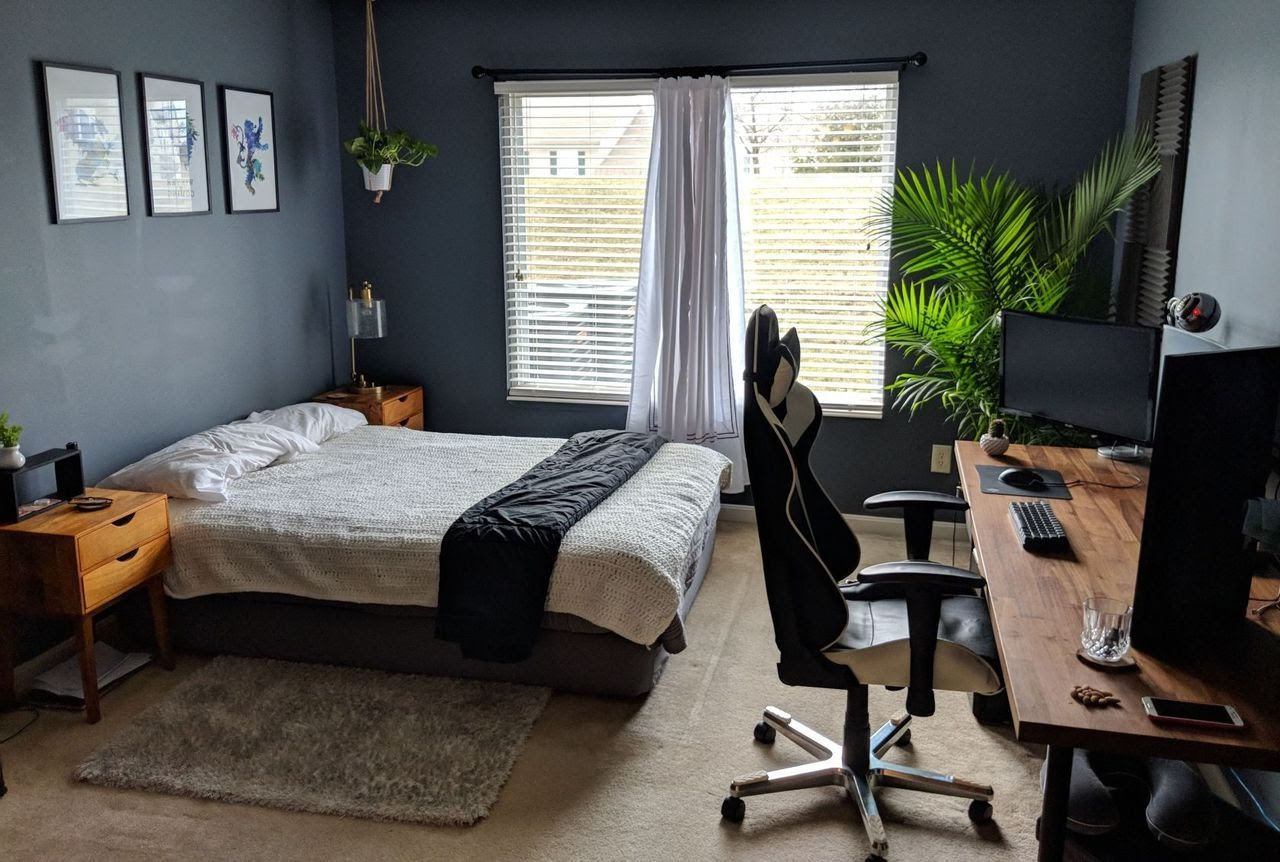
[sps_html tag=”img” src=”https://roofdrivein.com/wp-content/uploads/2026/01/9-absolute-must-haves-when-decorating-a-guest-bedroom-with-regard-to-creating-the-perfect-guest-room-that-guests-actually-want-to-sleep-in.jpg” alt=”9 Absolute Must-Haves When Decorating A Guest Bedroom with regard to Creating the Perfect Guest Room That Guests Actually Want to Sleep In” style=”width: 100%; height: auto;”]
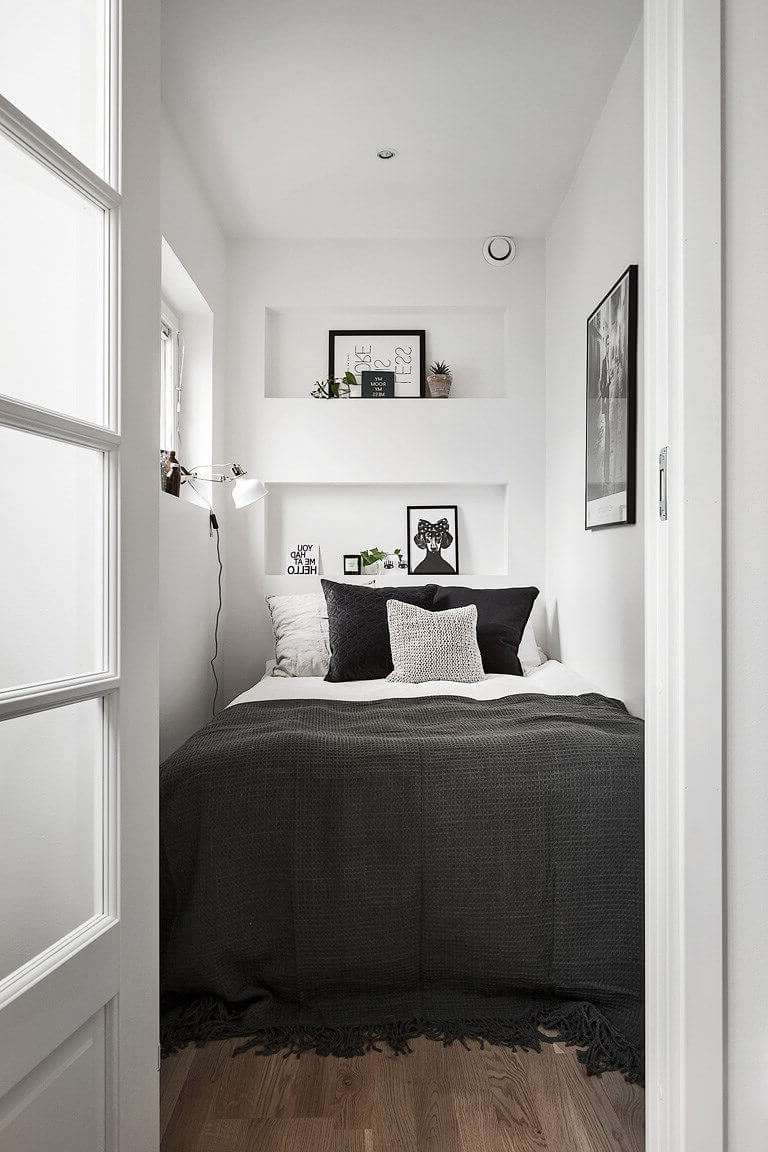
[sps_html tag=”img” src=”https://roofdrivein.com/wp-content/uploads/2026/01/15-best-guest-bedroom-ideas-to-make-your-guests-feel-delight-foyr-throughout-creating-the-perfect-guest-room-that-guests-actually-want-to-sleep-in.jpg” alt=”15 Best Guest Bedroom Ideas To Make Your Guests Feel Delight | Foyr throughout Creating the Perfect Guest Room That Guests Actually Want to Sleep In” style=”width: 100%; height: auto;”]
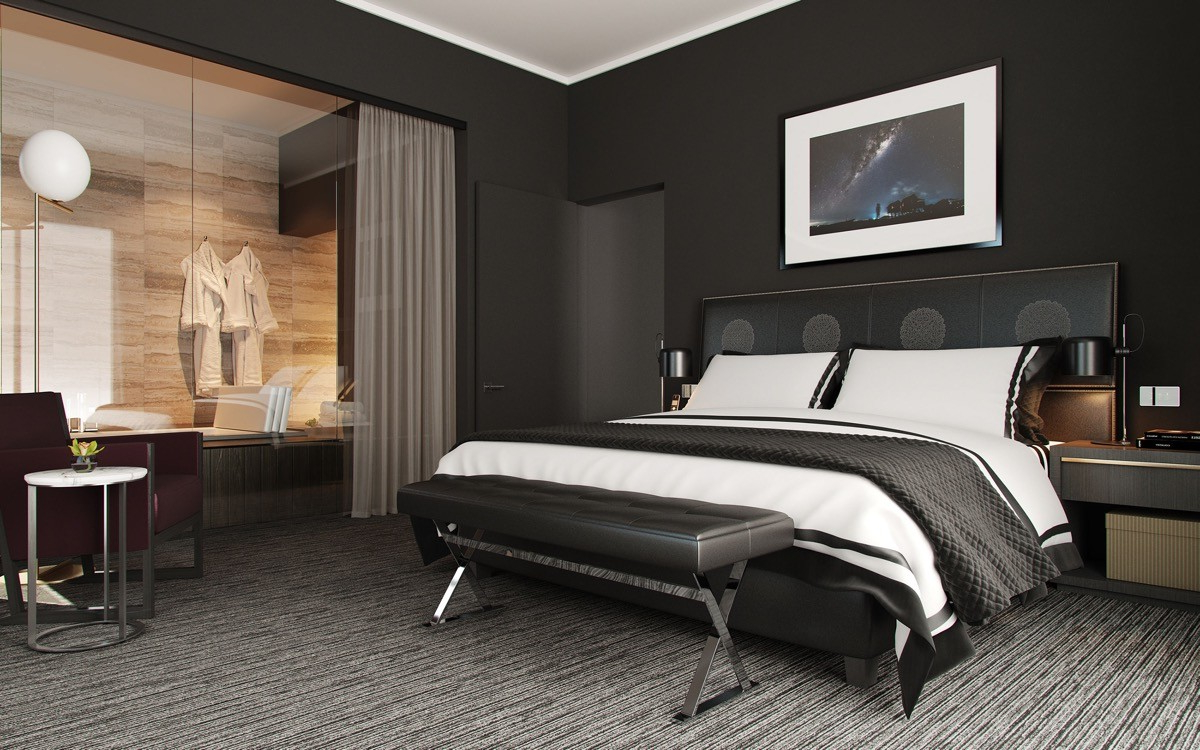
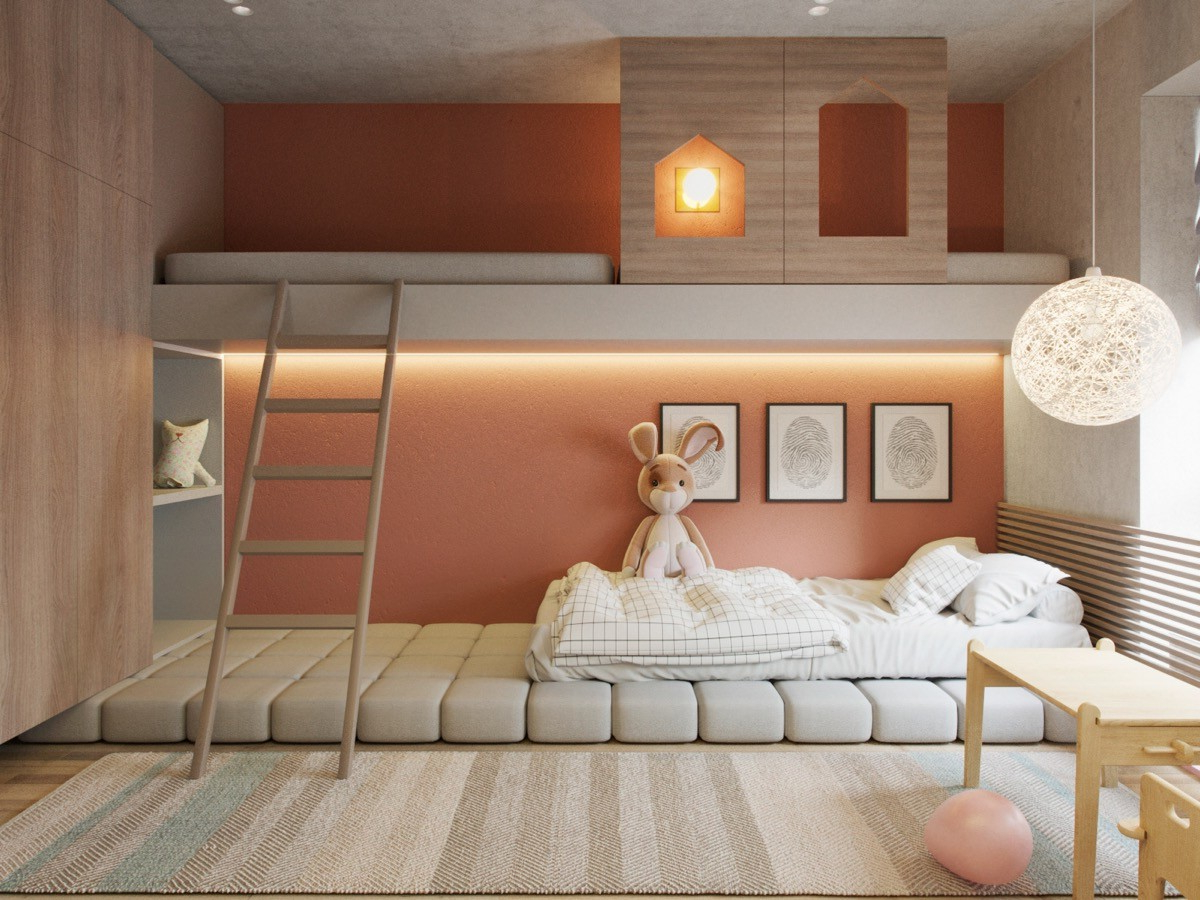
[sps_html tag=”img” src=”https://roofdrivein.com/wp-content/uploads/2026/01/15-cozy-and-inviting-small-guest-bedroom-ideas-besthomish-with-guest-bedroom-design-ideas-scaled.jpg” alt=”15 Cozy And Inviting Small Guest Bedroom Ideas – Besthomish with Guest Bedroom Design Ideas” style=”width: 100%; height: auto;”]
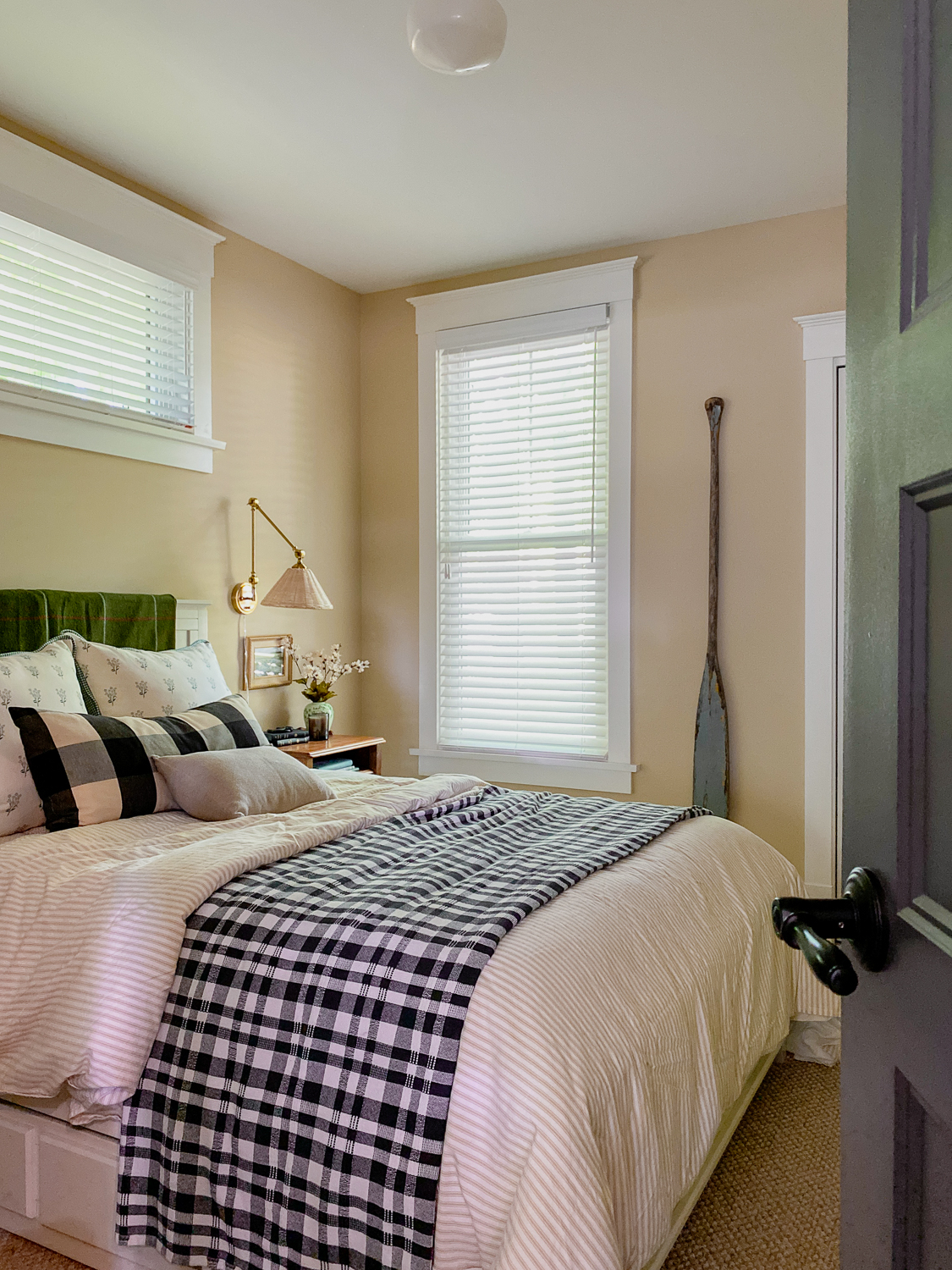
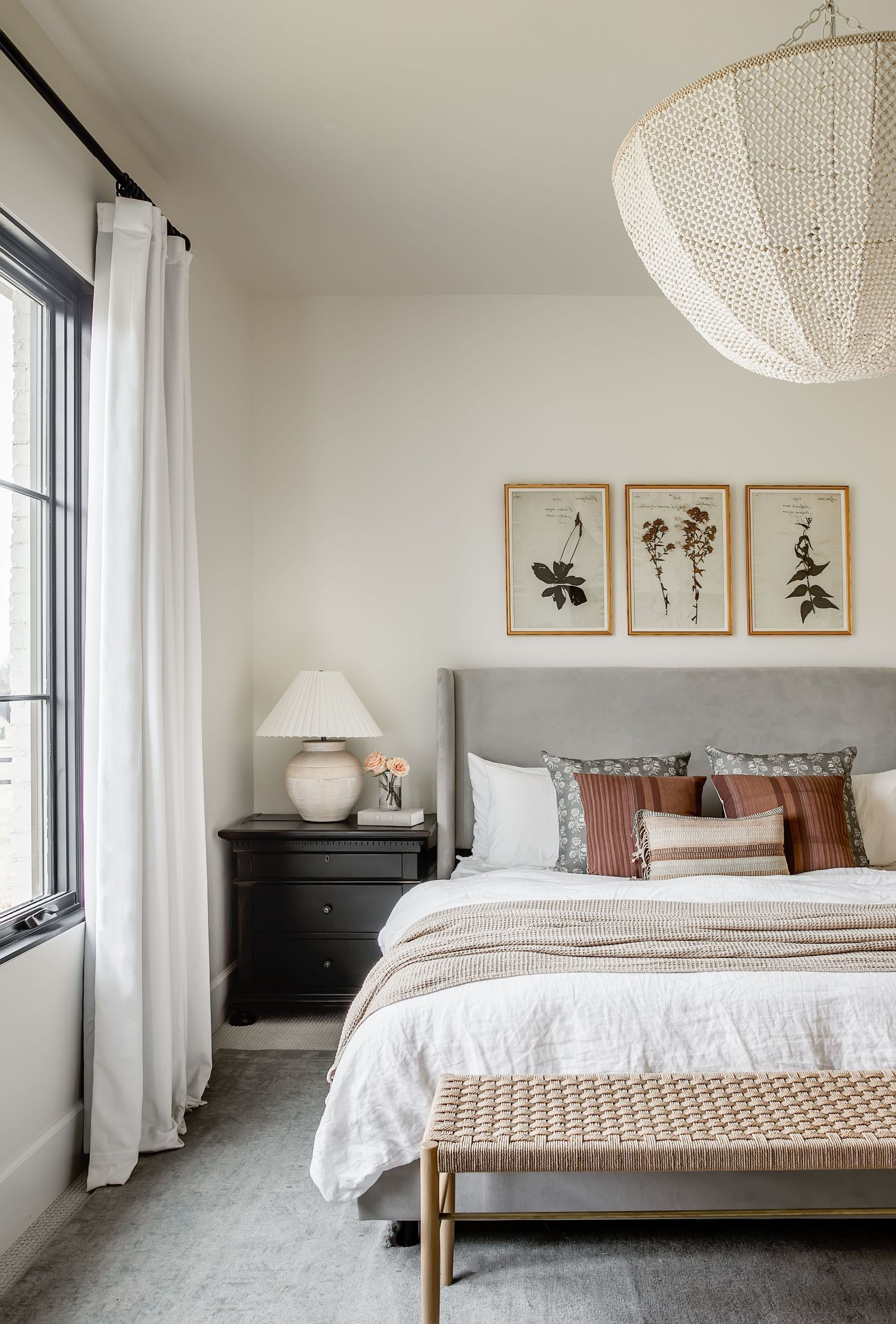
[sps_html tag=”img” src=”https://roofdrivein.com/wp-content/uploads/2026/01/45-guest-bedroom-ideas-small-guest-room-decor-ideas-essentials-regarding-guest-bedroom-design-ideas.jpg” alt=”45 Guest Bedroom Ideas | Small Guest Room Decor Ideas, Essentials regarding Guest Bedroom Design Ideas” style=”width: 100%; height: auto;”]
[sps_html tag=”img” src=”https://roofdrivein.com/wp-content/uploads/2026/01/modern-guest-bedroom-for-guest-bedroom-design-ideas.jpg” alt=”Modern Guest Bedroom for Guest Bedroom Design Ideas” style=”width: 100%; height: auto;”]