
Every night, we spend roughly one-third of our lives sleeping. Yet how many of us actually design our bedrooms with rest and relaxation in mind? The truth is, our sleeping spaces have the power to either restore us or drain us completely. What if I told you that modern bedroom design isn’t just about aesthetics anymore? It’s about creating intentional environments that support our mental and physical well-being.
Think about the last time you walked into a room and immediately felt relaxed. Maybe it was a friend’s house with soft lighting and muted colors, or perhaps a hotel suite that made you want to stay forever. These aren’t accidents. They’re the result of thoughtful design choices that prioritize comfort over clutter. In today’s fast-paced world, our bedrooms have become our most important retreats. But too often, they end up being chaotic reflections of our busy lives rather than peaceful sanctuaries. This isn’t just about pretty pictures or trendy furniture. It’s about understanding how elements work together to create genuine calm and serenity.
Color Psychology in Bedroom Design
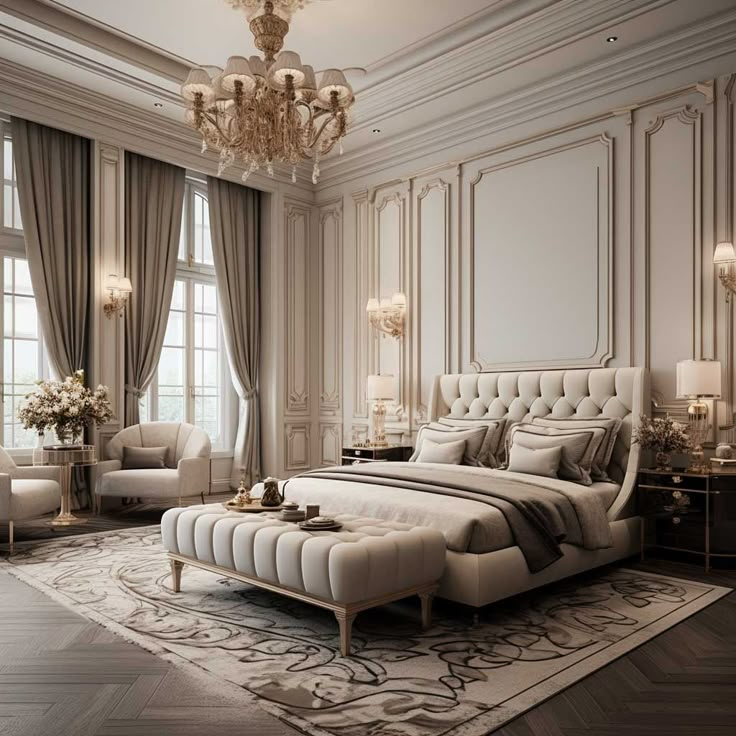
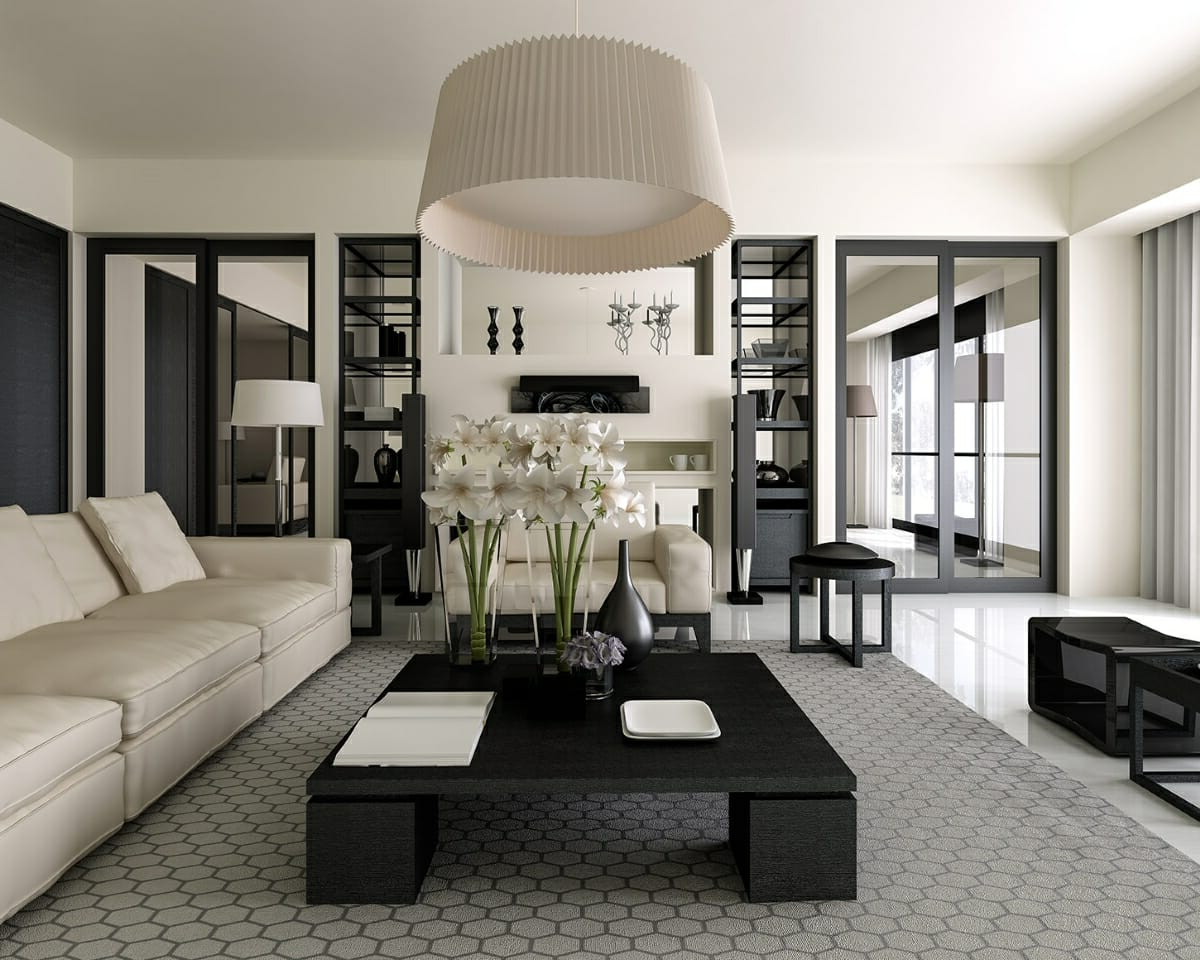
Colors speak louder than words when it comes to setting the mood in any space. In bedrooms, the right color palette can make or break your ability to unwind. Soft blues and greens naturally promote relaxation, while warm neutrals like beige and cream create a sense of safety and comfort. Consider avoiding bold reds or bright yellows unless you’re specifically trying to energize the space. These vibrant hues might work for a home office or dining area, but they can keep your nervous system on high alert when you’re trying to sleep. Many interior designers swear by the ‘neutral zone’ approach – using whites, grays, and soft pastels as your base, then adding one or two accent colors for personality. This creates visual harmony while still allowing for individual expression. For example, a pale sage green wall paired with warm wood tones and cream bedding creates a natural, grounded atmosphere that feels both fresh and cozy.
Lighting That Works With Your Body Clock
Most people don’t realize how much their lighting affects their sleep quality. The problem isn’t just about brightness, but about the type of light and when you’re exposed to it. During the day, your bedroom should feel bright and airy. Natural light is crucial for regulating circadian rhythms. But once evening approaches, the lighting needs to shift dramatically. This means installing dimmer switches and choosing warm-toned bulbs instead of cool white ones. Some designers recommend having three distinct lighting layers: ambient light for general illumination, task lighting for reading or working, and accent lighting for mood setting. Smart lighting systems can even automatically adjust based on time of day. Imagine waking up to gentle morning light and falling asleep to soft, amber glow. It’s not just nice to have – it’s essential for healthy sleep patterns. A simple trick that many people overlook is using blackout curtains during the day to control natural light exposure. This helps regulate your internal clock even when you’re not sleeping.
Decluttering for Mental Clarity
A clean bedroom is more than just aesthetically pleasing – it’s mentally liberating. When we surround ourselves with unnecessary items, our brains struggle to process information efficiently. This creates mental fatigue that carries into our sleep. The key isn’t to get rid of everything, but to create intentional organization. Start with the basics: bed, nightstand, dresser, and closet. Everything else should serve a purpose or bring joy. One effective method is the ‘one in, one out’ rule. Every time you bring something new into your bedroom, remove something old. This prevents accumulation and forces you to evaluate what truly matters. Storage solutions should be hidden away when possible. Think of built-in shelving, under-bed storage, or decorative boxes that blend seamlessly with your decor. The goal is to create visual simplicity, not empty space. A study found that people who kept their bedrooms organized reported better sleep quality and lower stress levels. It’s amazing how such a simple change can have such profound effects on daily life.
Natural Materials That Promote Relaxation
There’s something inherently soothing about natural textures and materials. Wood, stone, linen, and cotton all communicate a sense of organic warmth that synthetic alternatives simply cannot match. The feeling of a natural fiber sheet against your skin can make all the difference between tossing and turning versus drifting off peacefully. Look for bedding made from organic cotton or bamboo fibers. These materials breathe better, regulate temperature more effectively, and tend to be gentler on sensitive skin. Wooden furniture adds character and stability to a space. Even small touches like a wooden tray on your nightstand or a stone vase on your shelf can ground the entire room. Natural fiber rugs provide cushioning underfoot and soften the acoustics of the space. The beauty of natural materials lies in their imperfections – the slight variations in grain, the irregular edges, the subtle texture differences. These tiny details remind us that perfection isn’t necessary for peace. Consider incorporating a few plants as well. Not only do they purify the air, but their presence brings life and movement to a static environment.
Sound Management for Better Sleep
Noise pollution might be the biggest silent killer of sleep quality in our modern world. Whether it’s traffic outside, neighbors above, or the constant hum of electronics, sound can disrupt even the deepest sleep cycles. The solution isn’t always about blocking everything out completely. Sometimes it’s about creating a consistent background noise that masks disruptive sounds. White noise machines, nature sounds, or gentle music can all serve this purpose. Many people find that the sound of rainfall or ocean waves works particularly well. The key is consistency – whatever you choose, use it regularly so your brain learns to expect it. If you’re dealing with external noise, consider soundproofing options like thick curtains, acoustic panels, or even strategic placement of furniture. Sometimes a simple room divider can make a huge difference in sound management. The goal isn’t to eliminate all sound, but to create a controlled acoustic environment that supports rest rather than hinders it. You might be surprised how much better you sleep when you stop fighting against unwanted noise and start working with it.
Personalization Without Chaos
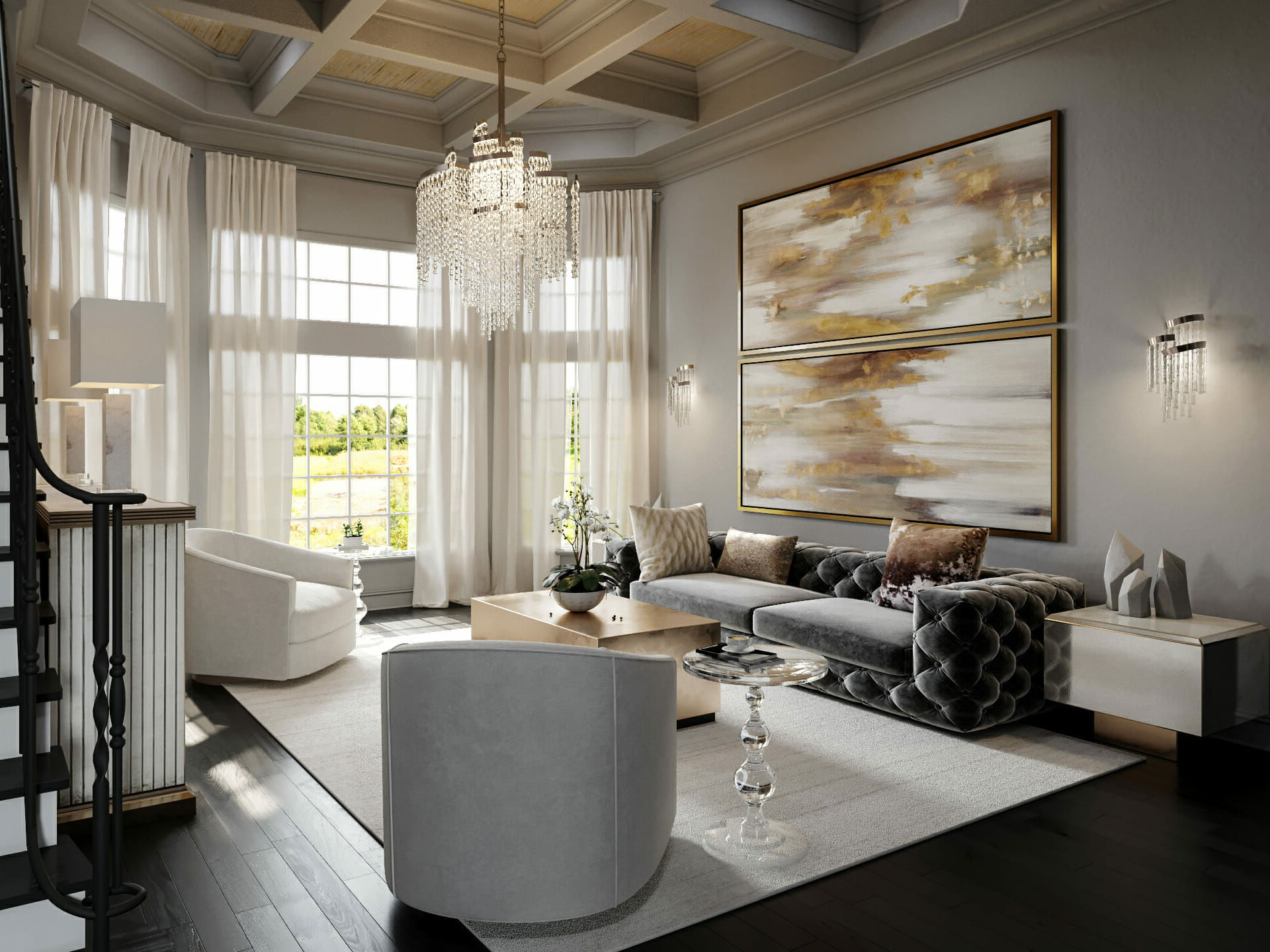
Your bedroom should reflect who you are, but not in a way that overwhelms the space. Personal items have tremendous emotional value, but they need to be chosen carefully. A collection of meaningful photos, a favorite book, or a special piece of art can make a room feel lived-in and comfortable. The trick is to curate rather than accumulate. Choose three to five pieces that truly resonate with you and display them thoughtfully. This might mean placing a single meaningful photo on your nightstand instead of dozens scattered around the room. Artwork should complement rather than compete with your overall aesthetic. Consider the concept of ‘the rule of three’ – having odd numbers of similar items creates visual interest without visual chaos. Lighting fixtures can also serve as personal statements. A beautiful lamp or chandelier can become a focal point that ties the whole room together. The goal is to create a space that feels uniquely yours while maintaining that essential sense of calm and order.
Creating a truly peaceful bedroom isn’t about following trends or buying expensive items. It’s about understanding what your body and mind actually need to thrive. The best designs are those that evolve with you, growing more refined as you learn what works for your lifestyle. Remember that this journey doesn’t have to happen overnight. Start with one element that feels manageable – maybe changing your pillowcase color or adjusting your lighting. Small changes compound over time, leading to significant improvements in your sleep quality and overall well-being. The most important thing is to approach this process with patience and self-compassion. Your bedroom deserves to be a place where you can truly rest, recharge, and reconnect with yourself. What matters most is that the space supports your health and happiness. The evidence shows that people who invest in peaceful sleeping environments consistently report better sleep, improved moods, and enhanced productivity during their waking hours. It’s not just about a pretty room – it’s about investing in your future self.