There’s something deeply comforting about the natural texture and warmth of stone walls. Whether you’re building a new home or renovating an existing space, incorporating stone into your interior design can create an instant sense of coziness and permanence. It’s not just about aesthetics – stone walls offer a tactile experience that makes spaces feel grounded, secure, and incredibly inviting.
When you think about creating a truly cozy atmosphere in your home, the choice of materials matters more than you might expect. Stone walls have emerged as one of the most powerful tools designers and homeowners use to craft intimate, welcoming environments. These aren’t just decorative elements – they’re foundational components that influence how we feel in our living spaces. Imagine walking into a room where the walls seem to embrace you, where every touch tells a story of time and craftsmanship. That’s the magic stone walls can bring to interior design. The right approach transforms cold, sterile spaces into warm sanctuaries that feel like a gentle hug.
The Psychology of Stone in Interior Design
Stone has a quiet power that few materials can match. When people step into a space with stone walls, stone floors, or even subtle stone accents, there is often an immediate sense of calm and groundedness. This reaction isn’t accidental. Psychologists and design researchers have long studied how natural materials affect human emotions, and stone consistently ranks as one of the most comforting elements in interior environments. Its visual weight, natural variation, and tactile presence communicate stability in a way that synthetic materials rarely do.
At a psychological level, humans are deeply wired to respond positively to nature. This concept, often referred to as biophilic design, explains why elements like stone, wood, water, and plants help us feel more at ease. Stone, in particular, symbolizes permanence and endurance. Unlike materials that bend, fade, or feel temporary, stone conveys the idea of something solid and lasting. When our brains register this sense of permanence, it can subconsciously reduce anxiety. We feel supported by our surroundings, as though the space itself is reliable and protective.
Color also plays an important role in how stone influences our mood. Most stone surfaces feature earthy tones—grays, beiges, browns, soft whites, and muted greens. These colors are naturally soothing because they reflect landscapes we associate with safety, such as mountains, cliffs, riverbeds, and forest paths. Unlike bold artificial colors that demand attention, stone’s hues are understated and grounding. They allow the mind to rest rather than react. This is why stone interiors often feel balanced rather than overwhelming, even when the material is used generously.
Texture is another key factor. Stone is rarely perfectly smooth or uniform. Its natural imperfections—tiny pits, veins, layers, and mineral variations—add depth and authenticity. From a psychological standpoint, this irregularity is comforting. Perfectly smooth, flawless surfaces can sometimes feel cold or sterile, while textured materials invite touch and interaction. Running your hand across a stone wall or countertop creates a sensory experience that anchors you in the present moment, similar to mindfulness practices that focus on physical sensations to reduce stress.
Stone also creates a subtle connection to time. Many types of stone are formed over thousands or even millions of years. While we may not consciously think about this, our minds recognize stone as something ancient and enduring. In a fast-paced modern world filled with screens, notifications, and constant change, this sense of timelessness is deeply reassuring. Stone reminds us that not everything is fleeting, offering emotional balance in spaces where we seek rest, reflection, or focus.
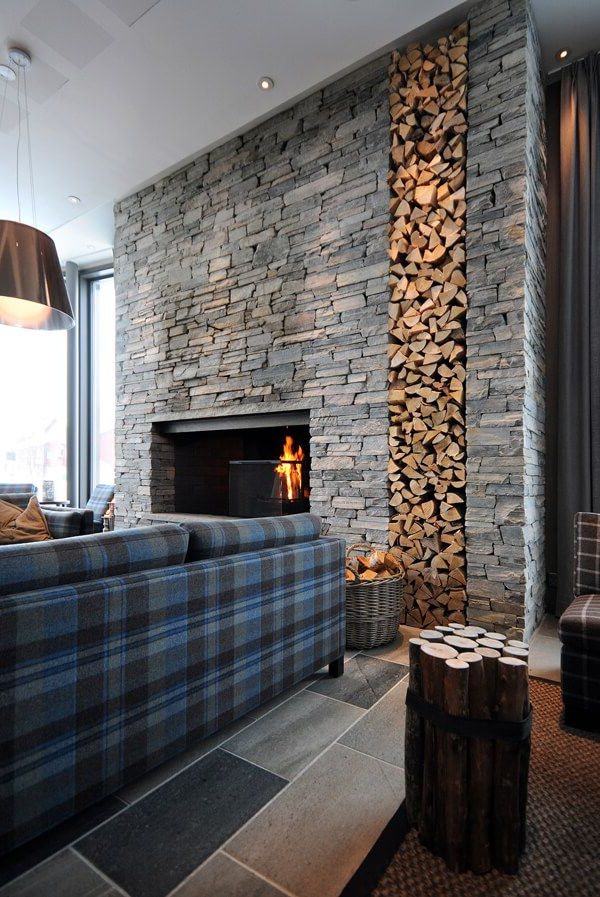
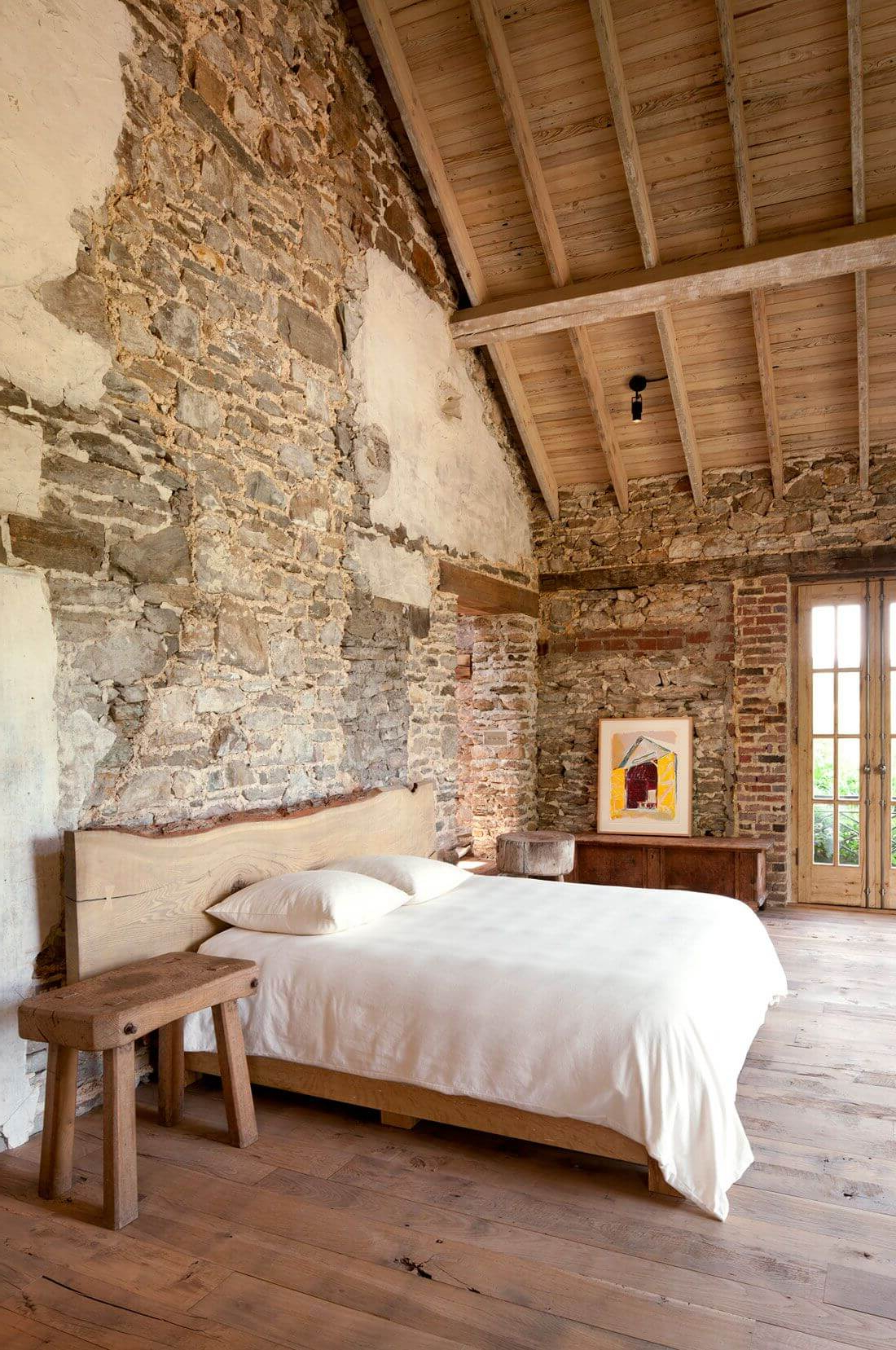
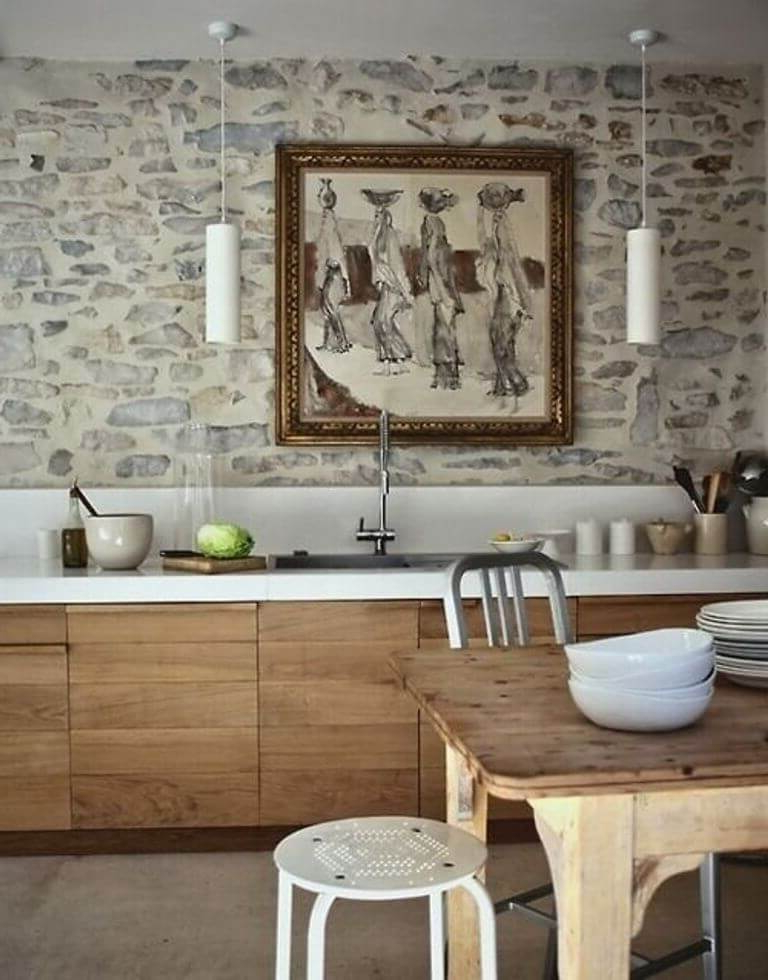
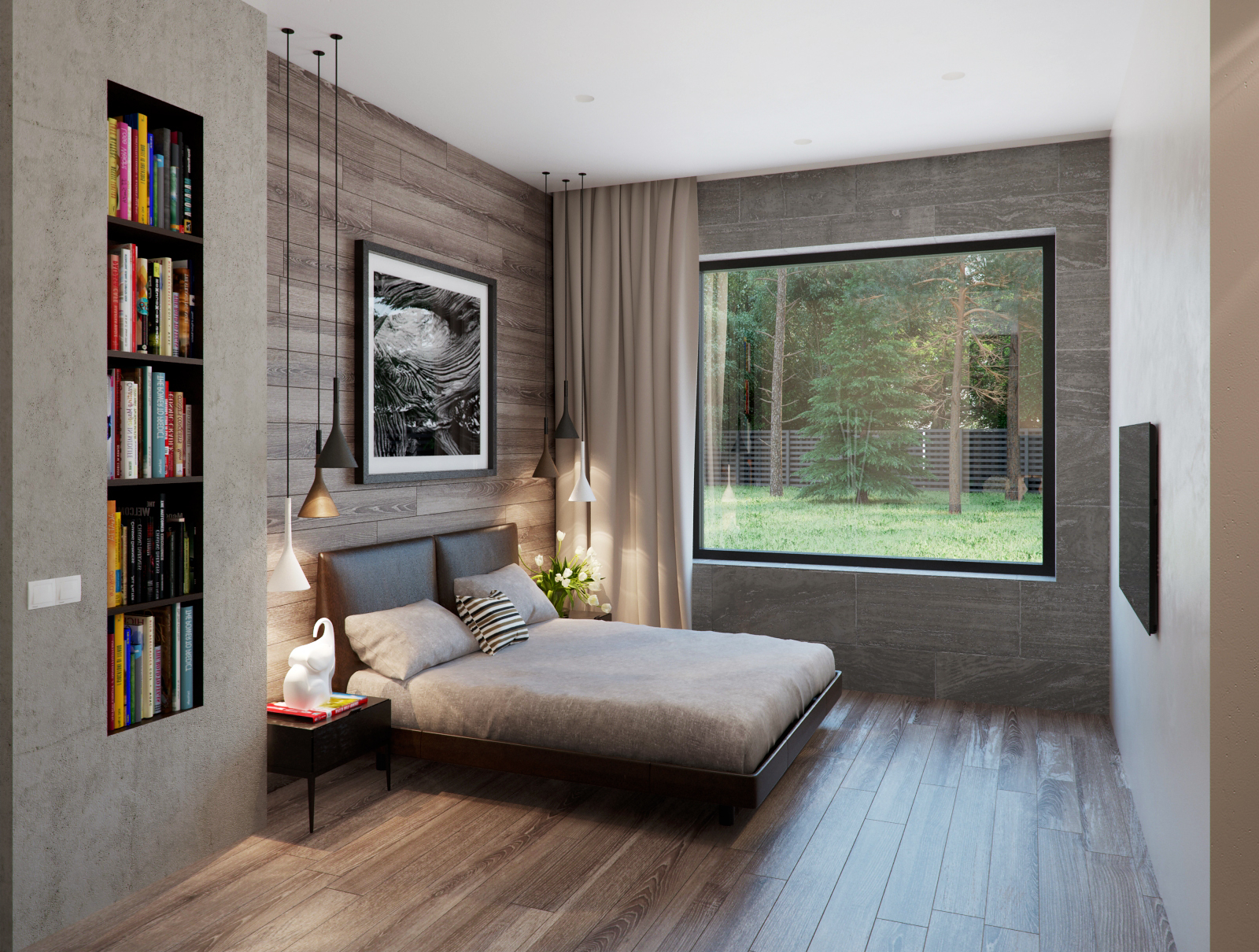
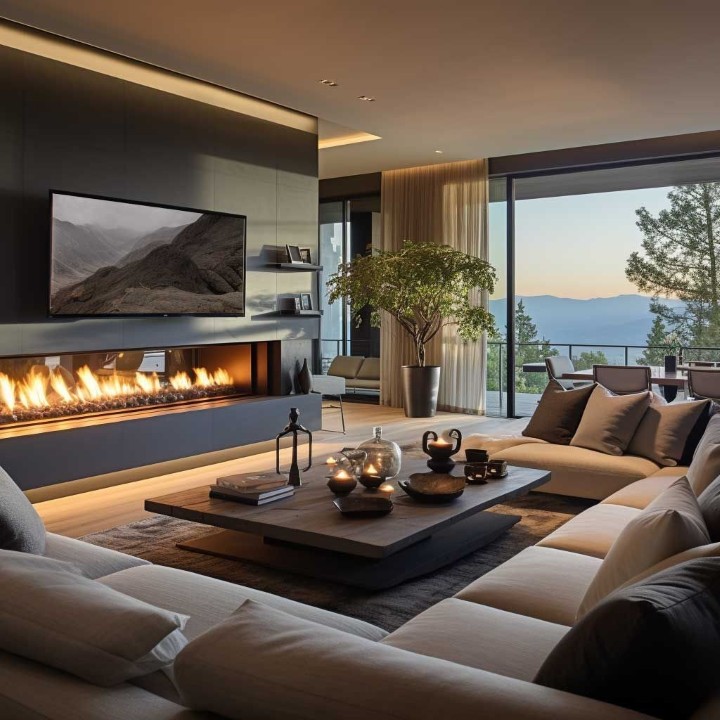
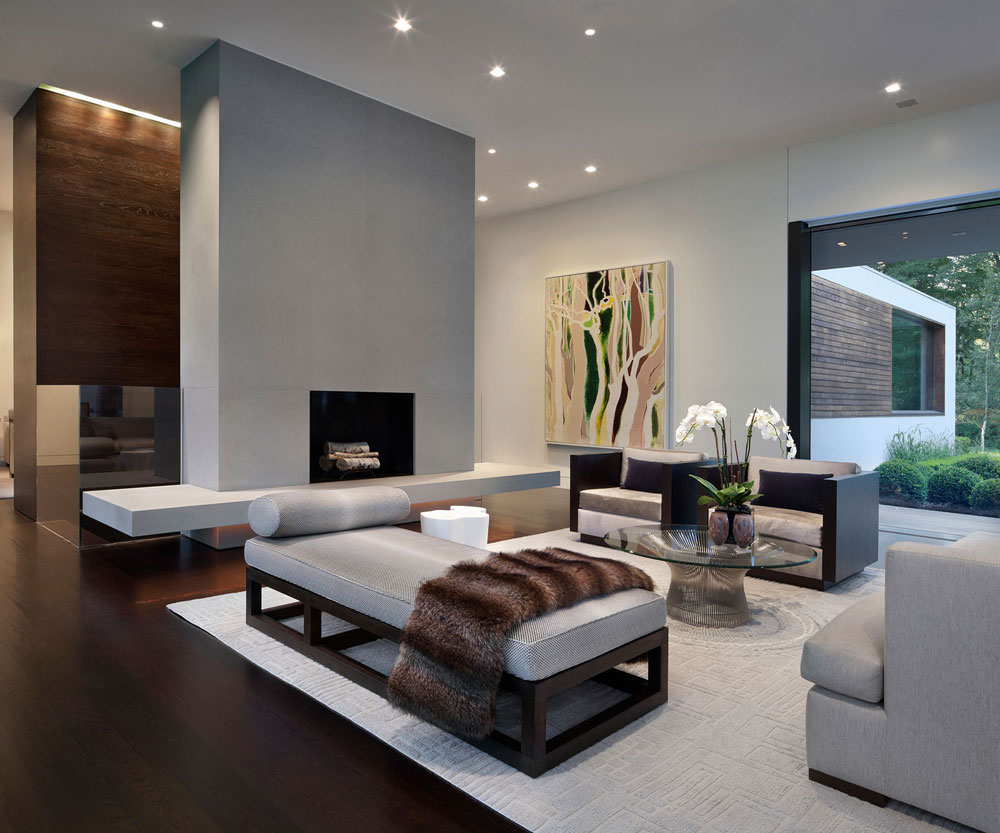
In interior design, stone often acts as an emotional anchor. A stone fireplace in a living room becomes a natural gathering point, encouraging people to sit, talk, and relax. A stone accent wall in a bedroom can create a cocoon-like feeling that promotes better sleep. In bathrooms, stone surfaces evoke spa-like calm, reinforcing rituals of self-care and restoration. Even in kitchens, stone backsplashes or countertops can soften the energy of a busy space, making it feel more welcoming and less hectic.
Stone also helps bridge the gap between indoor and outdoor living. By incorporating natural stone indoors, we blur the boundary between built environments and nature. This connection is especially powerful in urban settings, where access to natural landscapes may be limited. Stone walls, floors, or columns act as reminders of the natural world beyond our walls, helping to satisfy our innate need for environmental connection.
Ultimately, the comfort we feel around stone is deeply human. It speaks to our instinctive desire for safety, continuity, and connection to the earth. Stone doesn’t shout for attention; it quietly supports the space, offering emotional stability and visual harmony. By integrating stone into interior design, we aren’t just making an aesthetic choice—we’re creating environments that nurture the mind, calm the nervous system, and remind us of our place within the natural world.
Choosing the Right Stone for Your Space
Not all stones are created equal when it comes to interior design. The type of stone you select can dramatically affect the mood of your room. Here are some popular options:
• Limestone offers a soft, warm appearance with subtle variations that create visual interest
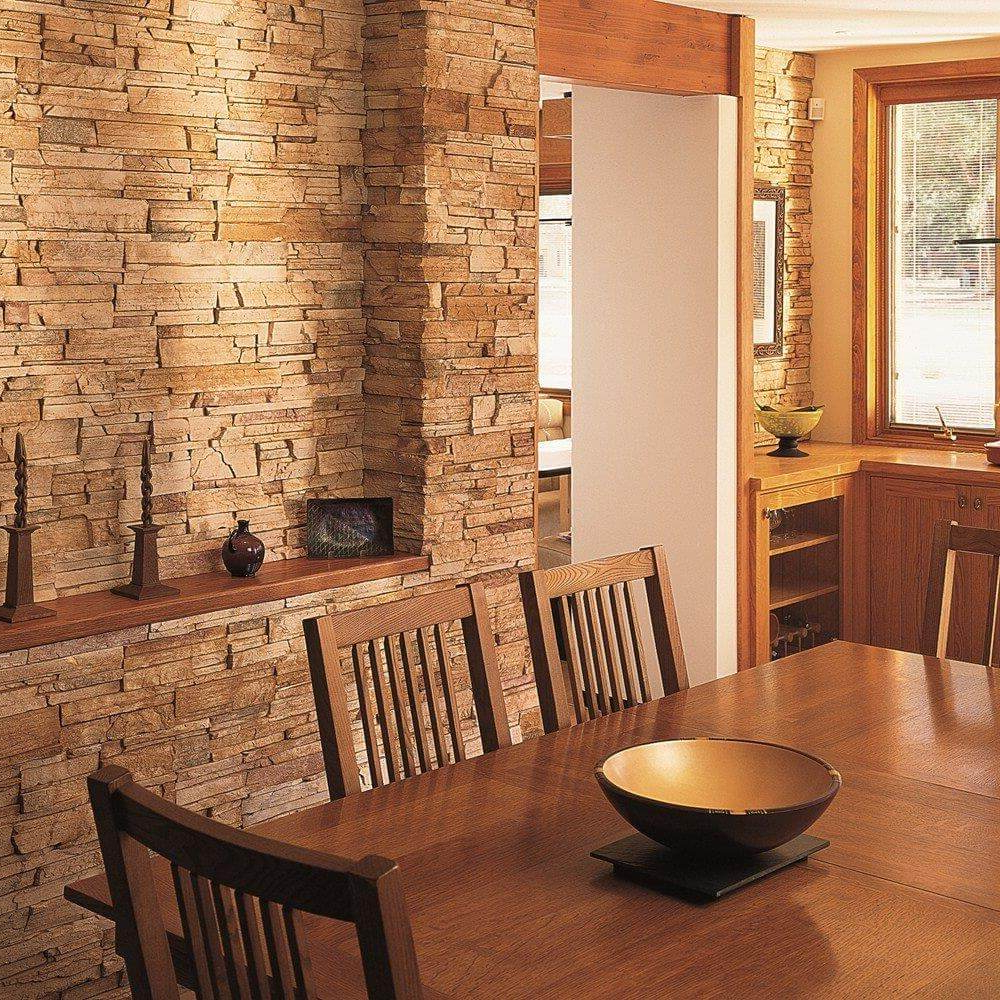
• Sandstone brings earthy tones and a slightly rustic charm
• Granite provides durability and bold patterns that make a statement
• Natural slate creates a sophisticated, weathered look
• River rock adds organic curves and a relaxed vibe
The key is matching the stone’s characteristics to your desired atmosphere. For a warm, traditional feel, limestone or sandstone work beautifully. If you want to make a dramatic impact, consider granite or slate. Think about how the stone will interact with your lighting and furniture choices. A lighter stone may reflect more light, while darker stones can create intimate shadows that add depth.
Strategic Placement for Maximum Impact
Where you place stone walls matters just as much as what you choose. The most effective installations often follow these principles:
• Create focal points: Use stone as a backdrop for seating areas or dining spaces
• Define zones: Install stone accents to separate different functional areas
• Add height: Vertical stone installations draw the eye upward, making rooms feel larger
• Balance with softer materials: Pair stone with wood, textiles, or plants to soften its impact
• Consider scale: Large stone pieces in small rooms can overwhelm, while tiny pieces in large spaces might get lost
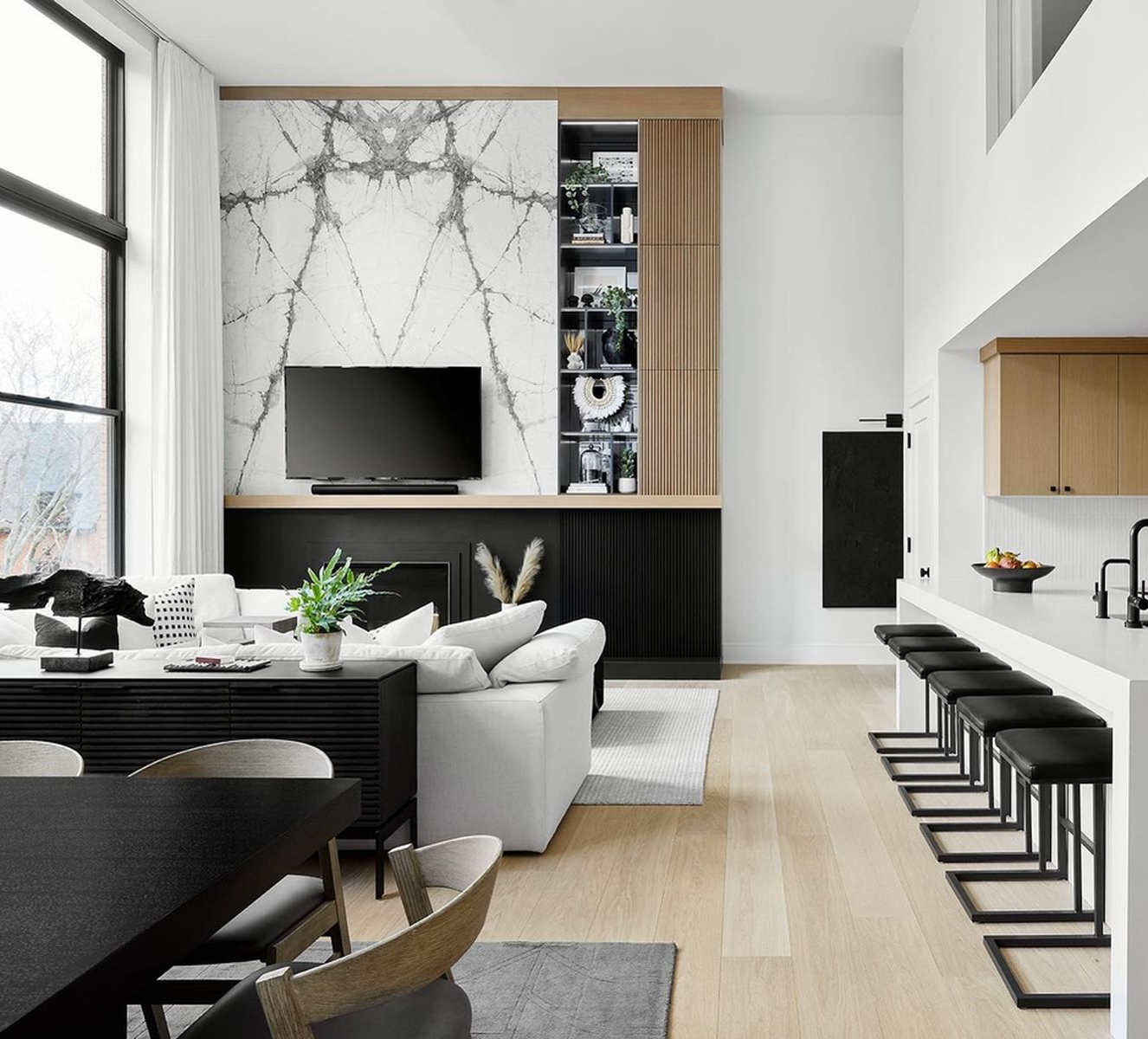
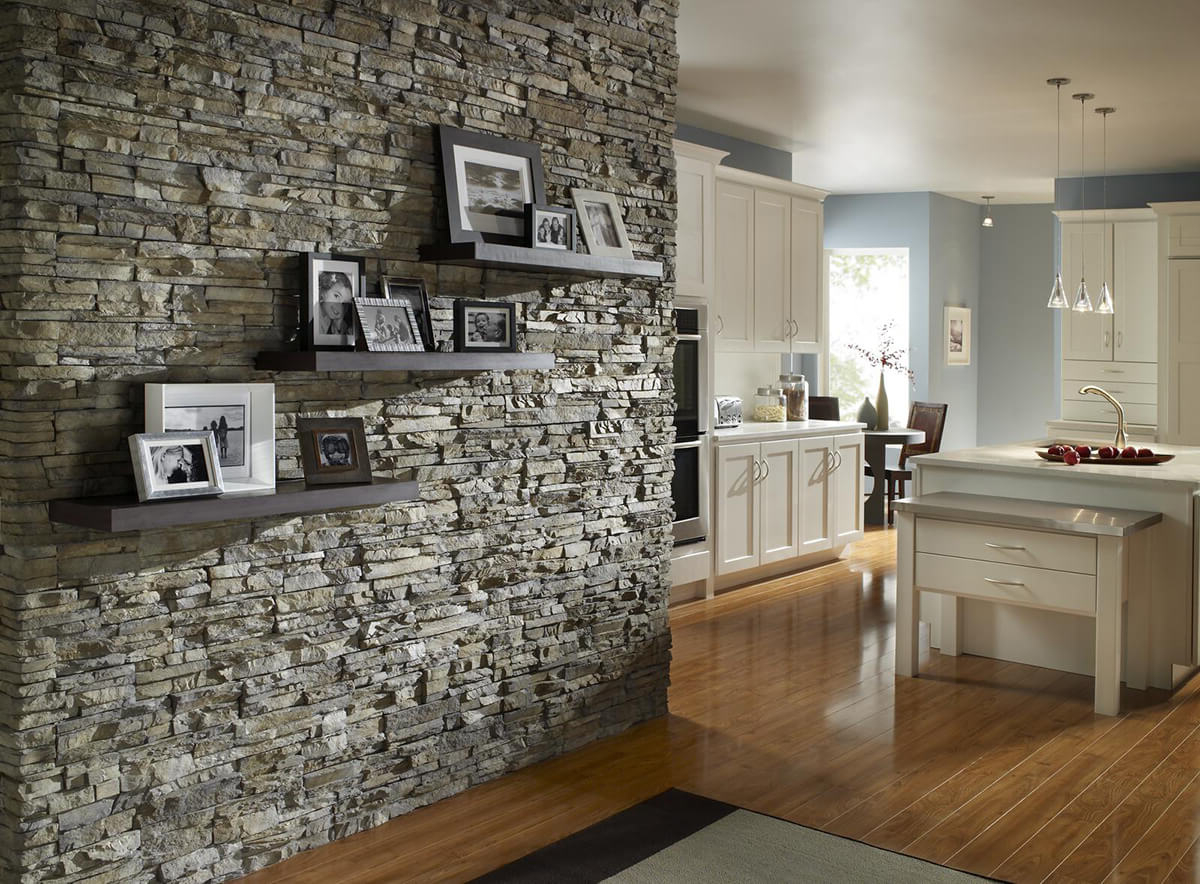
A common mistake is covering entire walls with stone. Instead, try using stone as an accent feature – perhaps behind a sofa, around a fireplace, or as a feature wall in a hallway. This approach allows the stone to shine without dominating the space.
Lighting Techniques That Enhance Stone Features
Proper lighting can make or break the effect of stone walls. Natural light works beautifully with stone, but artificial lighting is equally important. Consider these approaches:
• Under-cabinet lighting highlights the texture of stone edges
• Recessed lights create ambient glow that enhances natural color variations
• Table lamps provide focused warmth that brings out the stone’s richness
• String lights add a cozy, intimate ambiance
• Dimmer switches allow you to adjust the mood throughout the day
The best lighting reveals the natural character of the stone. Avoid harsh overhead lighting that flattens textures. Instead, look for ways to create layered illumination that plays across the surface. This technique makes even simple stone installations appear luxurious and carefully planned.
Combining Stone with Other Materials
Stone walls work best when they’re part of a larger design conversation. The secret to success lies in balancing stone with complementary elements:
• Wood elements create warmth and contrast against stone’s coolness
• Metal accents add modern sophistication
• Textiles soften hard edges and create visual comfort
• Plants bring life and organic movement to stone spaces
• Glass allows light to flow through while maintaining the stone’s integrity
Think of stone as a canvas rather than a finish. It can support and enhance other materials, creating layers of interest that keep viewers engaged. The goal isn’t to compete with other elements but to create harmony among them. For example, a stone accent wall paired with warm wooden furniture and soft textiles creates a complete, balanced environment that feels both grounded and refined.
Practical Tips for Installation and Maintenance
Installing stone walls requires careful planning, but the results are worth the effort:
• Professional installation ensures proper support and alignment
• Proper preparation includes checking structural integrity and moisture barriers
• Regular cleaning prevents buildup and maintains the stone’s appearance
• Sealing considerations protect against stains and damage
• Budget planning accounts for materials, labor, and potential surprises
Maintenance is relatively straightforward once installed. Most stone surfaces benefit from occasional cleaning with mild soap and water. Some types may require professional sealing every few years to preserve their appearance. Don’t let maintenance concerns discourage you – with proper care, stone walls can last decades and continue to add value to your home.
Stone walls represent more than just a design trend – they’re a way to create lasting, meaningful spaces that feel both grounded and inspiring. When thoughtfully incorporated, they transform ordinary rooms into extraordinary environments where people naturally want to spend time. The key lies not in following rigid rules but in understanding how stone interacts with light, texture, and human psychology. Whether you’re working with a small accent wall or planning a full stone feature, remember that the goal is to create comfort, not just visual impact. Let the natural beauty of stone guide your choices, and you’ll find that these walls become the heart of your home’s personality. After all, there’s something deeply satisfying about a space that feels both strong and welcoming – exactly what stone walls can provide.