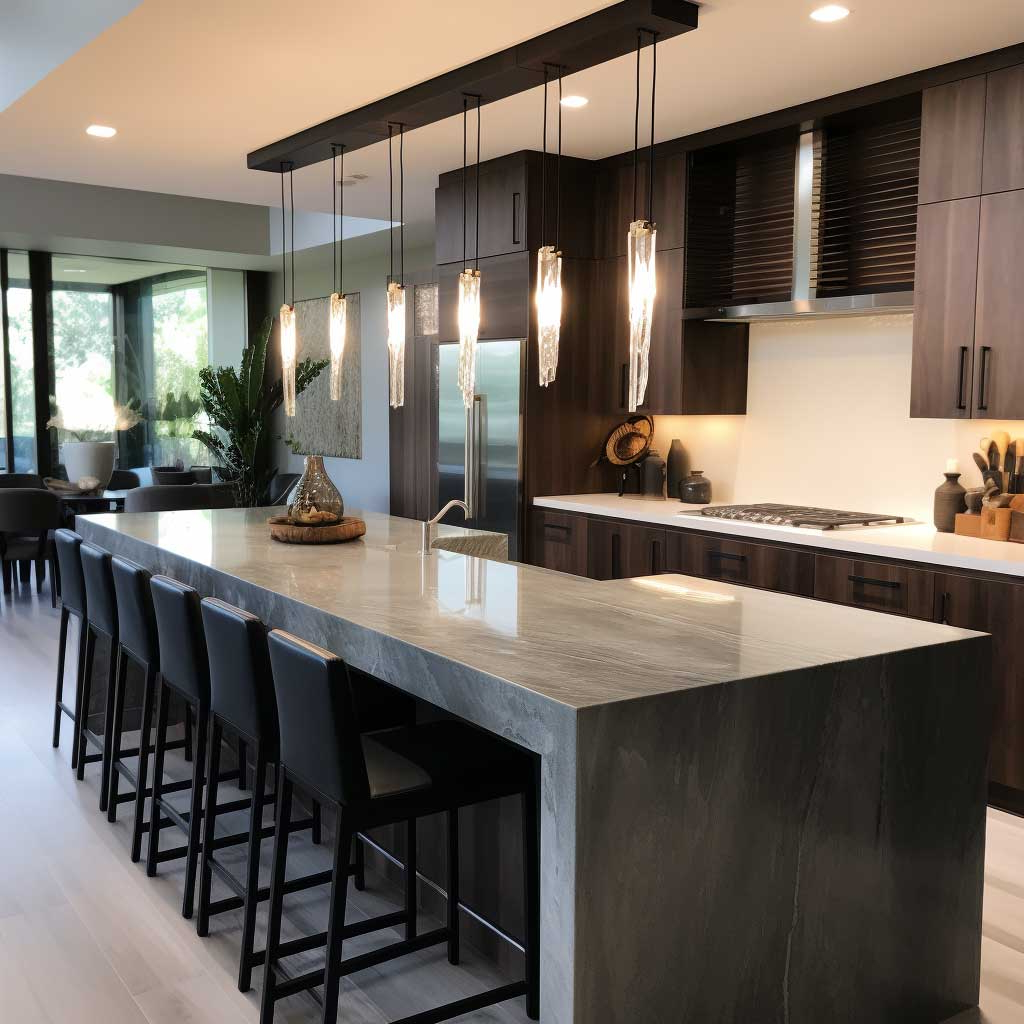
Think about the last time you walked into a kitchen that just felt right. Maybe it was the way the cabinets matched the countertops, or how the lighting created the perfect ambiance. That’s cohesion in action. It’s that invisible thread that ties everything together, making your kitchen feel like one complete, beautiful story rather than a collection of random pieces.
A kitchen isn’t just a place to cook—it’s the heart of many homes. It’s where families gather, friends share meals, and memories are made. But when a kitchen feels scattered or mismatched, it can make even the most enjoyable moments feel off-kilter. The secret to transforming your kitchen from chaotic to cohesive lies in thoughtful thematic design. This approach doesn’t require expensive renovations or drastic changes. Instead, it’s about understanding how different elements work together to create harmony. Whether you’re planning a full kitchen remodel or simply looking to refresh your current space, learning how to create visual unity will make your kitchen feel more intentional and beautiful.
Understanding Visual Harmony
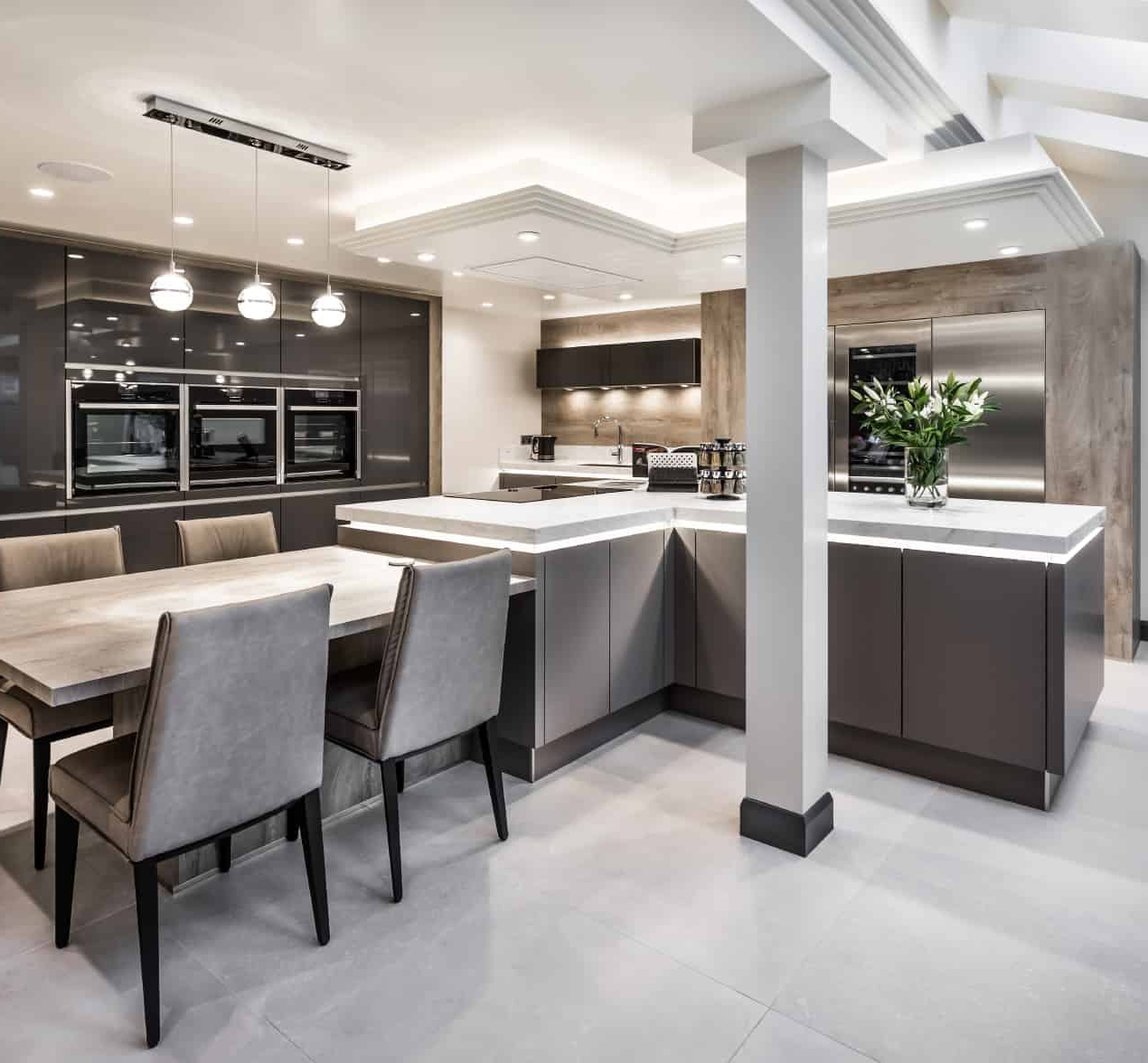
Visual harmony in kitchen design means creating a sense of balance and unity among all the elements in your space. Think of it like a well-composed photograph—the eye naturally moves from one element to another, feeling comfortable and connected. This happens when you consider color palettes, materials, textures, and proportions together rather than separately. When you have visual harmony, your kitchen doesn’t feel like it was assembled from different rooms or decades. It tells one consistent story.
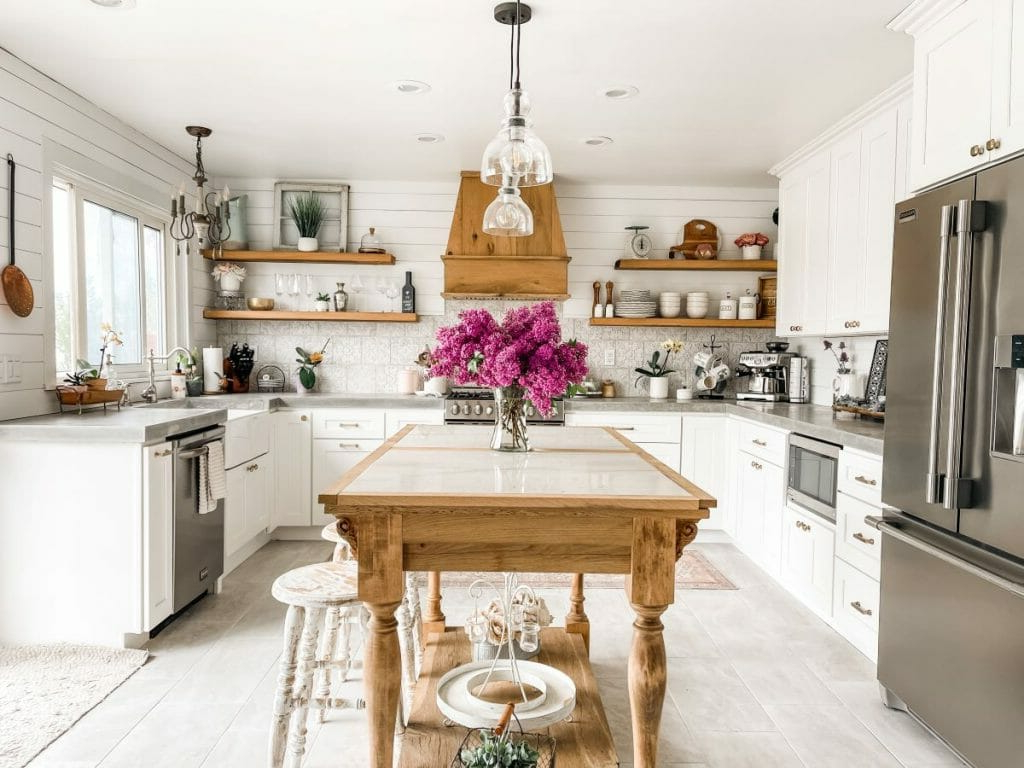
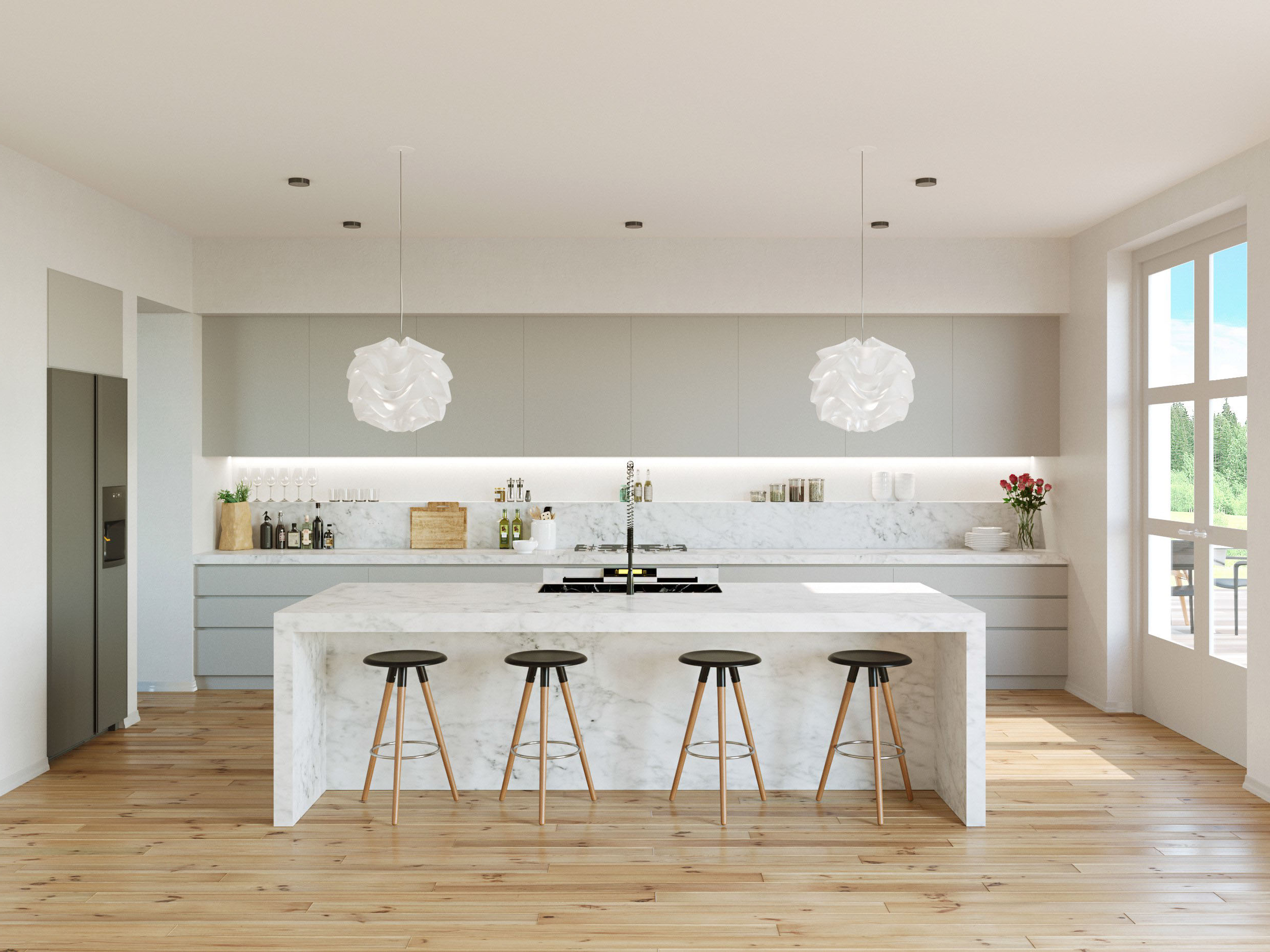
The key is to start with a clear vision. What mood do you want your kitchen to convey? Is it cozy and traditional? Bright and modern? Rustic and farmhouse? Once you’ve decided on that overall feeling, you can begin building around it. For example, if you want a modern look, you might choose sleek cabinetry, minimalist hardware, and clean lines throughout. If you prefer a rustic feel, you might incorporate natural wood tones, vintage fixtures, and textured surfaces.
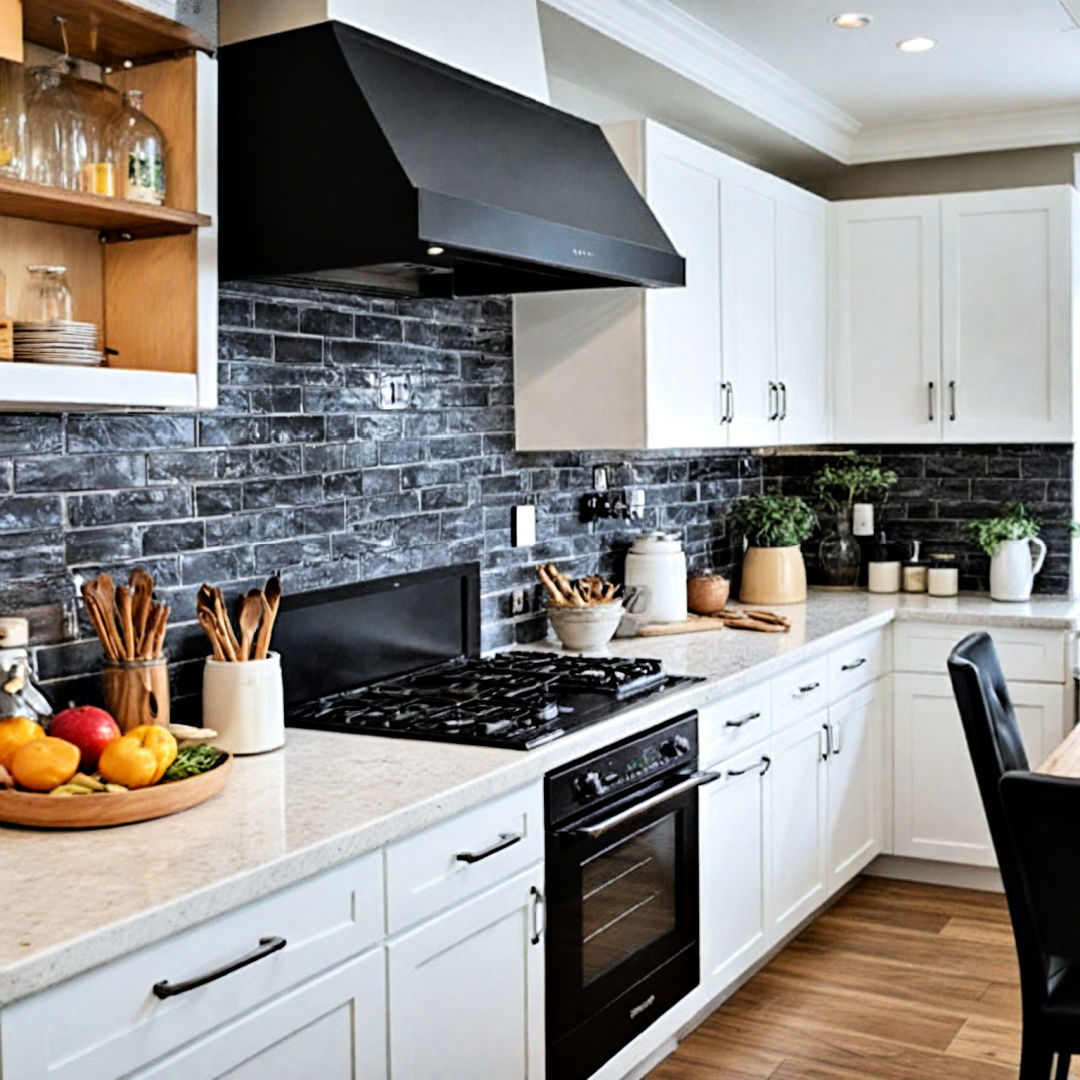
Consider how different elements interact. The backsplash should complement rather than compete with the cabinets. The dining table should fit comfortably within the room’s proportions. Even small details like light fixtures and appliances can contribute to the overall theme when chosen thoughtfully.
Color as Your Design Foundation
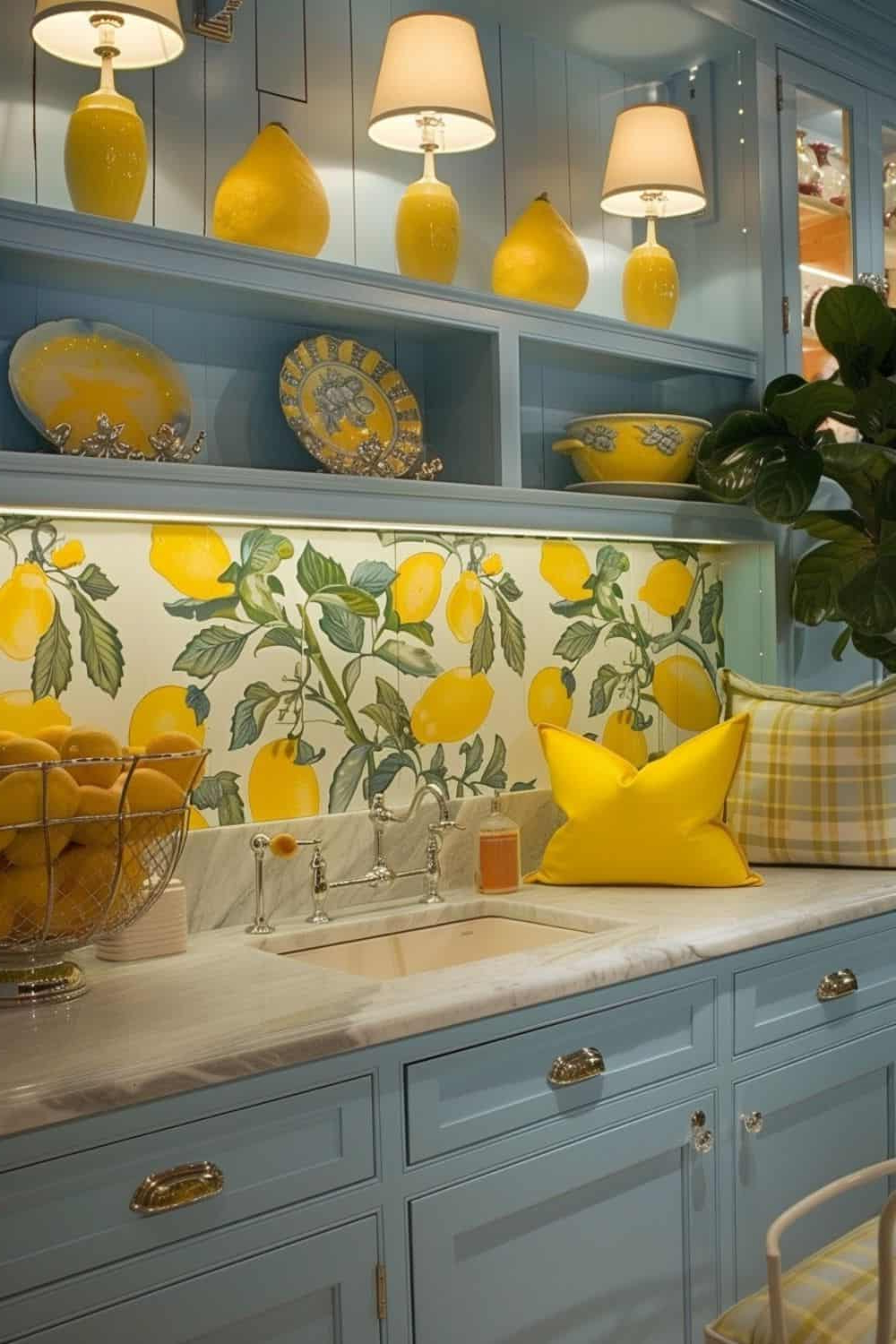
Colors form the backbone of any successful kitchen design. They set the tone, influence mood, and create connections between different areas of your space. Choosing the right color palette starts with understanding how colors work together. You don’t need to match every element exactly, but you should establish a foundation that allows everything to breathe together.
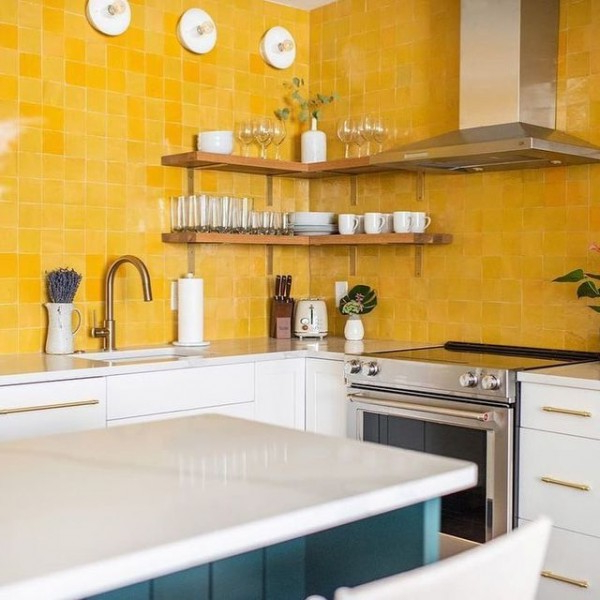
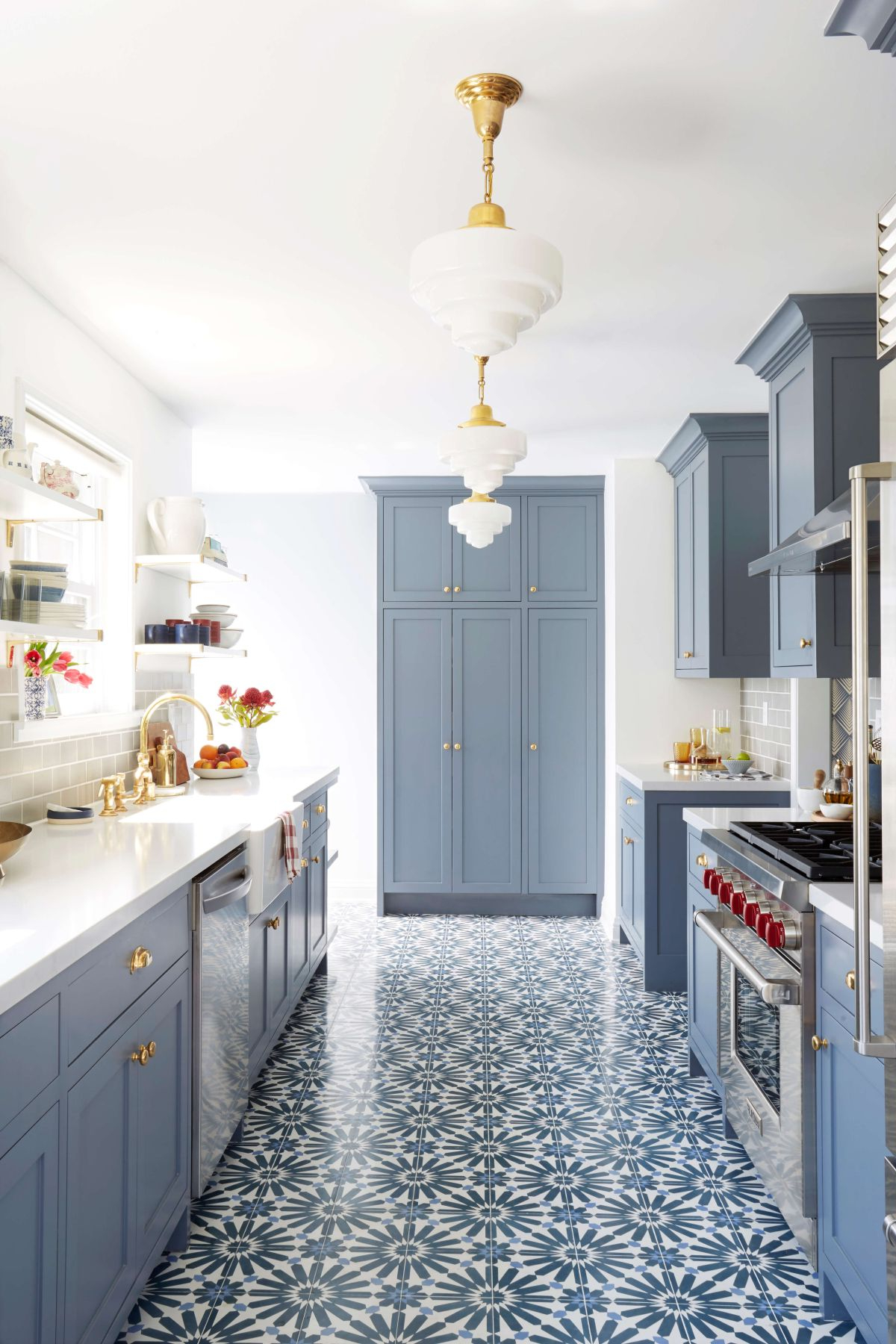
Start with a base color that represents your primary theme. This could be white for a clean, airy feel, or a deep navy for something more dramatic. Then add two to three supporting colors that enhance rather than clash. For instance, if you choose warm beige as your base, you might add touches of terracotta and sage green to create a cozy, earthy vibe.
Pay attention to undertones too. A cool gray might look different depending on whether it has blue or yellow undertones. These subtle differences can make or break your color scheme. Test paint samples on actual walls and observe them throughout different times of day. Lighting changes dramatically throughout the day, affecting how colors appear.
Don’t forget to extend your color choices beyond walls and cabinets. Consider how countertops, flooring, and even appliances can tie into your scheme. A stainless steel refrigerator might seem out of place in a warm, earth-toned kitchen, but it could work perfectly in a bright, modern setting.
Material Consistency Matters
Materials tell stories in your kitchen. They provide texture, durability, and character. When you’re designing with themes in mind, material consistency helps create that sense of completeness. Think about how different materials interact visually and functionally. For example, granite countertops have a certain weight and presence that ceramic tile backsplashes don’t have. Mixing materials can be stunning when done intentionally.
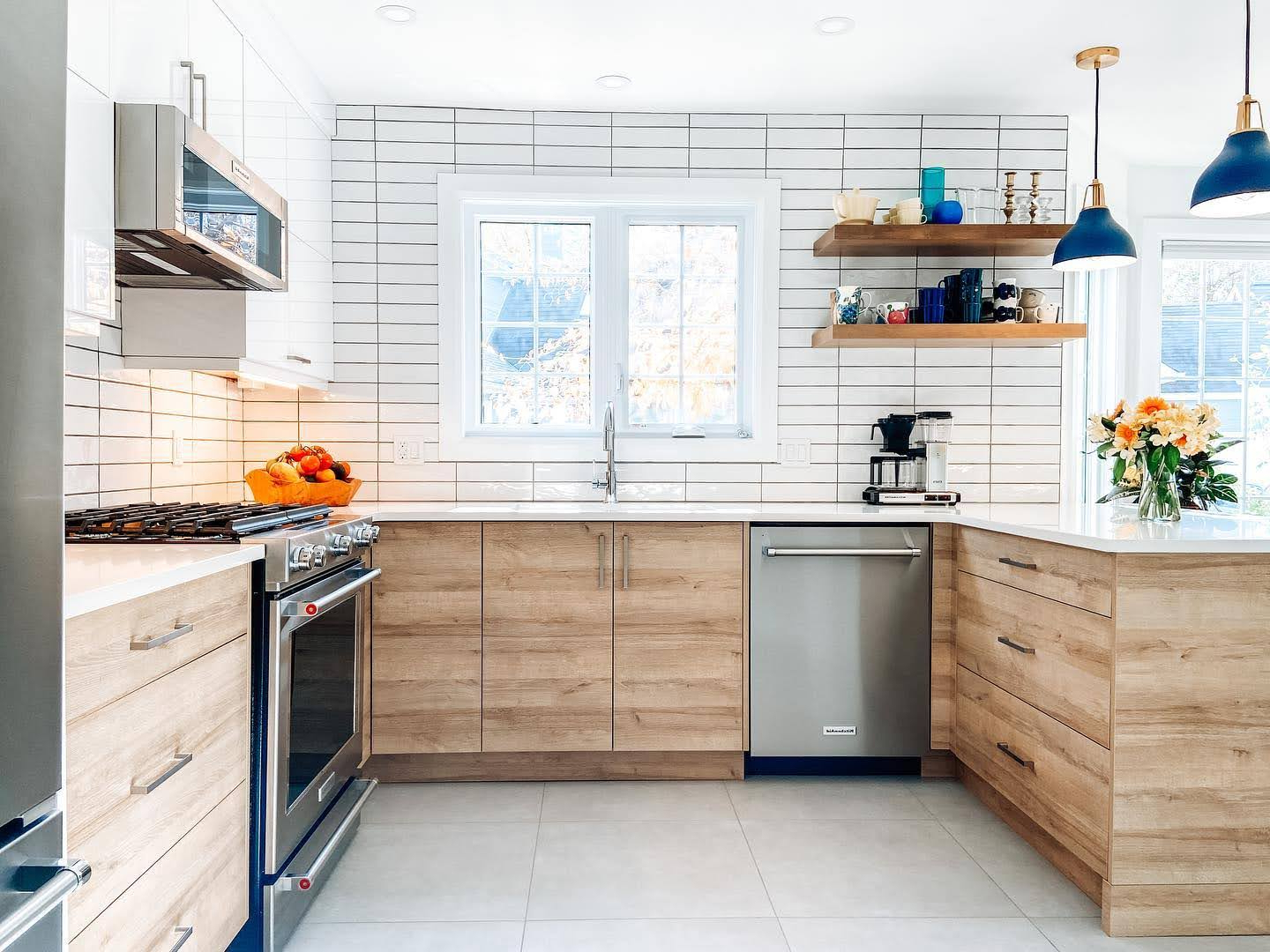
Look for ways to repeat similar materials throughout your space. If you choose natural stone for your countertops, consider incorporating it into your flooring or backsplash. If you’re going for a wood look, try to use similar wood tones across cabinets, flooring, and even some decorative elements. This repetition creates rhythm and makes your kitchen feel more unified.
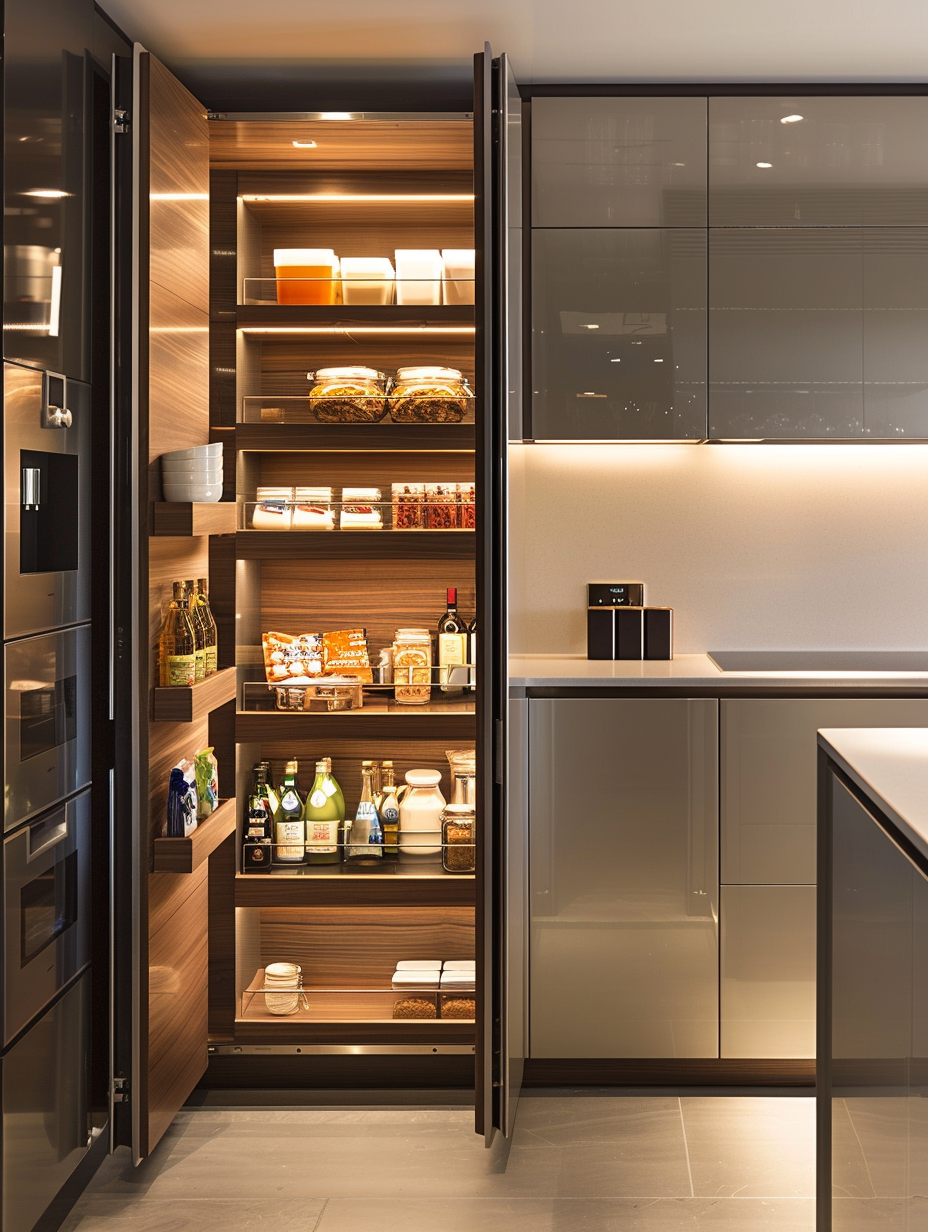
It’s also important to consider the tactile qualities of materials. Smooth surfaces often create a more contemporary feel, while rougher textures can add warmth and interest. A combination of materials can be powerful, but they should serve your overall theme. For instance, a kitchen with a Scandinavian aesthetic might combine smooth white cabinets with natural wood accents and stone countertops. Each material adds something special without overwhelming the design.
The beauty of material consistency is that it doesn’t require expensive upgrades. Sometimes, it’s simply about choosing elements that work together better than others.
Proportions and Scale Balance Everything
Proportions and scale are often overlooked but incredibly important aspects of kitchen design. They determine how elements relate to each other and to the overall space. When things are properly scaled, your kitchen feels balanced and comfortable. When they’re not, it can look awkward or even uncomfortable.
Consider the relationship between your appliances and the surrounding cabinetry. A large island shouldn’t dwarf the rest of the room, but neither should it look lost. The size of your sink should match the size of your countertops and the overall dimensions of your kitchen. These relationships create visual equilibrium.
Think about how furniture and fixtures relate to your body size. A dining table that’s too small won’t accommodate your guests comfortably, while one that’s too large might overwhelm the space. The same goes for storage solutions. Cabinets that are proportioned to the height of your counter will feel more natural and easier to use.
Scale also applies to decorative elements. A single large artwork might dominate a small kitchen, while several small items might get lost in a larger space. Understanding how to balance these elements helps create a cohesive feel. It’s about making everything feel like it belongs there, not like it was placed there arbitrarily.
Lighting Creates the Perfect Atmosphere
Lighting is perhaps one of the most powerful tools in achieving kitchen cohesion. It can transform a space from drab to dynamic and significantly impact how you experience your kitchen daily. Good lighting design considers both functional and aesthetic needs.
Natural light is always preferred, but it’s not always available in every kitchen. That’s why layered lighting becomes so important. Task lighting provides focused illumination for cooking and food prep. Ambient lighting sets the general mood and ensures you can see clearly throughout the space. Accent lighting draws attention to interesting features like a beautiful backsplash or unique fixture.
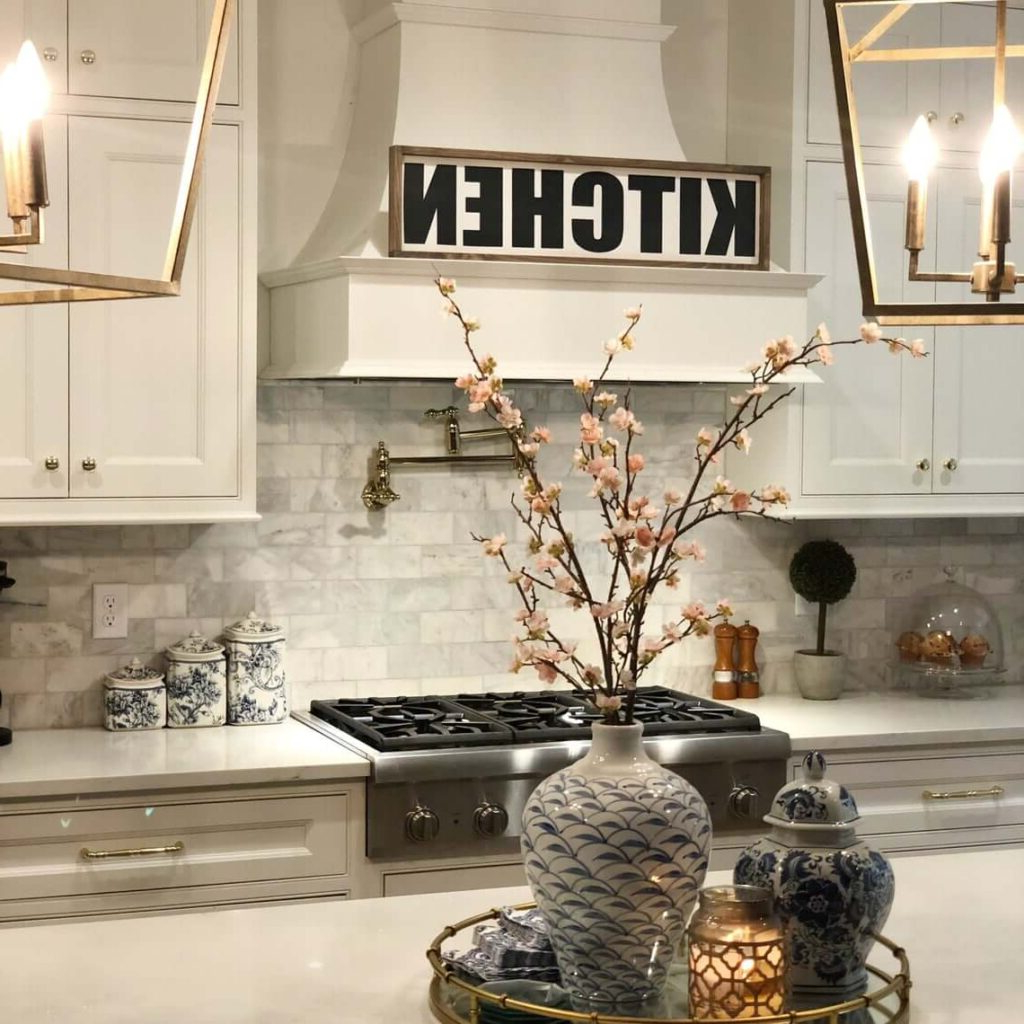
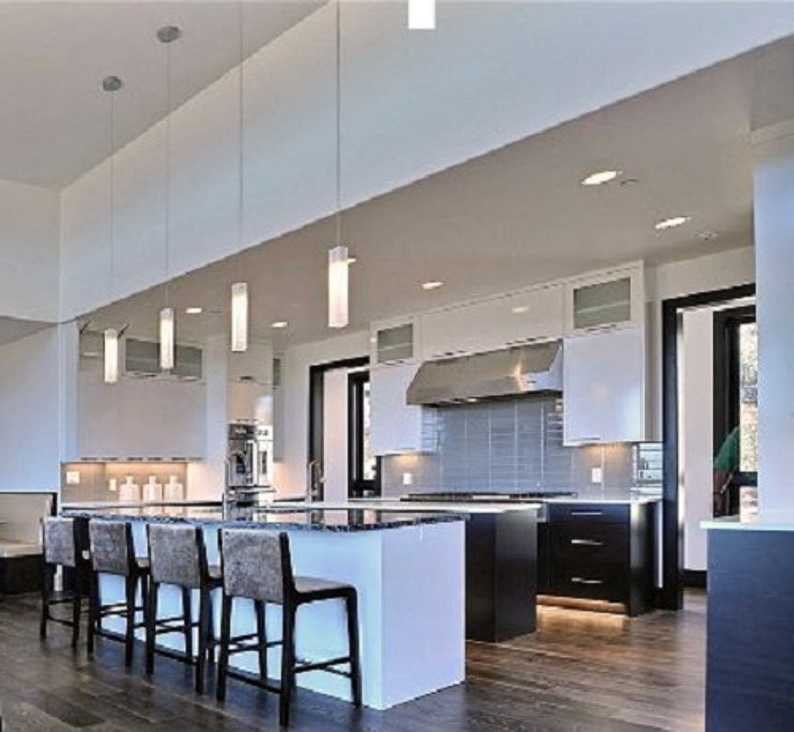
When selecting light fixtures, think about how they’ll complement your overall design theme. A modern kitchen might feature sleek pendant lights or recessed ceiling fixtures. A traditional kitchen could benefit from ornate chandeliers or classic sconces. The style of your lighting should support your chosen aesthetic rather than contradict it.
Color temperature matters too. Warm white light (around 3000K) creates a cozy, inviting atmosphere perfect for dining areas. Cool white light (around 5000K) provides better visibility for cooking tasks. Using different color temperatures in different zones can create depth and variety within your kitchen while maintaining unity.
Don’t forget to consider dimming options. Adjustable lighting allows you to change the mood throughout the day and adapt to different activities. A bright, energizing setting for morning coffee contrasts nicely with a softer, more intimate glow for evening dinners.
Personal Touches Bring Life to Your Space
While technical design elements are crucial, personal touches are what make a kitchen truly yours. These aren’t just decorative items—they’re the stories that connect you to your space. They show your personality and preferences in ways that formal design elements cannot.
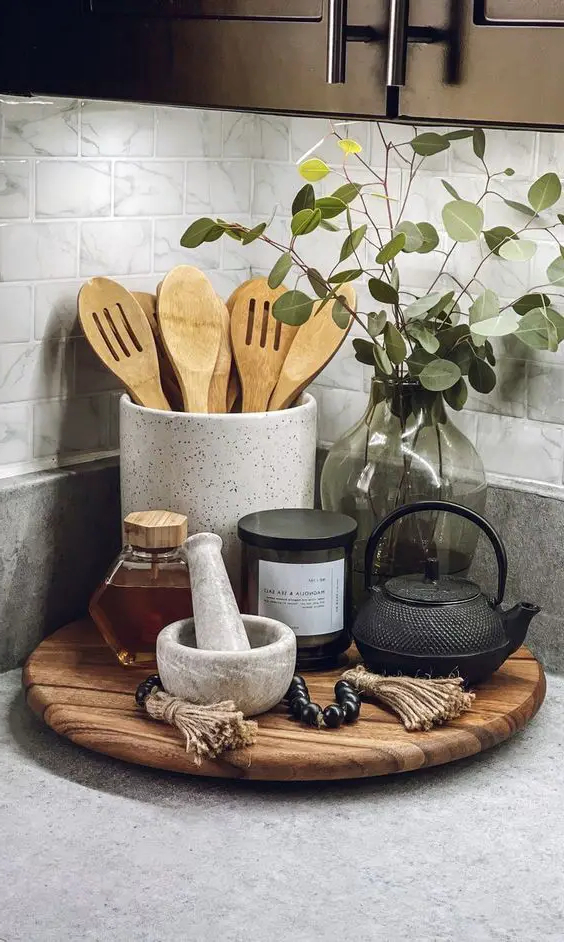
Start with items that have meaning to you. Family photos displayed in carefully chosen frames can anchor a wall or shelf. A collection of vintage dishes or colorful serving pieces adds character and conversation starters. Plants bring life and fresh energy to any kitchen. They also offer opportunities to incorporate additional textures and colors that support your overall theme.
Consider how you use your kitchen daily. Where do you spend most of your time? What activities are most important to you? Your personal touches should reflect these priorities. If you love baking, maybe display your favorite mixing bowls or keep a small herb garden nearby. If entertaining is important, consider having a few special serving pieces readily visible.
These personal elements don’t need to be expensive or elaborate. Sometimes a simple hand-painted bowl or a collection of mismatched mugs can create the most charming focal points. The key is intentionality. Every item you add should either serve a purpose or contribute to the overall feel of your space.
Remember, cohesion doesn’t mean uniformity. It’s about creating a space where everything works together, even when it doesn’t look identical. Your kitchen should feel like a reflection of you—a place that brings joy and functionality together seamlessly.
Creating a cohesive kitchen through thoughtful thematic design isn’t about following rigid rules or spending a fortune. It’s about seeing your space as a whole and understanding how individual elements can work together to create something greater than their separate parts. Whether you’re starting fresh or updating your existing kitchen, focus on establishing a clear theme and then let that guide all your decisions.
From color choices to material selection, from lighting to personal touches, every element contributes to your kitchen’s overall story. When you approach design with intentionality and consistency, your kitchen becomes more than just a functional space—it transforms into a place that feels completely right, where every detail supports the bigger picture.
The best part? You already have everything you need to start. Your instincts about what looks good together, your understanding of what makes you feel comfortable, and your knowledge of how you actually use your kitchen—all of these are valuable tools in creating that perfect sense of cohesion. Trust yourself, experiment, and enjoy the process of making your kitchen a true reflection of your lifestyle and personality.
[sps_html tag=”img” src=”https://roofdrivein.com/wp-content/uploads/2026/01/45-best-kitchen-wall-decor-ideas-and-designs-for-2021-intended-for-kitchen-ideas-themes.jpg” alt=”45+ Best Kitchen Wall Decor Ideas And Designs For 2021 intended for Kitchen Ideas Themes” style=”width: 100%; height: auto;”]
[sps_html tag=”img” src=”https://roofdrivein.com/wp-content/uploads/2026/01/20-popular-kitchen-decorating-theme-ideas-for-your-home-in-creating-cohesion-in-your-kitchen-through-thoughtful-thematic-design.png” alt=”20 Popular Kitchen Decorating Theme Ideas For Your Home in Creating Cohesion in Your Kitchen Through Thoughtful Thematic Design” style=”width: 100%; height: auto;”]
[sps_html tag=”img” src=”https://roofdrivein.com/wp-content/uploads/2026/01/kitchen-decor-ideas-finishing-touches-for-ultimate-style-decorilla-inside-creating-cohesion-in-your-kitchen-through-thoughtful-thematic-design.jpg” alt=”Kitchen Decor Ideas: Finishing Touches For Ultimate Style - Decorilla … inside Creating Cohesion in Your Kitchen Through Thoughtful Thematic Design” style=”width: 100%; height: auto;”]
[sps_html tag=”img” src=”https://roofdrivein.com/wp-content/uploads/2026/01/27-kitchen-theme-ideas-the-diy-desire-with-regard-to-kitchen-ideas-themes.jpg” alt=”27 Kitchen Theme Ideas – The Diy Desire with regard to Kitchen Ideas Themes” style=”width: 100%; height: auto;”]
[sps_html tag=”img” src=”https://roofdrivein.com/wp-content/uploads/2026/01/20-inspiring-dark-wood-kitchen-ideas-for-a-chic-and-cozy-look-the-throughout-kitchen-ideas-themes.jpg” alt=”20 Inspiring Dark Wood Kitchen Ideas For A Chic And Cozy Look | The … throughout Kitchen Ideas Themes” style=”width: 100%; height: auto;”]