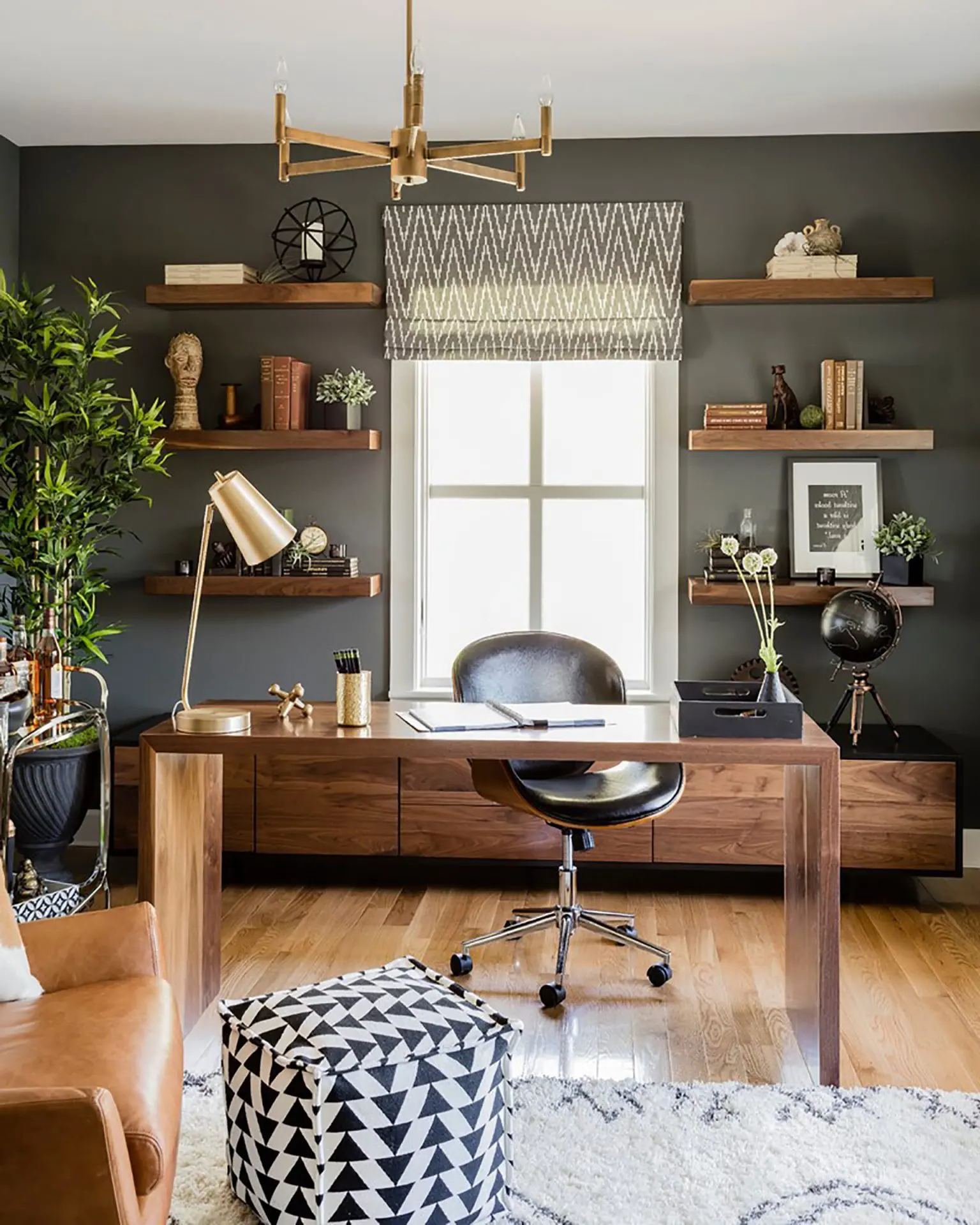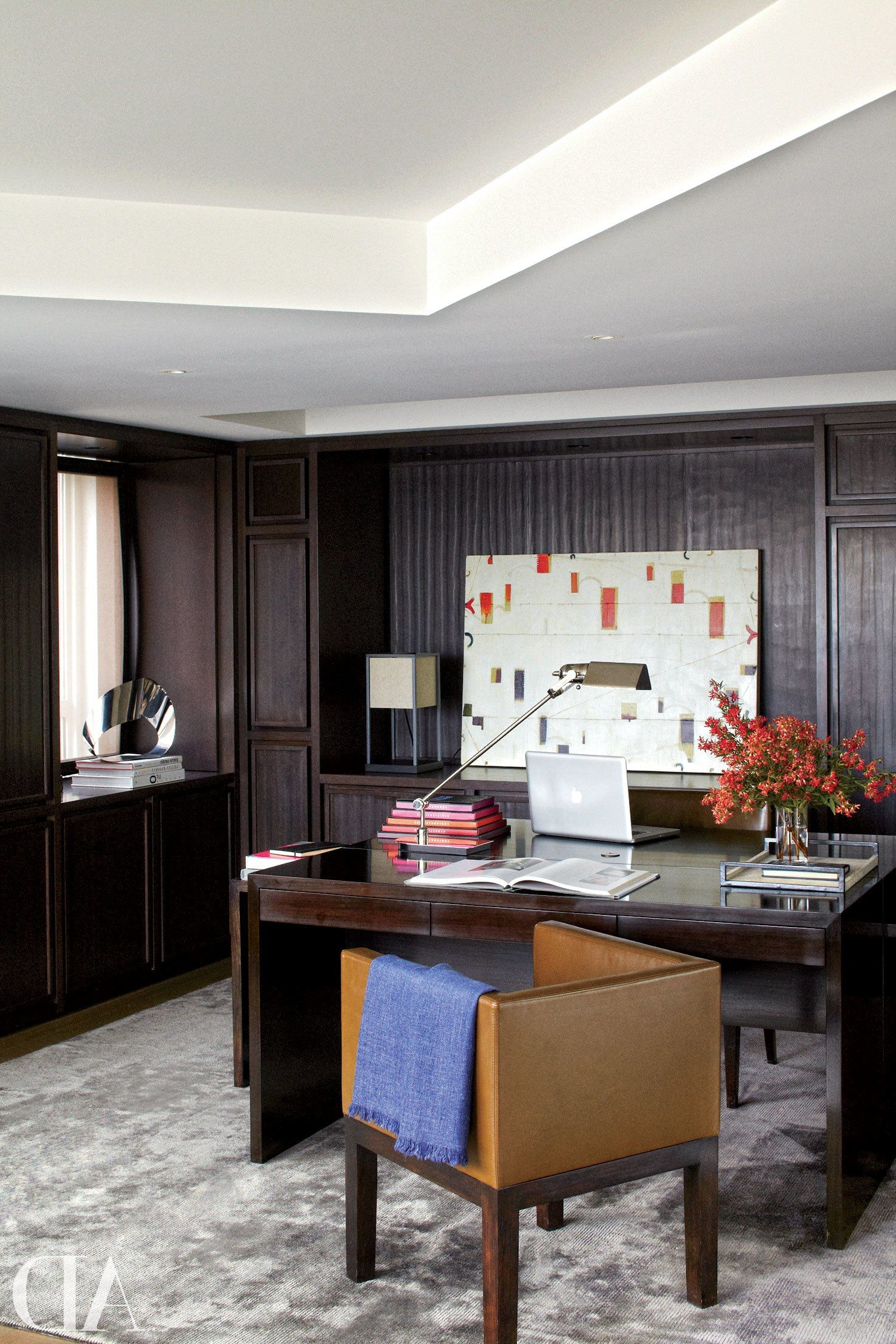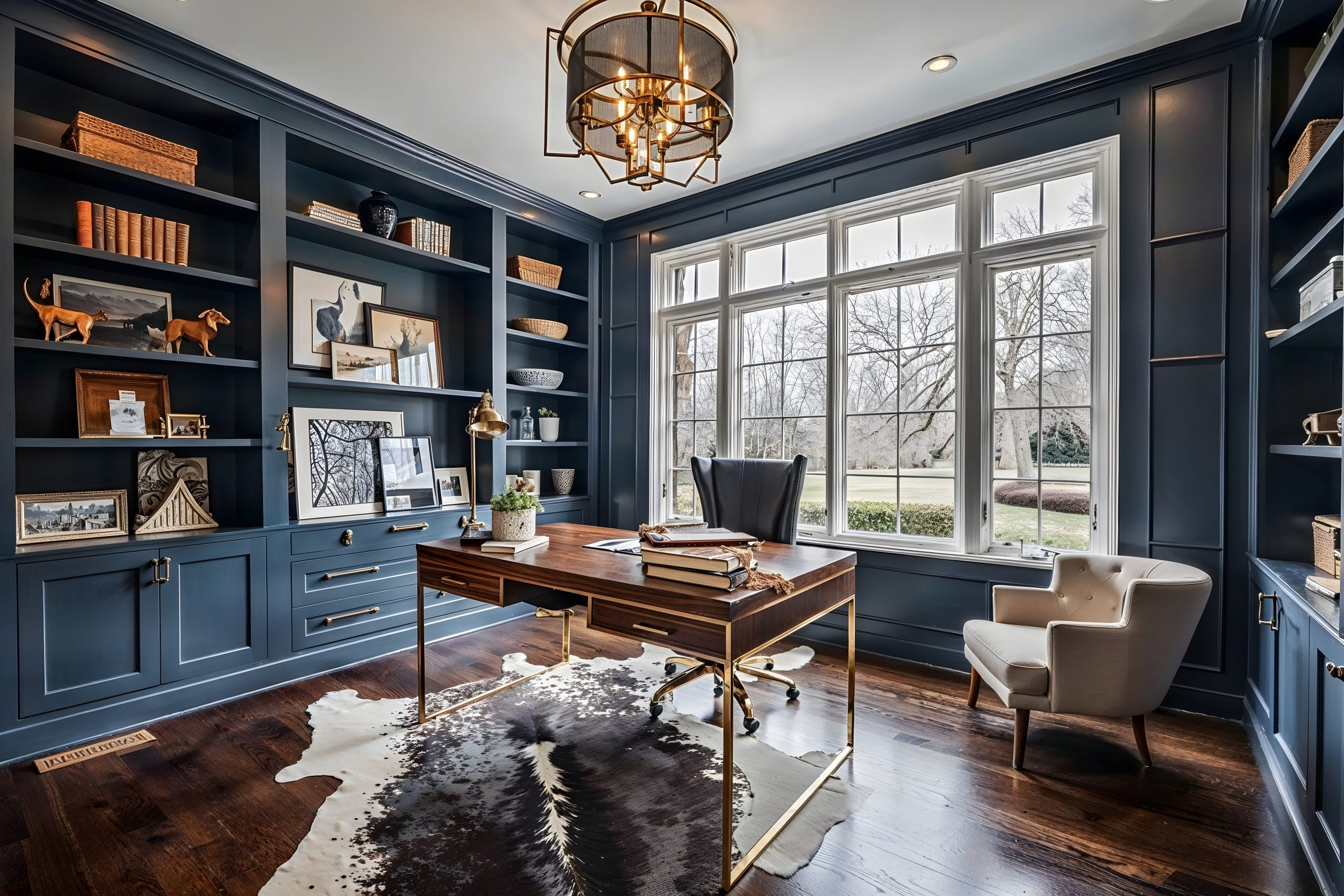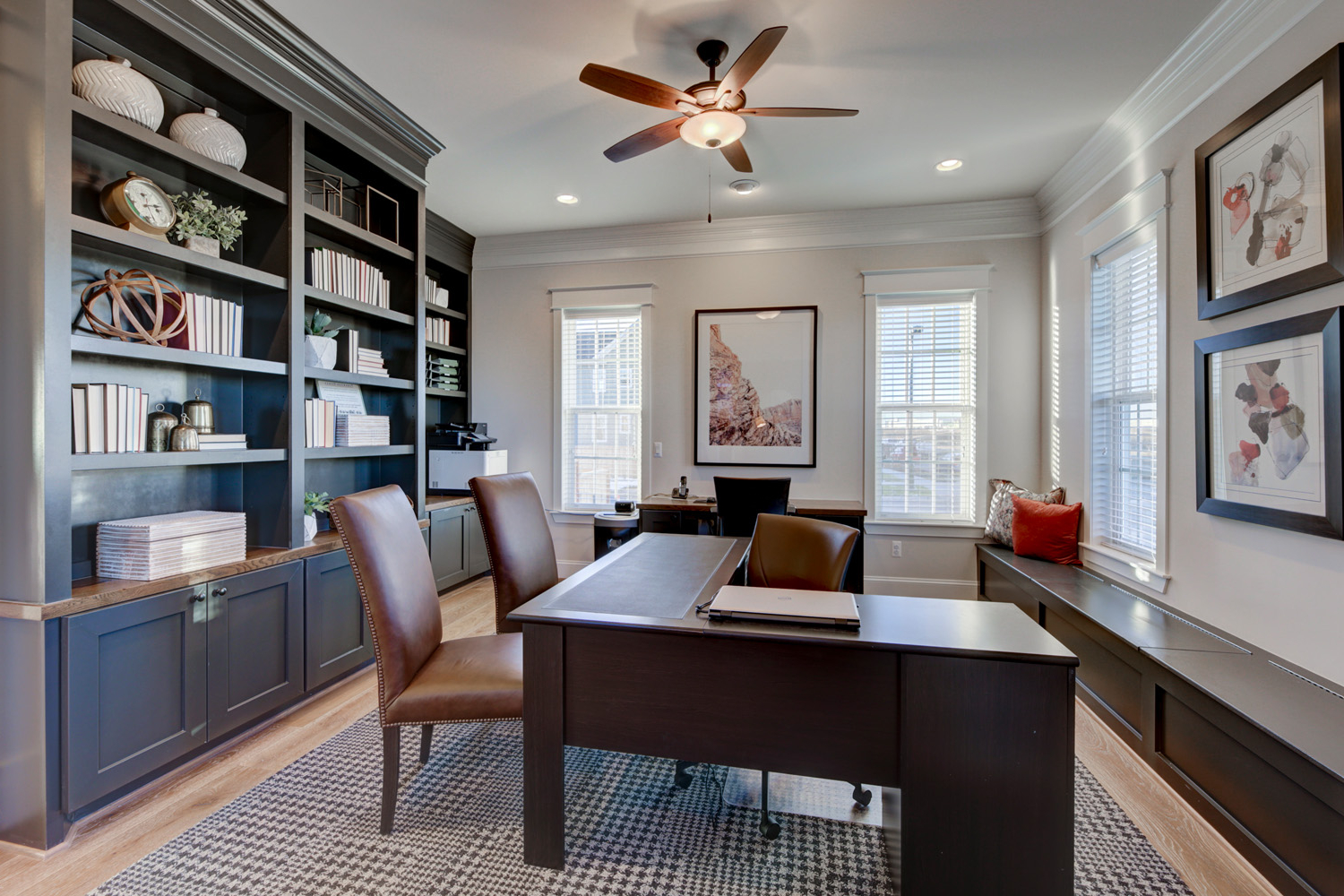
Whether you’re working from your kitchen table or a dedicated office, creating a space that feels like home can transform how you work. It’s not just about having a desk and chair. It’s about designing an environment that supports both your professional goals and personal well-being.
Let’s face it – we spend a lot of time in our workspaces these days. Whether you’re a remote worker or someone who works from home, your environment plays a huge role in how well you perform. A space that feels welcoming and comfortable can make all the difference between a good day of work and a frustrating one. What if I told you that the key to better productivity might be right in how you set up your space? It’s not about expensive furniture or fancy decorations. It’s about understanding what makes a place feel like home while still keeping things productive.
The Psychology of Home and Work Spaces
Think about your most comfortable spaces. They probably have a few things in common. Maybe it’s the way light filters through a window, or how a favorite chair feels when you sink into it. The same principles apply to workspaces. Our brains respond to certain environmental cues that make us feel safe and focused. When we’re in a familiar setting, we’re more likely to concentrate. It’s why many people prefer working from home rather than in a traditional office. We’ve created our own little worlds where we feel at ease. This familiarity helps reduce stress and increases our ability to focus on tasks at hand. Studies show that people work more efficiently when they’re in environments that match their personality and work style. That’s where the home element comes in. When you blend your personal comfort with professional needs, you’re creating a powerful combination for success.
Lighting That Works With Your Body Clock
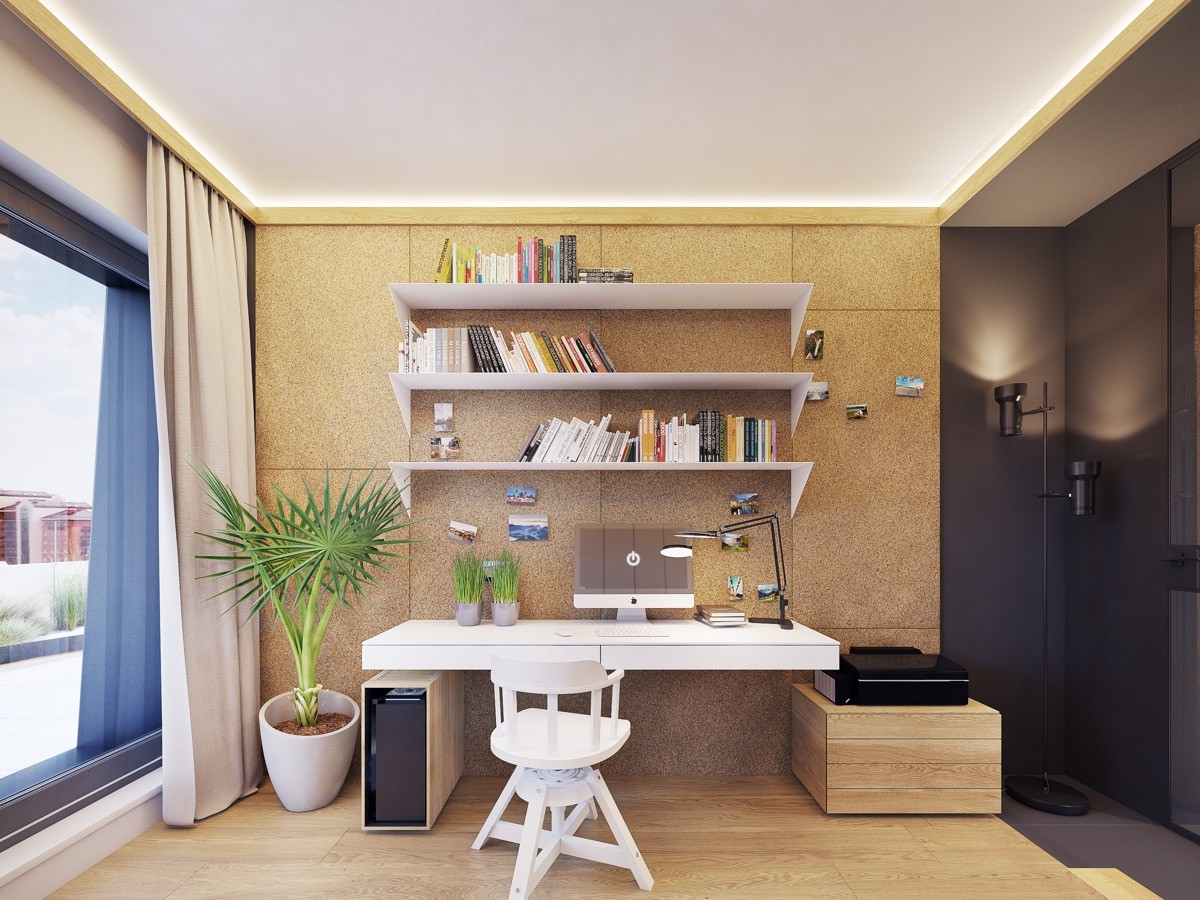
Natural light is king when it comes to workspaces. But let’s be honest – not every desk gets morning sunlight. That’s okay. The key is to think about how lighting affects your mood and energy levels throughout the day. Start with what you have. If you have a window, position your workspace so you can see outside. Even a small view of trees or sky can boost your outlook. For artificial lighting, aim for bright, cool lights during the day. These help keep you alert and focused. As evening approaches, switch to warmer tones. They signal to your brain that it’s time to wind down. You might even consider adding a few plants near your workspace. Not only do they purify the air, but they also add a touch of nature that makes everything feel more alive. Some people swear by blue light filters on their screens during evening hours. It’s a simple tweak that can make a big difference in how you feel after long work sessions.
Personal Touches That Matter
This is where things get really interesting. Your workspace should reflect who you are. It’s not about clutter, though. It’s about intentional additions that make you smile. Think about photos that inspire you. Maybe a picture of family, or a travel memory that brings joy. Or perhaps a plant that you’ve nurtured over time. These small elements create a sense of ownership and comfort. They remind you that this space belongs to you. Consider the colors in your area too. Do you feel energized by bold blues or calm by soft greens? Experiment with different hues. You might find that changing the color of your walls or even just a single accent wall can shift your entire mood. Some people love the idea of a small reading nook or a spot where they can grab a quick snack. These aren’t luxuries – they’re necessities for maintaining energy throughout the day. The goal isn’t perfection. It’s finding what makes you feel like yourself while still being productive.
Organizational Systems That Actually Work
Here’s something that trips up a lot of people: organization. You can have the most beautiful workspace, but if it’s a mess, it will drain your energy. The secret is finding systems that work for your lifestyle and work habits. Start with what you actually use. If you’re constantly looking for pens, maybe a drawer organizer is in order. If you’re always searching for papers, try a filing system that makes sense to you. The key is simplicity. Too much organization can become another source of stress. You want your space to support your workflow, not interfere with it. Some people find that a simple three-bin system works wonders – one for current projects, one for completed work, and one for things to file later. Others prefer digital solutions, scanning documents and keeping everything in cloud storage. Whatever you choose, consistency is key. Make sure everything has its place, and stick to it. Your brain will thank you for it.
Comfort Without Compromise
Comfort isn’t just about nice chairs or soft blankets. It’s about making sure your body can support you throughout long work hours. Your chair should be supportive enough to keep your back straight, but comfortable enough to sit in for hours. Adjust it until it fits you perfectly. If you’re using a standing desk, make sure you have a mat that reduces fatigue. Don’t underestimate the power of proper posture. It affects everything from your headaches to your energy levels. Consider ergonomic accessories like footrests or wrist rests if you need them. The goal is to create a balance between comfort and productivity. Sometimes, that means accepting that a slightly less attractive setup might actually serve you better. It’s about listening to your body and adjusting accordingly. If you’re constantly reaching for items, move them closer. If you’re squinting at your screen, adjust the brightness. Small changes can make huge differences in how you feel each day.
Making Space for Flexibility
One of the best things about having a home workspace is the ability to change things up. You don’t have to stick to one rigid setup forever. Your needs will evolve based on your projects, your energy levels, and even your season. Try moving your desk to a different corner of the room. See how that changes your perspective. Or rearrange your supplies so they’re in new locations. Sometimes a fresh view can spark creativity or help you focus differently. This flexibility also applies to your daily routine. Maybe you work better in the morning, so your most important tasks go there. Other times, you might prefer working late into the evening. Let your space adapt to your rhythm rather than forcing yourself into a rigid schedule. You can even create zones within your workspace. A quiet area for deep work, and a more social area for meetings or brainstorming. The beauty of a home workspace is that it can be whatever you need it to be.
Creating a productive workspace that feels like home isn’t about following a checklist or spending a fortune on furniture. It’s about understanding what makes you thrive as a person and a professional. It’s about combining the comfort of your personal life with the structure of your work life. When you design your space with intention, you’re investing in your wellbeing and your success. Remember, there’s no one right way to do it. Some people love minimalism, others prefer a bit more visual stimulation. Some prefer quiet spaces, others need background noise. The most important thing is that your space reflects your values and supports your goals. Take some time to assess what’s working for you now. What could be improved? What small changes might make the biggest impact? The journey to a better workspace starts with just one thoughtful adjustment. You might be surprised at how much difference it makes.