Think about your ideal home. Is it the place where you relax after a long day, or where you entertain friends? Maybe it’s somewhere you can work, play, and grow all in one space. Today’s most popular home designs aren’t just about looking good—they’re about creating environments that actually serve you well. When we talk about contemporary home design, we’re really talking about spaces that make life easier while still feeling beautiful.
The way we live has changed dramatically over the past few decades. Our homes have evolved from simple shelters into complex ecosystems that must accommodate work, rest, socializing, and everything in between. This shift has pushed designers and homeowners alike to seek solutions that balance visual appeal with practical needs. What started as a simple desire for pretty rooms has transformed into a sophisticated approach to space planning that considers every detail from lighting to storage. The result is a new wave of home design that feels both luxurious and livable. We’re seeing homes that adapt to our modern lifestyles while maintaining their artistic integrity. It’s no longer enough to simply decorate a room—it’s about creating functional art that enhances daily life.
Open Floor Plans: Breaking Down Walls
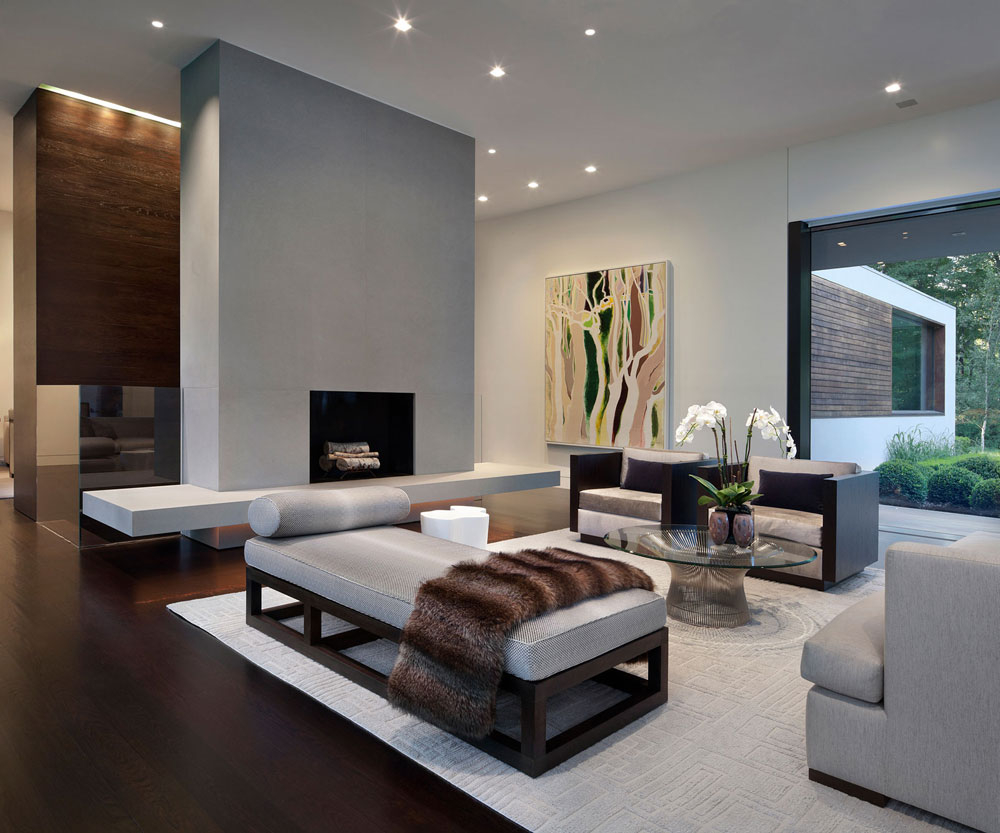
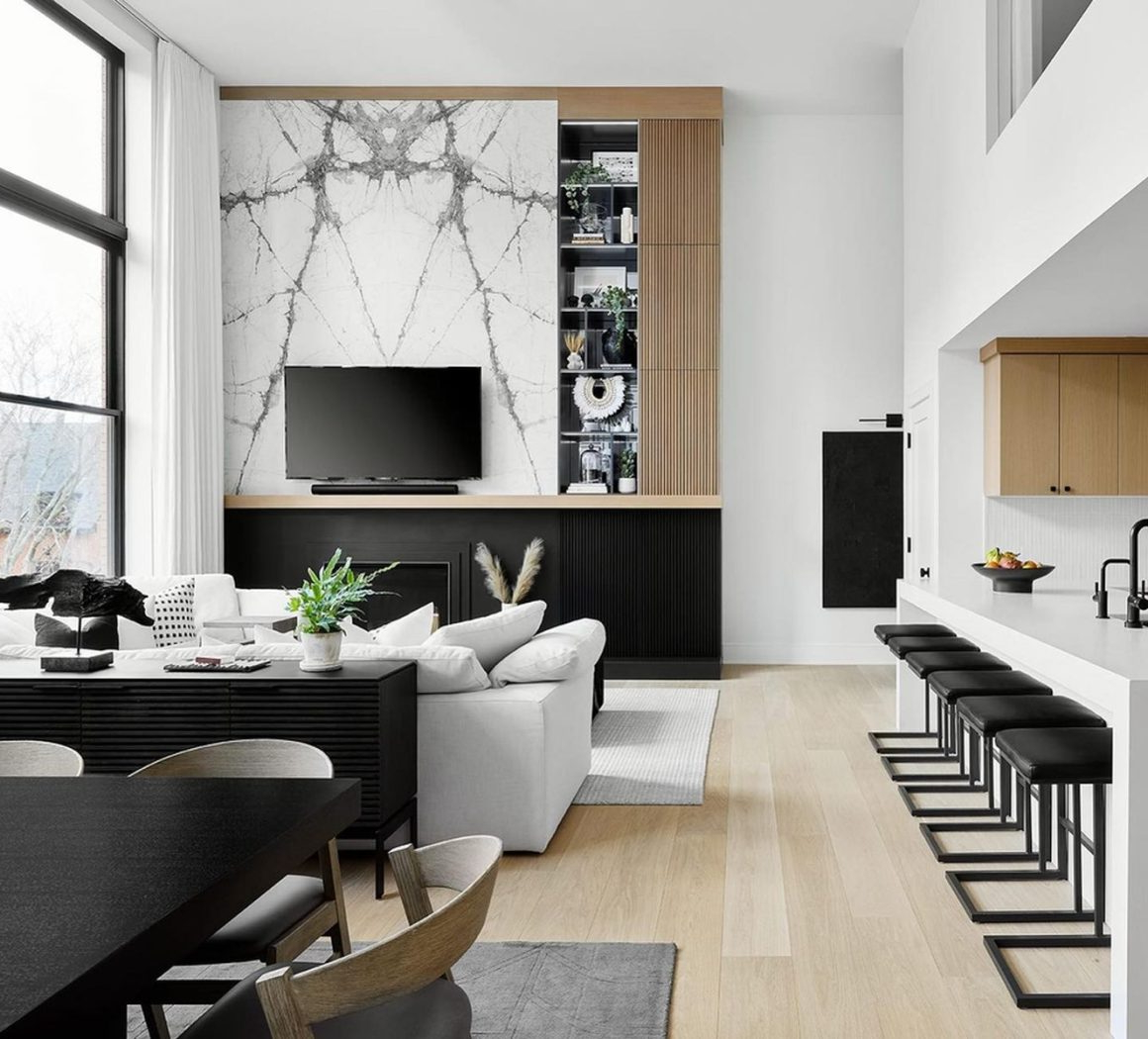
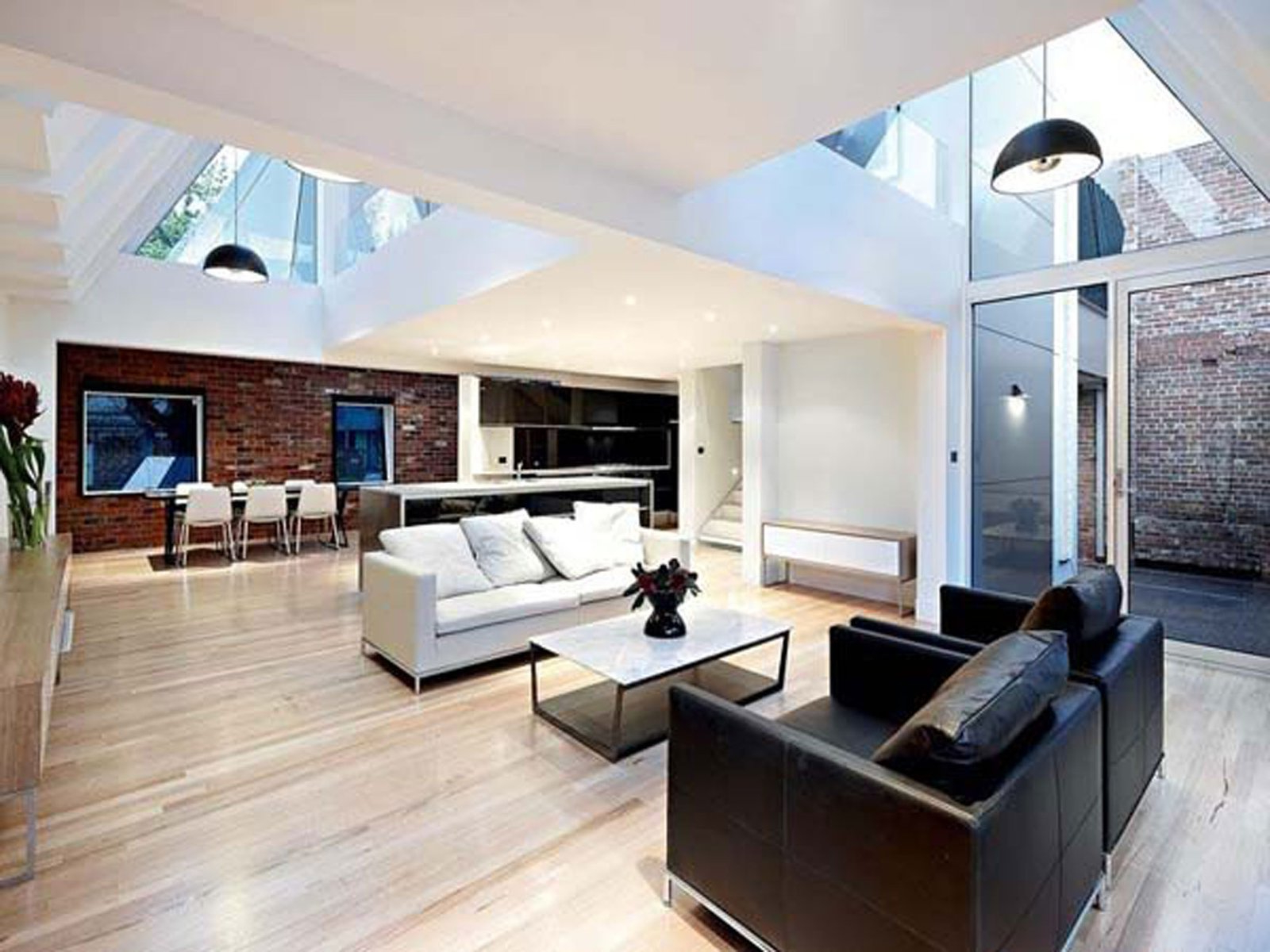
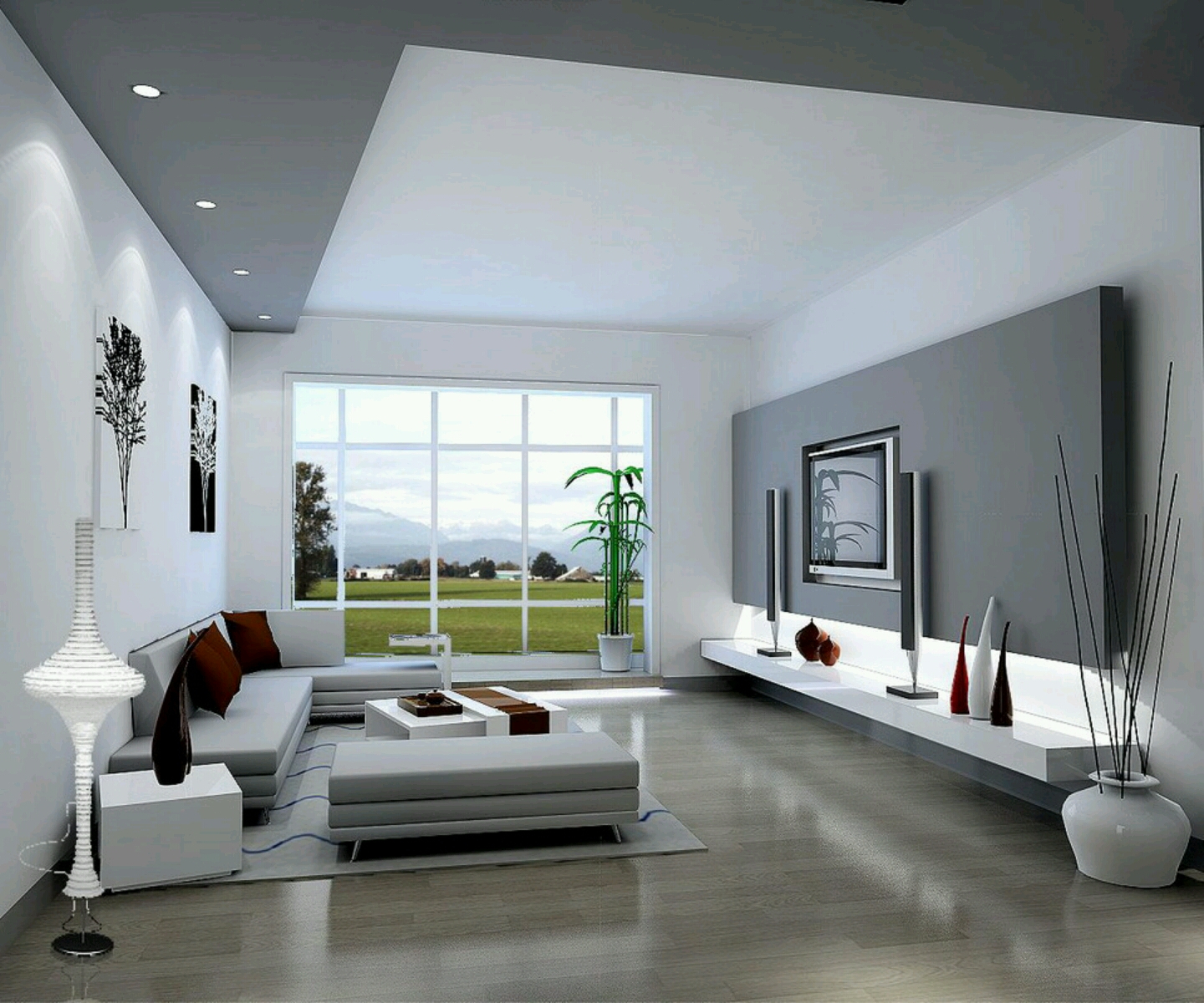
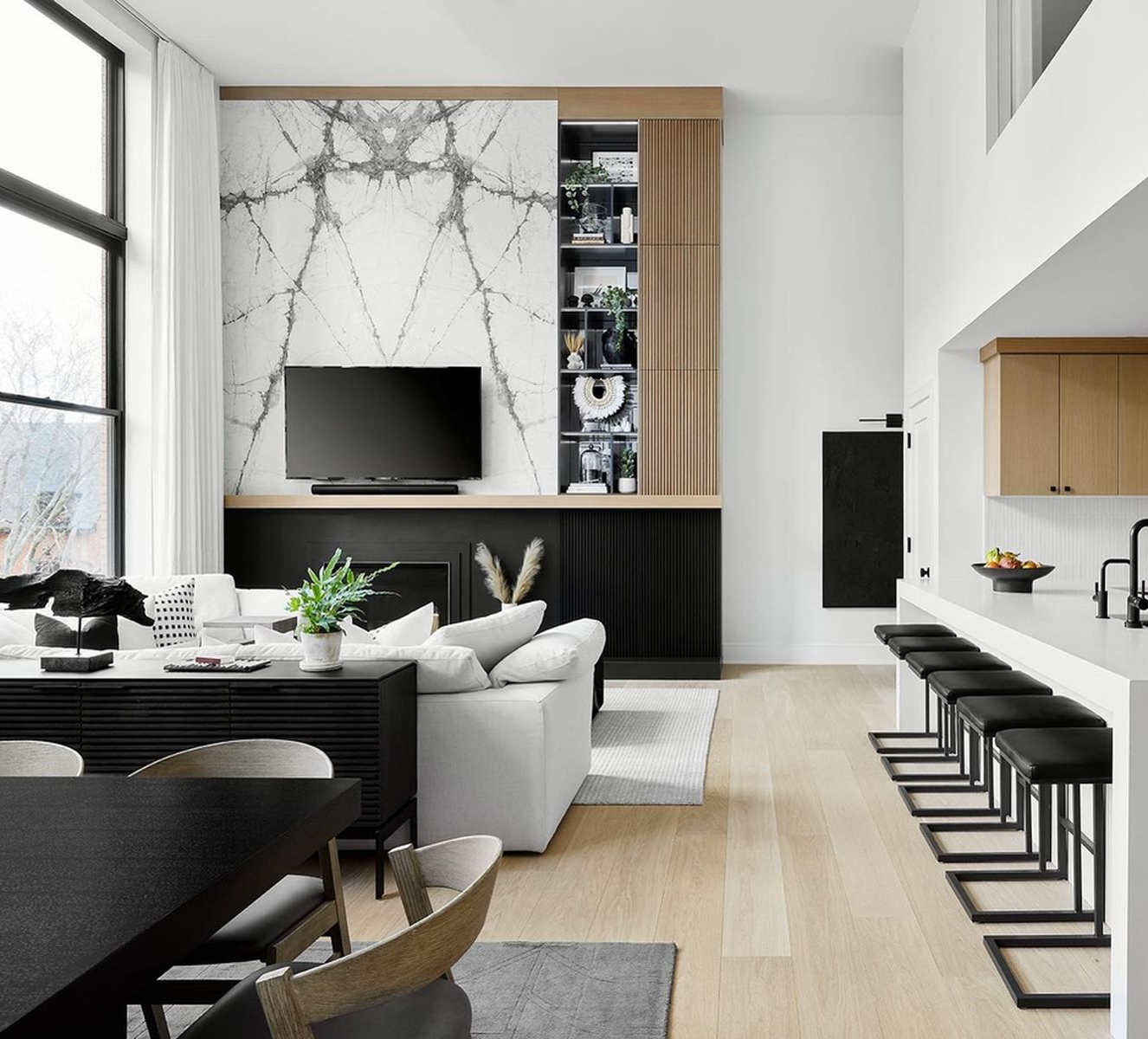
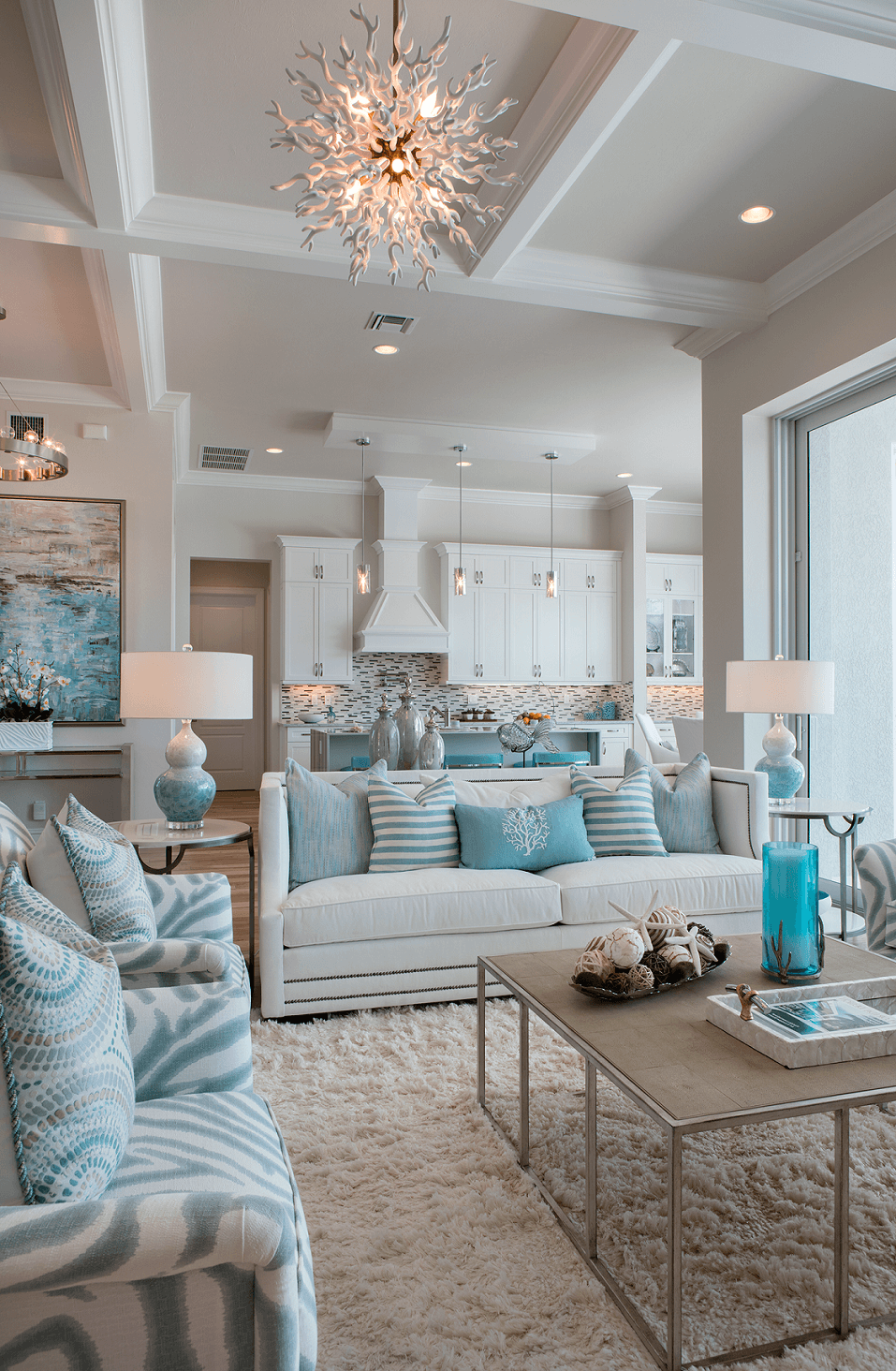
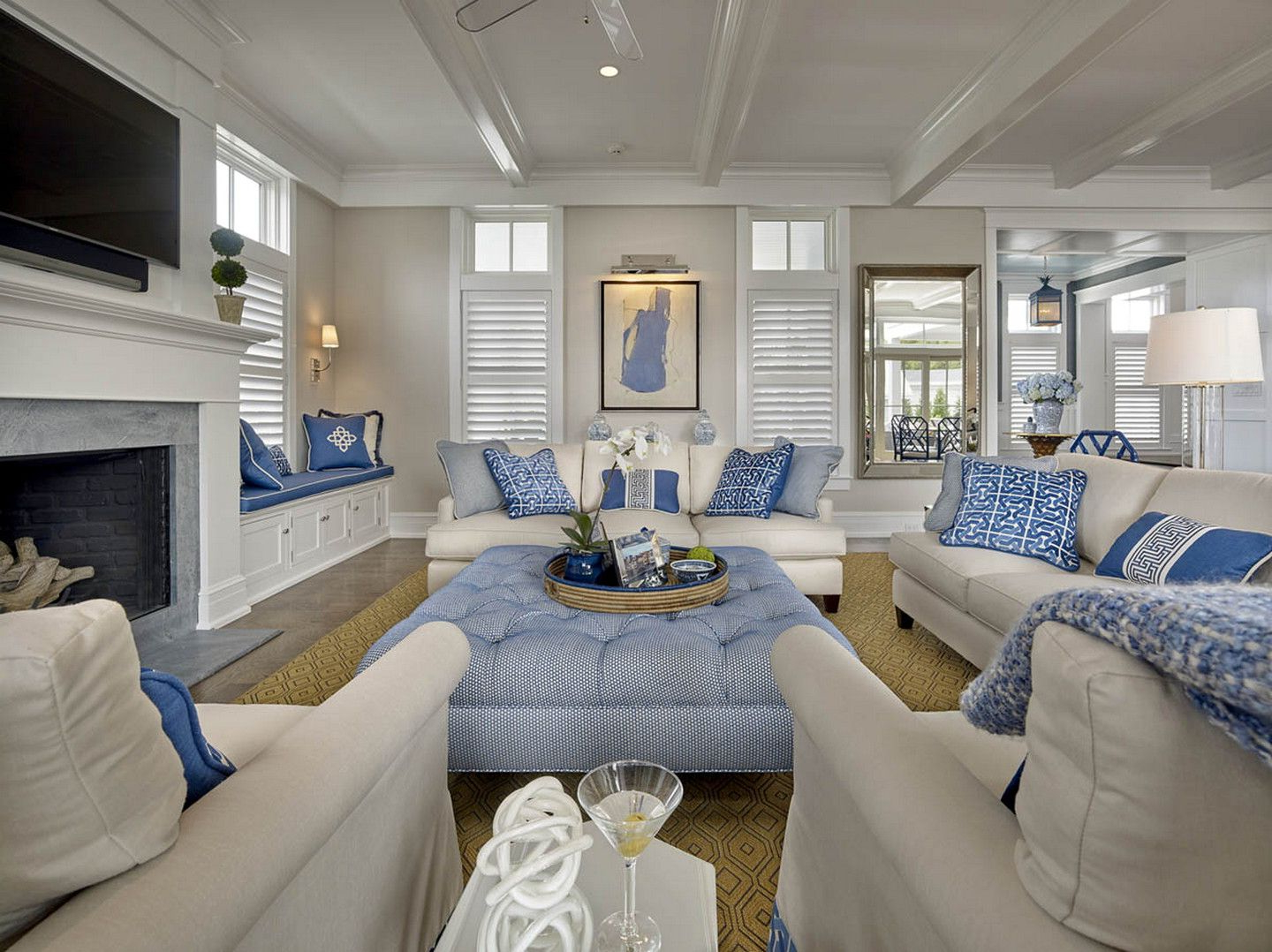
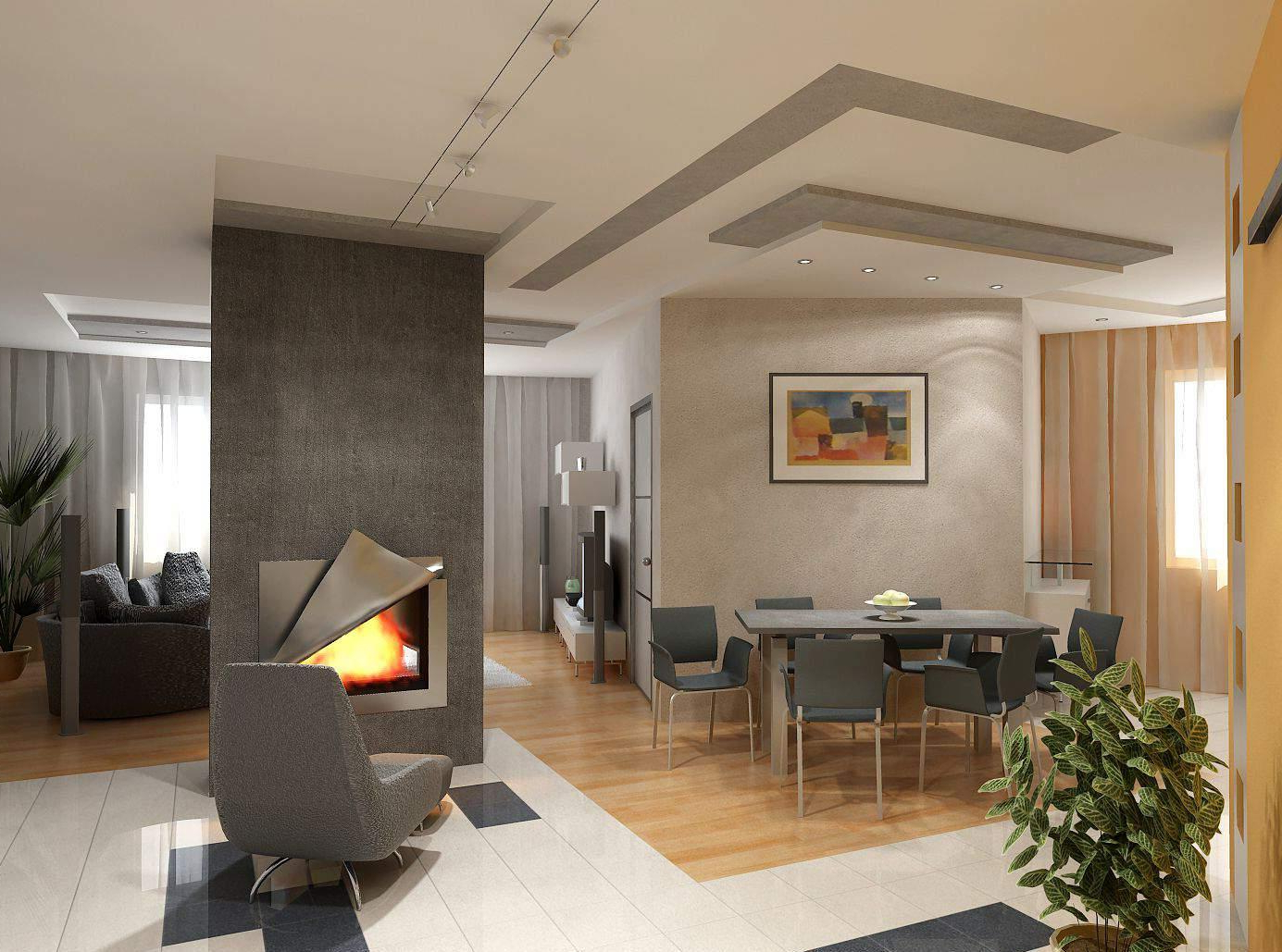
One of the most significant shifts in contemporary design is the move toward open floor plans. Gone are the days when each room had a strict purpose. Today’s homes embrace fluid spaces that flow together naturally. This approach isn’t just about aesthetics—it’s about creating flexibility. Imagine a kitchen that seamlessly connects to the dining area and living room. Now picture how much easier it becomes to cook while keeping an eye on kids playing nearby. The concept works because it allows for multiple activities to happen simultaneously without feeling cramped or chaotic. Open layouts also make spaces feel larger, which is especially helpful in smaller homes. They create pathways for movement and interaction. The key is ensuring that each area still has its own character even when connected to others. This balance between openness and definition keeps spaces feeling intentional rather than generic. Many designers now incorporate subtle changes in flooring materials or slight height variations to distinguish different zones within an open plan. It’s a clever way to maintain visual interest while keeping the flow unbroken.
Multi-Purpose Rooms: Living Spaces That Adapt
Modern homes are increasingly featuring rooms that serve multiple functions throughout the day. A guest bedroom might double as a home office during weekdays, then transform back into a welcoming space for visitors. This versatility requires thoughtful planning and smart furniture choices. Consider a dining table that can be converted into a workspace, or a sofa bed that provides seating by day and sleeping accommodation by night. These innovations allow homeowners to maximize their square footage without sacrificing comfort. The challenge lies in making each transformation feel seamless rather than forced. Good multi-purpose design creates transitions that feel natural rather than jarring. Storage solutions often play a crucial role here. Hidden compartments, built-in shelving, and clever organizational systems help maintain clean lines even when spaces are being repurposed. Many people find that rooms designed with multiple uses in mind end up being more enjoyable to inhabit. They offer variety and flexibility that keeps living spaces feeling fresh and engaging.
Smart Technology Integration: Seamless Connectivity
Technology has become an essential part of contemporary home design, but it’s not always obvious. The best modern homes integrate smart features in ways that enhance rather than dominate the space. Think about lighting that adjusts automatically based on time of day, or thermostats that learn your preferences and adjust accordingly. These systems work behind the scenes to improve comfort and efficiency without requiring constant attention. Smart appliances are another major trend. Washing machines that can be controlled remotely, refrigerators with built-in cameras, and ovens that preheat themselves—all these features contribute to a more convenient lifestyle. The key is choosing technology that fits naturally into existing design schemes. Avoiding visible wires and keeping controls discreet helps maintain visual harmony. Many designers now incorporate charging stations and entertainment centers that blend into cabinetry and walls. This approach makes technology feel like part of the home rather than an intrusion. The goal isn’t to have the latest gadgets, but rather to select tools that genuinely improve daily routines.
Natural Materials and Textures: Bringing Nature Indoors
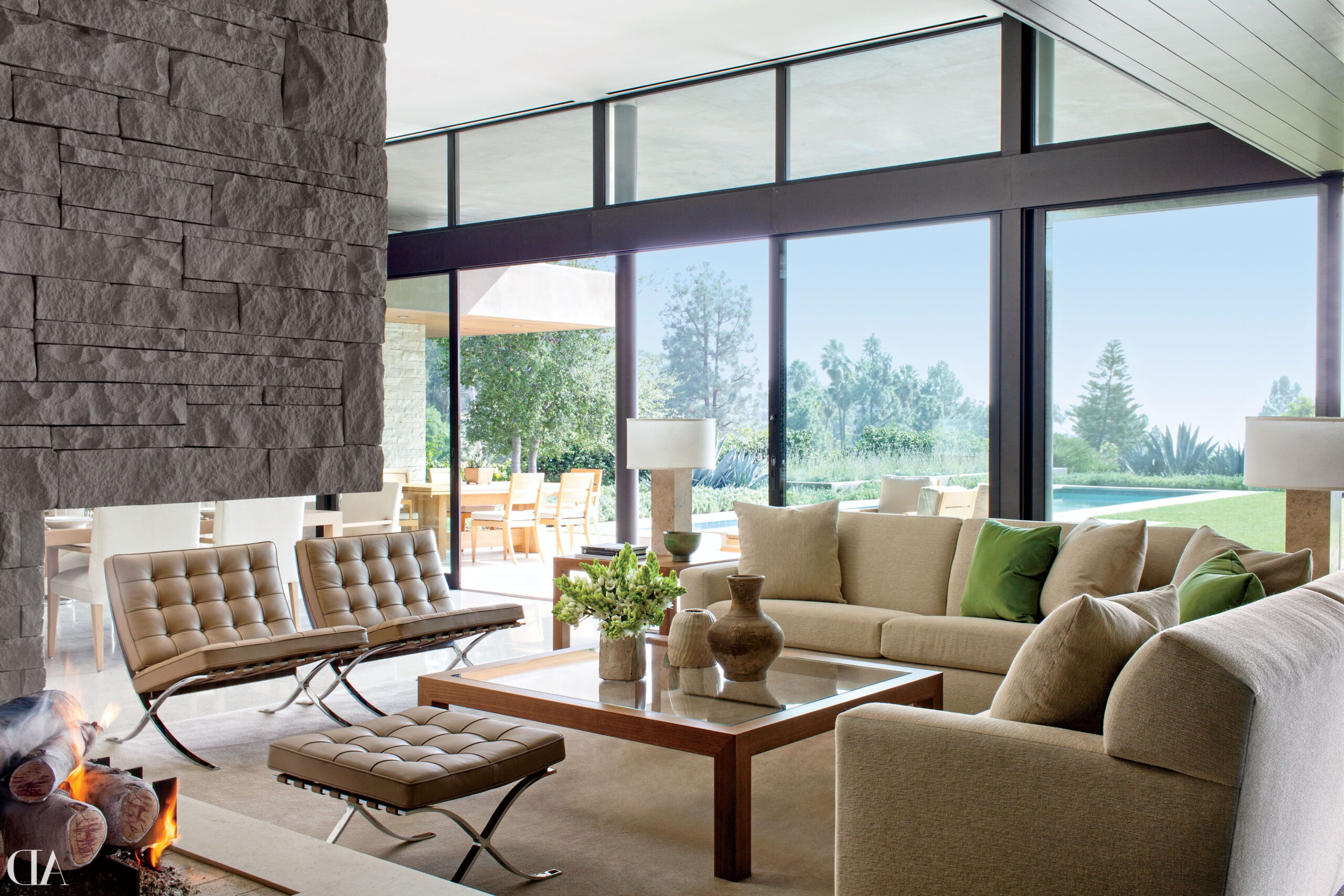
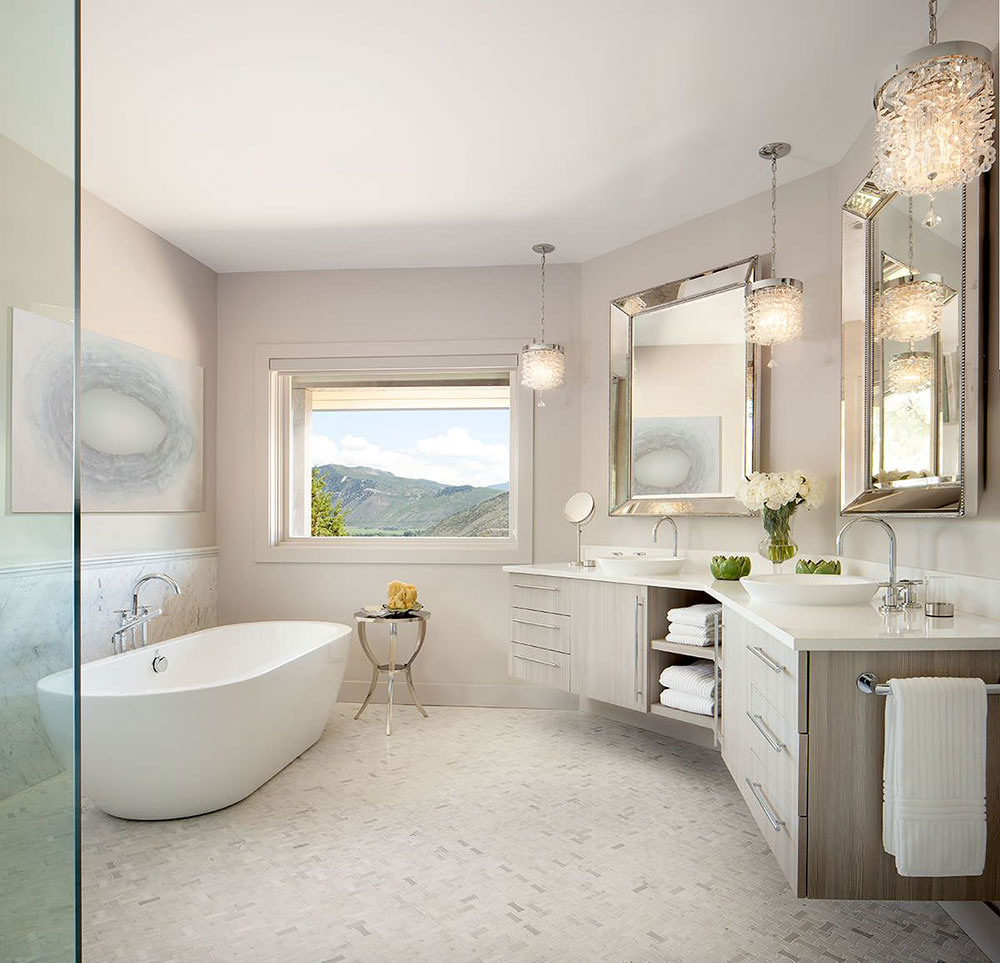
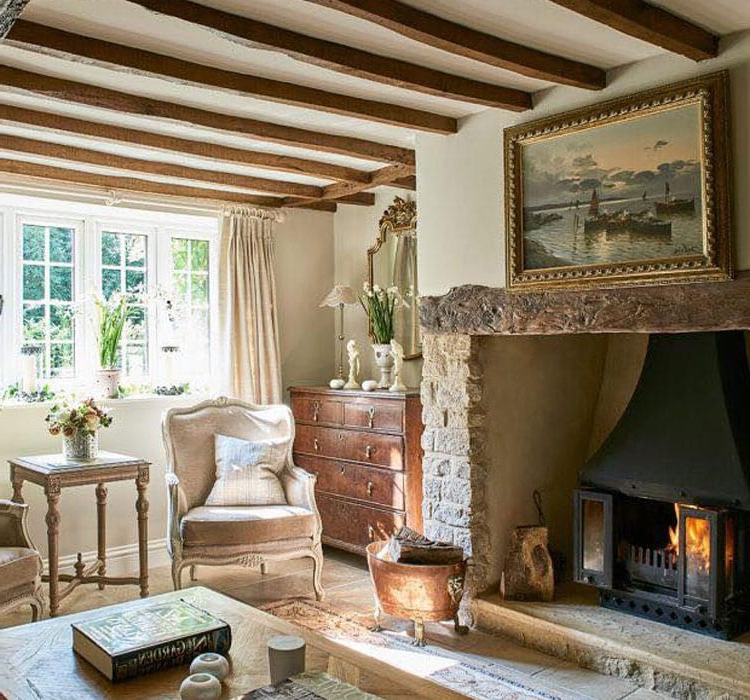
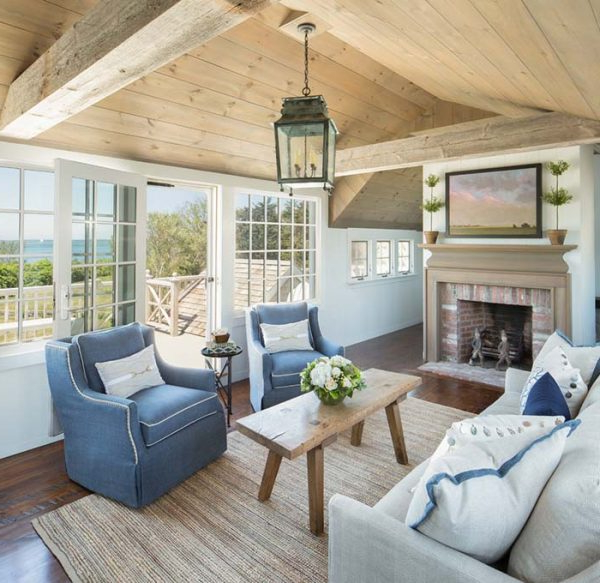
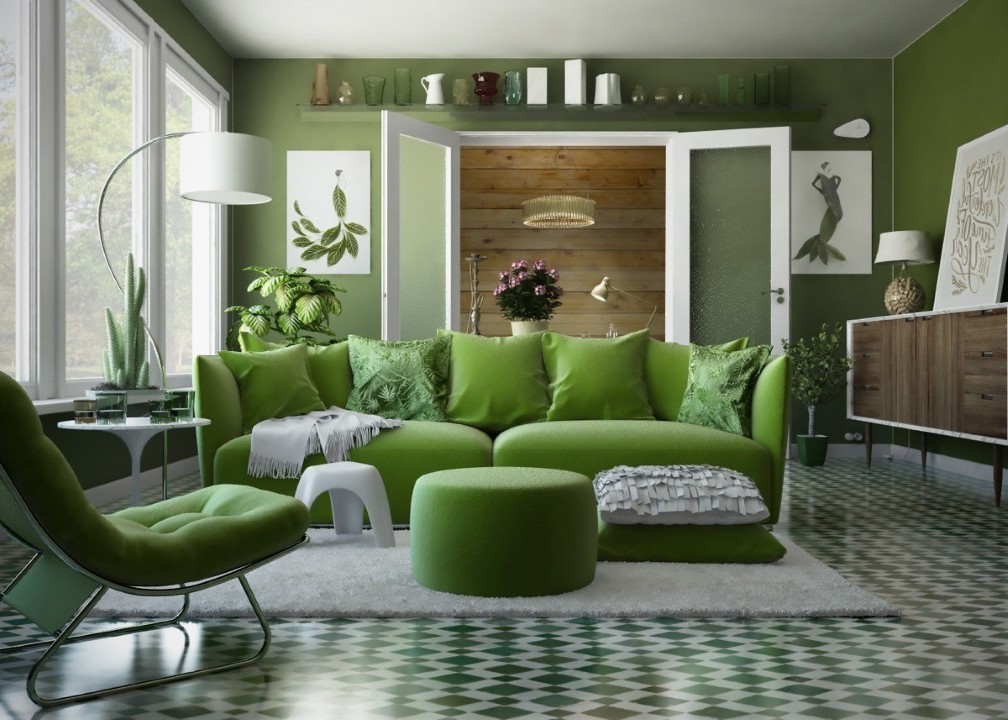
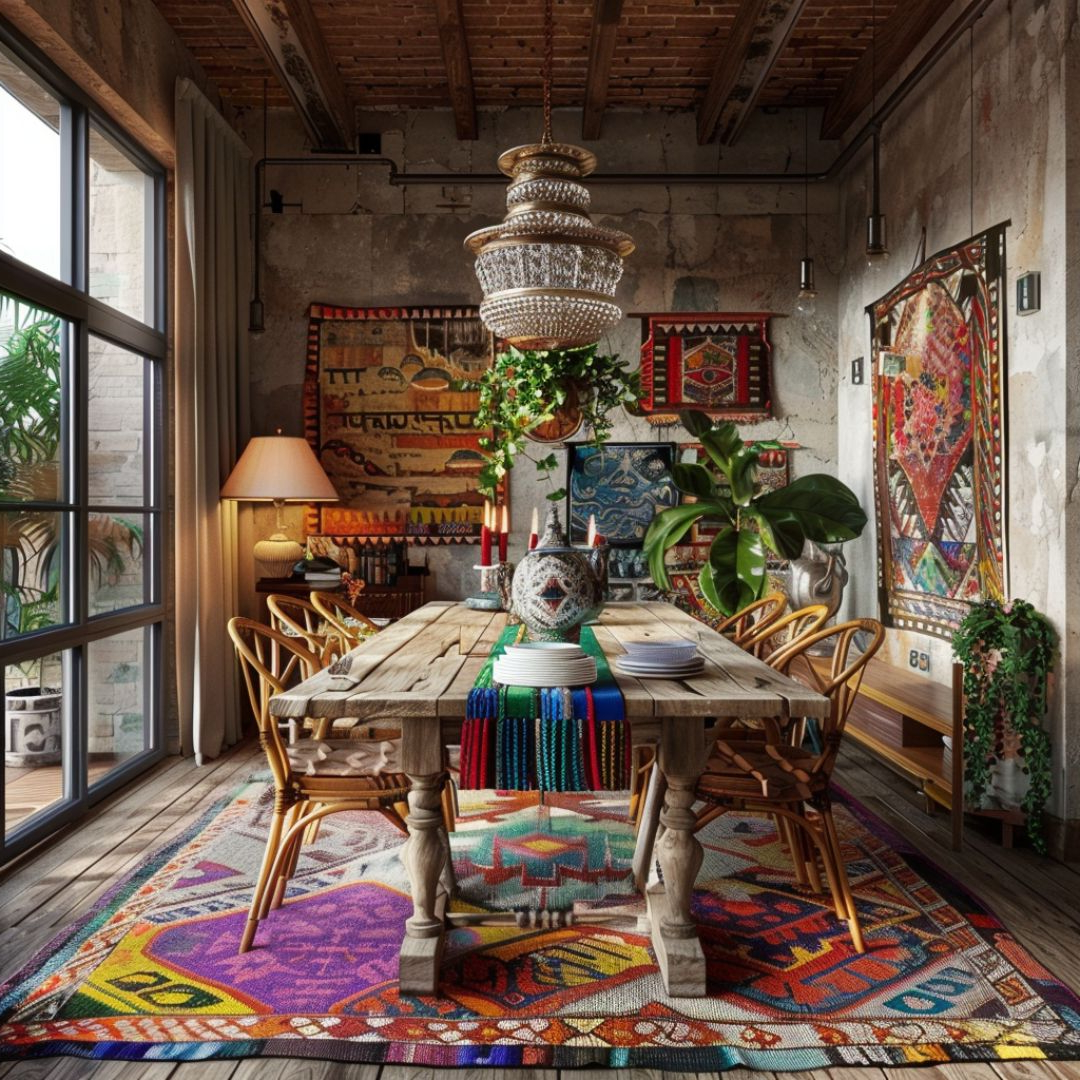
Contemporary design has rediscovered the power of natural elements to create warmth and visual interest. Wood, stone, and plants aren’t just decorative choices—they’re fundamental components of modern aesthetics. These materials bring organic textures that contrast beautifully with sleek surfaces and clean lines. A wooden dining table with stone accents creates a focal point that feels both sophisticated and grounded. The beauty of natural materials lies in their imperfections. Each piece tells a story through grain patterns, color variations, and subtle irregularities. This authenticity appeals to people seeking something genuine in their living spaces. Incorporating plants adds life and movement to rooms. Even small potted specimens can make a big difference in mood and air quality. The trend extends beyond individual items to entire design philosophies. Some homeowners are choosing to expose structural elements like brick walls or wooden beams as a way of celebrating raw materials. Others prefer to soften industrial elements with natural fabrics and organic shapes. Either approach creates spaces that feel alive rather than static.
Storage Solutions: Hidden Genius in Every Corner
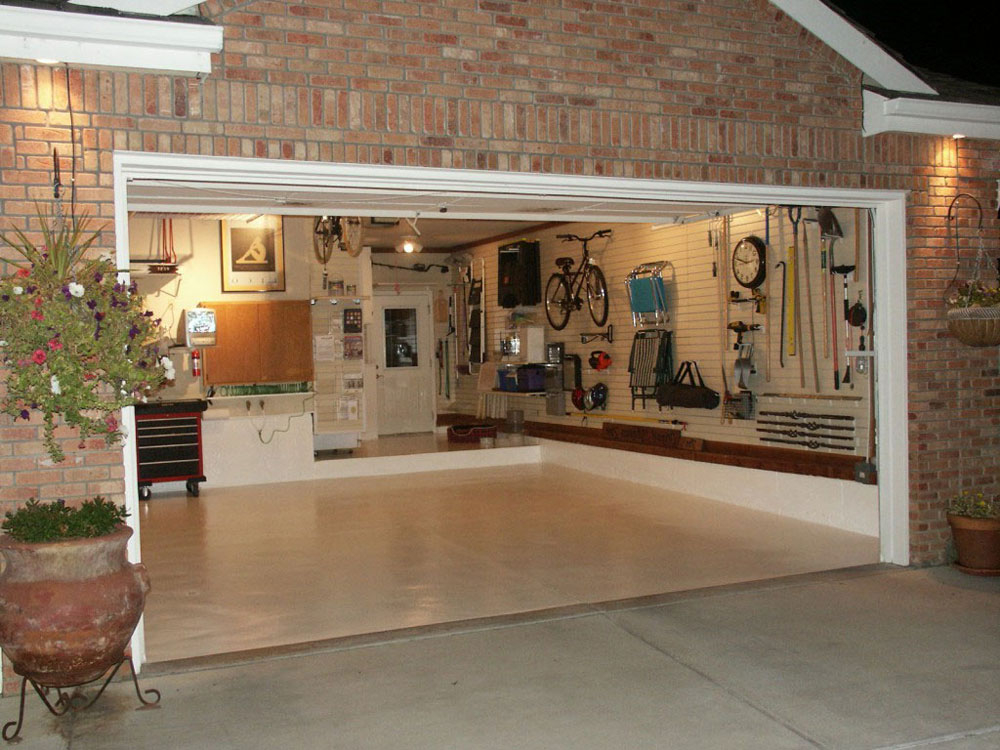
Functionality in contemporary design often hinges on effective storage solutions that remain invisible to casual observers. This philosophy has given rise to innovative approaches that make the most of every available space. Built-in cabinets that disappear into walls, under-stair storage, and hidden pantry areas exemplify this trend. The secret isn’t just having lots of storage—it’s having storage that works with your lifestyle. A well-designed closet system can save hours each week, while clever kitchen organization can streamline meal preparation. Modern storage solutions often feature adjustable shelves, pull-out drawers, and specialized containers that keep items easily accessible. The focus has shifted from simply hiding clutter to organizing it in ways that support daily routines. Some homeowners are even incorporating storage into furniture pieces themselves, such as ottomans with hidden compartments or coffee tables that double as storage units. This approach ensures that every item has its place and that the overall appearance remains uncluttered.
Lighting That Works With Your Life
Lighting has become one of the most important elements in contemporary home design. It’s no longer just about bright overhead fixtures—it’s about creating layered illumination that supports different activities and moods. Task lighting in kitchens and workspaces, ambient lighting for relaxation, and accent lighting to highlight architectural features all contribute to a well-designed environment. Smart lighting systems take this concept further by allowing adjustments based on time of day, season, or personal preference. Many modern homes feature dimmer switches throughout, giving homeowners control over atmosphere and energy usage. The right lighting can make a small room feel spacious, or transform a dull corner into a cozy reading nook. Color temperature plays a significant role too—warmer lights for evening relaxation and cooler tones for morning productivity. Some people even use lighting to signal different times of day, helping regulate sleep cycles and energy levels. The goal is creating spaces where light enhances rather than overwhelms daily activities.
Contemporary home design represents more than just a style—it’s a response to how we actually live today. These trends reflect our desire for spaces that are both beautiful and practical, elegant and functional. The best modern homes are those that seem effortless, as if they were designed to accommodate our lives rather than forcing us to adapt to them. Whether it’s through open layouts that encourage conversation, smart technology that simplifies daily tasks, or natural materials that ground us in authenticity, these design principles create environments that truly serve their inhabitants. The future of home design will likely continue evolving as our needs change, but the core principle remains constant: we want our homes to be places where we feel comfortable, productive, and inspired. These trends show us that achieving this balance is not only possible but increasingly common in today’s housing market. As we move forward, we’ll see even more creative solutions that push the boundaries of what’s possible in residential design.