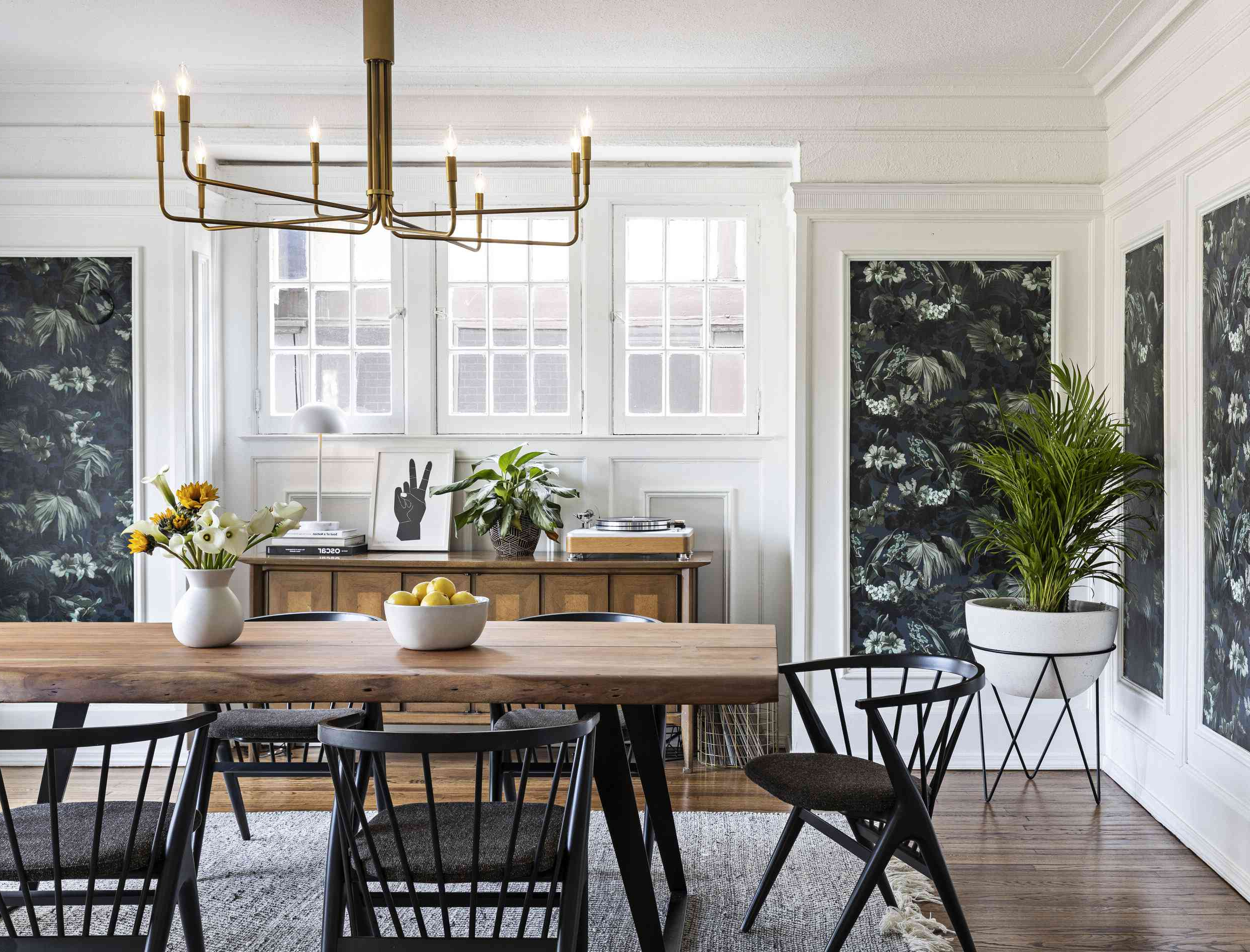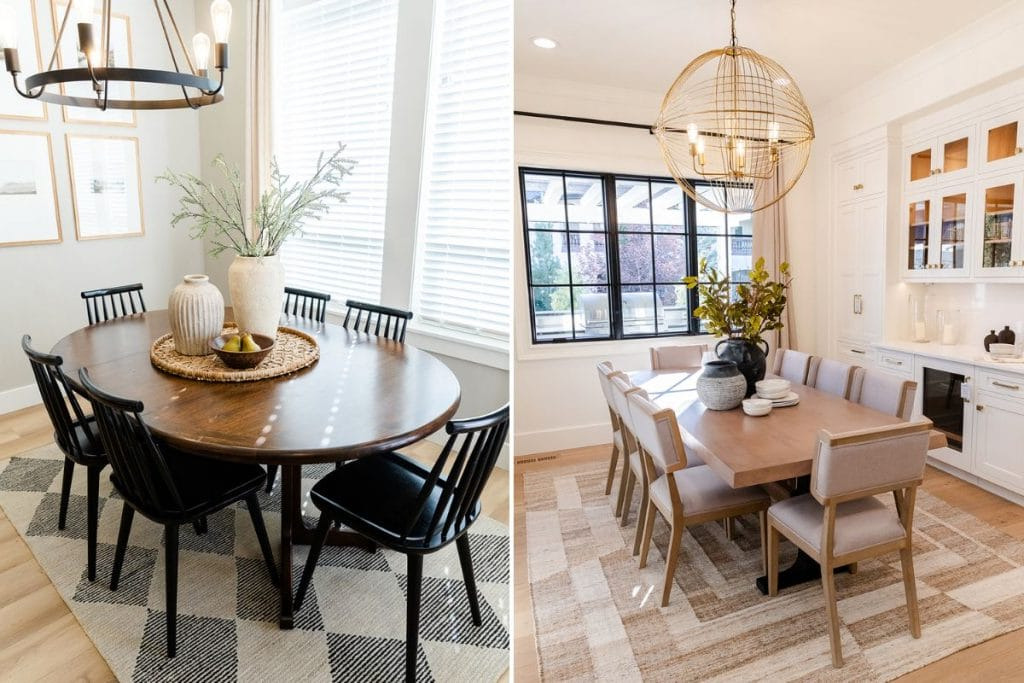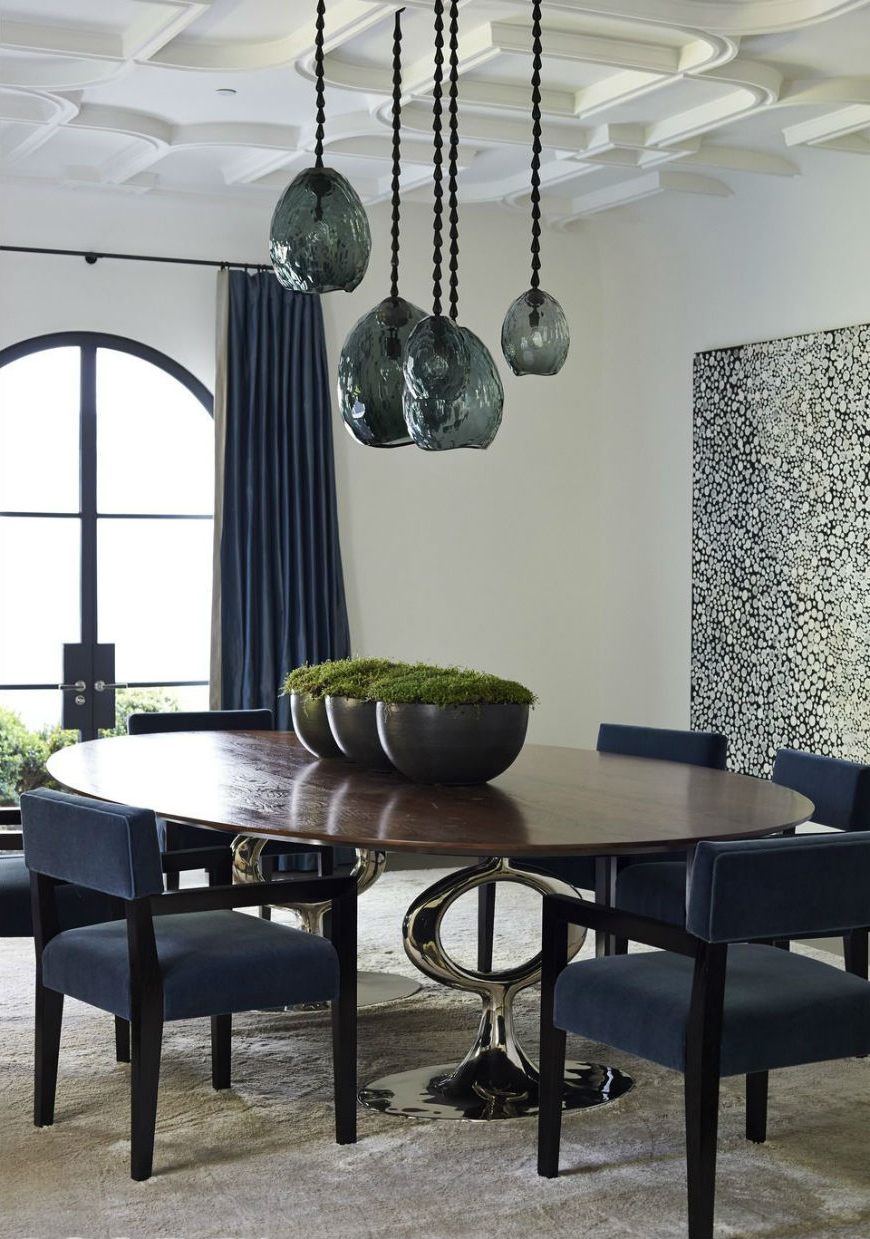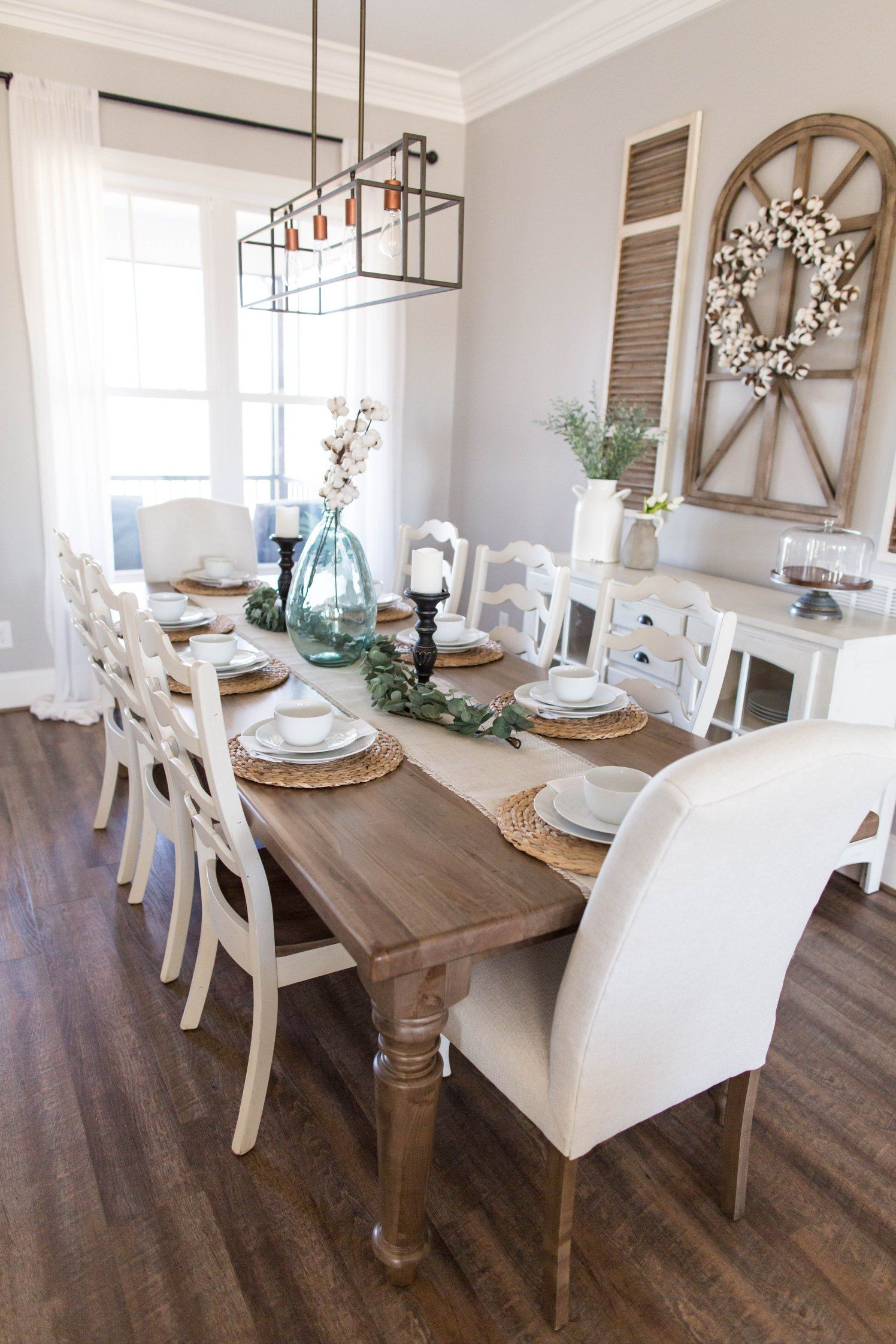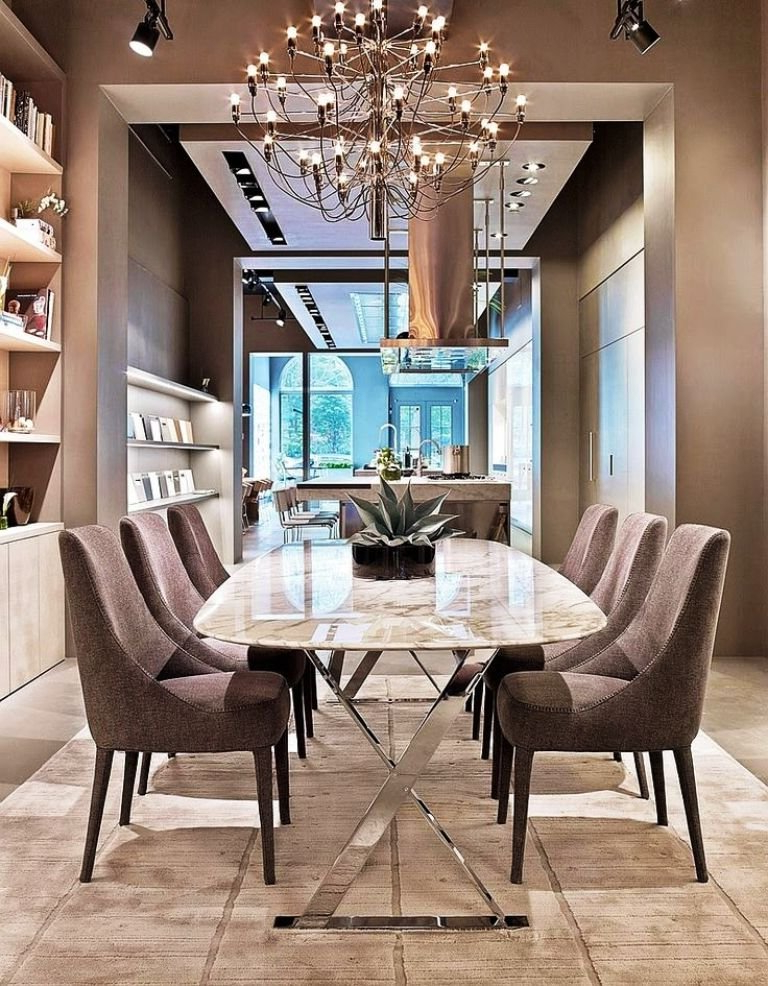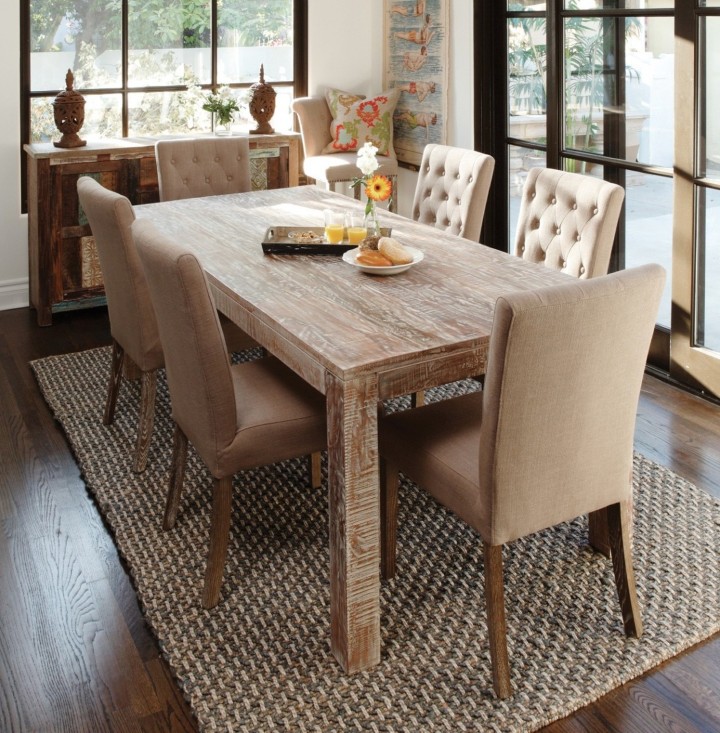
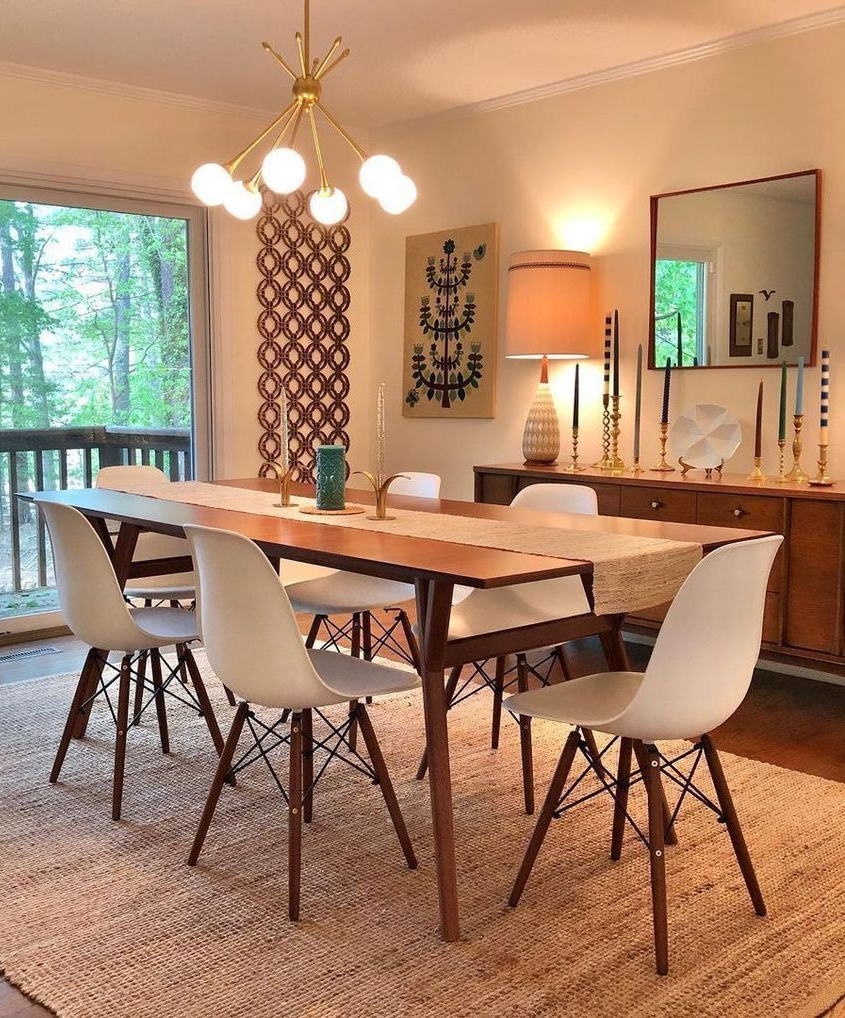
Picture this: you’re sitting down for dinner with family and friends, the table before you is both beautiful and functional, every element serves a purpose while still looking stunning. That’s the magic of contemporary dining room table settings that balance form and function. It’s not just about having pretty plates and fancy silverware anymore. Today’s dining spaces demand thoughtful consideration of both beauty and utility. What if we could have tables that feel elegant yet practical? What if your dining setup could make mealtime easier while still feeling luxurious?
In today’s fast-paced world, our dining rooms serve as more than just places to eat. They’ve become the heart of our homes, where memories are made, conversations flow, and meals become experiences. The modern dining table setting isn’t just about looking good – it’s about creating an environment where both aesthetics and practicality work hand-in-hand. This balance between form and function might seem tricky to achieve, but it’s absolutely possible when you understand the key principles behind contemporary dining room design. Think about how many times you’ve sat down at a table that looked incredible but was nearly impossible to navigate during a busy family dinner. Or perhaps you’ve experienced the opposite – a perfectly functional setup that felt completely lacking in style. The secret lies in understanding that these two elements aren’t competing against each other, they’re meant to complement one another.
The Foundation of Modern Dining Design
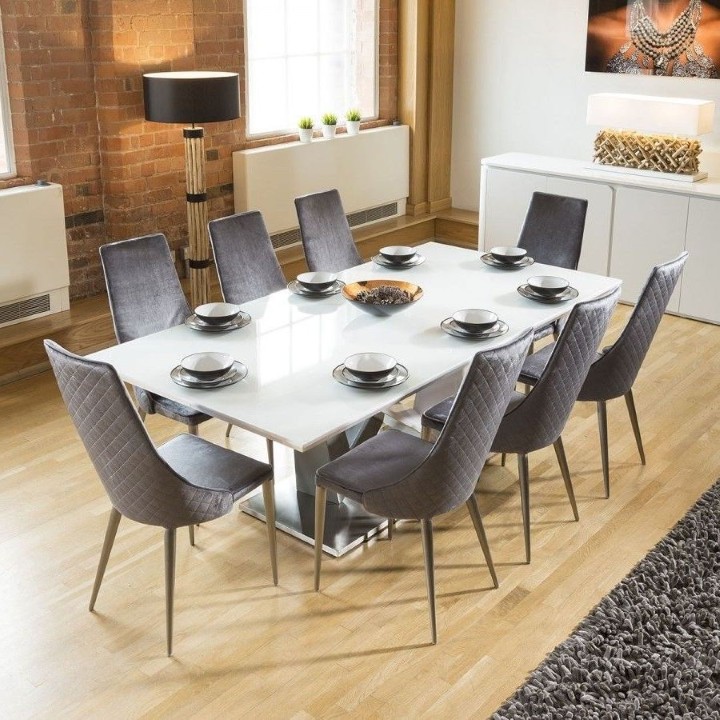
Before diving into specific elements, it’s crucial to understand what makes a contemporary dining table setting truly effective. The foundation starts with knowing your space. Is your dining area intimate with four seats or spacious enough for twelve guests? Are you hosting casual weeknight dinners or special occasions? These factors shape everything else. Consider the size of your dining table first. A small bistro table might call for minimalistic settings, while a large farmhouse-style table can accommodate more elaborate arrangements. The shape matters too – round tables often allow for better conversation flow, while rectangular tables provide more defined seating areas. Think about how people move around the table. Will they need easy access to their plates, or will they be serving themselves from shared dishes? Understanding these basics helps establish a framework that supports both beauty and practicality.
Key considerations:
• Table dimensions and capacity
• Seating arrangement and movement
• Frequency of use
• Occasion variety
• Available storage space
Choosing the Right Tableware for Everyday Life
This is where many people get tripped up – they think beautiful dishes mean complicated maintenance. Actually, the best contemporary settings use tableware that works well in daily life. Opt for pieces that are durable but still visually appealing. You don’t need to sacrifice style for ease of cleaning. Look for materials that are dishwasher safe but have a sophisticated look. Porcelain remains popular because it’s elegant yet robust. Stoneware offers a more casual yet still refined appearance. Consider the color palette carefully – neutral tones like white, cream, or soft gray provide versatility and timeless appeal. They work well whether you’re having a quiet dinner or hosting guests. For those who prefer bold statements, choose one accent color and keep everything else neutral. This approach allows for visual interest without overwhelming the overall setting.
Practical tips:
• Select pieces that can handle daily wear
• Choose colors that match your kitchen and living spaces
• Consider multipurpose items
• Invest in quality basics rather than trendy pieces
• Mix textures for visual depth
Lighting That Sets the Perfect Mood
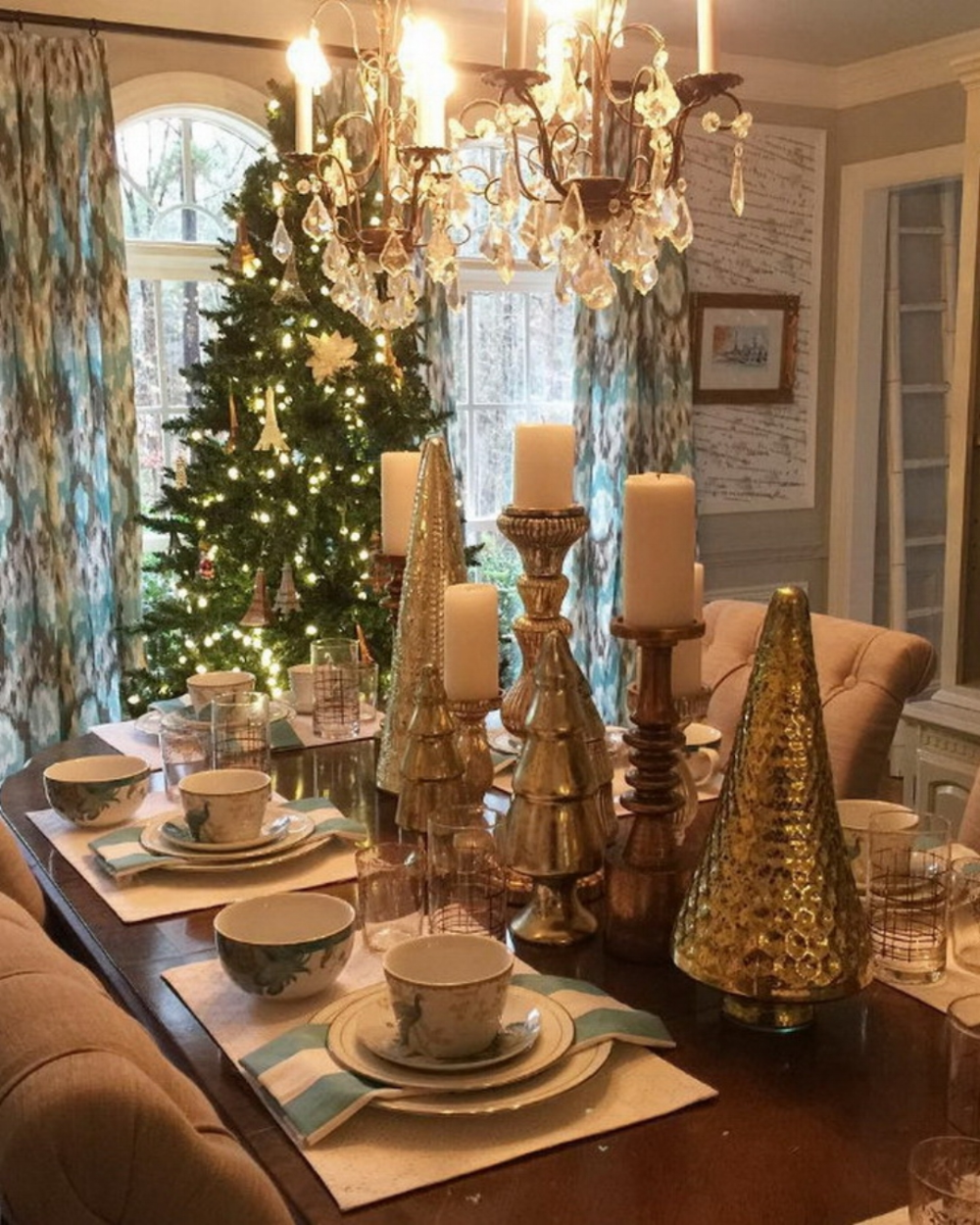
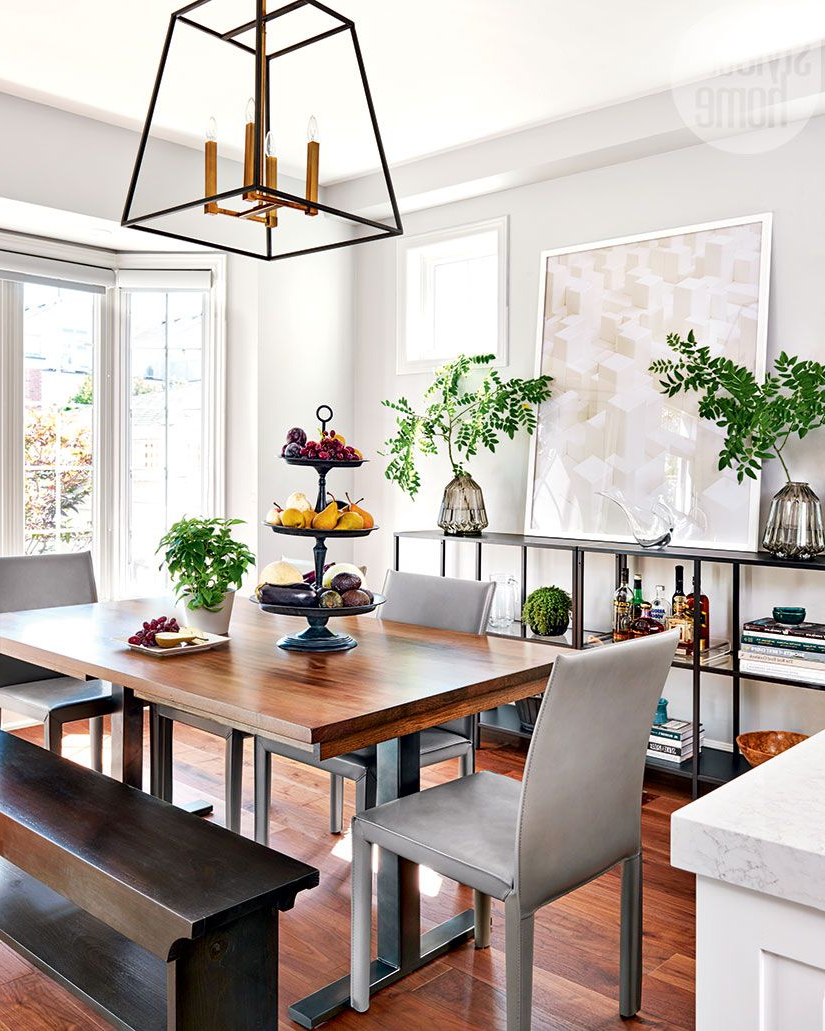
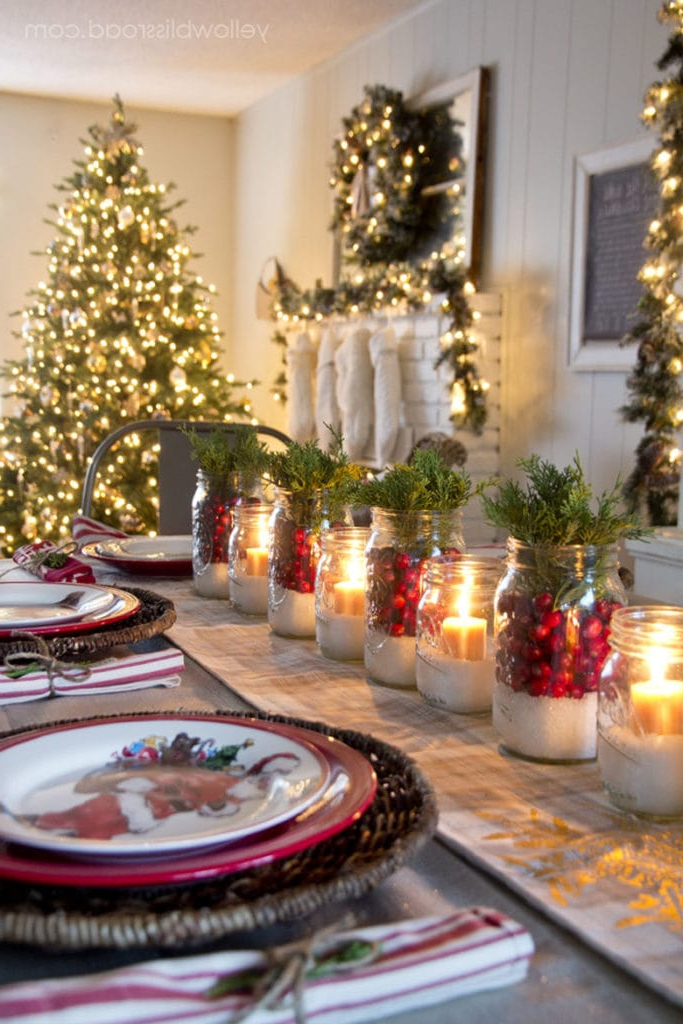
Lighting plays a crucial role in how a dining space feels and functions. The right lighting can transform a simple table setting into an inviting atmosphere. Pendant lights above the table create focused illumination for eating while adding architectural interest. The height matters – lights should hang low enough to provide adequate light but high enough to avoid shadows on plates. Consider dimmer switches that let you adjust the mood from bright and cheerful to soft and romantic. For smaller spaces, consider wall sconces that provide ambient light without taking up valuable table space. Natural light during the day adds warmth and energy, but it’s equally important to plan for evening use. Candles offer a classic touch that brings warmth and intimacy. They’re particularly effective for special occasions but can also enhance regular dinners when used thoughtfully.
Key lighting elements:
• Central pendant lights for focused dining light
• Ambient wall lighting for overall atmosphere
• Adjustable dimming options
• Natural light integration
• Candles for special moments
Seating Arrangements That Work for Everyone
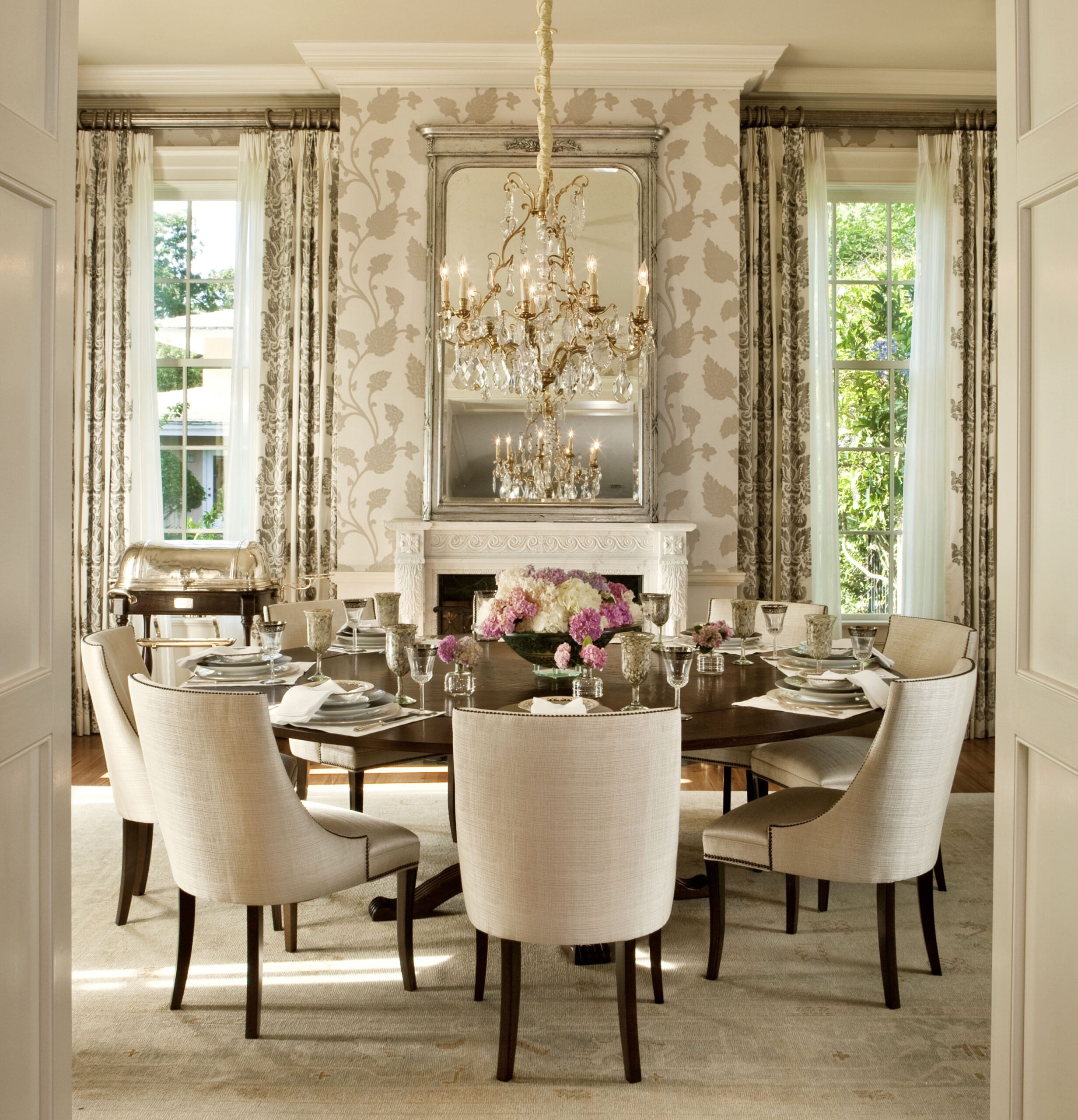
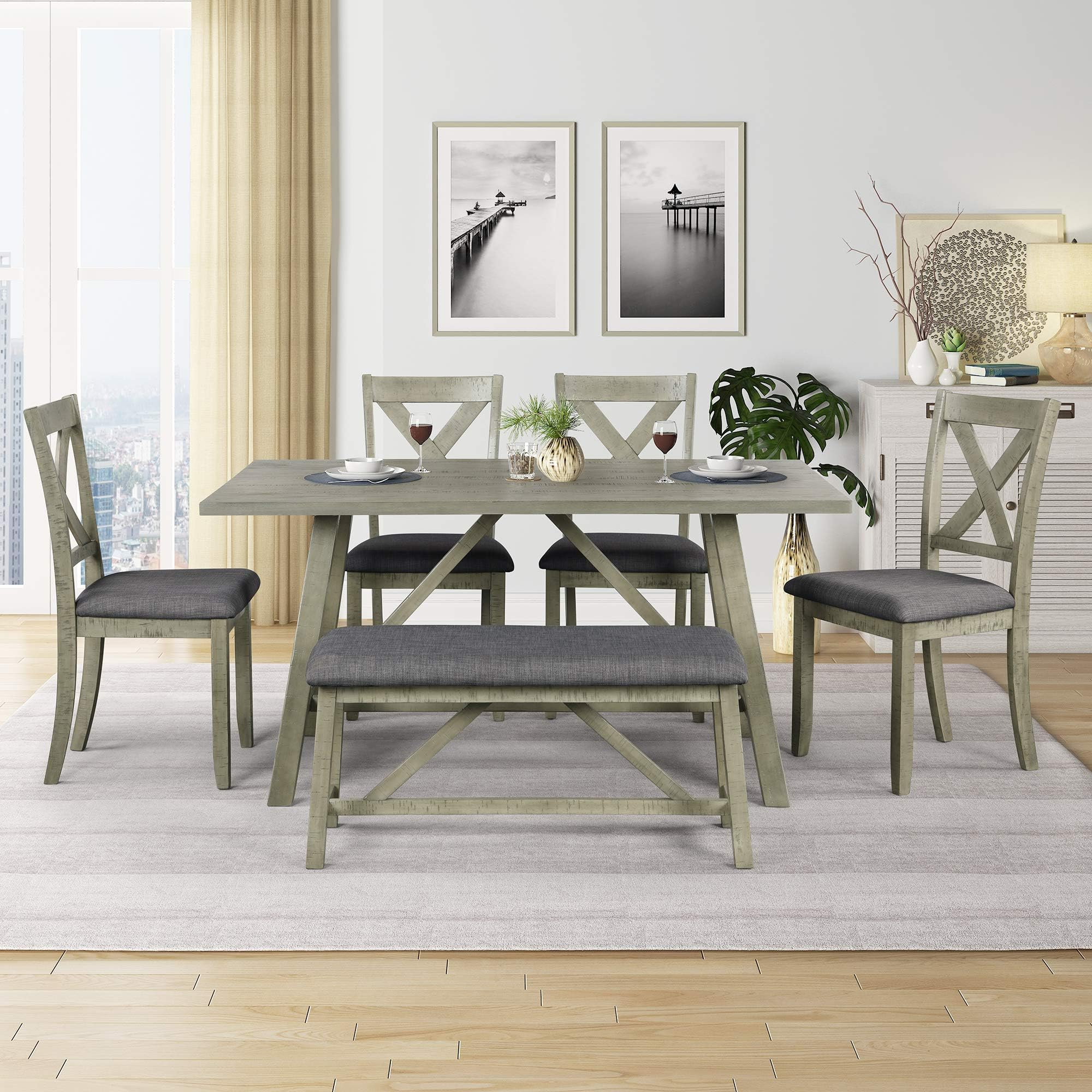
The way people sit around your dining table affects both comfort and functionality. Good seating design considers not just physical comfort but also social dynamics. For intimate gatherings, ensure there’s enough space between chairs for comfortable movement. In larger groups, consider the flow of conversation. Are people facing each other across the table, or are they arranged in a more casual manner? The positioning of chairs also impacts how easily people can reach their food and drinks. For example, placing chairs closer to the center of the table creates a more intimate circle, while spacing them further apart allows for more personal space and easier movement. Don’t forget that some people may have mobility challenges – designing for accessibility shows thoughtfulness and consideration. A well-thought-out seating arrangement makes everyone feel welcome and comfortable, which directly impacts how enjoyable the dining experience becomes.
Important seating factors:
• Comfortable back support
• Adequate legroom
• Easy access to table surface
• Conversation flow
• Accessibility for all guests
Storage Solutions That Keep Things Organized
One of the biggest challenges in maintaining a beautiful dining setting is keeping it organized. Without proper storage solutions, even the most attractive tableware can quickly become a mess. Think about where you’ll store your serving pieces, extra utensils, and seasonal decorations. Built-in cabinetry provides a clean, seamless look while offering plenty of storage space. If you prefer freestanding options, consider sideboards or buffets that can hold everything from serving dishes to linens. The key is to keep frequently used items easily accessible while storing less-used pieces out of sight. This approach prevents clutter from overwhelming the dining area. Also, consider multi-functional furniture pieces that can serve multiple purposes. A console table can hold both decorative elements and practical items like napkin holders or salt shakers. Having designated spots for everything means you won’t spend time looking for missing pieces during dinner parties.
Effective storage strategies:
• Designated spots for all items
• Multi-purpose furniture solutions
• Easy access for frequently used pieces
• Seasonal rotation systems
• Hidden storage for special occasion items
Creating Visual Balance Through Strategic Placement
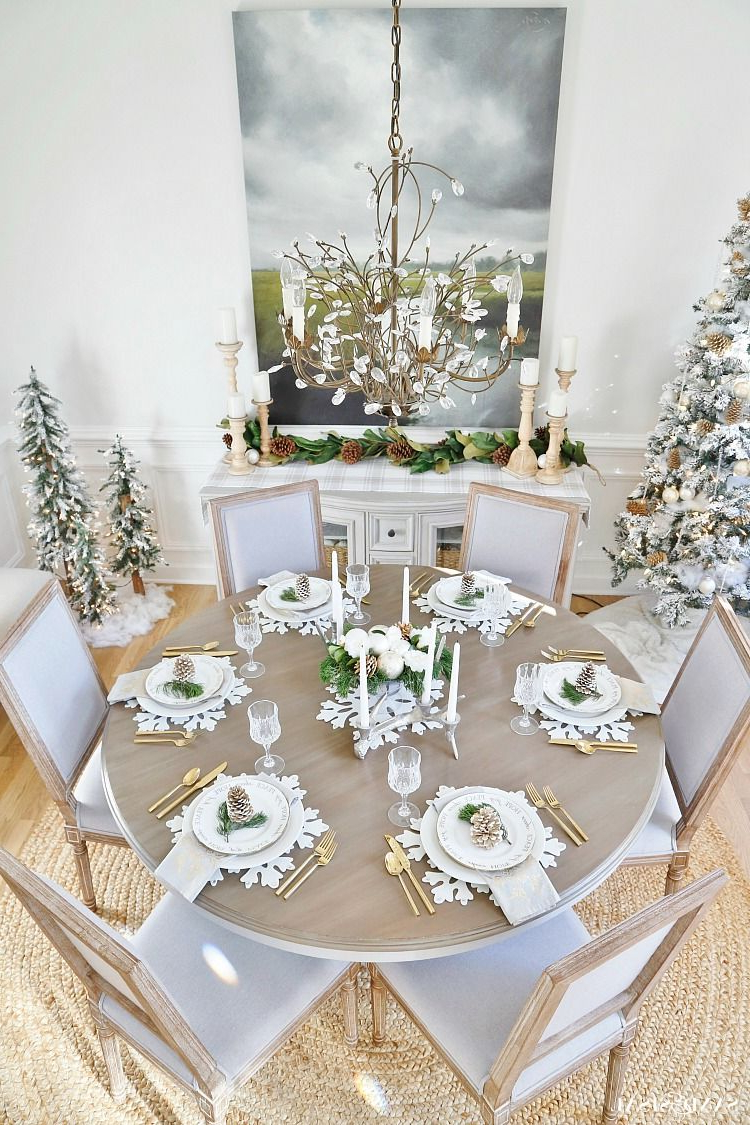
The final piece of the puzzle is understanding how to arrange elements so they work together harmoniously. Visual balance isn’t about symmetry – it’s about creating an eye-catching yet comfortable arrangement. Start by considering the focal point of your dining area. This might be a statement centerpiece, a beautiful chandelier, or even a stunning view through a window. Everything else should complement this focus without competing with it. When arranging table settings, think about how different heights and textures interact. Tall candles next to shorter vases create visual interest, while mixing metals like brass and silver adds sophistication. Keep the center of the table clear for conversation, but add subtle touches that enhance the overall aesthetic. Small details matter – a fresh flower arrangement, carefully placed napkins, or well-positioned utensils all contribute to the feeling of thoughtfulness and care. The goal is to make everything feel intentional, not forced.
Balance principles:
• Focal point placement
• Height variation in arrangements
• Texture and material contrast
• Negative space utilization
• Proportional relationships between elements
Making It Work for Your Lifestyle
Ultimately, the most successful dining room table settings adapt to your lifestyle rather than forcing you to change it. If you’re a busy parent with young children, prioritize durability over delicacy. If you entertain frequently, invest in pieces that can handle regular use while maintaining their appearance. For those who prefer quiet dinners, focus on creating a serene environment with soft lighting and calming colors. People who love entertaining should consider how their setting can accommodate guests comfortably. The key is matching your choices to your actual needs and preferences. Don’t try to create a setting that looks perfect in photos but is impractical for your daily routine. Your dining space should enhance your life, not complicate it. Whether you’re preparing for a romantic dinner or a family game night, your table setting should reflect your priorities and values. Sometimes the most beautiful setting is simply one that works well for the people who use it regularly.
The Future of Contemporary Dining Room Design
Looking ahead, we’re seeing trends that emphasize sustainability and multifunctionality. More people are choosing pieces that can evolve with changing needs and seasons. Eco-friendly materials are becoming increasingly popular, reflecting growing environmental awareness. Smart technology integration is also starting to appear in dining spaces, from LED lighting that changes color to apps that help manage meal planning. The concept of ‘flexible dining’ is gaining traction, where spaces can easily transition from formal dining to casual lounging. We’re also seeing a return to natural materials and handmade elements that bring warmth and authenticity to modern interiors. The future of dining room design will continue to blend traditional craftsmanship with contemporary innovation, always focusing on what works best for people’s lives. As tastes evolve, the core principle remains the same: beautiful spaces that serve us well.
Creating a contemporary dining room table setting that balances form and function isn’t about following rigid rules or expensive purchases. It’s about thoughtful consideration of how your space will actually be used and what makes you feel good during mealtime. Whether you’re planning a small intimate dinner or hosting a large gathering, the principles remain consistent. Start with understanding your space and your lifestyle, then build from there. Choose pieces that are both beautiful and practical, arrange them thoughtfully, and don’t forget to consider the little things that make a big difference. Remember, the goal isn’t perfection – it’s creating a dining experience that feels right for you and your family. After all, the best table settings are those that make every meal feel special, whether it’s a quick weekday dinner or a celebratory feast. So take your time, experiment with different combinations, and trust your instincts. Your dining room deserves a setting that reflects both your style and your practical needs.