Every chef knows that good ventilation makes all the difference in a kitchen. Whether you’re a casual cook who loves stir-frying or a serious home chef who throws dinner parties, your kitchen hood needs to match your lifestyle. But with so many options out there, choosing the right one can feel overwhelming. Let’s walk through what really matters when picking a modern kitchen hood.
Think about it—how often do you notice that smell lingering after a big meal? Or see those stubborn grease spots on your ceiling? That’s the sign that your kitchen ventilation isn’t doing its job. A good kitchen hood isn’t just about looking fancy—it’s about keeping your space clean, safe, and comfortable. The right hood can make the difference between a pleasant cooking experience and a frustrating mess. This guide will help you navigate the world of modern kitchen hoods so you can make a smart choice that fits your unique needs.
Understanding Your Cooking Habits
Before diving into hood types, take a honest look at what you actually cook. Do you frequently fry, roast, or steam? What kind of dishes do you make? These details matter more than you might think. If you’re someone who regularly makes spicy curries or deep-fries fish, you’ll want something with strong suction power. On the other hand, if you mostly bake or simmer, a gentler option might be better.
Consider how often you cook and how much time you spend in the kitchen. Are you a weekend warrior who cooks for family gatherings, or do you cook every day? Your answer helps determine whether you need a quiet model or one that can handle high-volume cooking sessions. For example, a professional-style range hood works great for frequent, heavy-duty cooking, while a simple wall-mounted unit might be enough for light daily meals.
Measuring Your Kitchen Space
Size isn’t just about how big your kitchen is—it’s about how well your hood fits the layout. You need to measure carefully before buying anything. Start by measuring the width of your cooktop and ensuring the hood extends at least six inches beyond each side. That way, it captures all the smoke and steam effectively. For bigger kitchens, a larger hood may be necessary, but don’t go overboard unless you have a lot of cooking space.
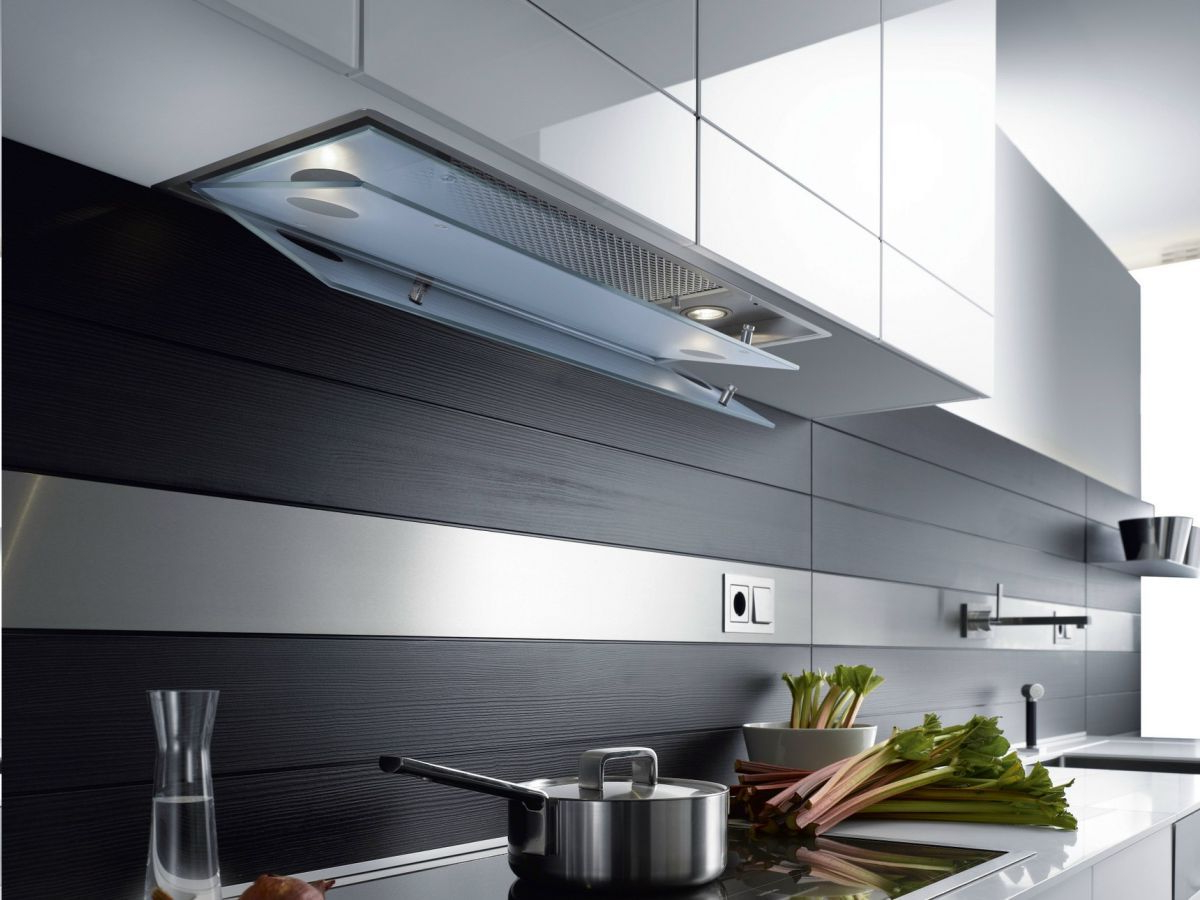
Also consider ceiling height and placement. If you have low ceilings, a flush mount hood might work better than a traditional overhead model. And don’t forget about clearance requirements. Most manufacturers require at least 30 inches of clearance above the stove, but some models can work with less if properly installed. Always double-check these measurements before making a purchase.
Types of Kitchen Hoods Explained
There are several kinds of kitchen hoods available today, each with its own strengths. The most common are:
• Range Hoods: These sit directly over the stove and come in various styles like island, wall-mounted, and built-in. They offer powerful extraction and are great for heavy cooking.
• Wall-Mounted Hoods: These are attached to the wall and usually have a sleek profile. They work well in smaller spaces and can blend nicely with modern décor.
• Island Hoods: Designed specifically for island cooktops, these are typically larger and more decorative. They’re perfect for open-concept kitchens where you want both function and style.
• Downdraft Hoods: These pull air downward instead of upward, making them ideal for homes with limited ceiling height or where you want to avoid visible hoods. However, they tend to be less effective at capturing smoke and odors compared to traditional updraft systems.
Each type has its own pros and cons, and understanding which fits your setup best is key.
Power and Performance Considerations
When it comes to performance, look for airflow ratings measured in cubic feet per minute (CFM). Higher CFM numbers mean more powerful extraction. For average cooking, a hood with 300-600 CFM should suffice. But if you’re doing a lot of frying or roasting, aim for 600+ CFM.
It’s also important to check noise levels. A hood that’s too loud can ruin your cooking experience. Look for models with variable speed controls and quieter operation modes. Some newer hoods even feature smart sensors that adjust automatically based on cooking intensity.
Don’t overlook filters either. These need regular cleaning or replacement to keep your hood working efficiently. Carbon filters are great for odor control, while baffle filters work better for grease removal. Choose based on your cooking habits and maintenance preferences.
Design and Aesthetics Matter
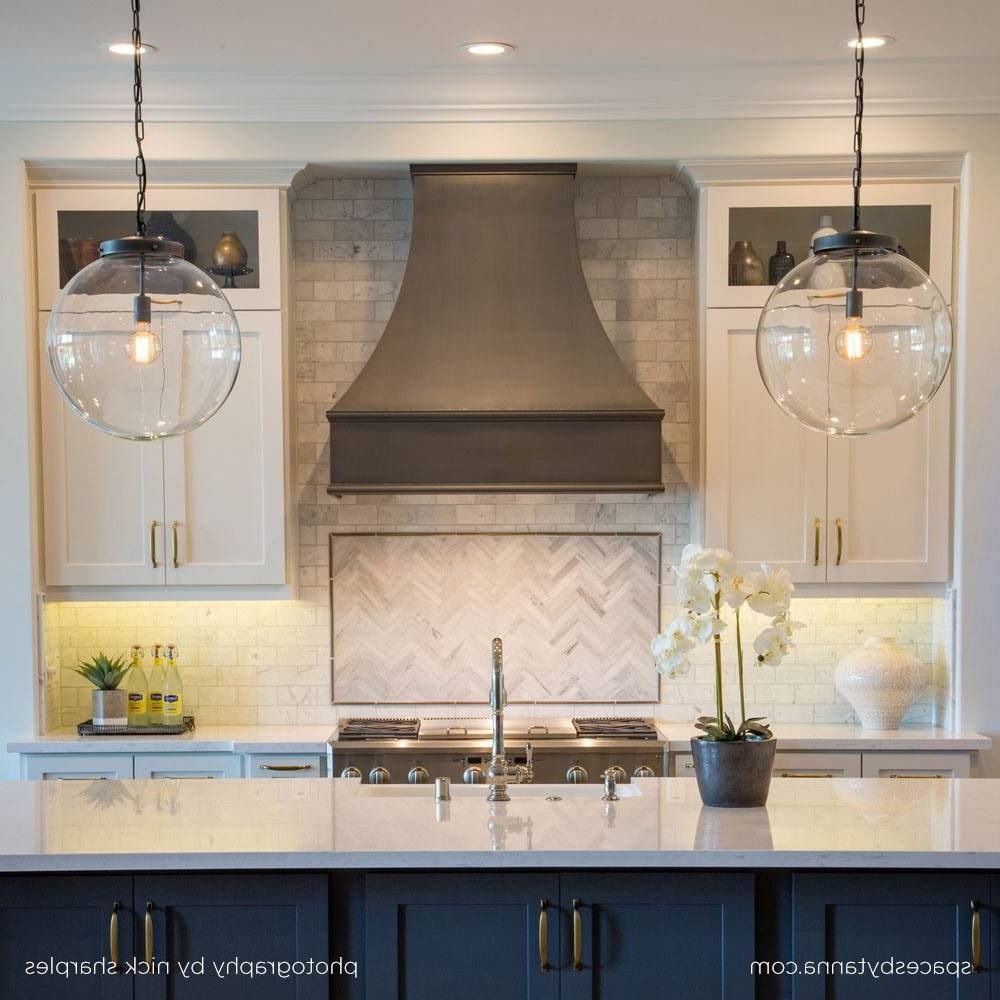
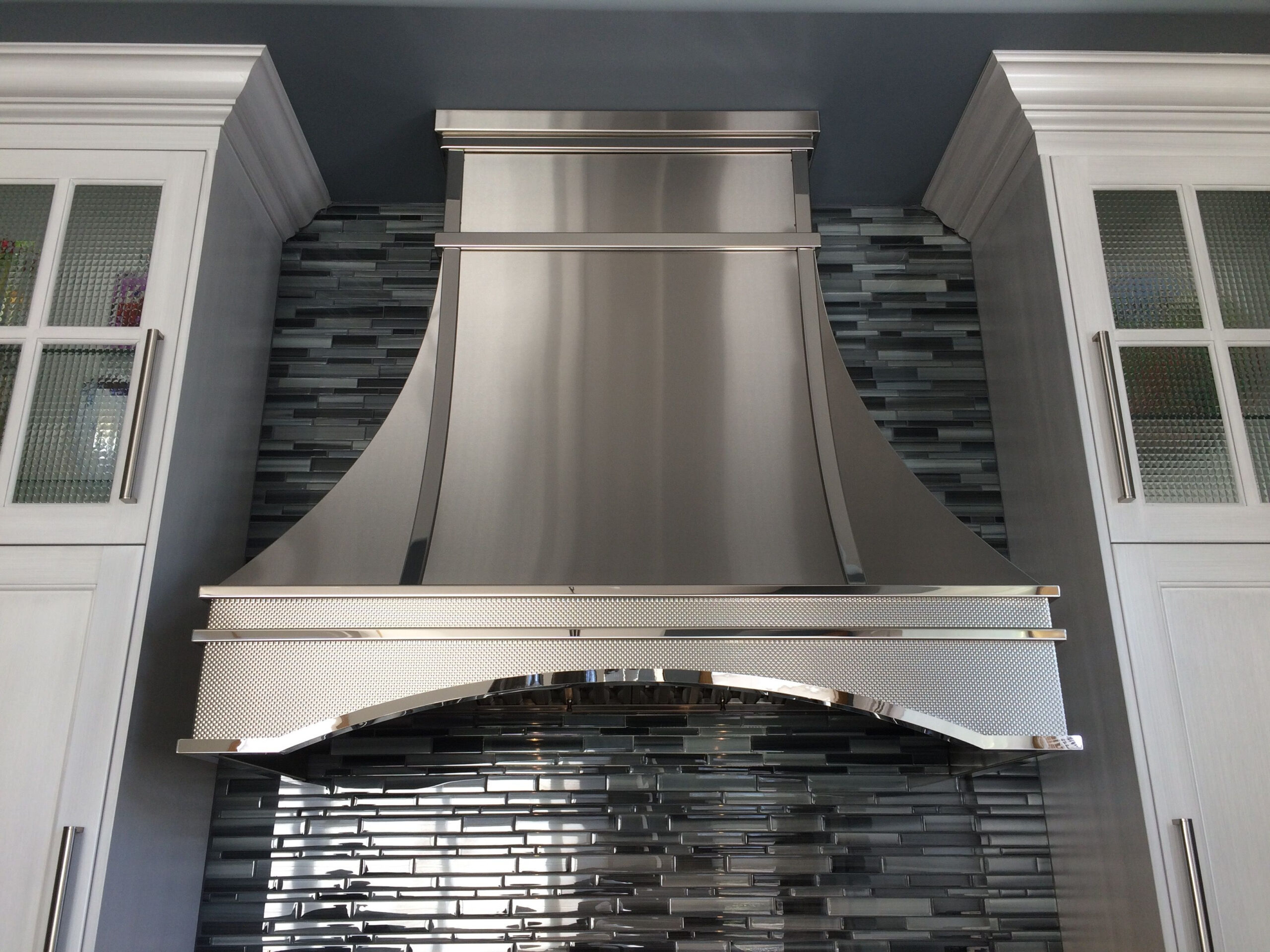
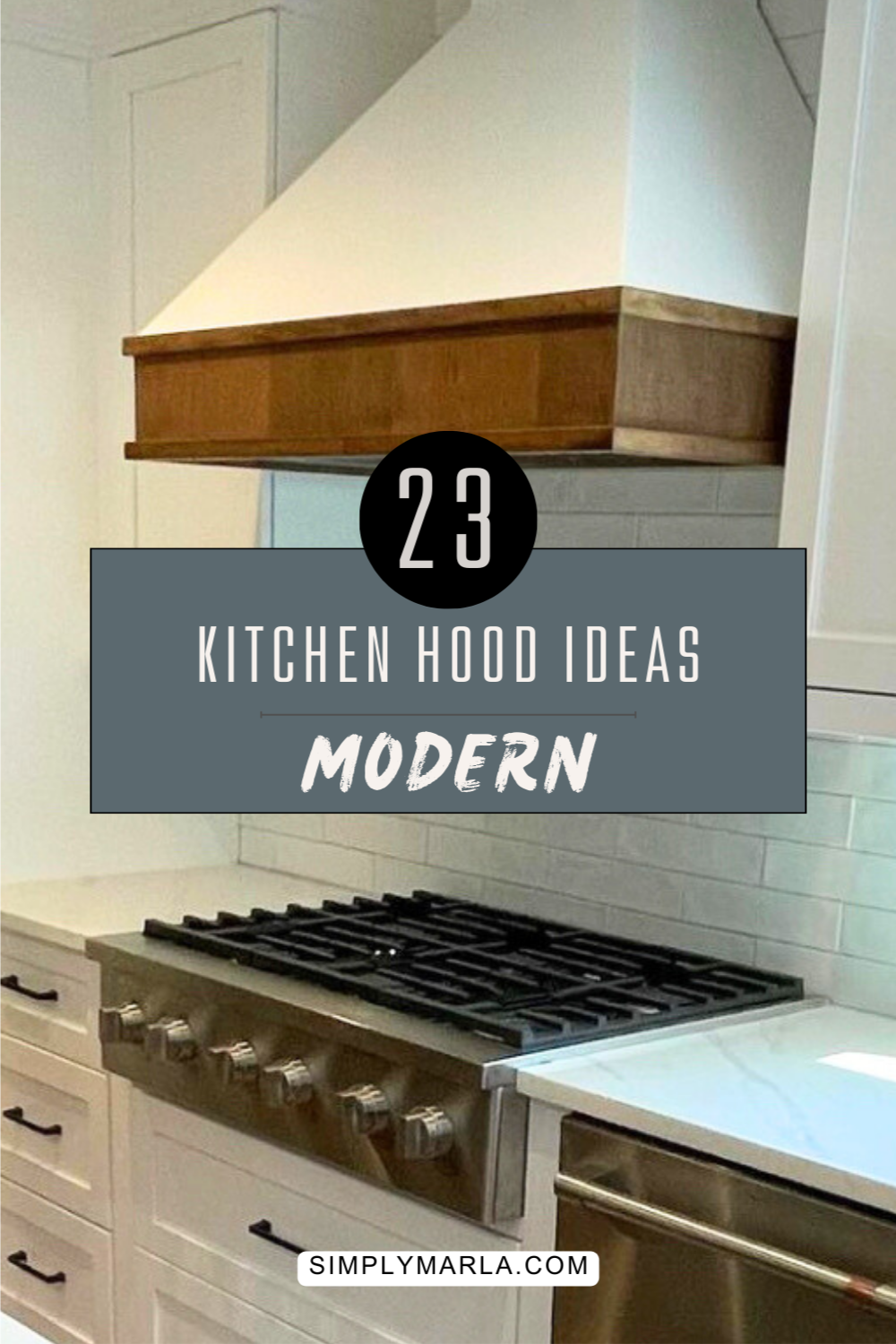
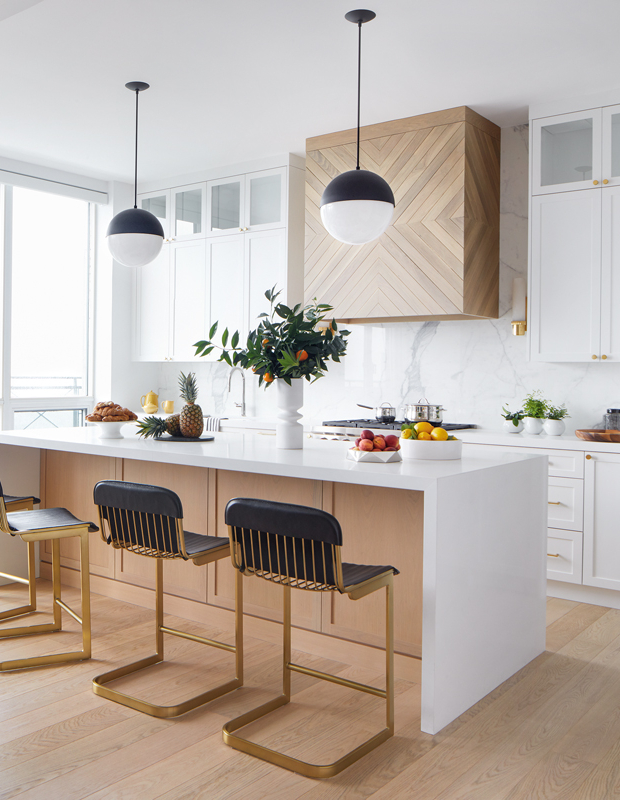
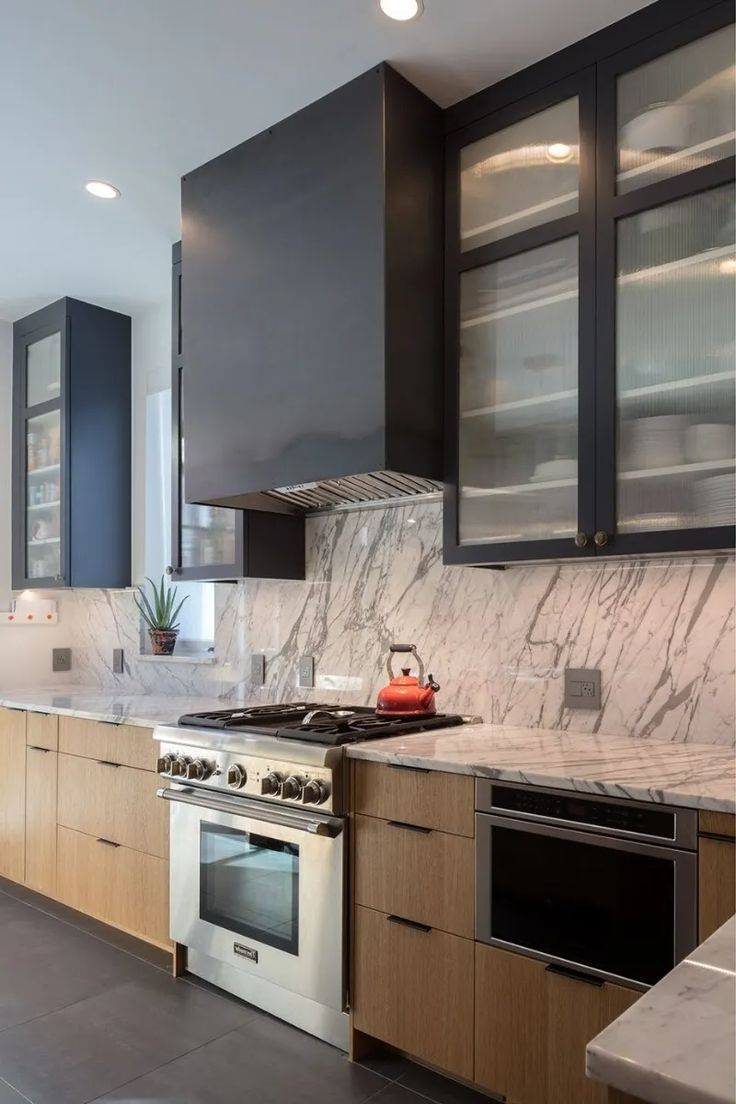
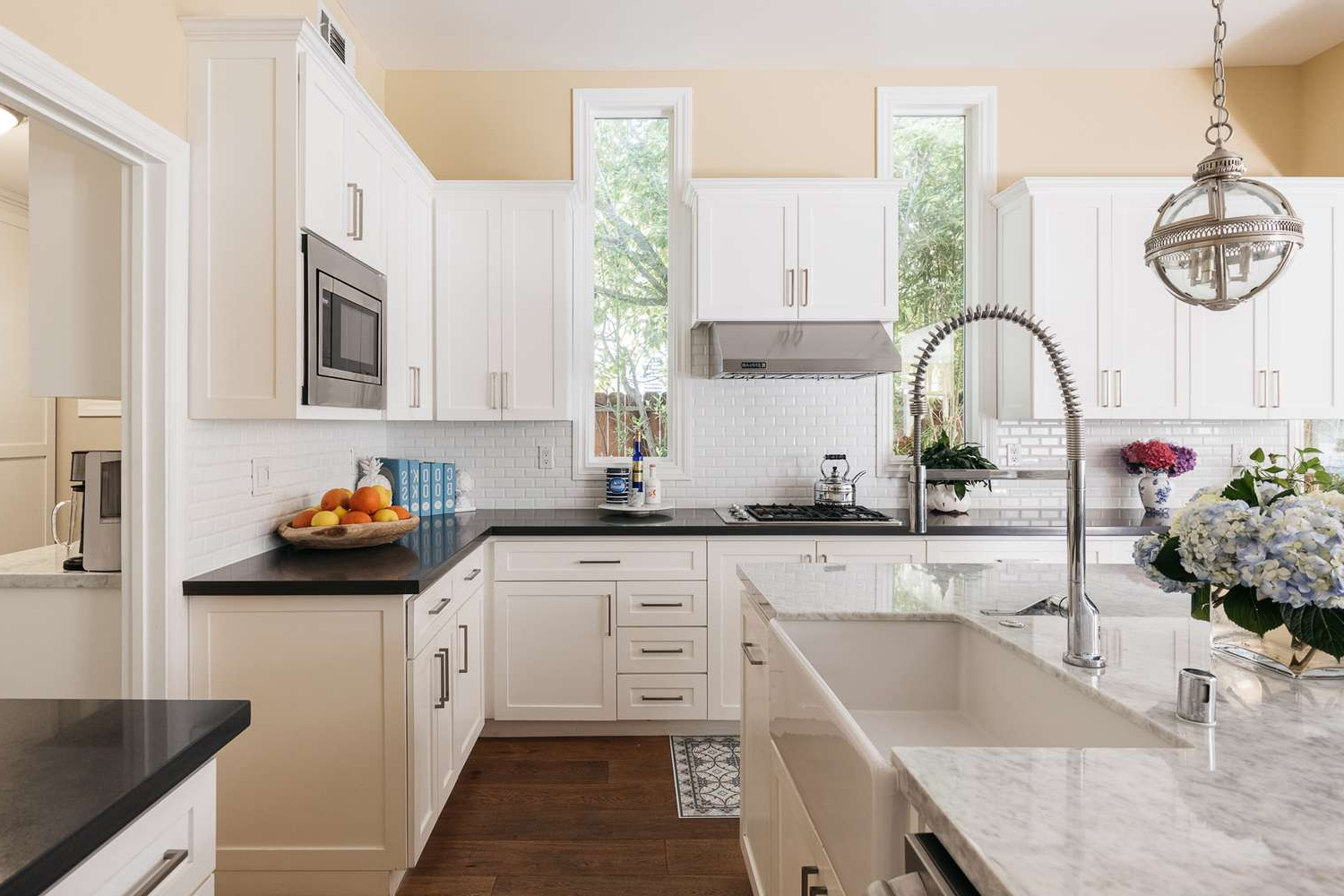
Let’s face it—your kitchen hood is part of your room’s design. It shouldn’t just function well; it should look good too. Modern designs come in many finishes including brushed steel, matte black, white, and even wood tones. Think about how it will blend with your cabinets, countertops, and overall style.
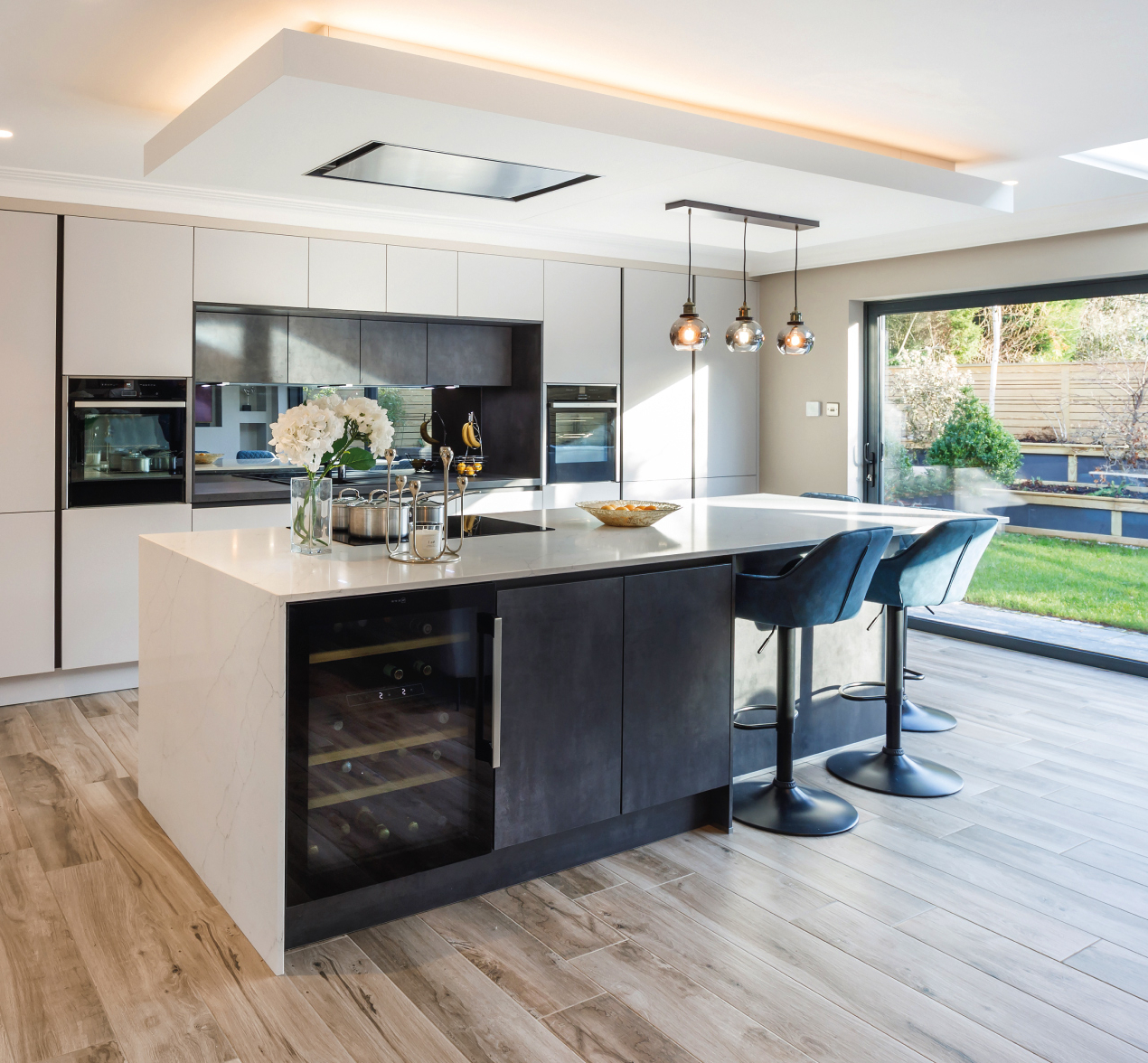
Some hoods are designed to be hidden within cabinetry, creating a seamless look. Others are bold statements that draw attention. If you’re renovating, consider how the hood will fit into your new aesthetic. Matching it with your existing fixtures can make a huge difference in the final result.
Lighting is another important aspect. Many modern hoods include LED lights that provide excellent illumination for cooking tasks. These lights can be dimmed or adjusted for different moods, making them practical and stylish.
Installation and Maintenance Tips
Installing a kitchen hood properly is crucial for performance and safety. While some models are DIY-friendly, others require professional installation, especially if you’re dealing with electrical wiring or complex ductwork. Check the manufacturer’s instructions carefully and consider hiring a pro if you’re unsure.
Once installed, maintaining your hood is simple but essential. Regular cleaning prevents buildup that reduces efficiency. Most hoods have removable filters that should be cleaned monthly or as recommended by the manufacturer. For tough grease stains, a degreaser spray works wonders.
Keep an eye on the motor and fan components too. If you notice unusual noises or reduced performance, it might be time for service. Many hoods come with warranties, so don’t hesitate to contact the manufacturer if something seems off.
Choosing the right kitchen hood is more than just picking something that looks nice. It’s about finding a solution that matches your cooking habits, fits your space, and works with your lifestyle. Take your time to assess your needs, measure carefully, and consider both form and function. Whether you’re a busy home cook or someone who loves to entertain, the perfect hood can transform your kitchen from a place of chaos to one of calm efficiency. With the right information, you’ll be able to make a confident decision that brings comfort and functionality to your cooking space. Remember, a good hood isn’t just a gadget—it’s an investment in your home and your enjoyment of cooking.
[sps_html tag=”img” src=”https://roofdrivein.com/wp-content/uploads/2026/01/23-best-kitchen-hood-ideas-modern-kitchen-hood-ideas-modern-kitchen-within-modern-kitchen-hood-ideas.png” alt=”23 Best Kitchen Hood Ideas Modern | Kitchen Hood Ideas, Modern Kitchen … within Modern Kitchen Hood Ideas” style=”width: 100%; height: auto;”]
[sps_html tag=”img” src=”https://roofdrivein.com/wp-content/uploads/2026/01/10-kitchen-hood-design-daybedtru-blog-within-modern-kitchen-hood-ideas.jpg” alt=”10 Kitchen Hood Design - Daybedtru Blog within Modern Kitchen Hood Ideas” style=”width: 100%; height: auto;”]
[sps_html tag=”img” src=”https://roofdrivein.com/wp-content/uploads/2026/01/house-home-70-kitchen-vent-hood-ideas-for-your-next-reno-with-regard-to-choosing-the-right-modern-kitchen-hood-for-your-cooking-style-and-space.jpg” alt=”House & Home - 70 Kitchen Vent Hood Ideas For Your Next Reno with regard to Choosing the right modern kitchen hood for your cooking style and space” style=”width: 100%; height: auto;”]
[sps_html tag=”img” src=”https://roofdrivein.com/wp-content/uploads/2026/01/40-kitchen-vent-range-hood-designs-and-ideas-artofit-throughout-modern-kitchen-hood-ideas-scaled.jpg” alt=”40 Kitchen Vent Range Hood Designs And Ideas – Artofit throughout Modern Kitchen Hood Ideas” style=”width: 100%; height: auto;”]
[sps_html tag=”img” src=”https://roofdrivein.com/wp-content/uploads/2026/01/5-stylish-hoods-for-modern-kitchens-pertaining-to-choosing-the-right-modern-kitchen-hood-for-your-cooking-style-and-space.jpg” alt=”5 Stylish Hoods For Modern Kitchens pertaining to Choosing the right modern kitchen hood for your cooking style and space” style=”width: 100%; height: auto;”]