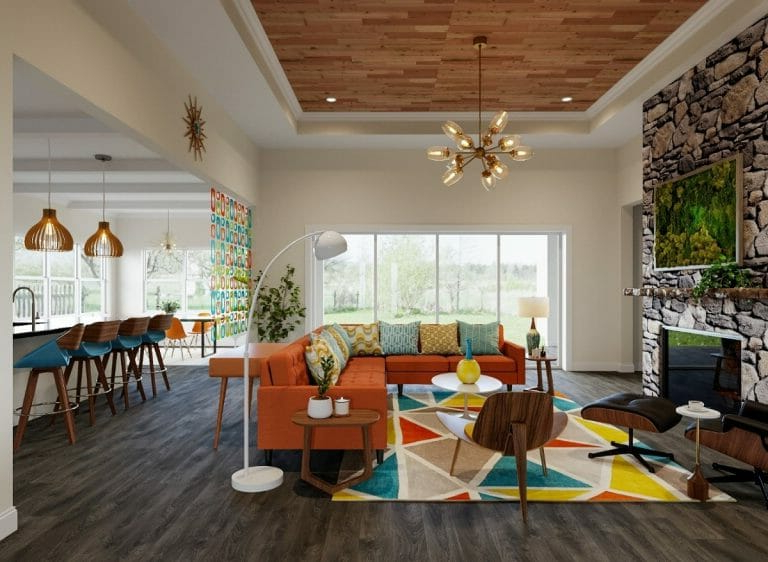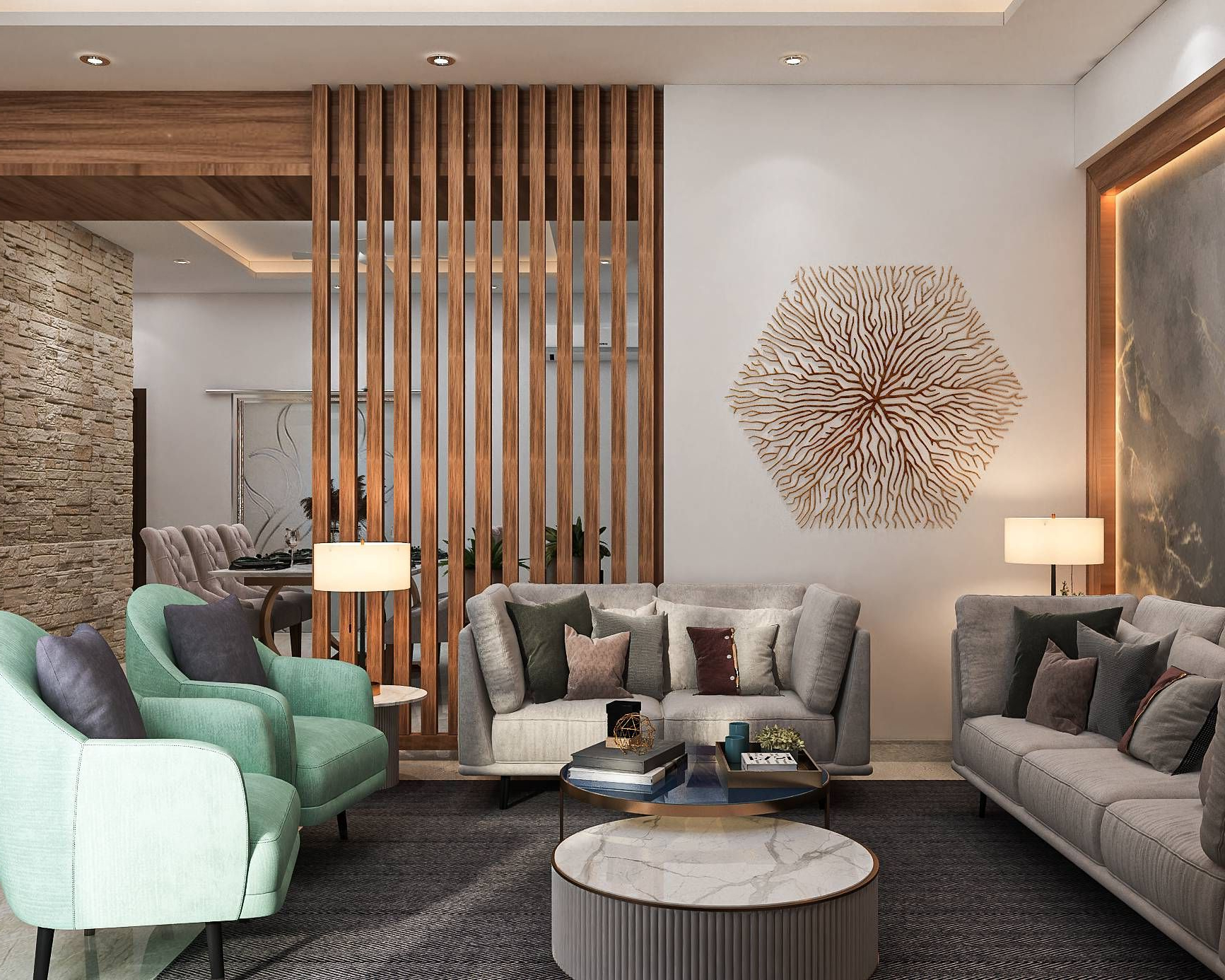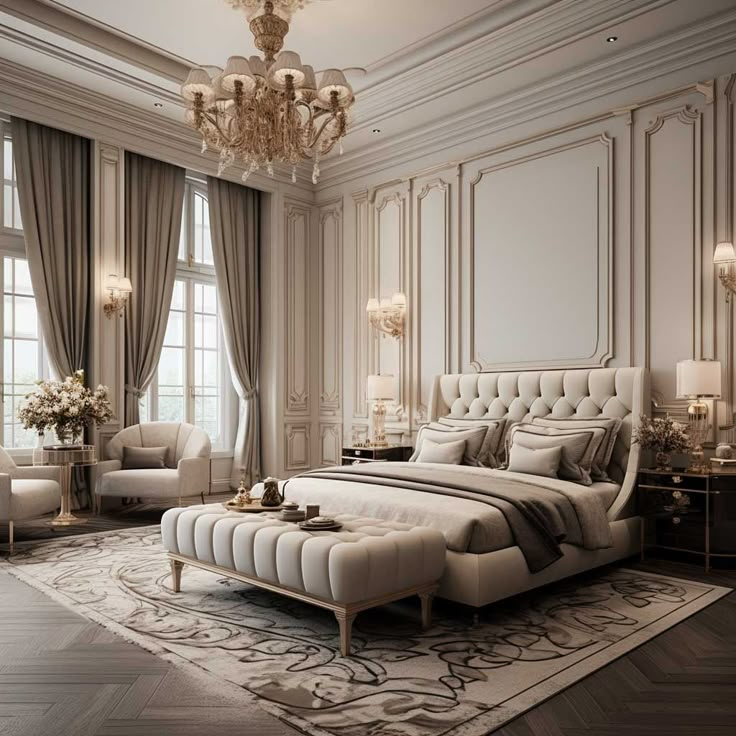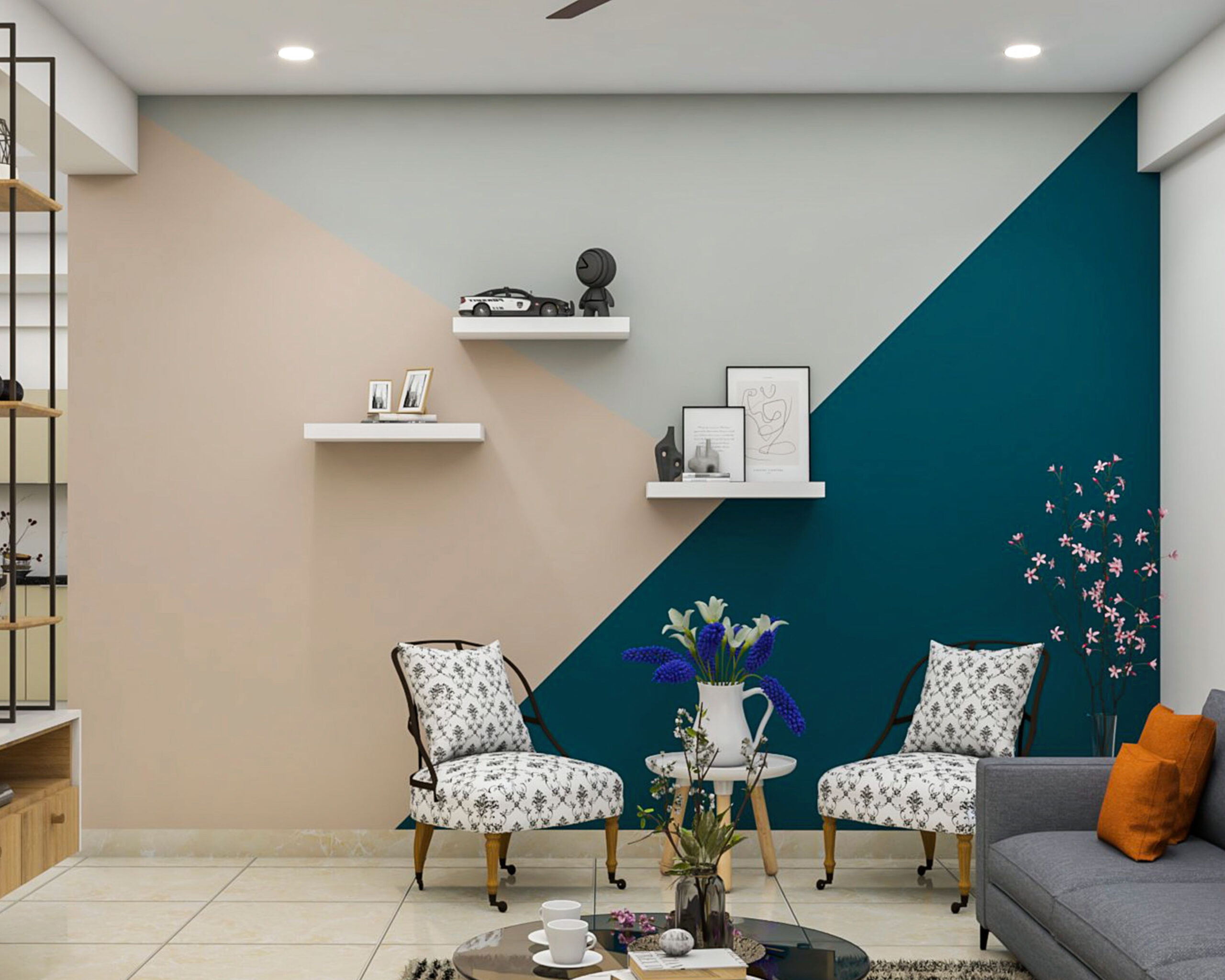
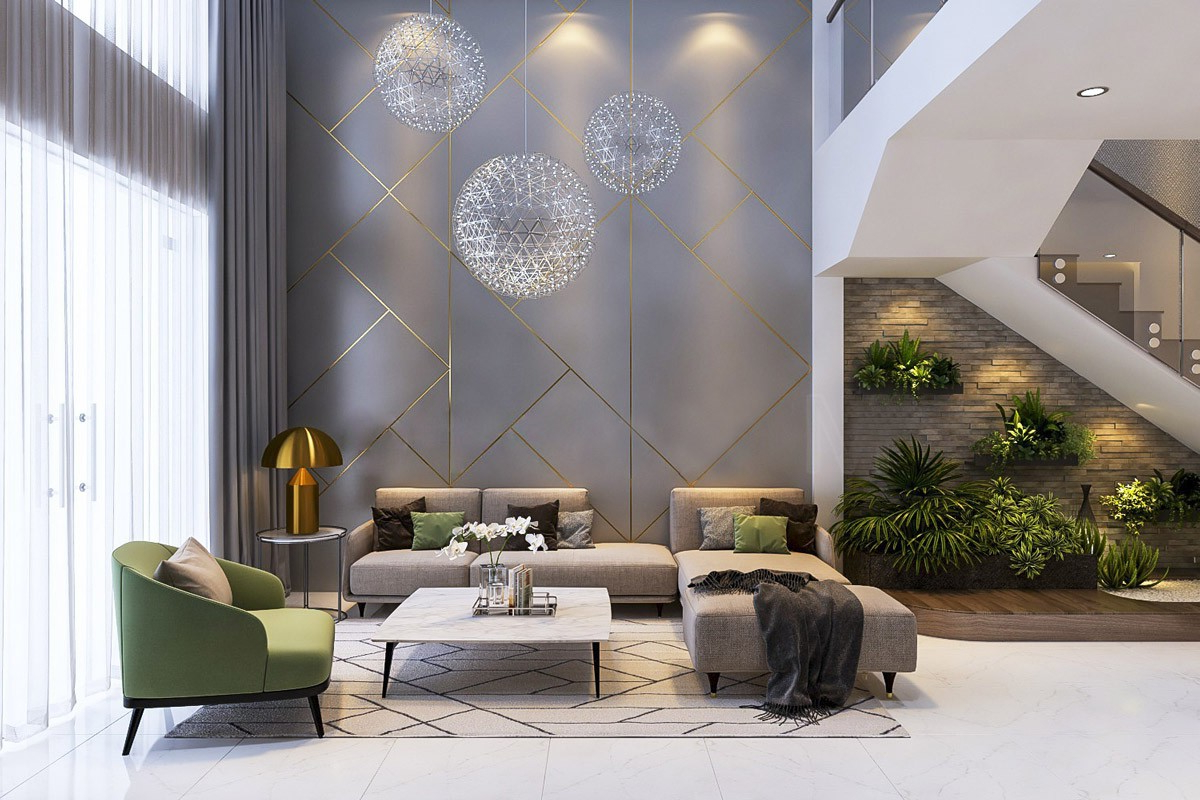
Every wall, every sofa, every throw pillow tells a story. But what if we told you that the colors in your main living space could influence how you feel, how you act, and even how you sleep? It’s not just about looking pretty – it’s about creating an environment that works for you.
When you walk into a room, what do you notice first? Is it the furniture, the lighting, or something else entirely? Often, it’s the colors that hit you like a wave. You might feel instantly calm in a blue-toned space, or energized by a bright yellow corner. This isn’t just coincidence – it’s the power of color psychology working in your favor. Your main living space deserves a thoughtful approach to color selection. Not just because it looks nice, but because it impacts your daily life in subtle and significant ways. Let’s dive into how to choose a palette that truly fits your lifestyle and creates the mood you want.
Understanding Color Psychology
Colors aren’t just visual elements – they’re emotional triggers. Red makes you feel passionate and energetic, while blue tends to calm your nerves. Green brings balance and freshness, and yellow can lift your spirits. These reactions happen automatically, even when you’re not consciously aware of them.
Think about the last time you walked into a restaurant. Did you notice how the colors made you feel? Maybe a red and black combo made you feel hungry and excited, while soft pastels made you feel relaxed and ready to enjoy a meal. The same principle applies to your home.
The colors in your main living area can either support or sabotage your desired mood. Want a cozy spot for reading? Consider warm tones like terracotta or deep amber. Looking for a space that feels fresh and clean? Light blues and whites work wonderfully.
It’s not about following rigid rules. Instead, it’s about understanding how different hues interact with your emotions and then choosing accordingly.
Identifying Your Desired Mood
Before you even start looking at paint swatches, ask yourself some honest questions:
• What do you want to feel when you’re in this space?
• Do you want to relax, focus, or energize?
• Are you entertaining often, or do you prefer quiet solitude?
• What activities take place most in this room?
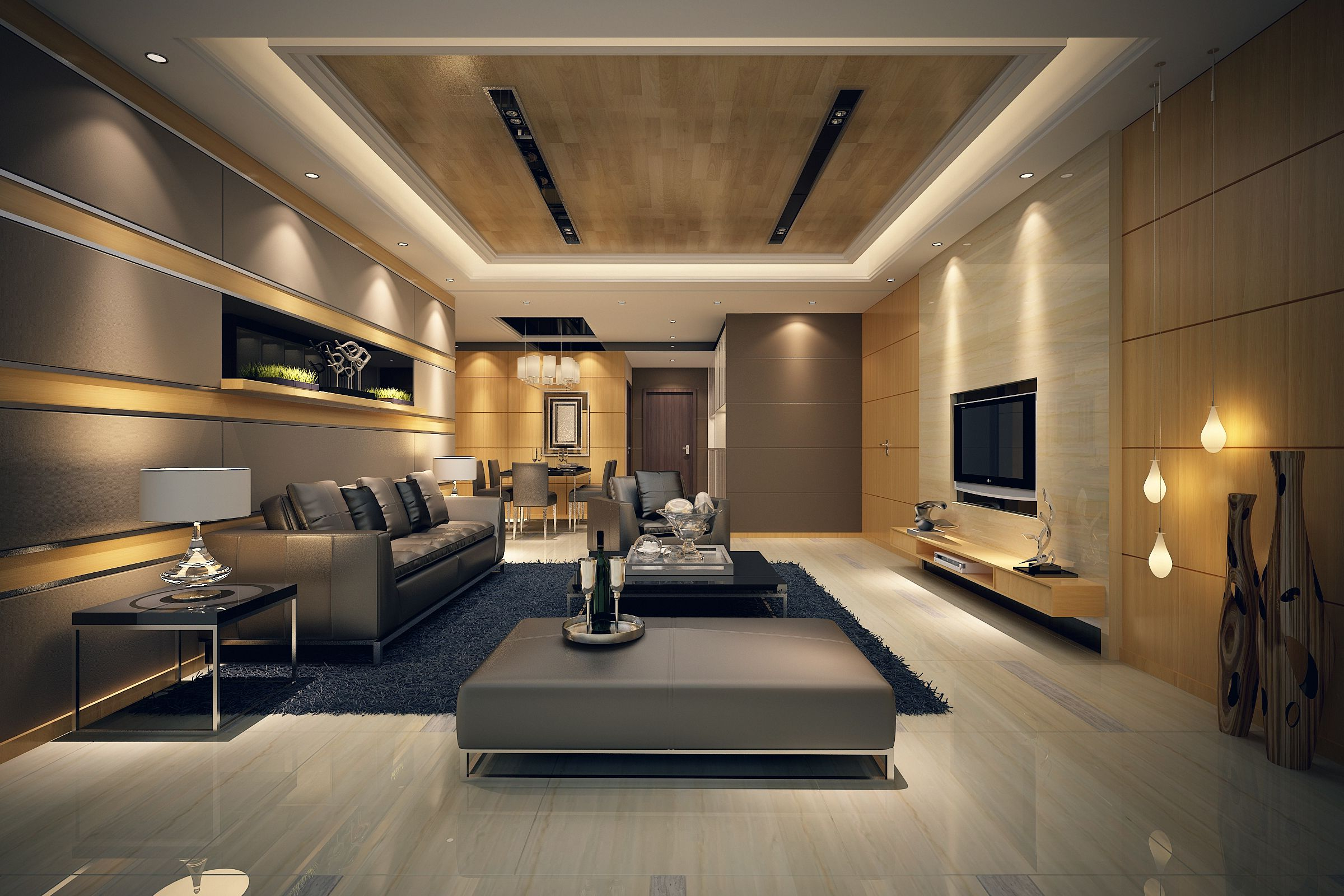
These questions help guide your color choices rather than leaving them to guesswork. For instance, if you spend hours working from home, you might want cool blues and greens to keep you alert and focused. If you’re using the space for unwinding after a long day, warm browns and soft oranges can create a welcoming atmosphere.
Consider the natural light in your space too. A room that gets lots of sunlight can handle bolder colors, while a darker space might benefit from lighter shades that reflect light and make the room feel larger.
Sometimes, you might want to mix moods. Maybe you want a space that can shift between calm and lively depending on the situation. That’s perfectly fine – you just need to plan your color strategy carefully.
The Role of Neutral Colors
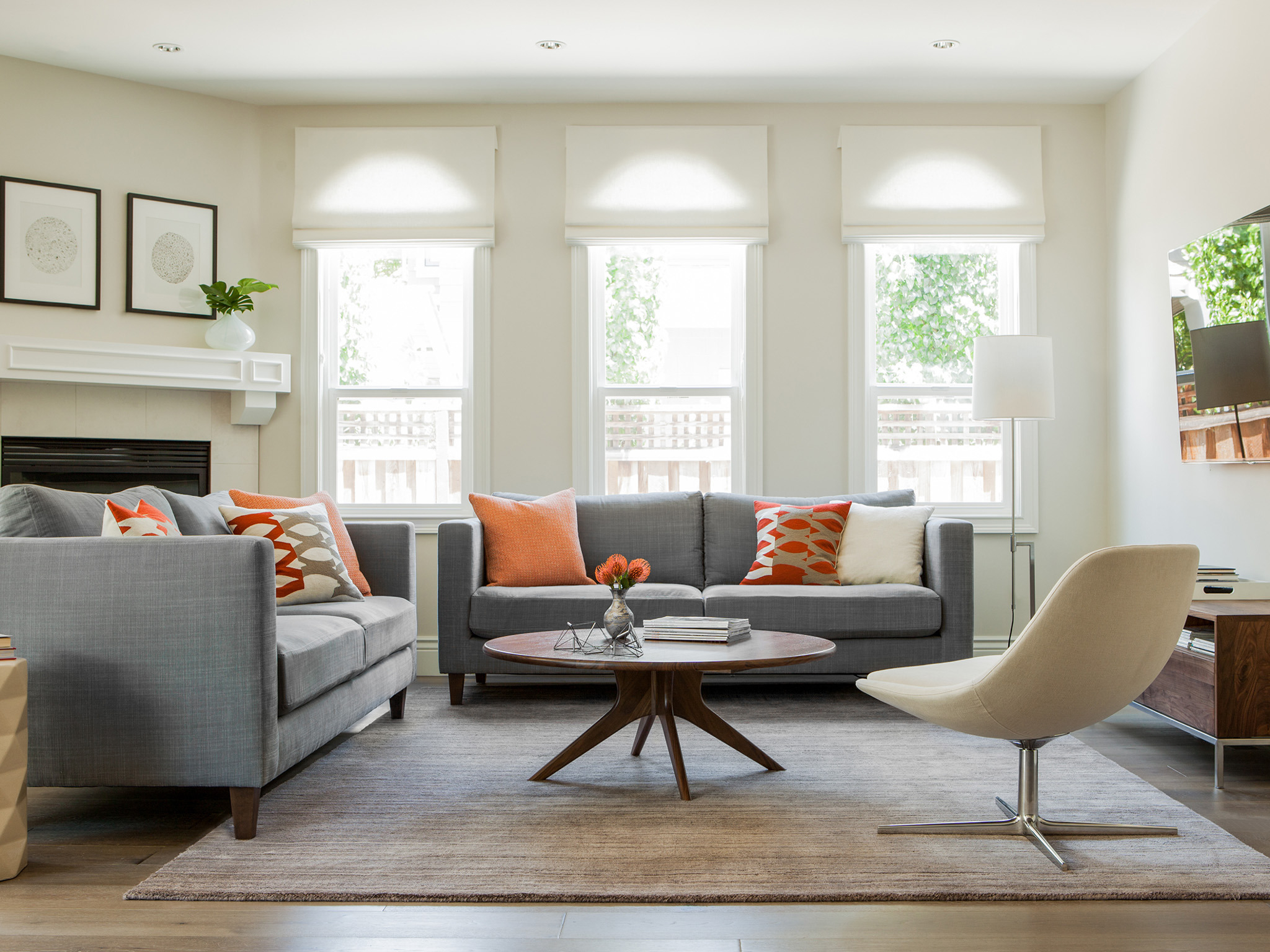
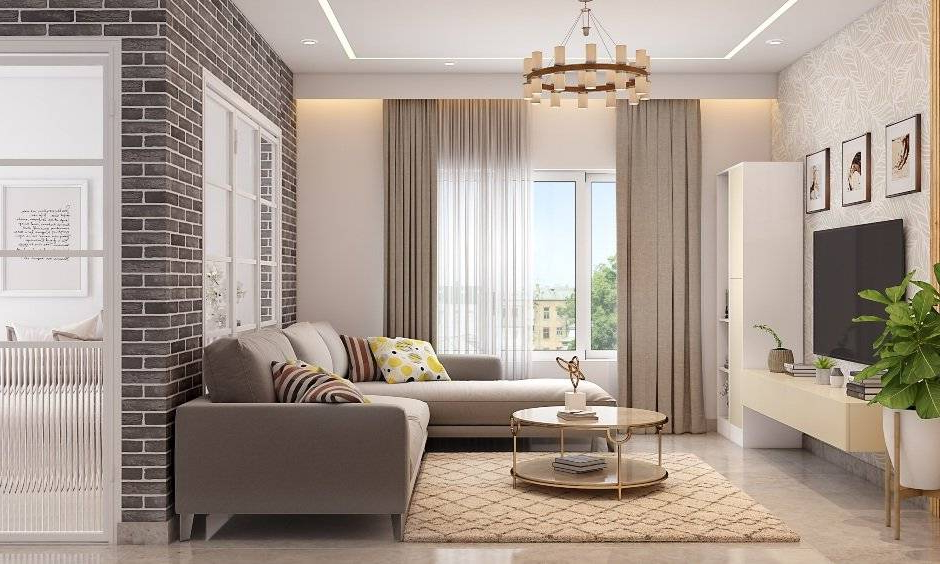
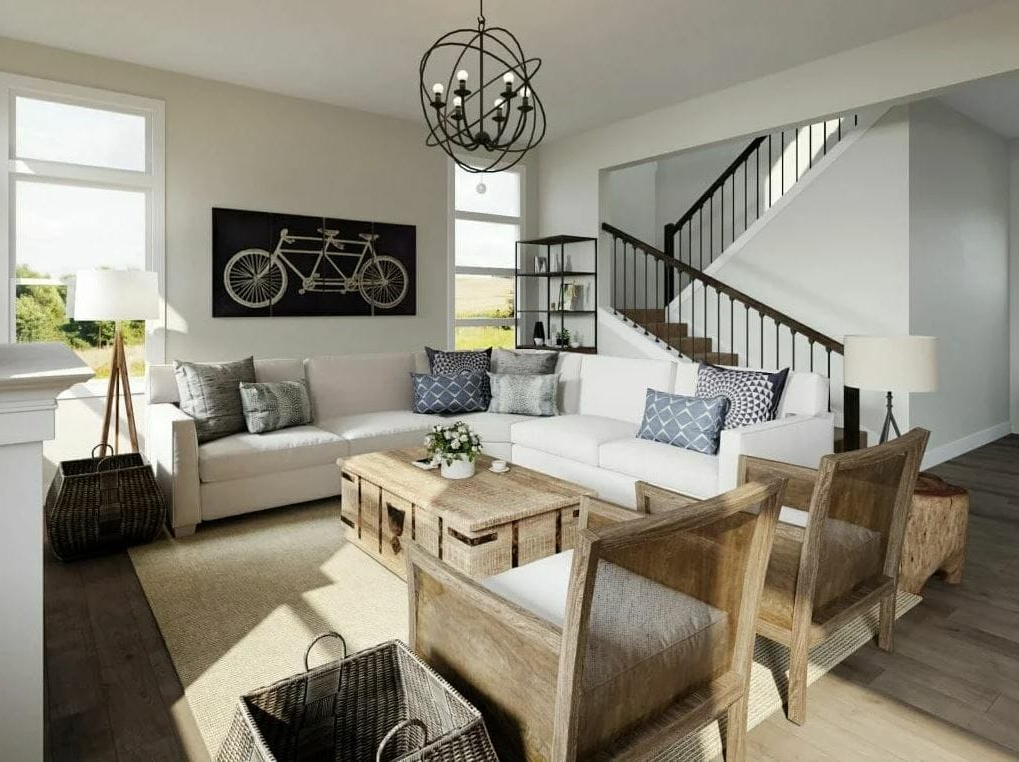
Neutrals form the backbone of almost every successful color scheme. They’re versatile, timeless, and provide a perfect canvas for adding pops of color. White, beige, gray, and taupe aren’t boring – they’re the foundation that allows other colors to shine.
White walls can make a small room look bigger and brighter. But don’t think white means bland. Try different textures – matte, eggshell, or even a soft cream can add depth and interest. Beige and cream offer warmth without being overwhelming. Gray brings sophistication and can be surprisingly calming.
These neutral tones also make it easier to change up your decor. When you decide to switch things up, you won’t need to repaint everything. You can simply change your pillows, artwork, or accent pieces to refresh the look.
A good rule of thumb is to use neutrals as your primary color and add one or two accent colors for interest. This way, you have flexibility and stability at the same time.
Creating Balance Through Color Harmony
Not all colors play well together. But there are several ways to combine colors that look good together. These are called color harmonies.
The most common ones include:
• Analogous colors: Colors that sit next to each other on the color wheel, like blue, blue-green, and green. These create a calm, cohesive look.
• Complementary colors: Colors opposite each other on the wheel, such as blue and orange. These create vibrant contrast and energy.
• Triadic colors: Three colors evenly spaced around the wheel, like red, yellow, and blue. This combination is bold and exciting.
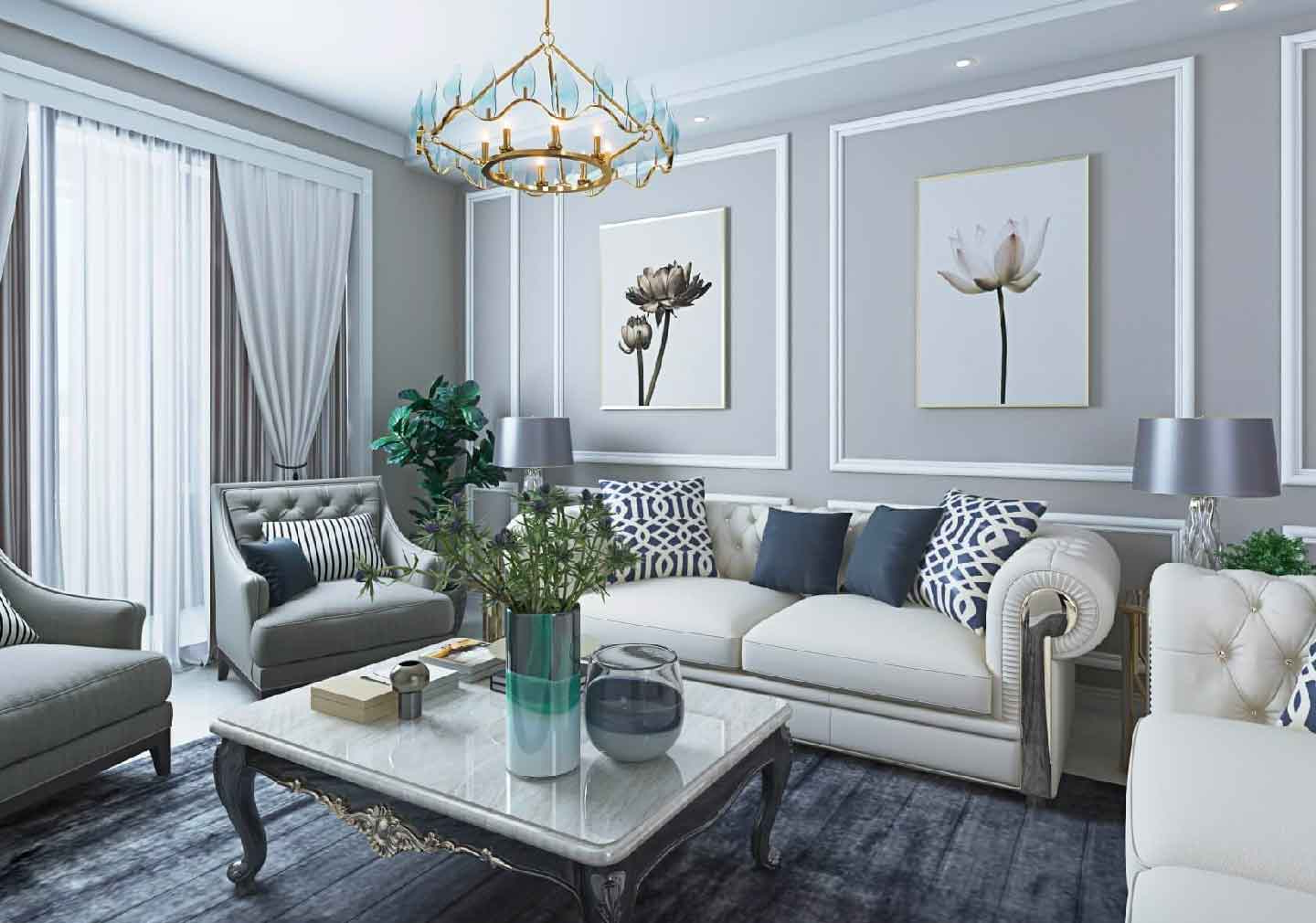
• Monochromatic colors: Different shades and tints of one color. This approach is soothing and elegant.
Start with one base color you love, then find its complementary or analogous colors. For example, if you’re drawn to sage green, try pairing it with warm browns or soft yellows. This creates a natural, pleasing relationship between the colors.
Don’t be afraid to experiment! Sometimes unexpected combinations can create beautiful results. But always test your choices in the actual room under different lighting conditions.
Practical Tips for Testing Colors
Painting an entire room can be expensive and irreversible. Before committing, try these methods:
• Paint sample cards: Stick samples on your walls for a few days. Watch how they look in different light throughout the day.
• Online tools: Many apps let you upload a photo of your room and virtually test colors.
• Small patches: Paint a small area on your wall and see how it interacts with the existing furniture and lighting.
Consider the size of your room too. In small spaces, lighter colors make things appear larger. Darker colors in large rooms can make them feel cozier and more intimate.
Also, remember that your eyes adjust to colors over time. What looks great initially might seem different after a week or two. Give yourself time to really assess whether a color choice feels right.
Finally, don’t forget to consider your personal style. Some people love bold, dramatic colors, while others prefer soft, muted tones. Your color palette should reflect who you are and how you want to live.
Making It Work for Your Lifestyle
Your main living space should serve you, not the other way around. Think about how you actually use the room.
If you’re a morning person, maybe a bright, cheerful palette helps you start your day right. If you’re more of a night owl, you might prefer softer, deeper colors that help you wind down.
For families with children, consider colors that are easy to keep clean and that don’t show wear easily. Lighter colors tend to hide stains better, while darker ones might show dirt more readily.
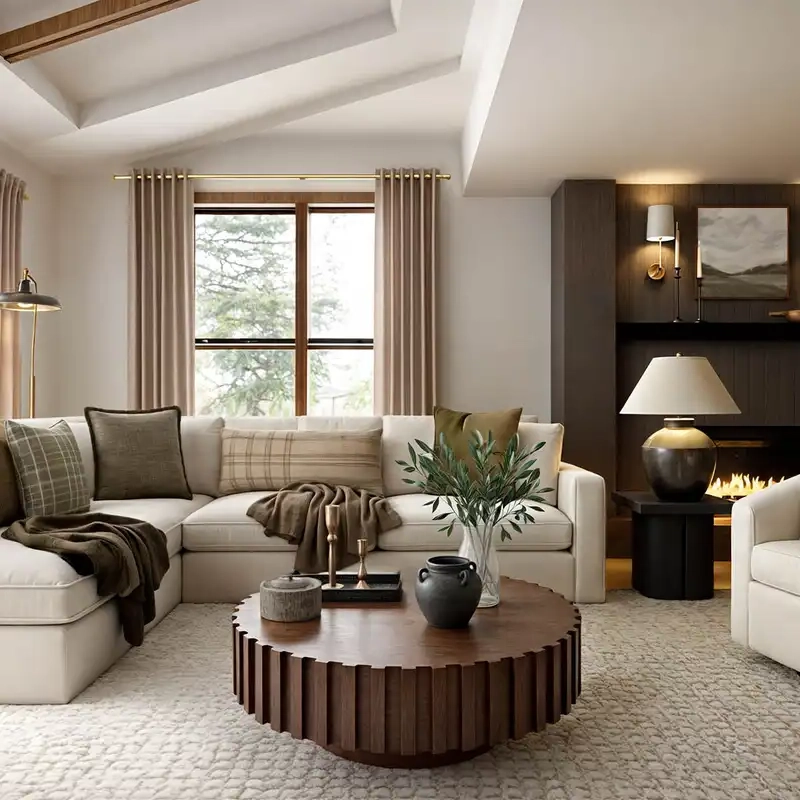
If you entertain frequently, you’ll want a palette that feels welcoming and comfortable for guests. Warm earth tones often work well in these situations.
Remember, your color choices can affect everything from how you sleep to how you feel about your home. Take the time to really think about what you want from your living space, and let that guide your color decisions. You’ll be surprised at how much difference a thoughtful color palette can make in your daily life.
Choosing the right color palette for your main living space isn’t just about aesthetics – it’s about crafting an environment that supports your well-being and enhances your daily experiences. Whether you’re drawn to the serenity of blues, the energy of yellows, or the sophistication of neutrals, the key is understanding how these choices impact your mood and lifestyle.
Take your time. Experiment. Test colors in real conditions. And remember, there’s no wrong answer – only the right choice for you. Your living room deserves a color story that reflects who you are and how you want to feel when you’re spending time there. With thoughtful planning and a little creativity, you can transform your space into a true reflection of your personality and needs.